KULAMBA
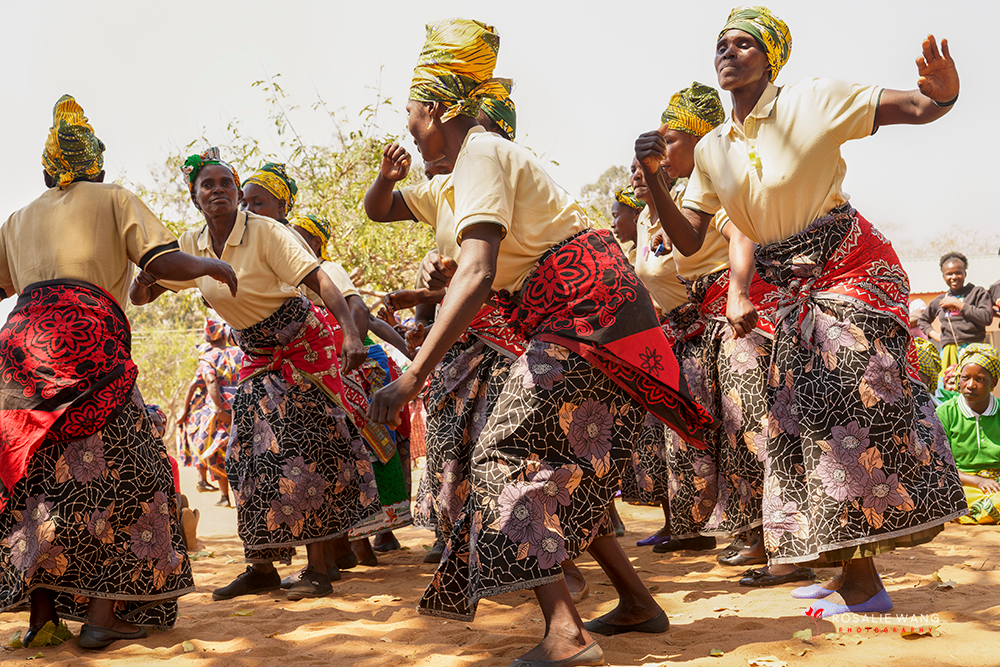
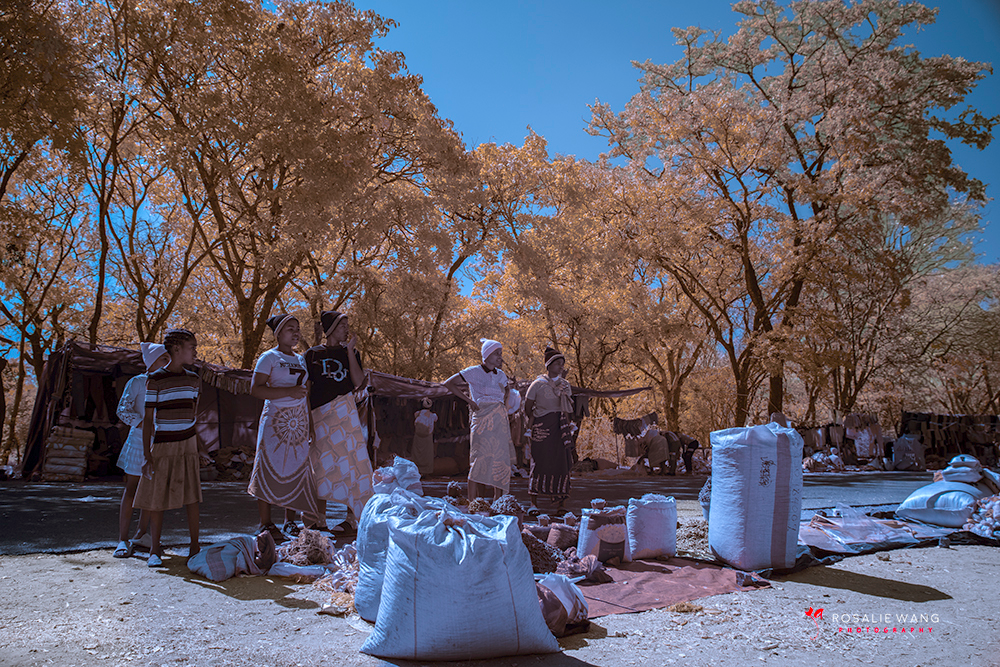
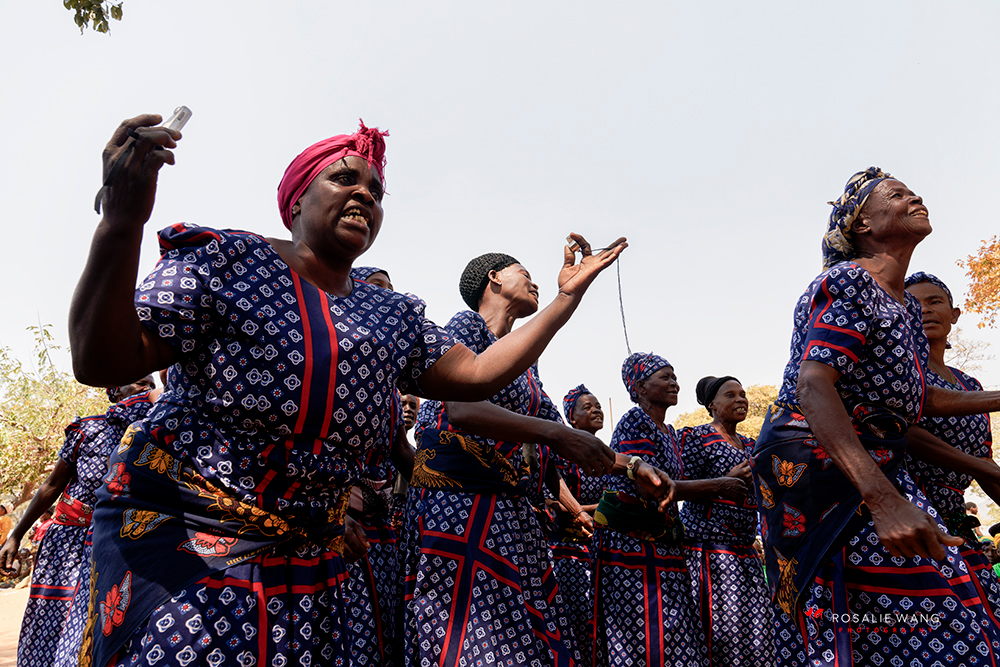
Kulamba is a major annual traditional ceremony of the Chewa people in Zambia, Malawi, and Mozambique, held every last Saturday of August in Katete, Eastern Zambia. It honors their paramount chief, Kalonga Gawa Undi, and celebrates unity, ancestral reverence, and cultural identity.
🌍 Cultural Significance
- The Chewa people, one of the largest ethnic groups in Southern Africa, use Kulamba to pay homage to Kalonga Gawa Undi, their spiritual and political leader.
- Chiefs from over 30 Chewa chiefdoms across Zambia, Malawi, and Mozambique gather to report on their communities, offer gifts, and reaffirm allegiance to the king.
🎭 Ceremonial Highlights
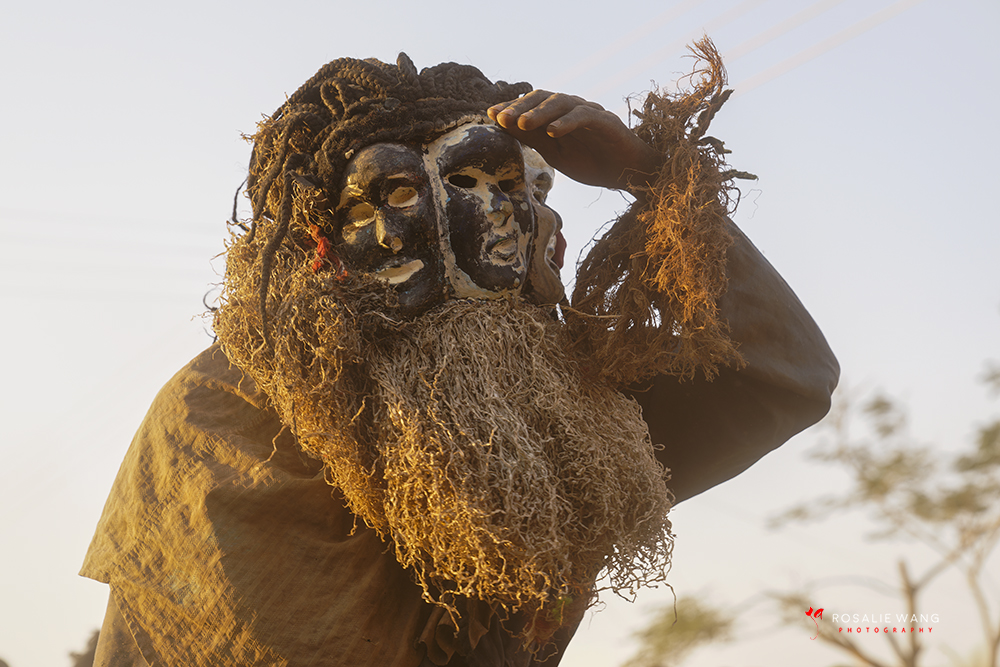
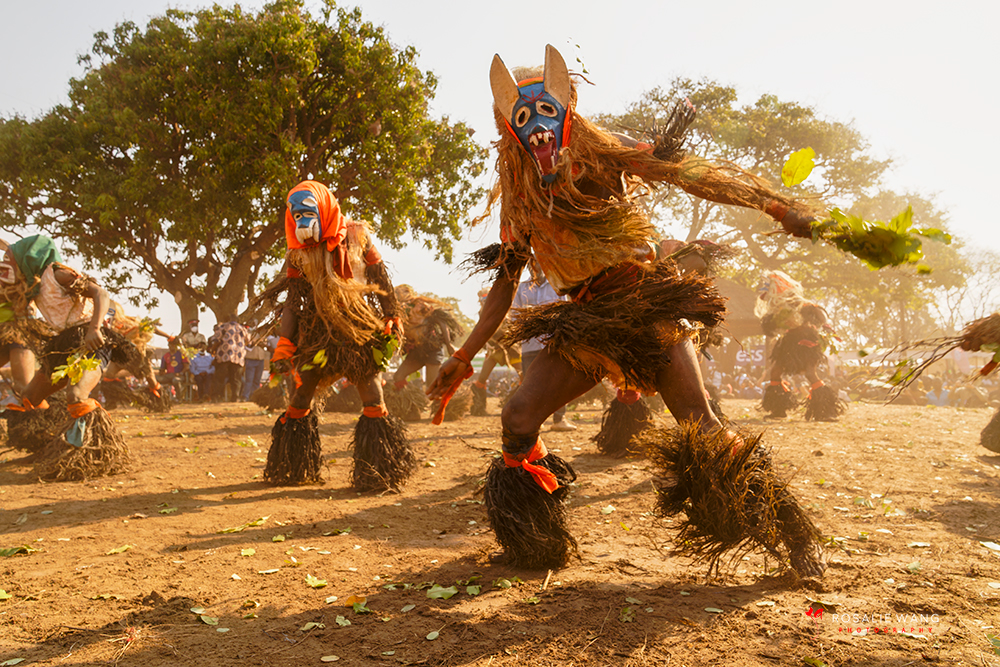
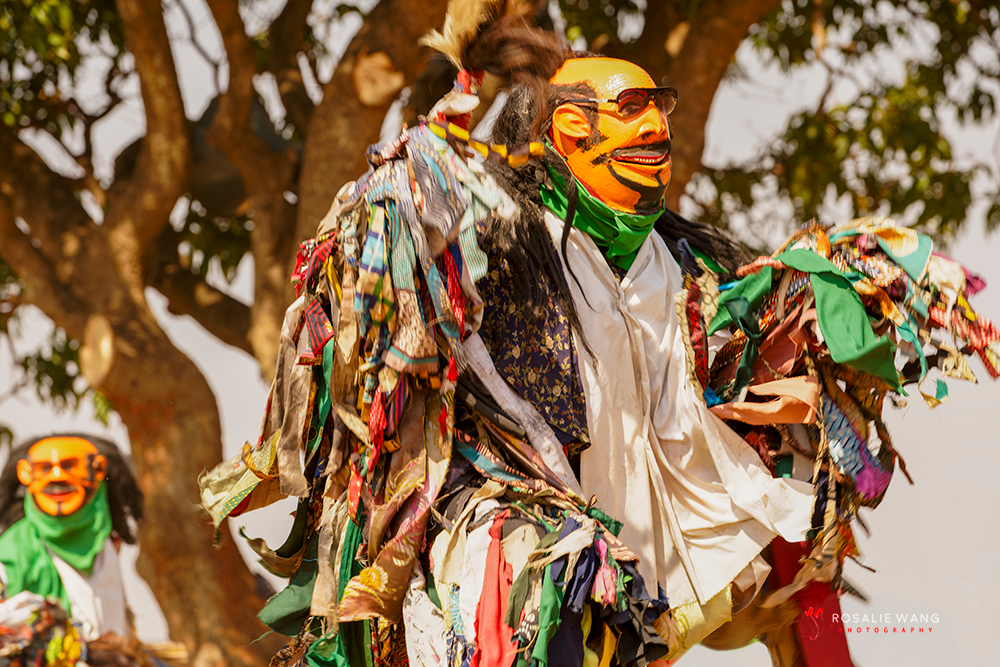
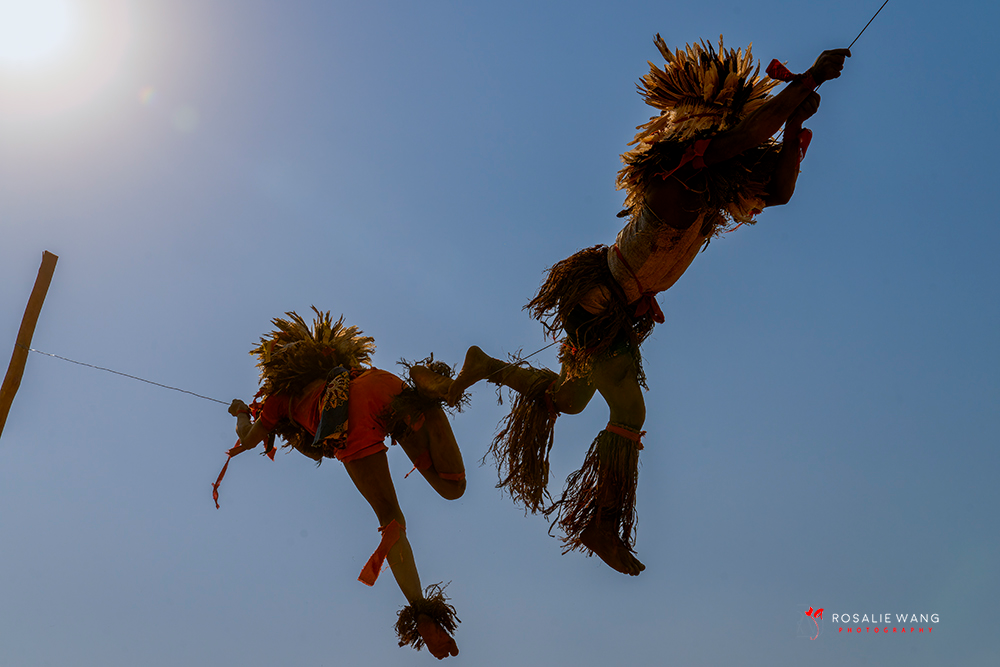
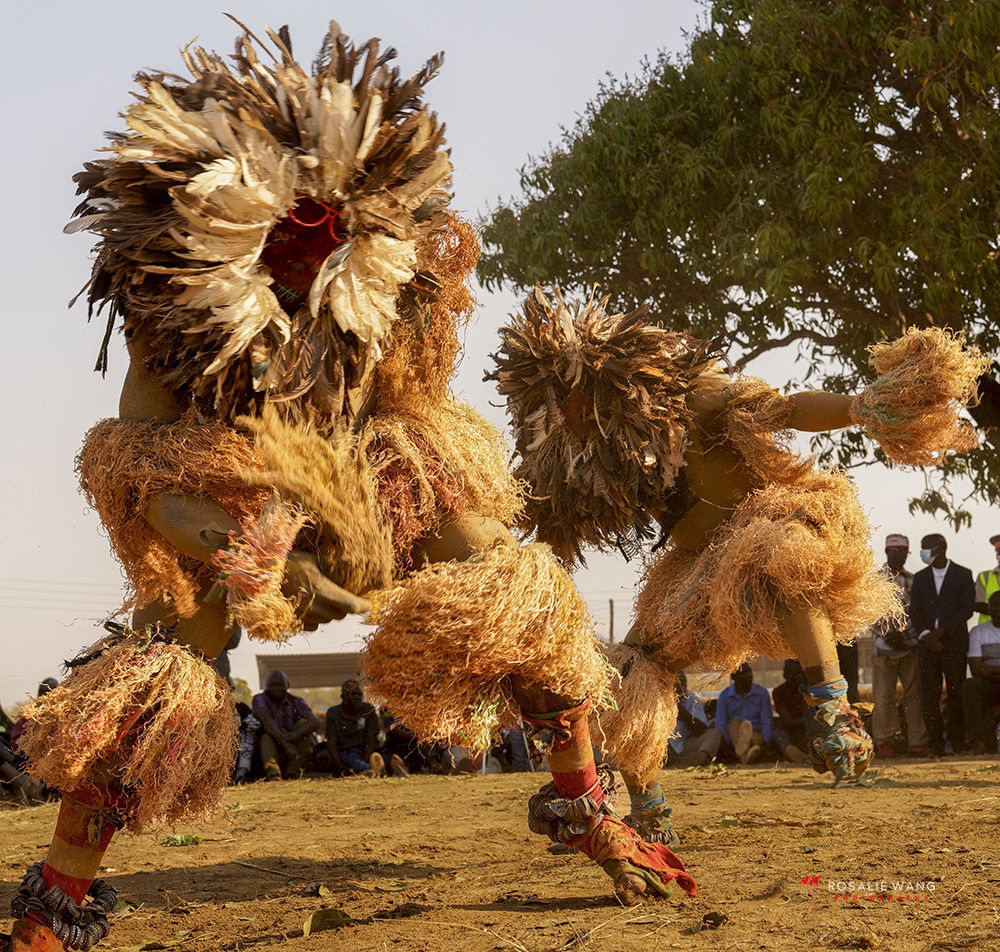
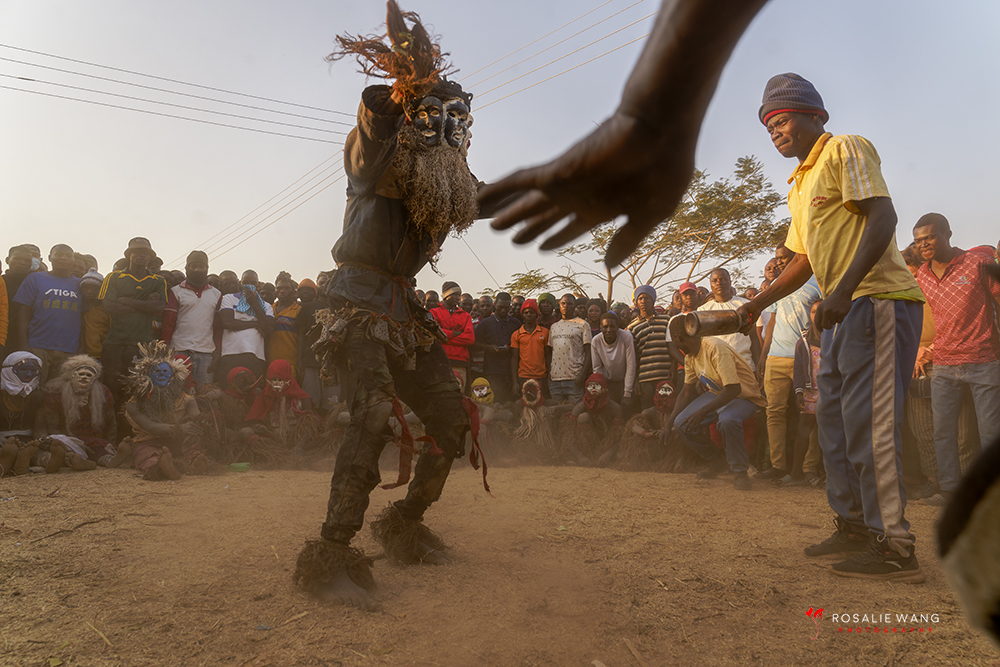
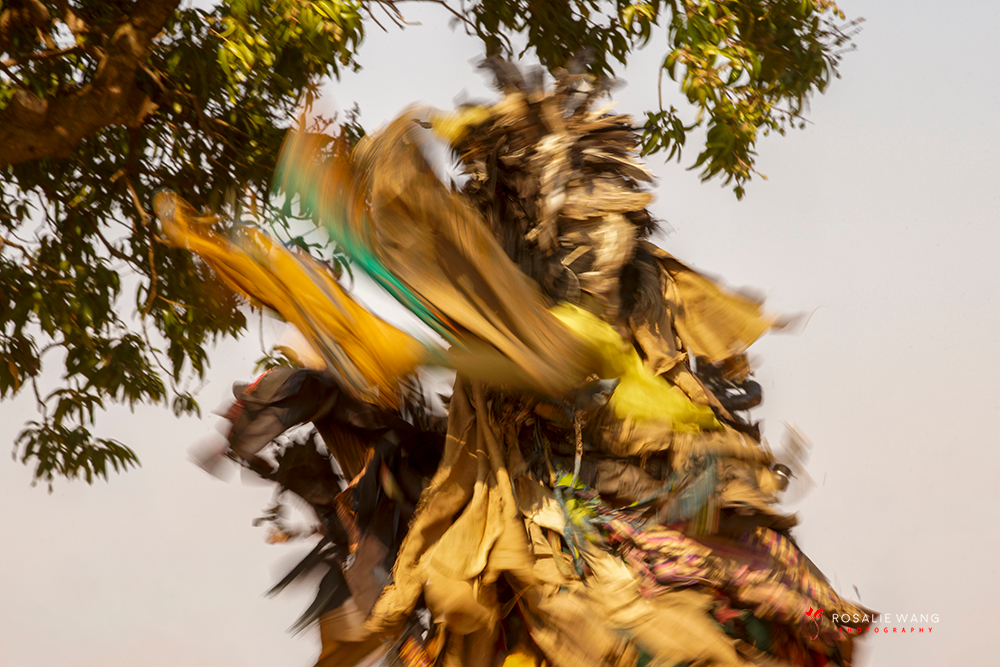
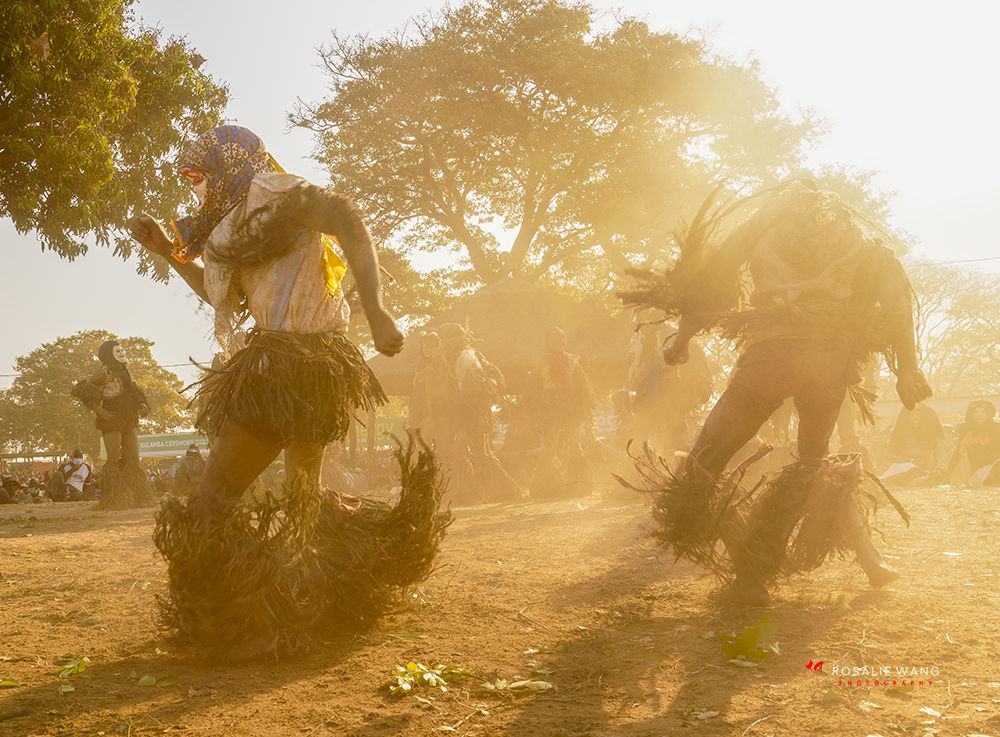
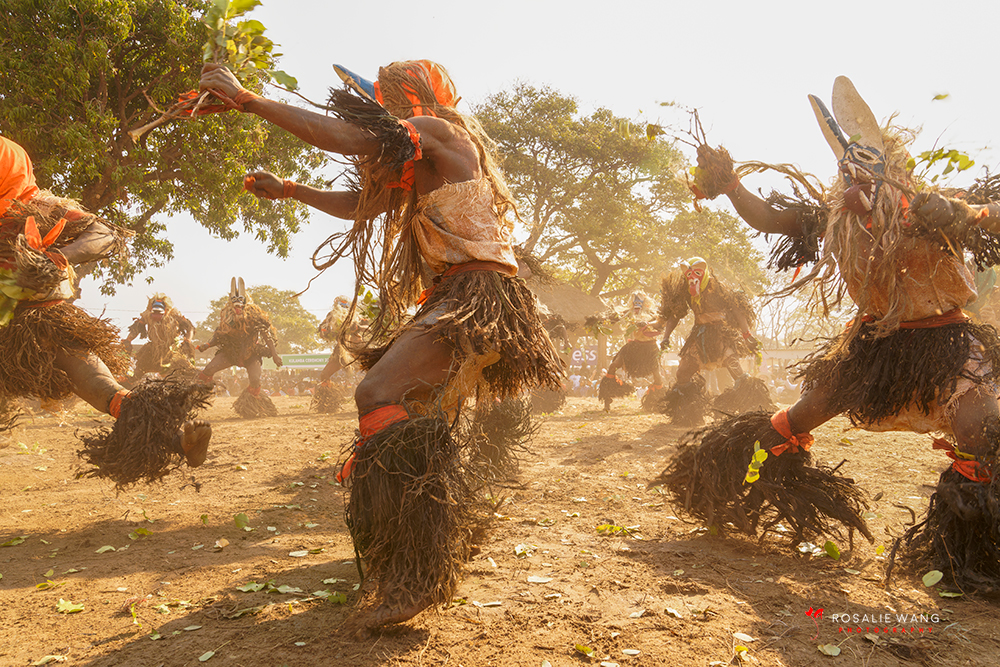
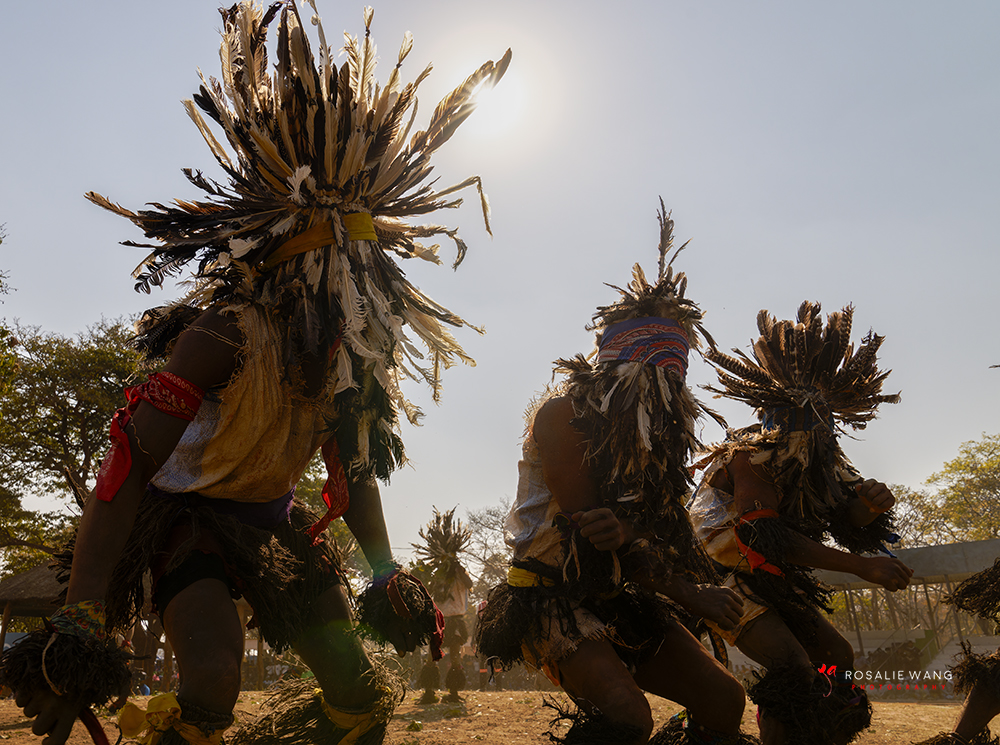
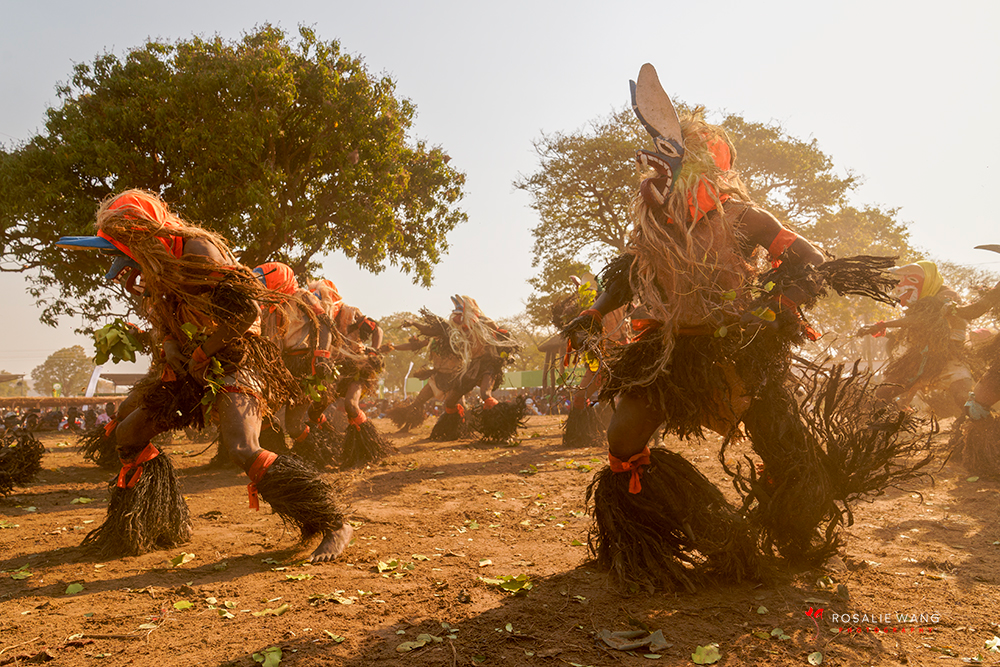
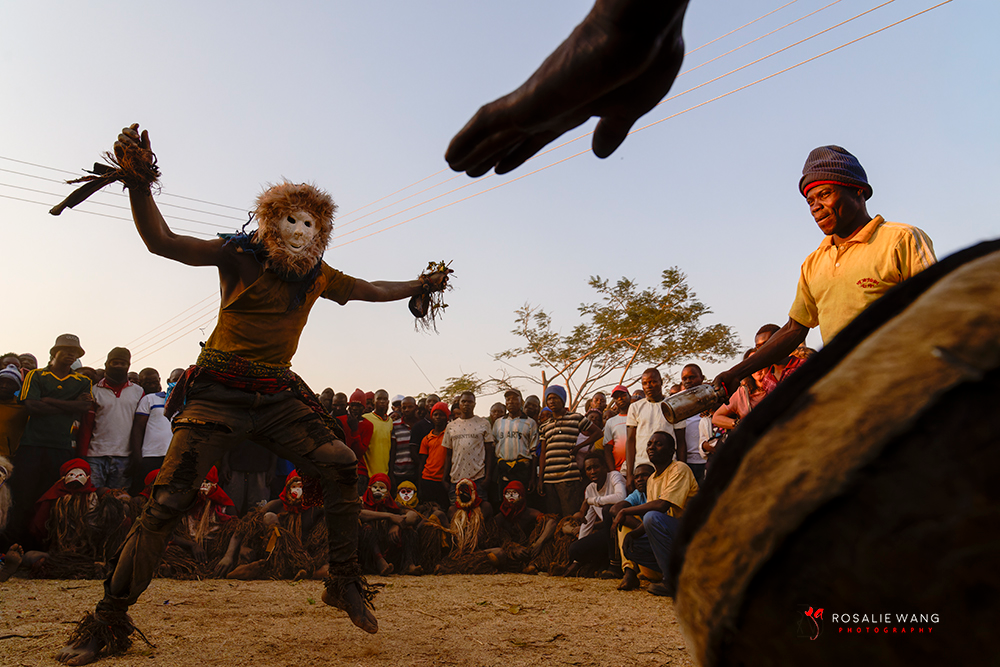
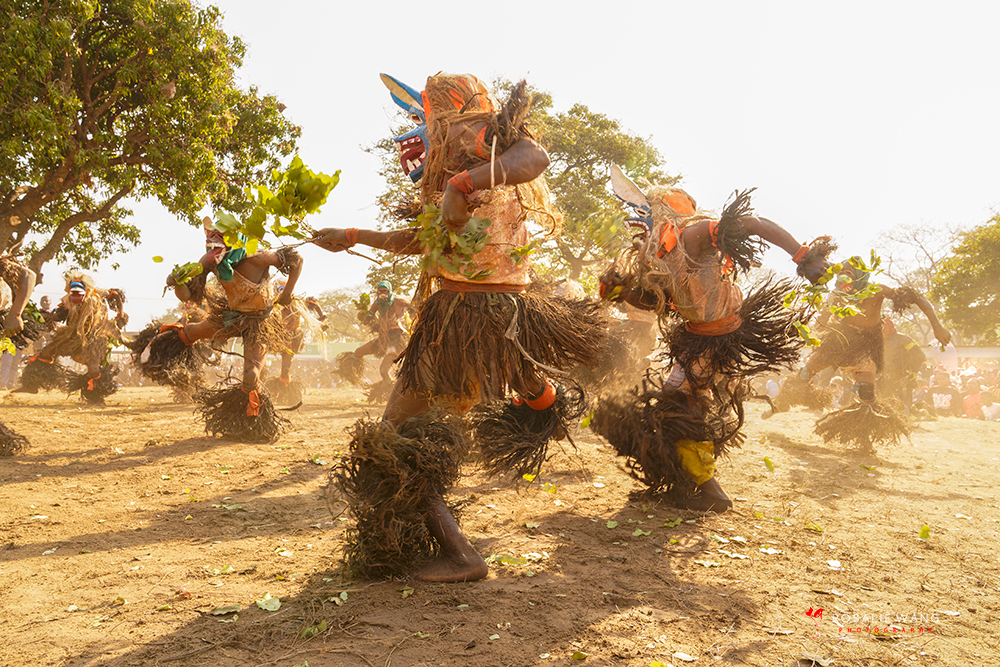
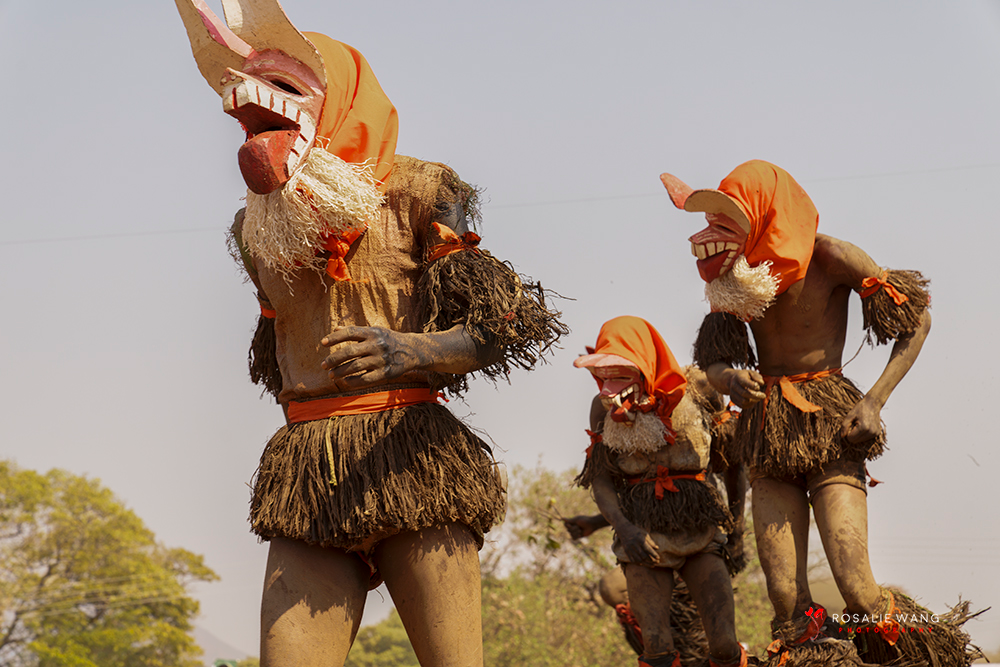
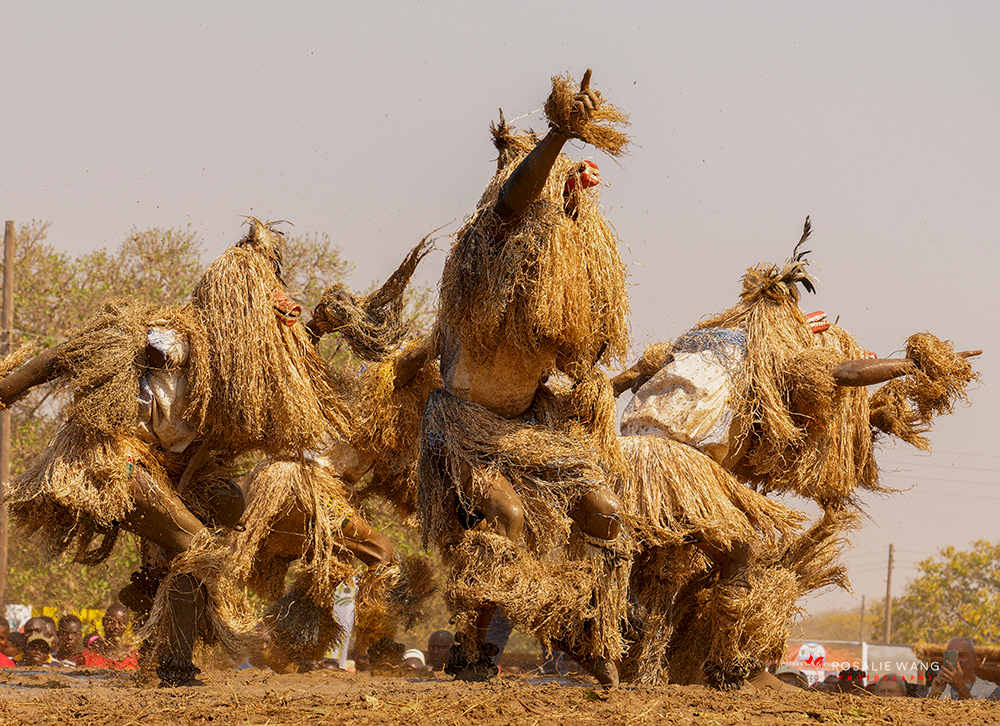
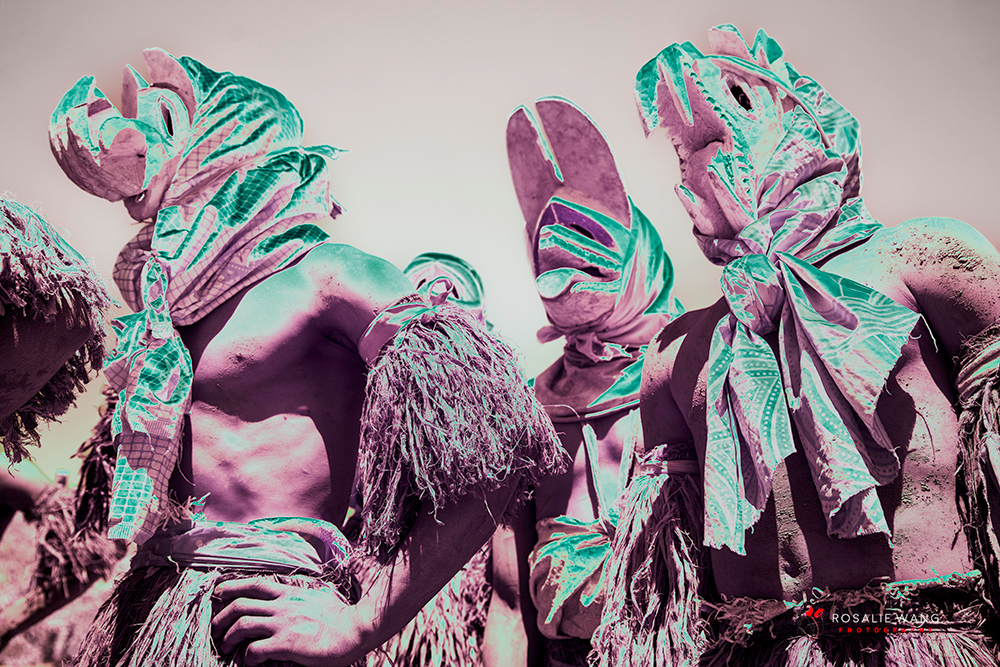
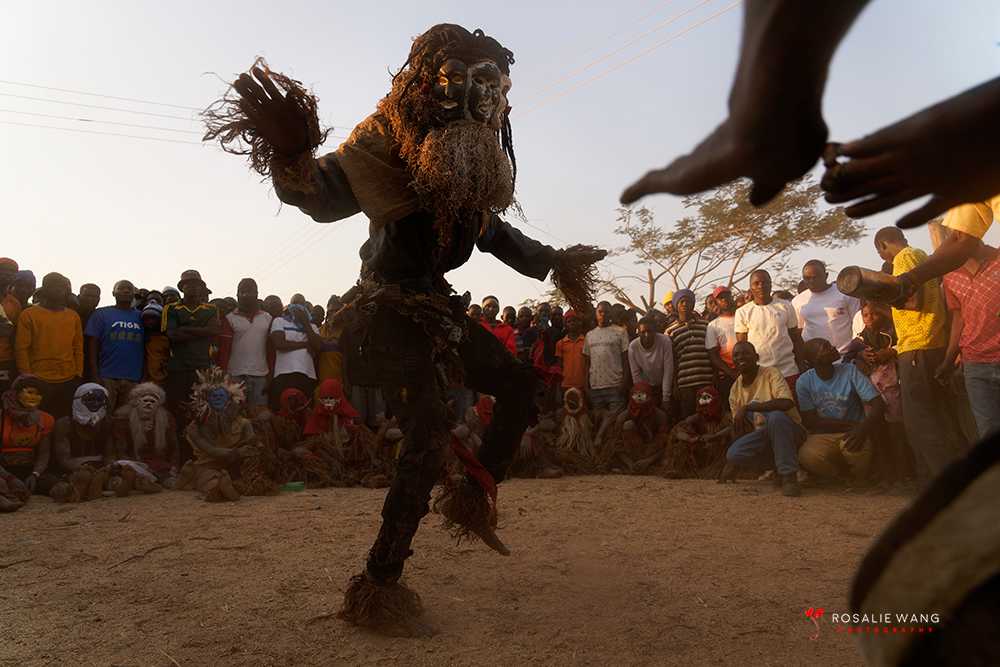
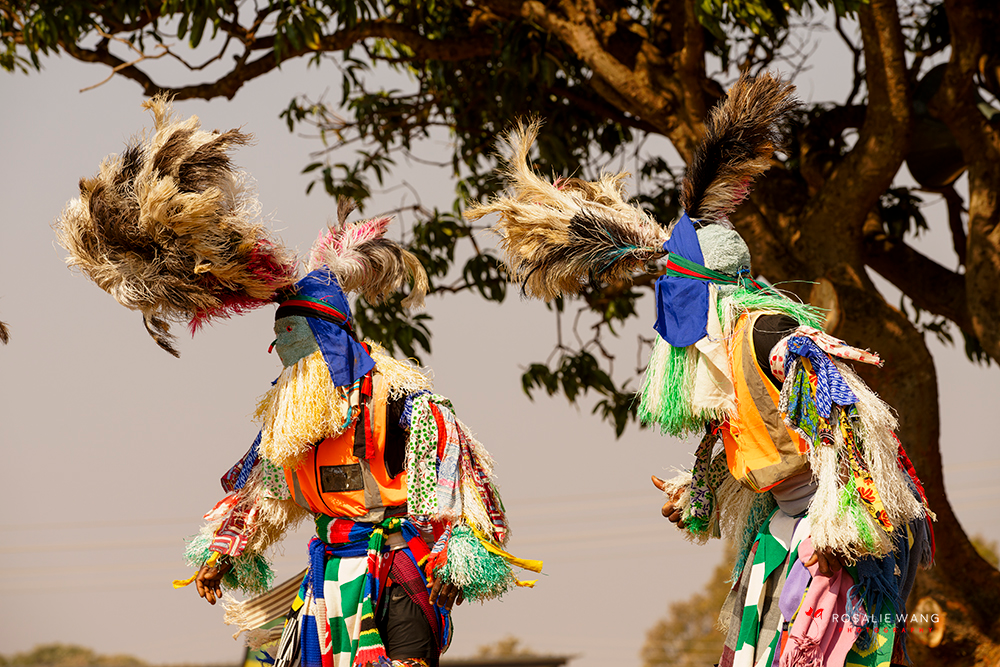
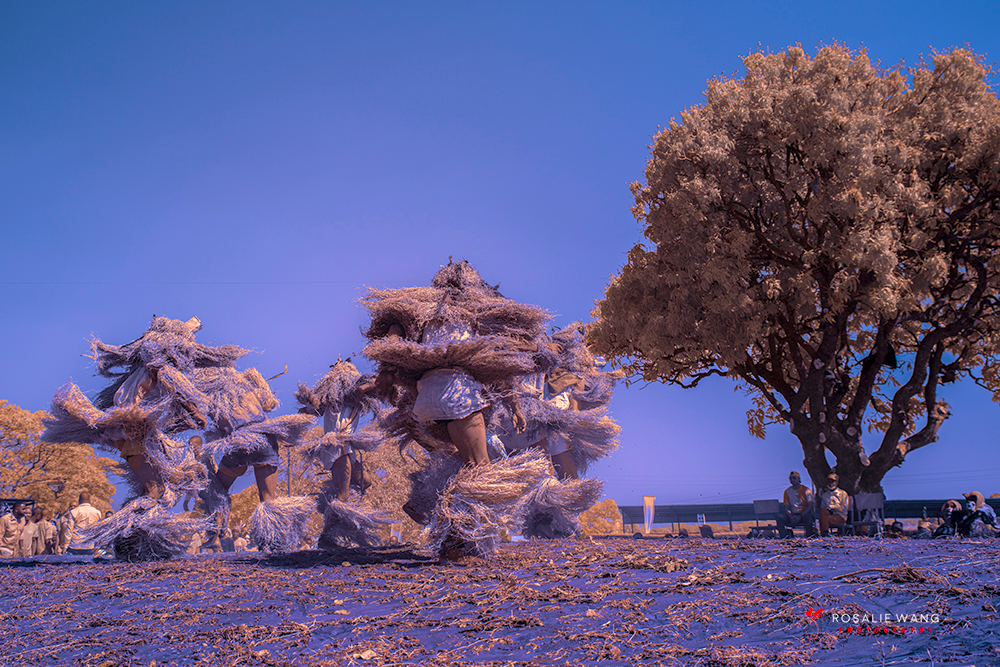
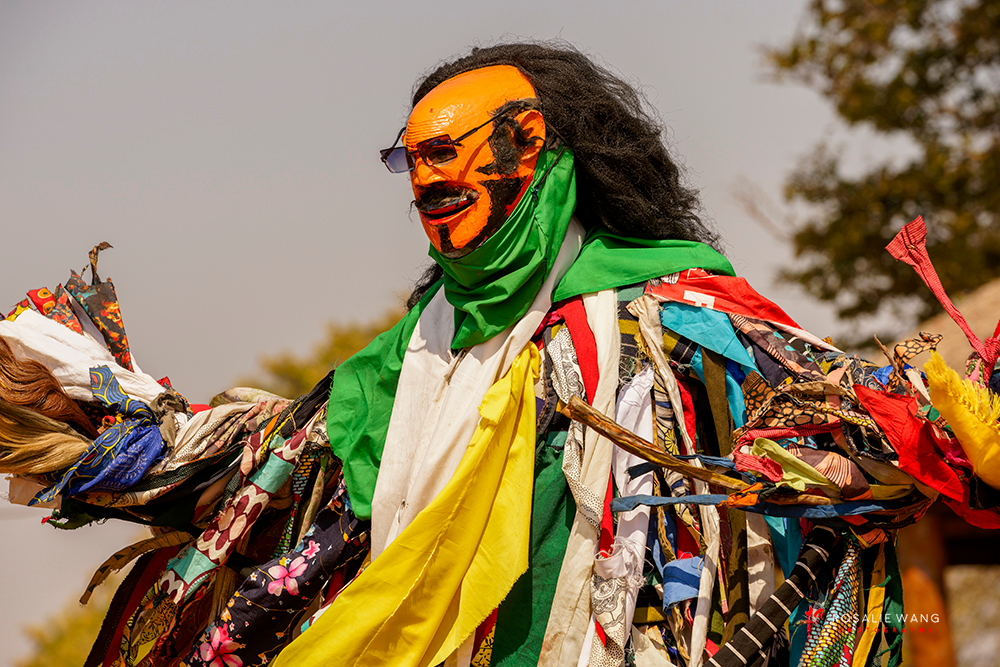
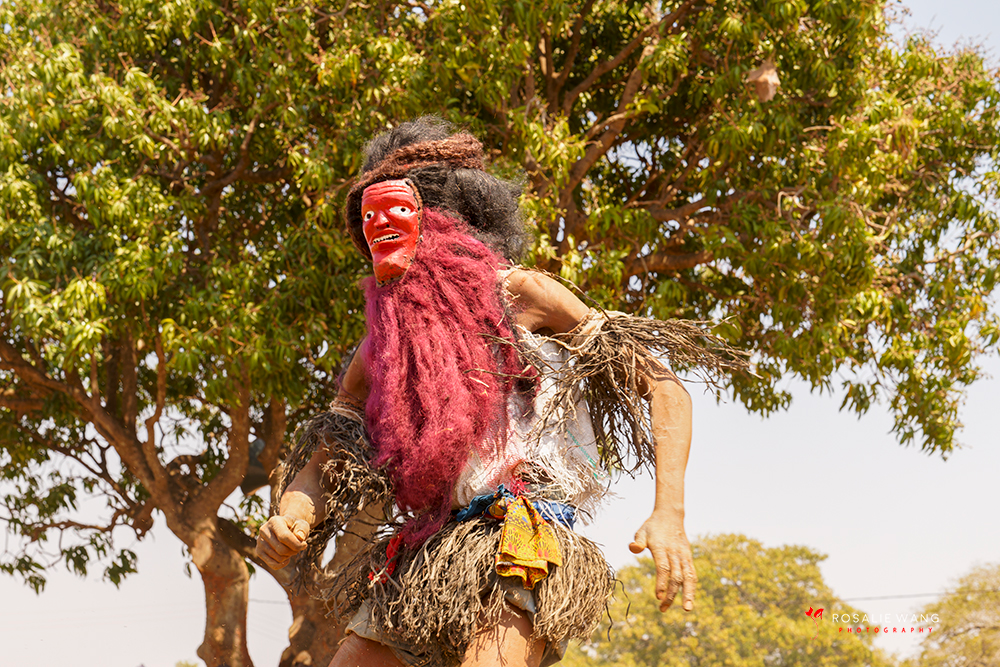
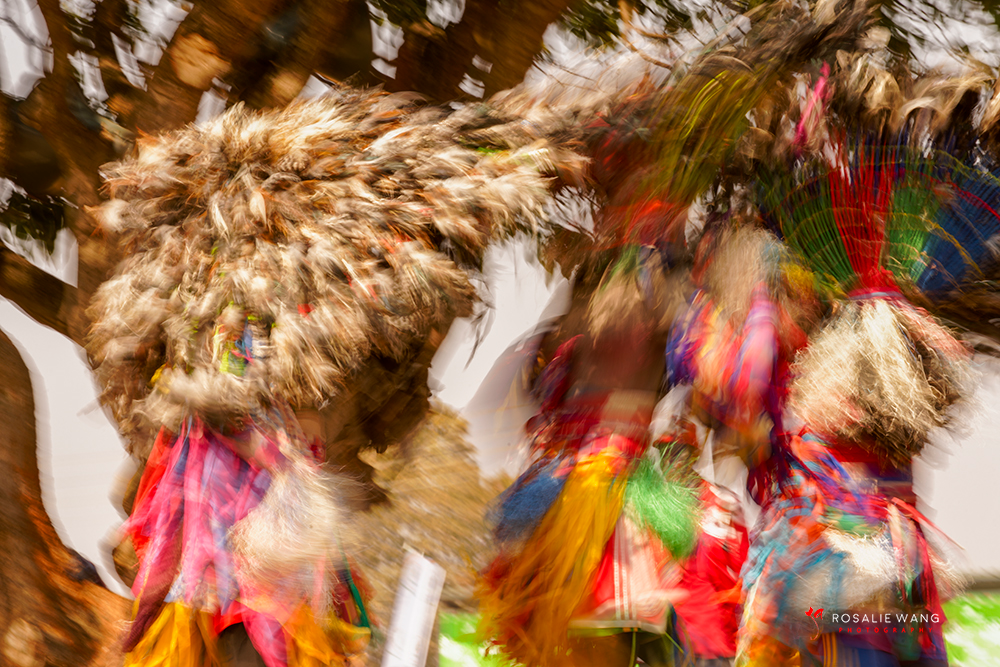
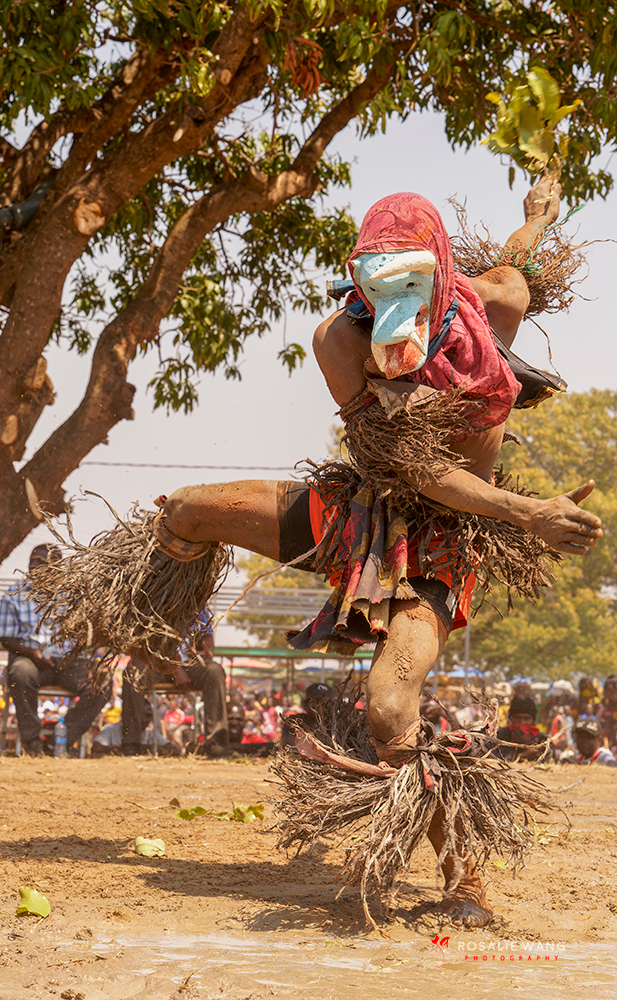
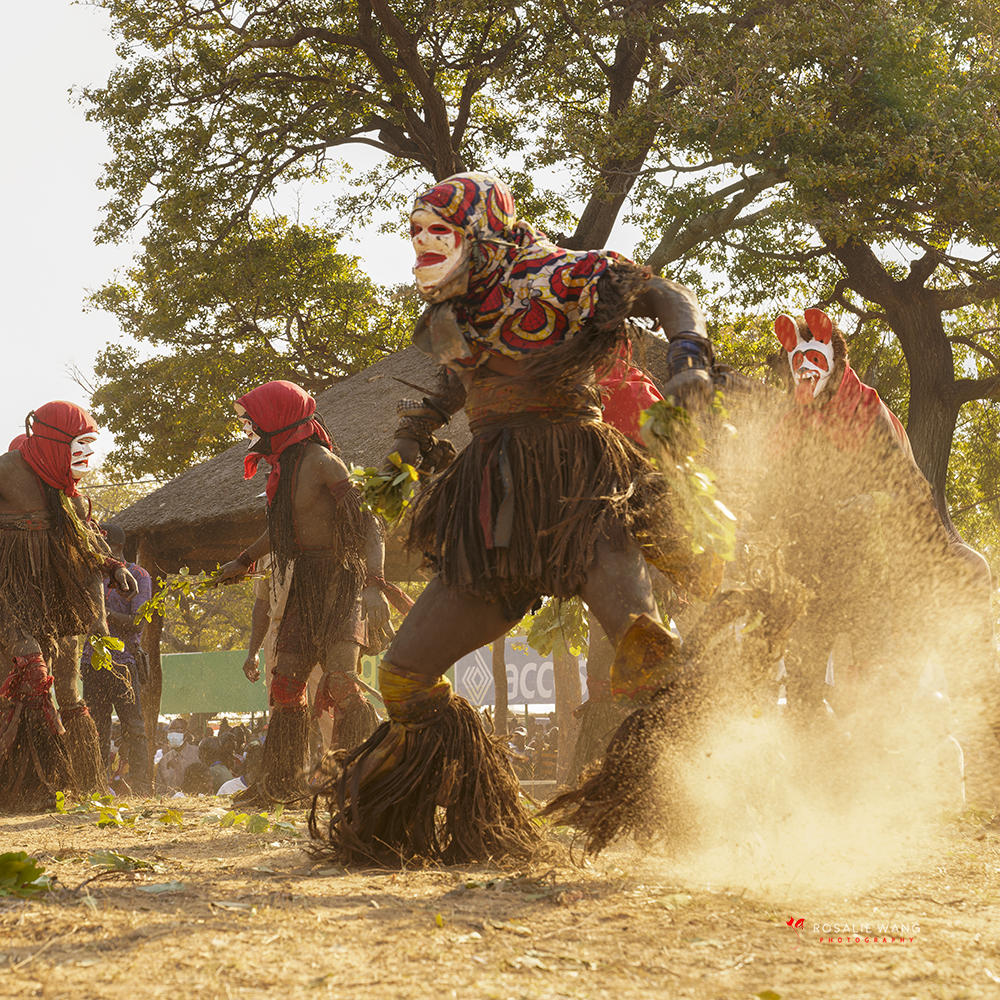
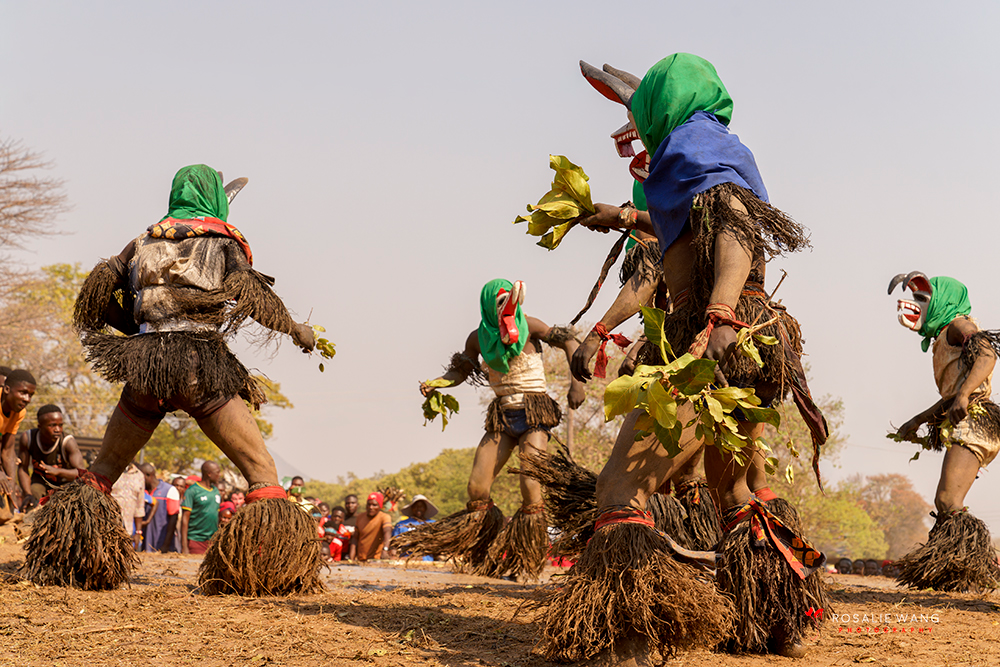
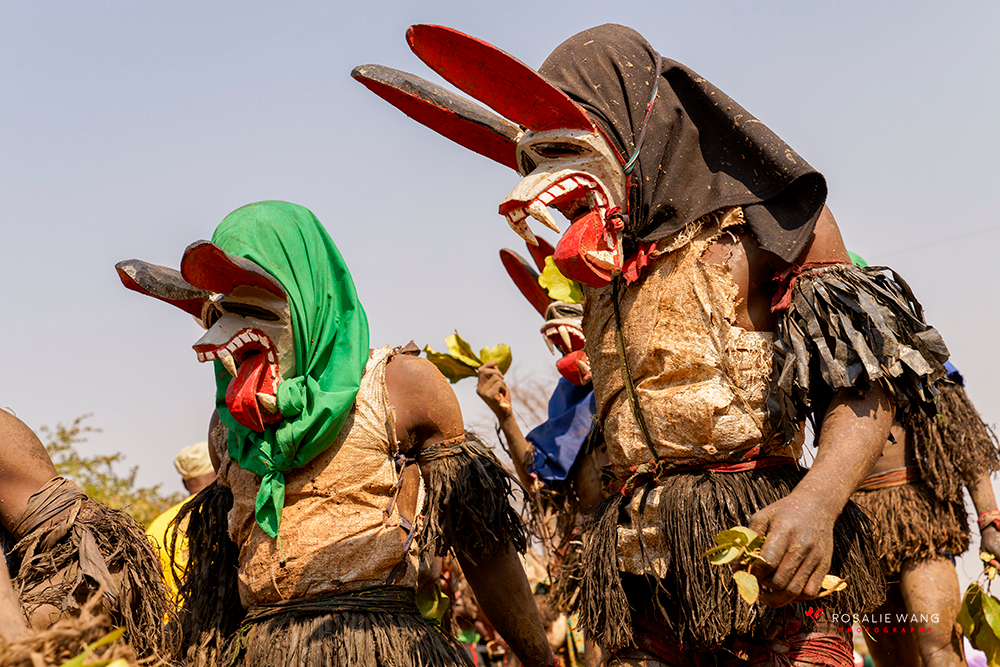
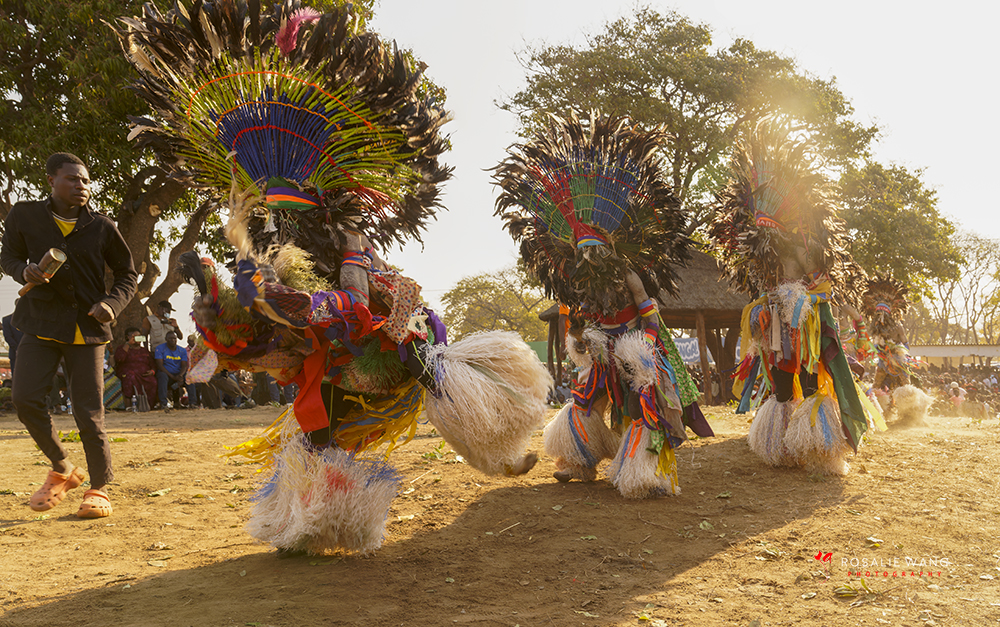
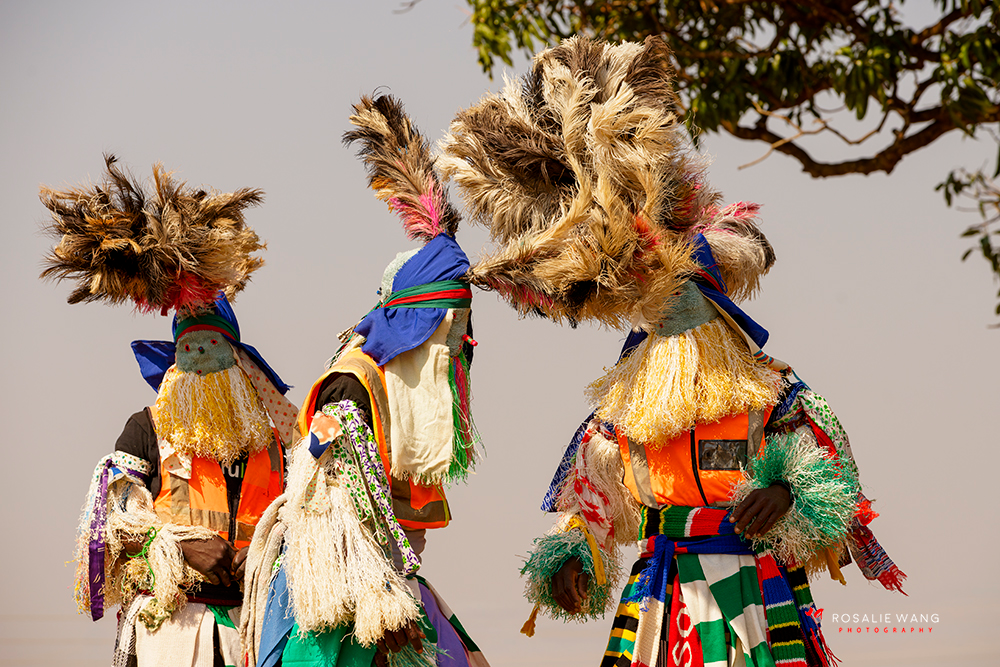
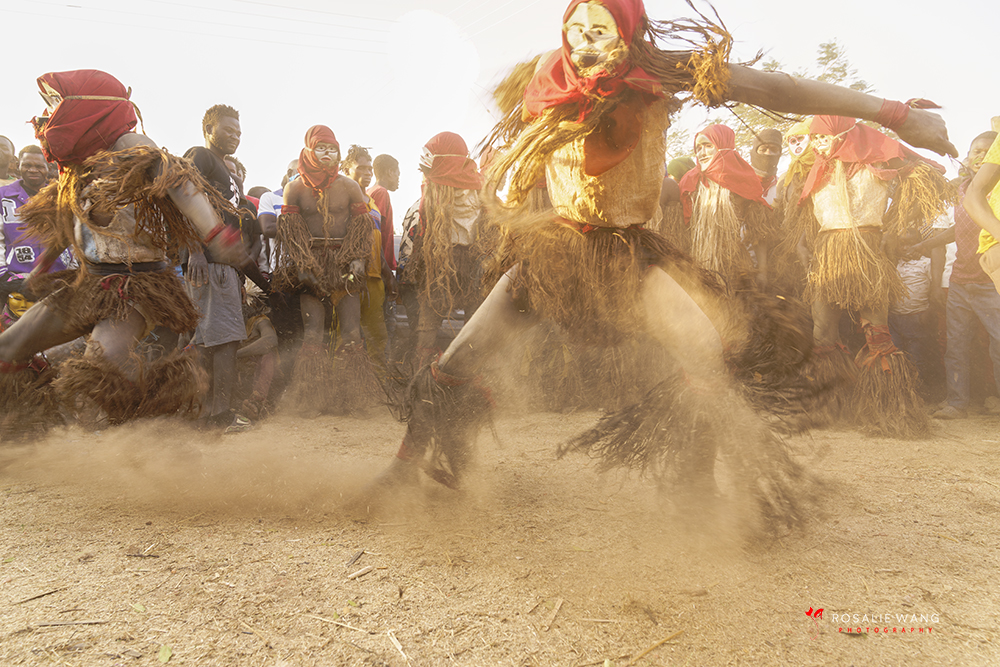
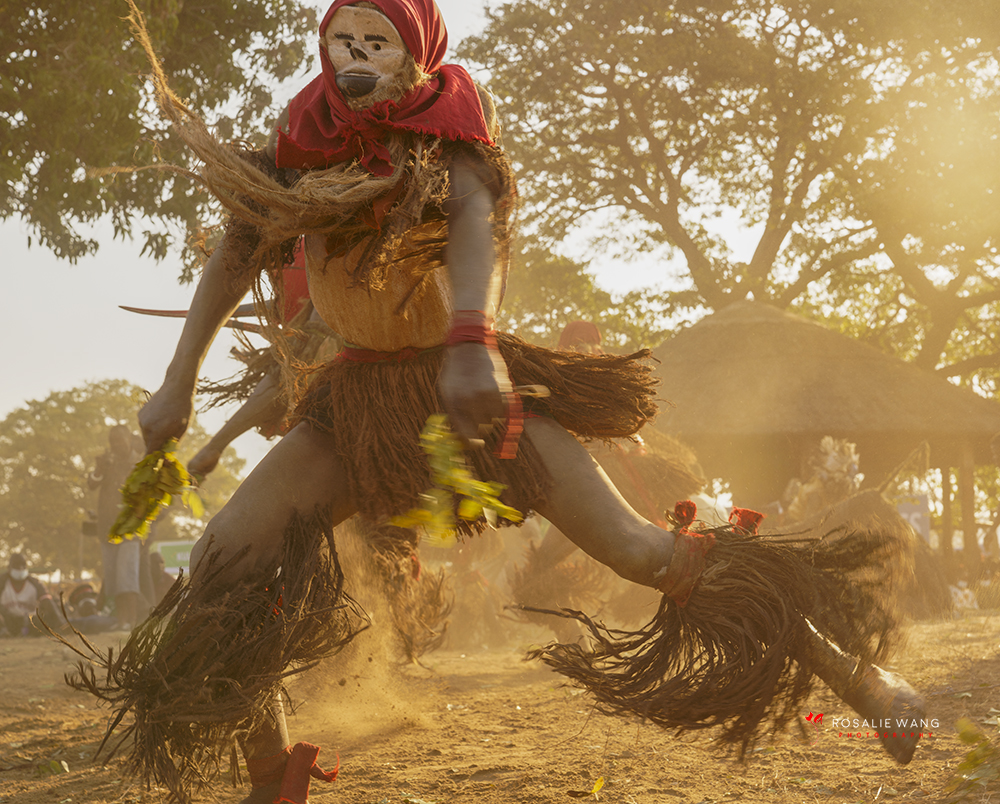
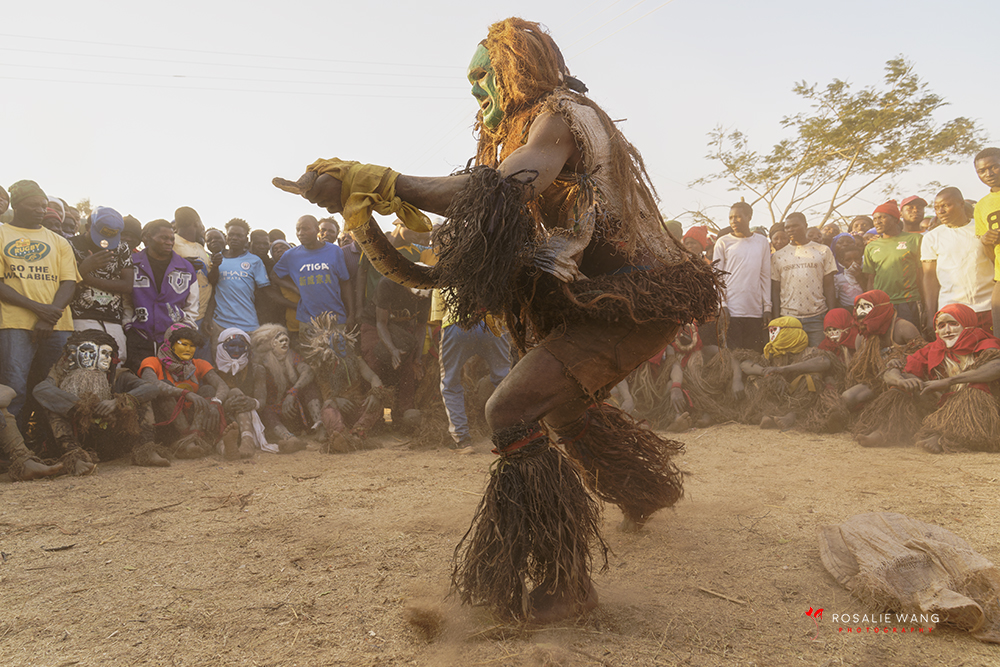
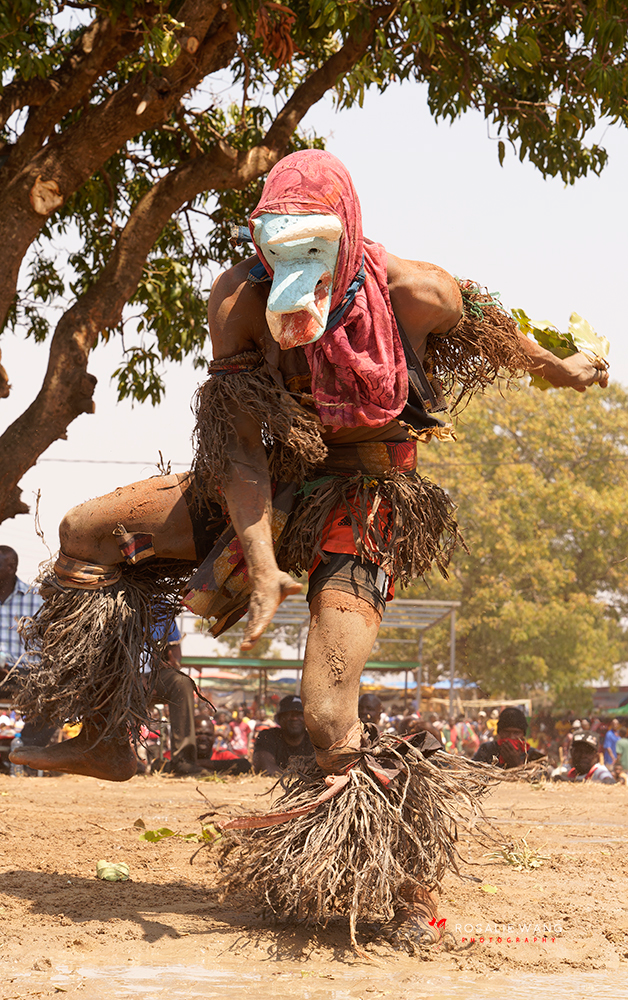
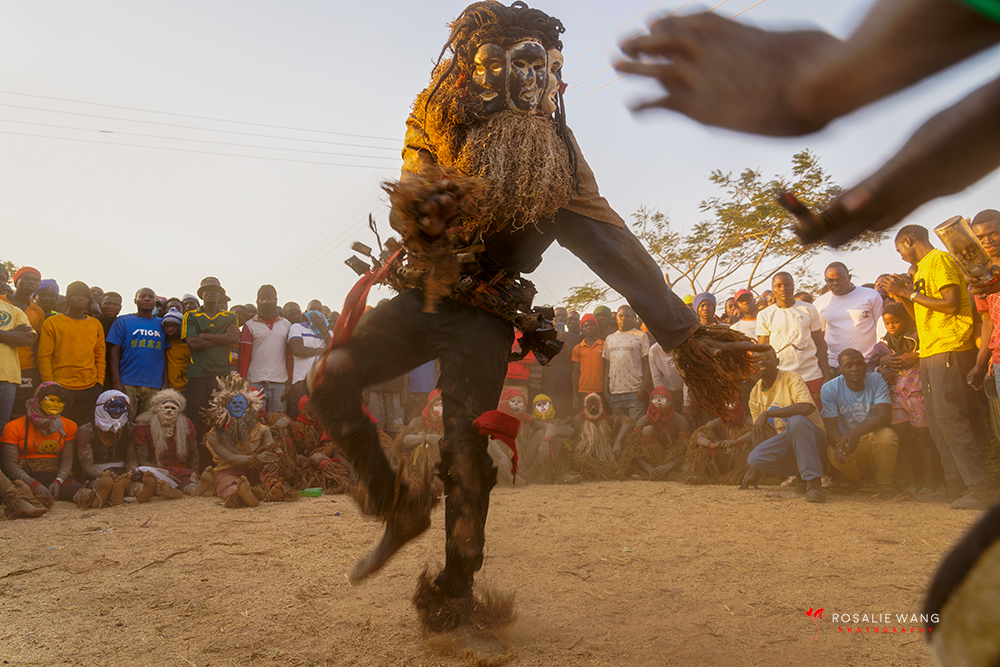
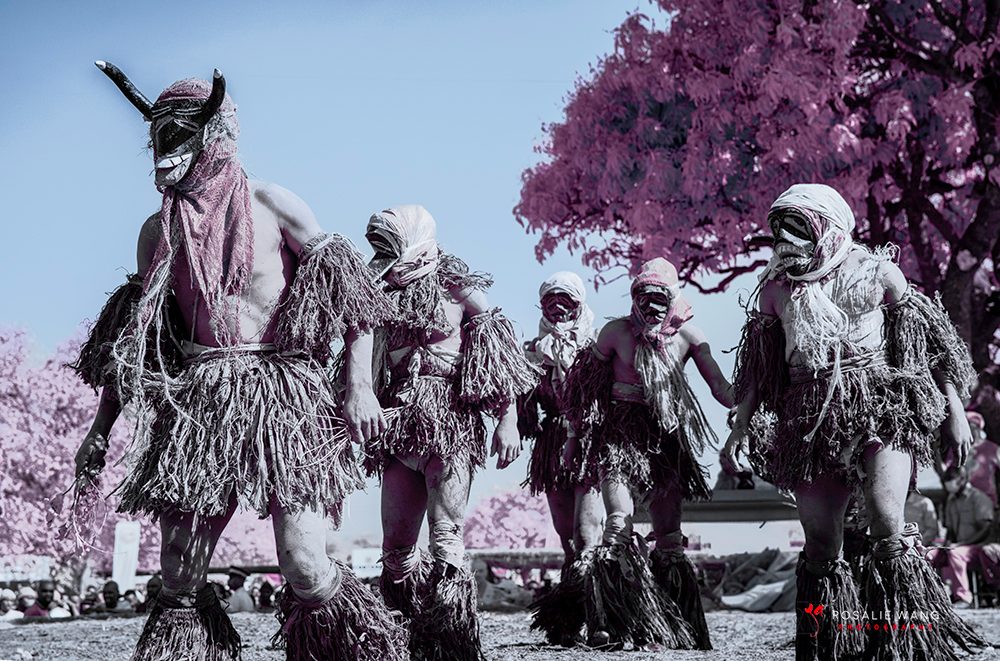
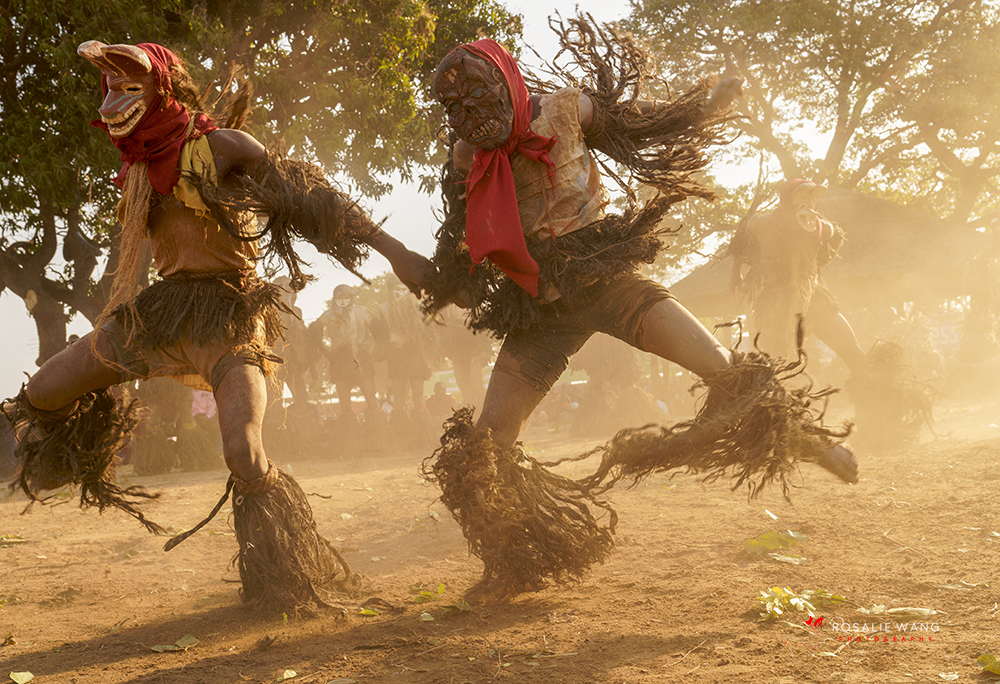
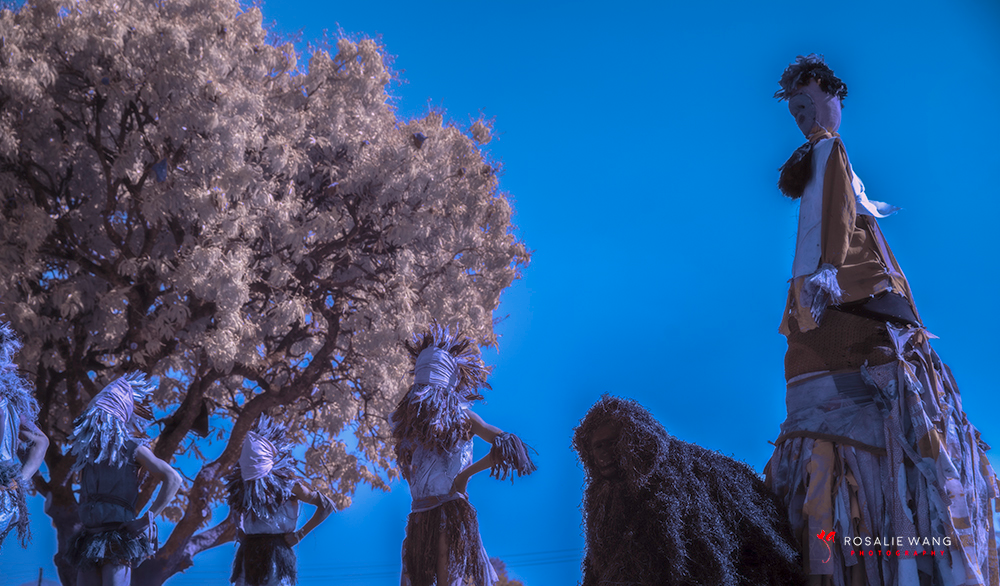
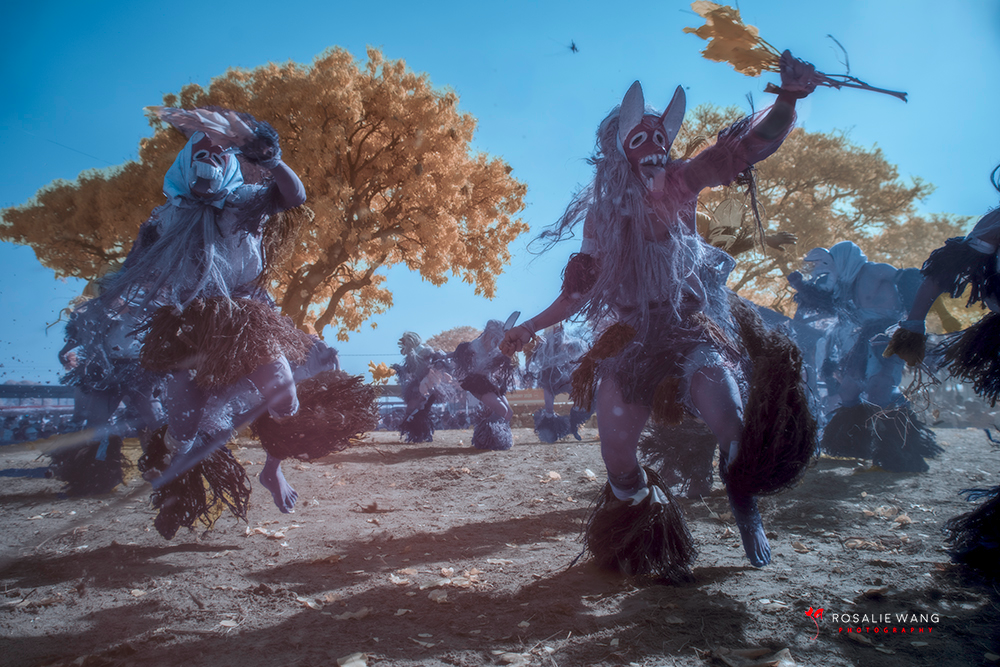
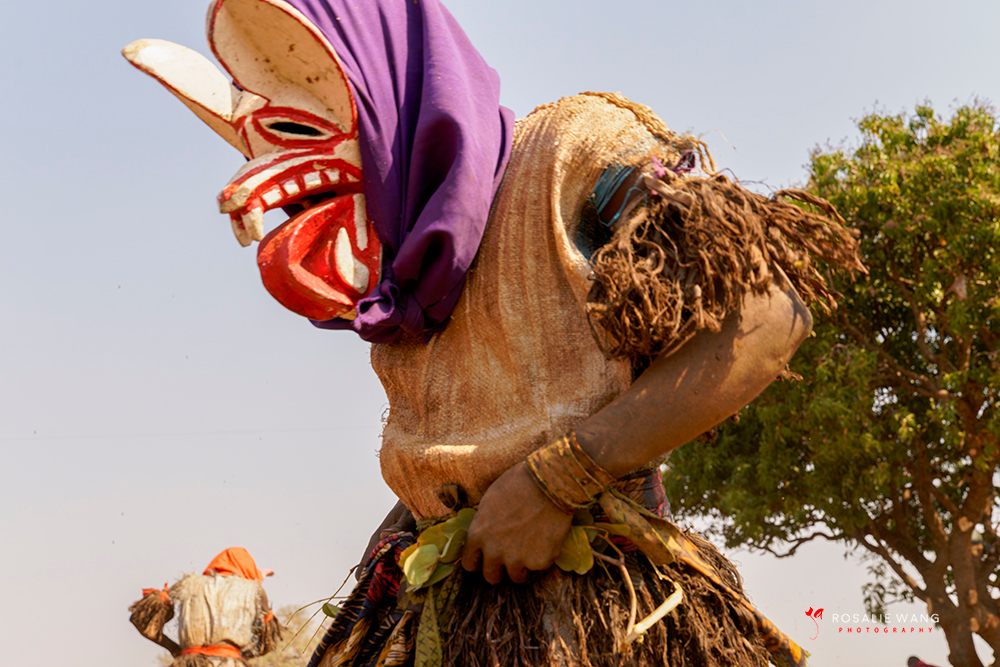
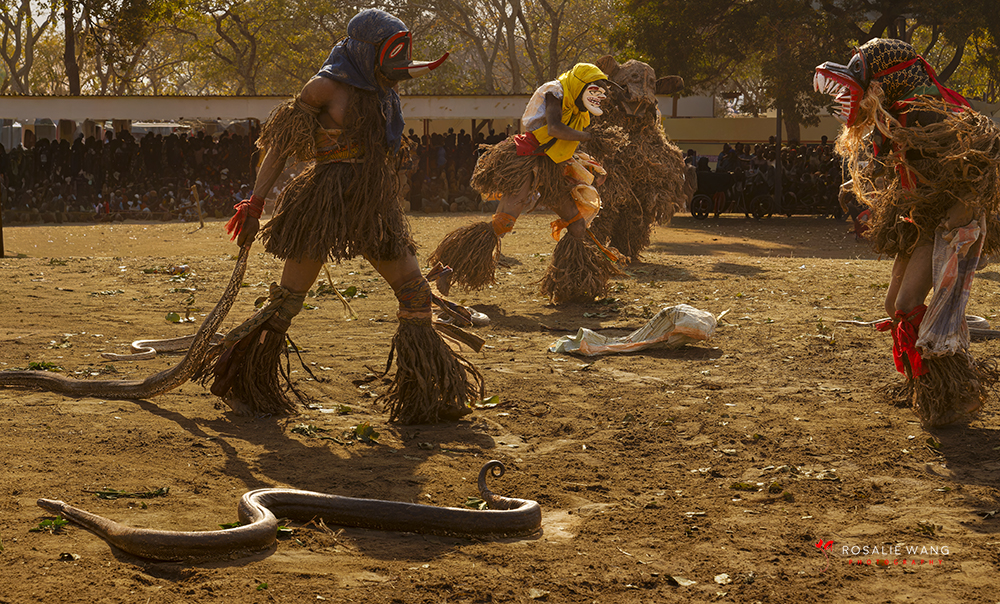
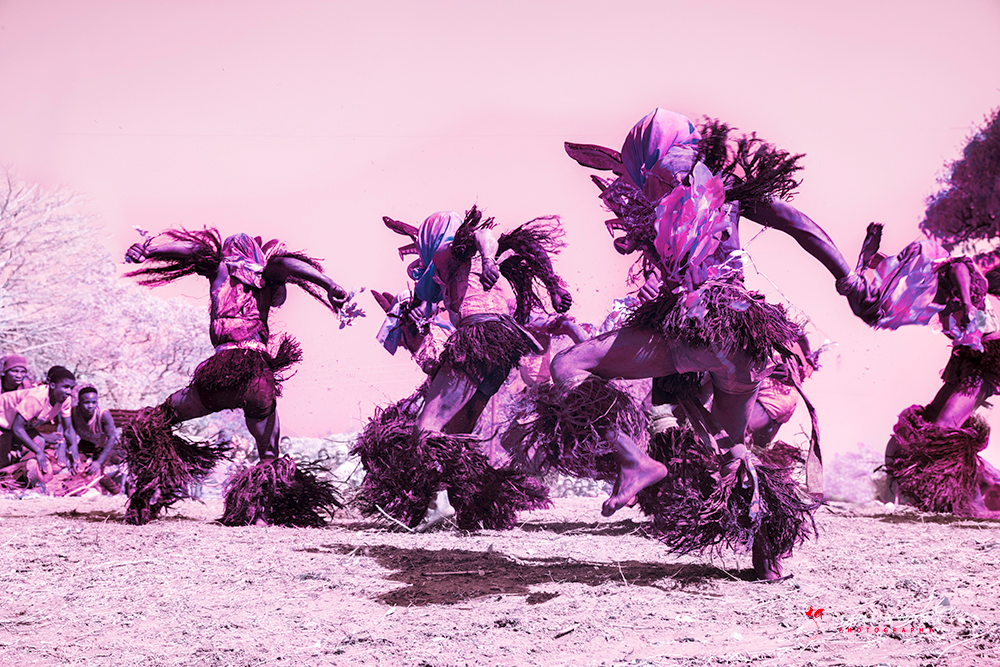
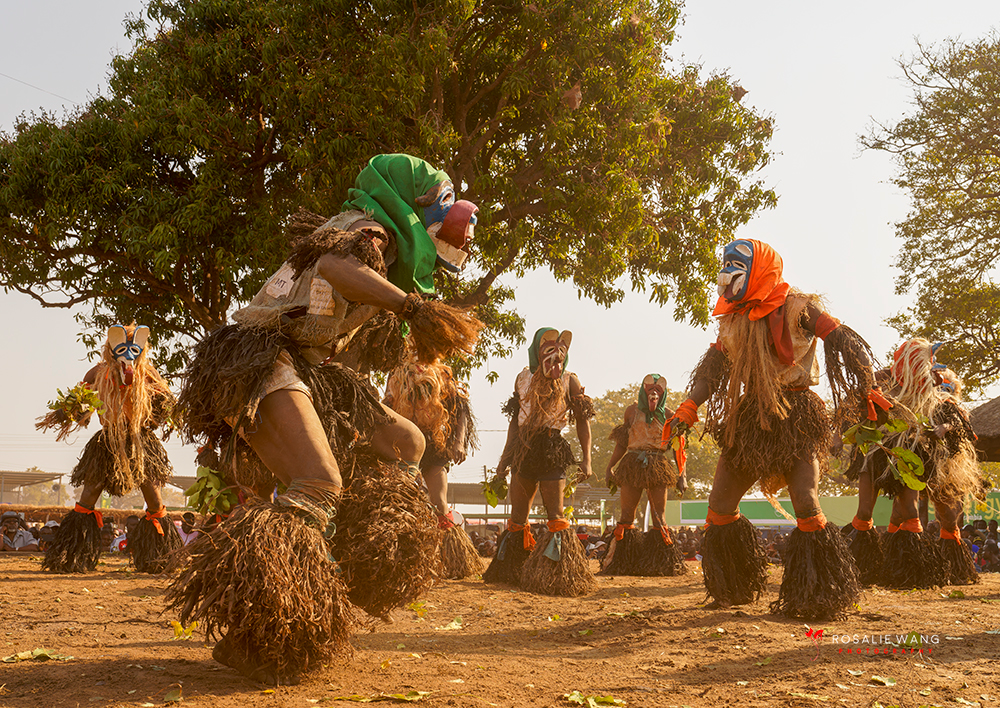
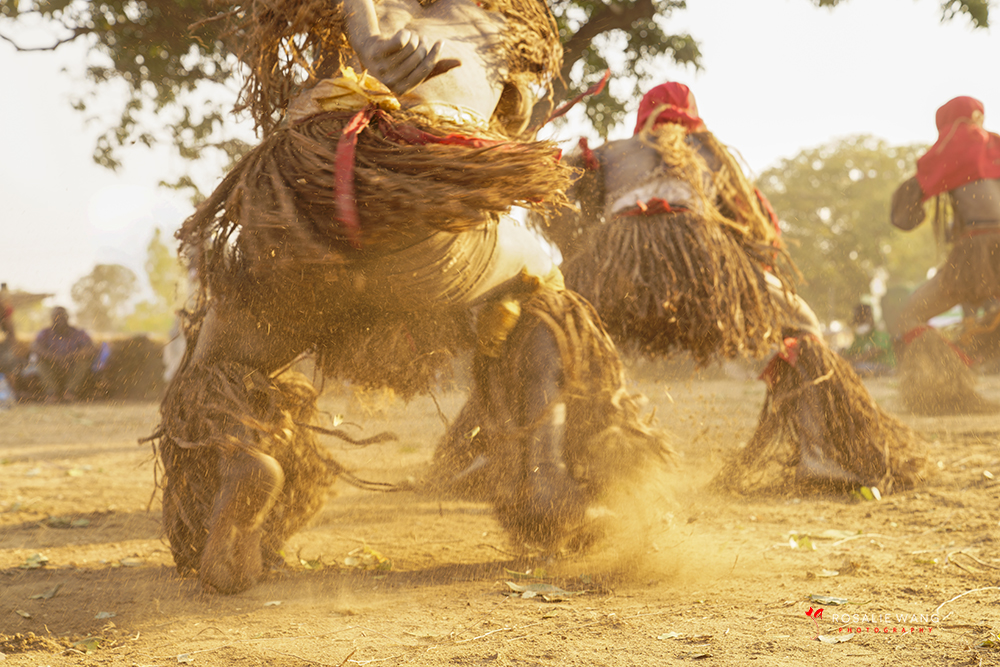
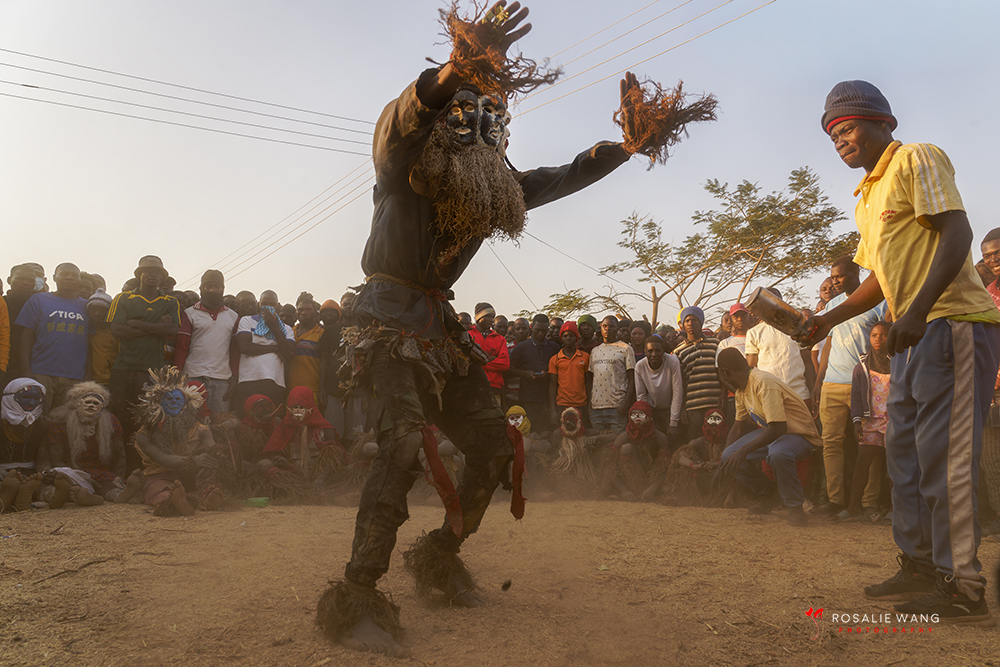
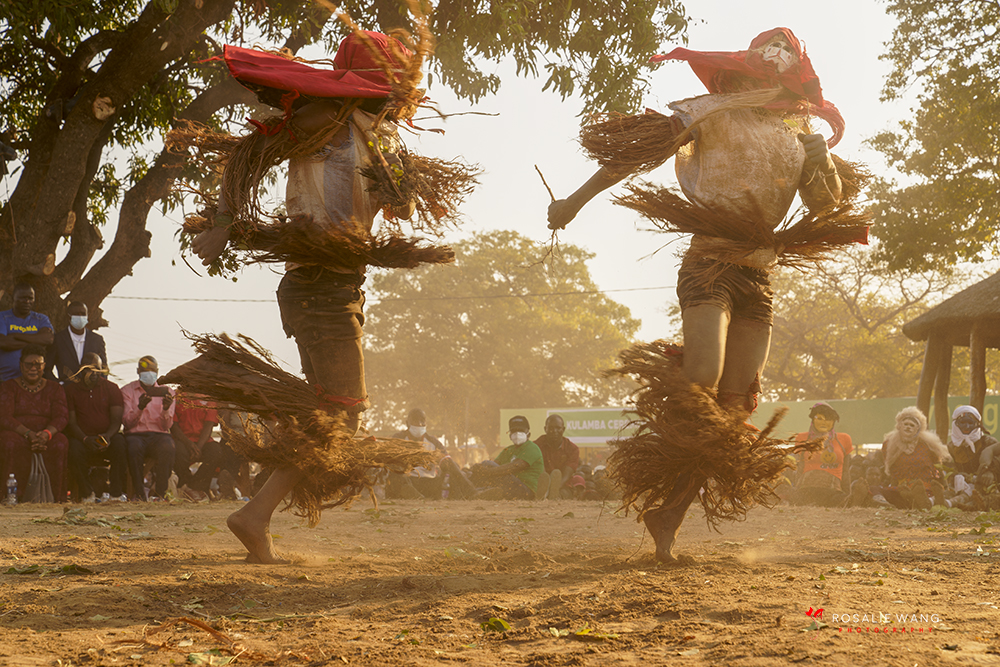
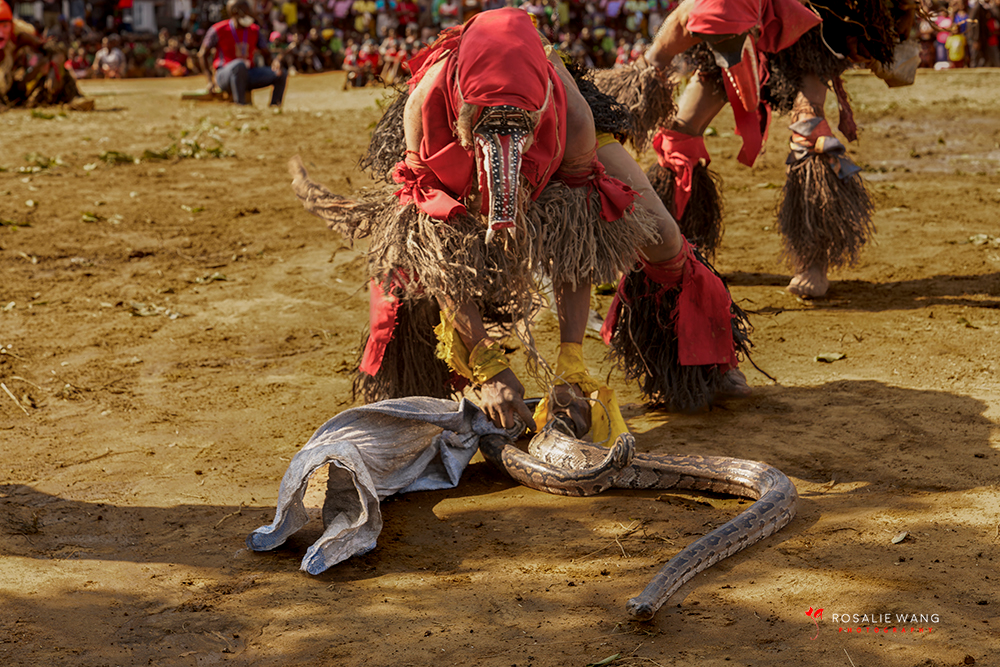
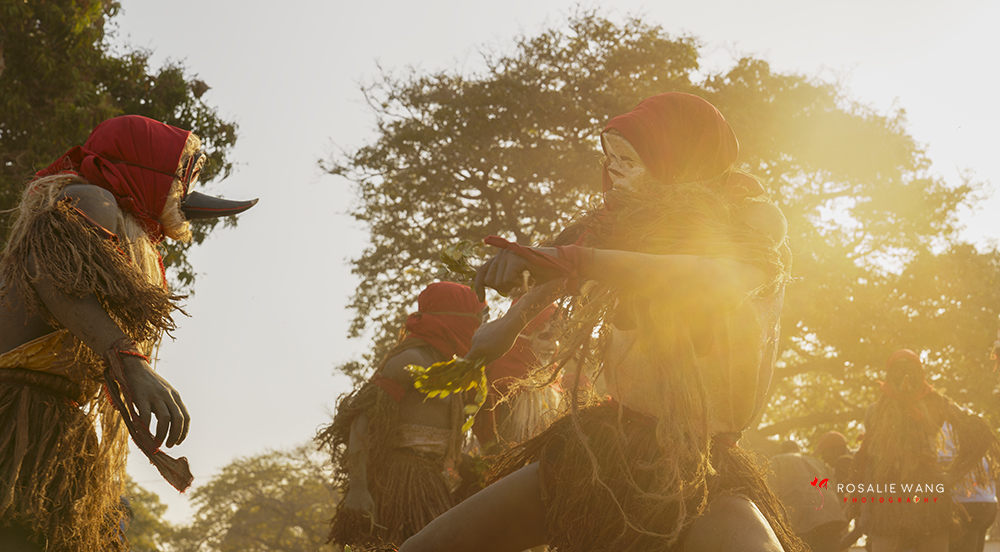
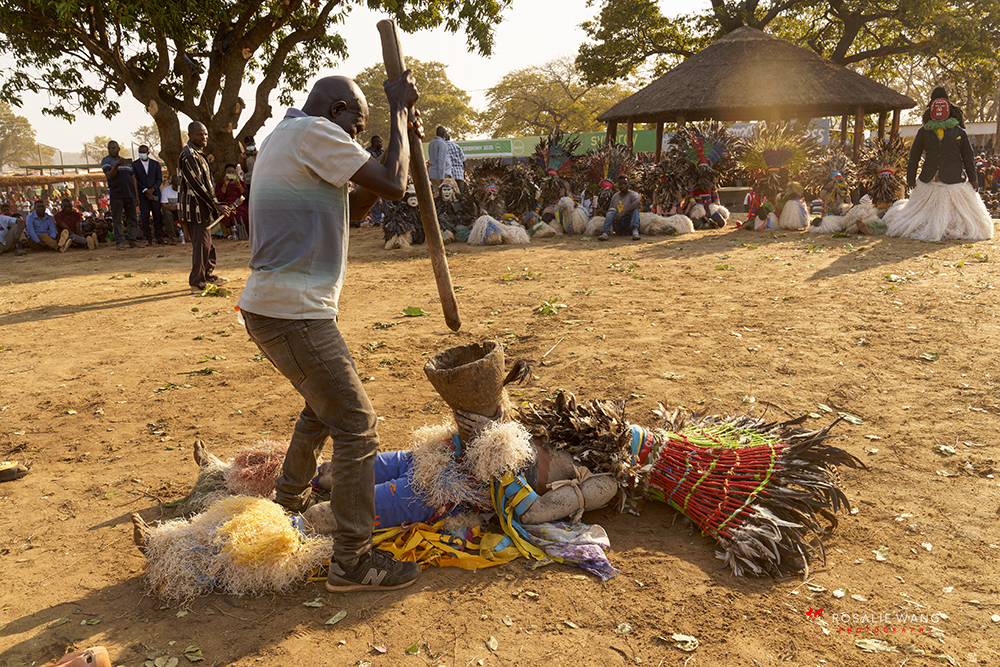
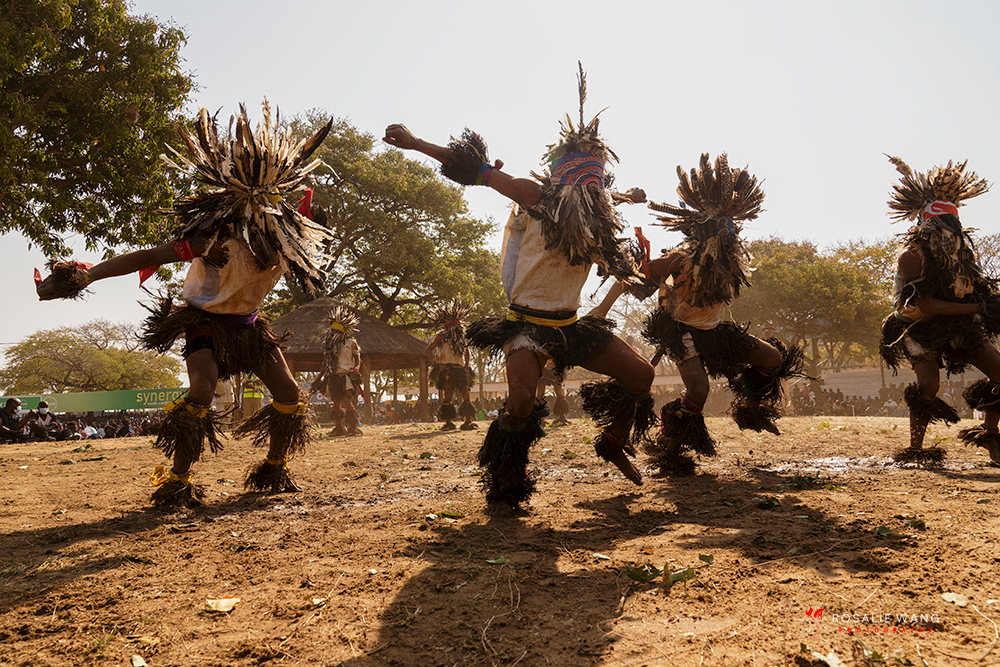
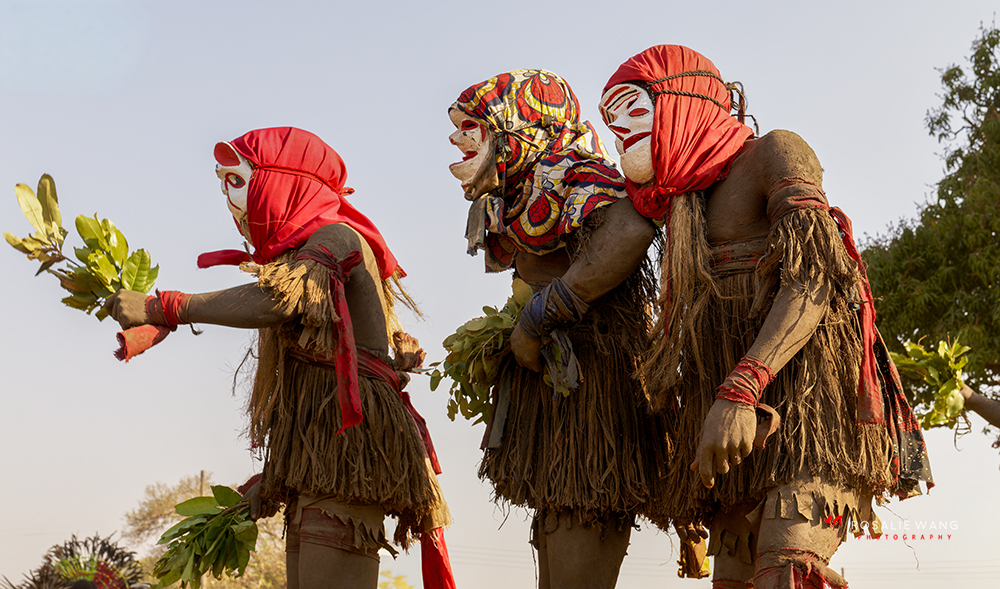
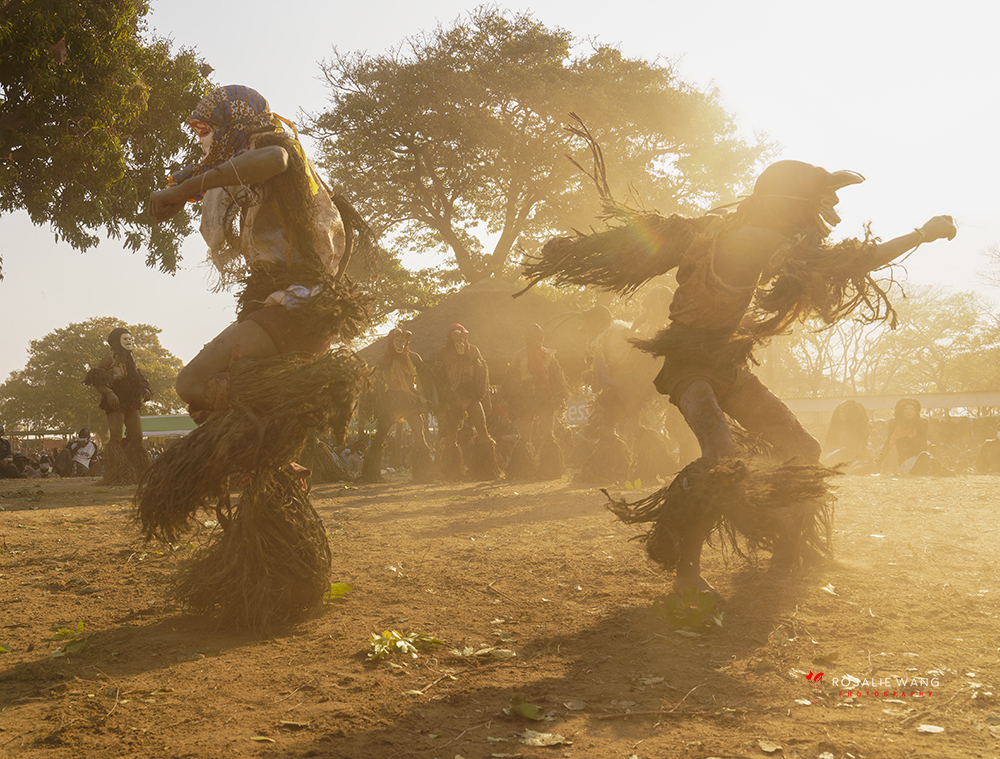
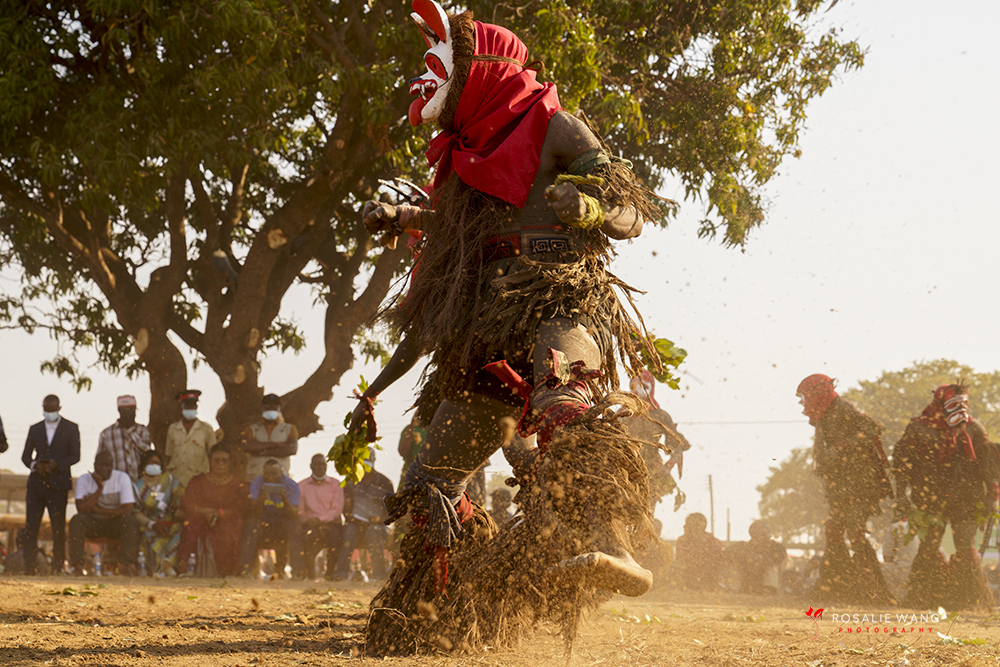
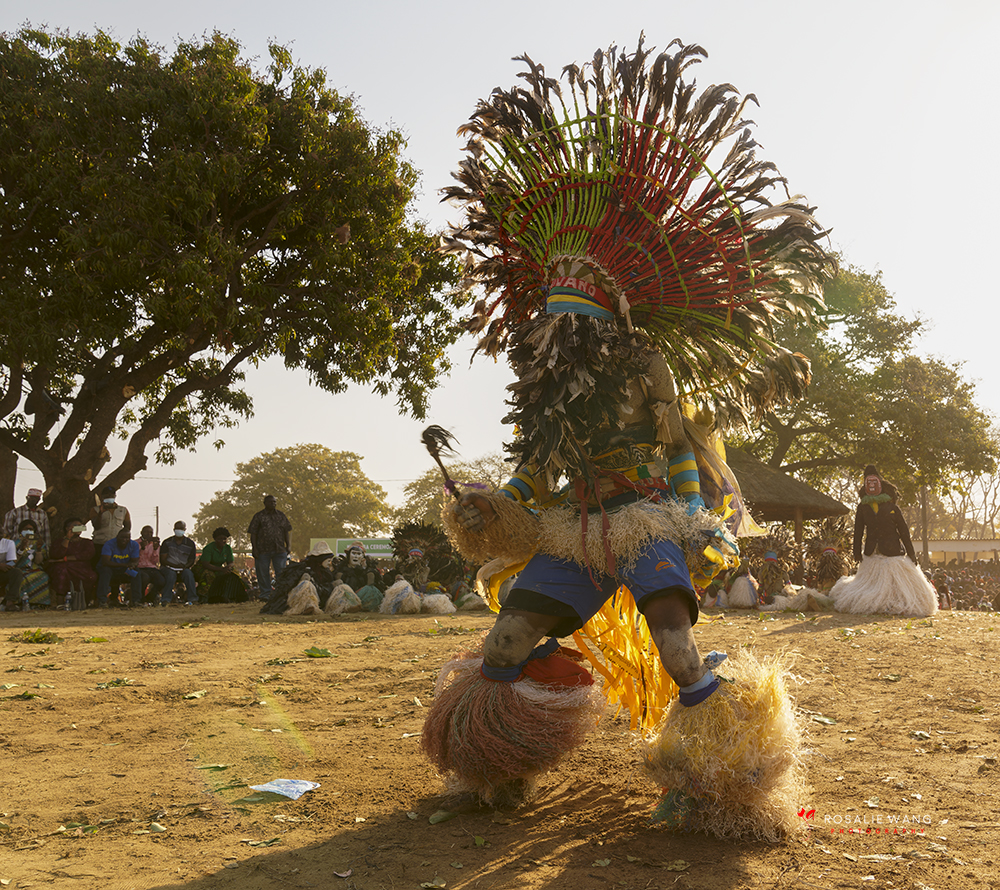
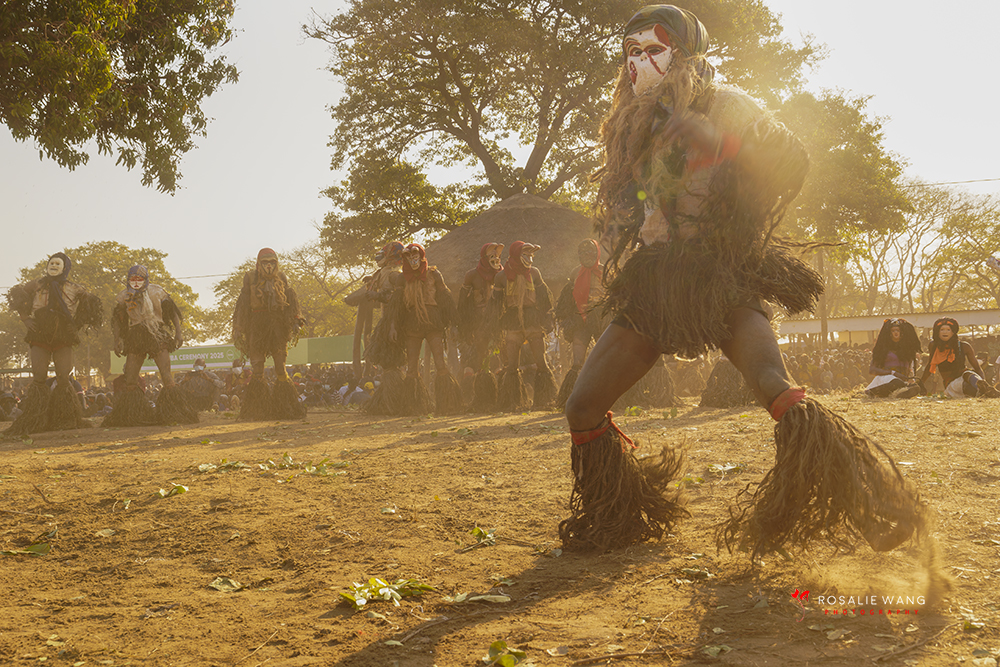
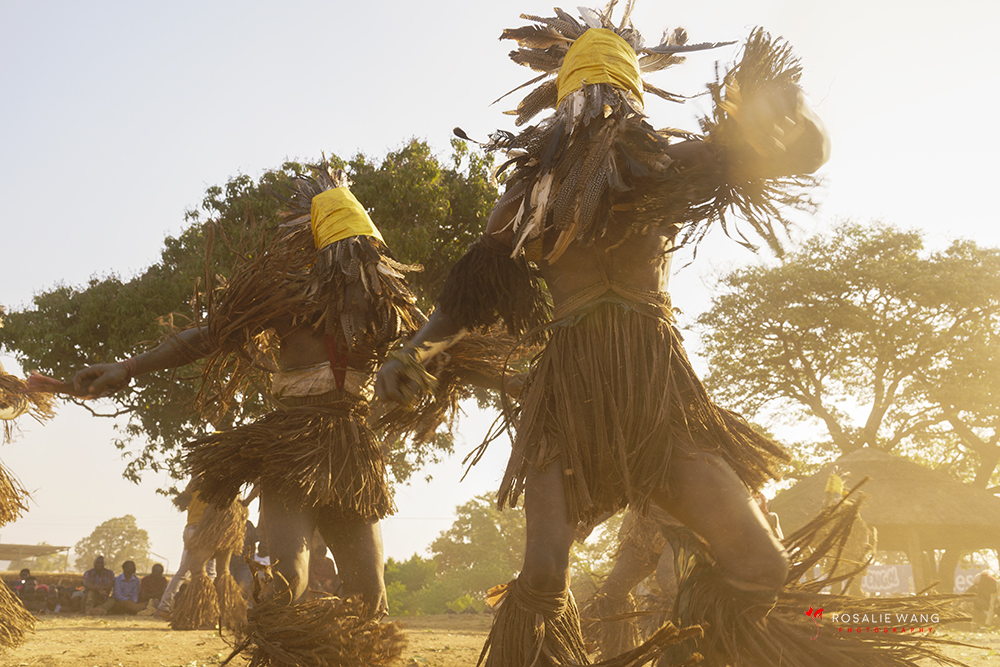
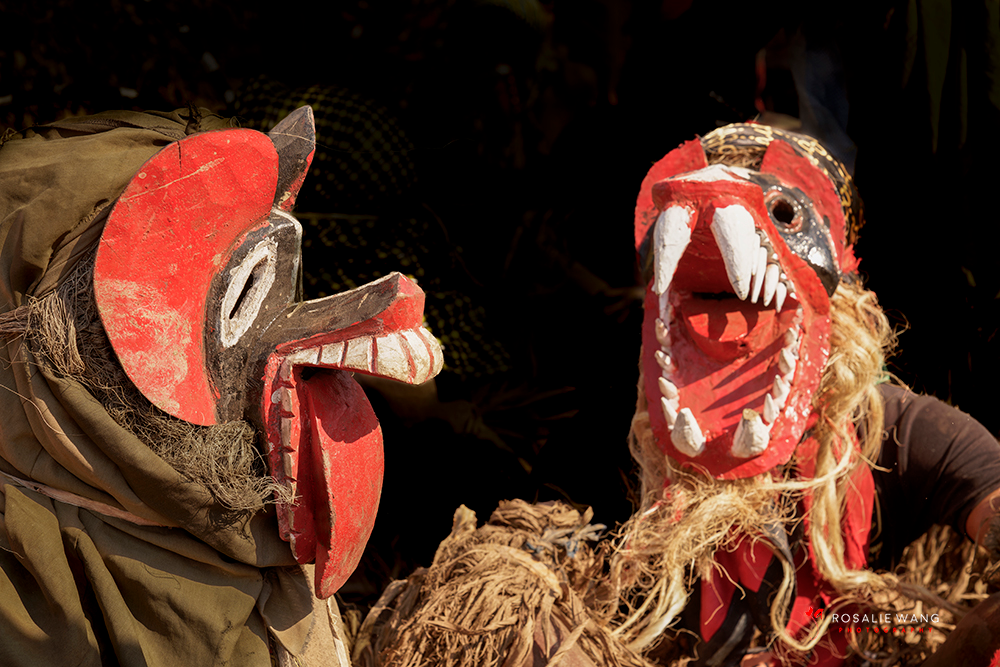
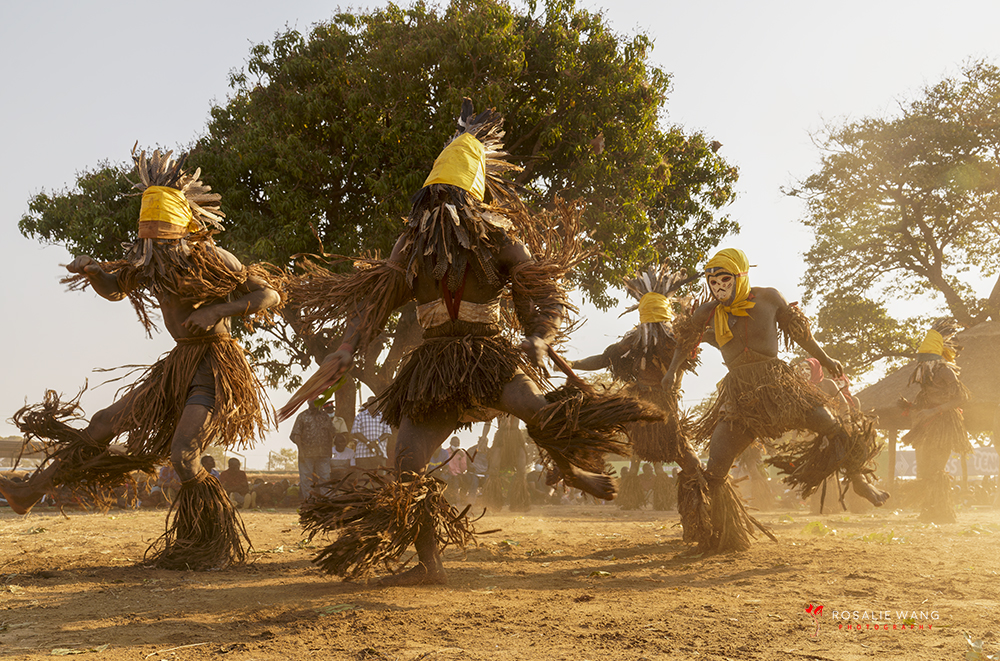
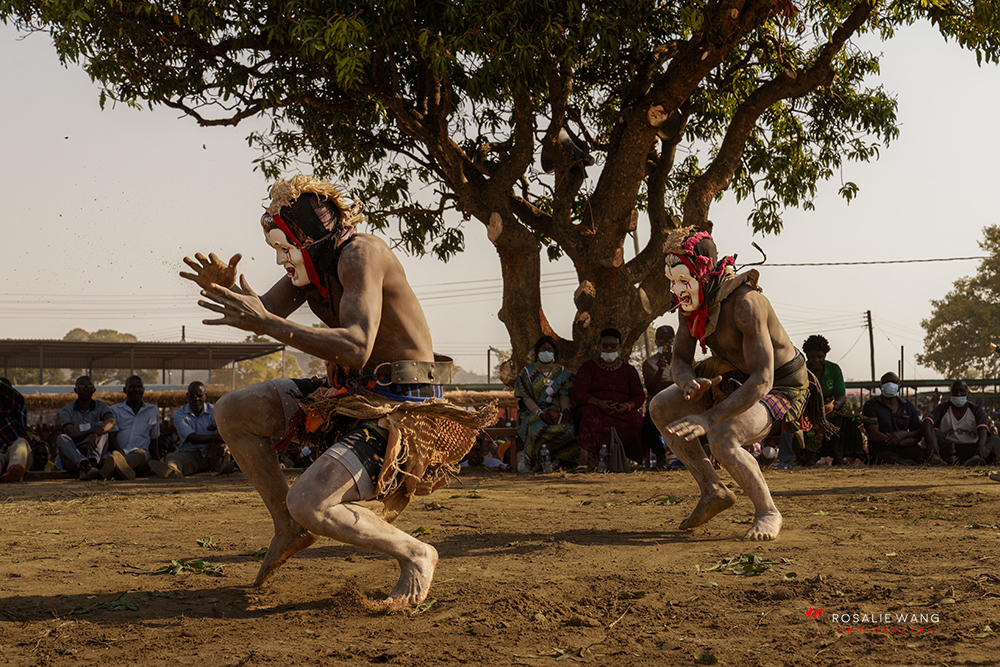
- The ceremony features Gule Wamkulu, a sacred masked dance recognized by UNESCO as part of the Intangible Cultural Heritage of Humanity.
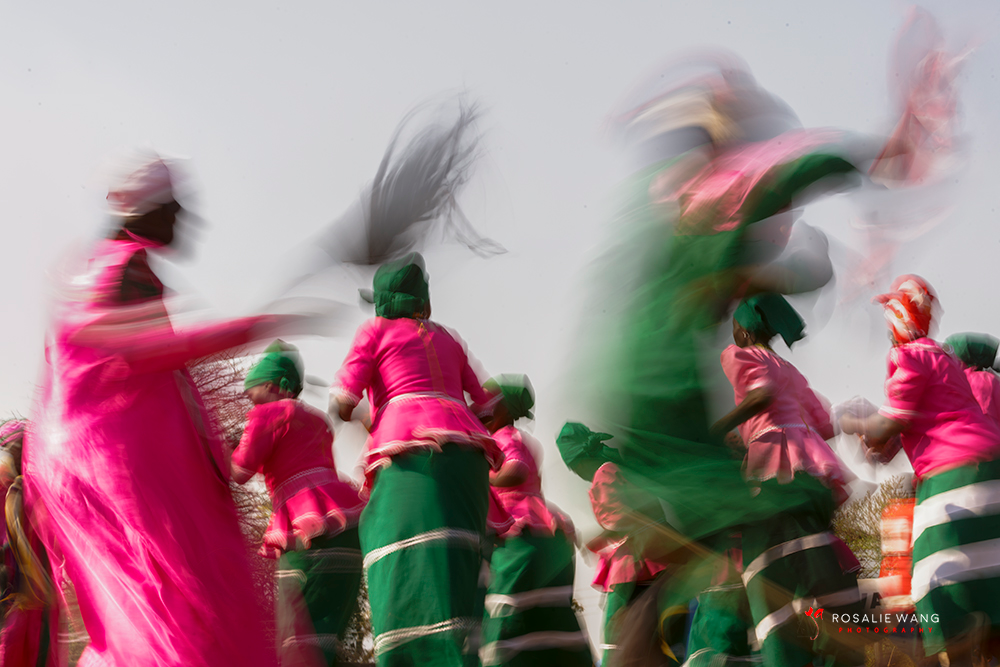
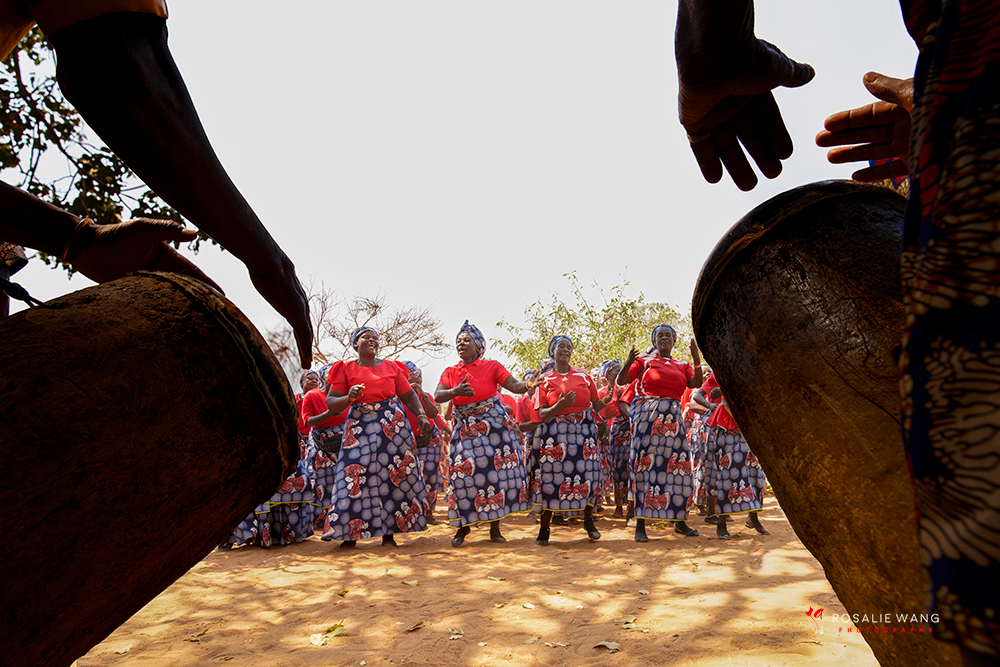
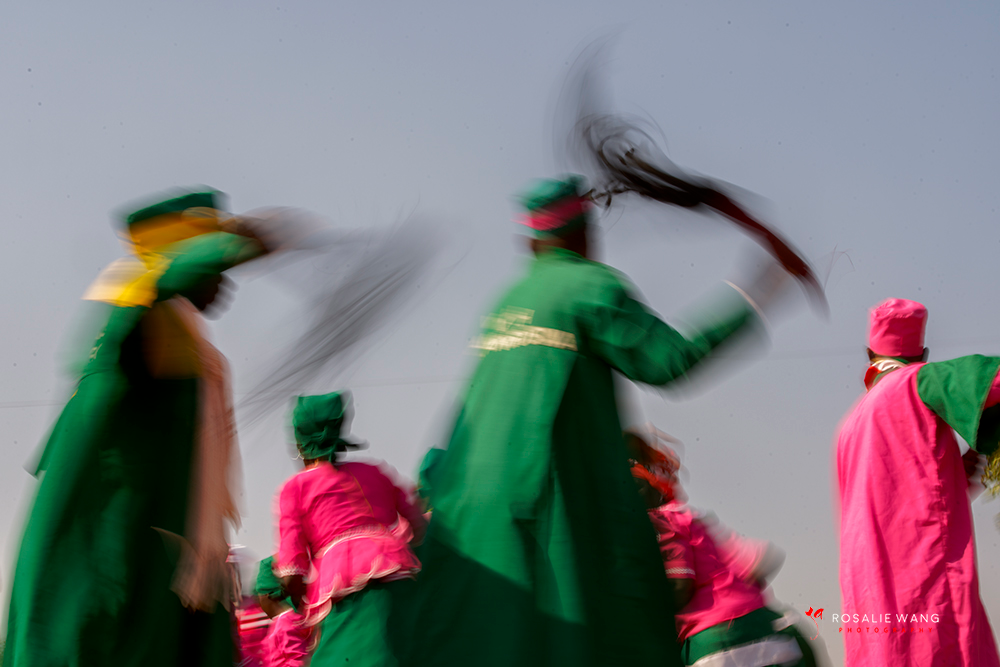
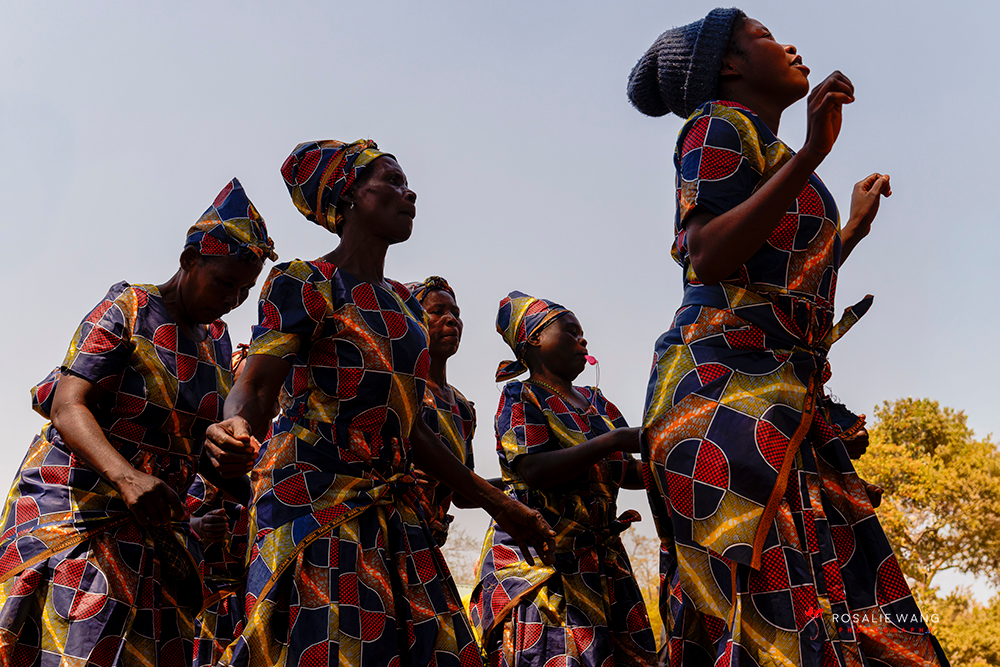
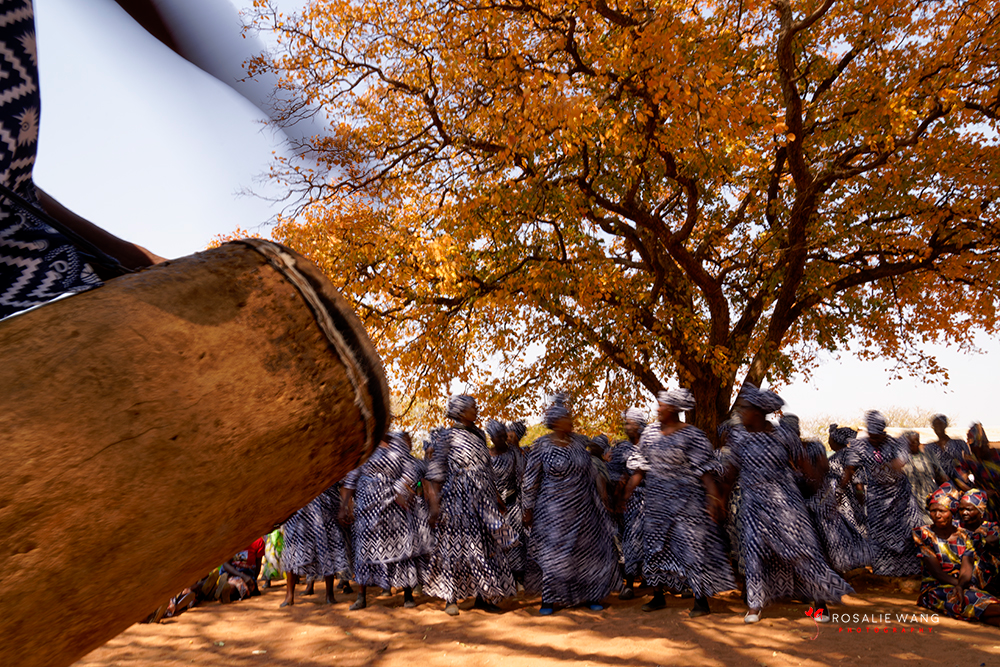
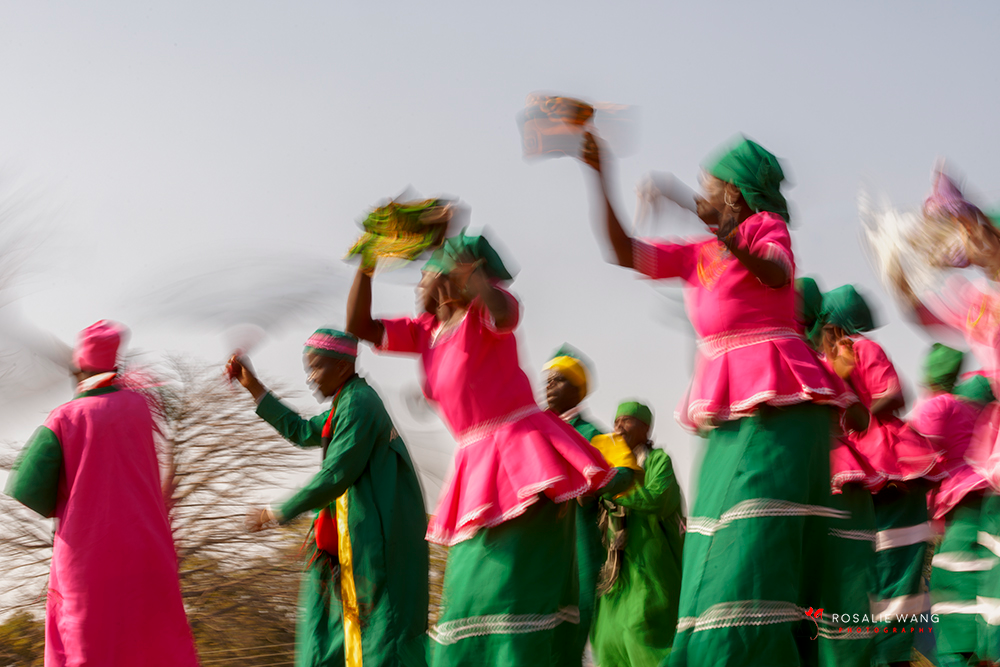
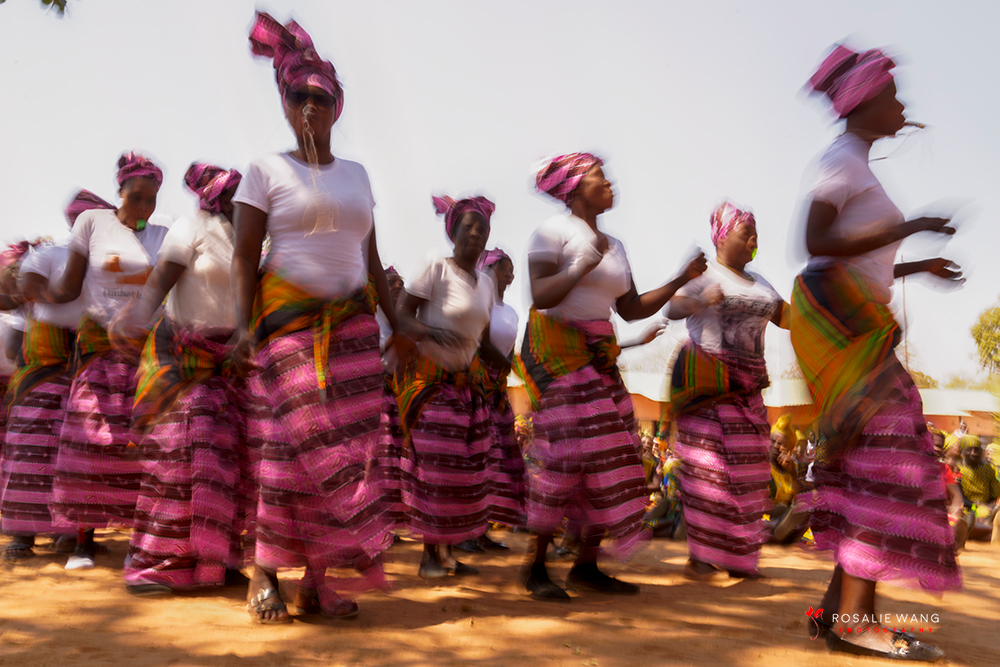
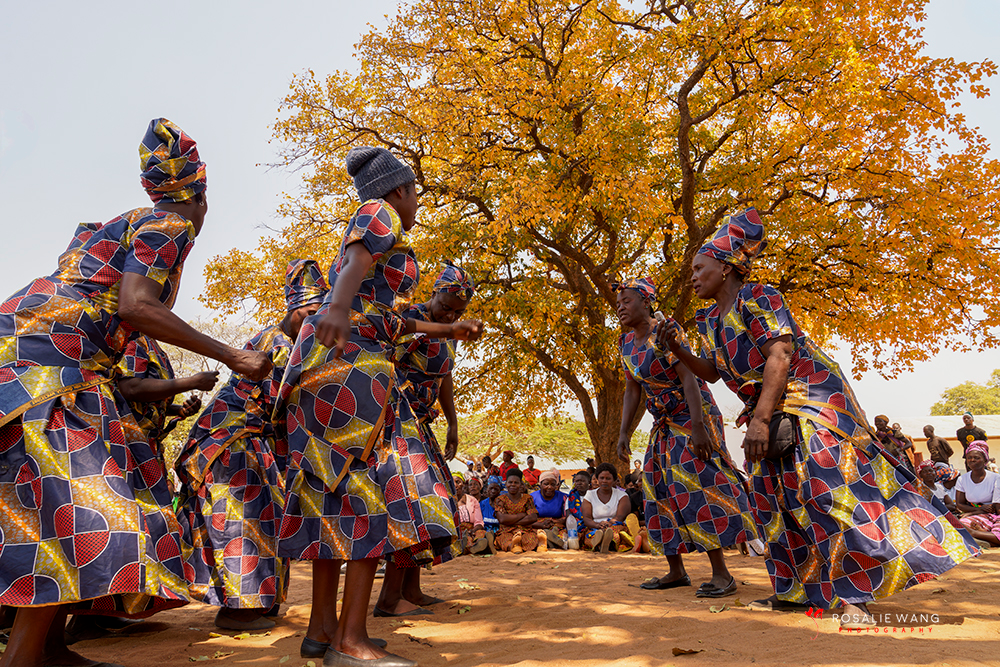
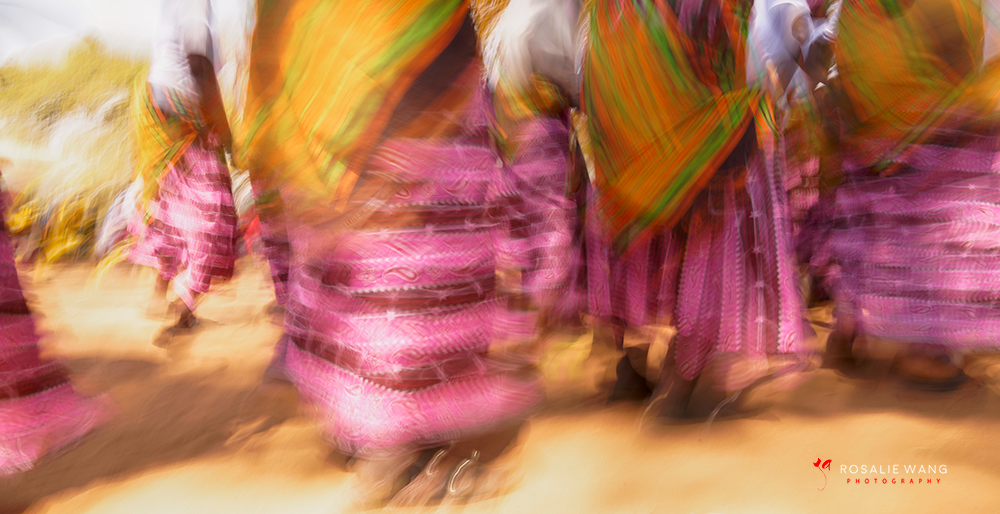
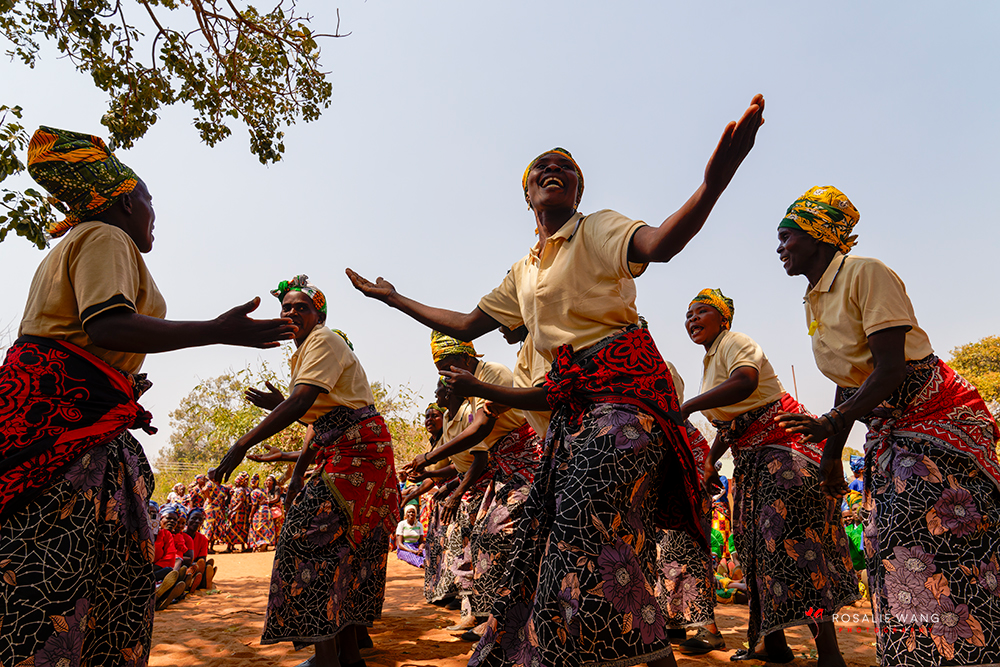
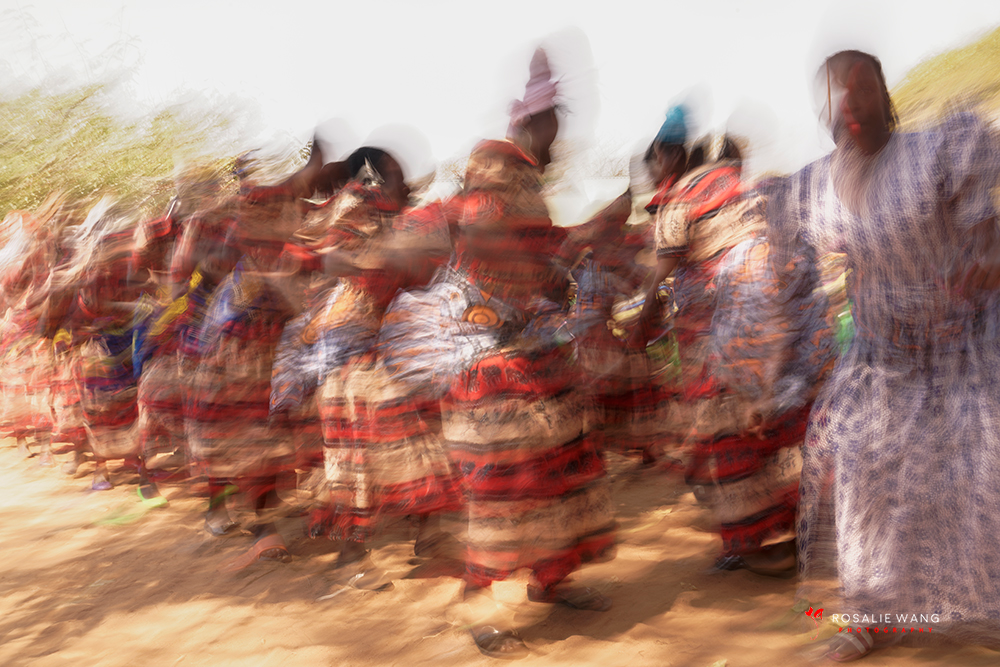
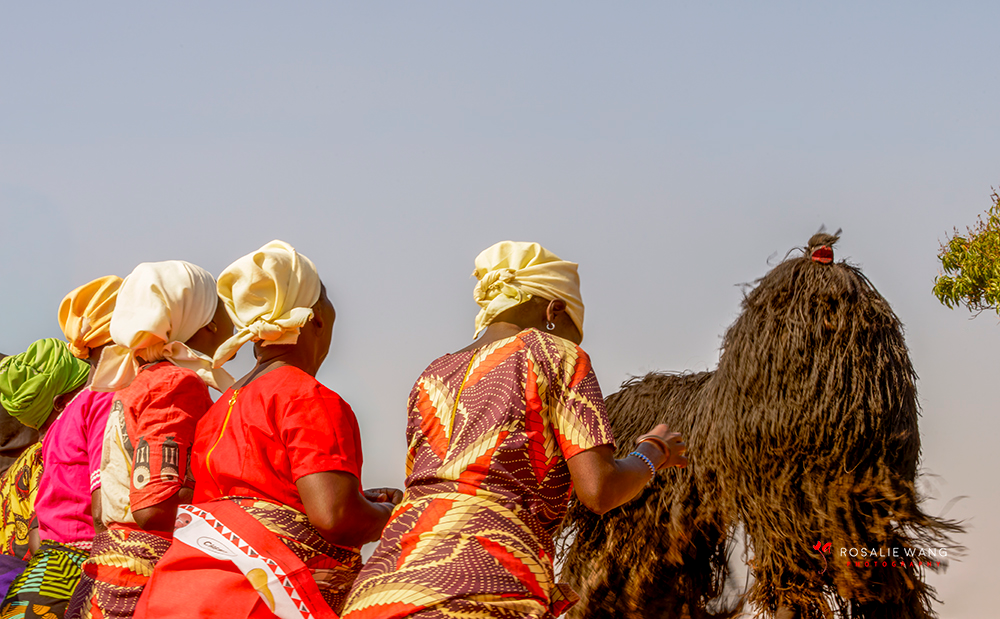
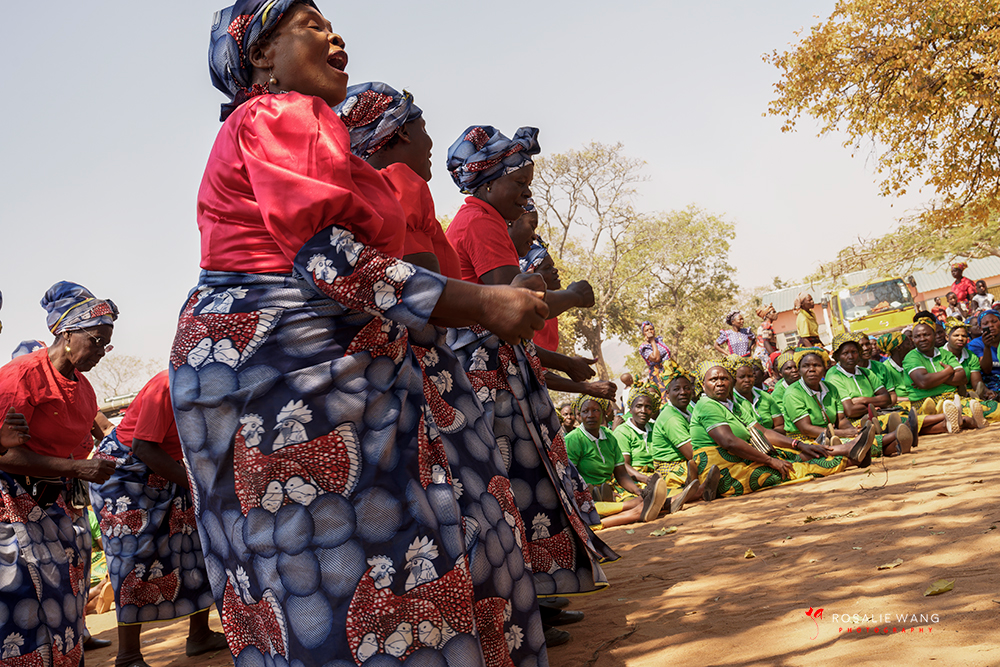
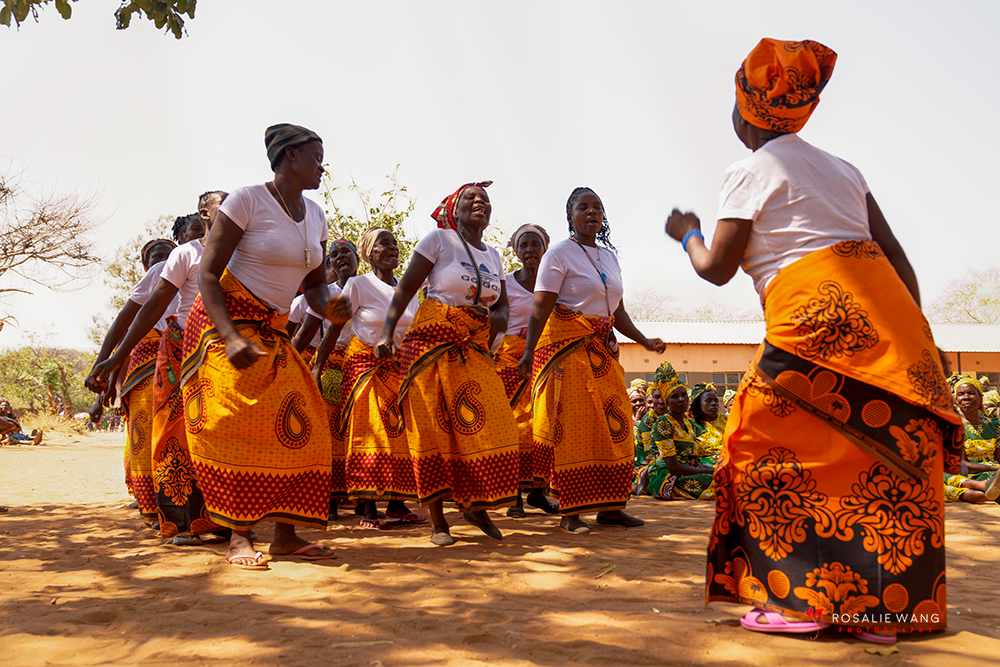
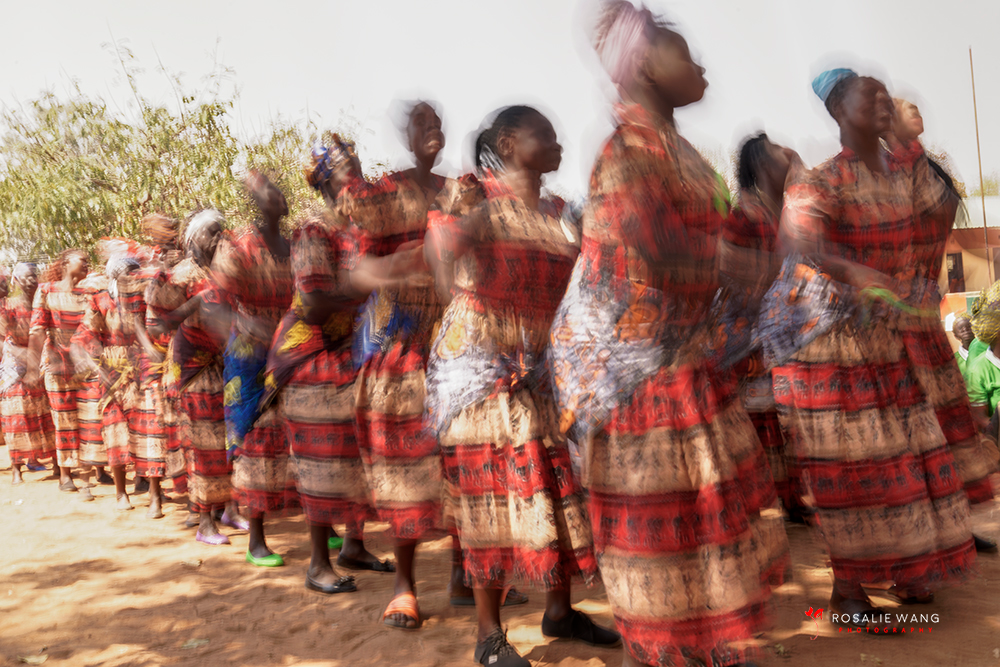
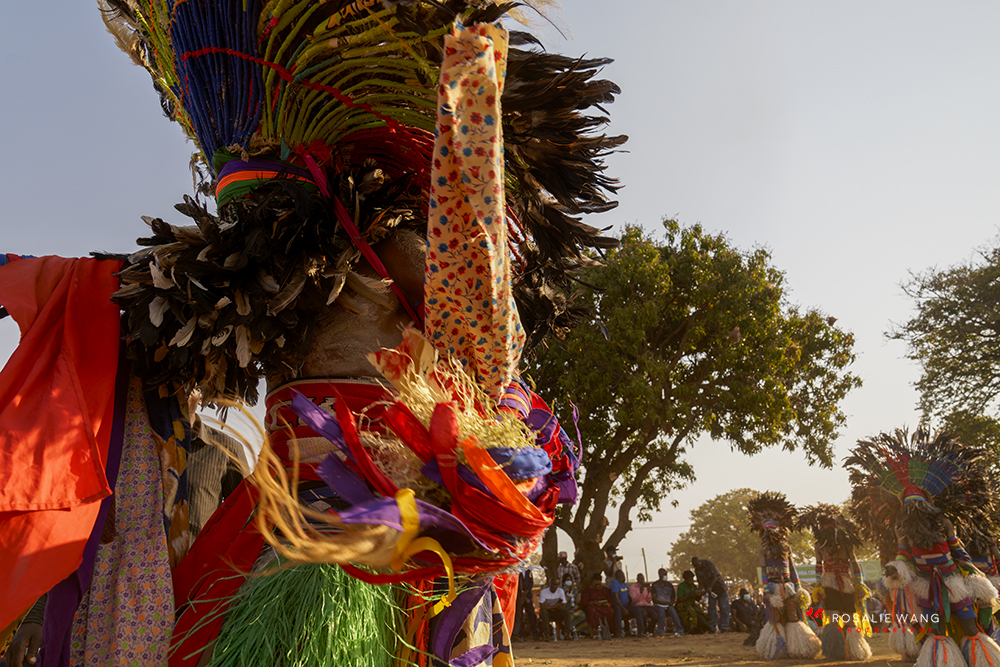
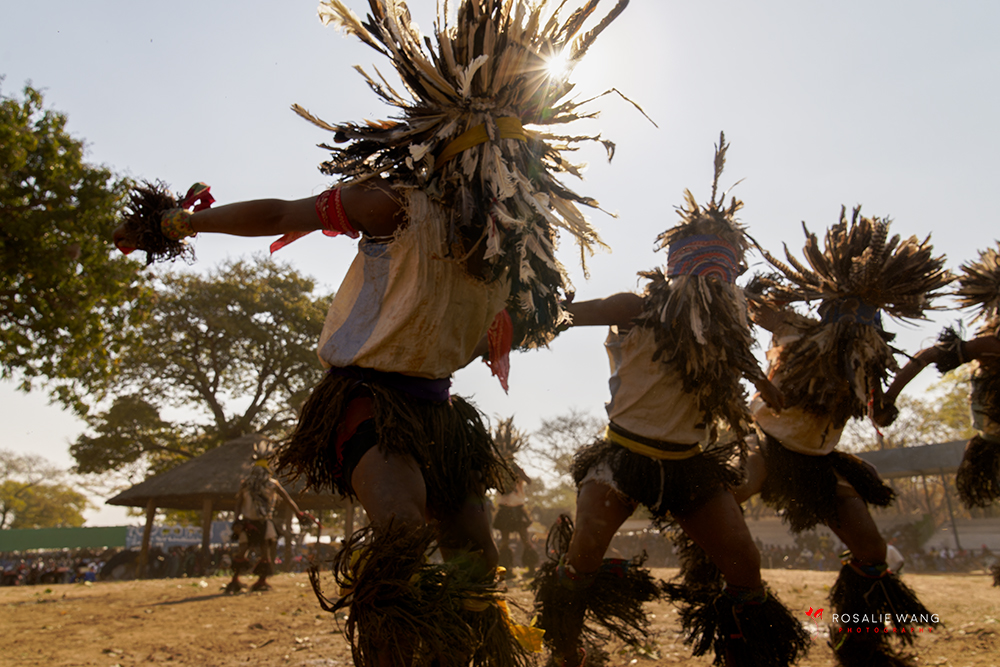
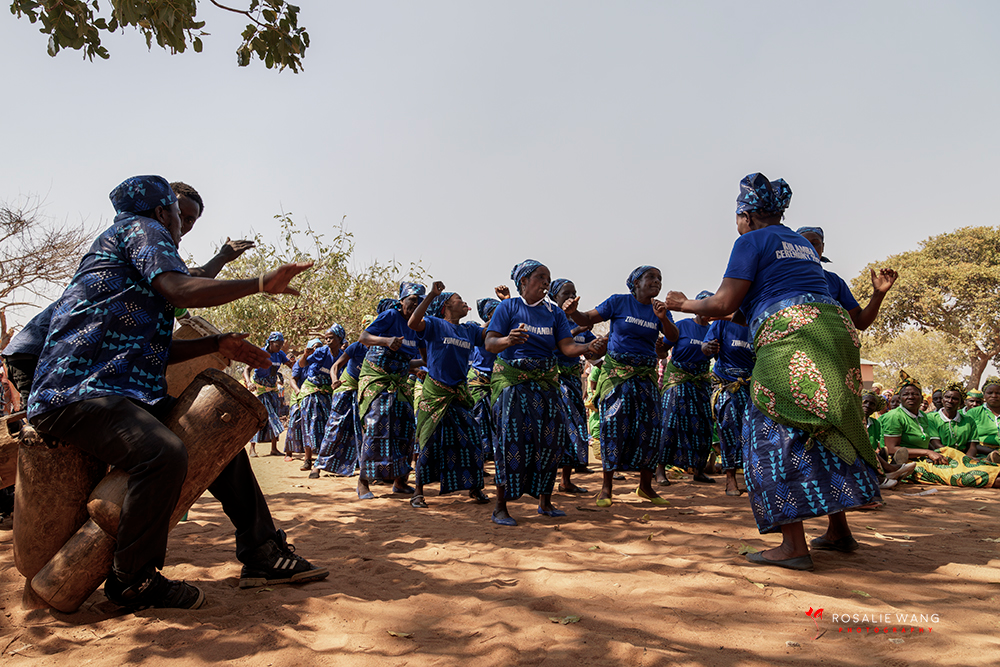
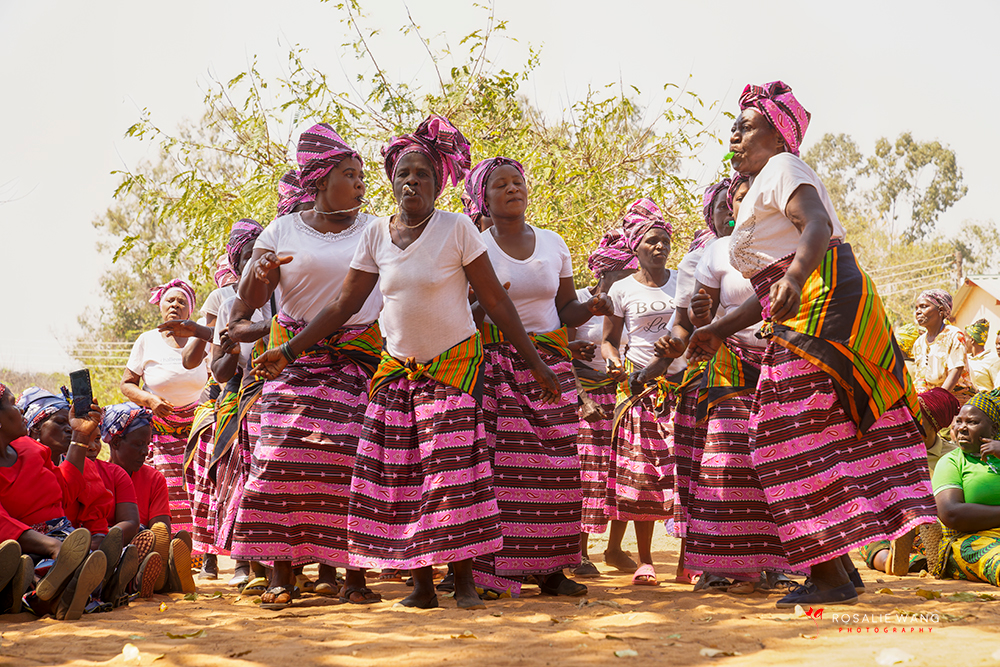
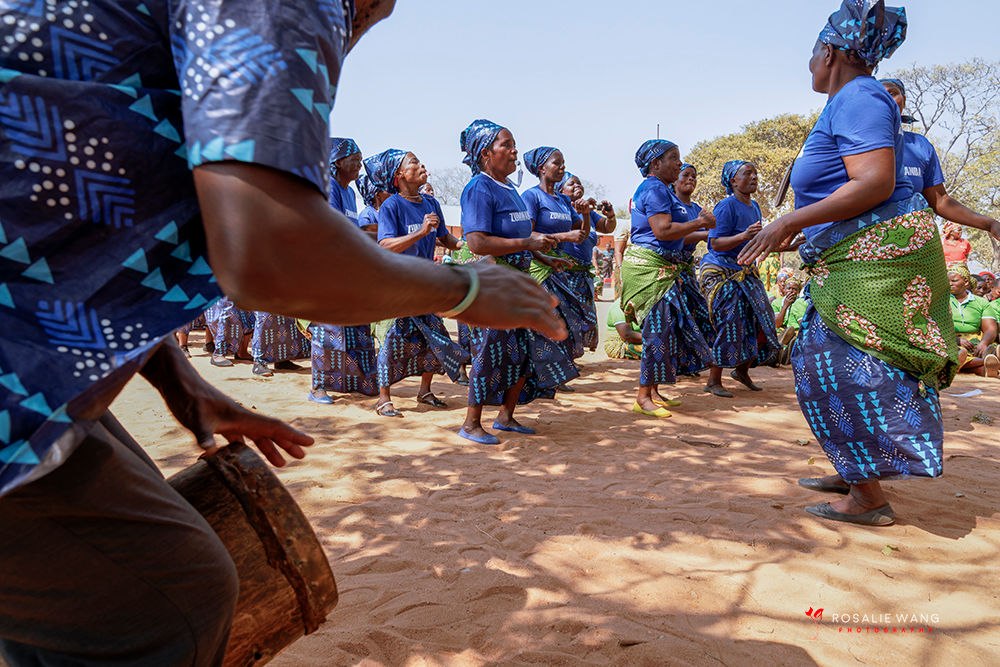
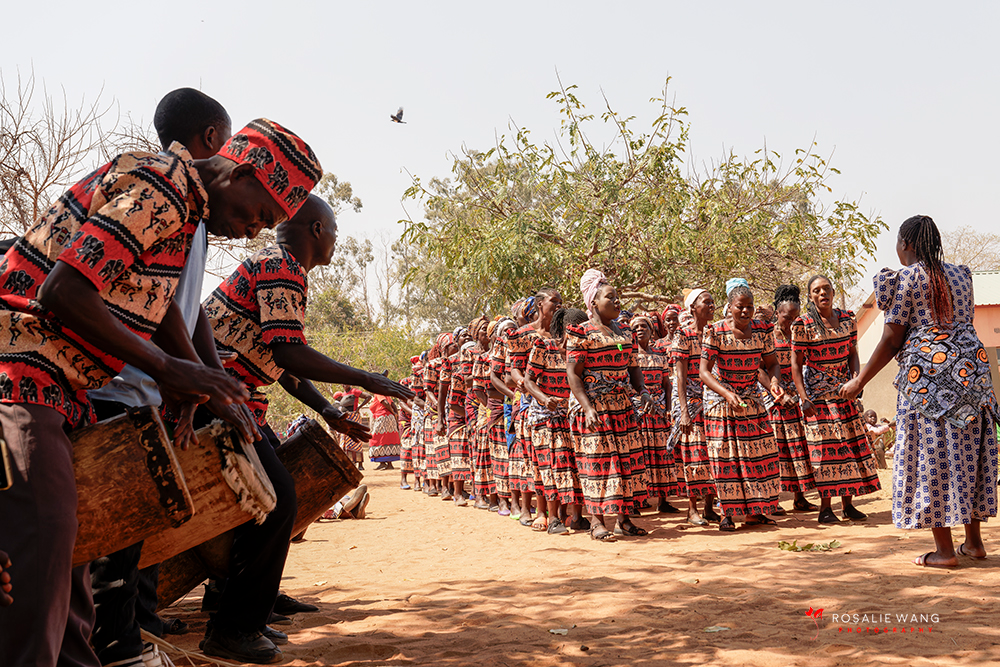
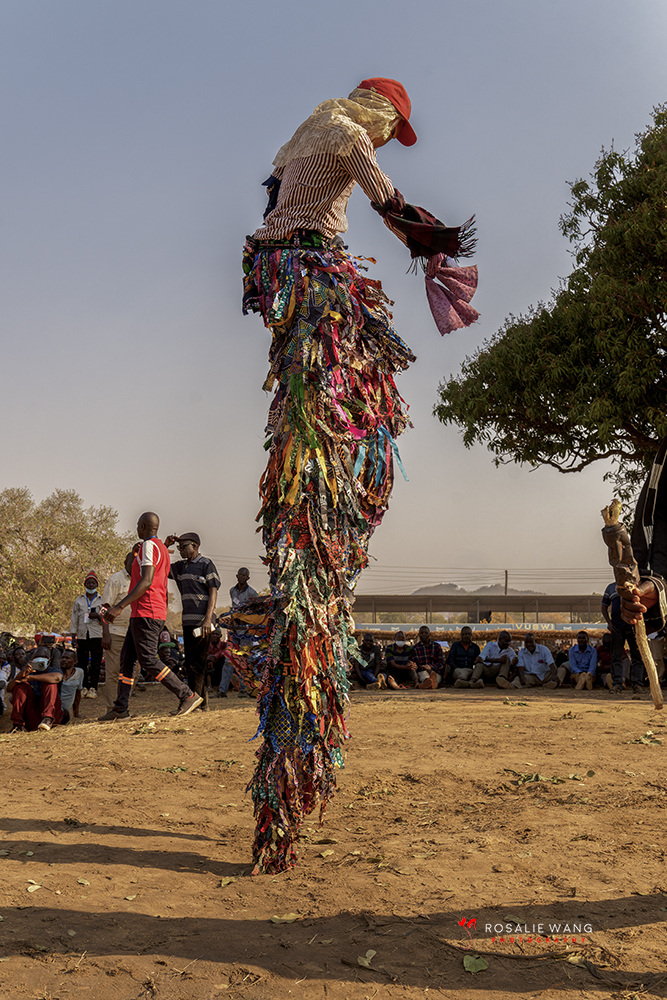
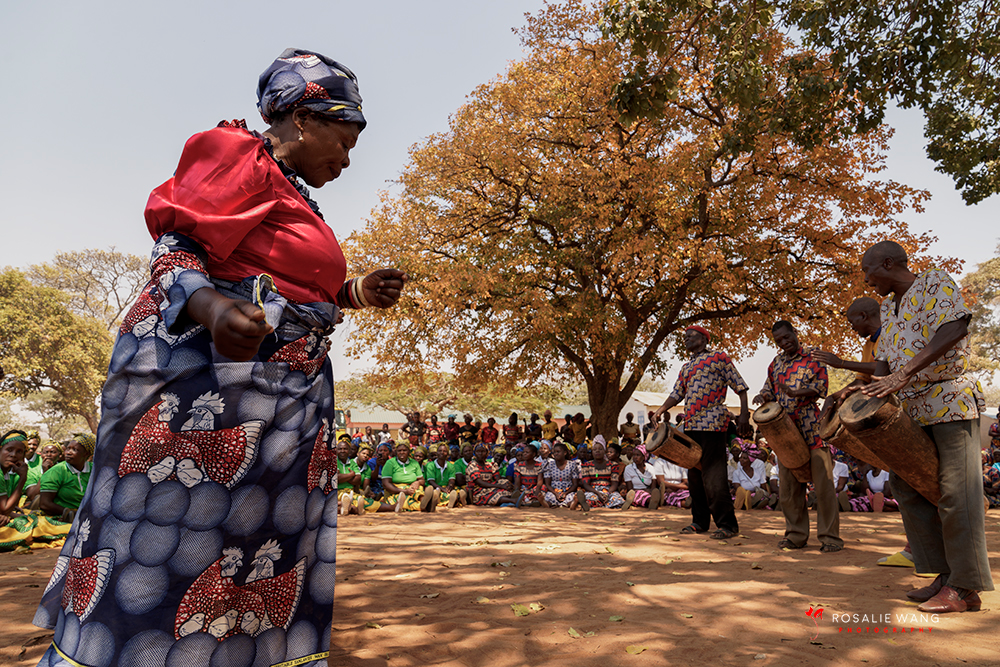
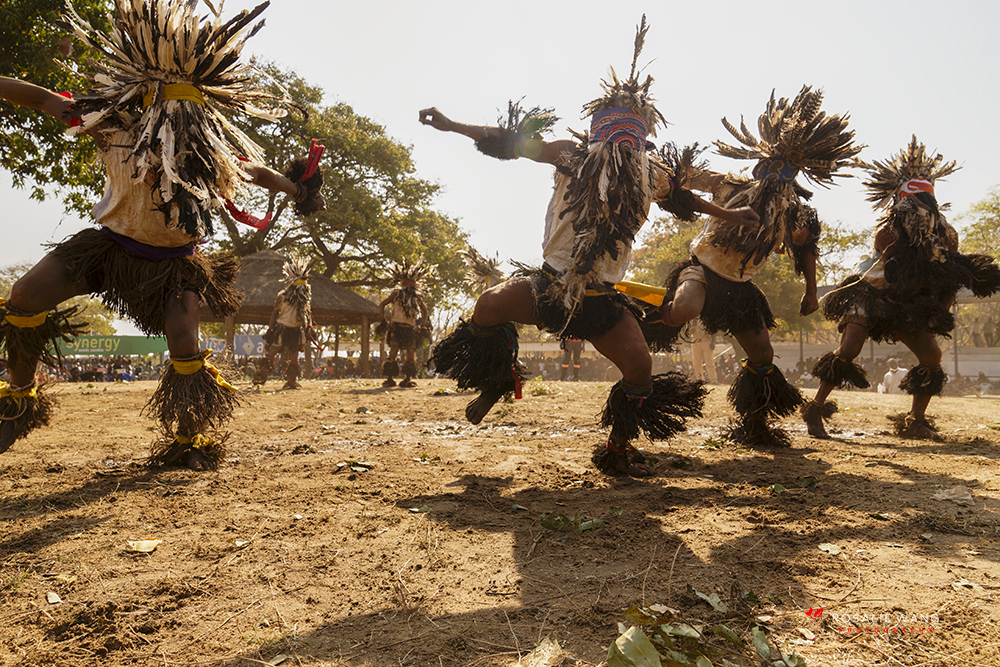
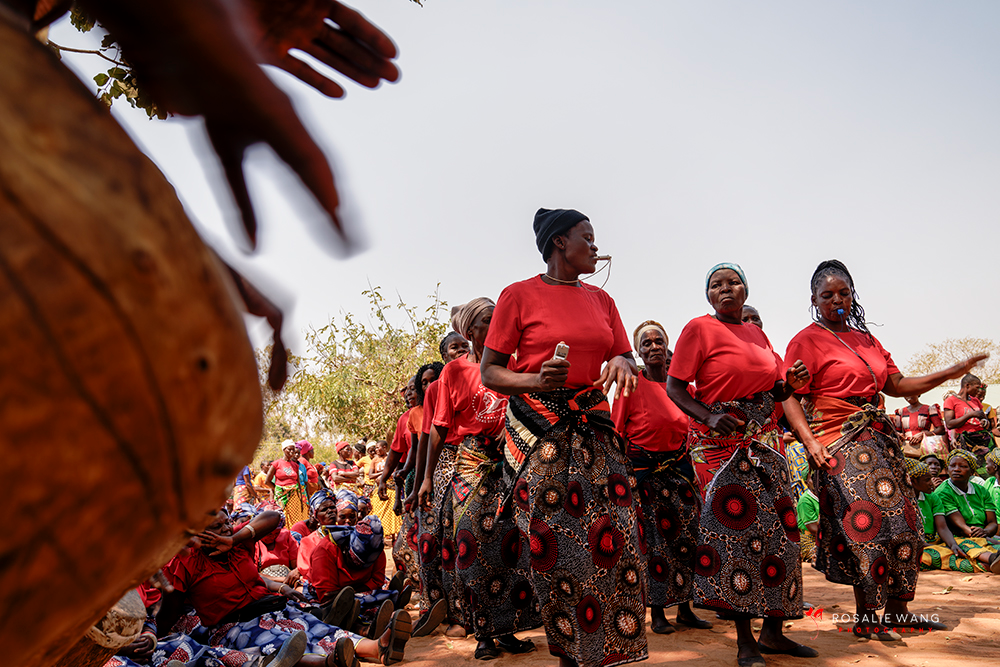
- Masquerade performances, traditional songs, and dances express moral lessons, ancestral connections, and communal values.
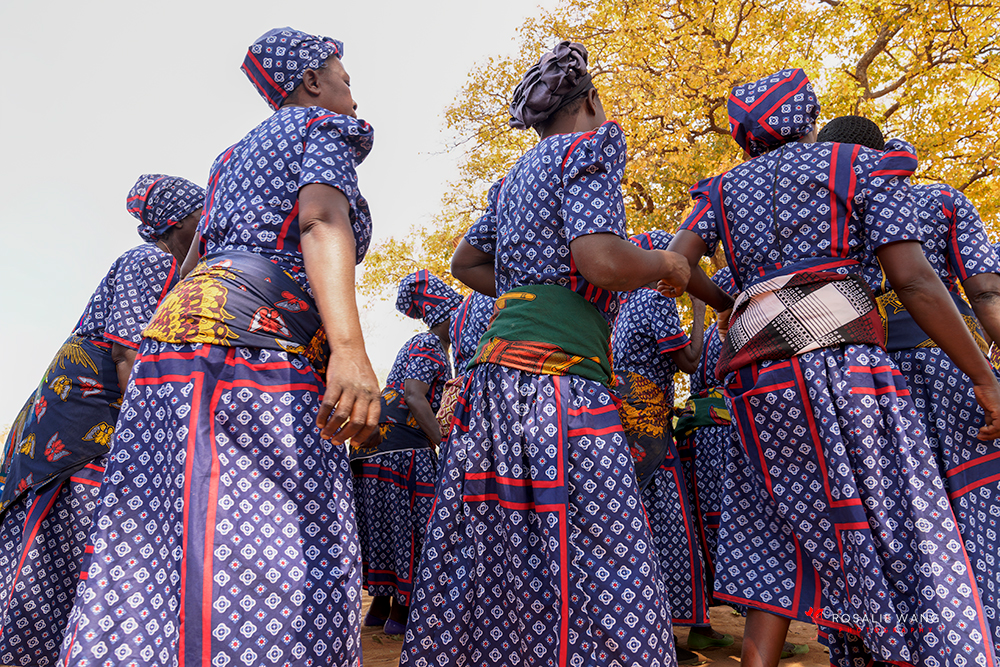
- Initiation rites, especially for young girls entering womanhood, are also part of the celebration.
🧠 Spiritual and Social Role
- Kulamba is not just a festival—it’s a spiritual gathering that reinforces Chewa identity, connects generations, and strengthens regional ties.
- The king redistributes gifts and resources among chiefdoms, promoting solidarity and mutual support.
🎭 Types of Gule Wamkulu Characters
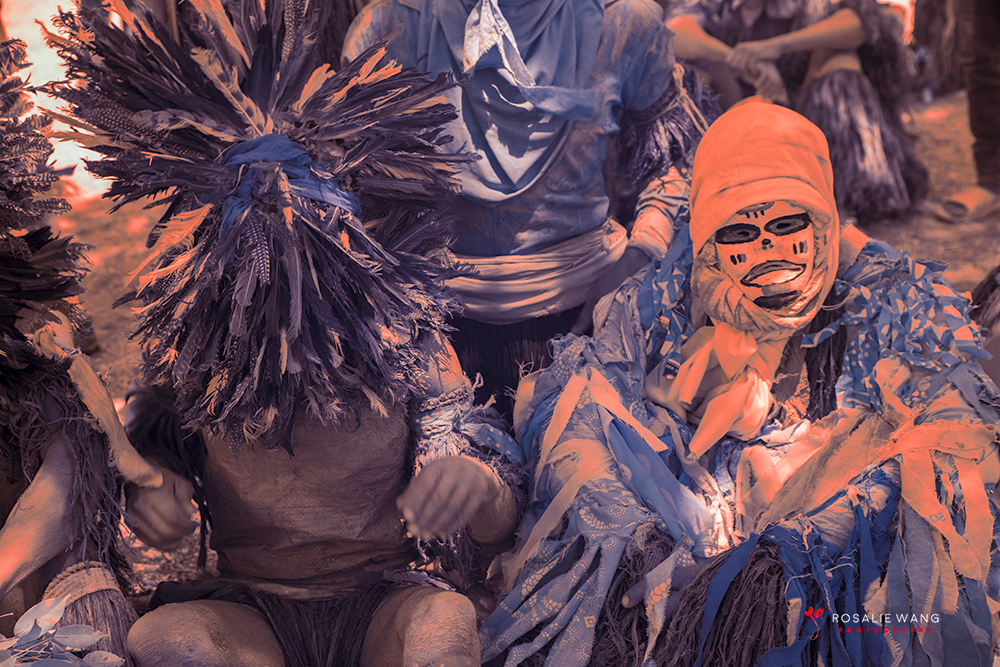
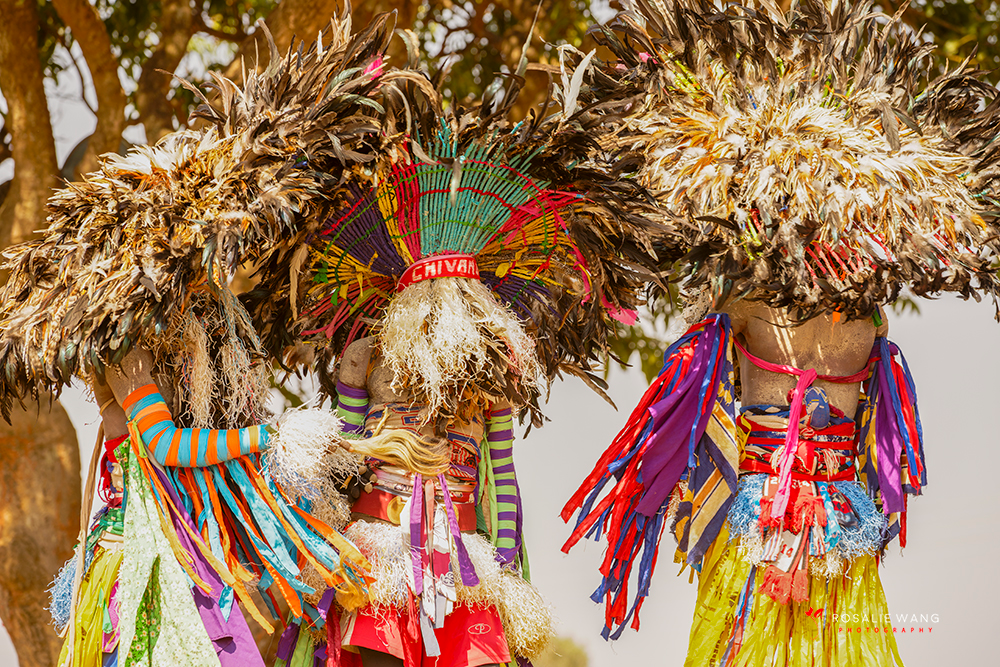
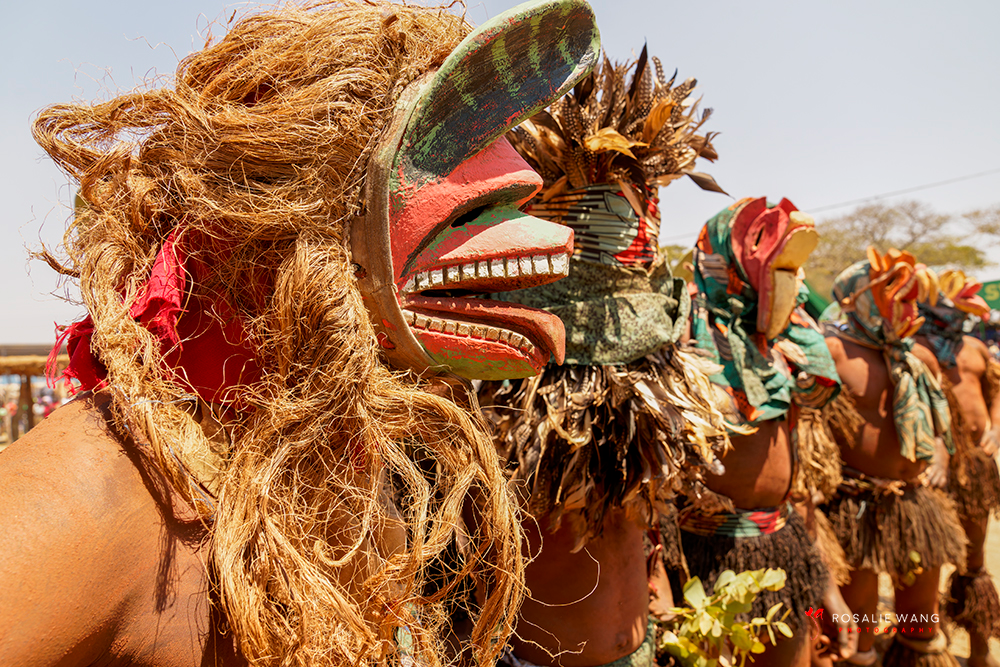
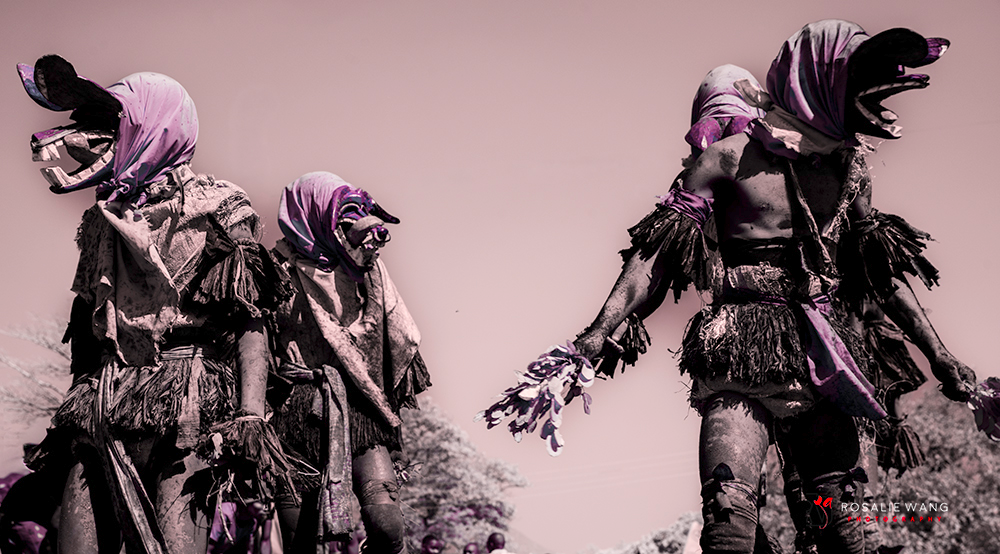
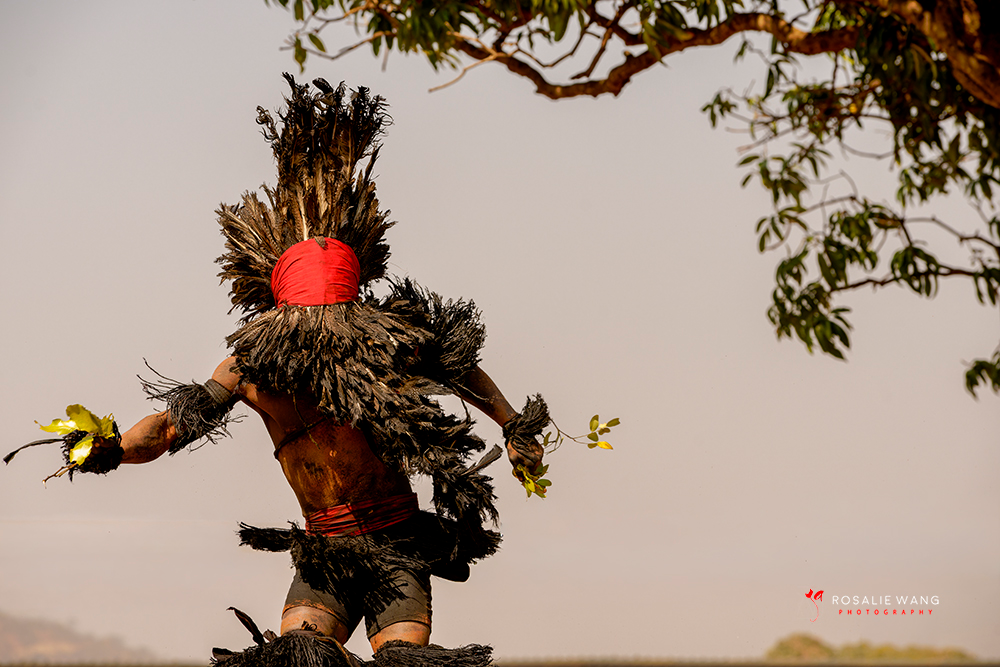
Gule Wamkulu, meaning “the great dance”, is performed by initiated men of the Nyau society, who embody spirits through full-body costumes and carved masks. These characters fall into several symbolic categories:
1. Ancestral Spirits
- Represent deceased elders or chiefs.
- Often wear masks with solemn expressions and traditional attire.
- Serve to connect the living with the spiritual realm.
2. Animal Spirits
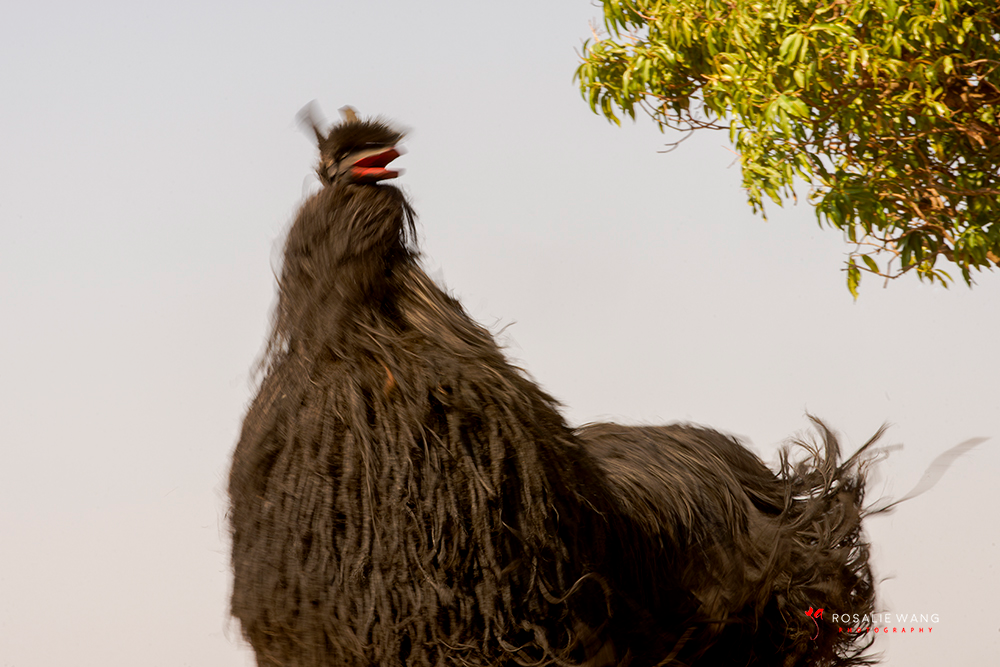
- Include representations of elephants, crocodiles, owls, and hyenas.
- Symbolize traits like strength, cunning, wisdom, or danger.
- Costumes may include straw, feathers, or sculpted wood to mimic animal features.
3. Moral and Social Figures
- Characters like the drunkard, prostitute, or corrupt official are portrayed to teach moral lessons.
- Their exaggerated behavior during the dance serves as satire and social commentary.
4. Mythical and Supernatural Beings
- Some masks depict hybrid creatures or fantastical forms, emphasizing mystery and transformation.
- These are often the most visually striking and are used to invoke fear or awe.
🕊️ Spiritual Function in Kulamba
- During Kulamba, Gule Wamkulu dancers perform to honor ancestors, entertain the crowd, and deliver messages from the spirit world.
- The dances are not just performances—they are considered ritual acts, with the dancer believed to be temporarily possessed by the spirit they represent.
Gologolo, Makanja, Muganda, Chinamwali, and Chimtali are prominent Gule Wamkulu characters featured during the Kulamba ceremony. Each represents a unique spiritual or moral archetype within Chewa culture, often used to teach, entertain, and connect with ancestral traditions.
Here’s a brief overview of each character and their role in the Kulamba ceremony:
🎭 Gologolo
- Symbolism: Gologolo is often portrayed as a slow-moving, hunched figure, symbolizing old age, wisdom, and ancestral presence.
- Role: He reminds the community to respect elders and traditions. His deliberate movements evoke reflection and reverence.
🕺 Makanja
- Symbolism: Makanja is a spiritual messenger, often appearing with elaborate costumes and dramatic gestures.
- Role: He represents the connection between the living and the dead, delivering messages from the ancestors and guiding initiates through moral lessons.
🐘 Muganda
- Symbolism: Muganda is typically associated with strength and leadership, sometimes depicted with animalistic features like an elephant or lion.
- Role: He embodies royal authority and may perform dances that reflect power, protection, and community unity.
👧 Chinamwali
- Symbolism: Chinamwali represents female initiation and puberty rites. She is often portrayed with grace and beauty.
- Role: Her presence during Kulamba highlights the importance of womanhood, fertility, and social roles. She may perform dances that mimic traditional teachings for young girls.
💃 Chimtali
- Symbolism: Chimtali is a comic or satirical character, often used to entertain and provoke thought.
- Role: Through exaggerated movements and humorous behavior, Chimtali teaches social norms and critiques misconduct, making the audience laugh while reflecting on deeper lessons.
These characters are part of the Gule Wamkulu masquerade, a sacred dance tradition performed by the Nyau society. During Kulamba, they help honor the paramount chief Kalonga Gawa Undi, connect with ancestors, and reinforce Chewa identity across Zambia, Malawi, and Mozambique.
📇 References
- When Animals Sing and Spirits Dance: Gule Wamkulu: the Great Dance of the Chewa People of Malawi by Claude Boucher, published by Kungoni Centre of Culture and Art, Nov 1,2012. ISBN 978-0957050808