Likumbi Lya Mize: The Luvale Cultural Ceremony
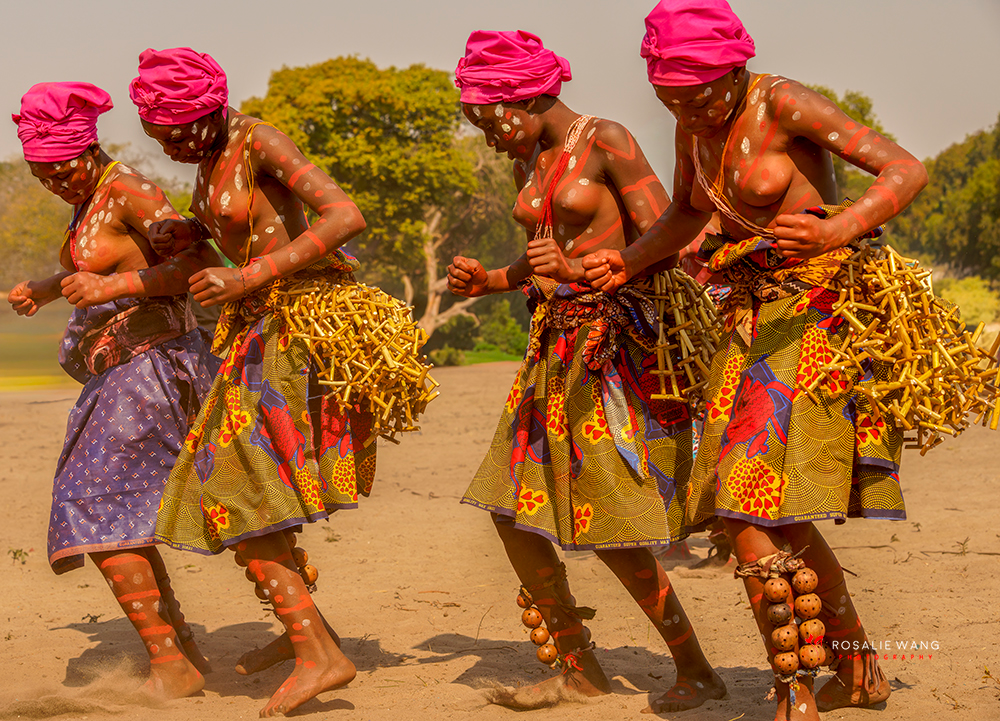
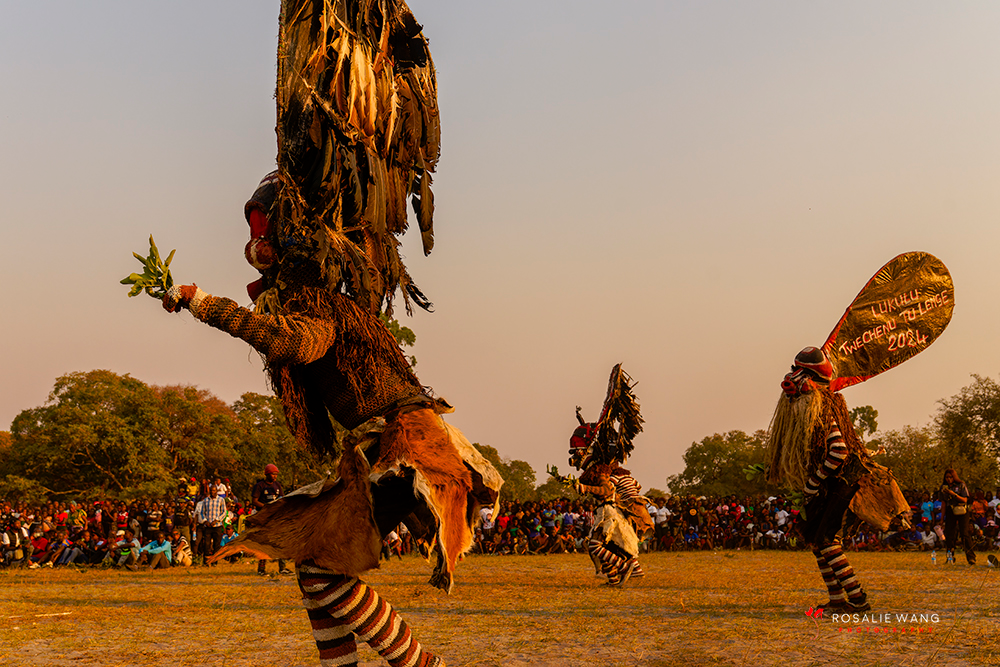
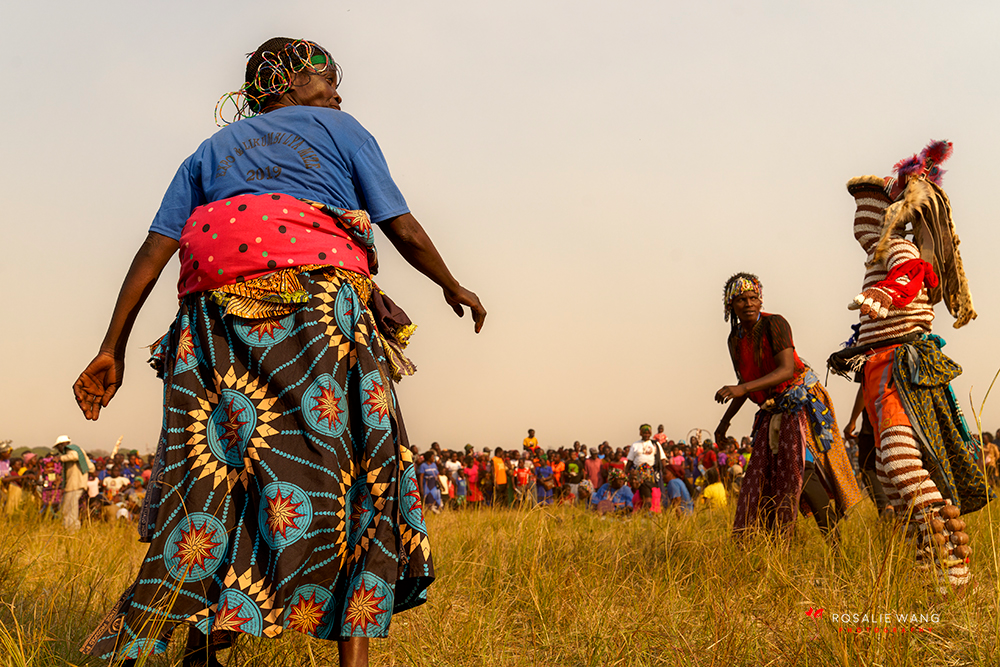
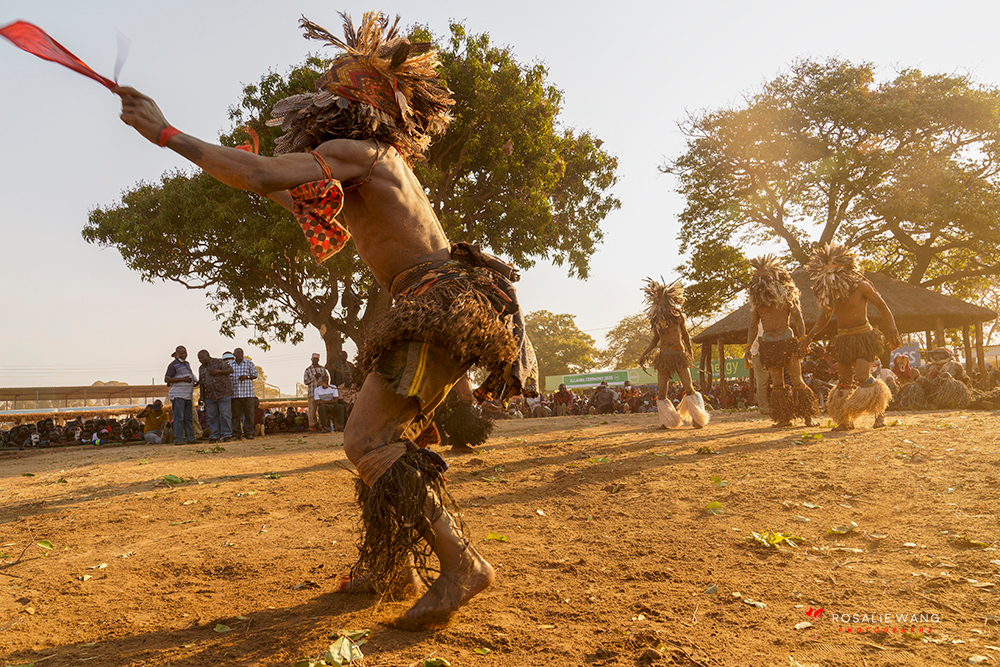
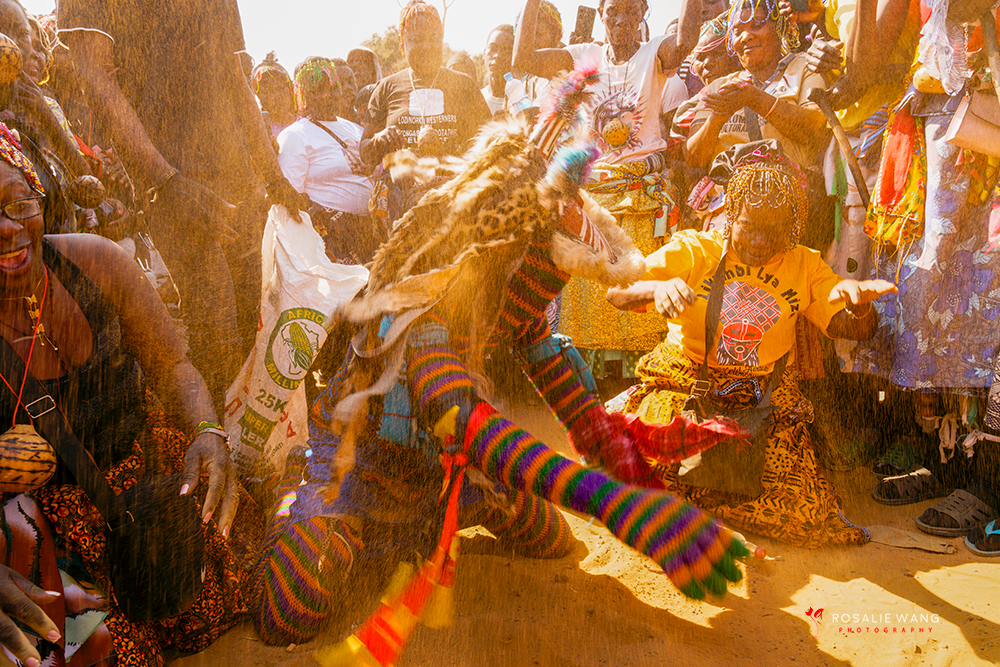
Likumbi Lya Mize is an annual traditional ceremony celebrated by the Luvale people of Zambia, held in the village of Mize near the town of Zambezi in the North-Western Province. This vibrant festival marks the culmination of the Mukanda initiation rite, a significant rite of passage for young boys transitioning into adulthood.
🌍Cultural Significance
The ceremony honors King Ndungu, the principal traditional authority of the Luvale people, and serves as a powerful cultural and spiritual event. It symbolizes the rebirth of initiates who have completed a period of traditional training and circumcision, marking their transformation from childhood to adulthood.
🌿The Mukanda Initiation Rite
Mukanda is a traditional initiation process involving seclusion, education, and circumcision for boys. During this period, initiates learn about Luvale customs, responsibilities, and community values. The completion of Mukanda is celebrated at Likumbi Lya Mize with elaborate rituals and festivities.
🎉Makishi Dancers and Masks
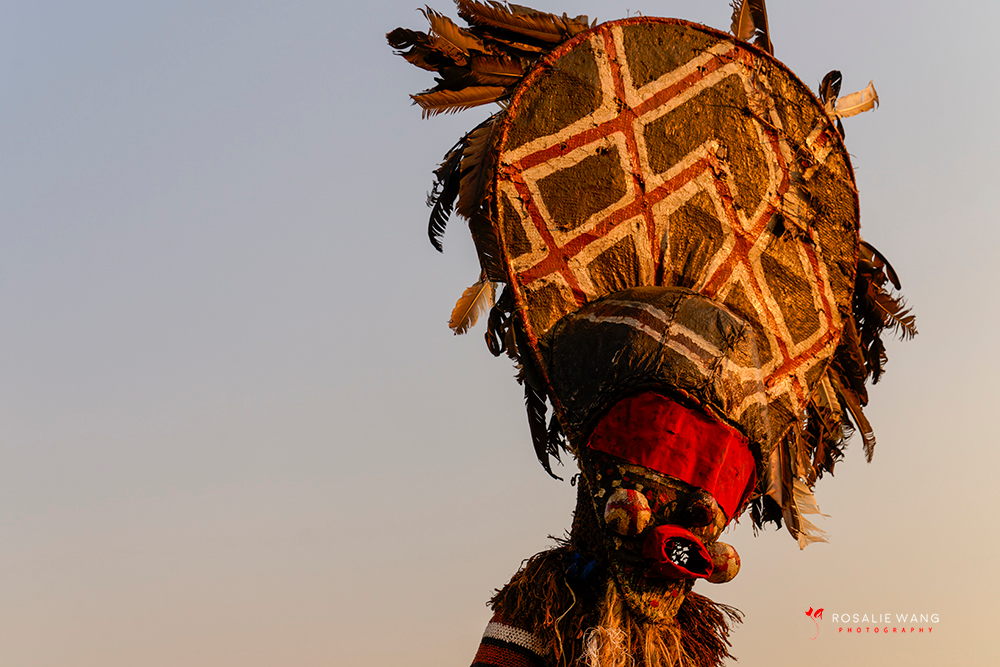
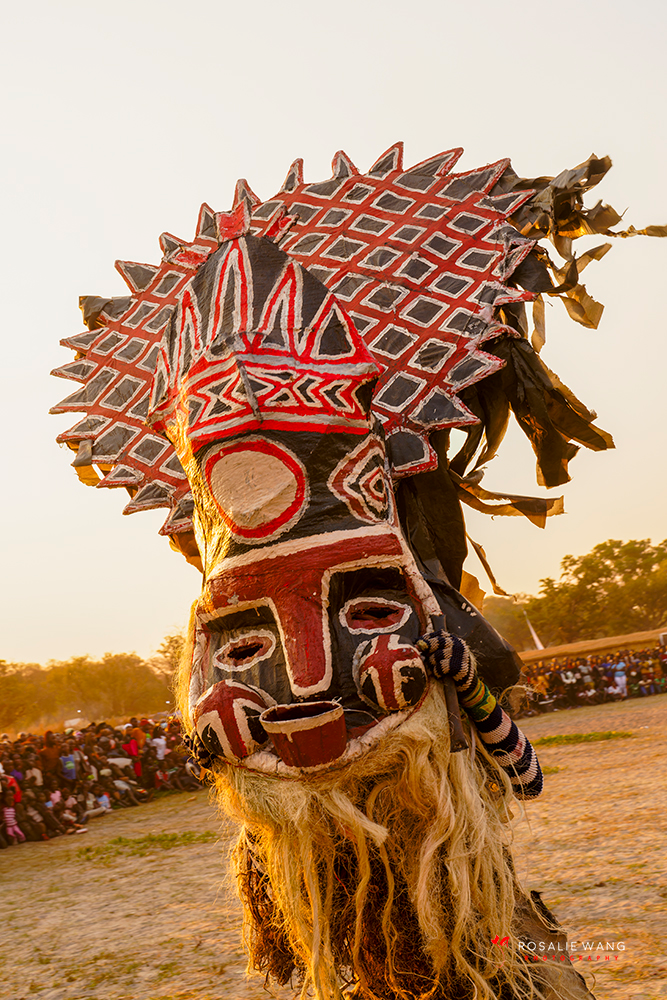
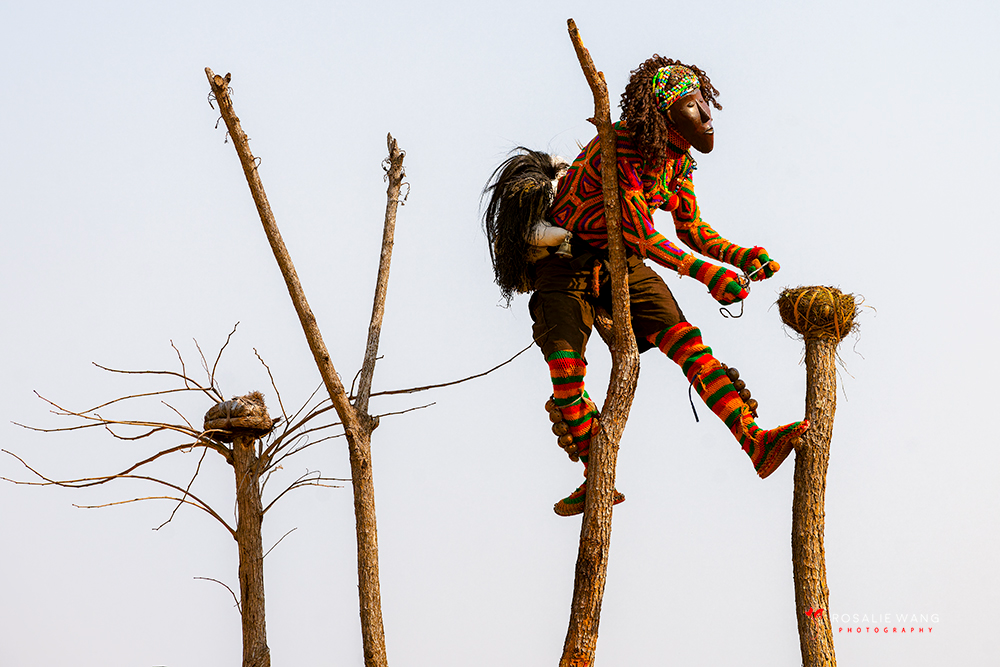
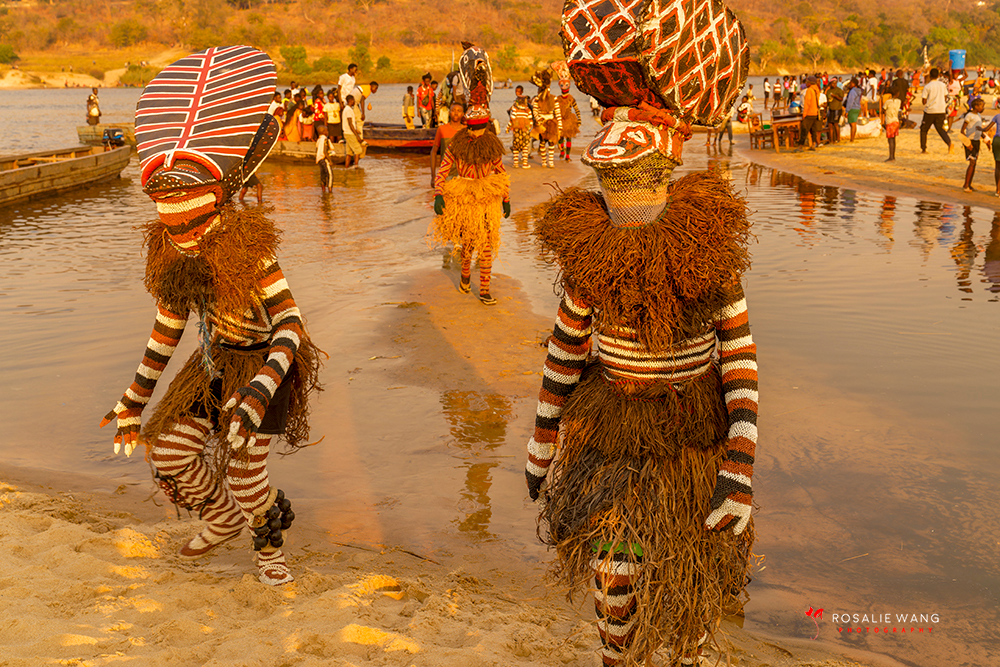
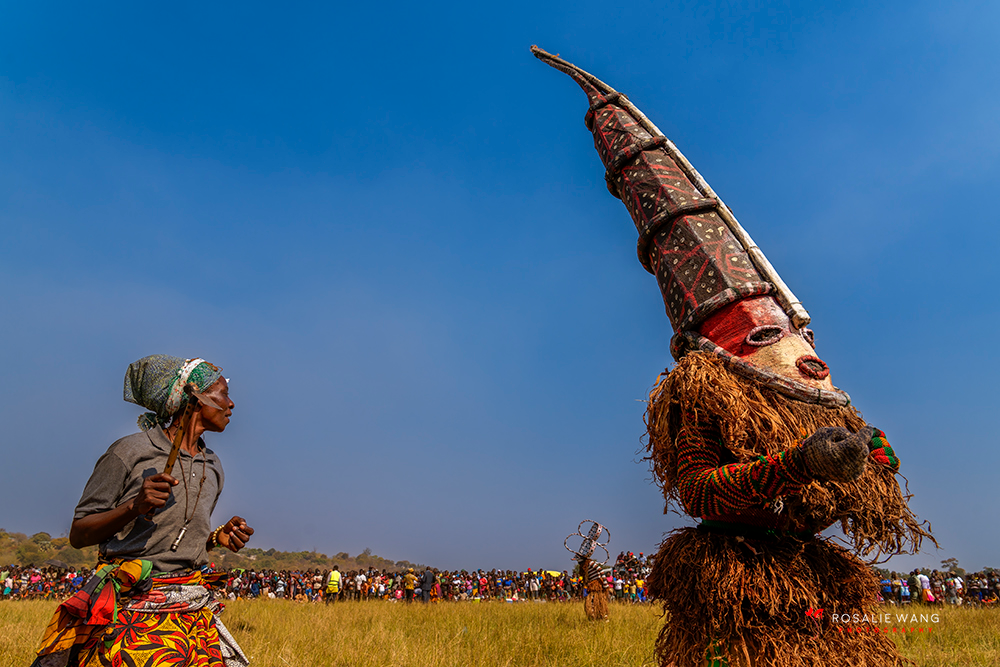
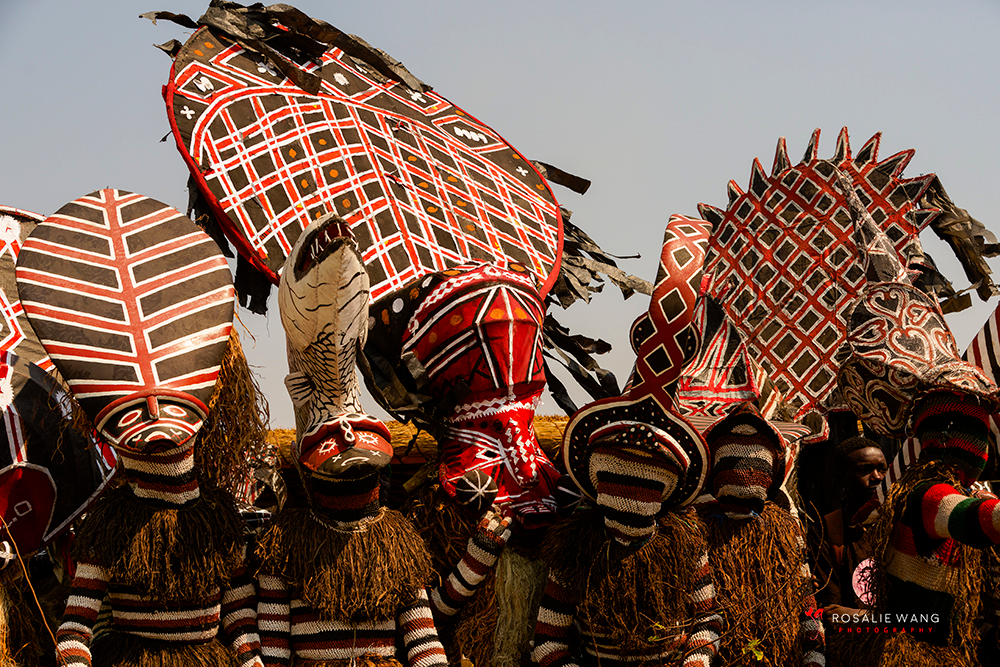
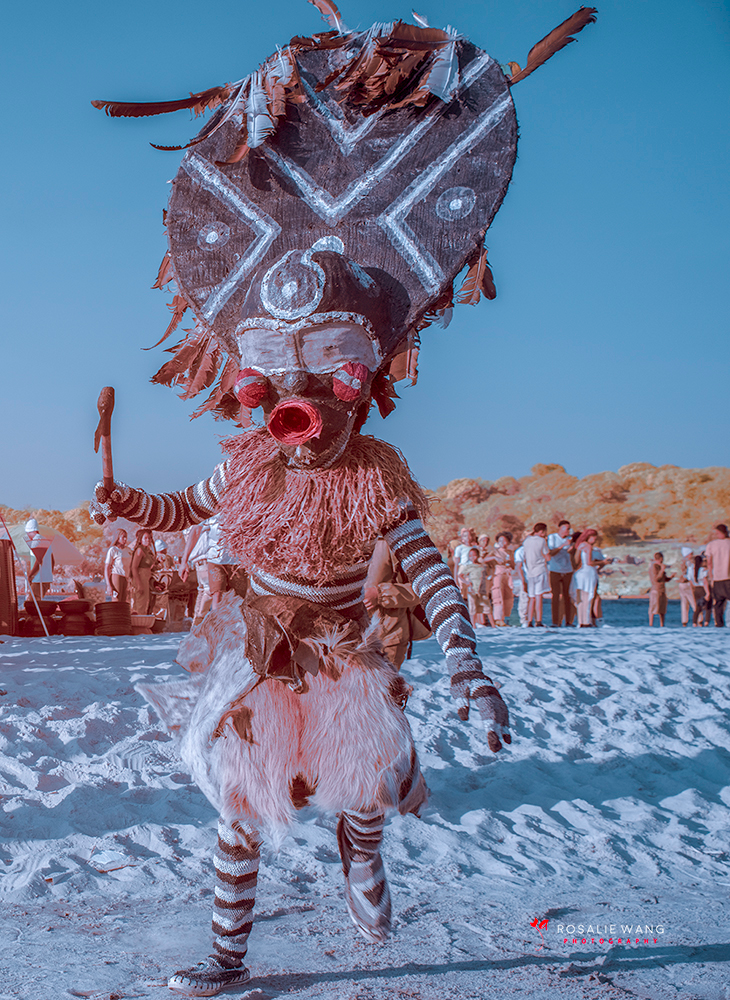
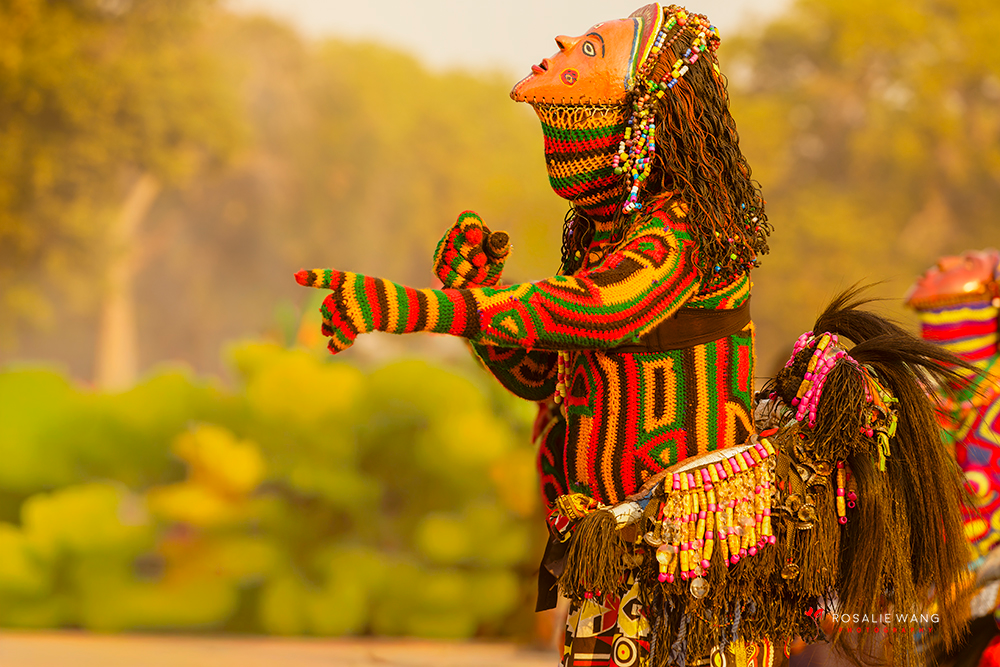
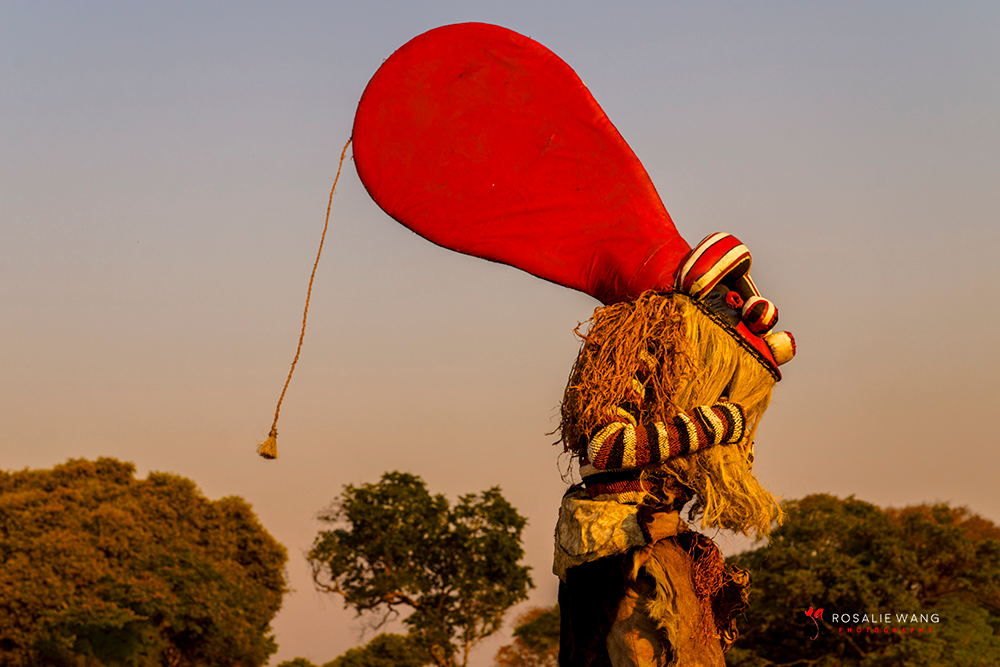
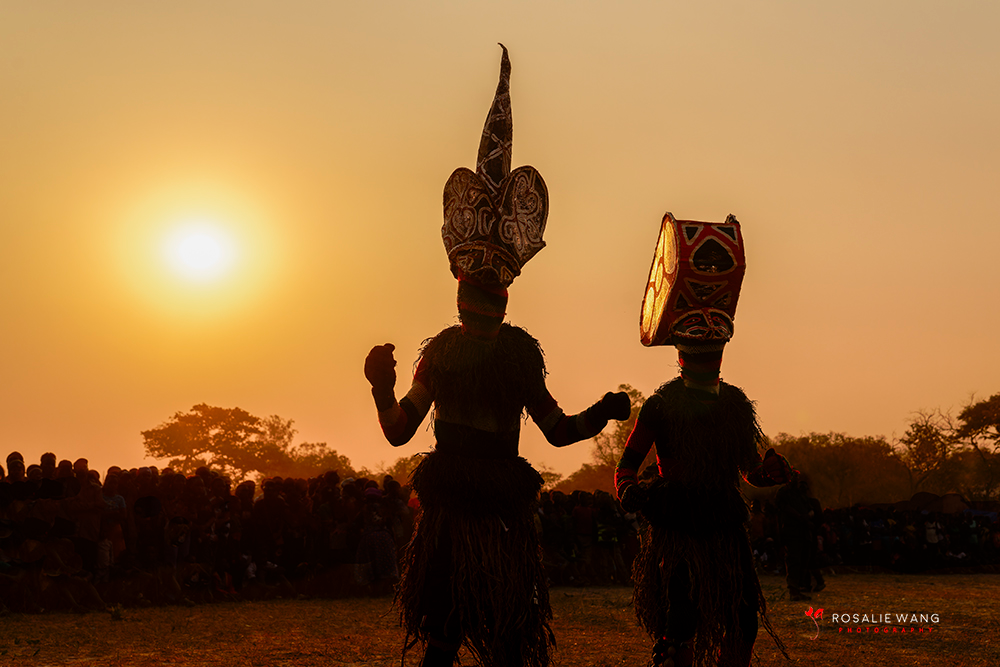
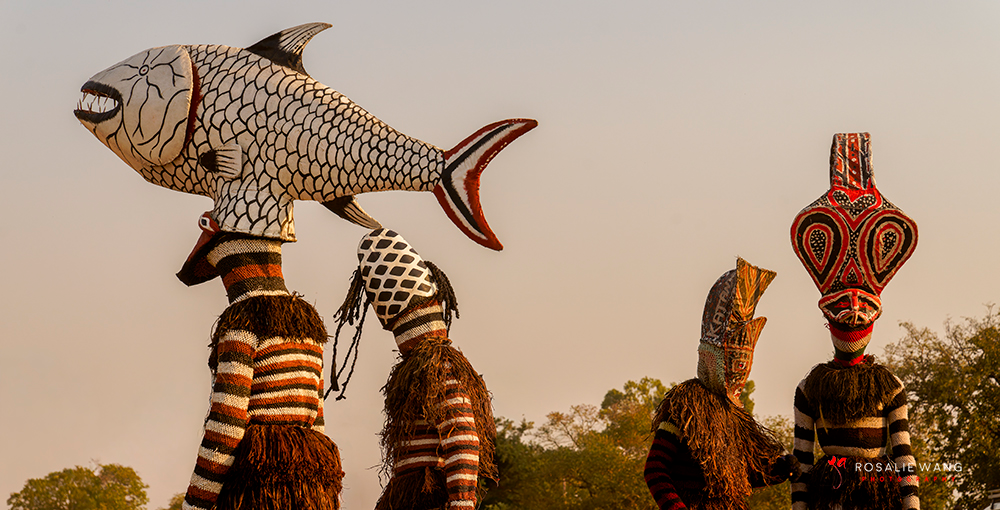
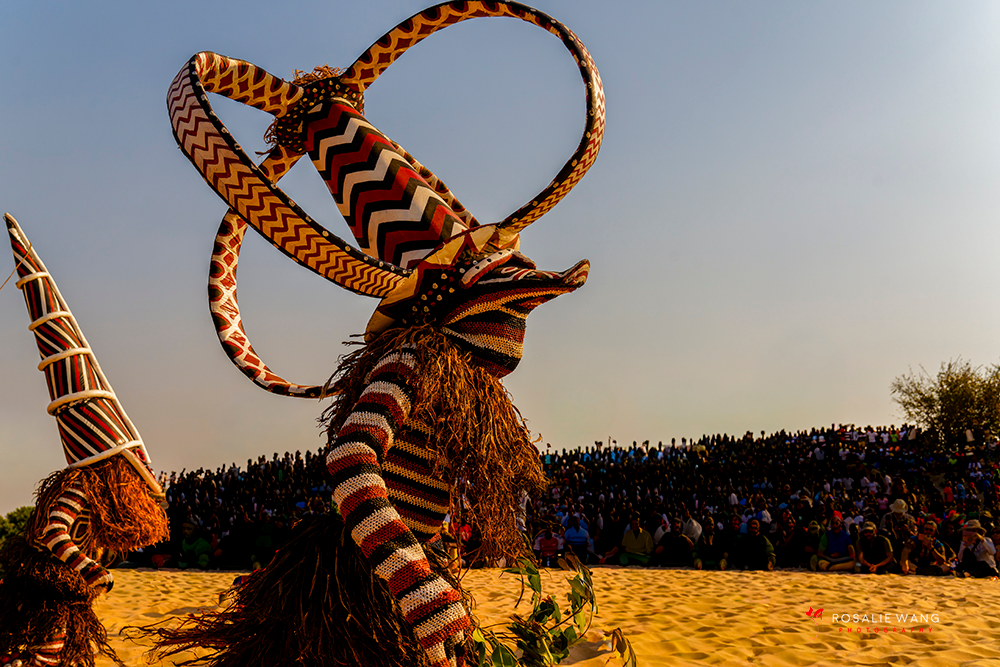
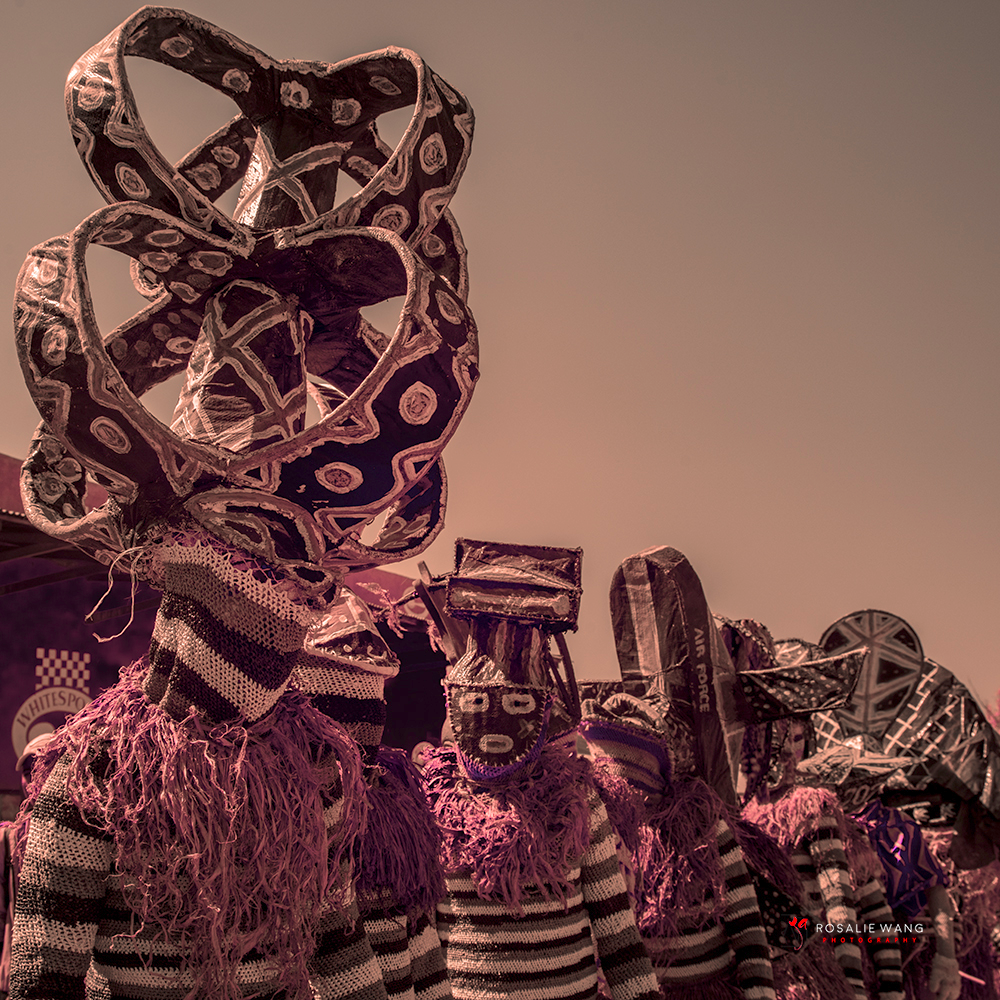
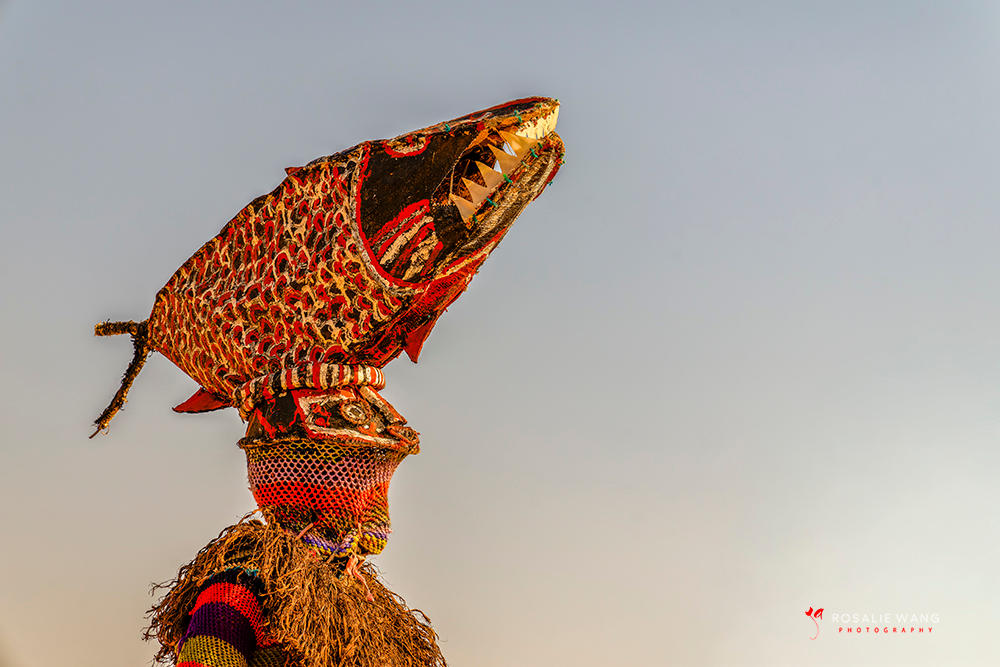
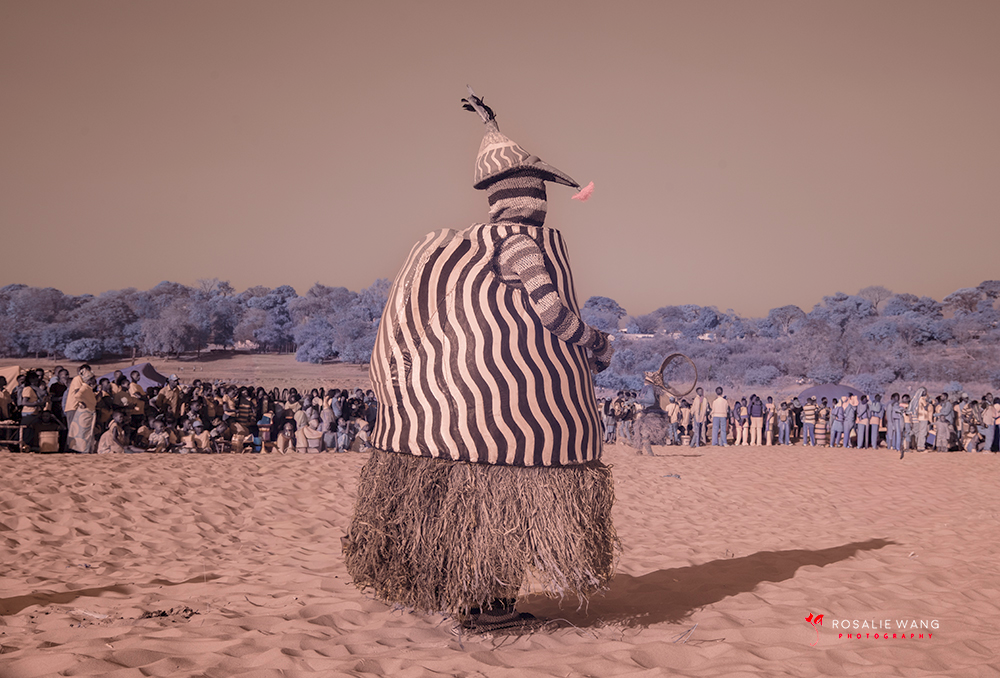
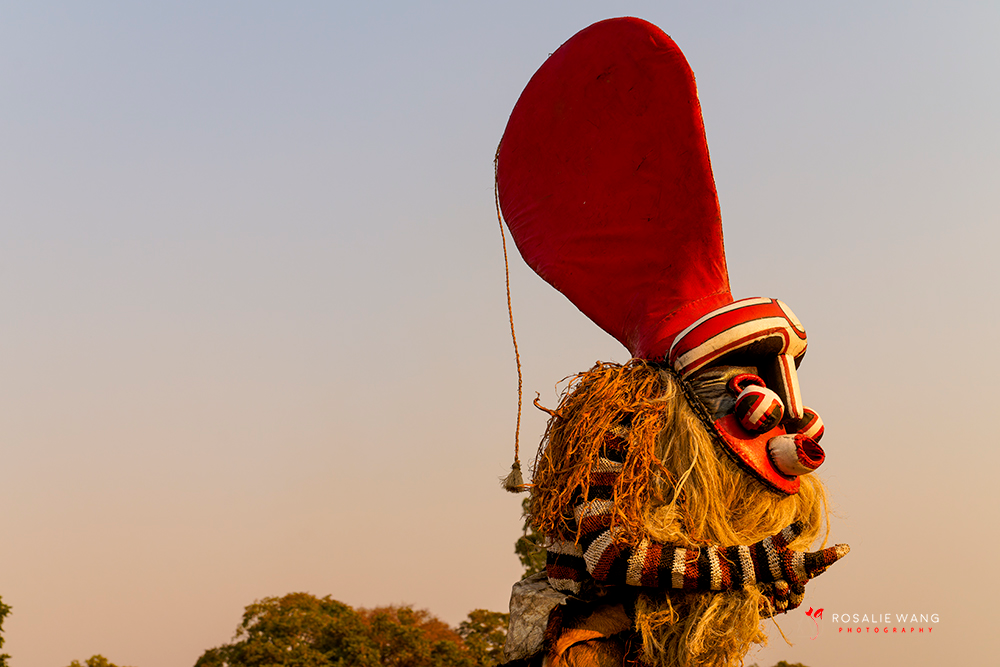
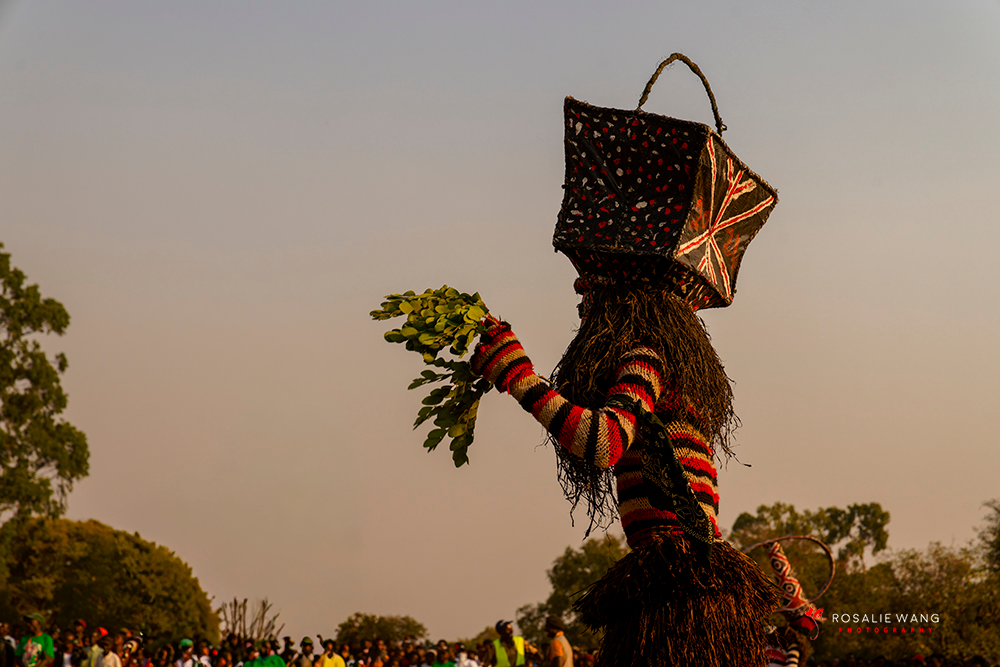
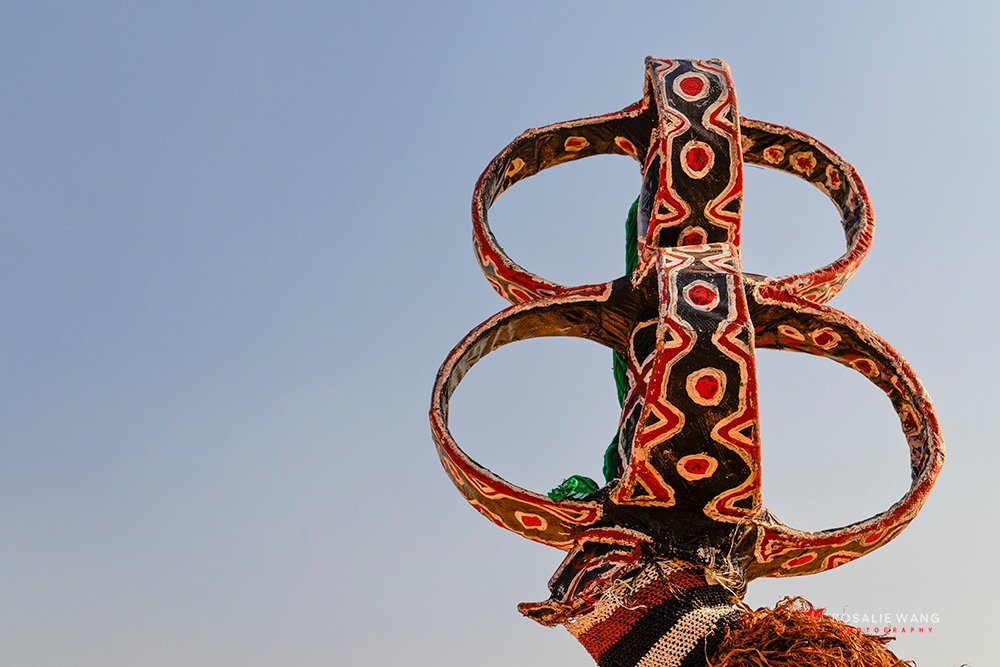
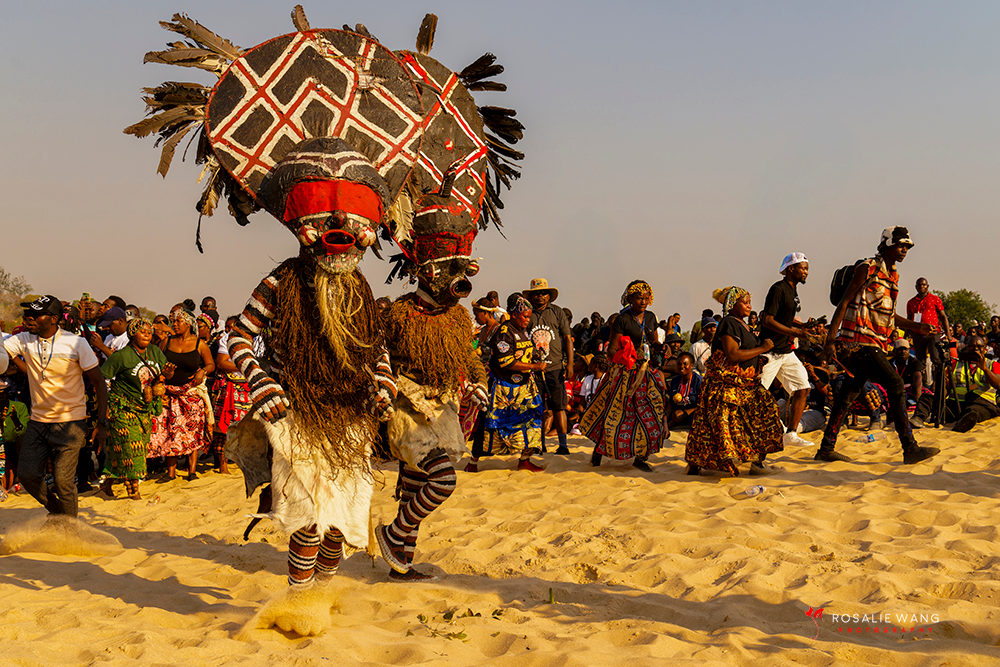
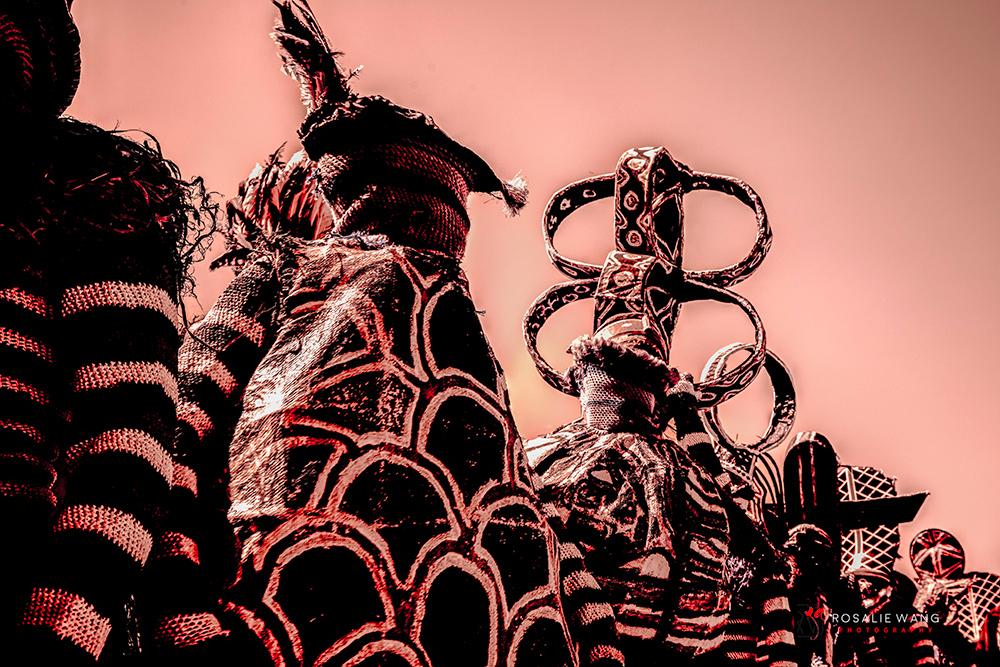
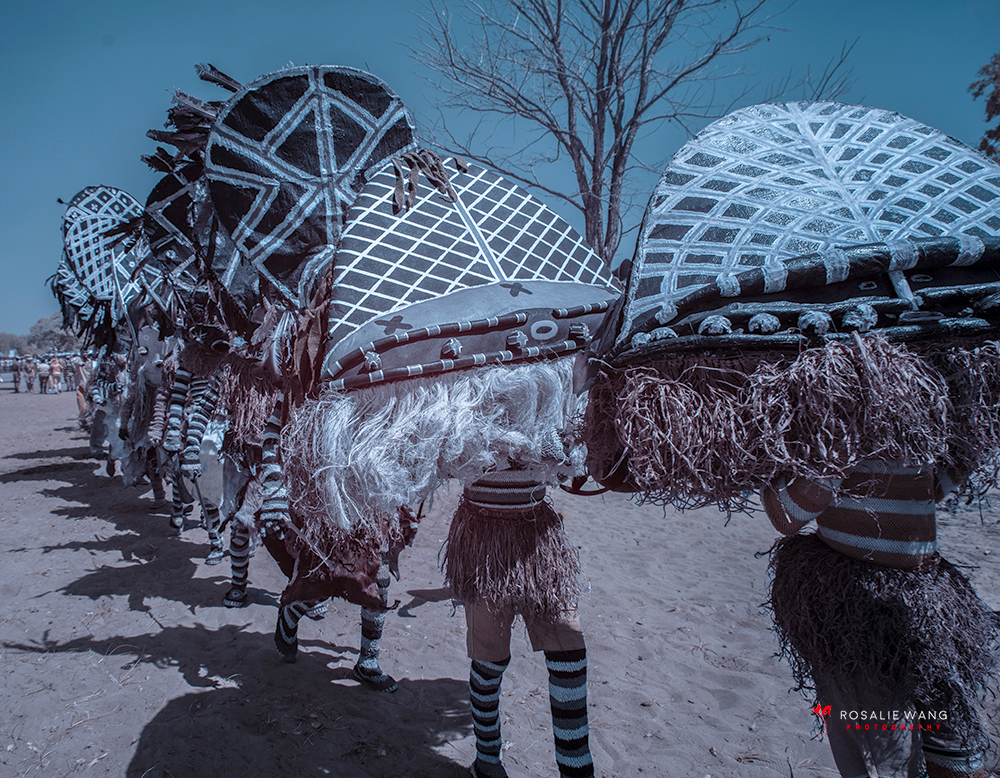
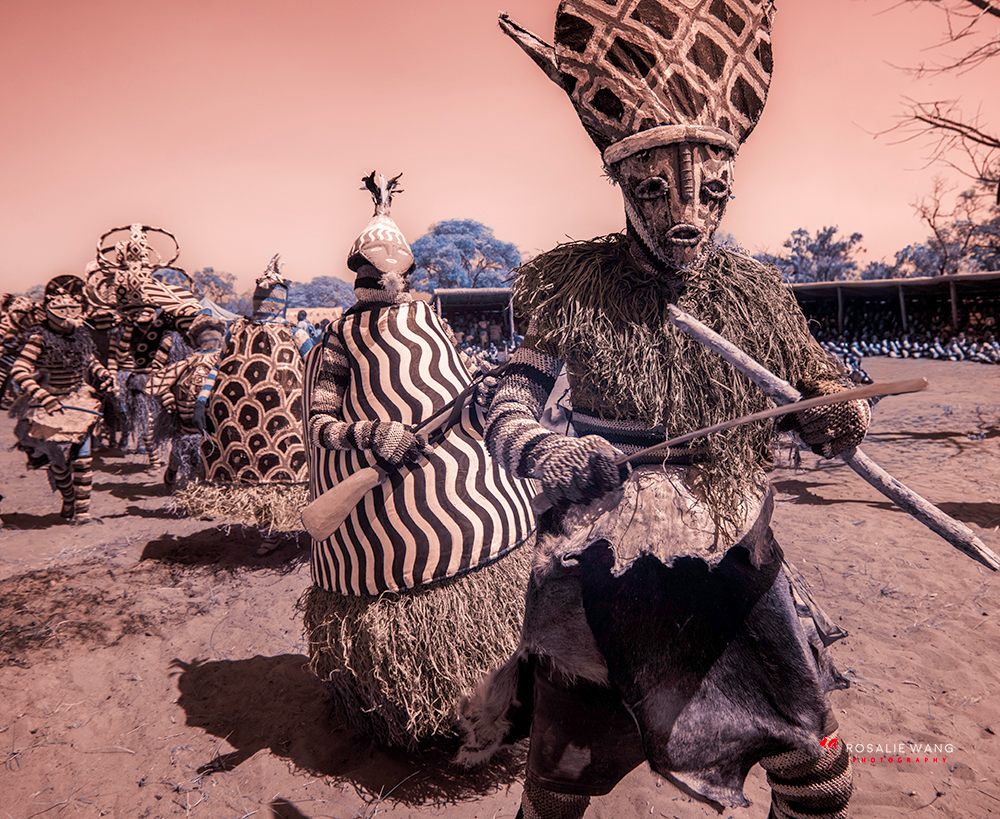
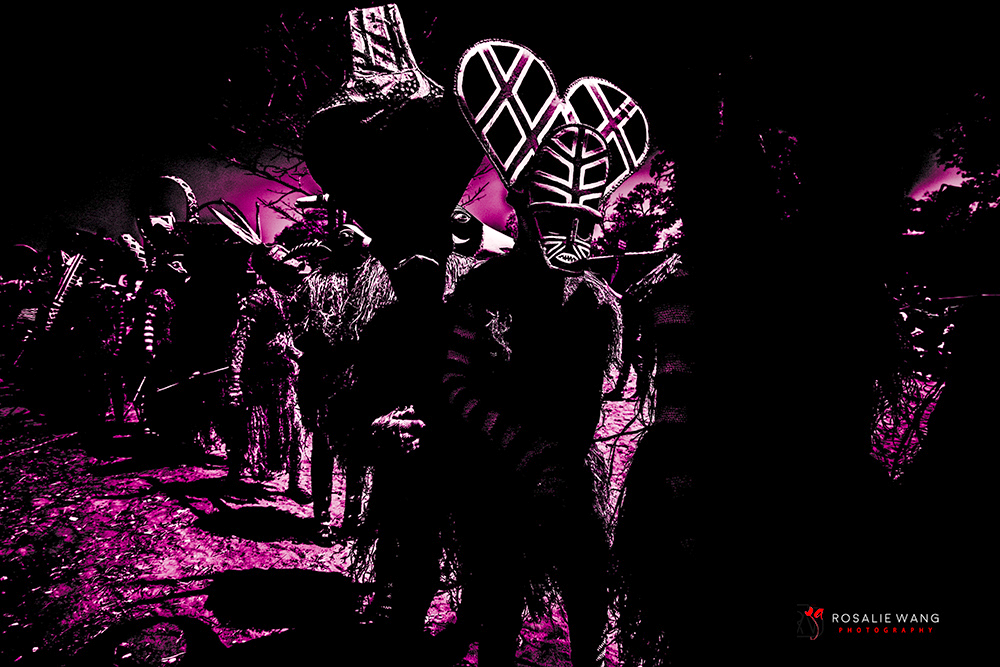
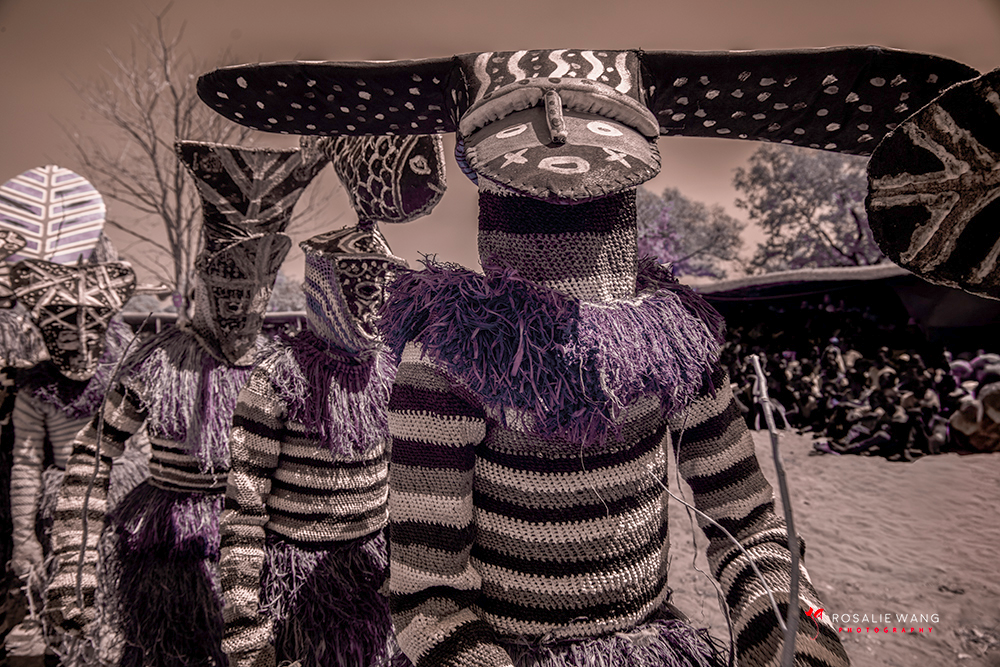
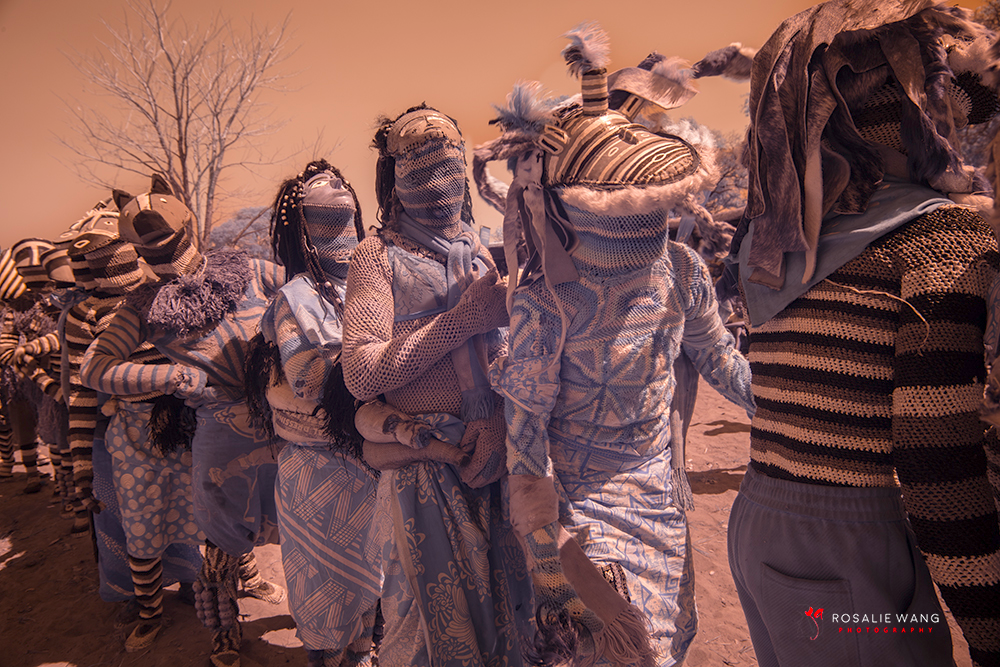
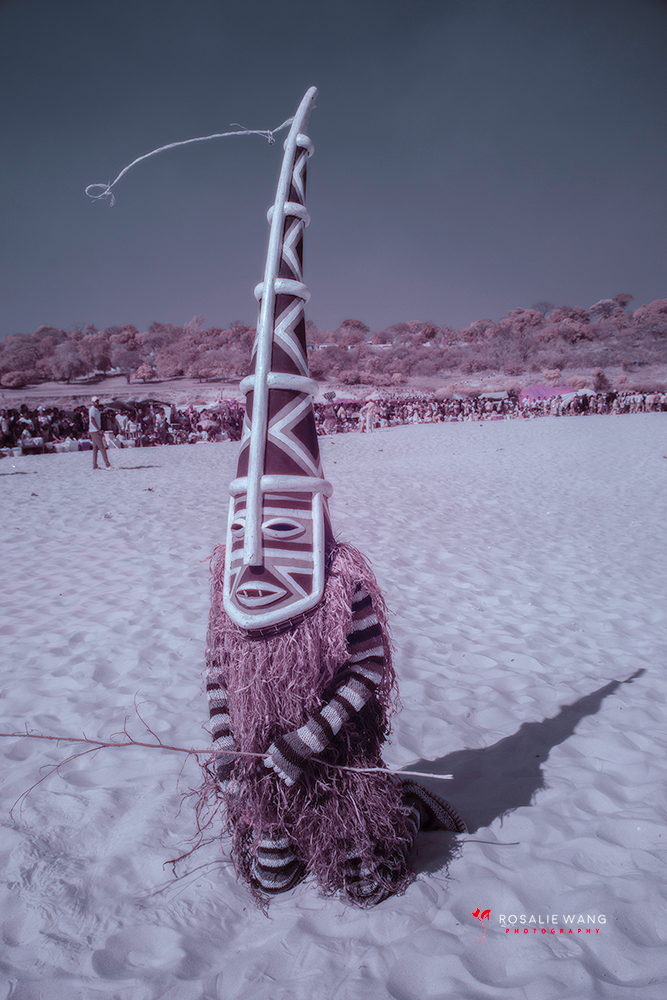
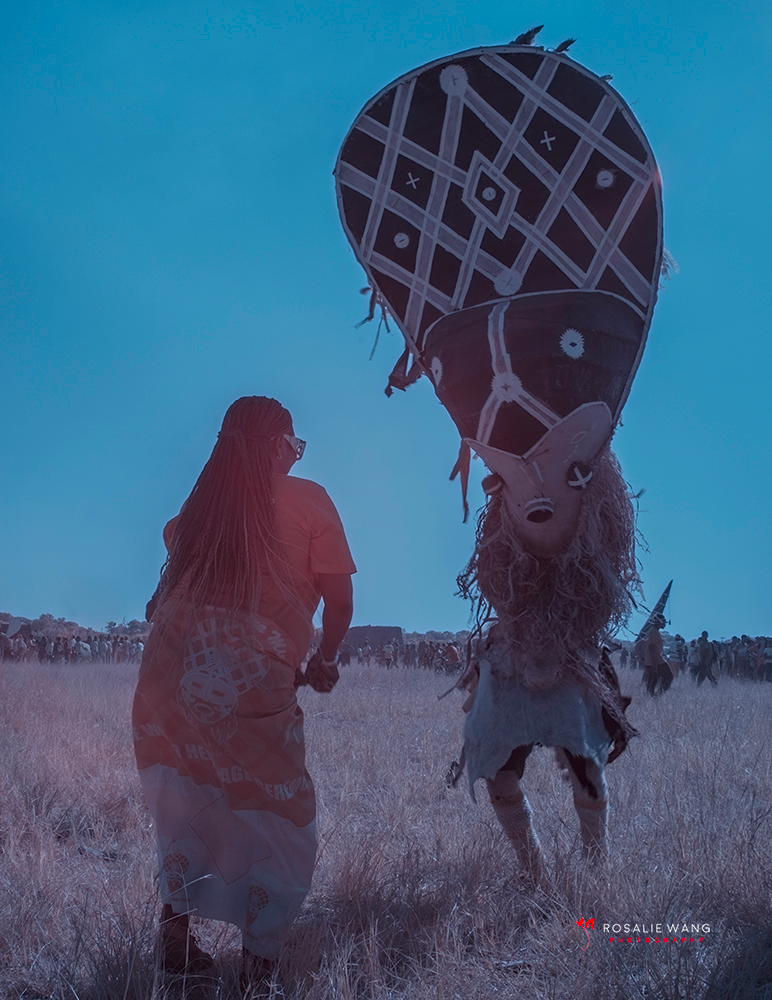
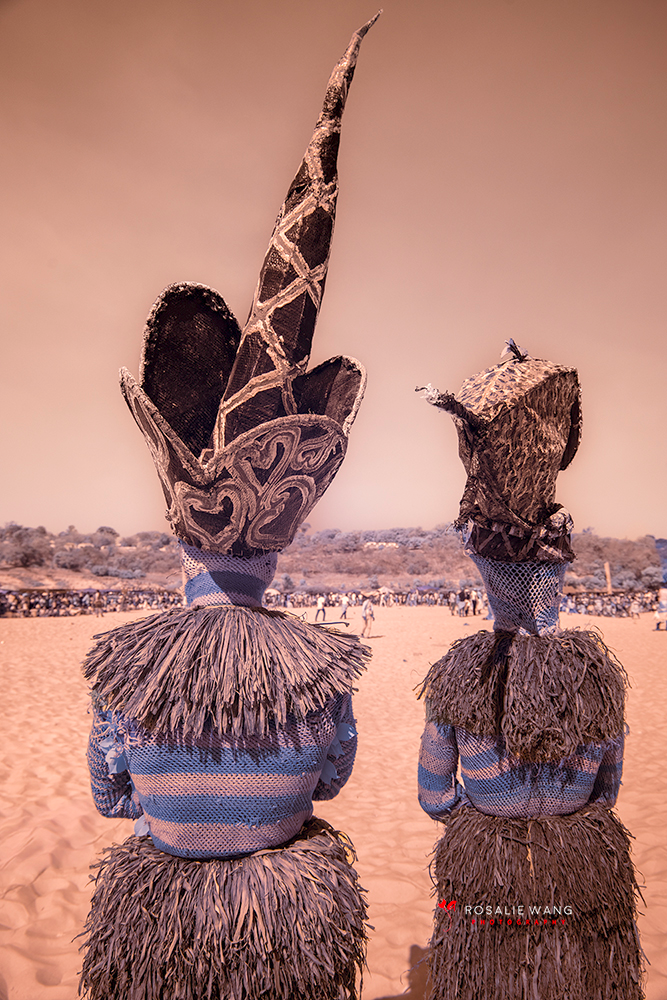
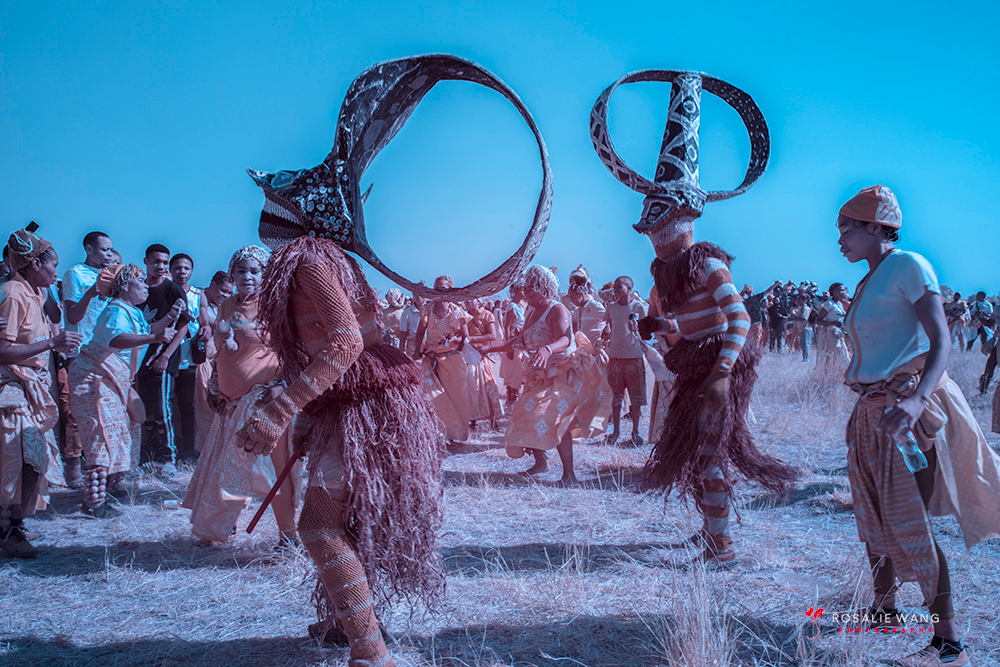
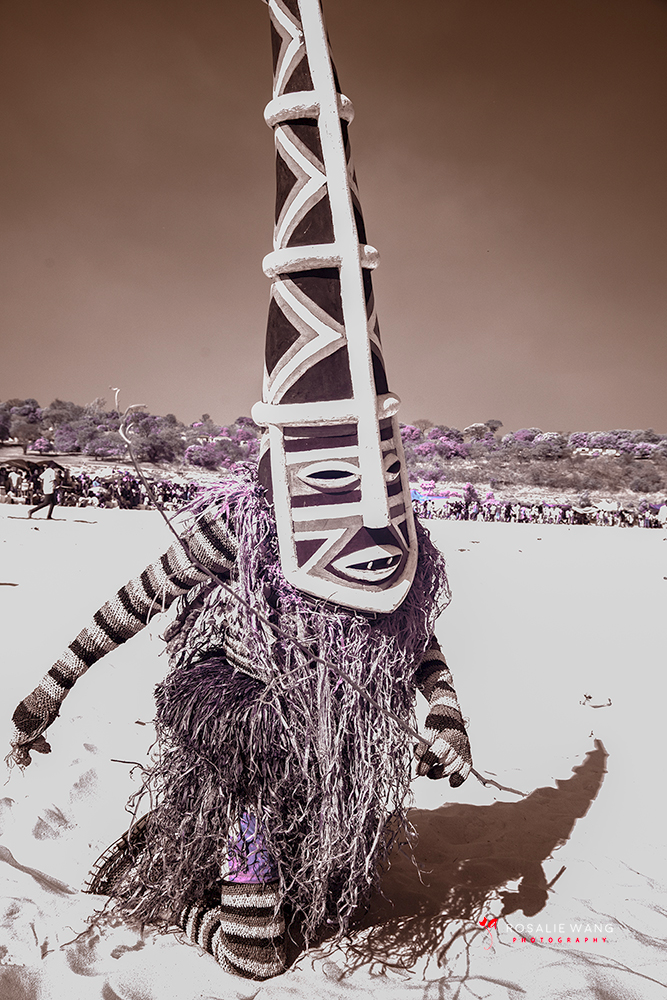
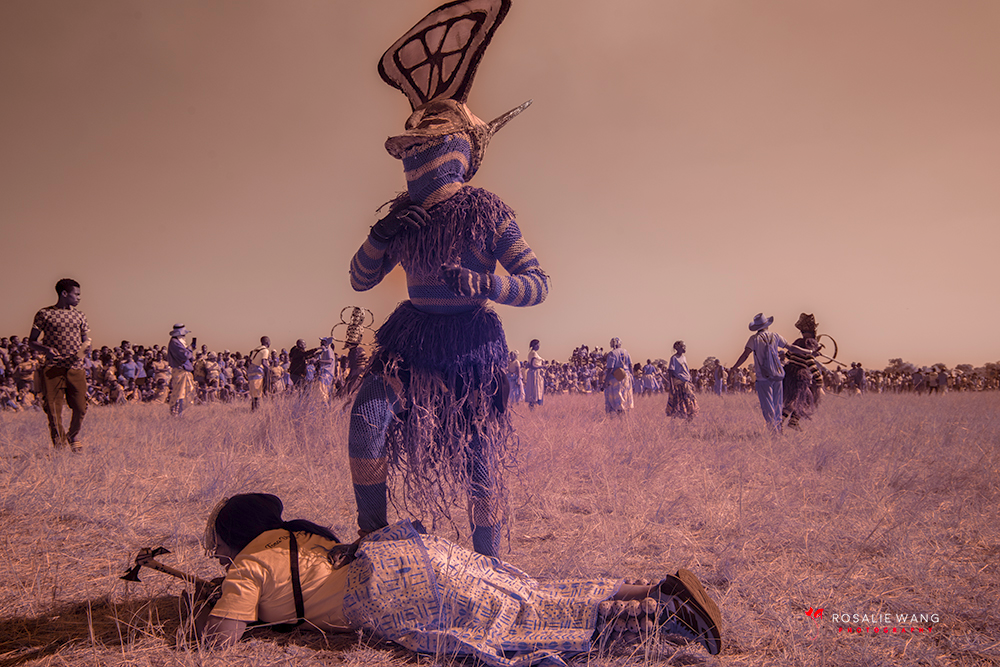
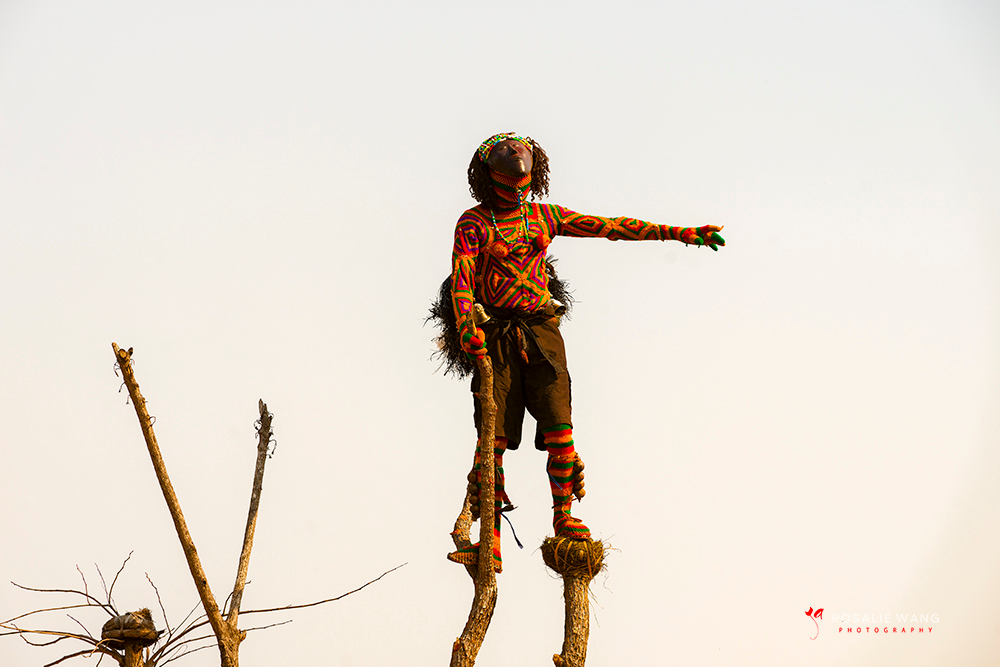
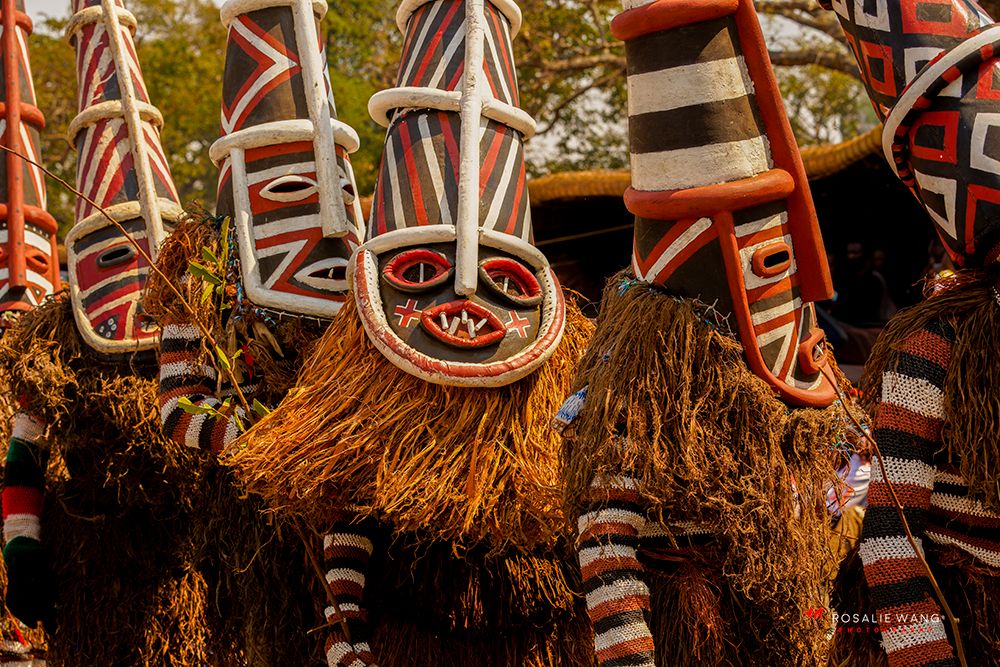
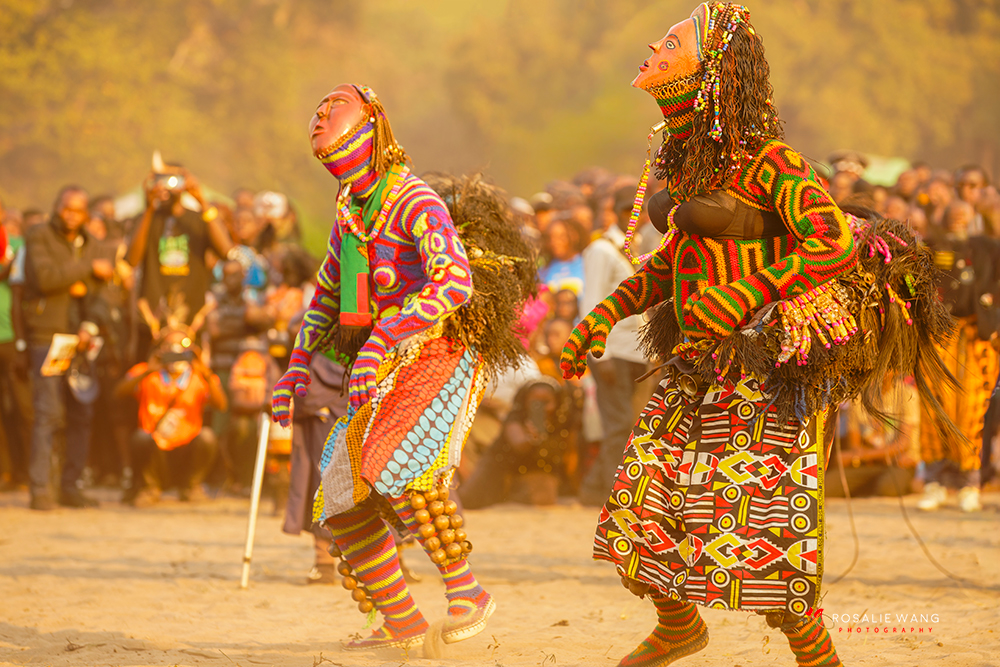
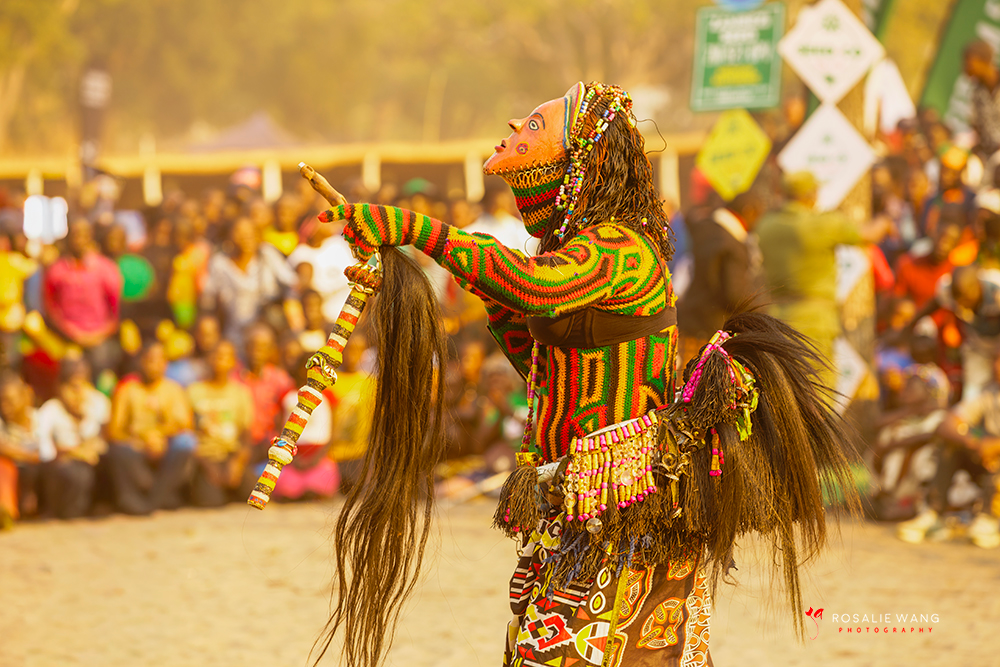
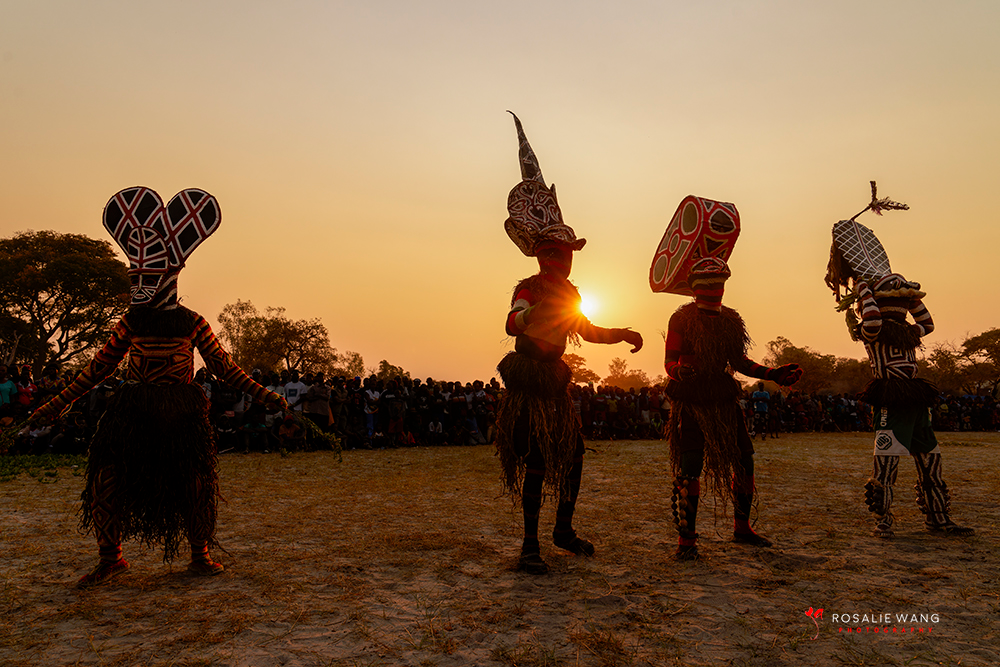
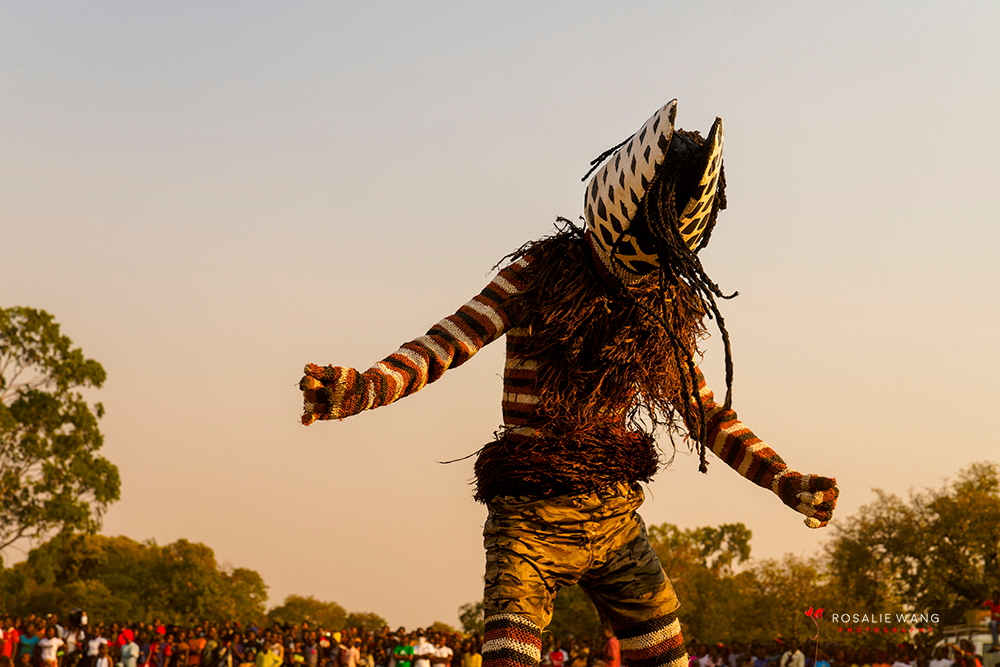
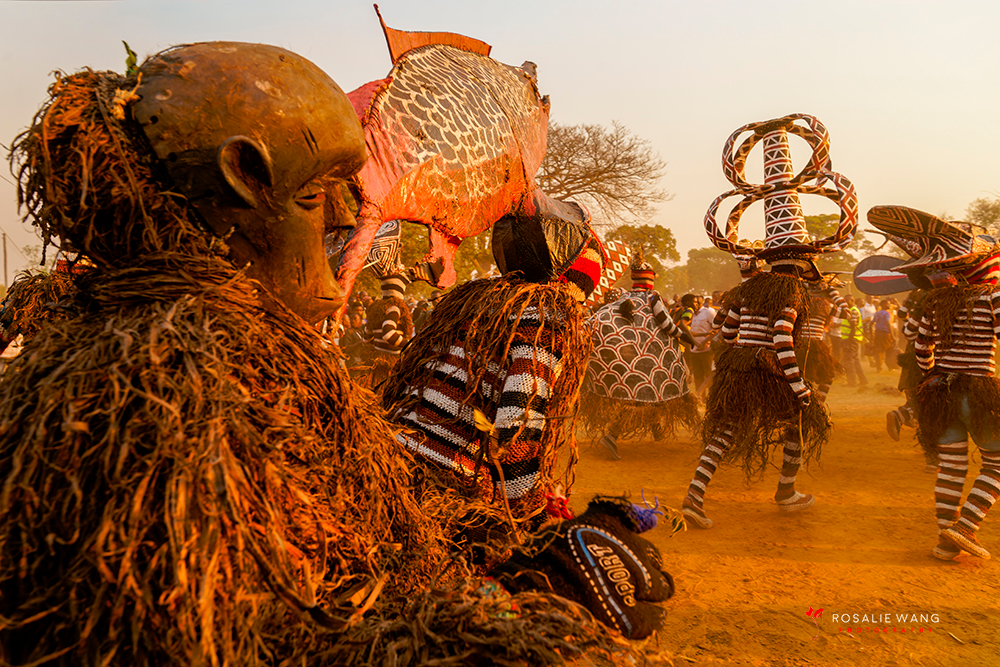
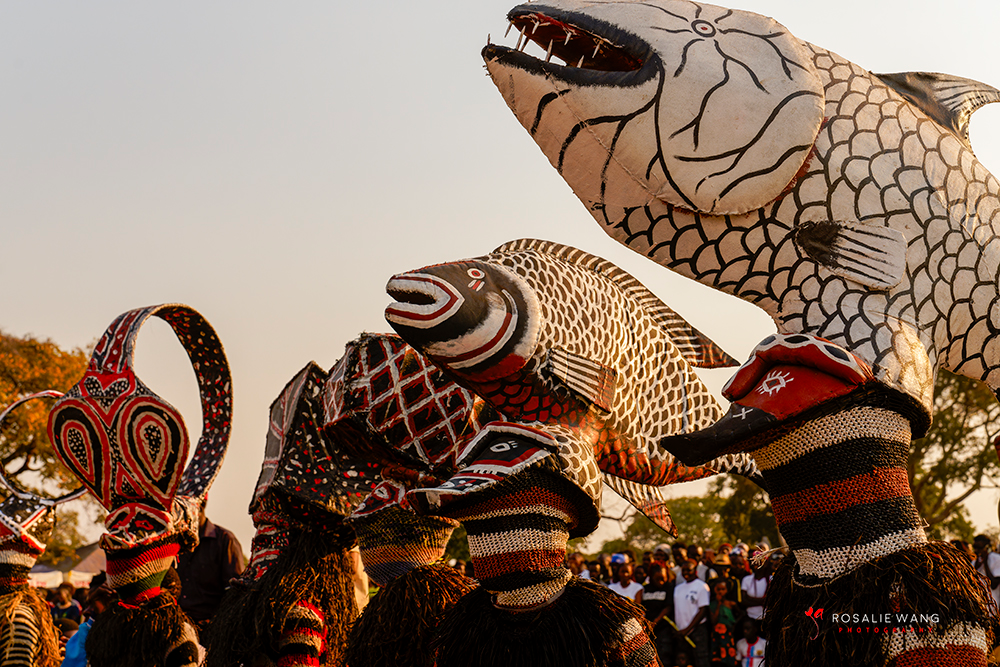
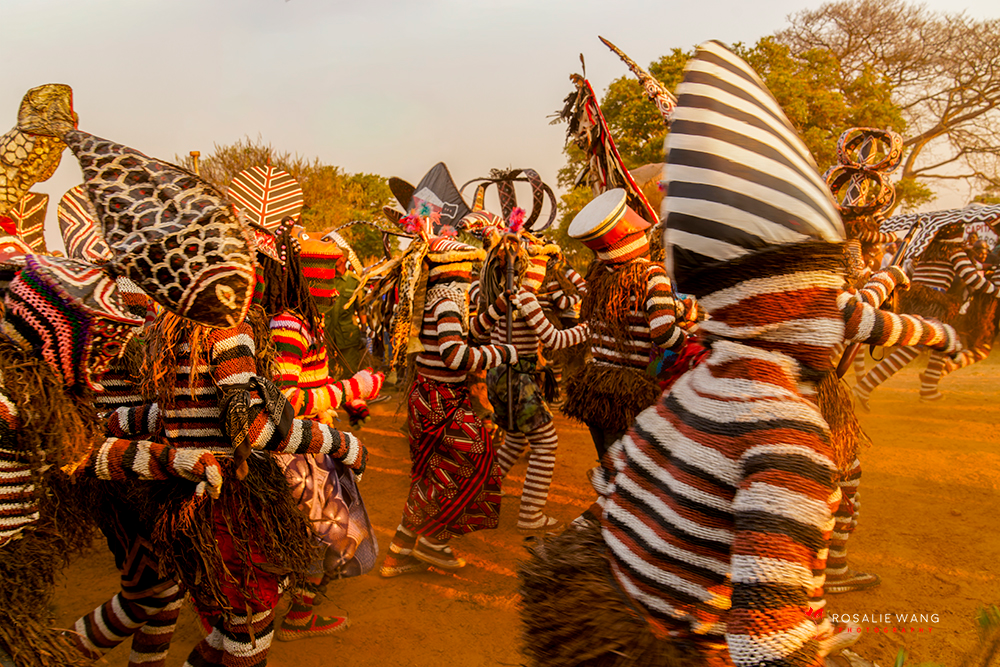
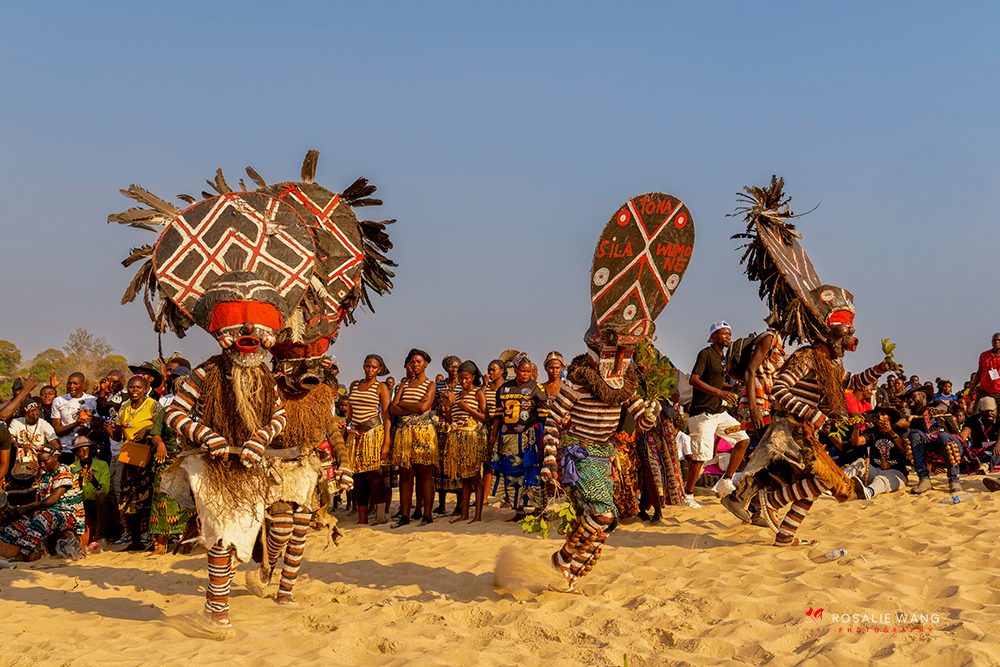
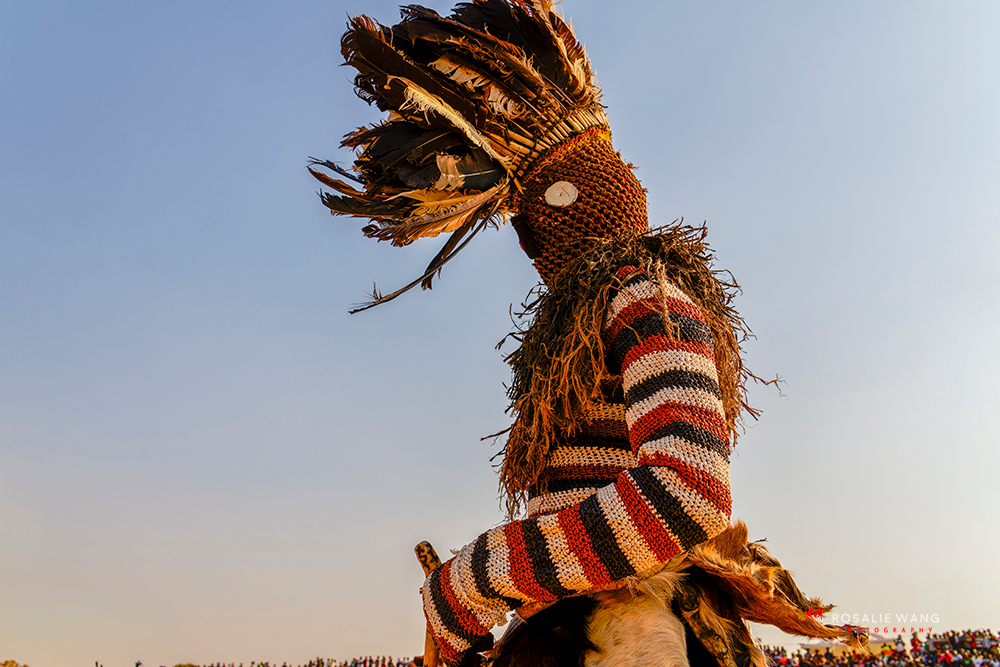
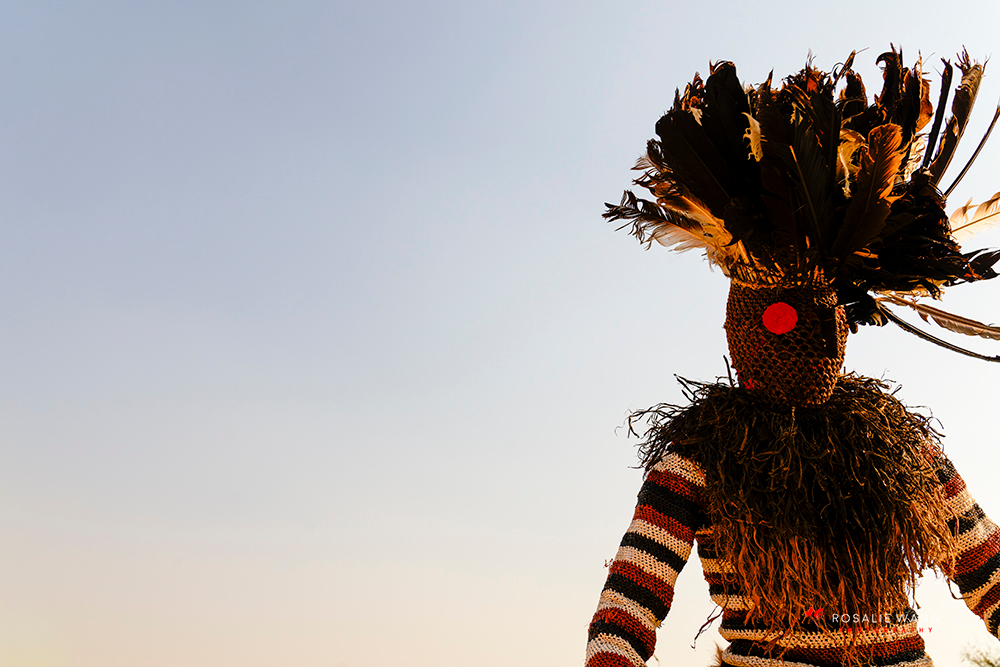
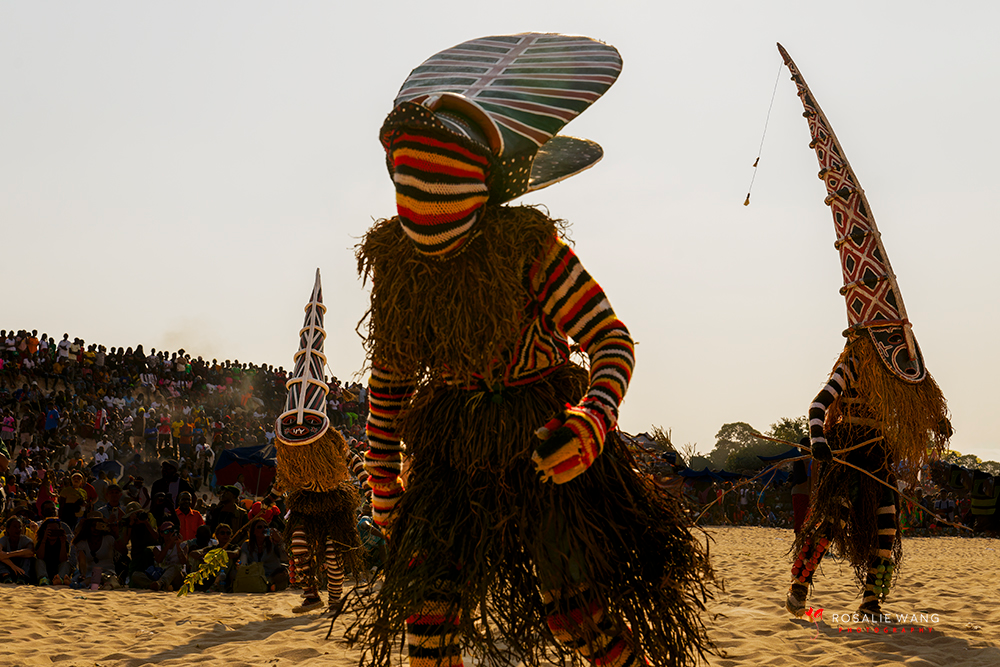
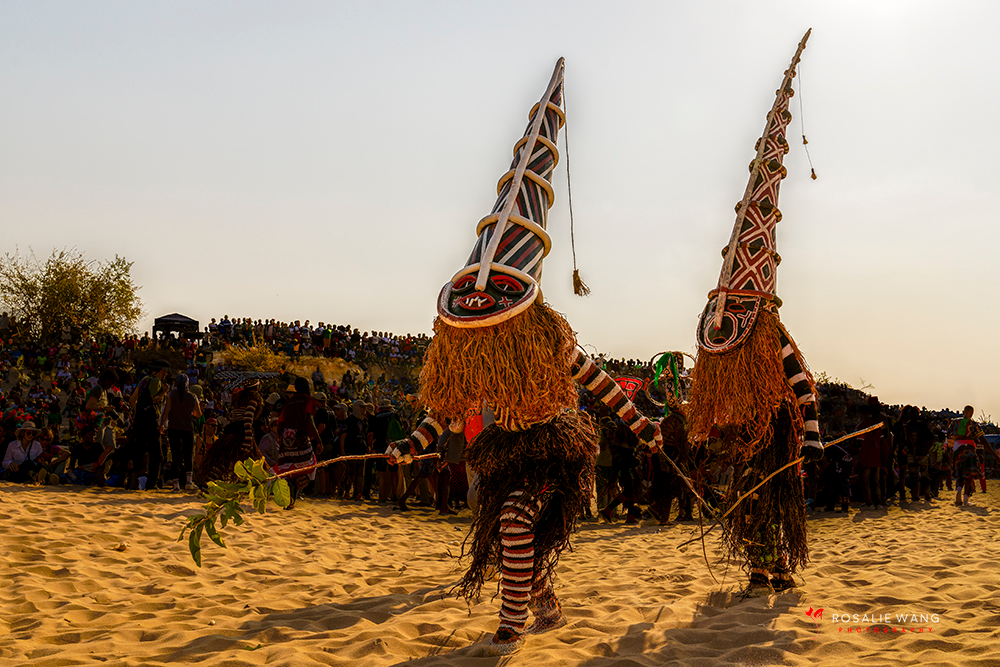
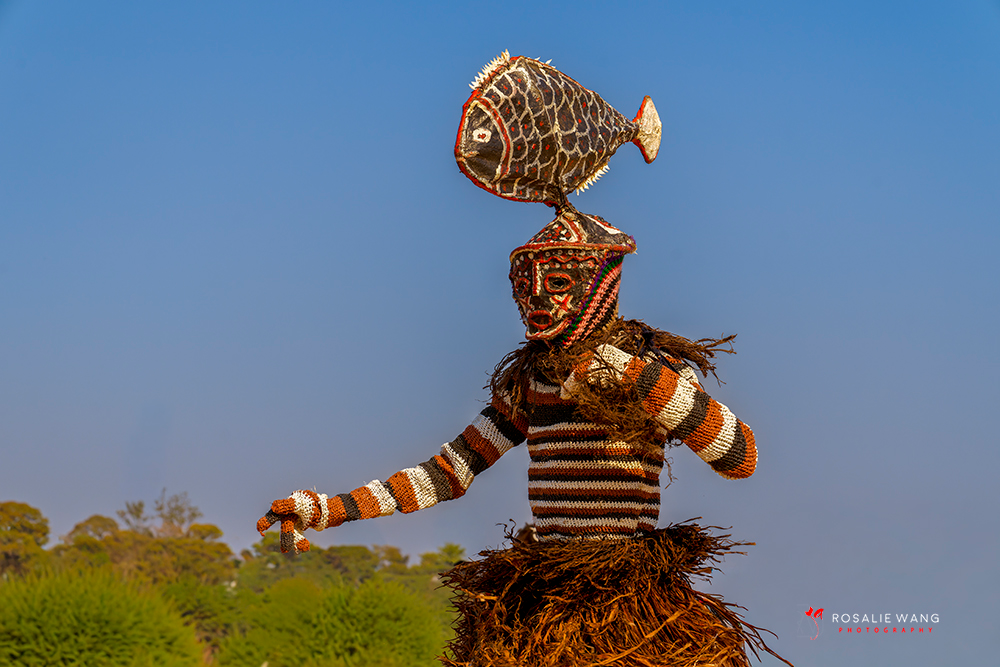
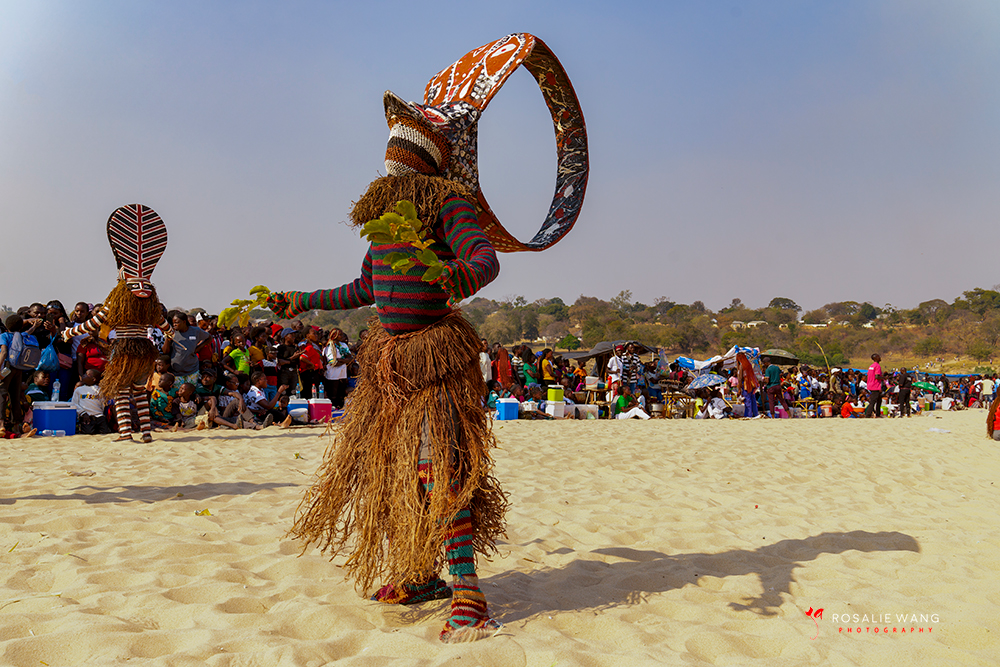
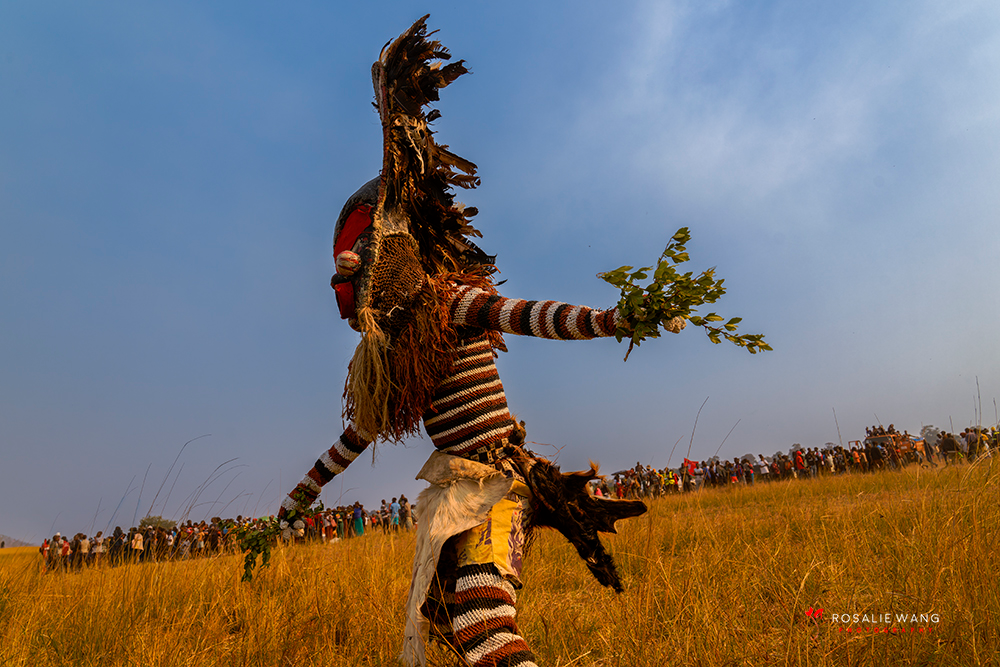
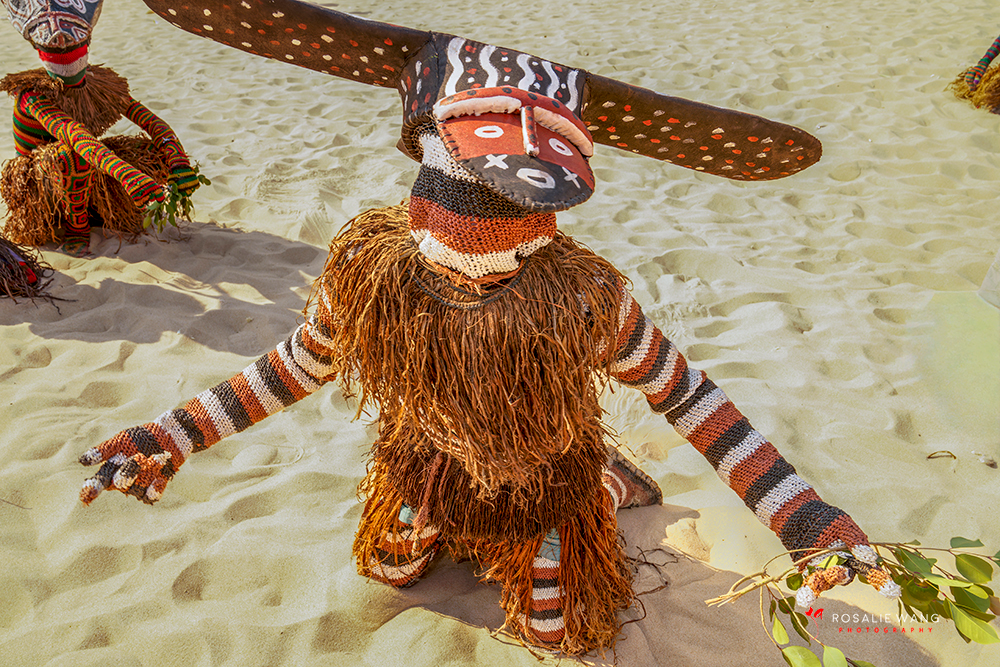
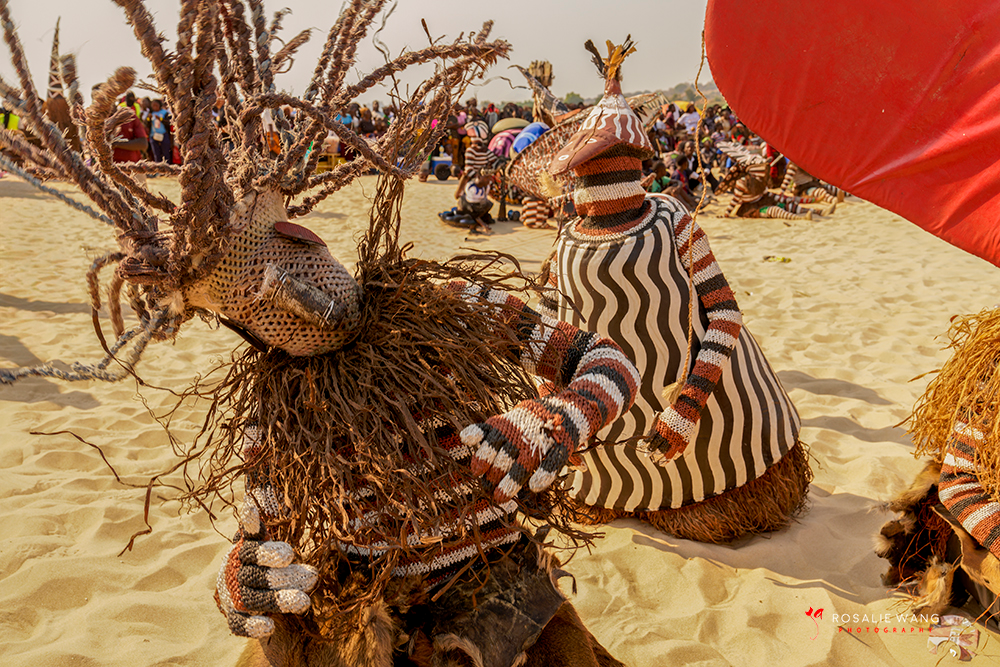
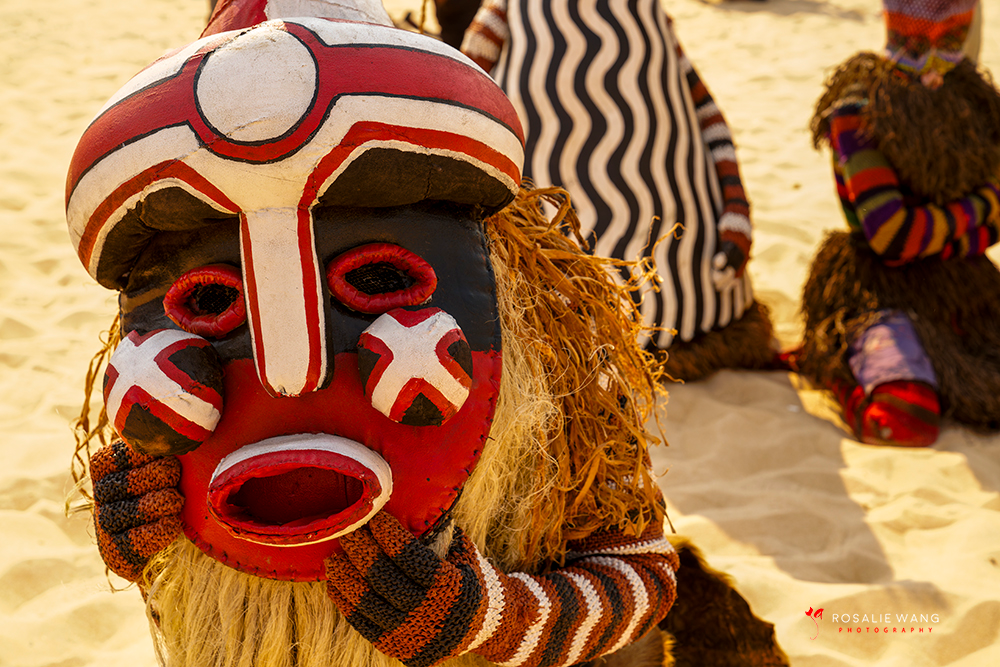
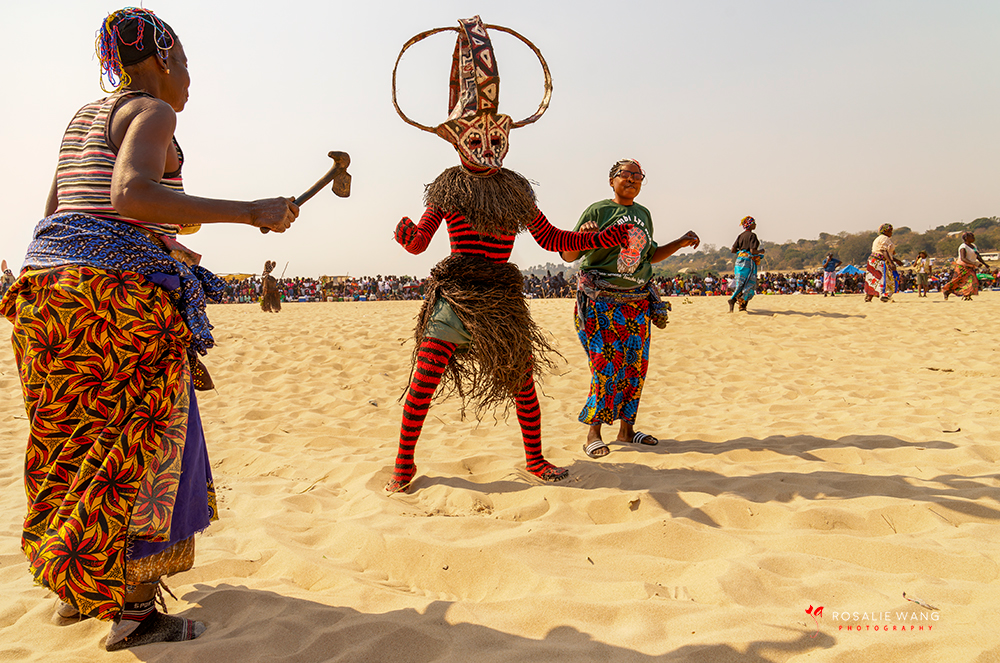
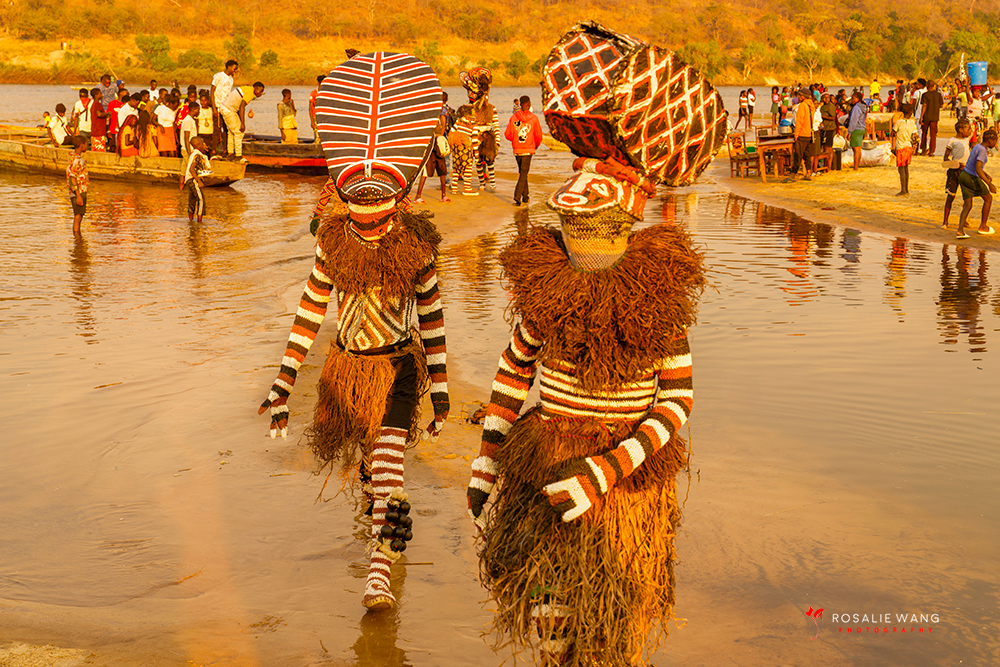
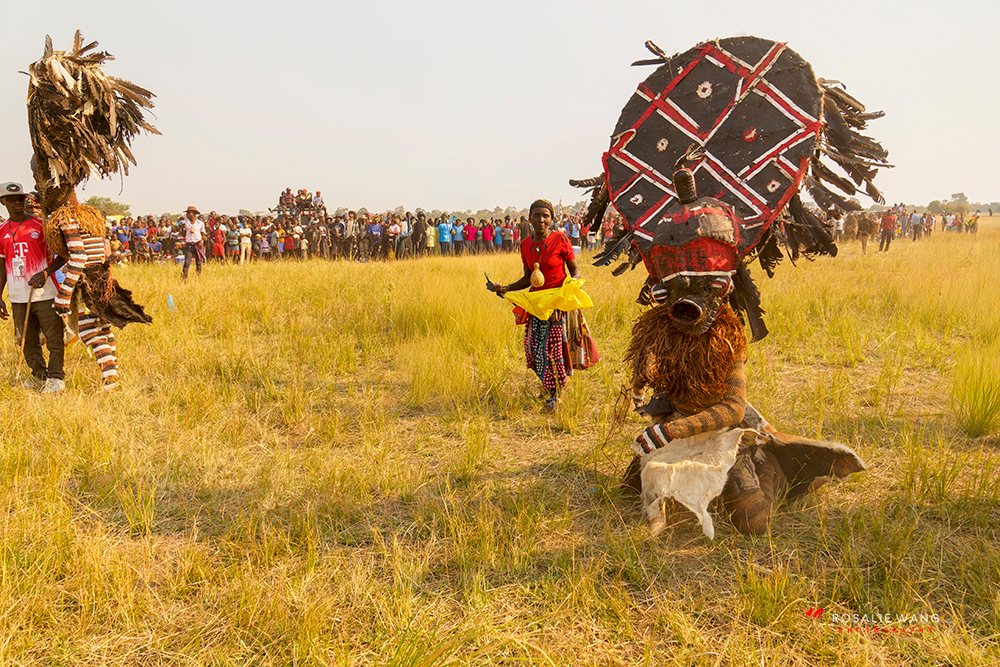
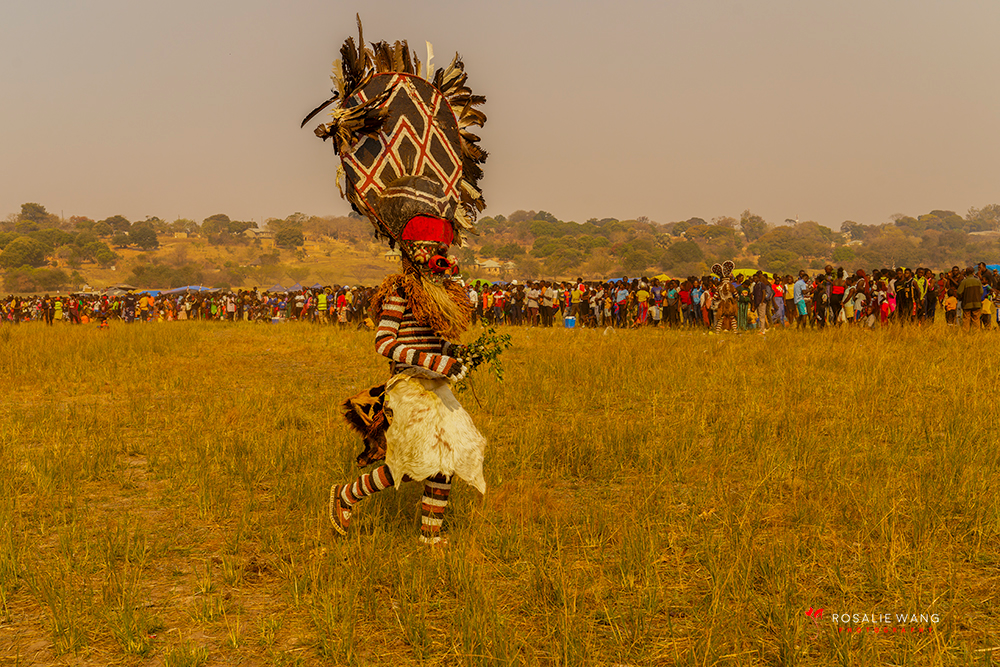
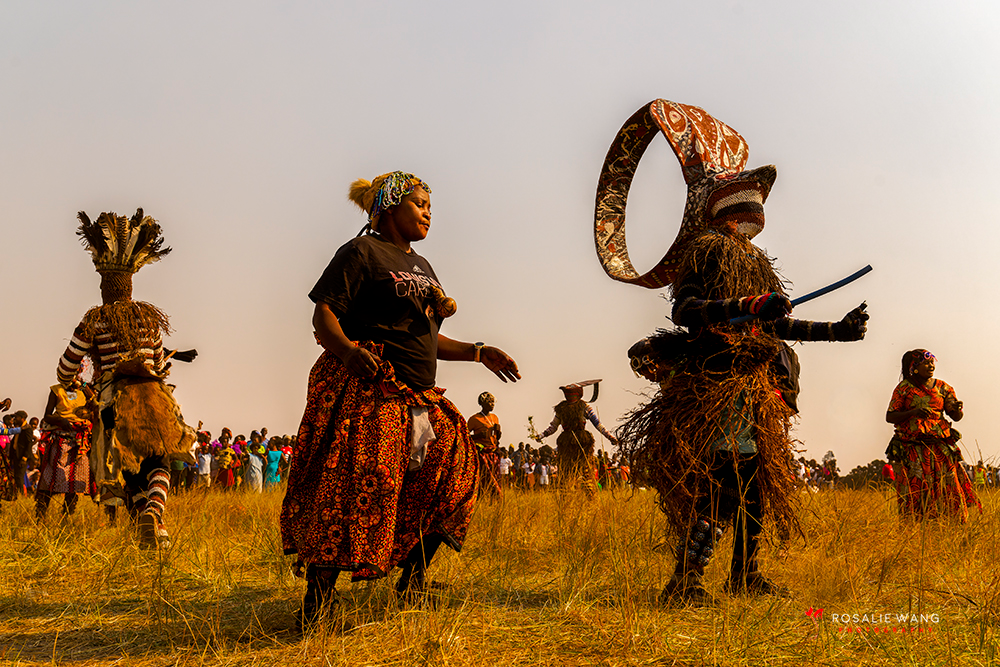
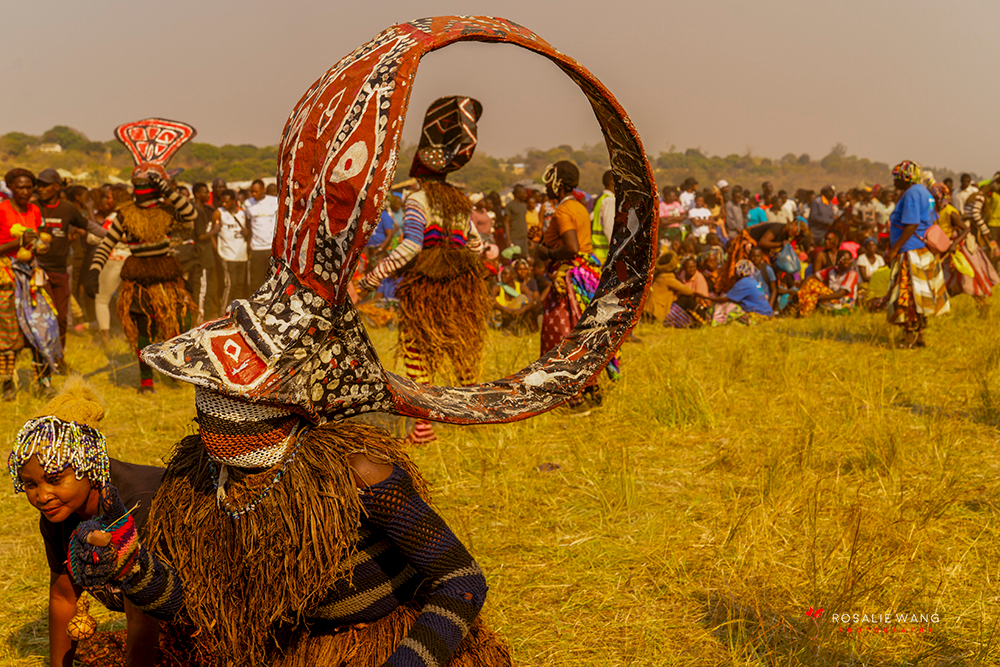
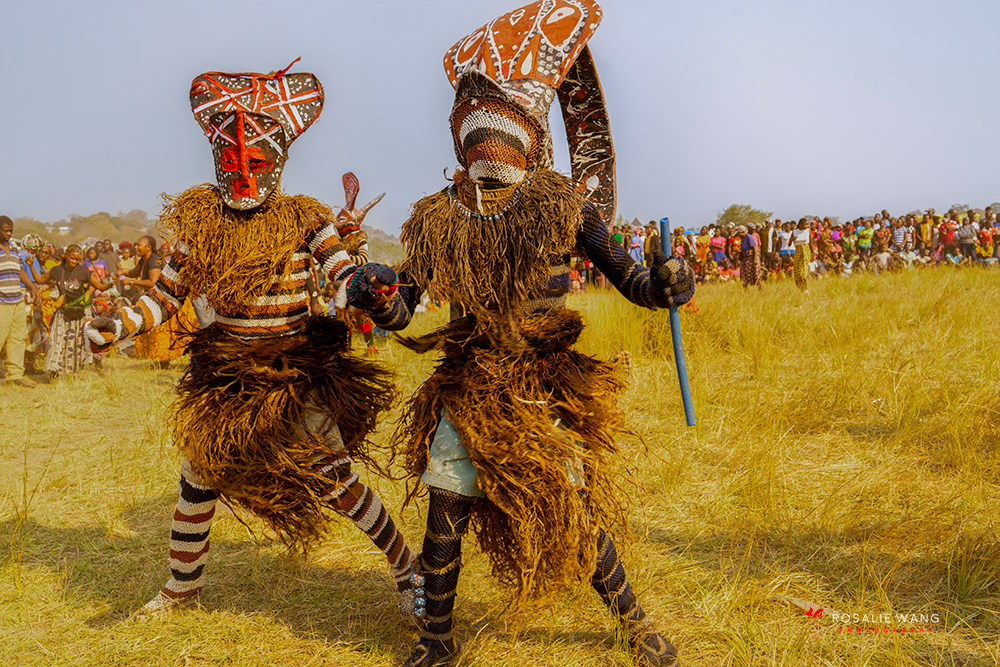
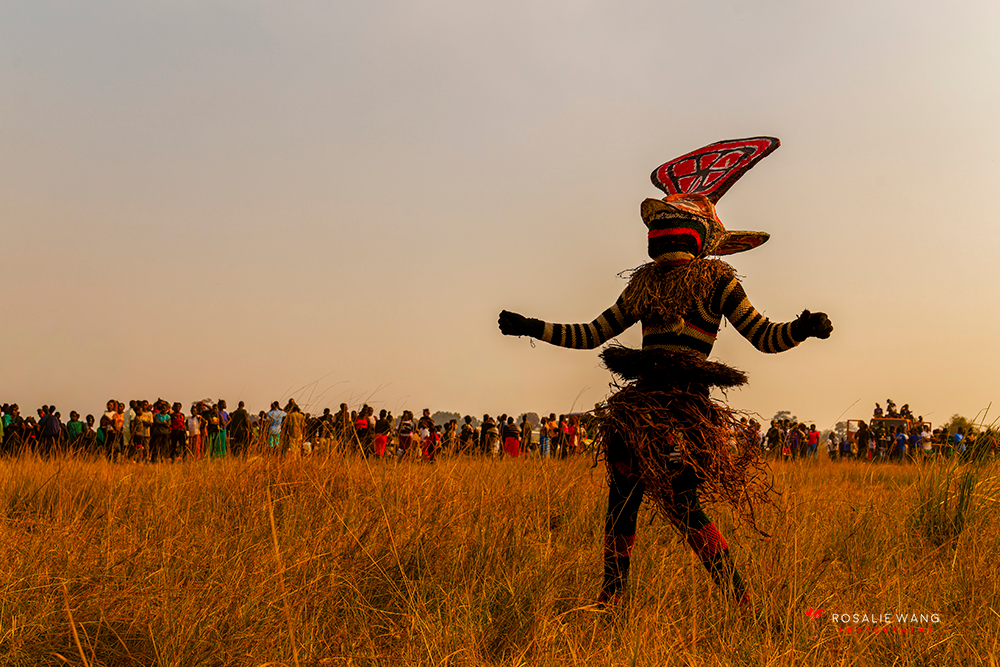
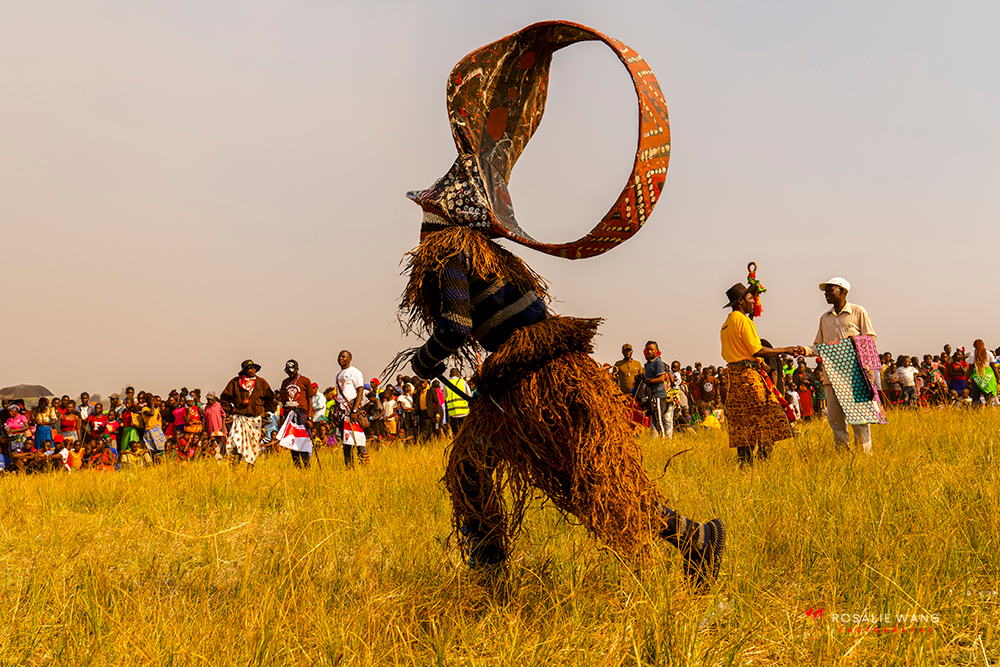
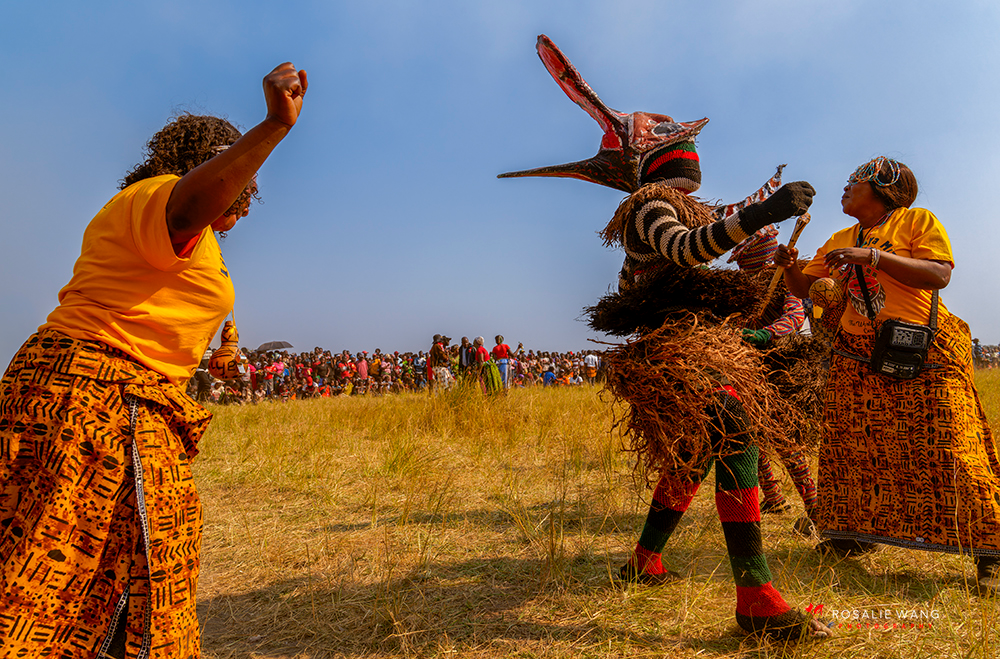
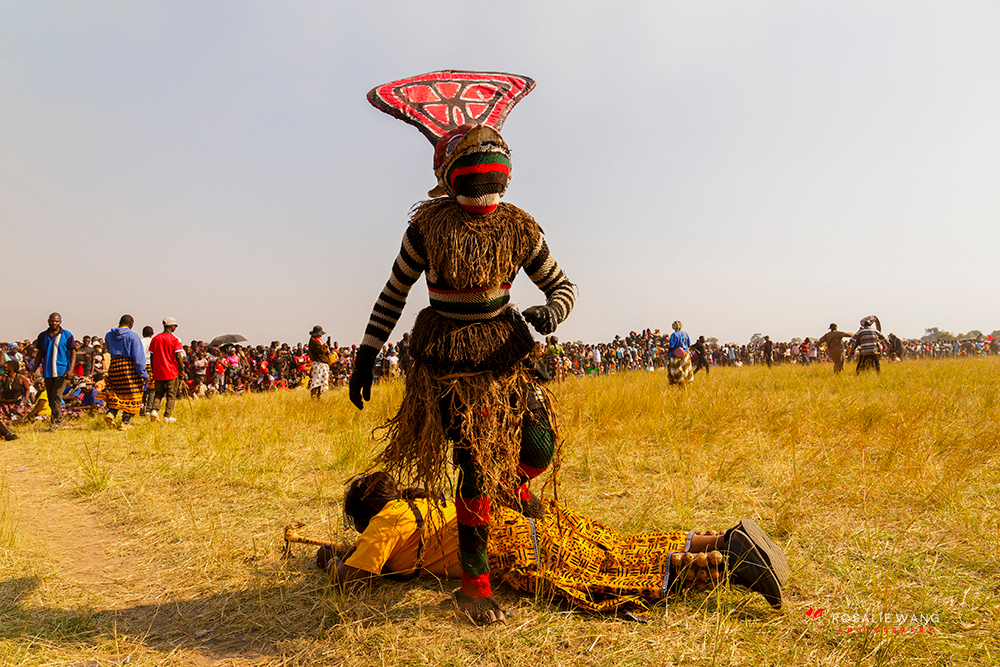
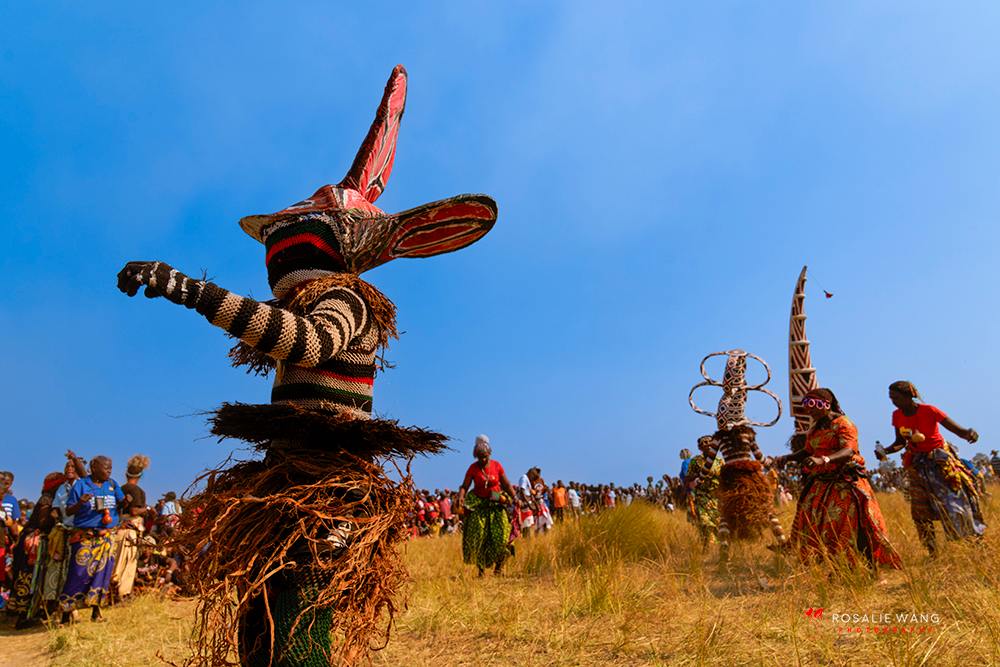
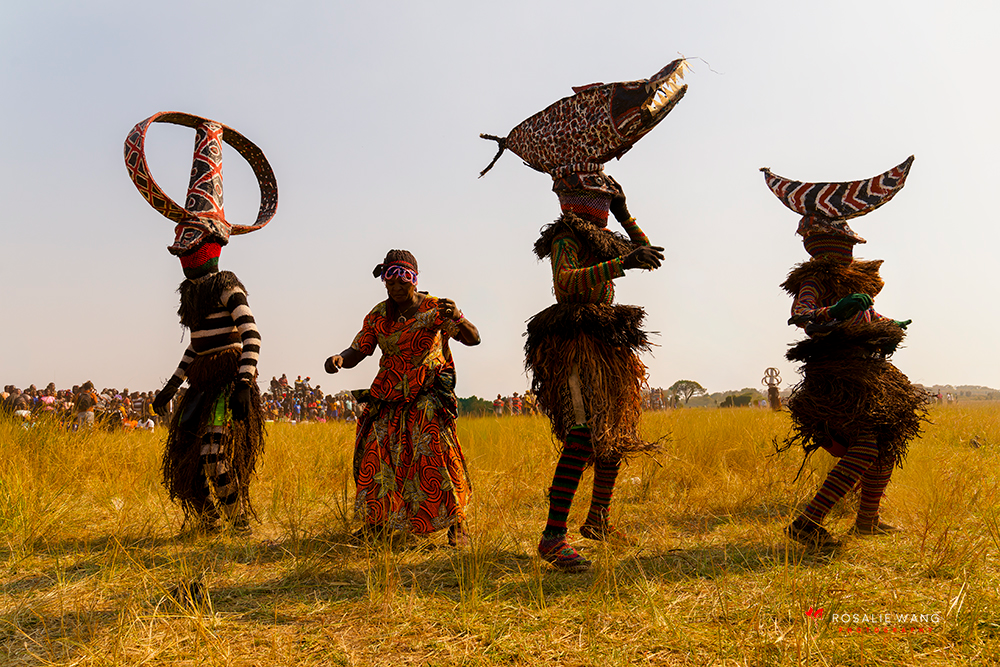
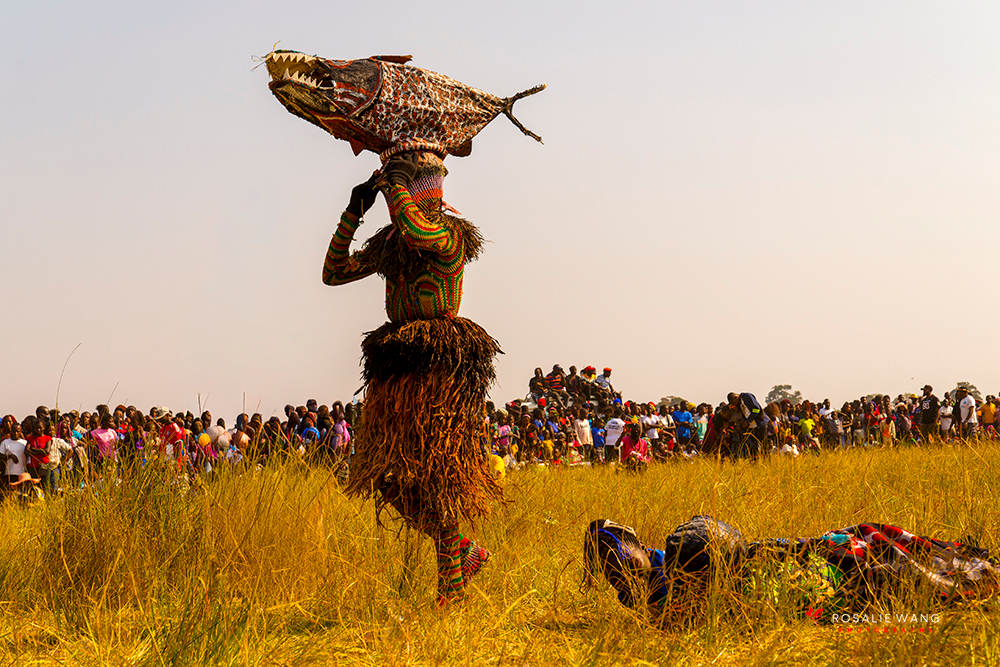
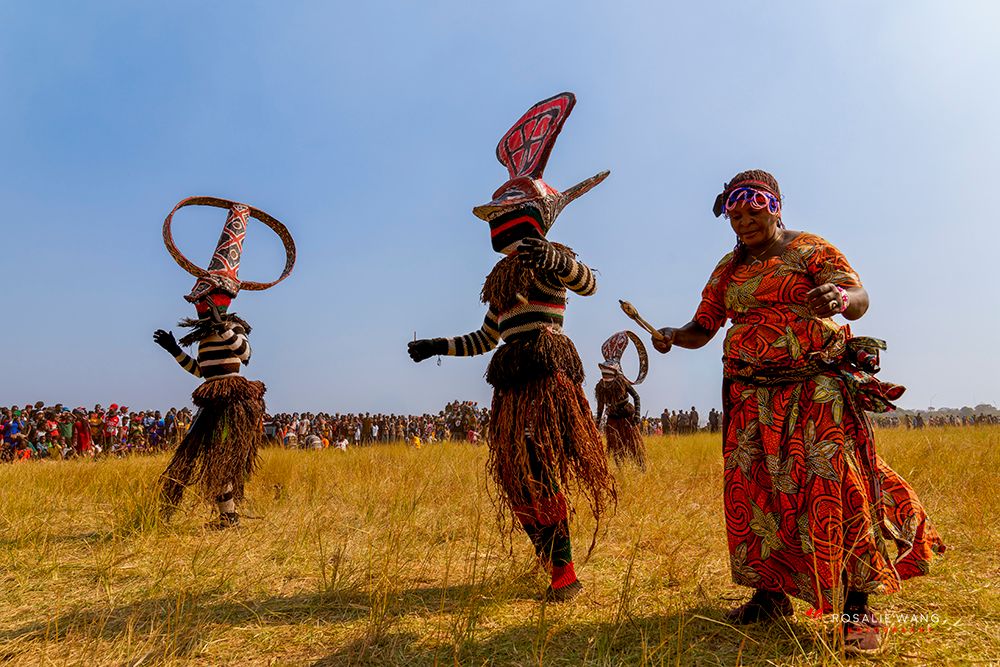
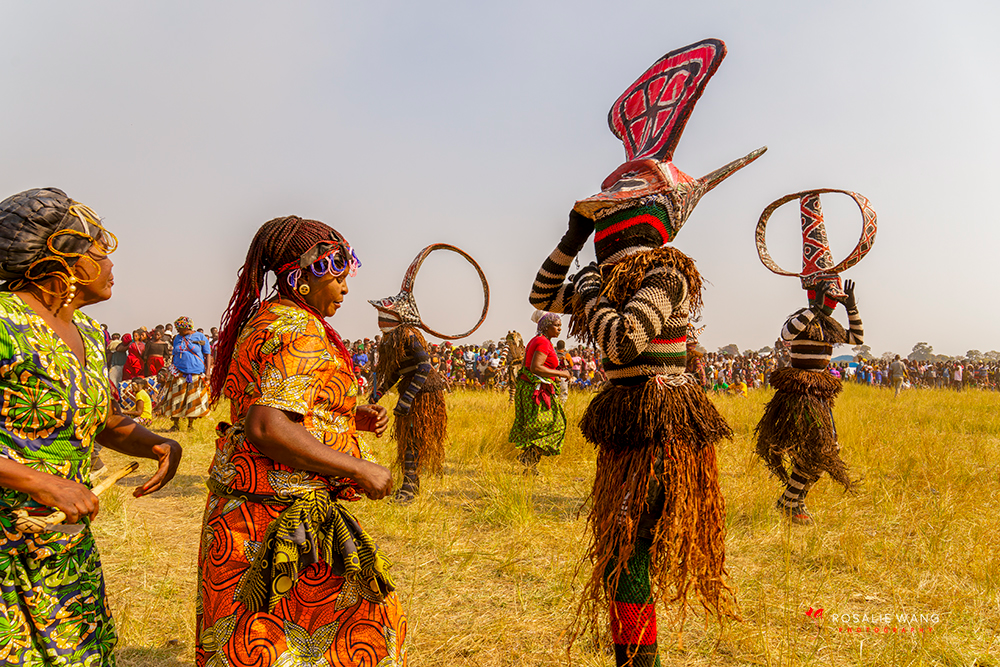
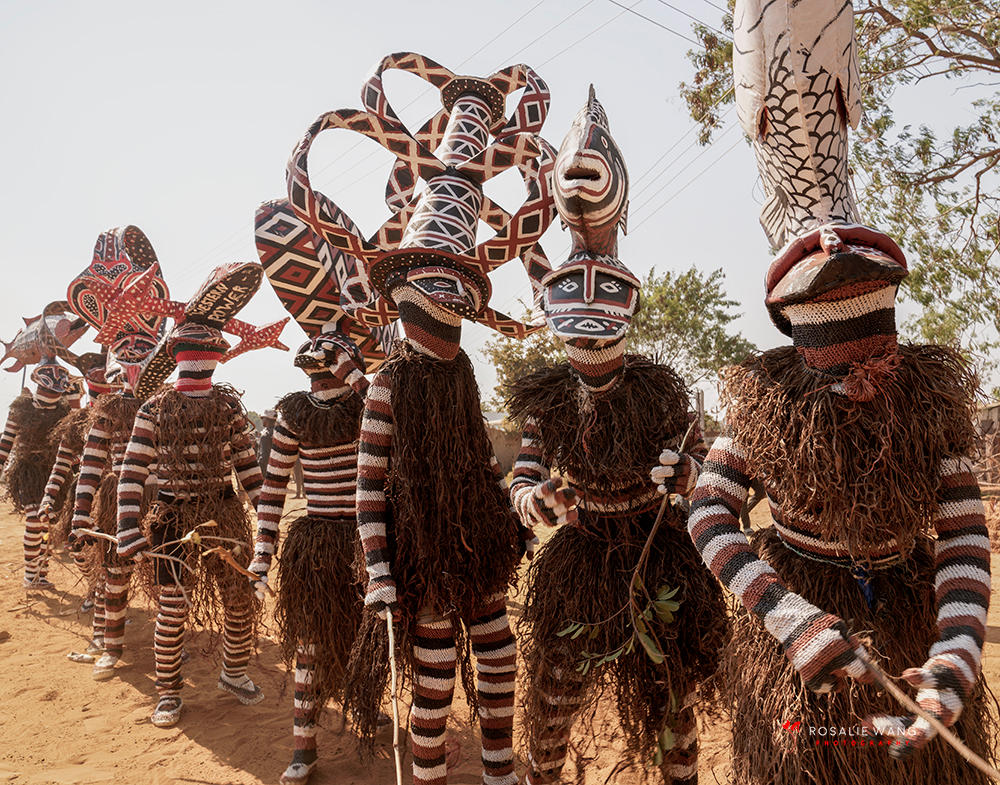
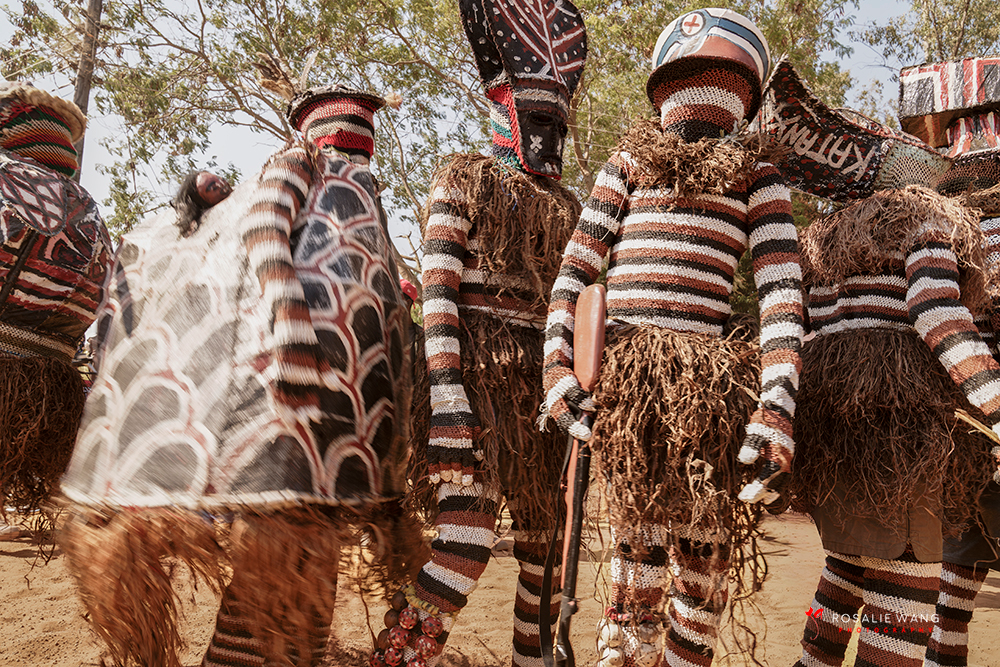
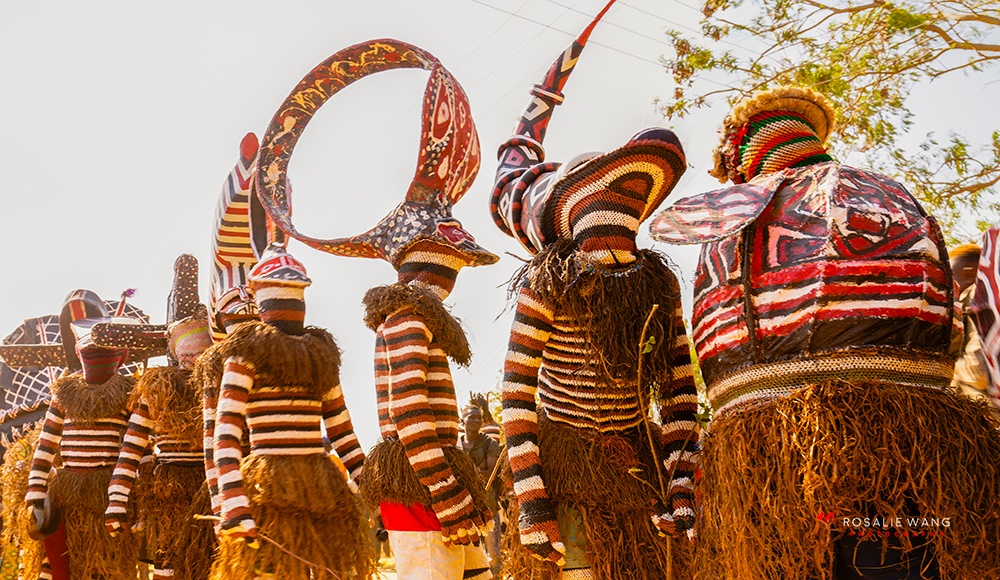
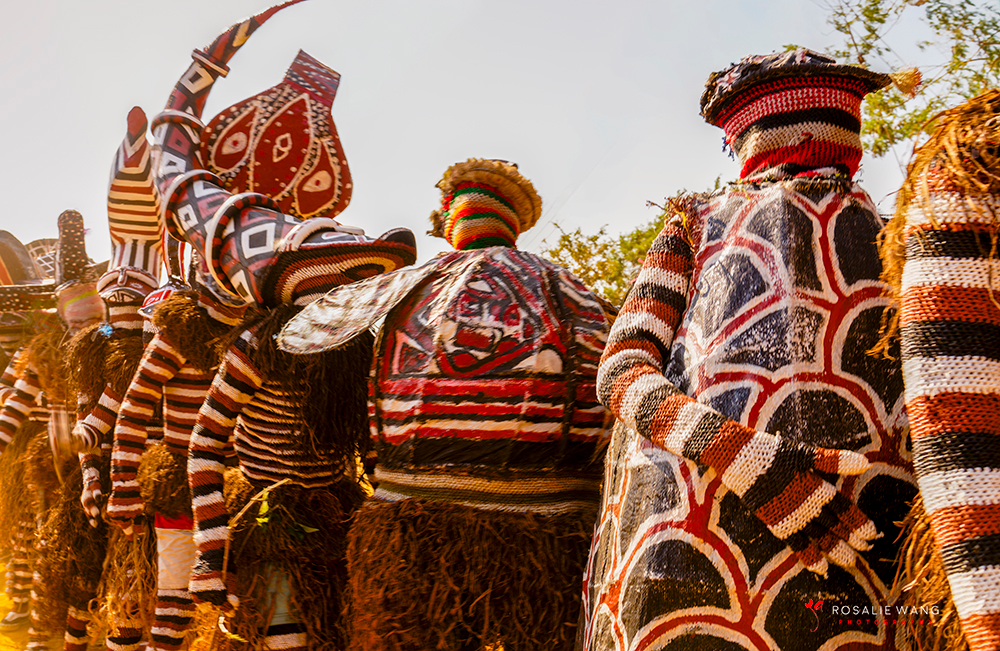
Central to the ceremony are the Makishi dancers, who wear distinctive and artistic masks representing ancestral spirits. These masked dancers perform elaborate dances and rituals, leading processions through the plains and into the royal court. Each Makishi mask embodies different spirits and cultural meanings, playing a vital role in the ceremony’s storytelling and symbolism.
✨“To dance is to speak with the ancestors. To mask is to become them.”
Makishi masks are central to the Mukanda initiation ritual practiced by the Luvale, Chokwe, Luchazi, and Mbunda peoples of Zambia, Angola, and the Democratic Republic of Congo. These masks embody ancestral spirits and are worn by adult men who perform dances and rituals to guide boys transitioning into manhood.
🎭 What Is a Makishi Mask?
- Makishi refers to the masked dancers who represent spirits during the Mukanda ceremony.
- Each mask has a distinct design, color scheme, and symbolic meaning tied to the spirit it represents.
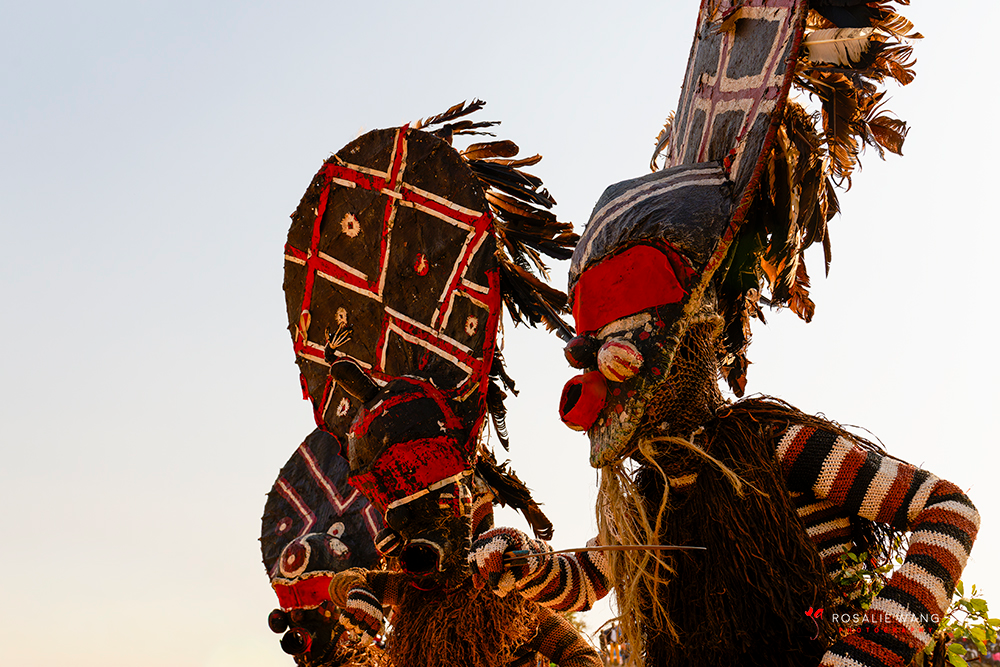
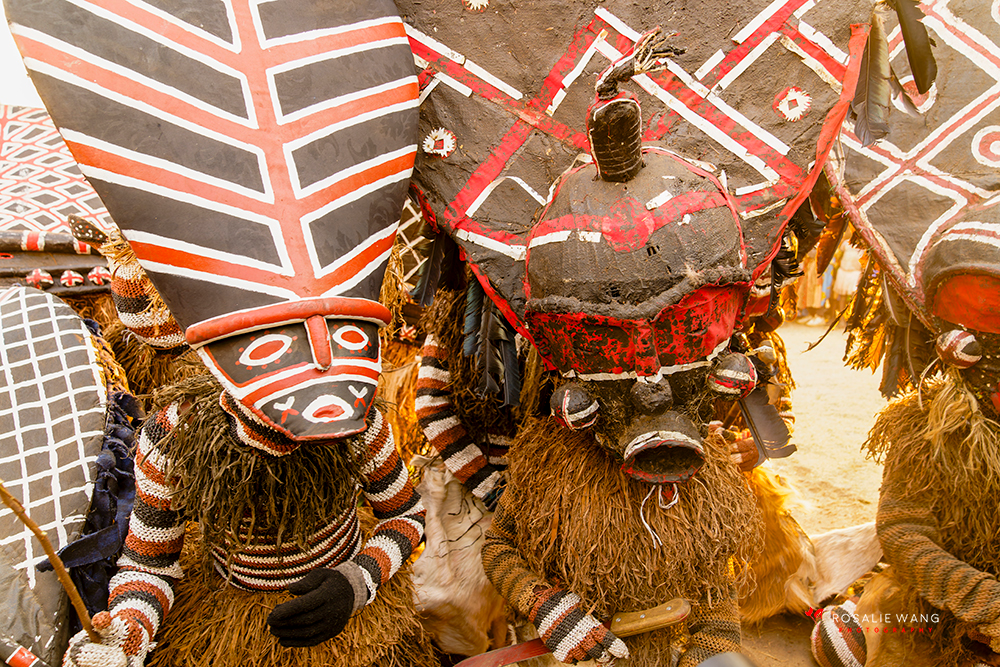
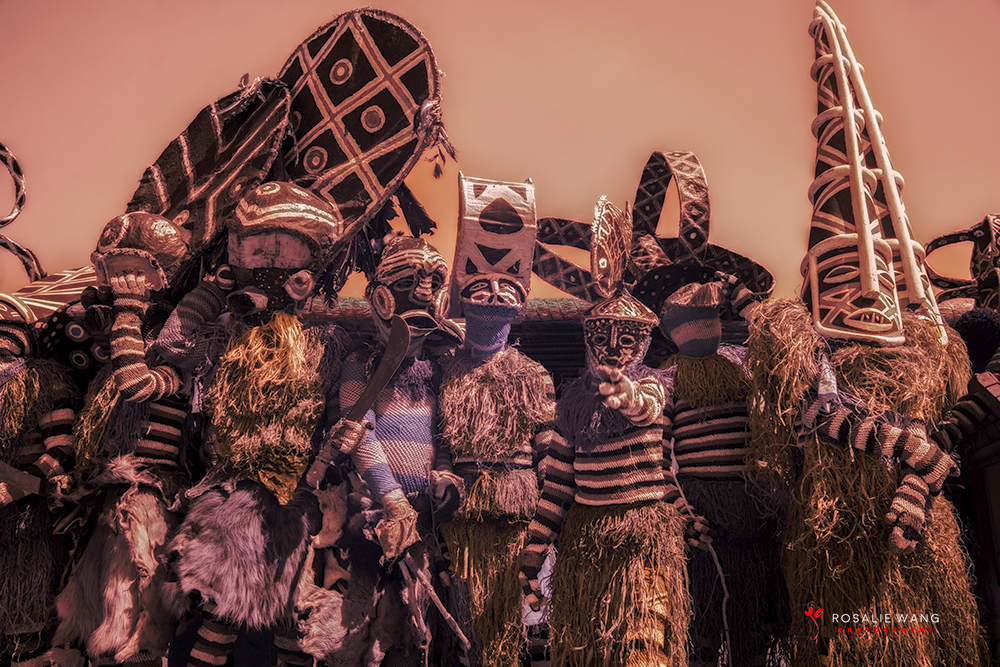
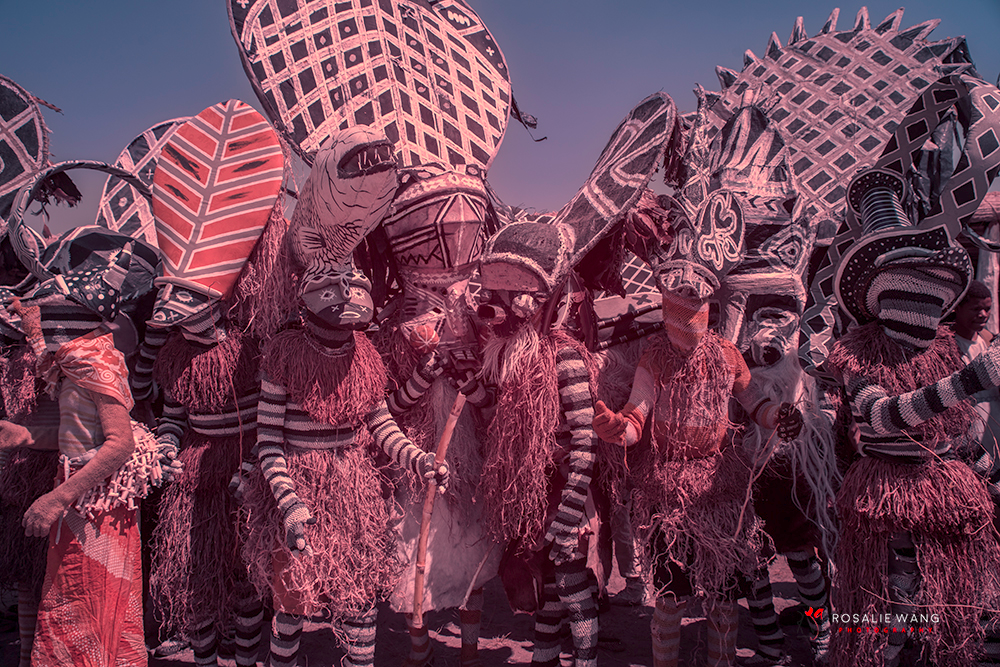
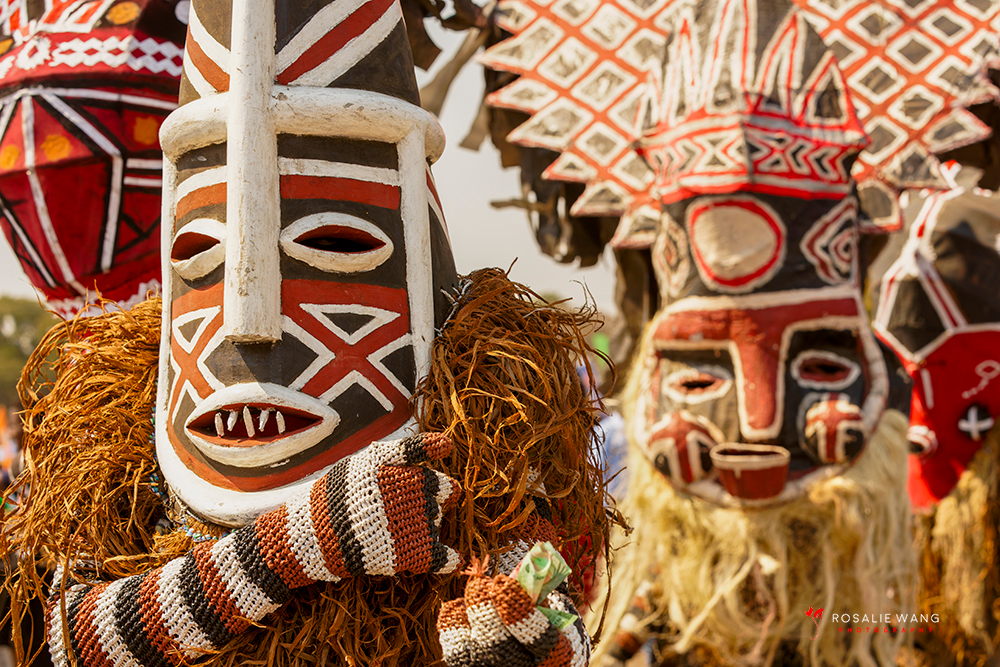
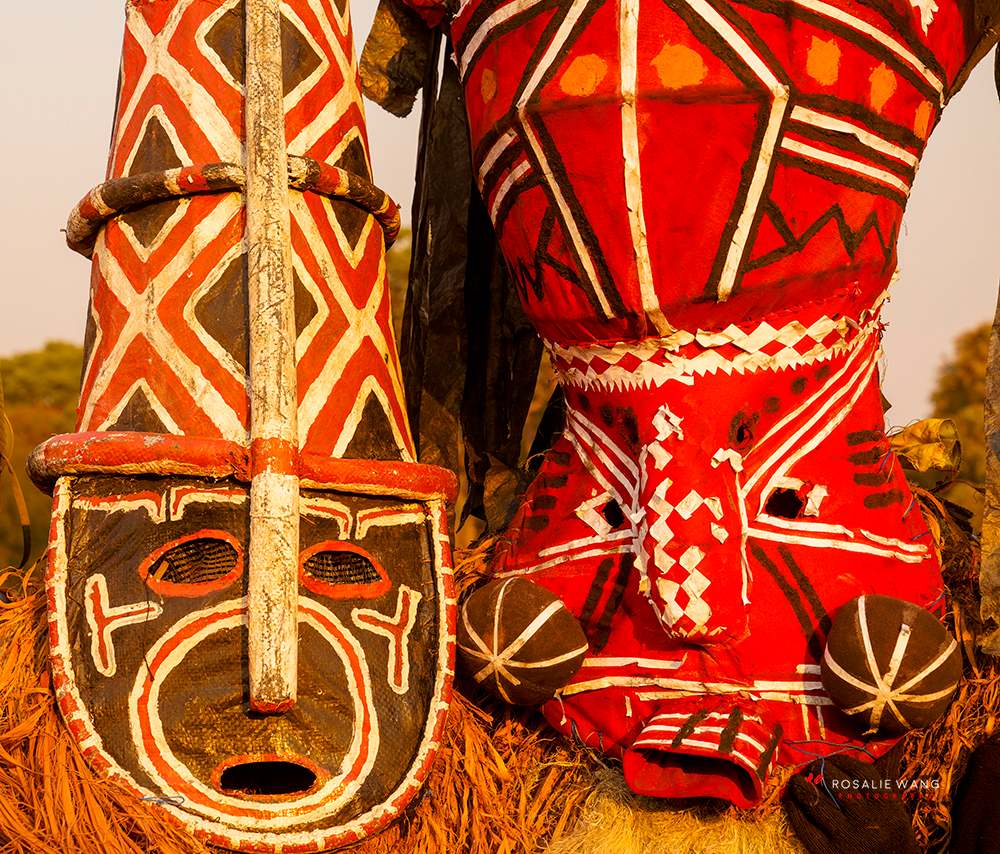
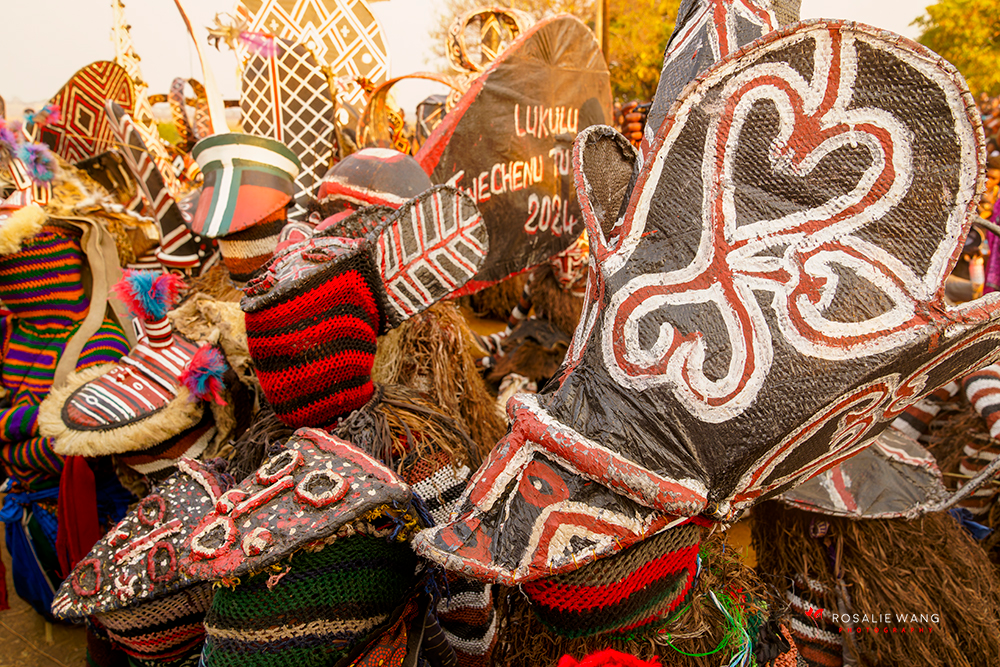
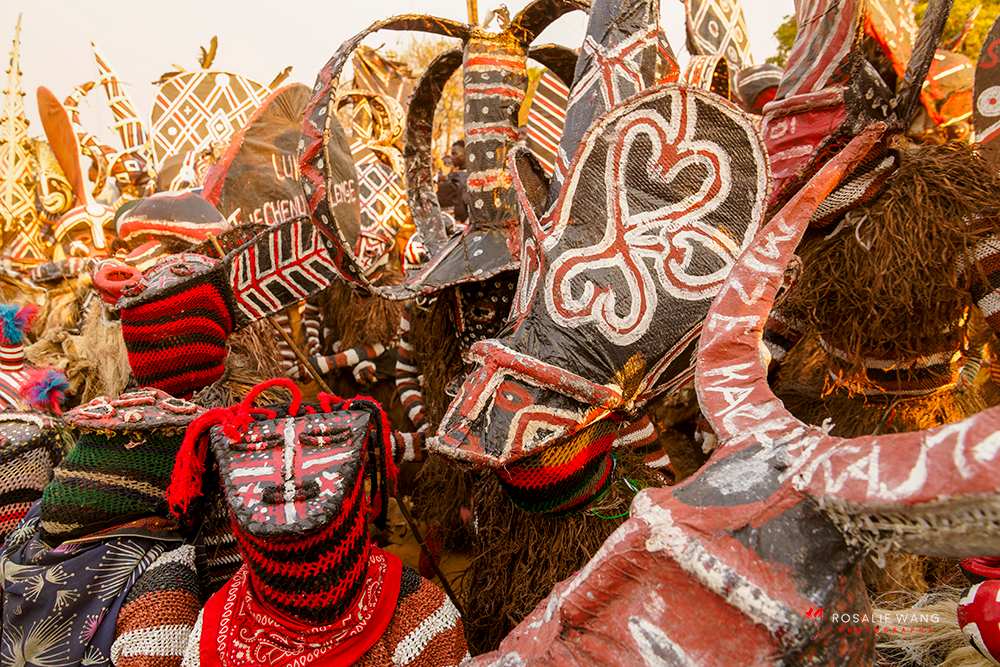
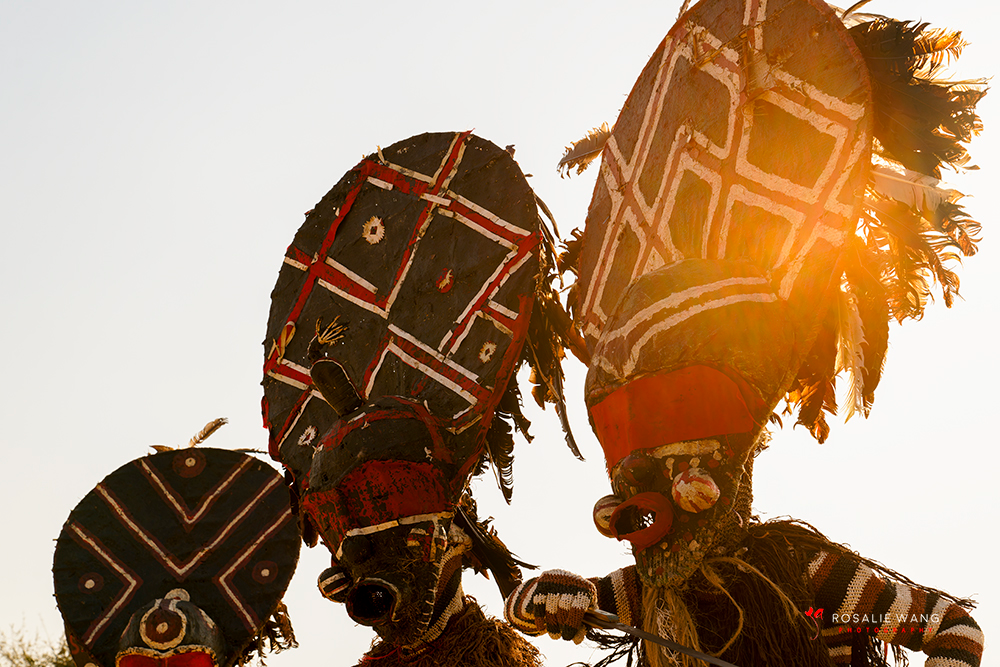
- The masks are made from materials like bark cloth, wood, and natural fibers, often painted in bold colors like red, white, and black.
- Used in Mukanda Initiation: This is a rite of passage for boys aged 8–12, involving circumcision, seclusion, and education on adult responsibilities.
- Symbolic Death and Rebirth: The boys symbolically “die” as children and are “reborn” as men, guided by the Makishi spirits.
- Spiritual Embodiment: The wearer of the mask is believed to be possessed by the spirit it represents, making the performance sacred.
Makishi masks use color and shape to convey spiritual identity, social roles, and ancestral symbolism. Red, white, and black are especially meaningful, while shapes like cones and circles reflect traits like strength, wisdom, and transformation.
🎨 Symbolism of Colors
- Red: Represents vitality, power, and transformation. It often signals the spiritual energy of the mask and is associated with blood, life force, and initiation rites.
- White: Symbolizes purity, ancestral wisdom, and the spirit world. It’s commonly used to mark sacred or elder spirits.
- Black: Denotes mystery, protection, and the unknown. It may reflect the hidden nature of the spirit or the transformative journey of the initiate.
These colors are not just decorative—they help the community identify the spirit being represented and its role in the Mukanda ceremony.
🌀 Symbolism of Shapes
- Cone-shaped masks: Often linked to Cikunza, the “Father of Masks.” The cone mimics an antelope horn, symbolizing hunting, masculinity, and ancestral strength.
- Circular designs: Suggest wholeness, unity, and continuity. They may represent the cyclical nature of life and the spiritual journey from childhood to adulthood.
- Feathered edges: Feathers are associated with freedom, elevation, and connection to the spirit realm. They elevate the mask’s status and spiritual potency.
🧠 Cultural Function
These symbolic elements help the community:
- Recognize the spirit’s role (e.g., teacher, warrior, trickster).
- Understand the initiate’s journey—from childhood to spiritual rebirth.
- Reinforce social values like courage, discipline, and respect for elders.
🧙 Key Makishi Spirits and Their Roles
- Cikunza: The Father of the Masks, representing authority, masculinity, and ancestral wisdom. He oversees the initiation and ensures discipline.
- Chizaluke: A warrior spirit known for strength and courage. He teaches bravery and resilience to initiates.
- Kapalu: A trickster and clown, using humor and satire to teach social norms and correct behavior. He entertains while educating.
- Pwevo: A female spirit, often portrayed by men to represent femininity, beauty, and social roles of women. She teaches respect for women and domestic responsibilities.
- Nyakata: A hunter spirit, symbolizing survival skills and connection to nature. He teaches resourcefulness and traditional knowledge.
- Kakuya: A messenger spirit, often used to deliver news or warnings. His role is communicative and sometimes prophetic.
Likumbi Lya Mize reinforces cultural identity, social cohesion, and respect for ancestral heritage among the Luvale people. It is a living tradition that preserves and passes on important cultural knowledge and values to younger generations, ensuring the continuity of Luvale heritage.
📇 References
- MAKISHI LYA ZAMBIA Mask Characters of the Upper Zambezi Peoples by Marc Leo Felix and Manuel Jordan, published by Verlag Fred Jahn, Munchen 1998
- The Magic of Makishi: Masks & Traditions in Zambia by H Ellert and Anthony Scavone, published by CBC Publishing January 1,2005. ISBN 978-0951520994.