🇿🇲 ZAMBIA
Zambia is a landlocked country in south‑central Africa, known for its friendly culture and dramatic landscapes, including Victoria Falls. Its capital and largest city is Lusaka. English is the official language, with many regional languages such as Bemba, Nyanja, Tonga, and Lozi widely spoken.
Zambia’s cultural landscape is shaped by more than 70 ethnic groups, each with its own history, language, and ceremonial life. This diversity creates a country where identity is expressed through festivals, initiation rites, royal rituals, and seasonal celebrations.
🎉 Ceremonies and Their Cultural Meaning
Traditional ceremonies in Zambia are not just performances—they are living expressions of identity, marking transitions, honoring ancestors, and reaffirming community bonds. Over 30 major ceremonies take place annually.
🗺️Key Types of Ceremonies:
- Masquerade and Initiation Ceremonies
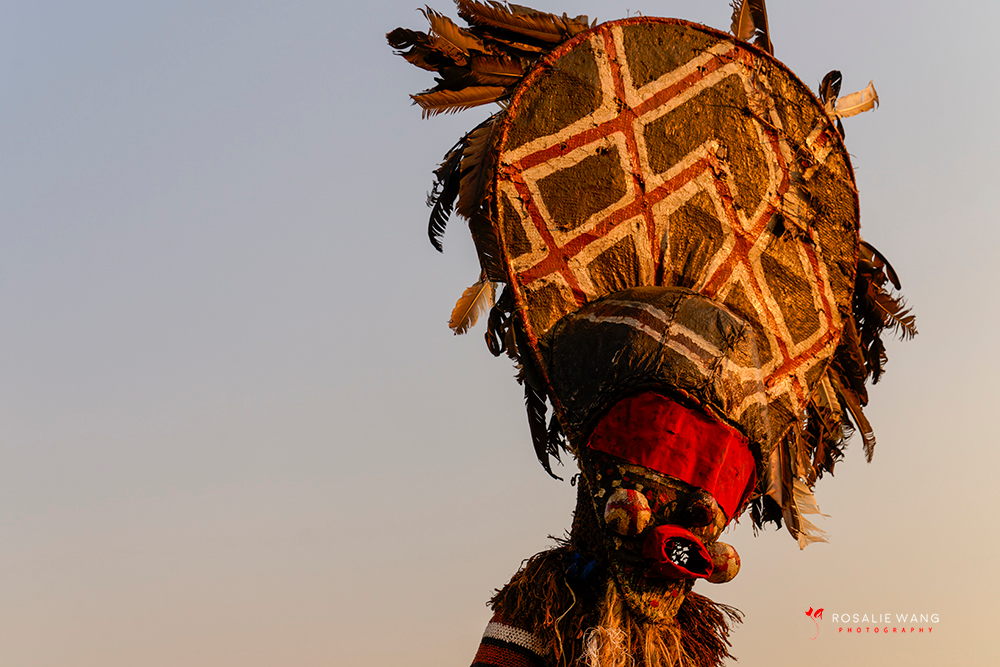
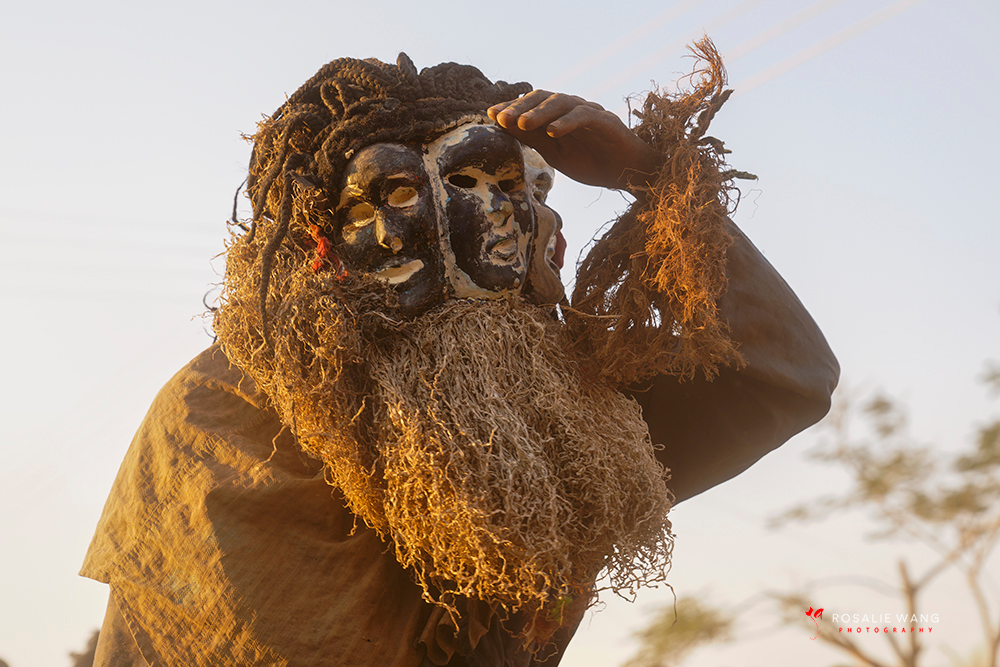
- Likumbi Lya Mize (Luvale): A spectacular festival featuring Makishi masks representing ancestral spirits.
- Gule Wamkulu (Chewa): A secret society of masked dancers performing during funerals, initiations, and national events.
- Harvest and Seasonal Ceremonies
- N’cwala (Ngoni): Celebrates the first fruits of the harvest and honors the Ngoni king.
- Chakwela Makumbi (Lenje): A rainmaking ceremony invoking ancestral blessings.
- Unity and Ancestral Ceremonies
- Kulamba (Chewa): Chiefs from Zambia, Malawi, and Mozambique gather to honor the Chewa king.
- Kwanga, Vingwengwe, Kwilimuna, and many others mark local histories and spiritual traditions.
- Royal and Political Ceremonies
- Kuomboka (Lozi): The king’s ceremonial move from the floodplain to higher ground.
- Umutomboko (Lunda): Celebrates historical migrations and military victories.
These ceremonies preserve myths, legends, and ancestral memory, while also serving as social education for younger generations.