🇸🇩 SOUTH SUDAN
South Sudan, the world’s youngest nation (independent since 2011), is a land where identity is rooted far more in tribe, cattle, age‑sets, and ritual landscapes than in national borders. Its cultural world is shaped by over 60 ethnic groups, most of them Nilotic, each with distinct ceremonial systems, body arts, and ecological relationships.
🐄 A Pastoral Civilization
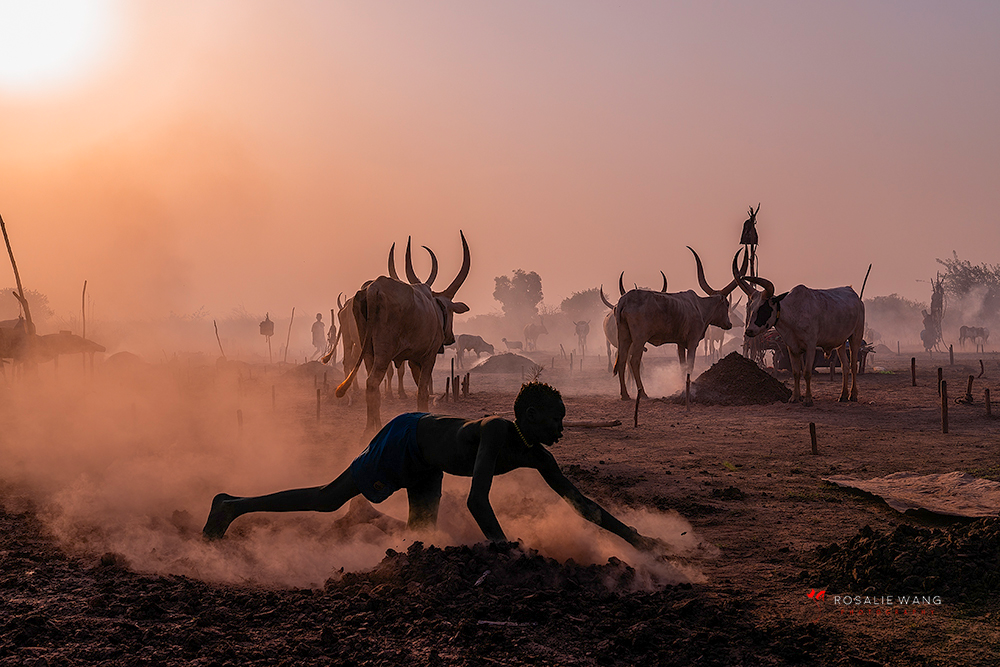
Across much of South Sudan, culture is inseparable from cattle. Among groups like the Dinka, Nuer, and Mundari, cattle are:
- wealth
- marriage currency
- spiritual connection
- artistic inspiration (horn shapes, ash patterns, songs)
Cattle camps form seasonal cities—mobile, smoky, ash‑covered worlds where youth prestige, beauty, and identity are forged.
🧍♂️ Tribal Identity Over National Identity
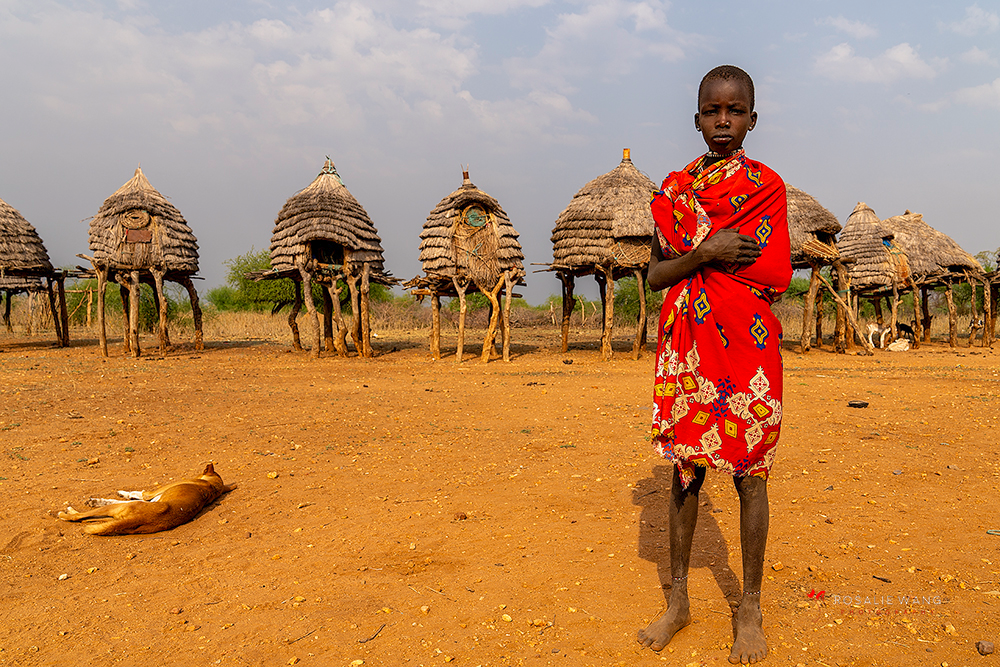
Although Christianity is widespread, tribal affiliation remains the primary social anchor. People identify first as Dinka, Nuer, Shilluk, Toposa, Larim, Bari, Zande, etc., each with its own:
- language
- clan system
- initiation rites
- body markings
- ritual specialists
- ecological territory
This tribal loyalty is a defining feature of South Sudanese society
🎨 Ceremonial Arts & Body Aesthetics
South Sudan is one of Africa’s richest regions for body art traditions, including:
- Scarification (e.g., Nuer gaar, Dinka forehead lines, Toposa and Larim patterns)
- Body painting (especially Larim/Boya and Murle)
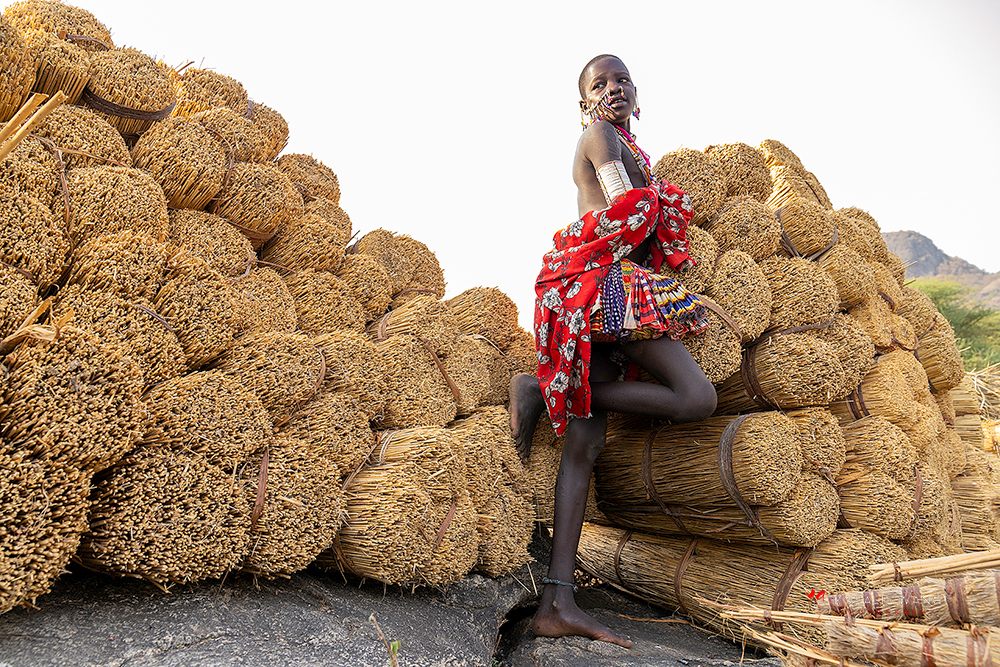
- Beadwork (Toposa, Zande, Bari)
- Hairstyles shaped with cattle dung ash (Mundari, Dinka)
These are not decorative—they signal age, bravery, beauty, and belonging.
⚔️ Age‑Sets, Warriorhood & Initiation
Many groups maintain age‑set systems, where cohorts move through life stages together. Key rites include:
- Initiation scars
- Wrestling ceremonies (Mundari, Dinka)
- Warrior training (Toposa, Murle)
- Courtship dances (Larim, Acholi)
These rituals structure social order and transmit cultural memory.
🌾 Ritual Landscapes
South Sudan’s ceremonies are deeply tied to place:
- The Nile & Sudd wetlands → river rituals, fishing rites, Shilluk kingship
- Savannas & cattle corridors → pastoral migrations, dry‑season camps
- Mountain foothills (Imatong, Boya Hills) → shrine rituals, rainmaking
To enter South Sudan is to step into a country where culture is lived with intensity and grace, where the body speaks, the cattle teach, and the landscape holds the stories of generations. It is a place of profound beauty and resilience, where ancient traditions continue to shape the present with quiet power.