Gejia, Tunpu, Shui, and Yao
🏹Gejia People: Guardians of Heritage and Identity
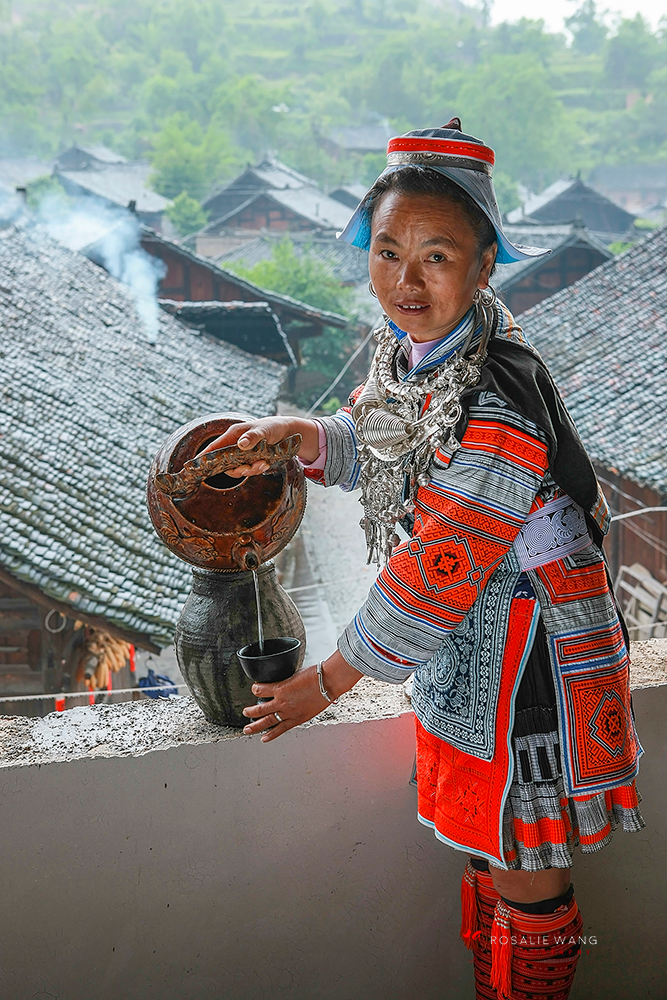
The Gejia people are a small and distinctive community primarily found in Guizhou. Although officially classified as part of the Miao people, the Gejia maintain a strong, separate cultural identity, with unique clothing, traditions, and origin stories.
Often called “China’s last tribe” in popular media, the Gejia are known for their deep sense of heritage and symbolic cultural expressions.
🌍 Where They Live
- Primarily in Qiandongnan (Southeast Guizhou)
- Villages near Kaili and Huangping
- Mountainous rural communities
🧬 Cultural Identity
- The Gejia consider themselves a distinct ethnic group, despite official classified as Miao
- Traditions emphasize:
- Ancestral lineage
- Symbolism in dress
- Cultural preservation
🎉 Culture & Traditions
- Rich oral history and legendary ancestry stories
- Strong warrior symbolism in clothing and rituals
- Community-centered lifestyle rooted in tradition
👗 Clothing & Identity
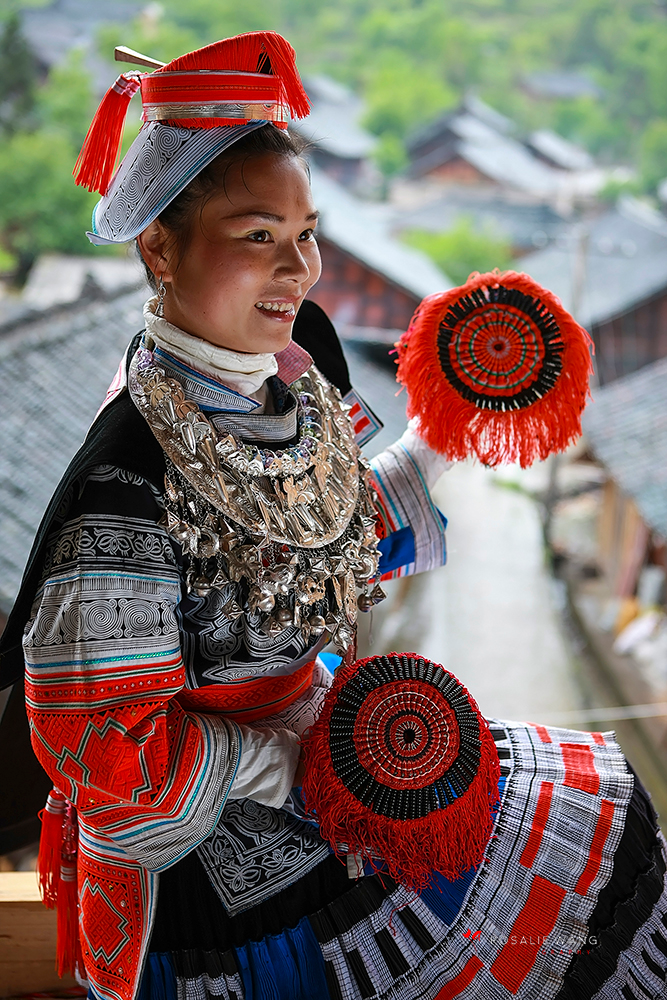
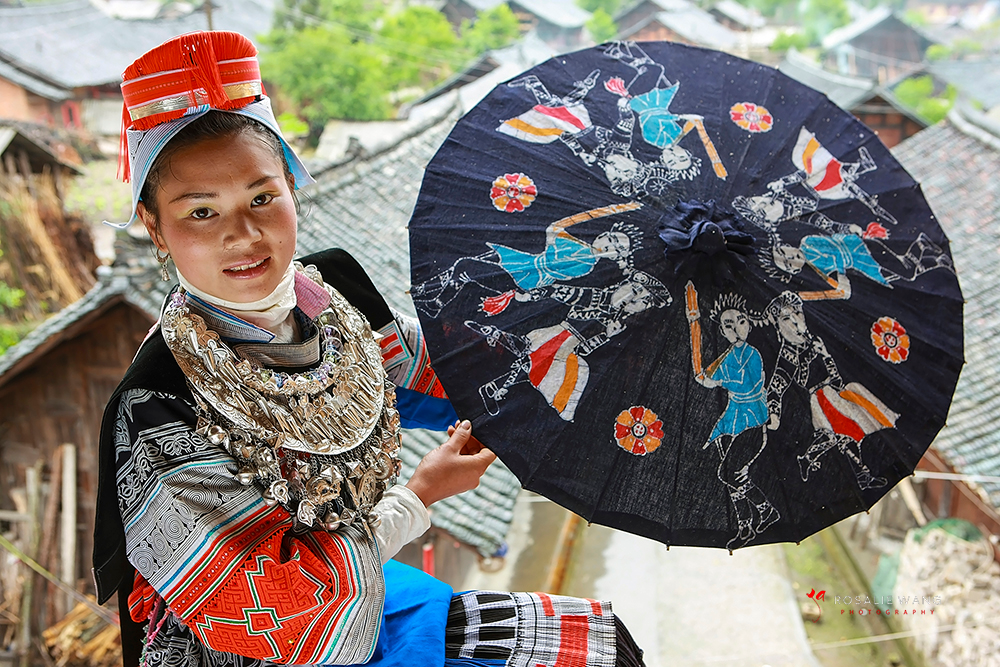
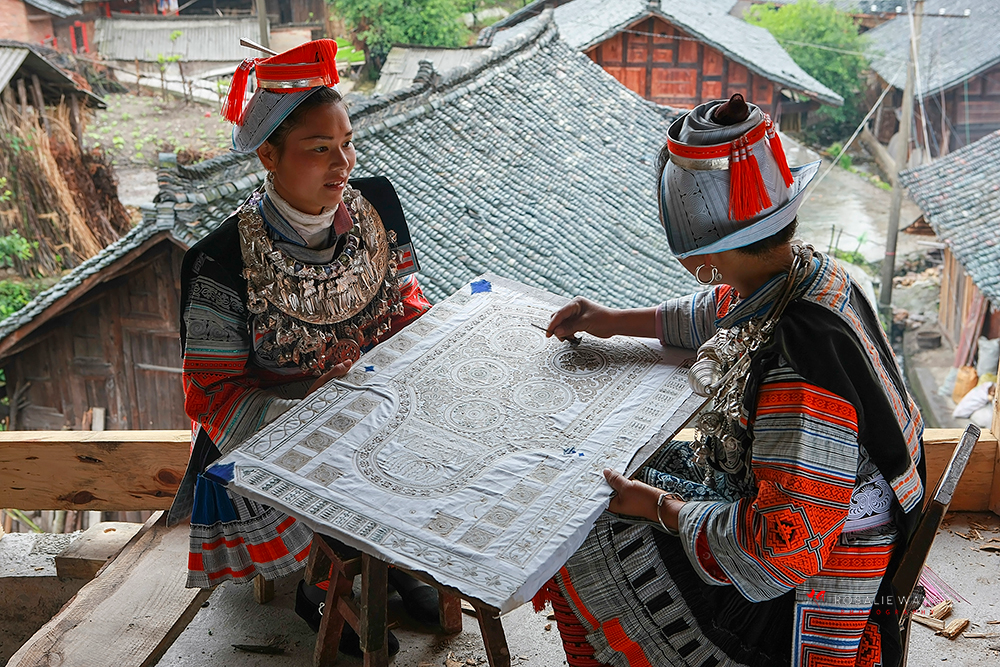
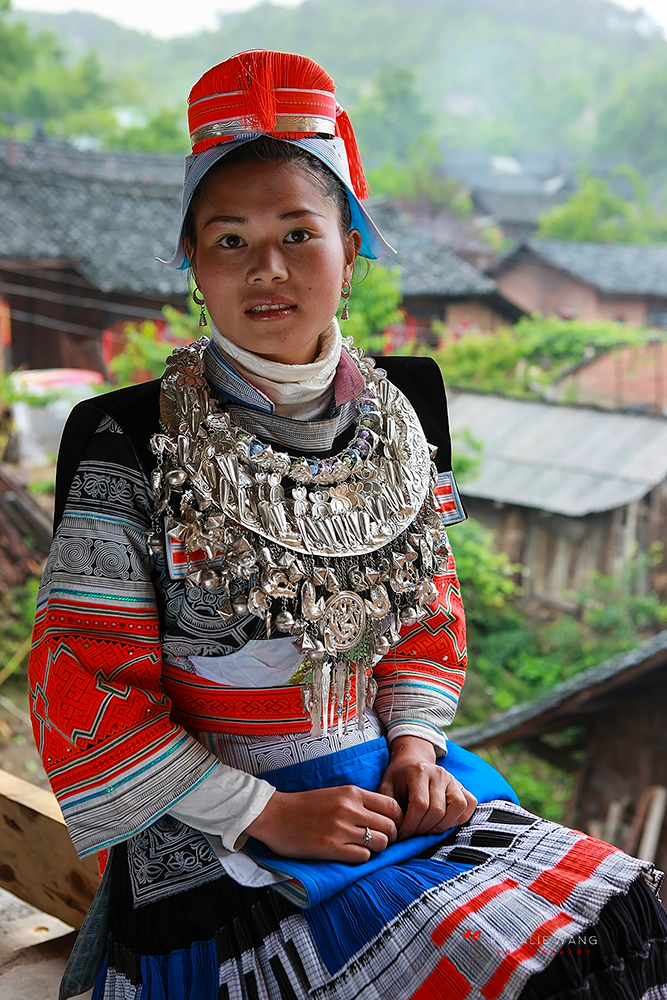
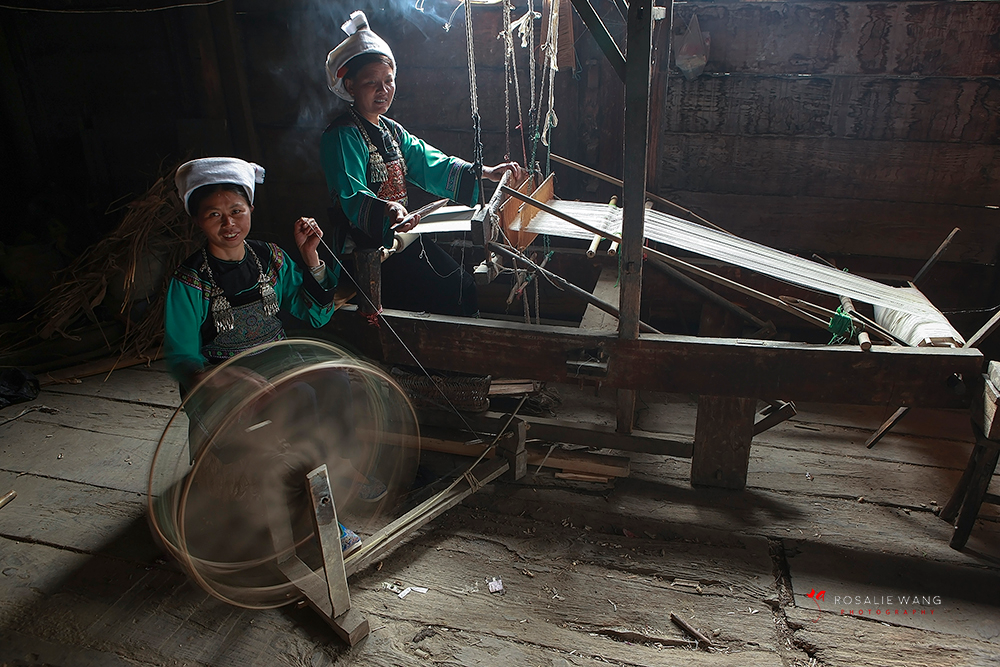
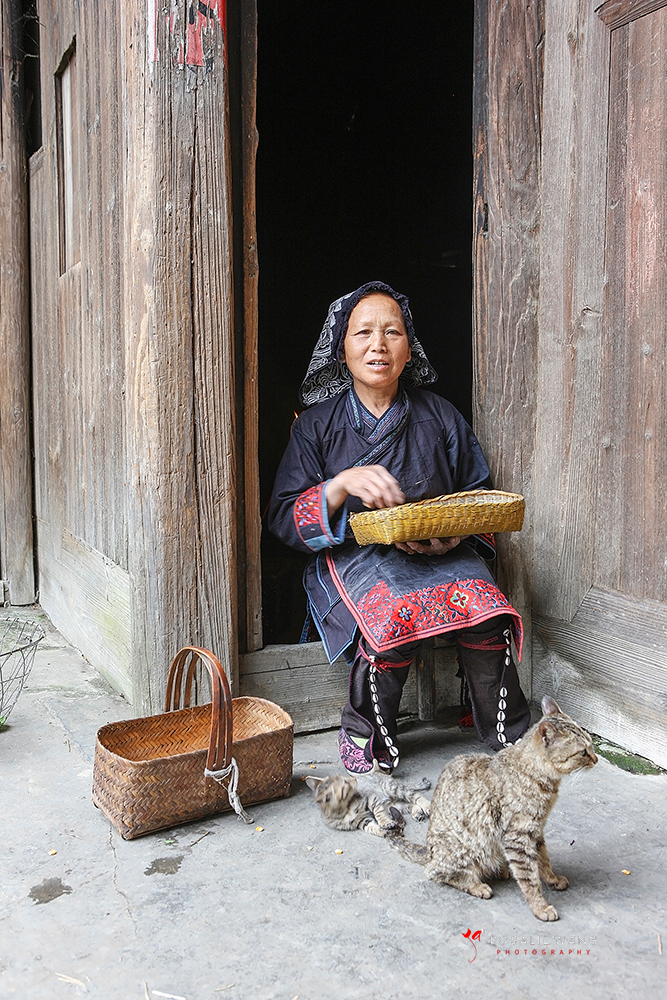
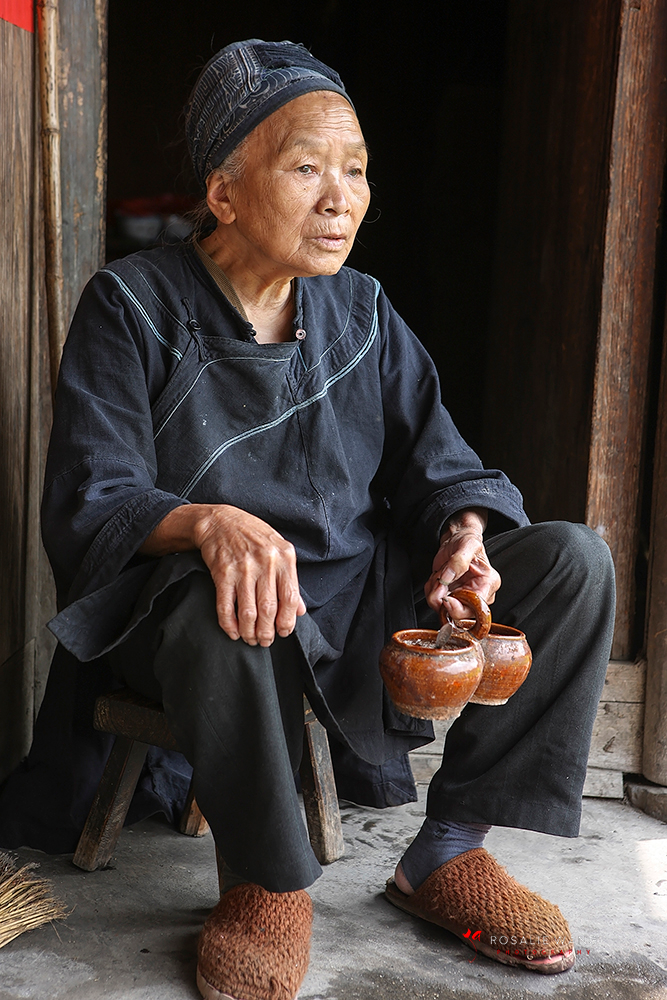
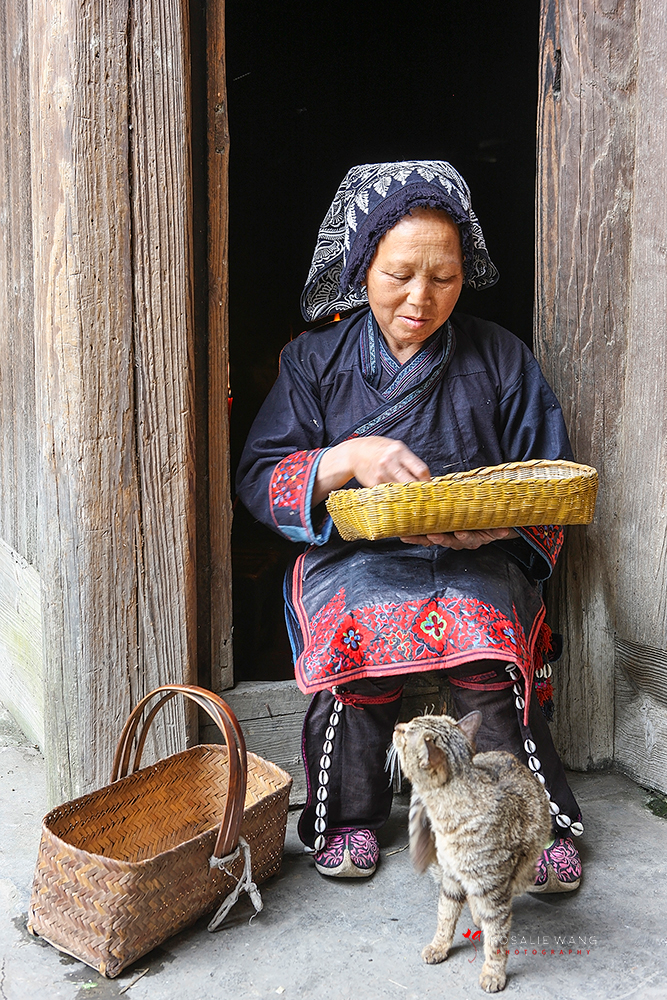
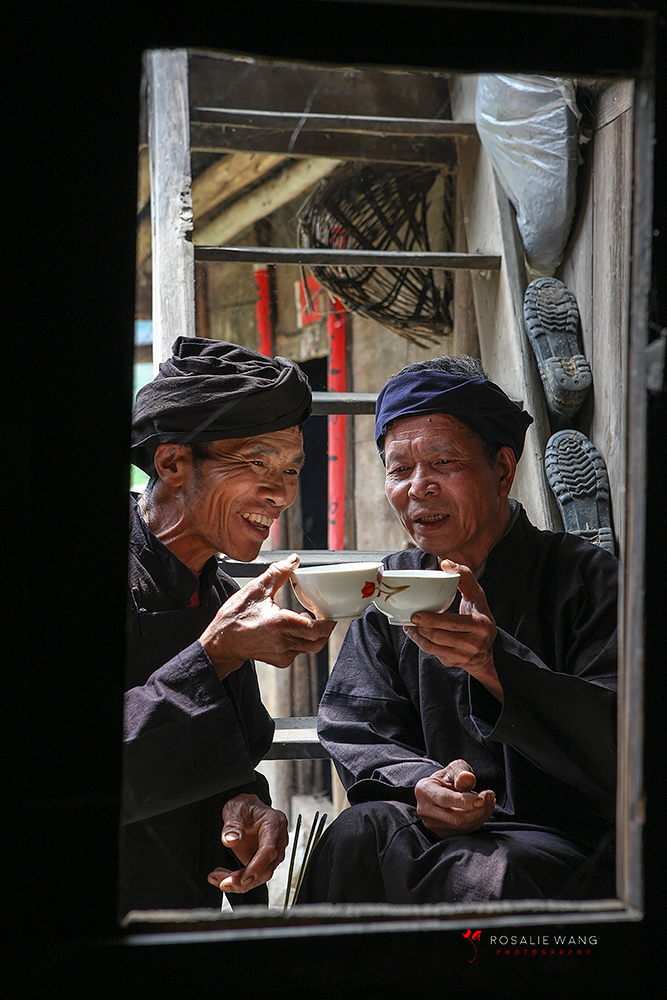
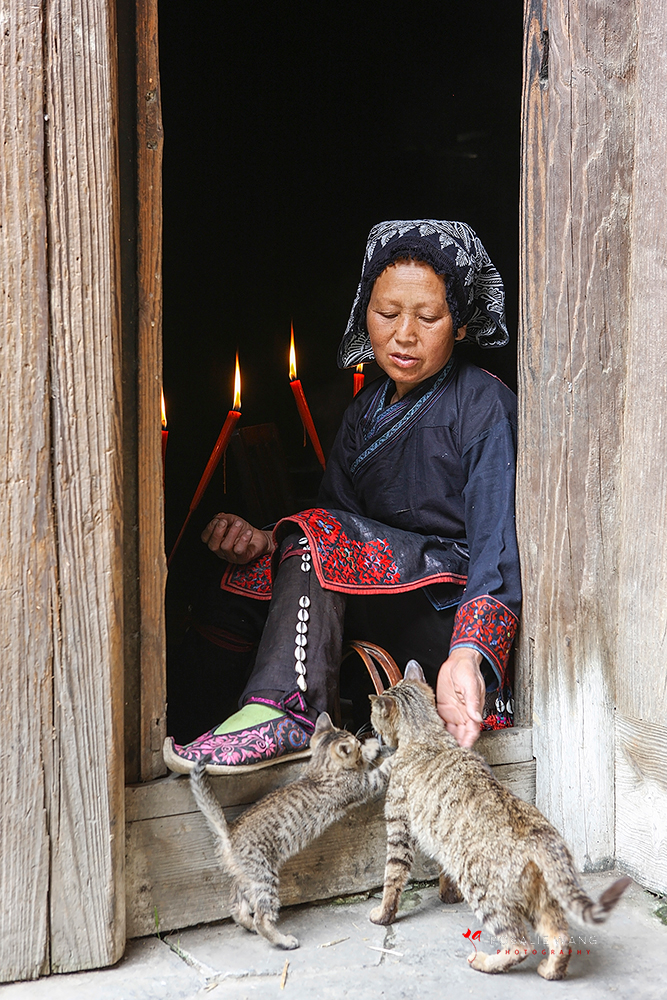
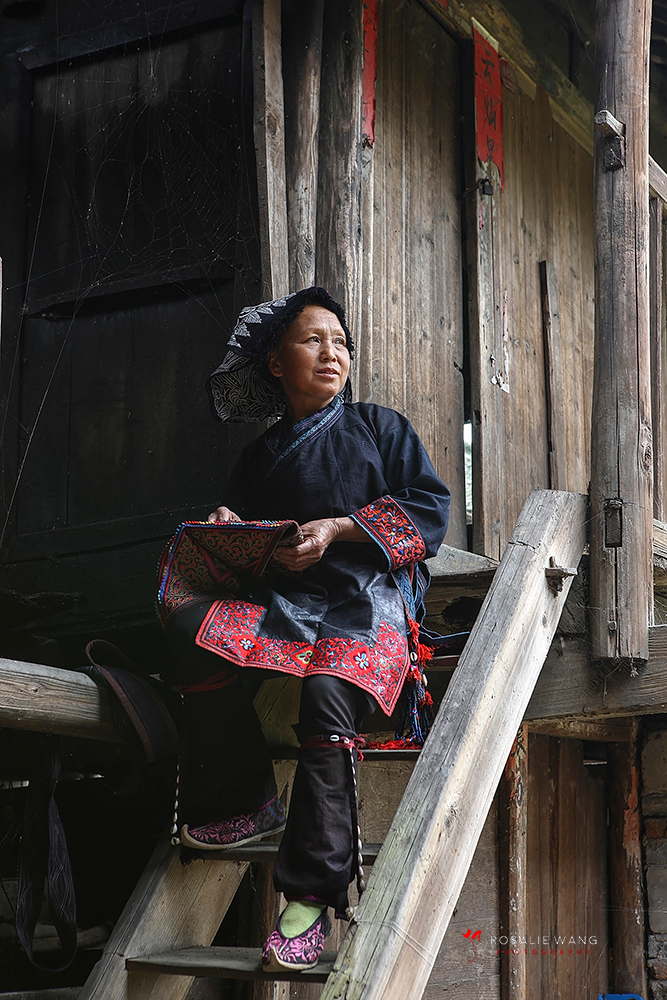
- Highly distinctive attire, different from other Miao groups
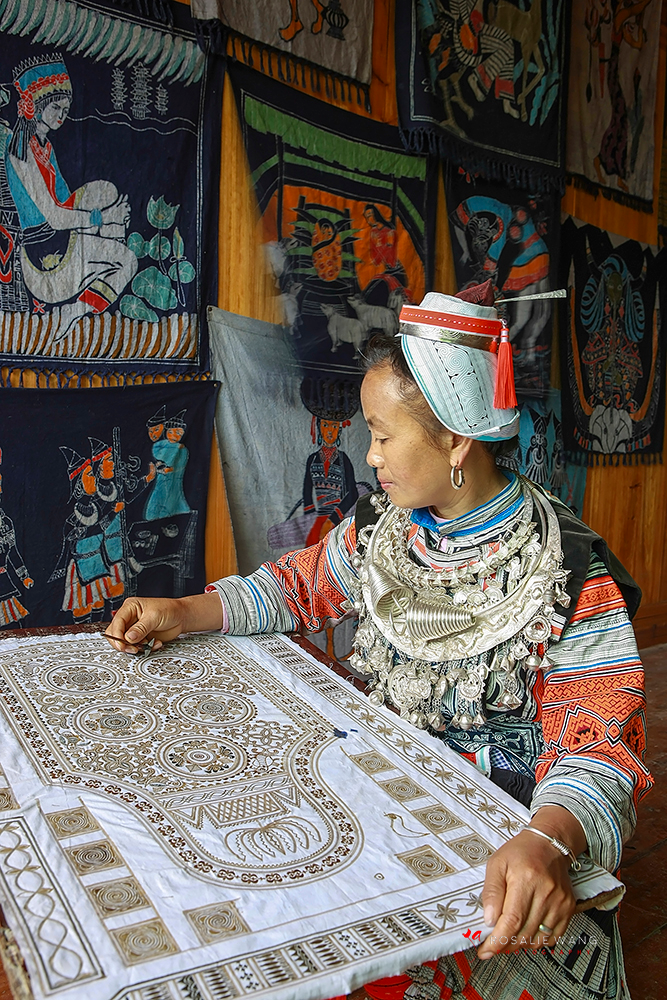
- Batik headscarves often decorated with symbolic patterns
- Clothing designs said to reflect armor and heroic ancestry
- Bold colors and geometric motifs
🎊 Festivals
- Seasonal celebrations tied to agriculture and ancestry
- Rituals often include:
- Traditional dress displays
- Music and dance
- Community gatherings
(Some festivals overlap with Miao traditions but are uniquely expressed in Gejia culture.)
🏠 Architecture
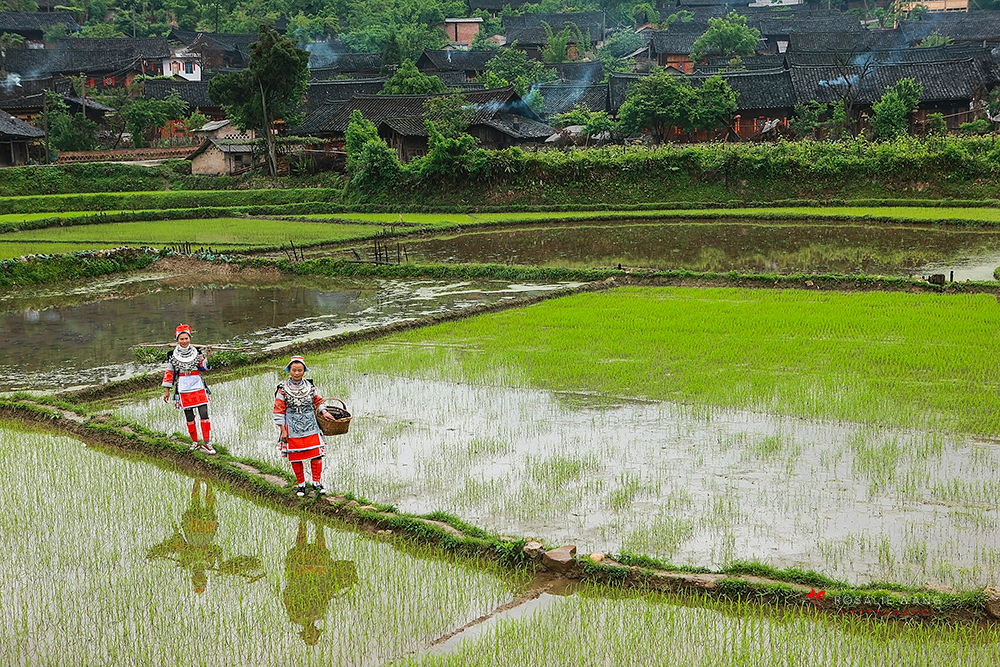
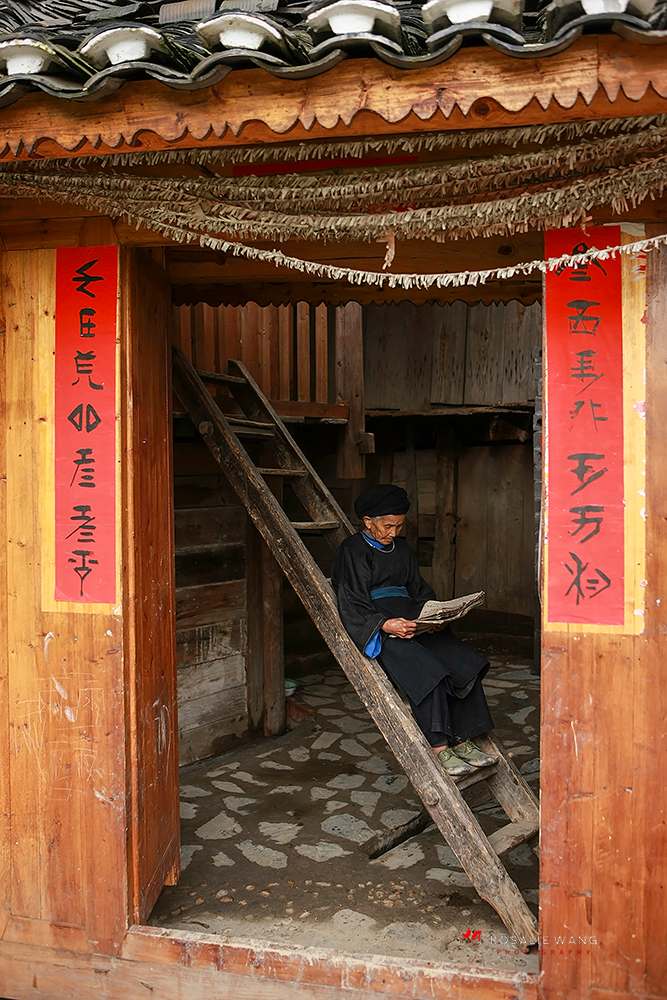
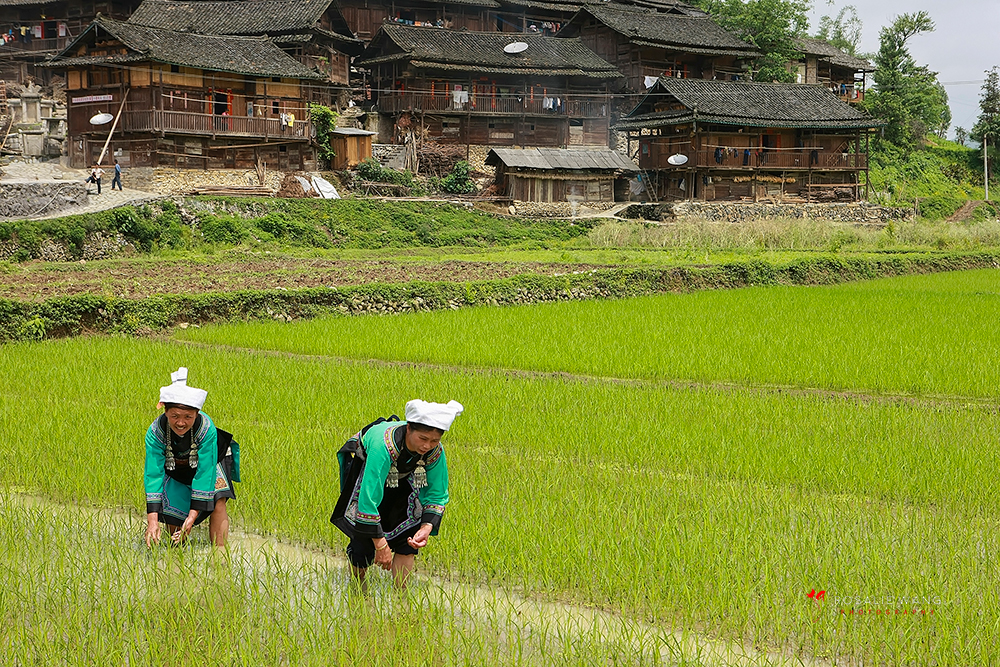
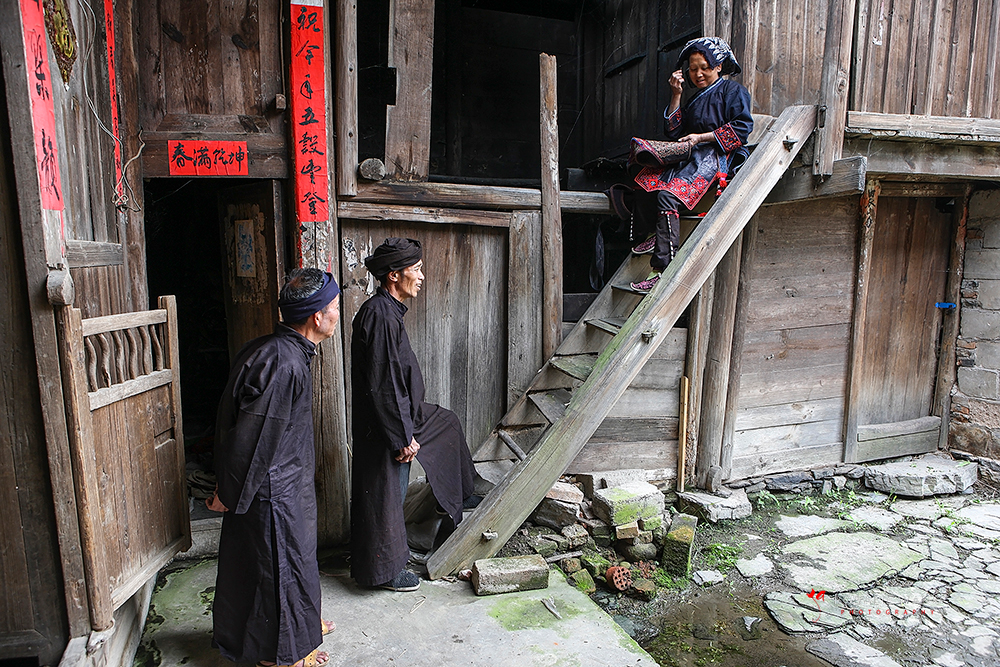
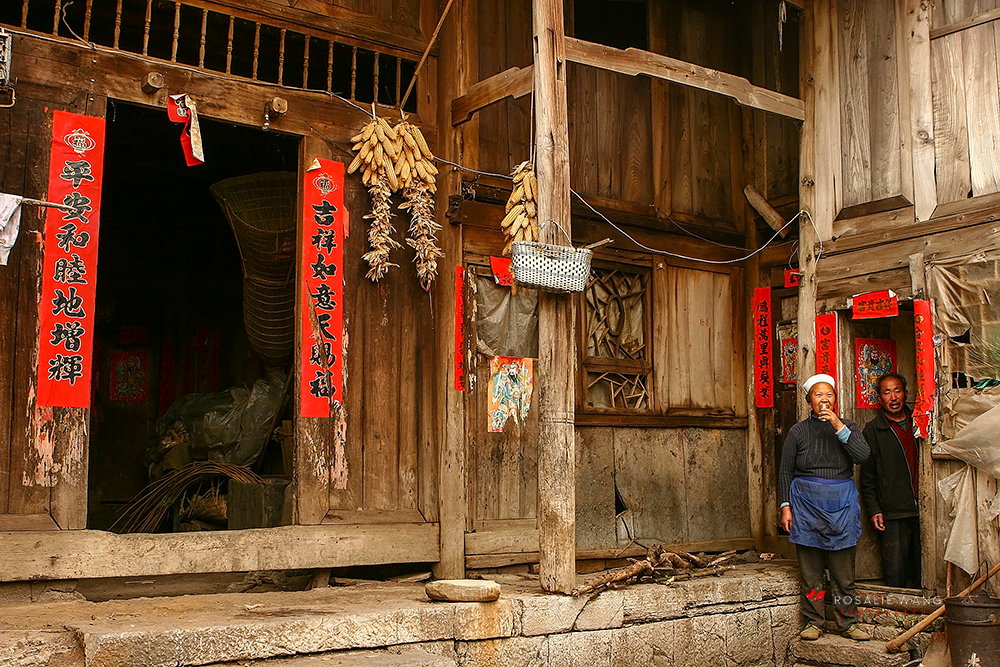
- Wooden homes adapted to hillside environments
- Villages integrated into mountainous terrain
- Simple, functional, and community-oriented layouts
🏯 Tunpu People: Living Echoes of Ming Dynasty Heritage
The Tunpu people are a distinctive Han cultural group found in Guizhou, especially around Anshun. Unlike many ethnic minorities, Tunpu communities trace their origins to military settlers from the Ming Dynasty, preserving traditions that reflect life from over 600 years ago.
Rather than being a separate officially recognized ethnic group, Tunpu represents a unique cultural identity within the Han Chinese, shaped by history, migration, and isolation.
🌍 Where They Live
- Primarily in Anshun region, central Guizhou
- Villages such as Tianlong Tunpu
- Located in fertile basins surrounded by mountains
🧬 Historical Origins
- Descendants of Ming Dynasty soldiers stationed in Guizhou
- Established military-agricultural settlements (“tun”)
- Preserved Ming-era customs, language, and lifestyle
🎉 Culture & Traditions
- Strong sense of ancestral heritage and discipline
- Daily life reflects ancient military organization
- Community structure remains tightly knit
👗 Clothing & Identity
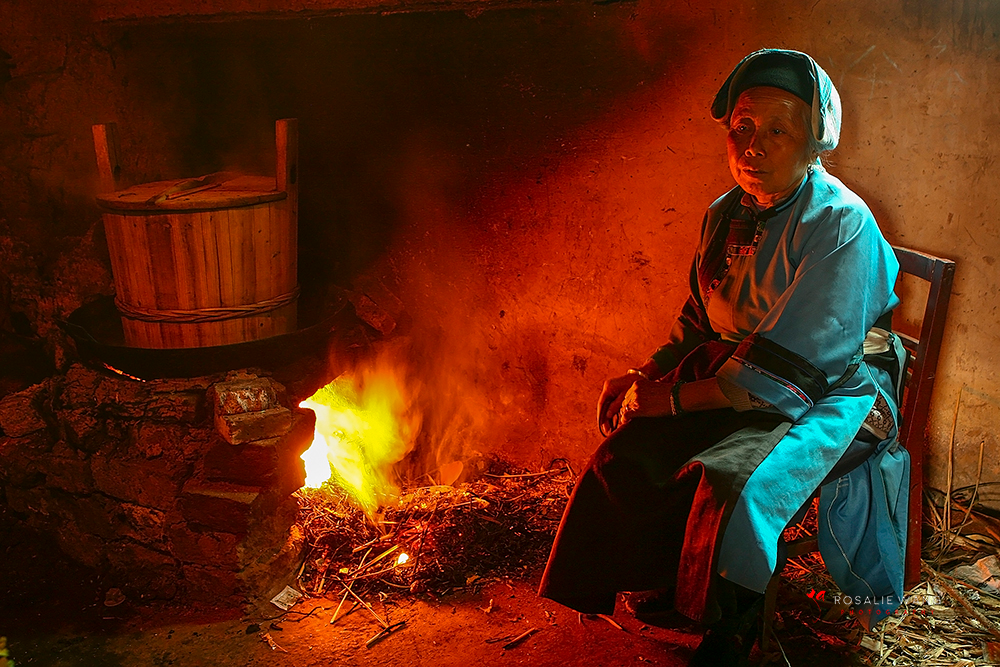
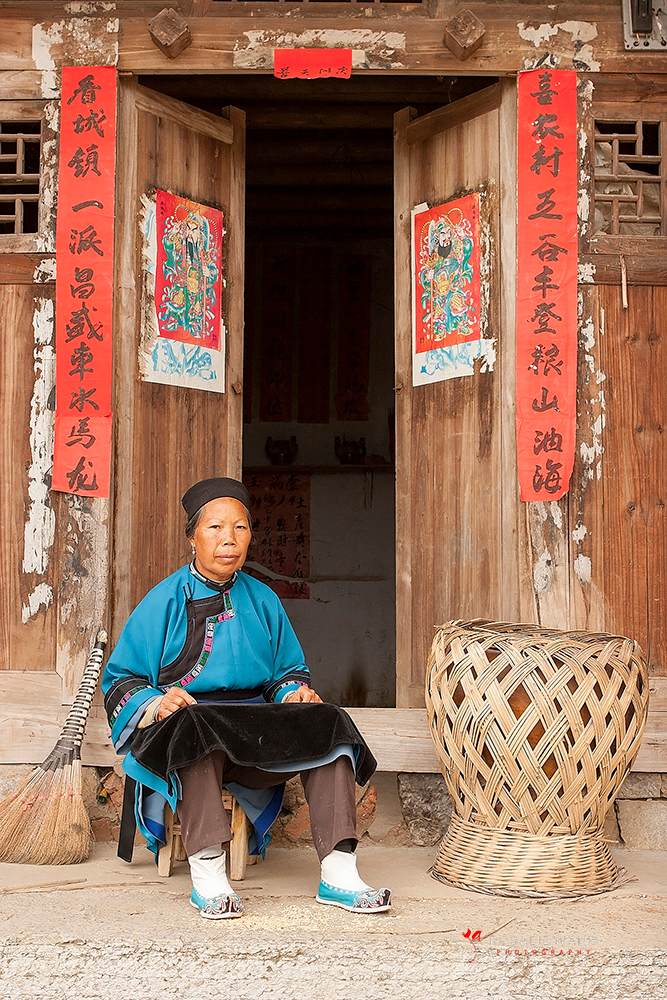
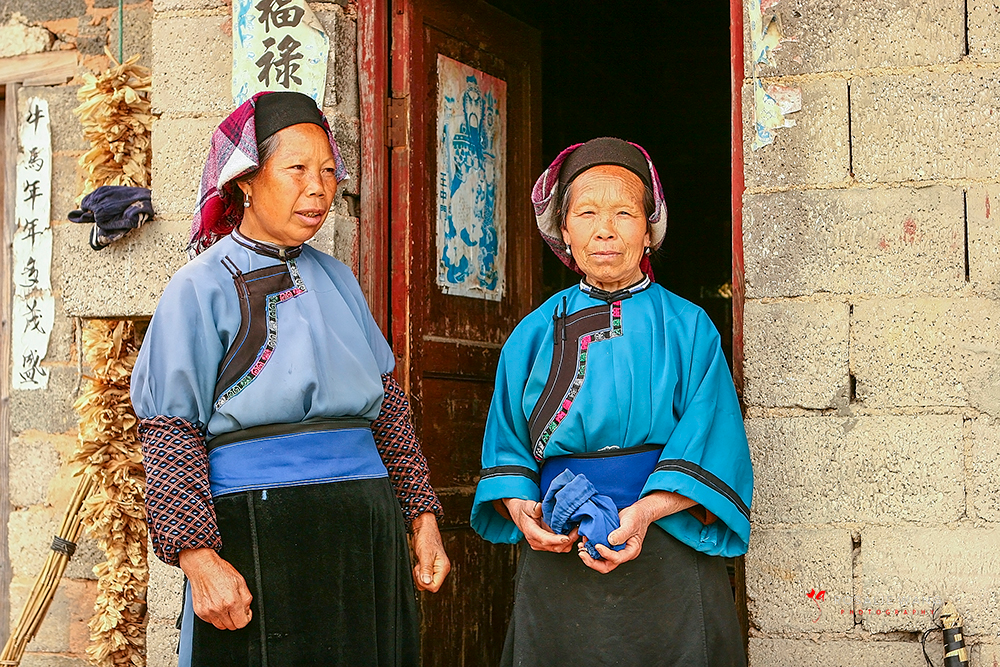
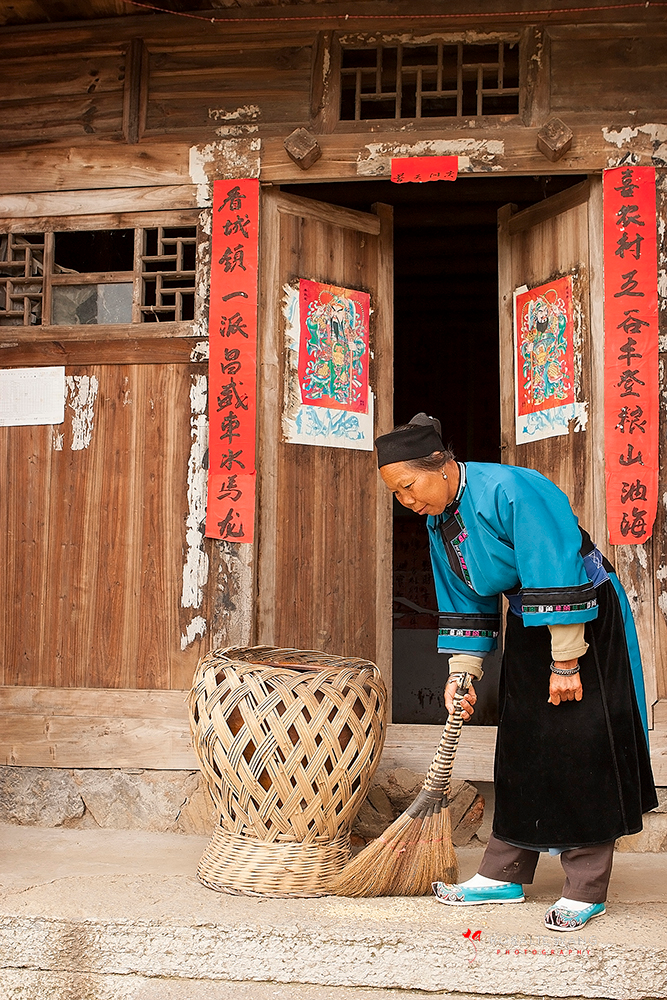
- Traditional clothing resembles Ming Dynasty styles
- Women often wear:
- Long gowns
- Distinctive head coverings
- Clothing is more historically preserved than decorative
🎊 Festivals
- Blend of Han Chinese traditions and local customs
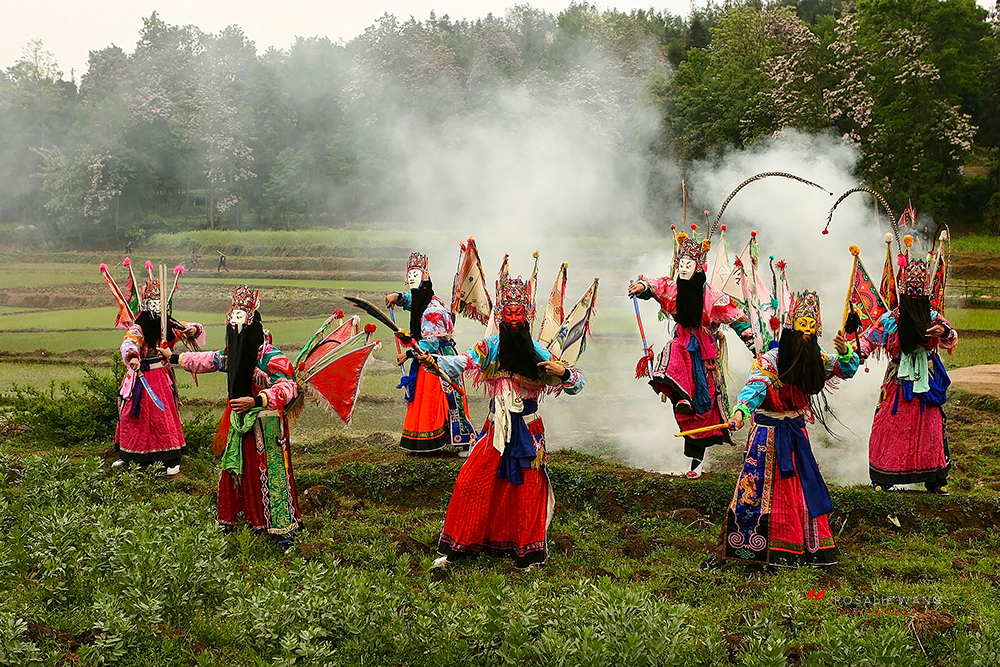
- Opera performances play a central role
- Rituals emphasize:
- Ancestors
- Protection
- Community unity
🏠 Architecture
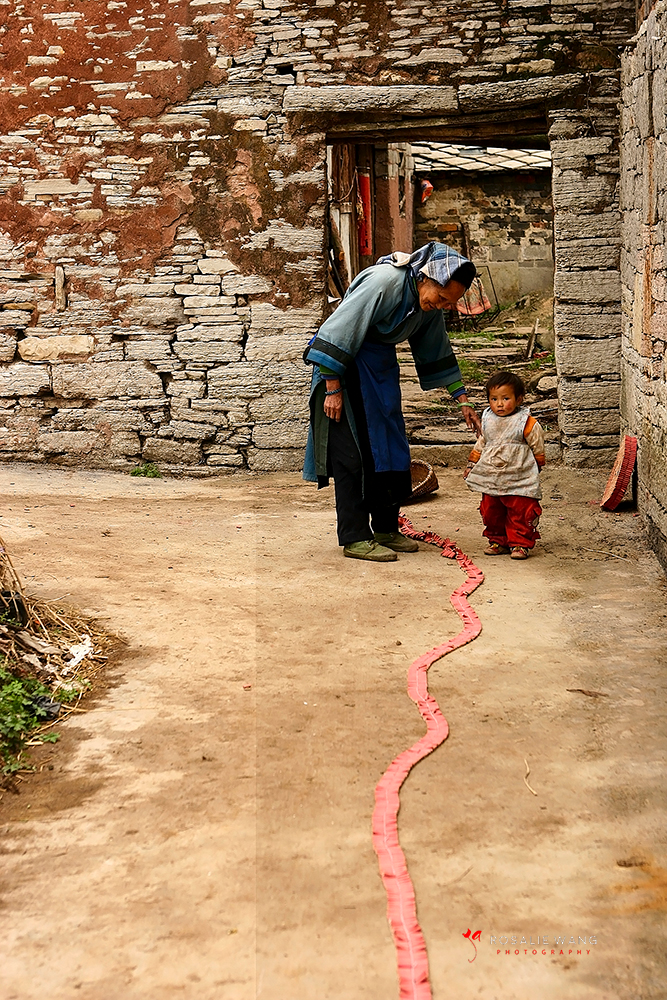
- Stone houses with fortified layouts
- Villages designed for:
- Defense
- Community cohesion
- Narrow lanes and enclosed courtyards
🎭 Performing Arts
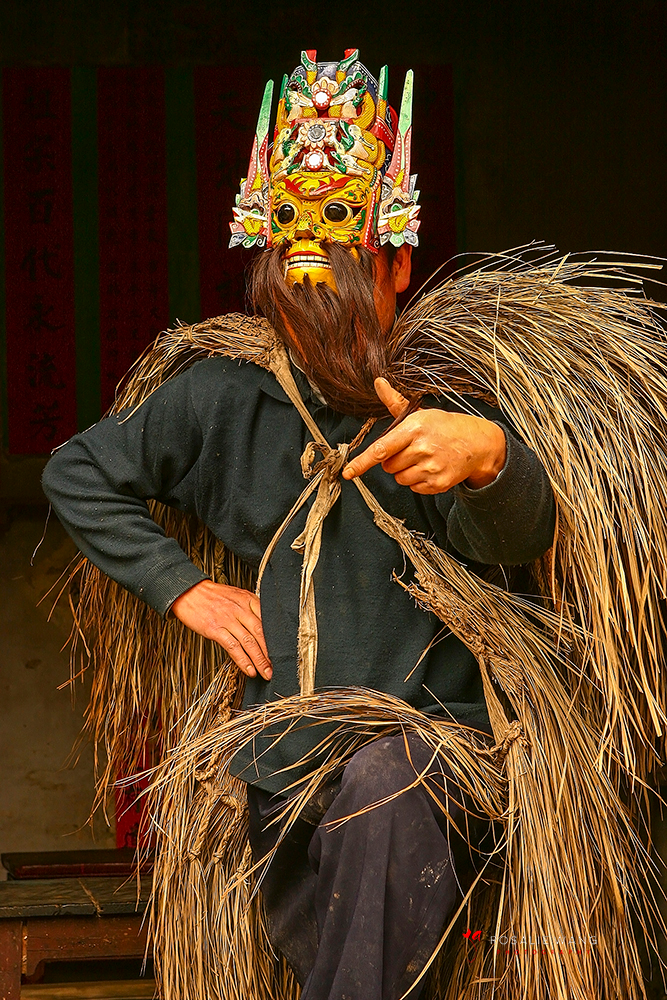
- Famous for Dixi Opera (Ground Opera)
- Performers wear wooden masks
- Stories often depict historical battles and legends
- Ritual performances tied to festivals and community events
🌊 Shui People: Water, Symbols, and Ancient Scripts
The Shui people are a smaller but culturally rich group, known for their deep connection to water and their rare written script.
🌍 Where They Live
- Southern Guizhou (especially Sandu region)
🎉 Culture & Traditions
- Unique Shui script, used for rituals and records
- Strong water-centered beliefs and rituals
- Folk songs and seasonal ceremonies
🎊 Festivals
- Shui New Year → One of the most important celebrations
🏠 Architecture
- Wooden and stone homes near rivers and terraces
🌿Yao People: Mountain Life and Herbal Wisdom
The Yao people are known for their resilience and adaptability. Their culture is deeply tied to nature, especially traditional medicine and forest life.
🌍 Where They Live
- Mountain regions across southern China.
🎉 Culture & Traditions
- Knowledge of herbal medicine and forest resources
- Intricate, symbolic clothing and embroidery
- Strong family and clan traditions
🎊 Festivals
- Panwang Festival → Honoring ancestral heritage
🏠 Architecture
- Mountain homes built from wood and bamboo