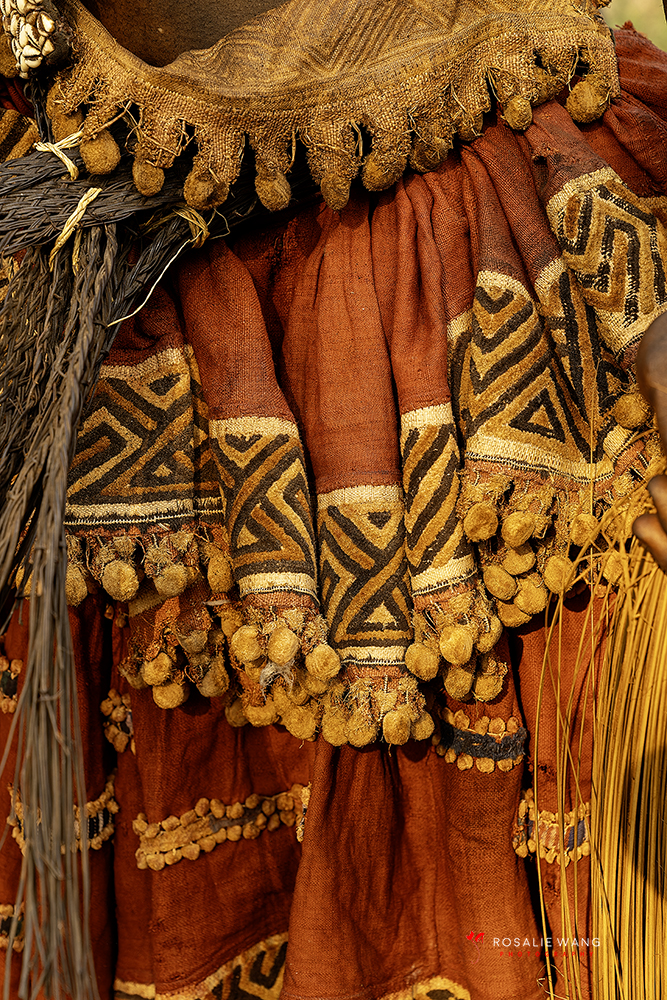
DR Congo’s Ceremonial Heartland
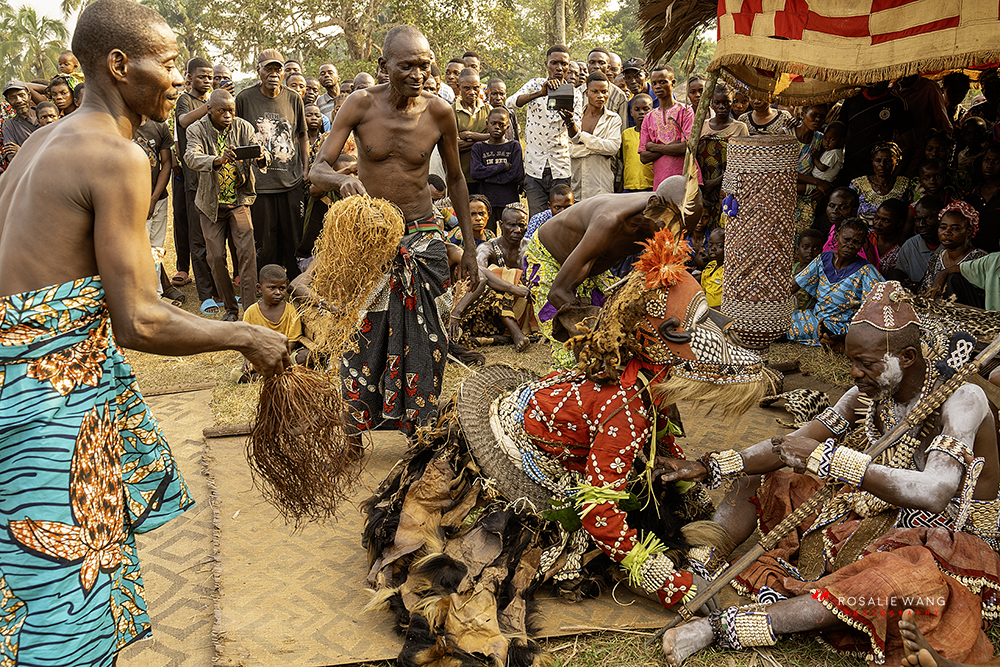
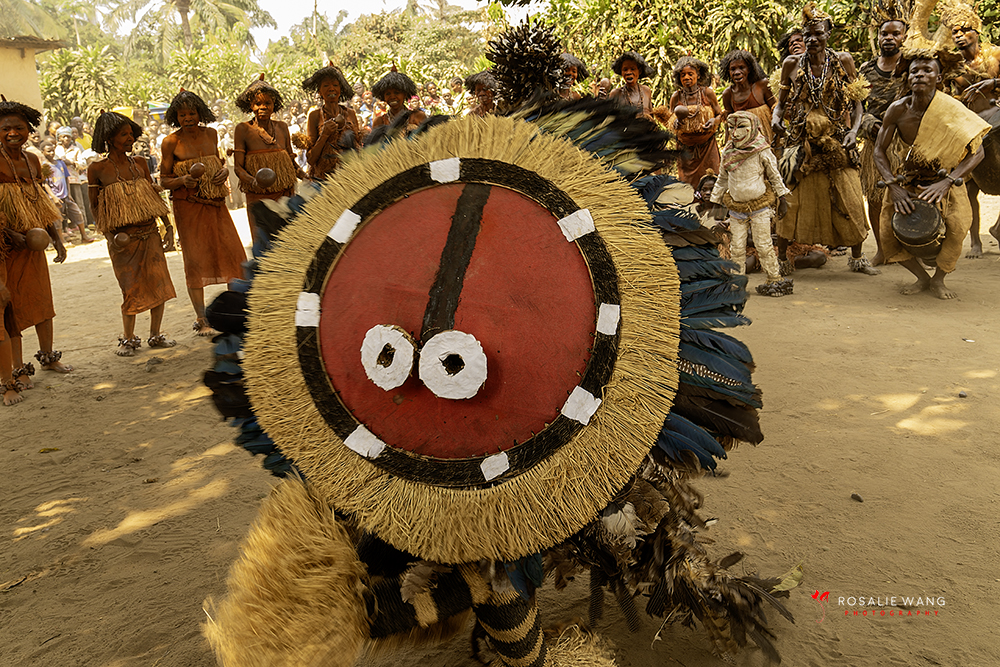
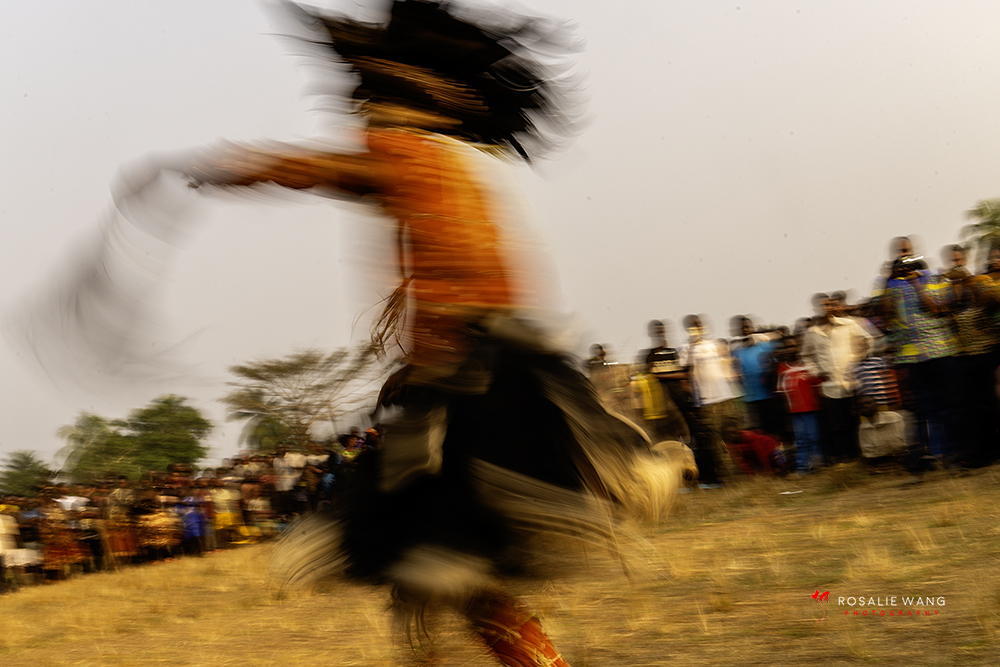
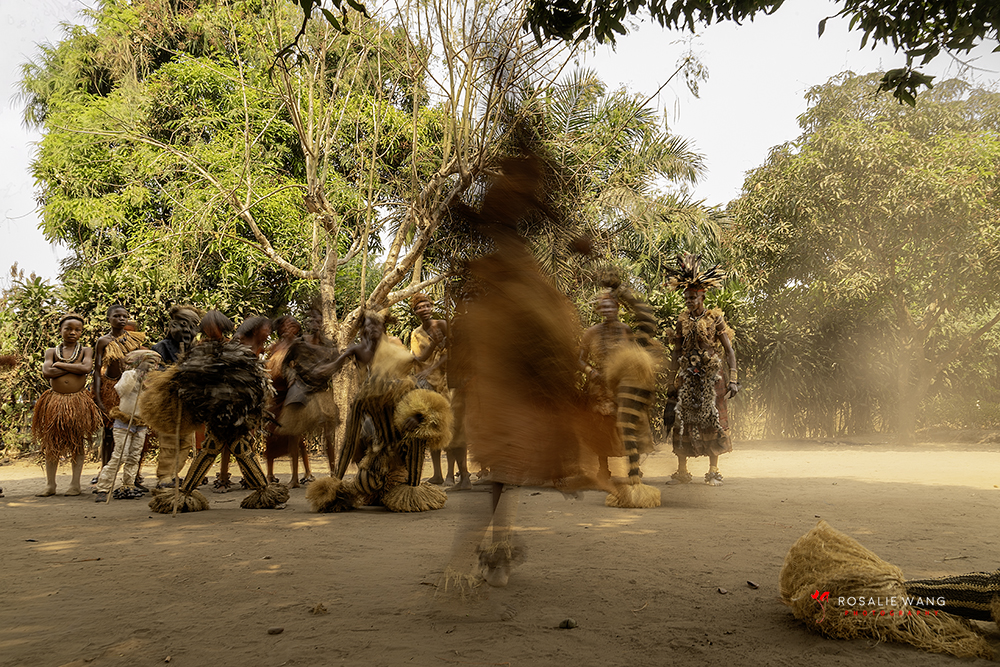
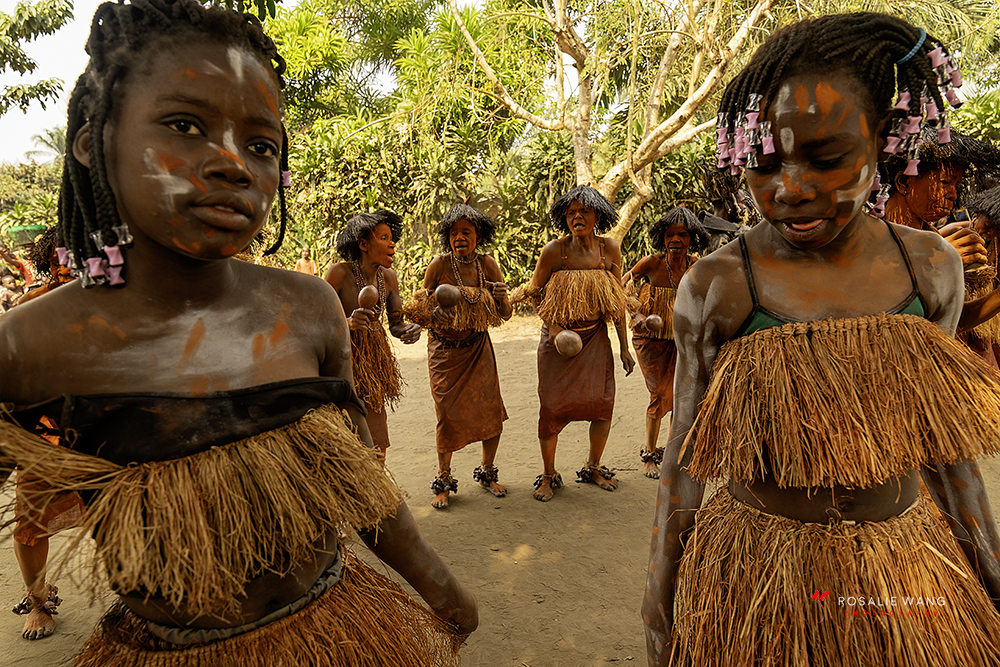
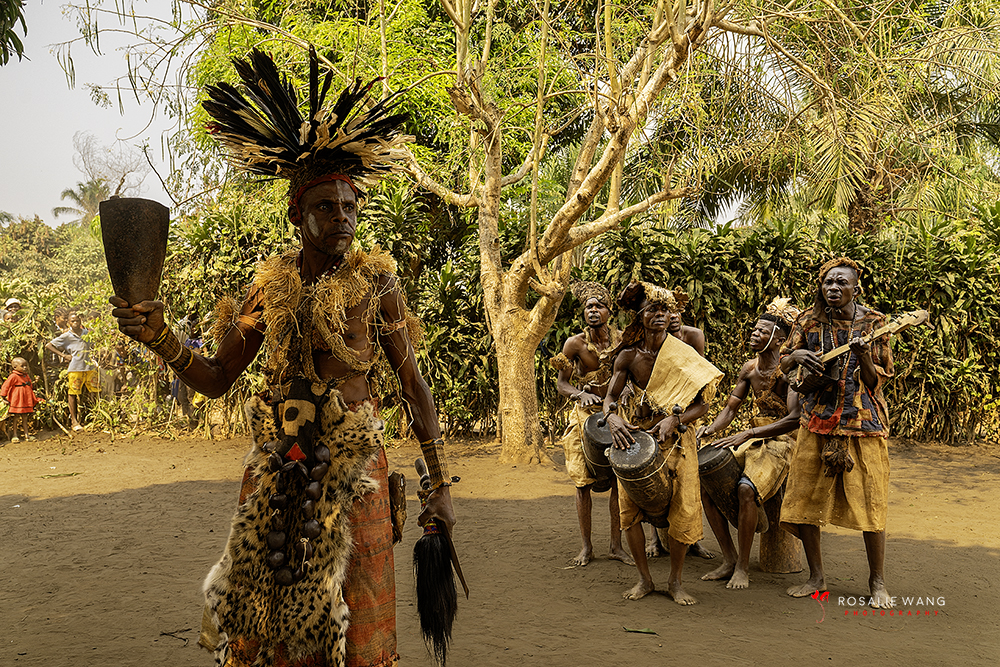
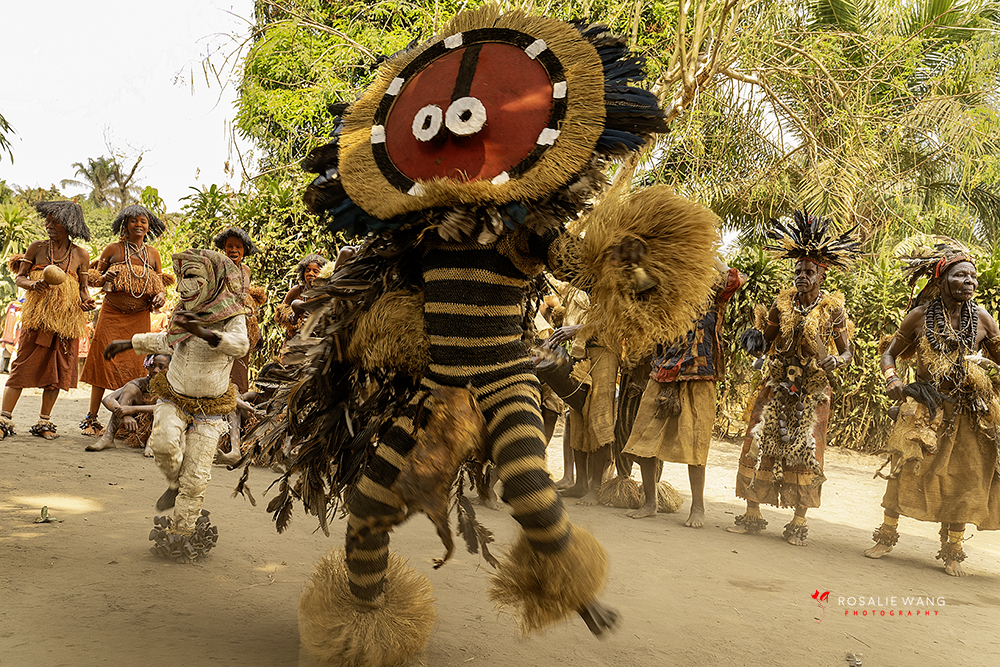
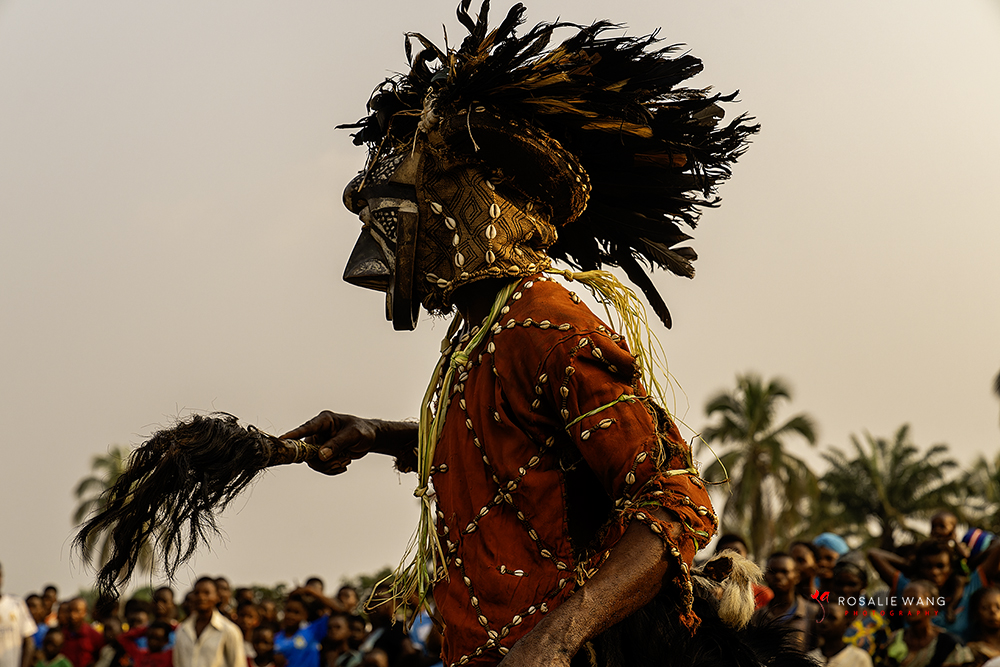
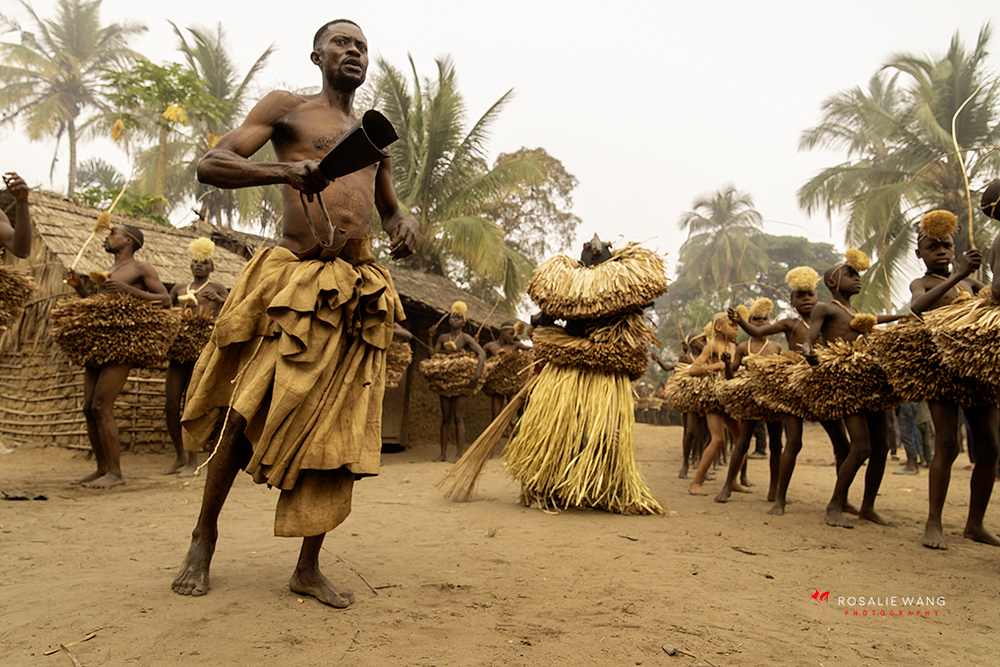
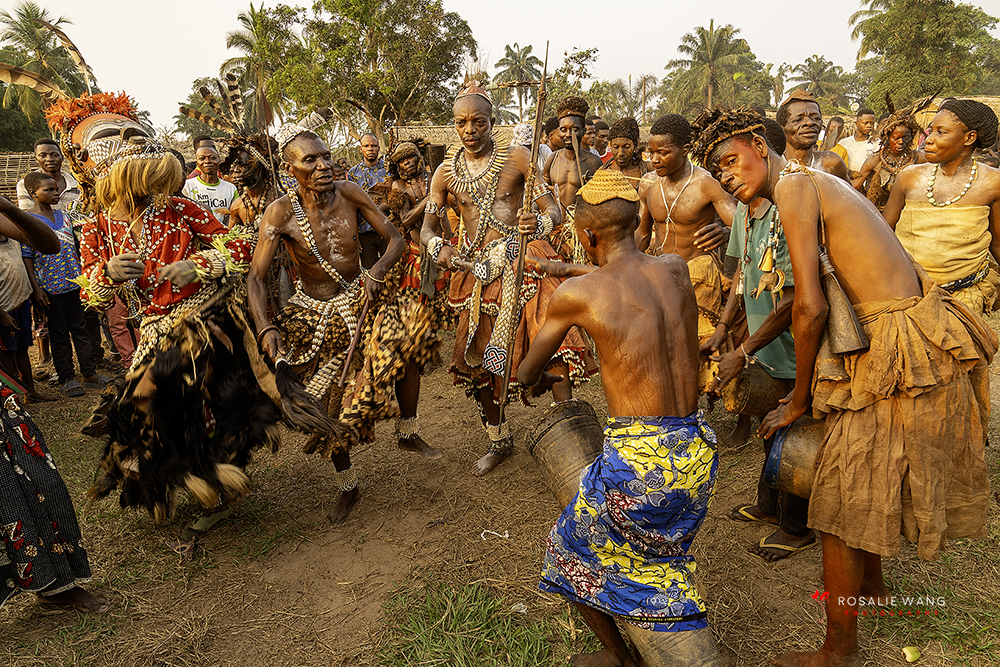
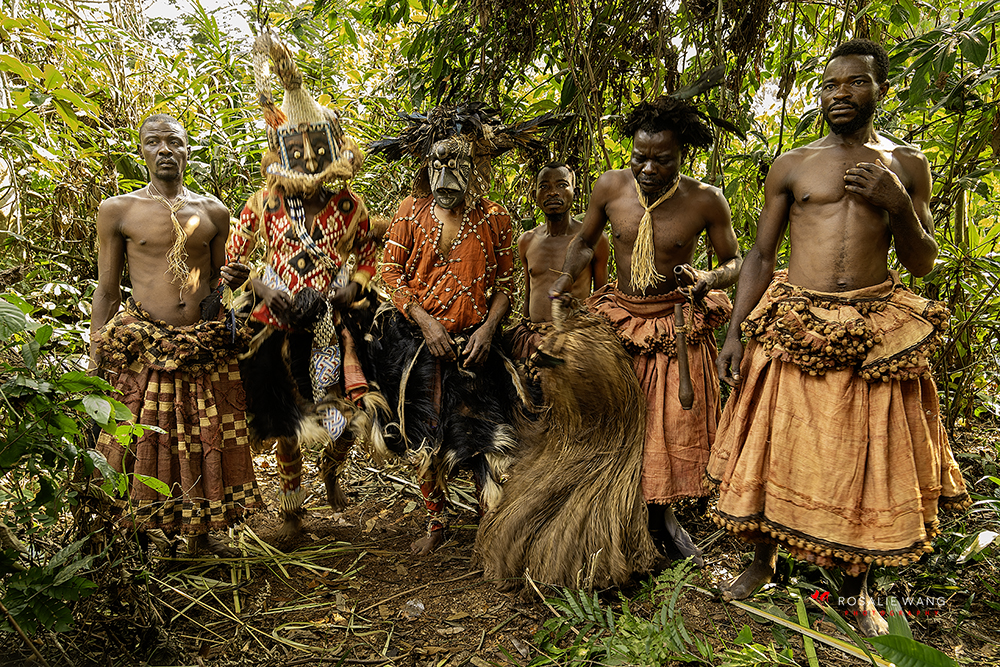
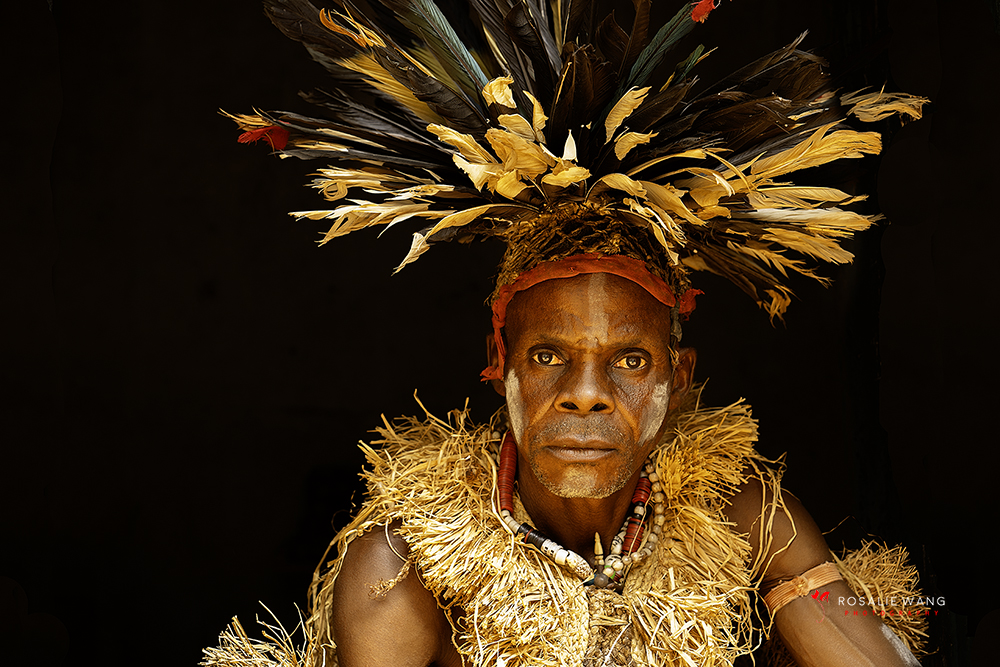
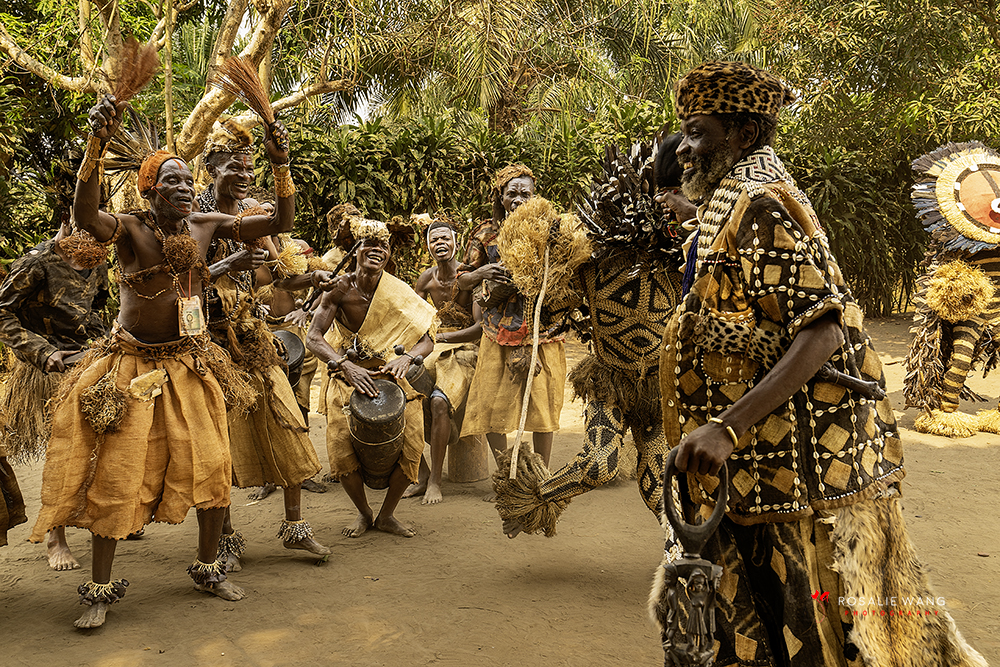
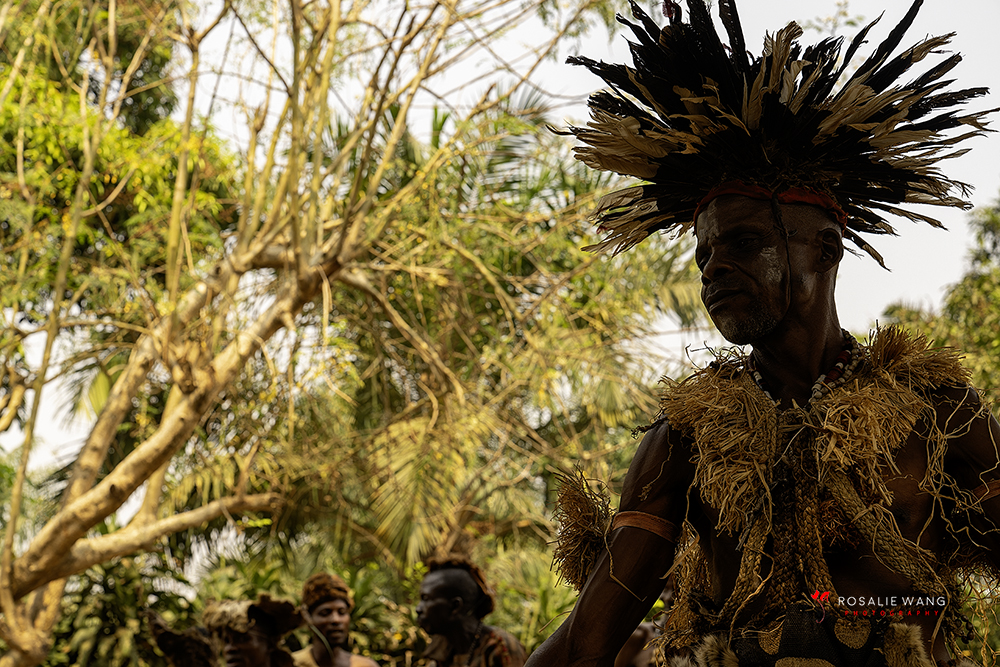
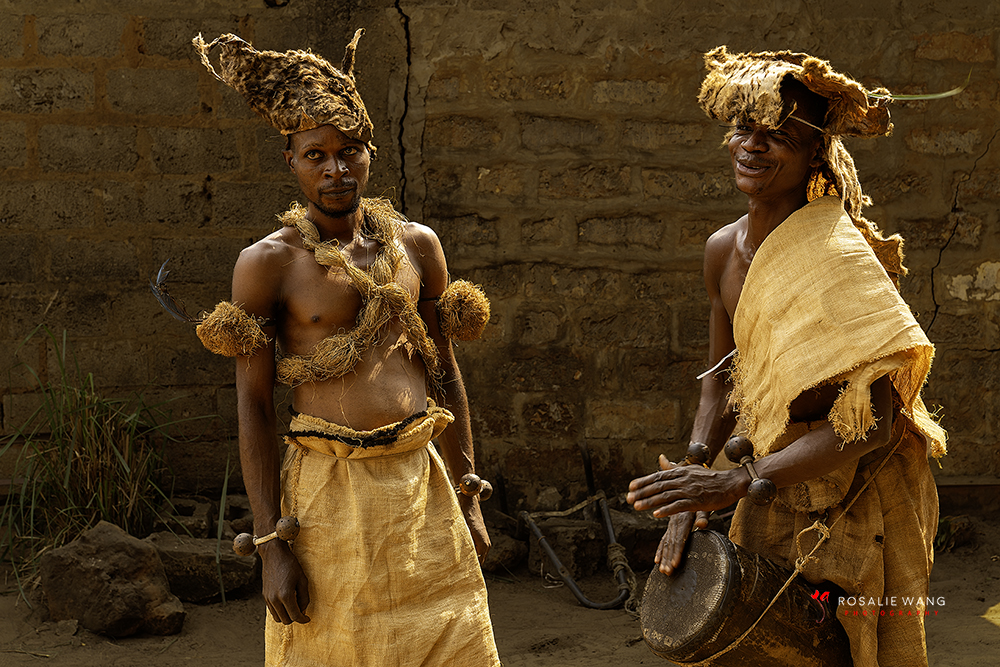
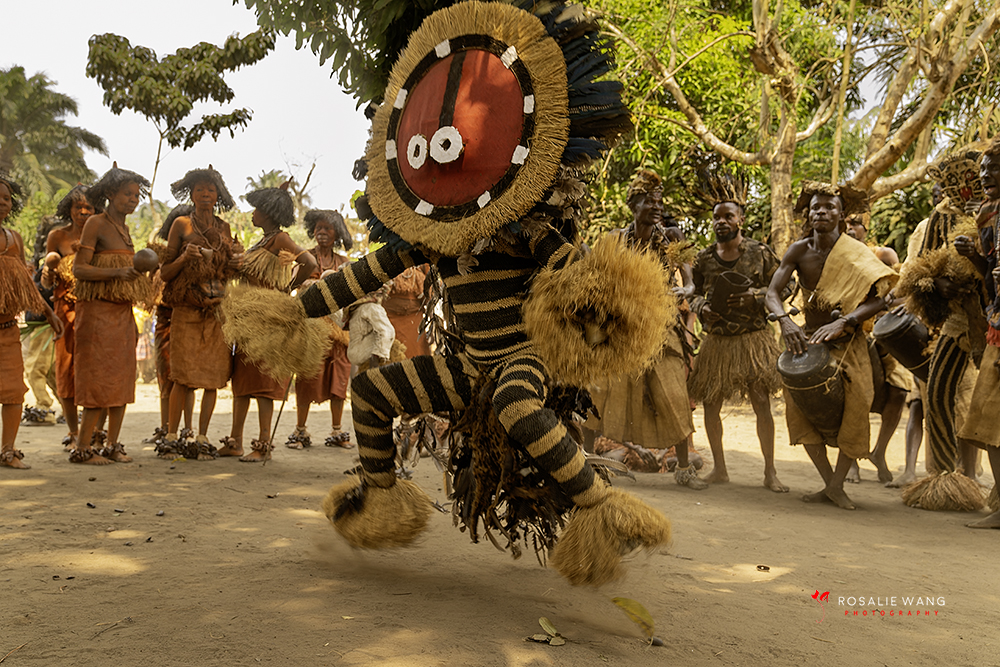
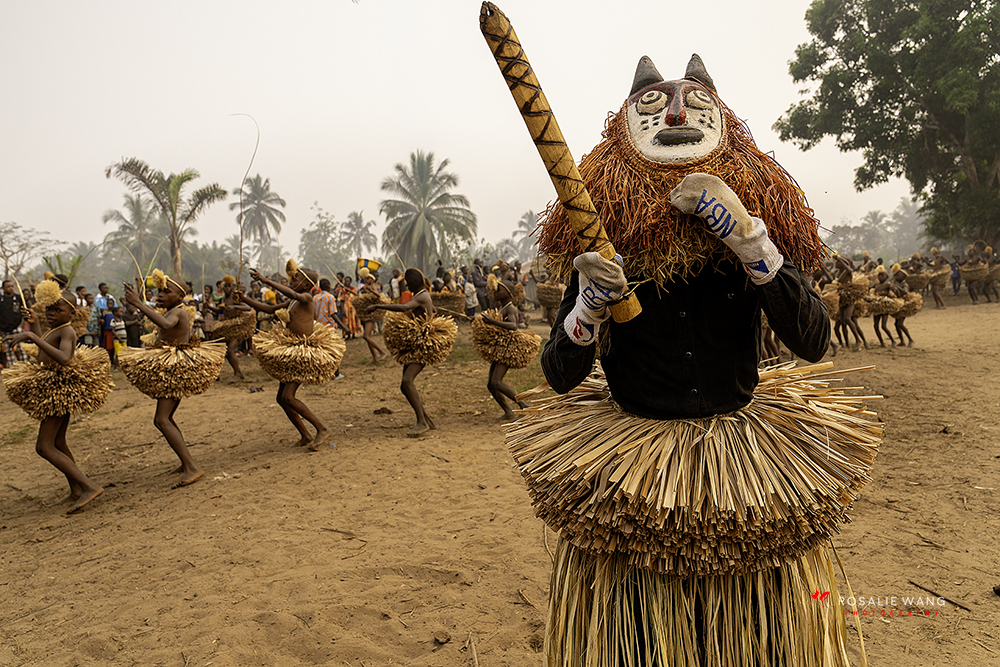
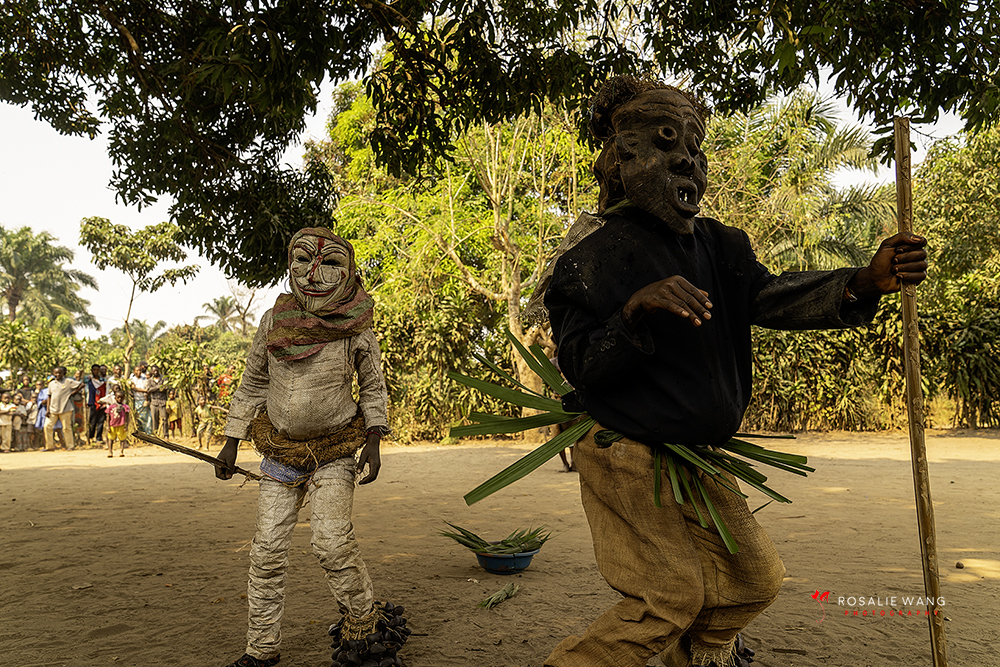
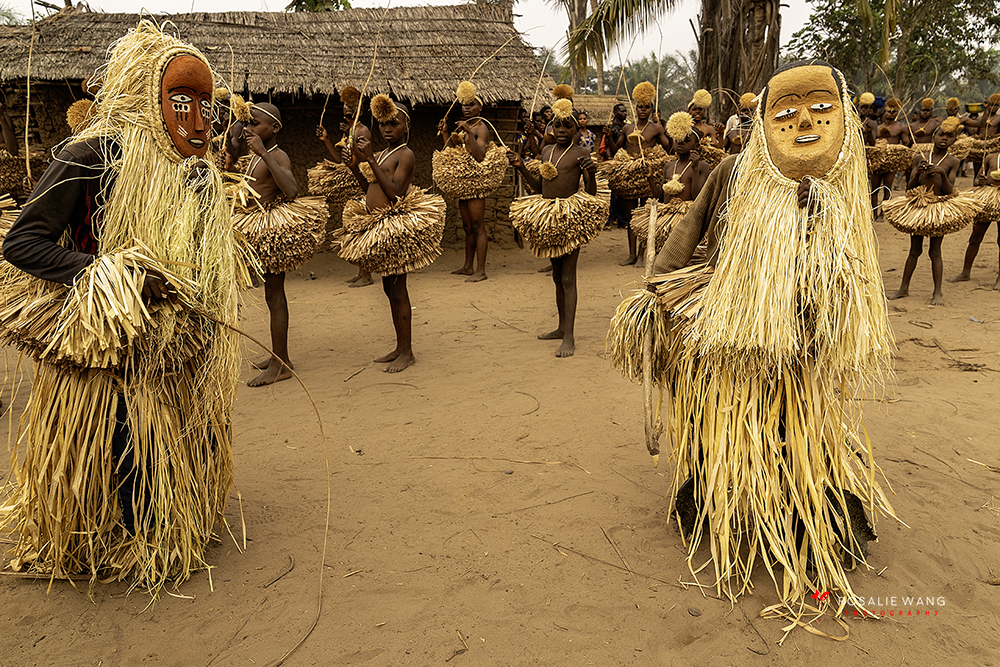
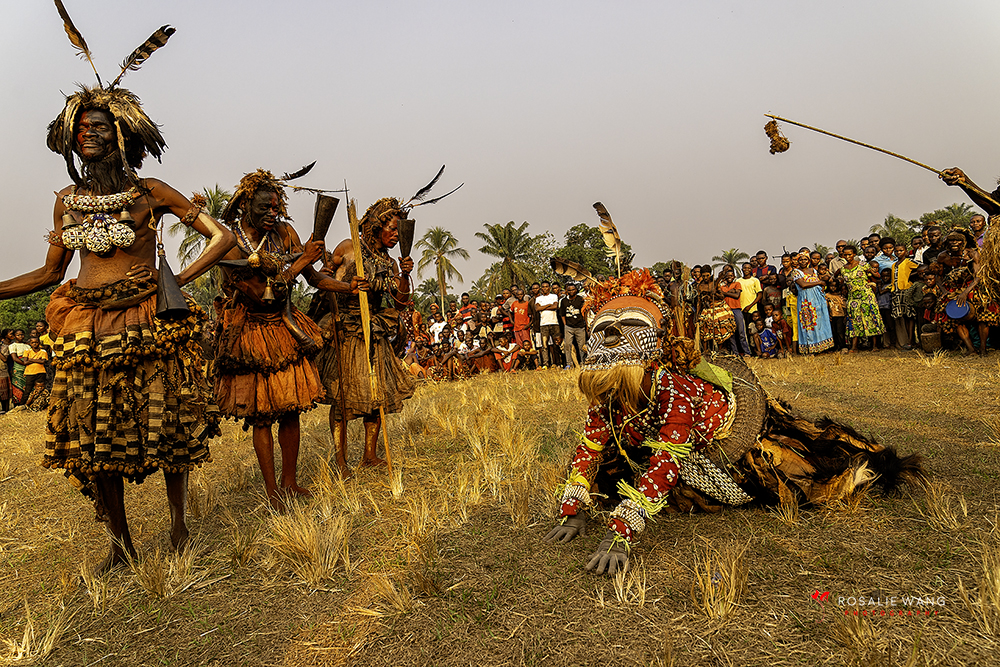
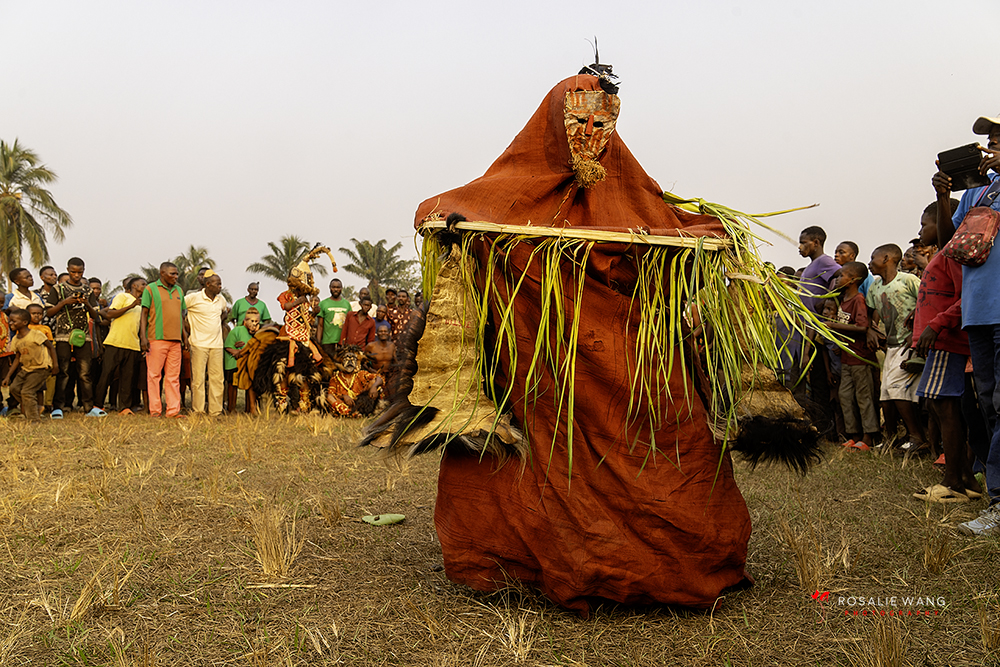
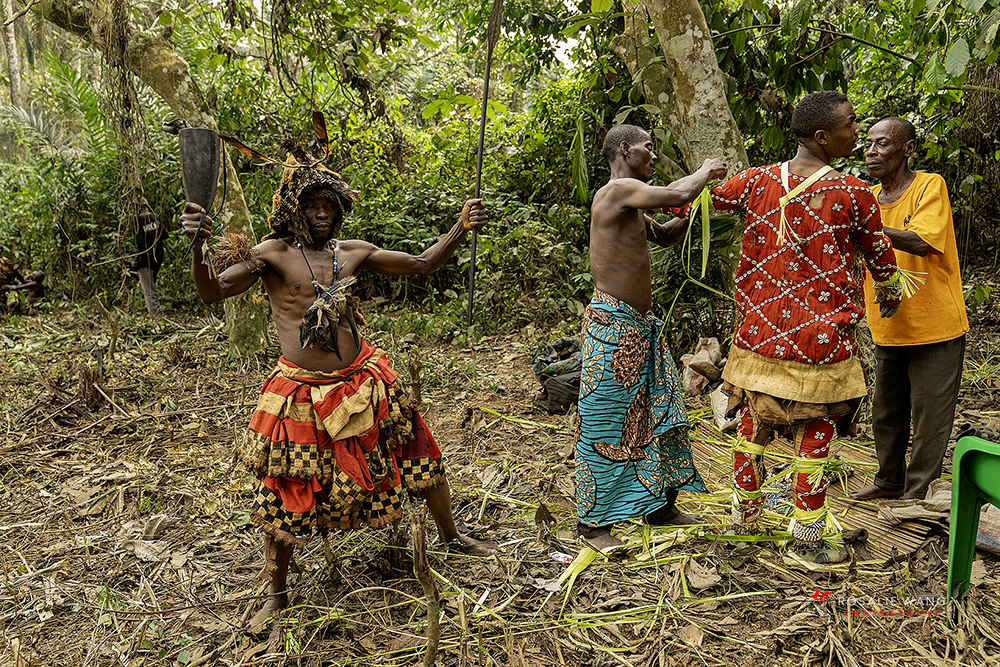
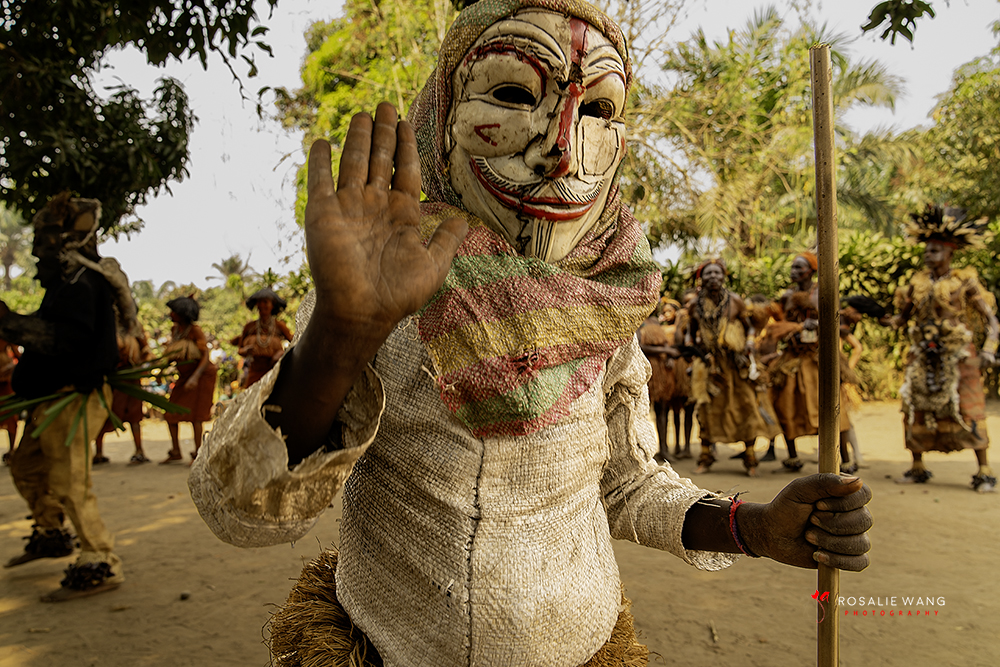
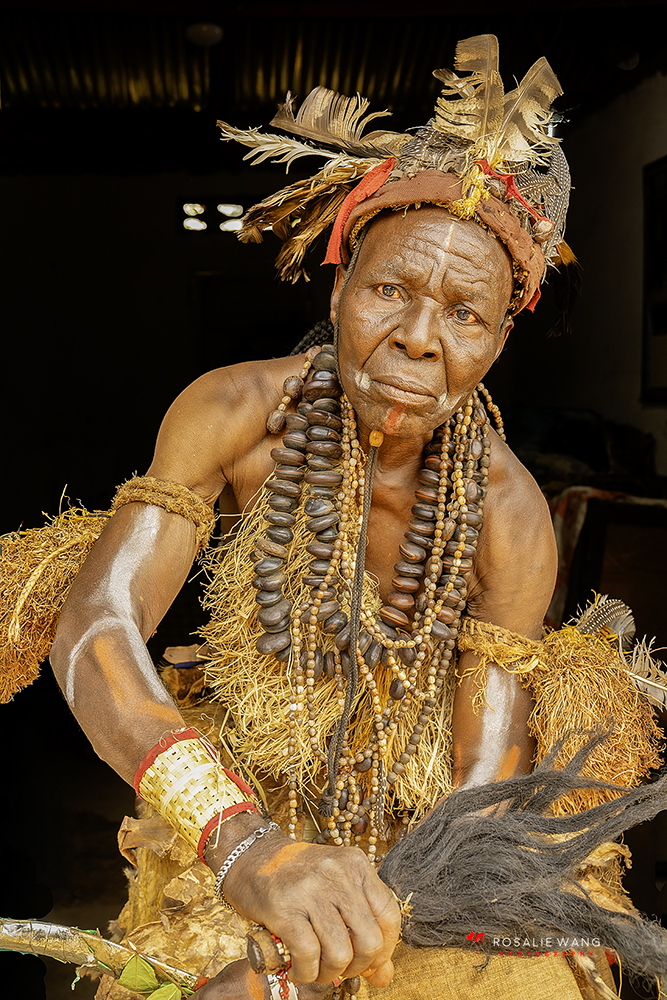
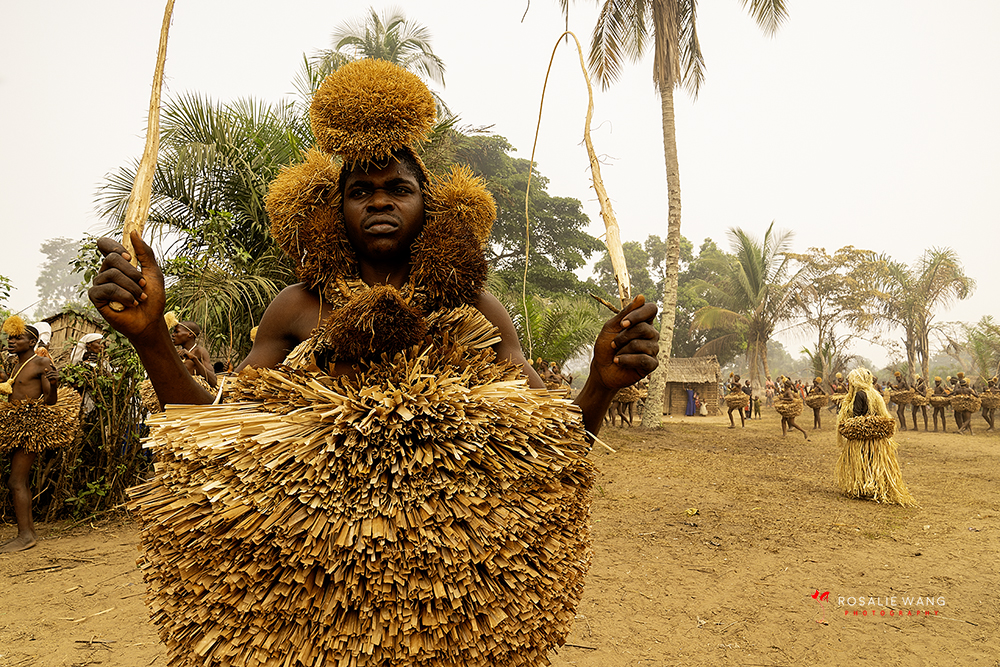
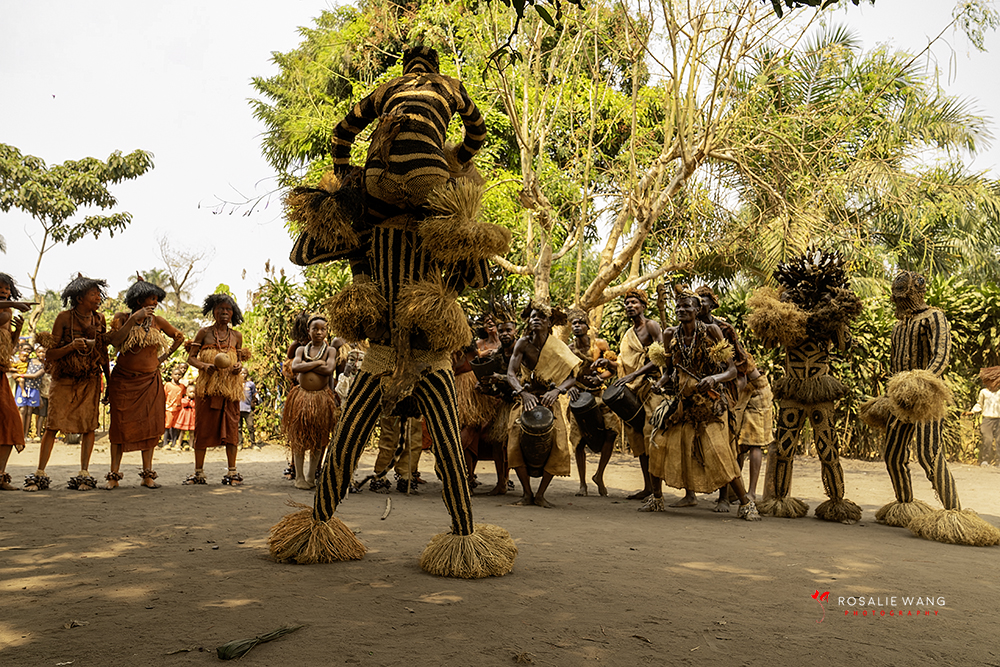
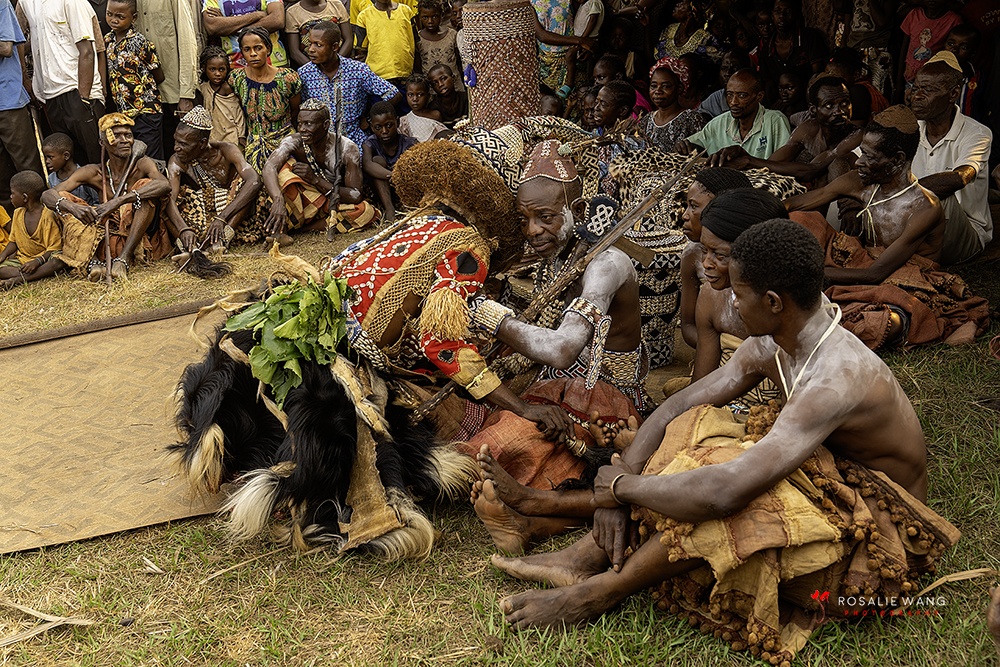
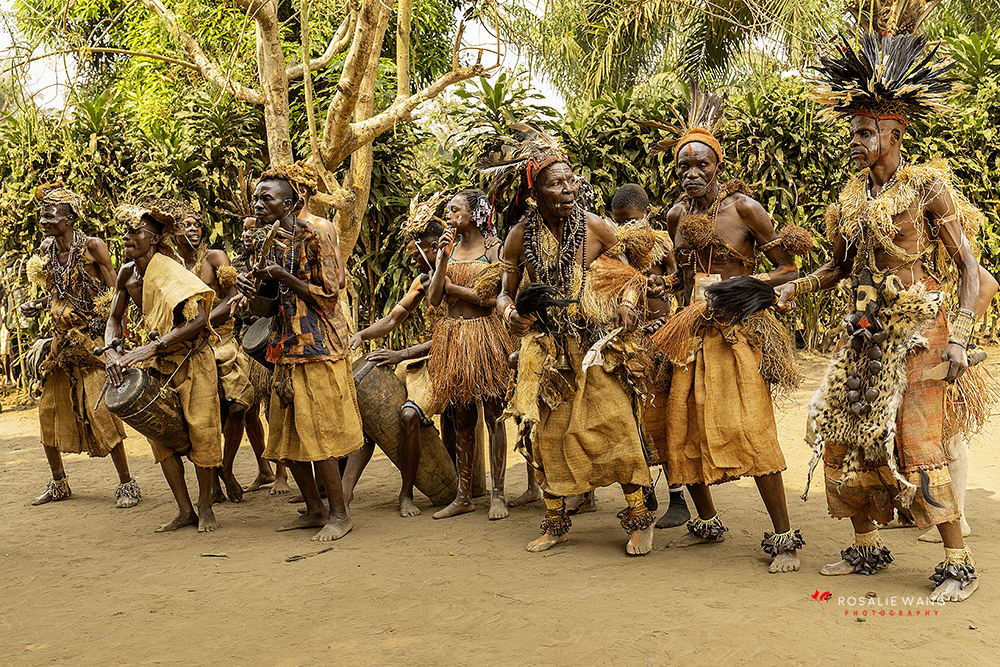
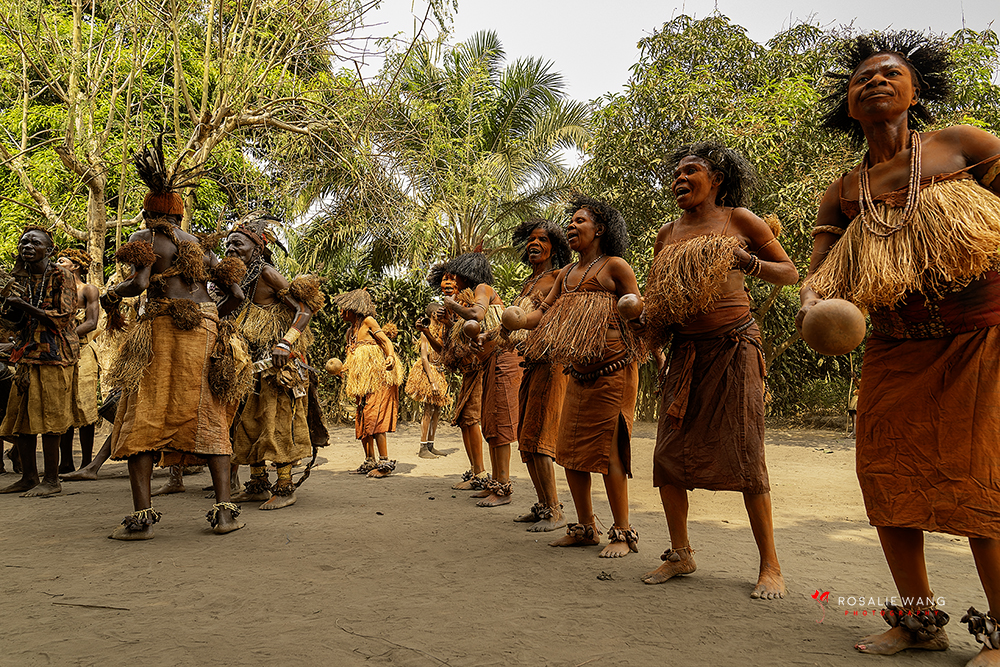
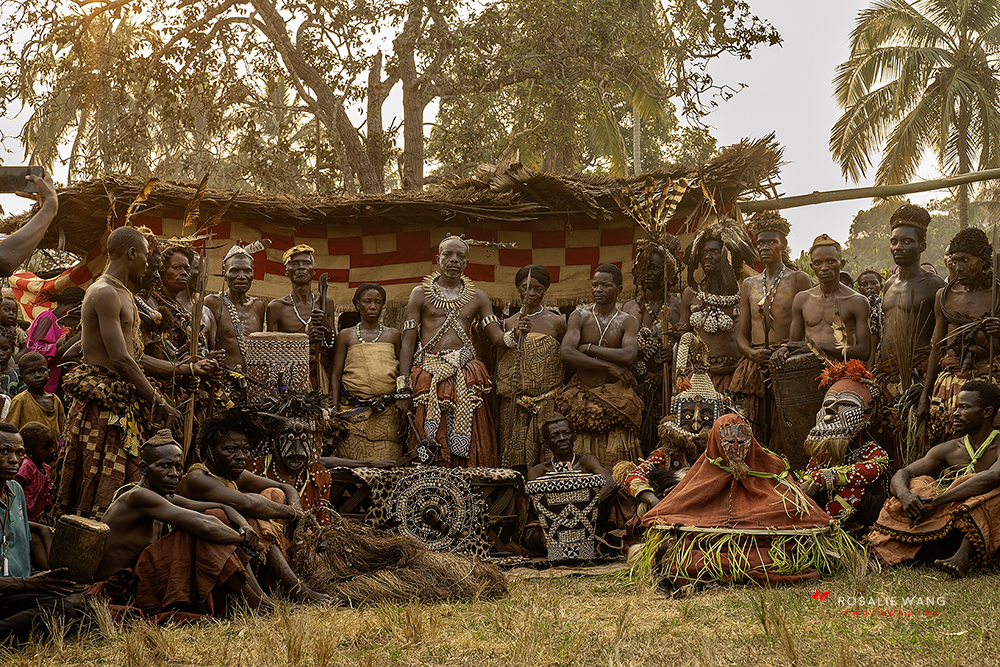
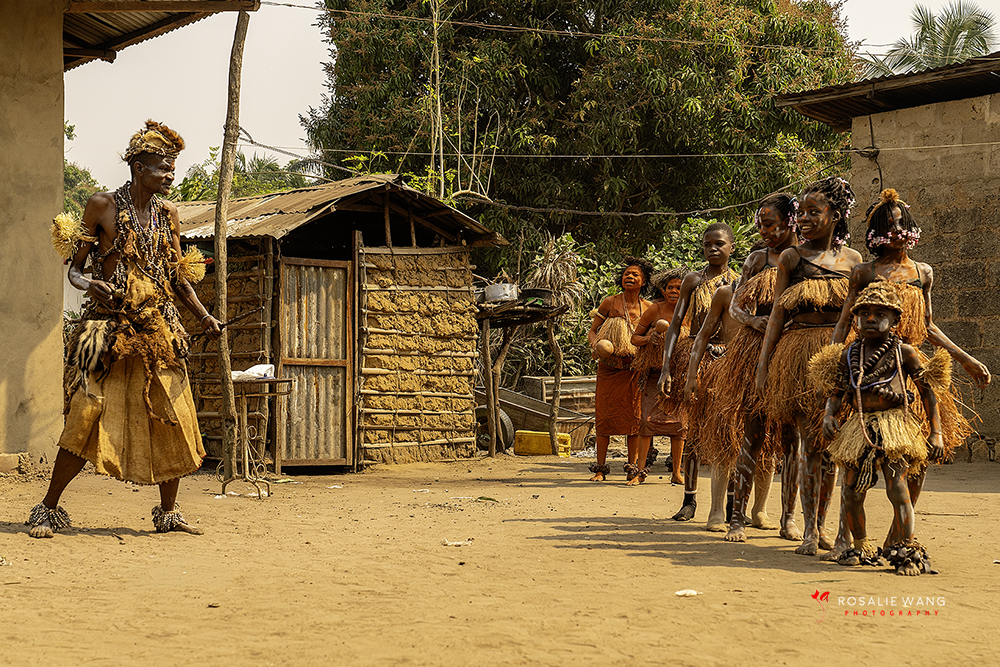
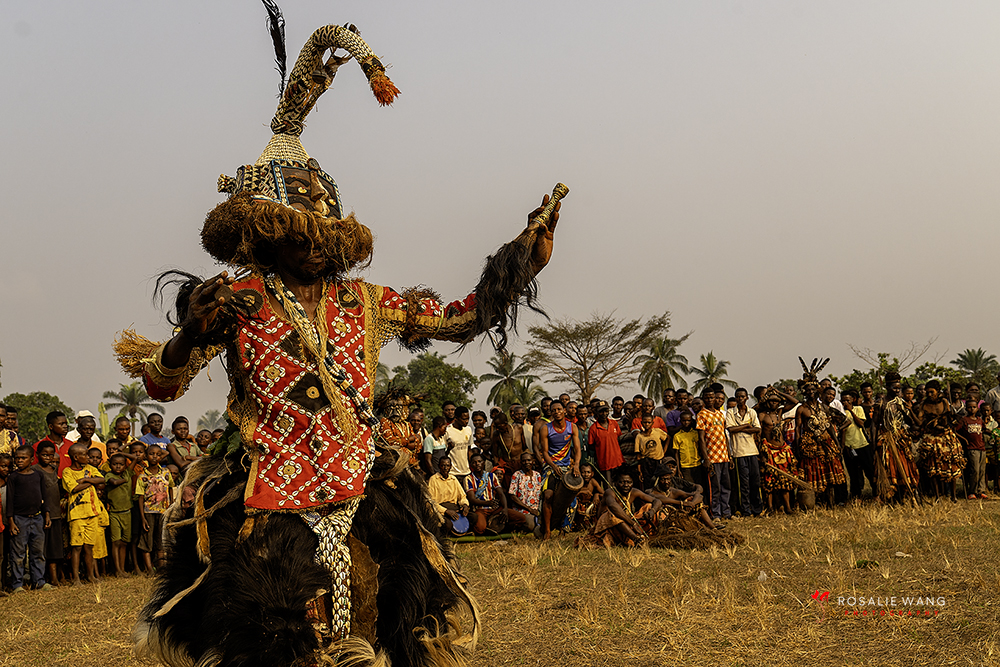
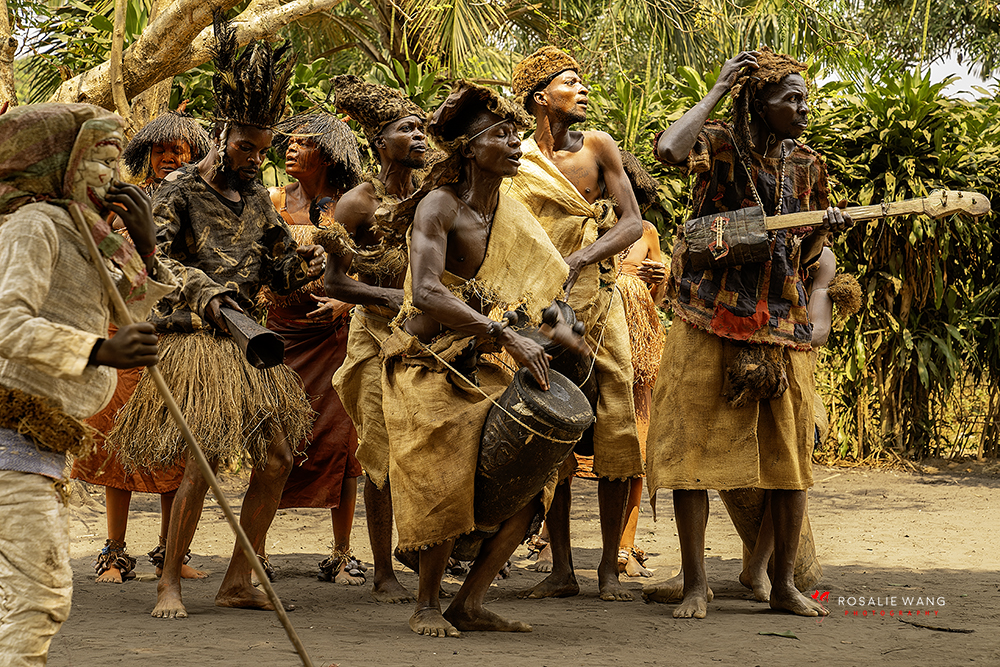
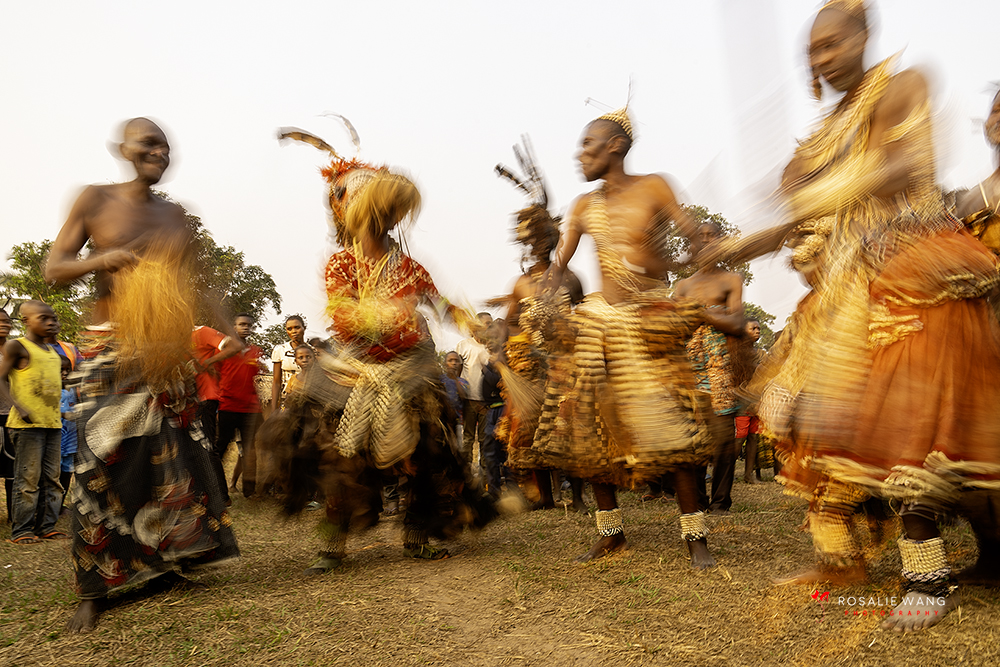
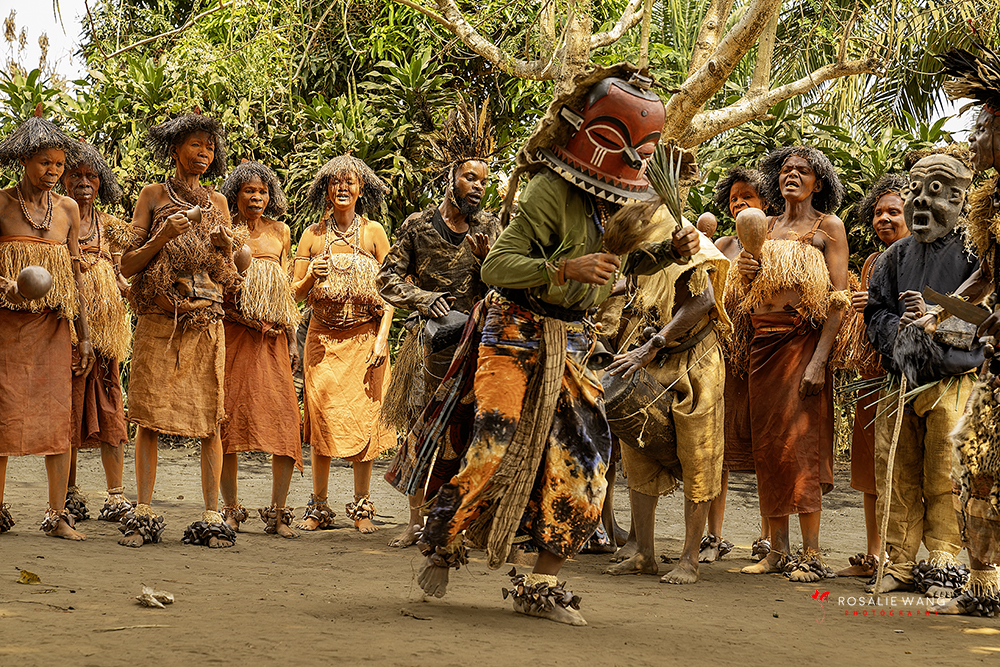
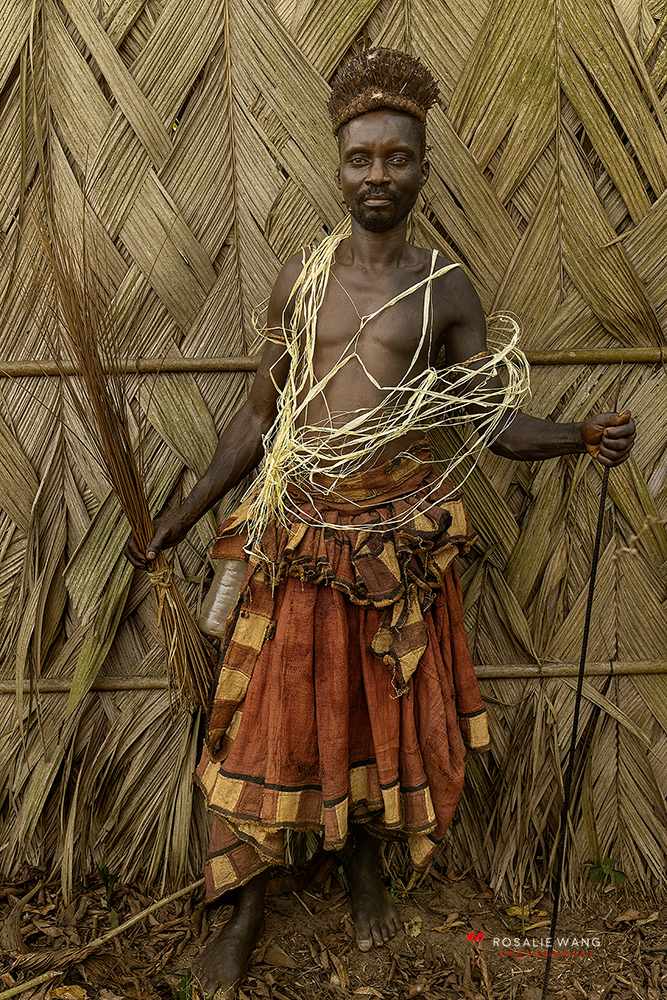
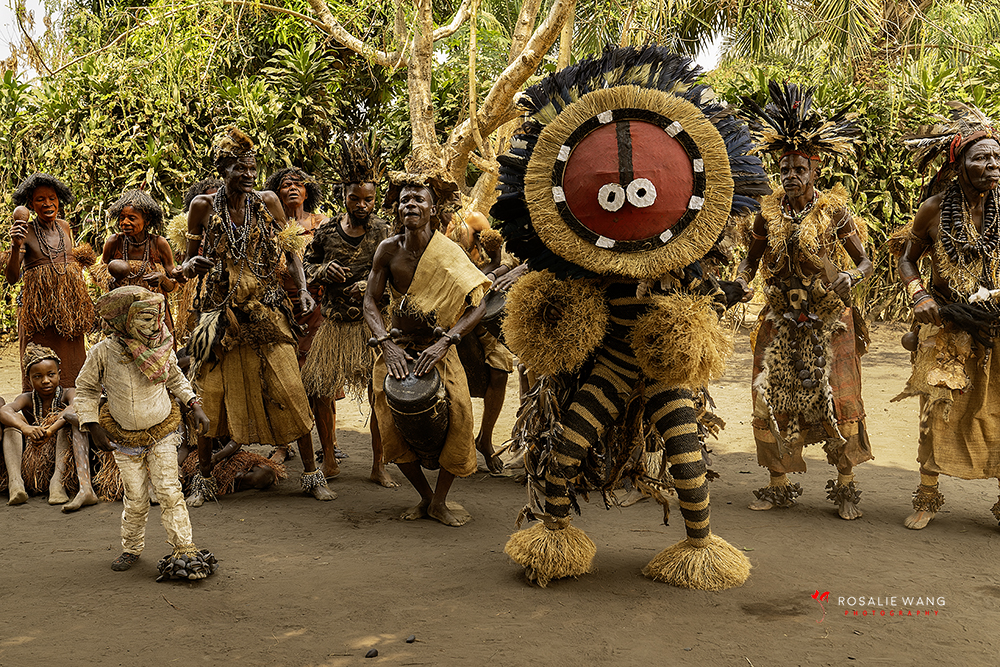
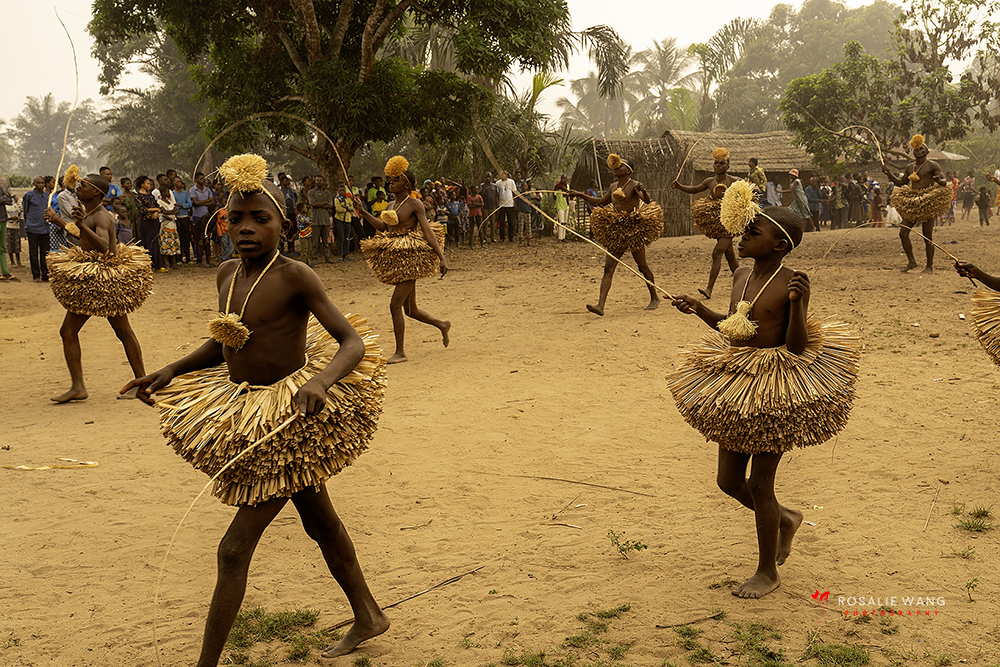
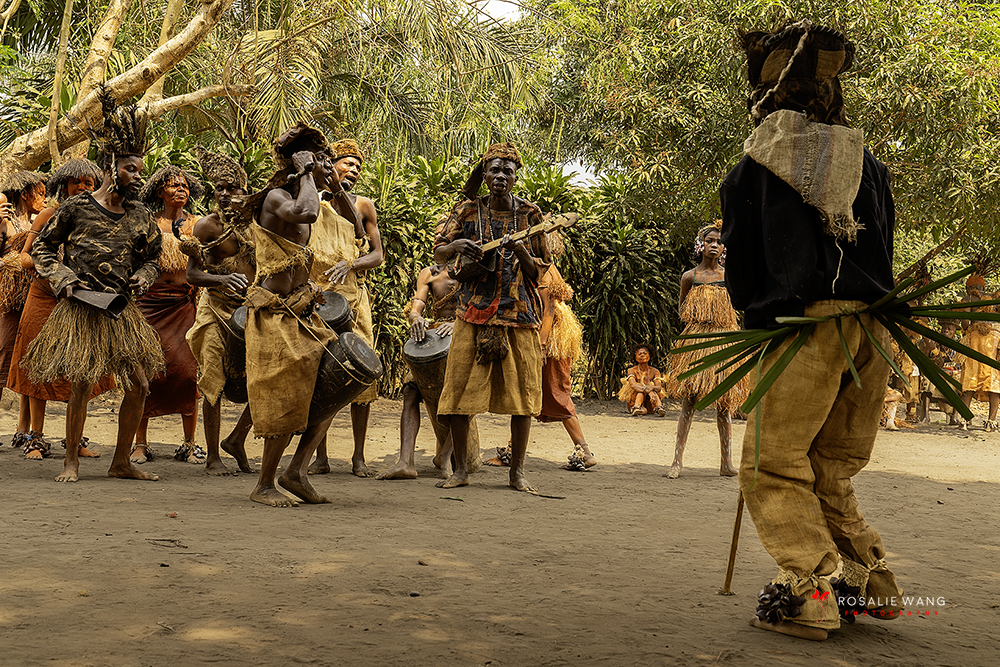
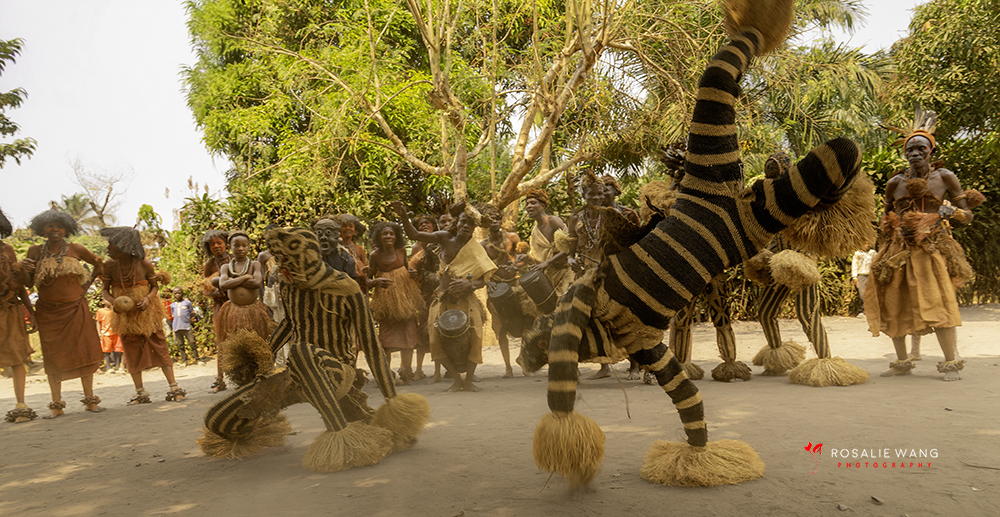
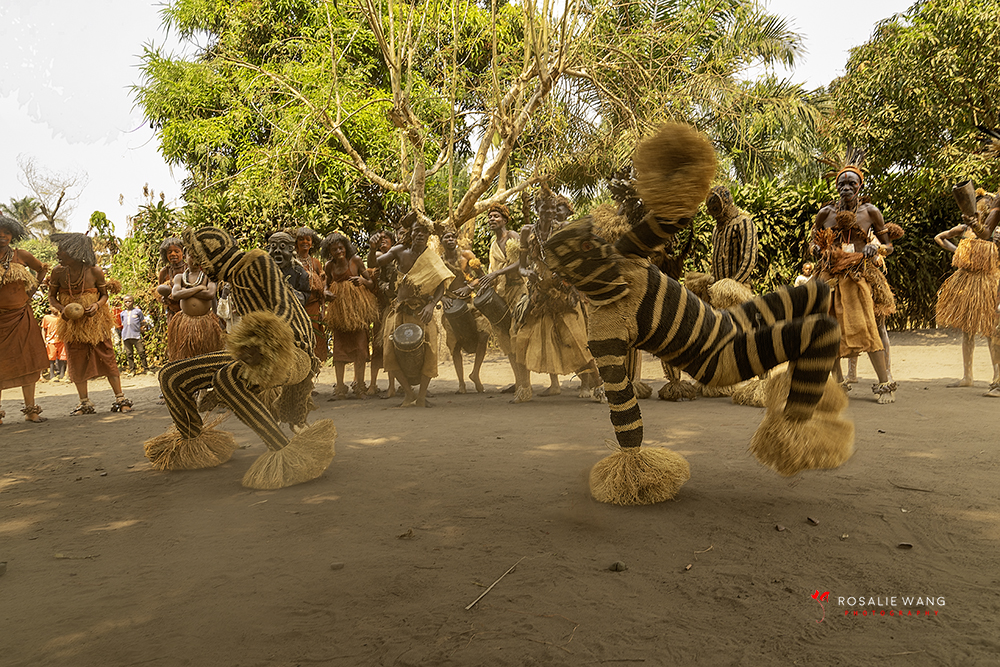
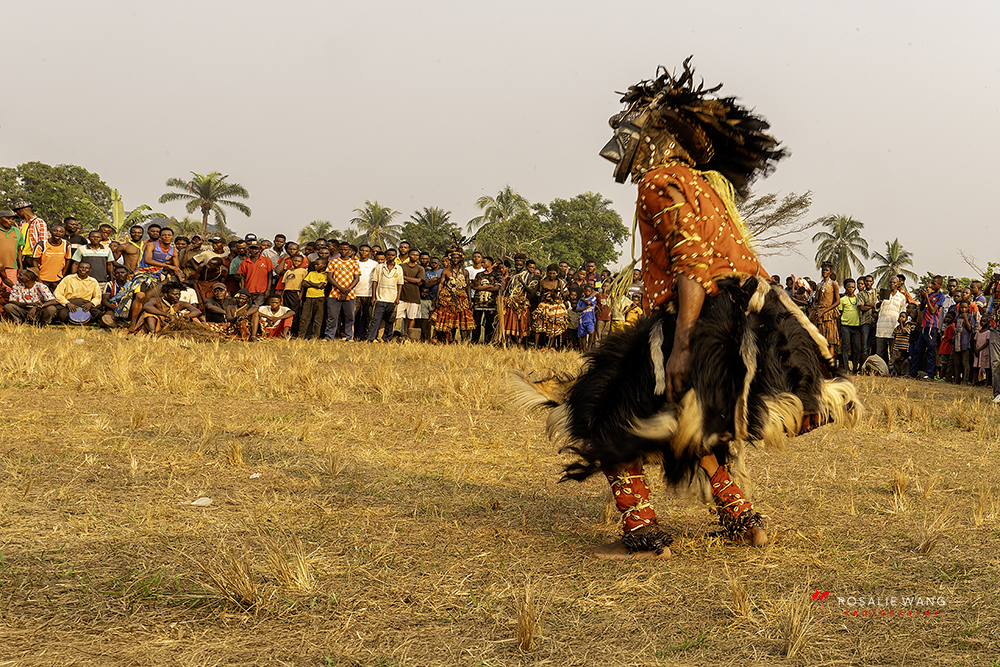
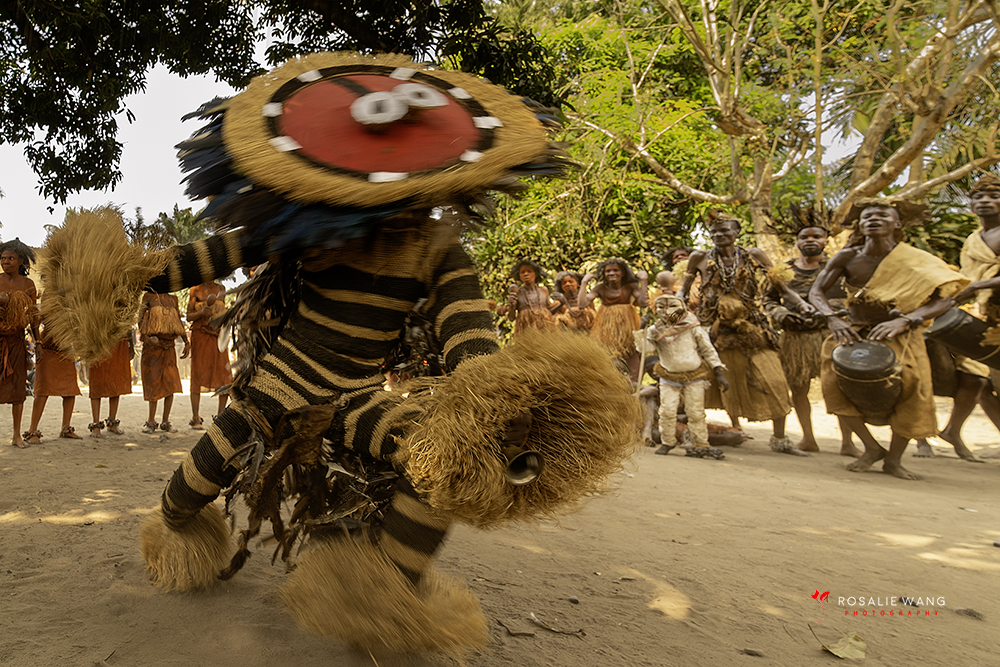
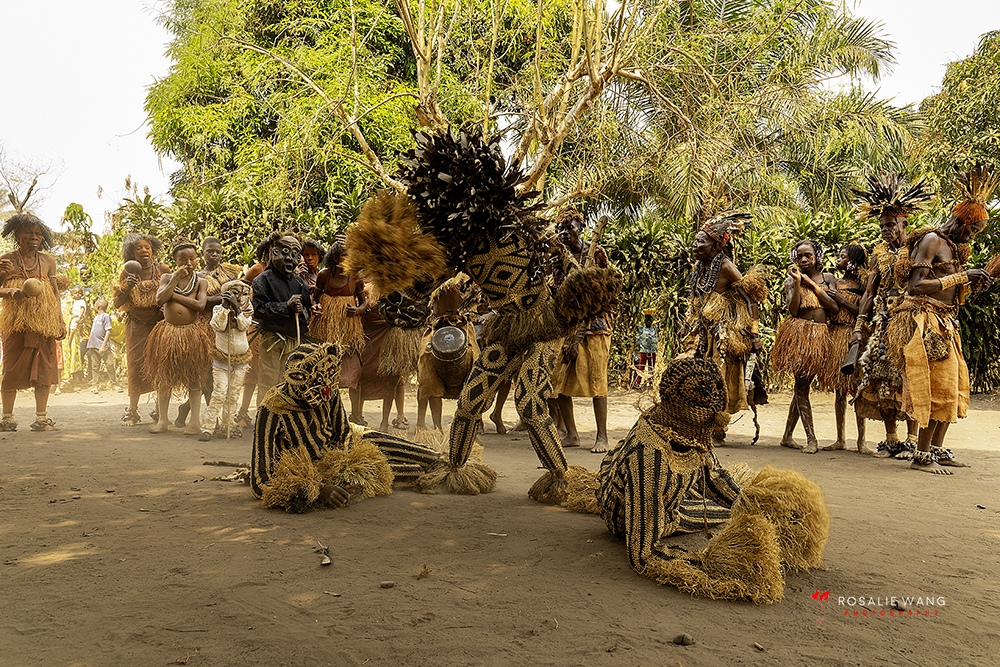
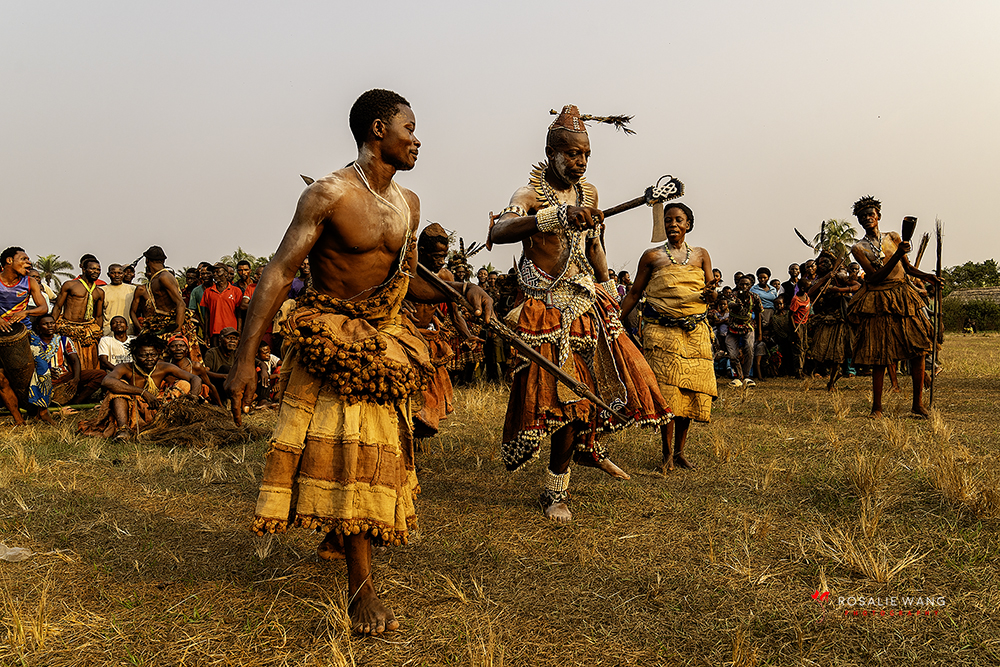
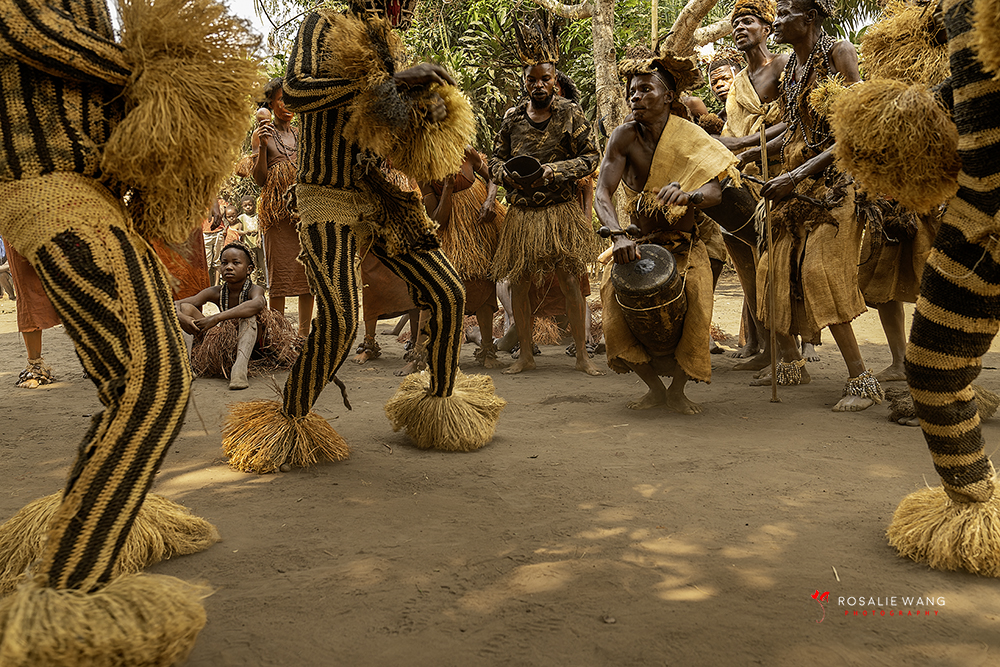
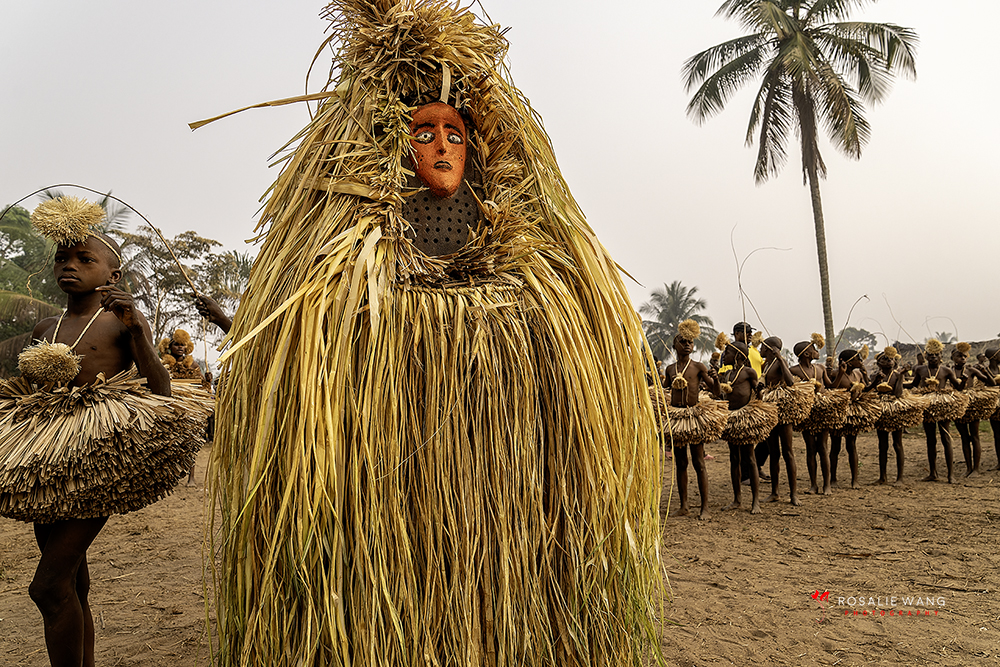
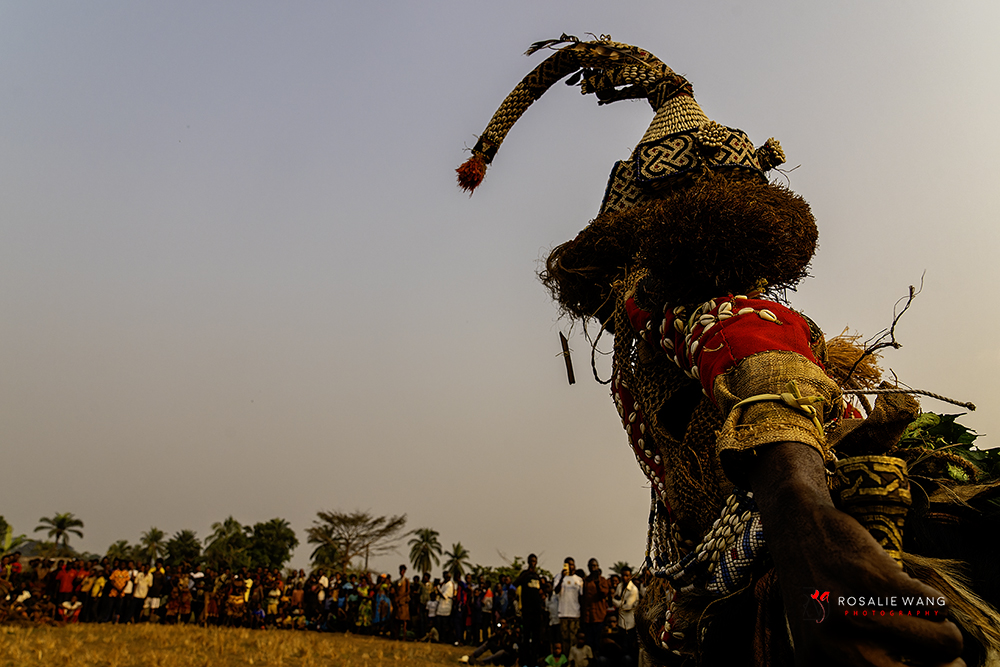
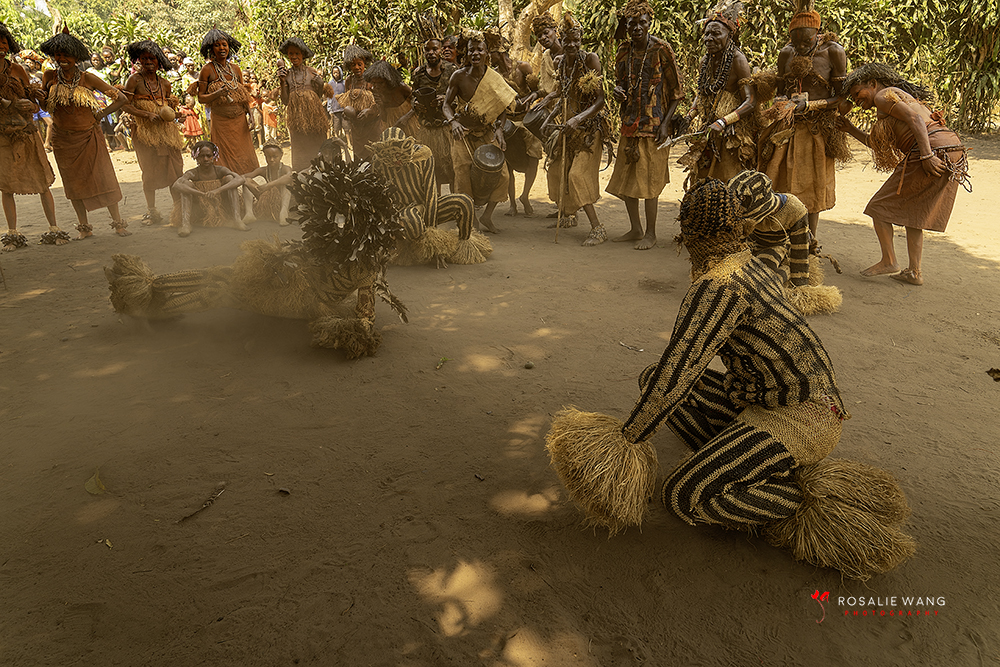
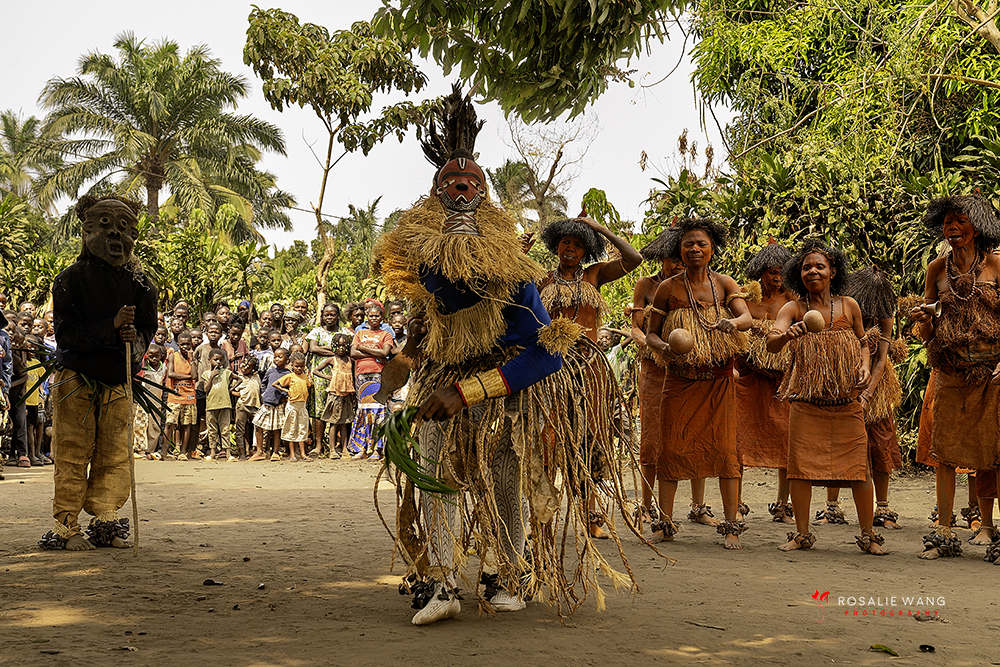
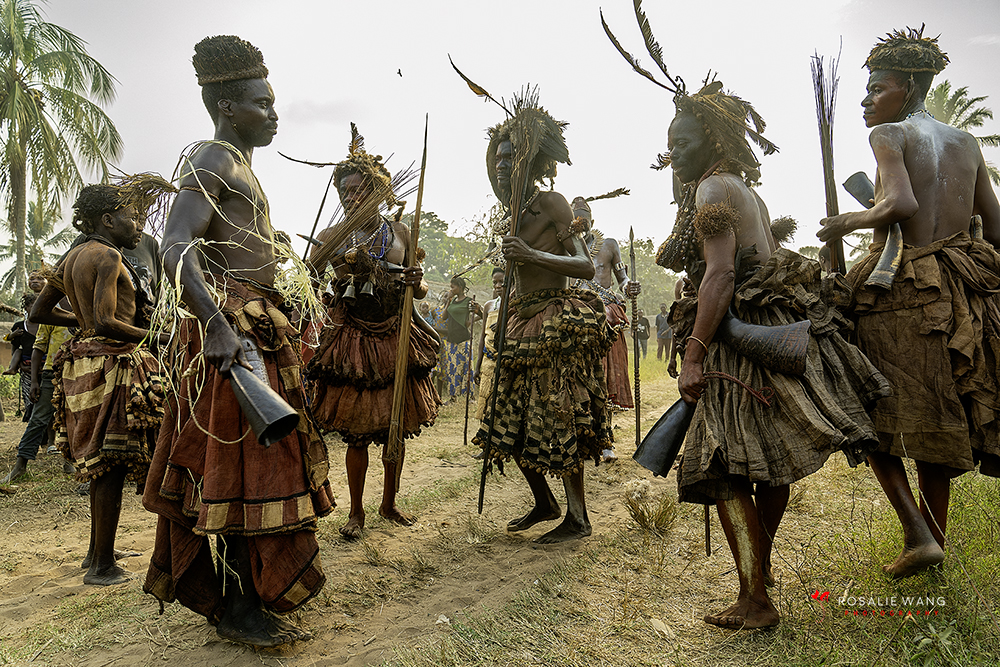
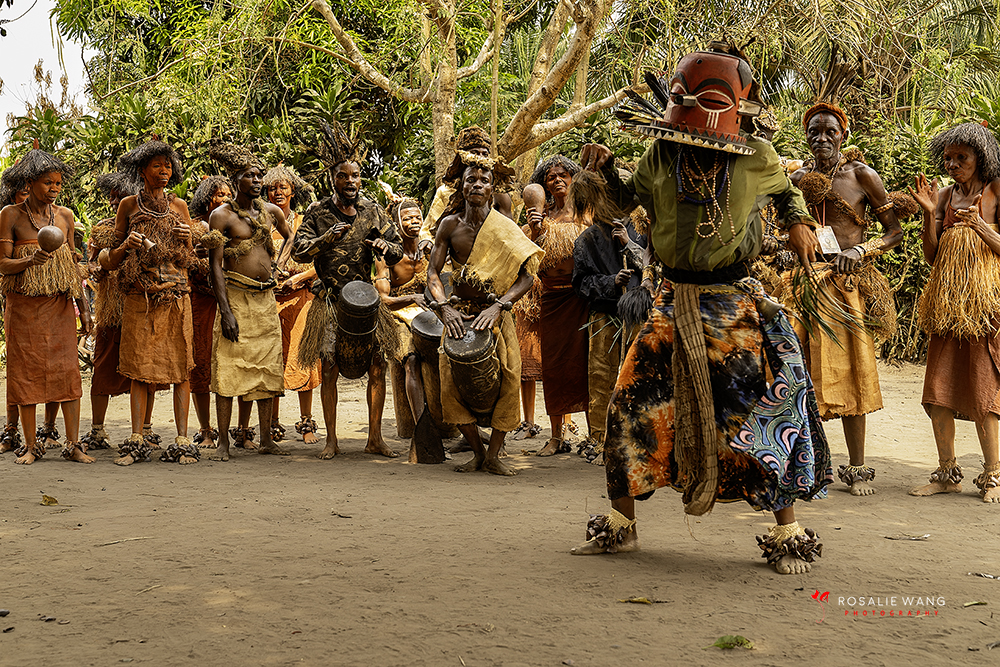
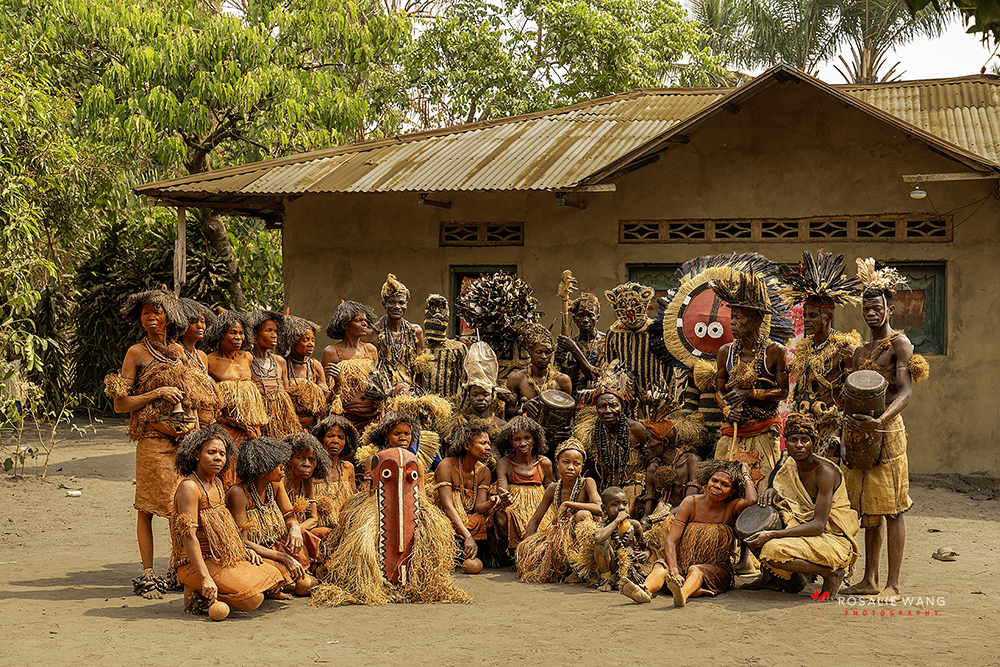
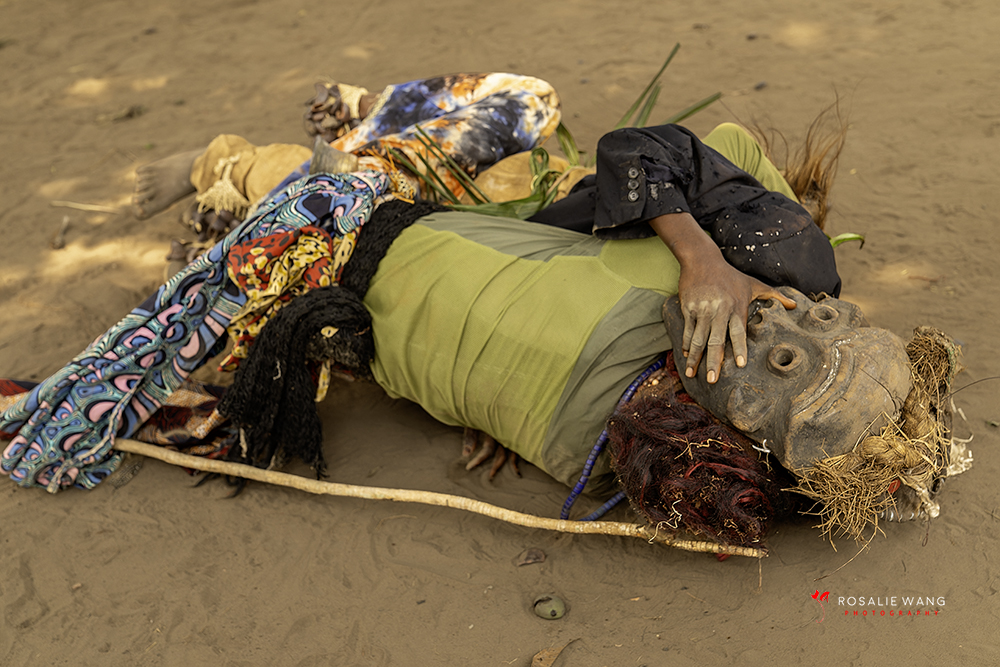
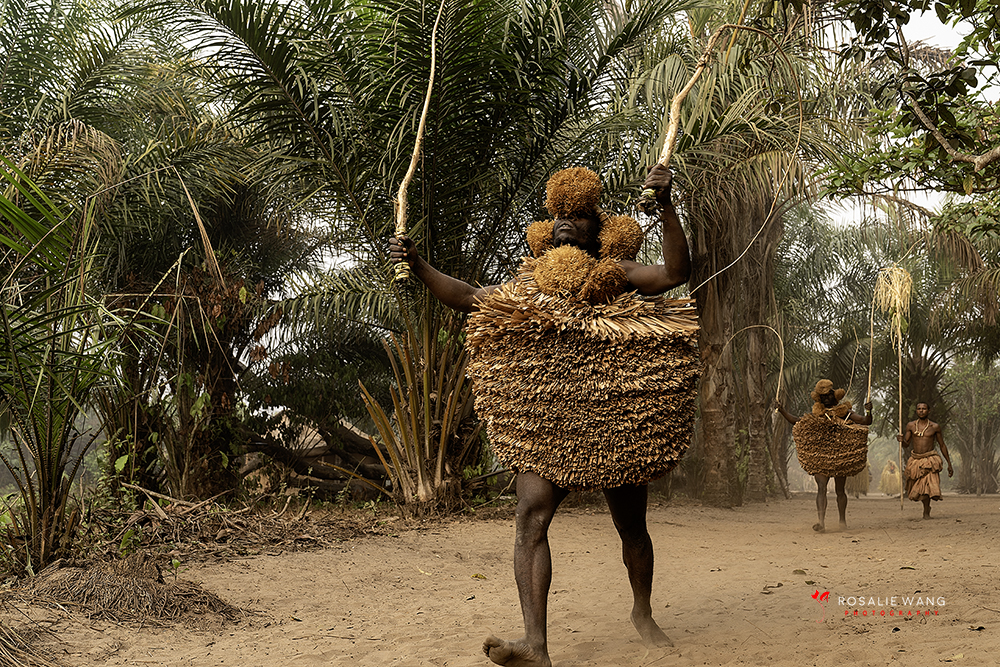
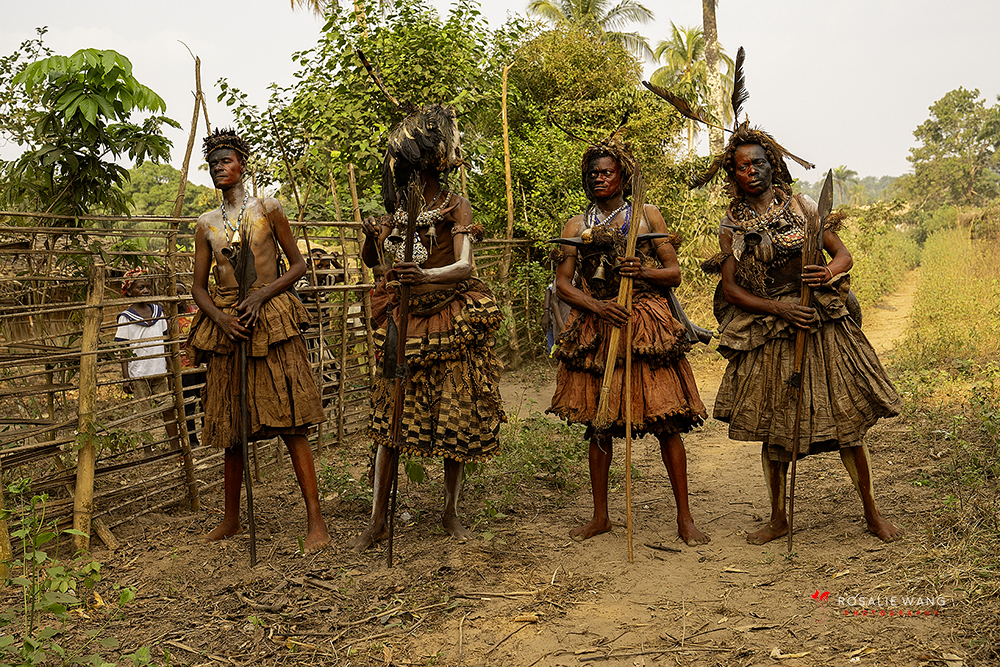
The southwestern and south‑central regions of DR Congo—Kwilu, Kwango, Kasai—are home to dense networks of Bantu-speaking communities whose ceremonies revolve around initiation, ancestral veneration, social regulation, and royal symbolism. Masking is not entertainment: it is a governing system, a moral education system, and a cosmological language.
🎭 Pende (Kwilu / Kasai)
Identity: A matrilineal Bantu people (~400,000–1,000,000) whose ancestors migrated from Angola centuries ago.
Ceremonial Focus
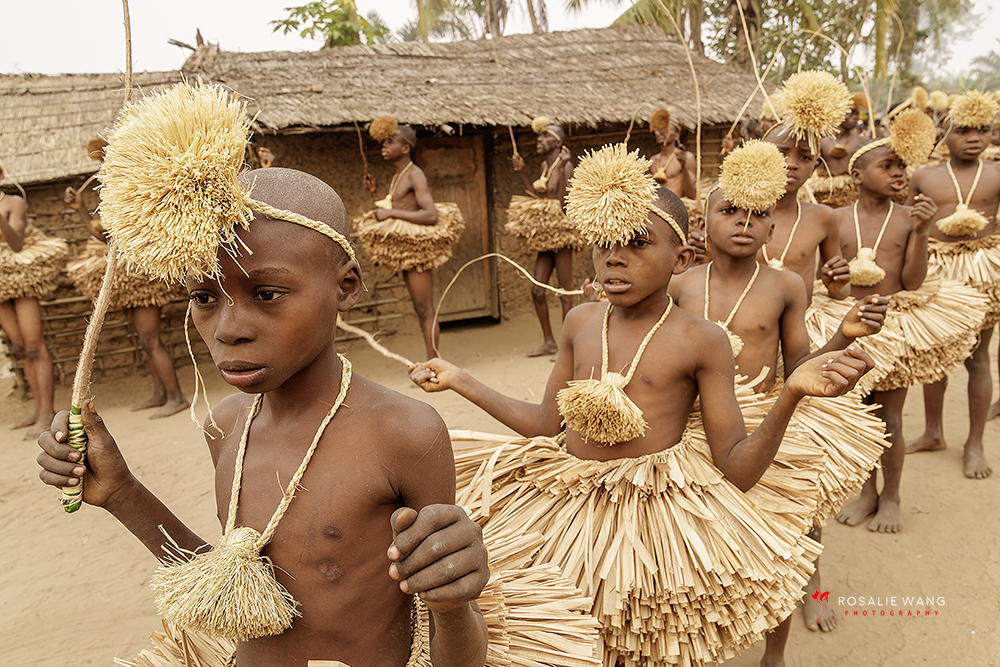
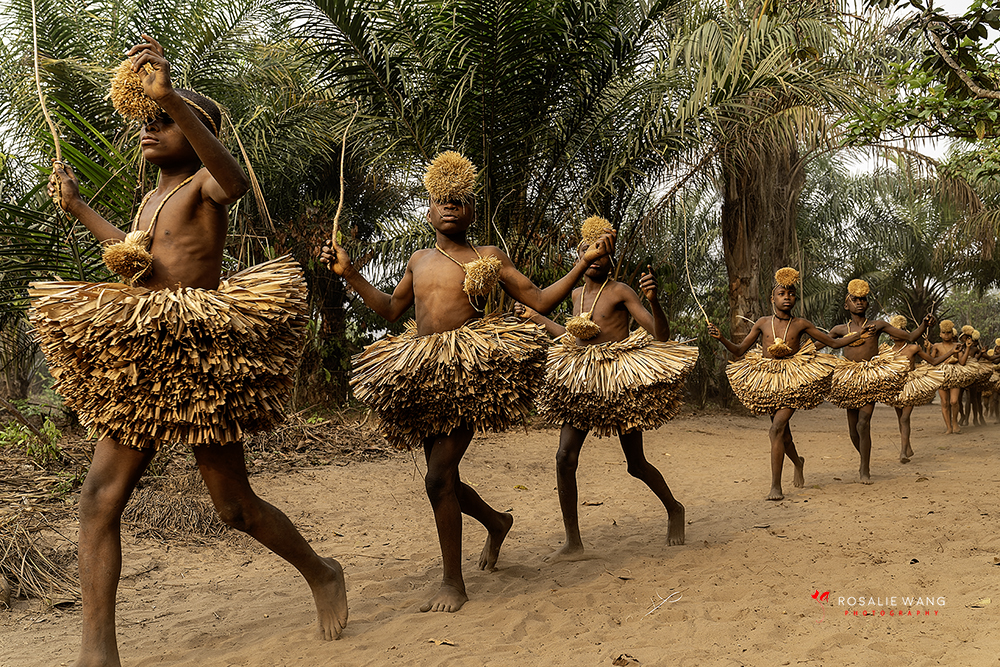
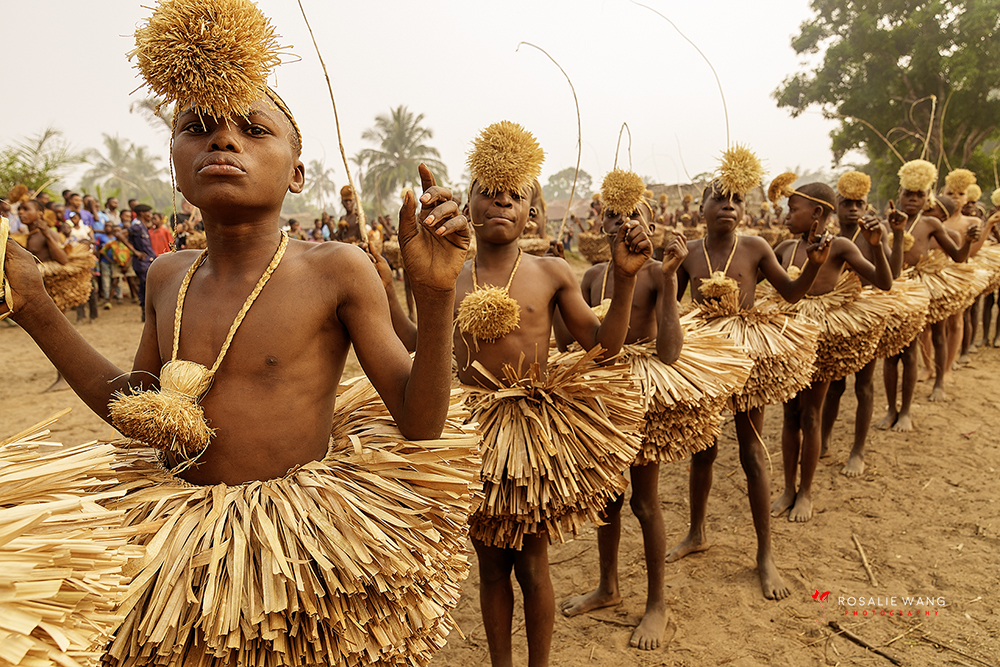
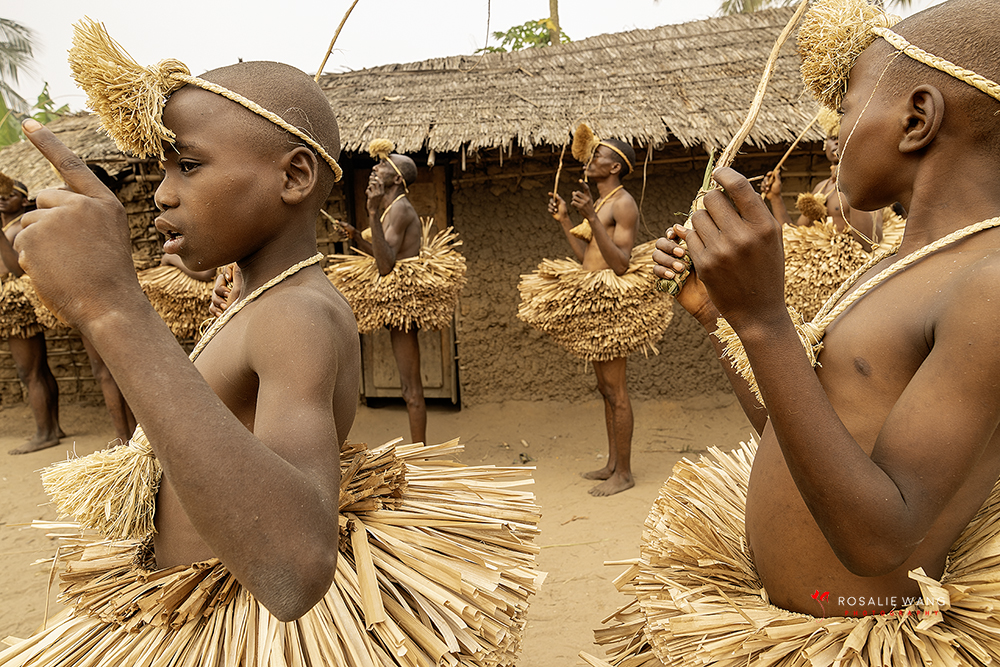
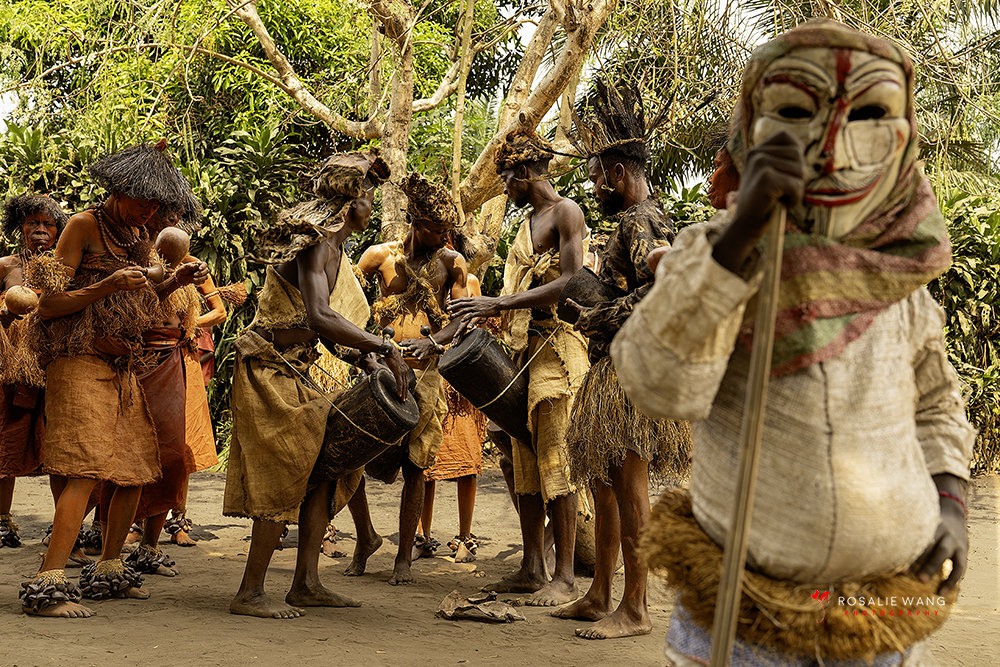
- Mukanda initiation for adolescent boys (circumcision, moral instruction, social transition). Masks like kipoko appear as embodiments of authority.
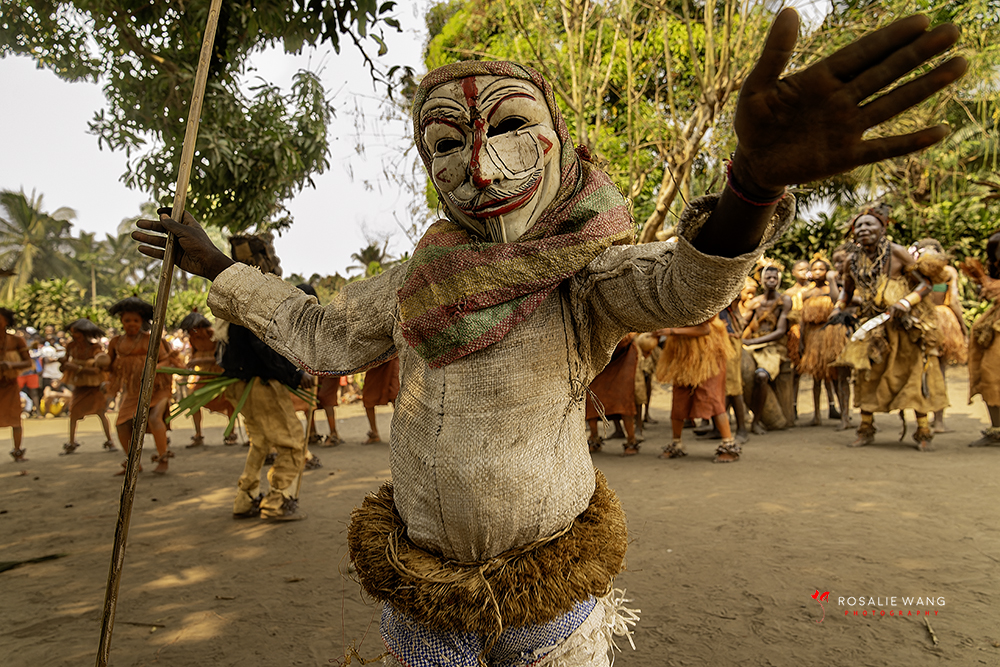
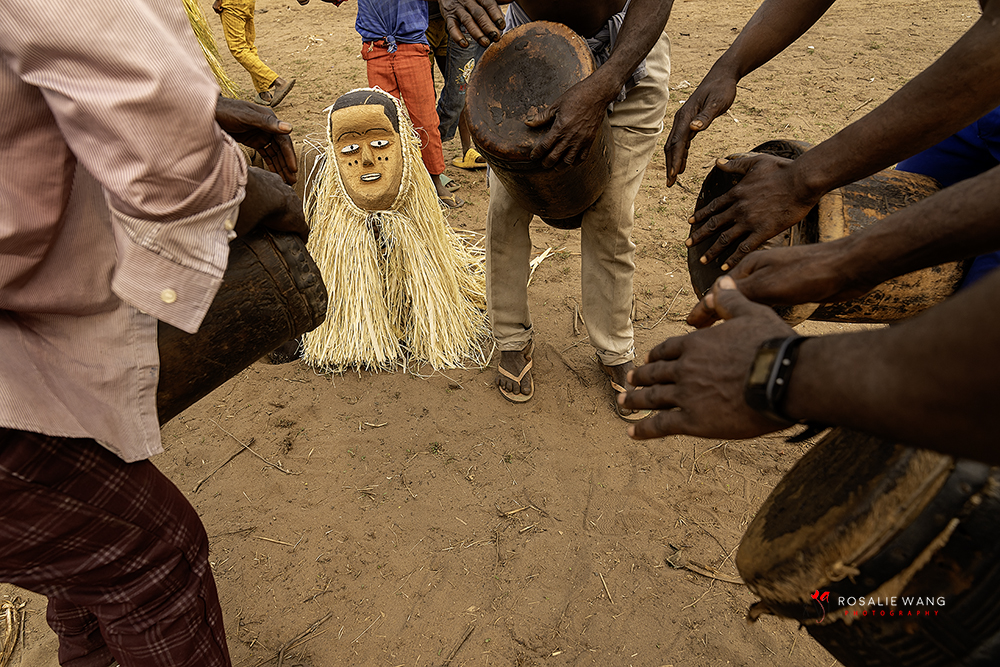
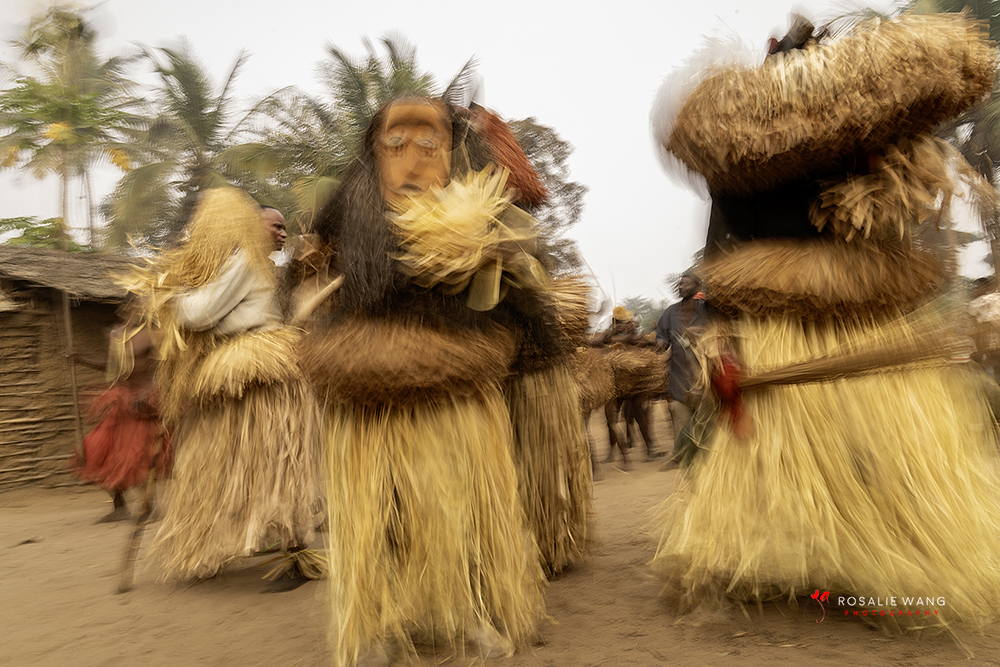
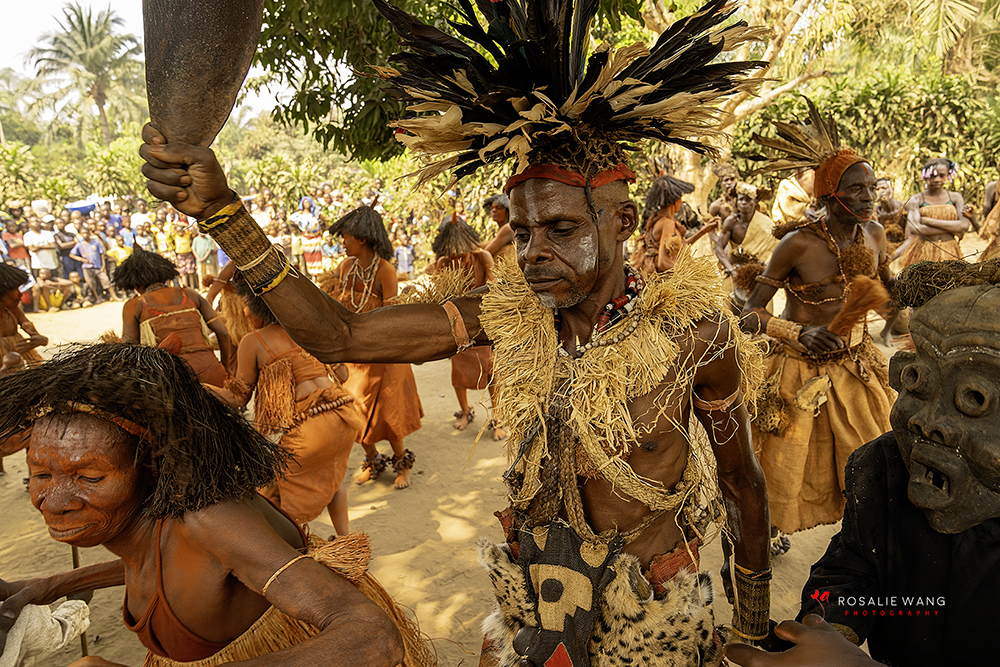
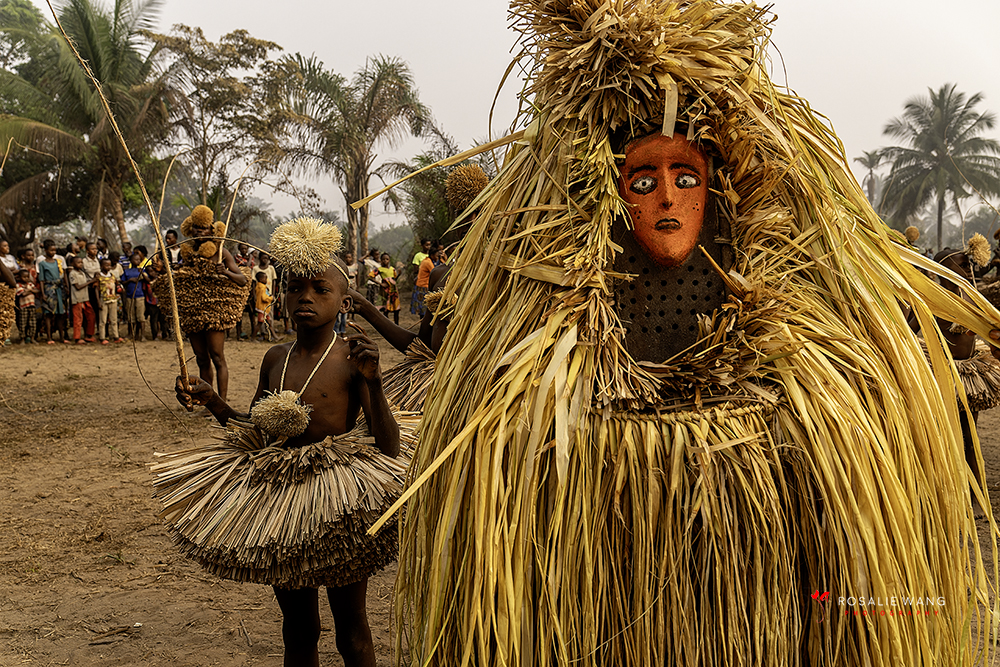
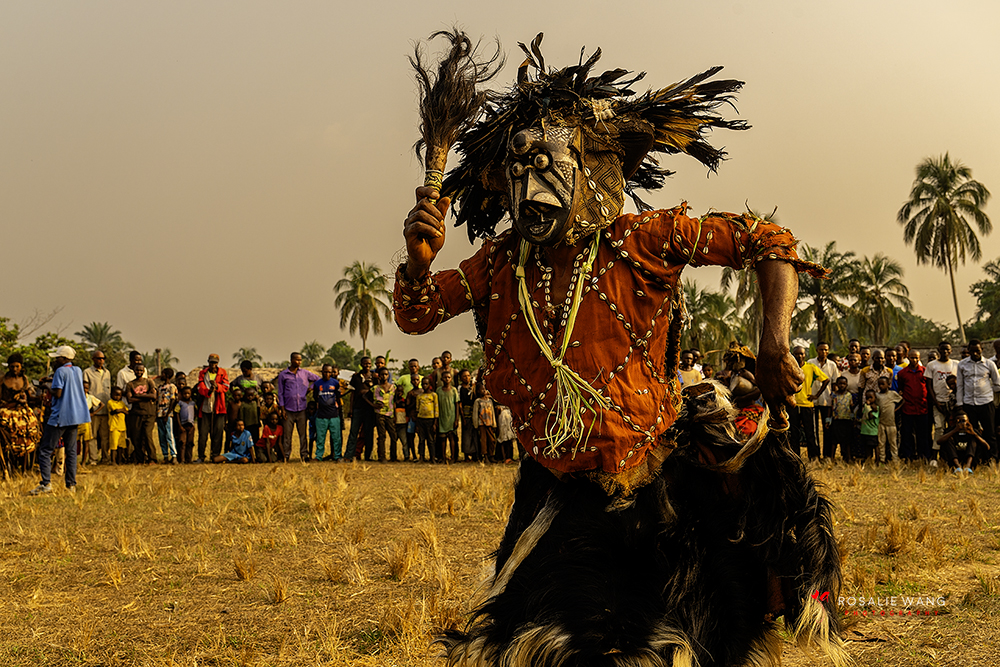
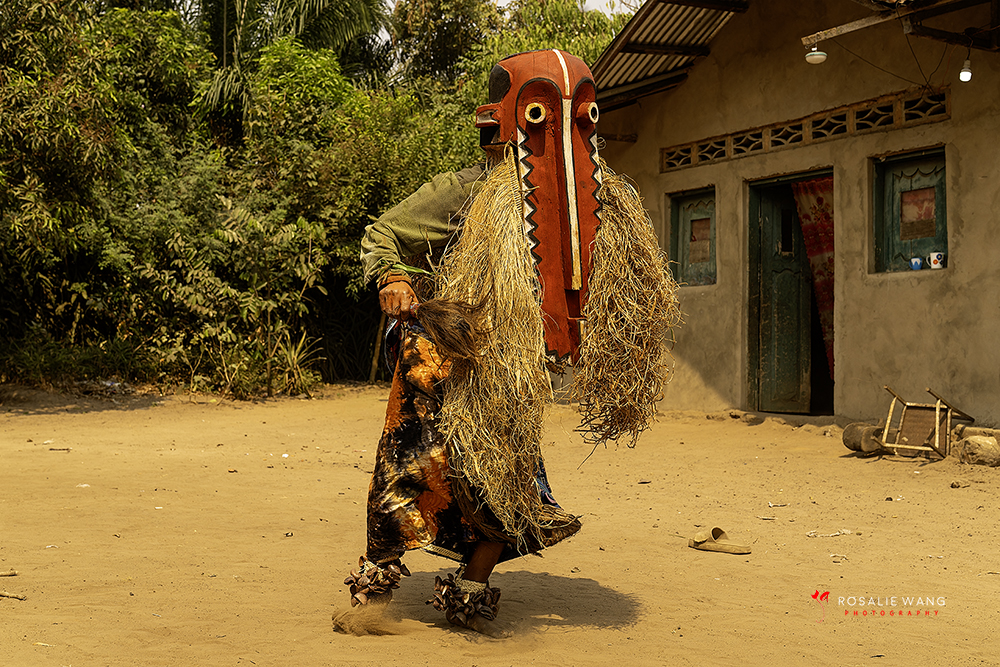
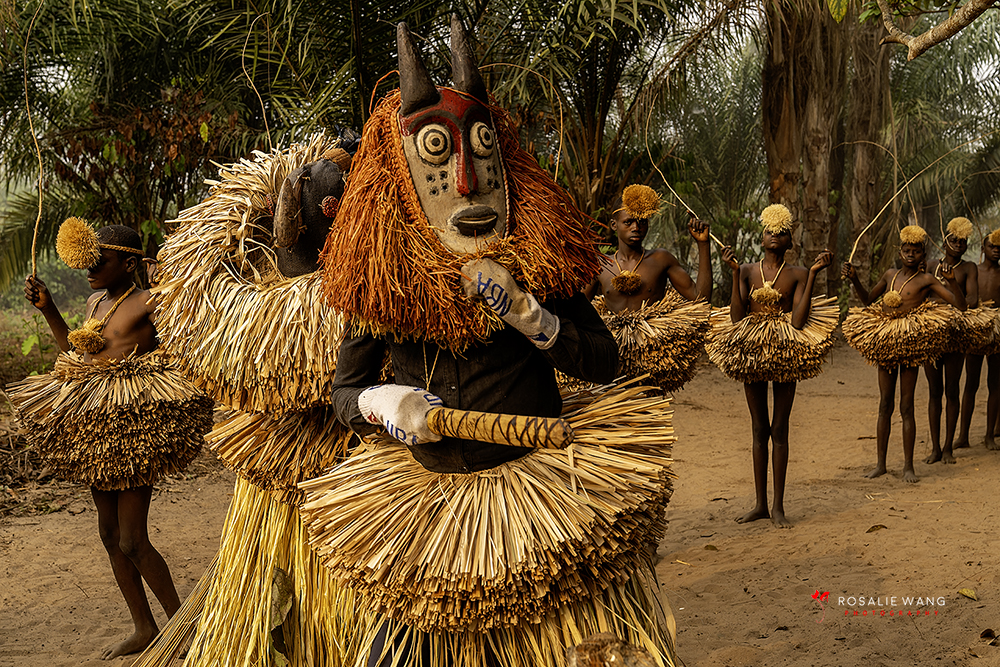
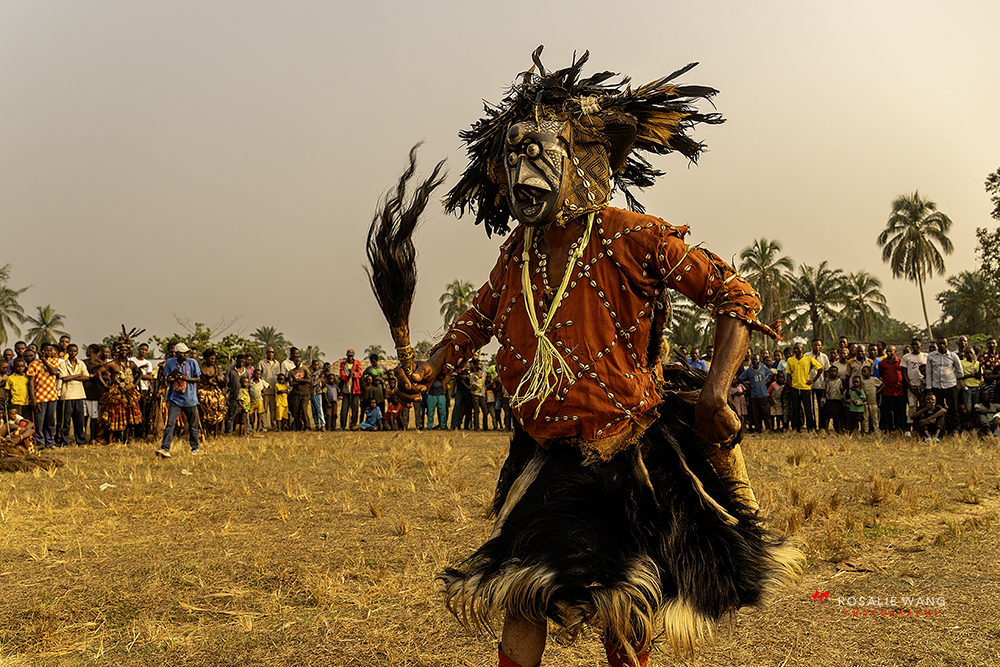
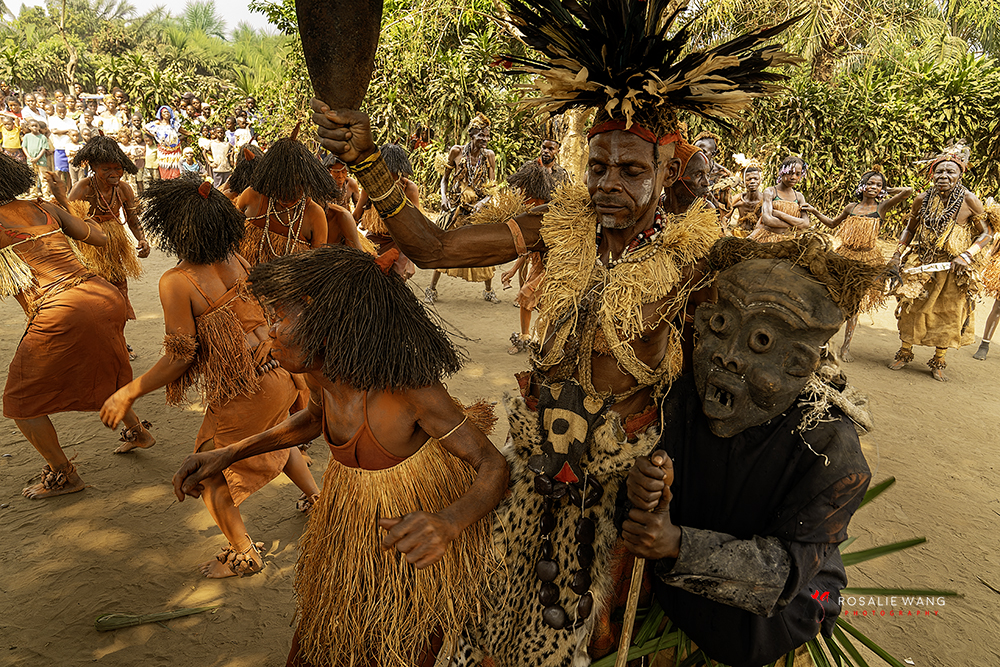
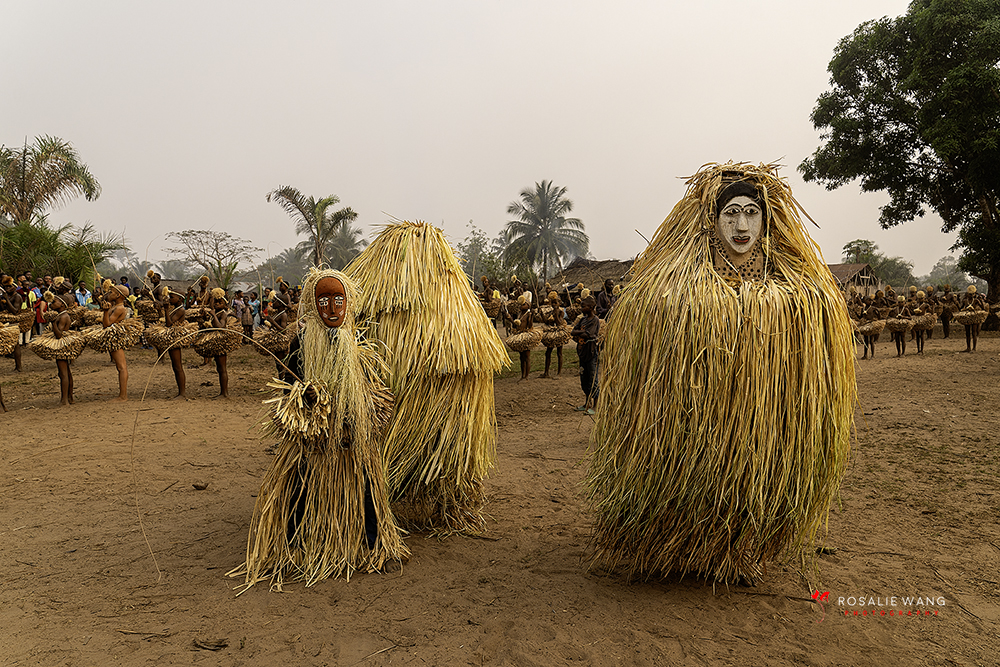
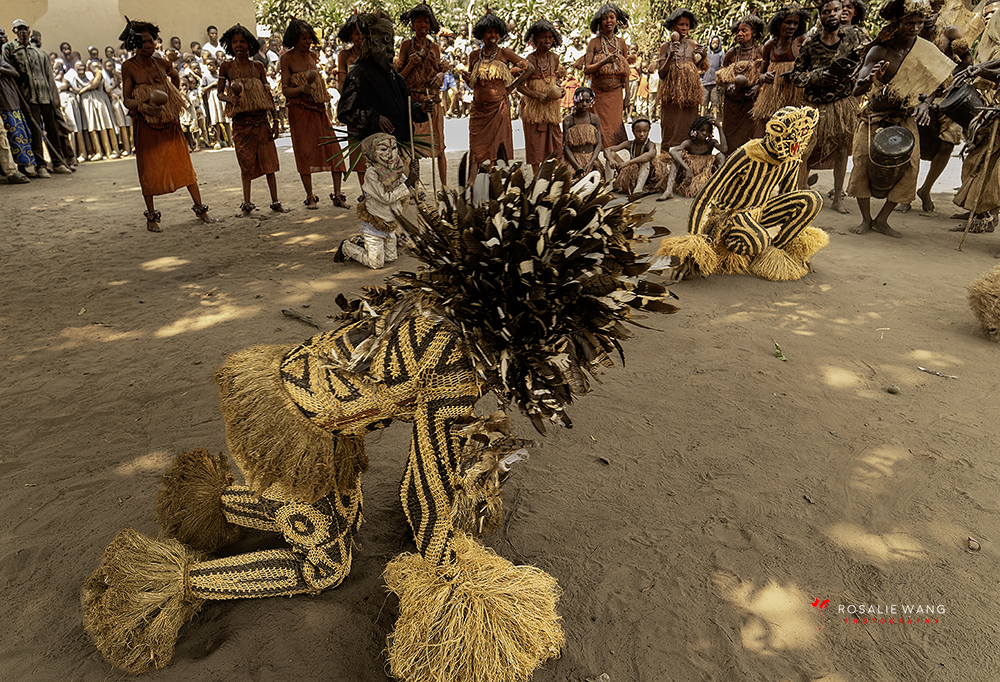
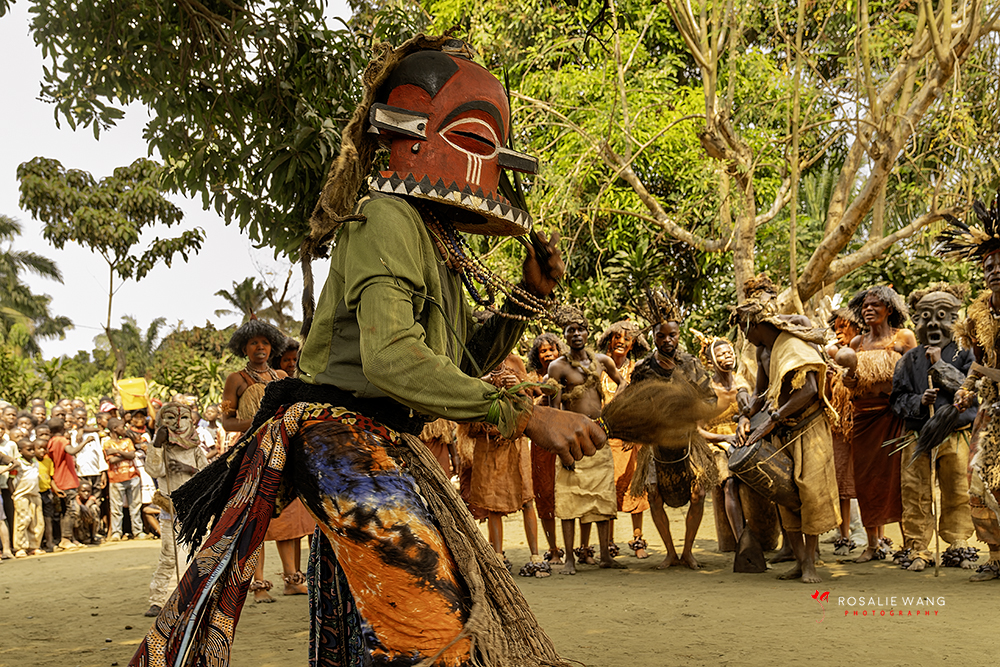
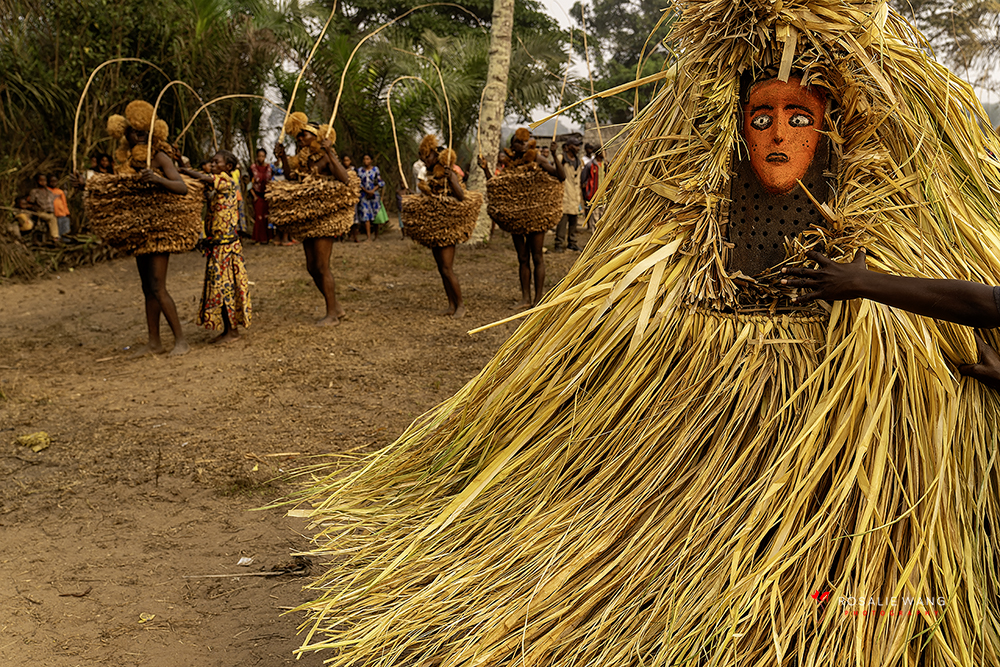
- Mbuya masquerade — a full theatrical system where each mask is a character (chief, beauty, fool, diviner, thief, circumciser). These performances teach ethics through satire, humor, and social commentary.
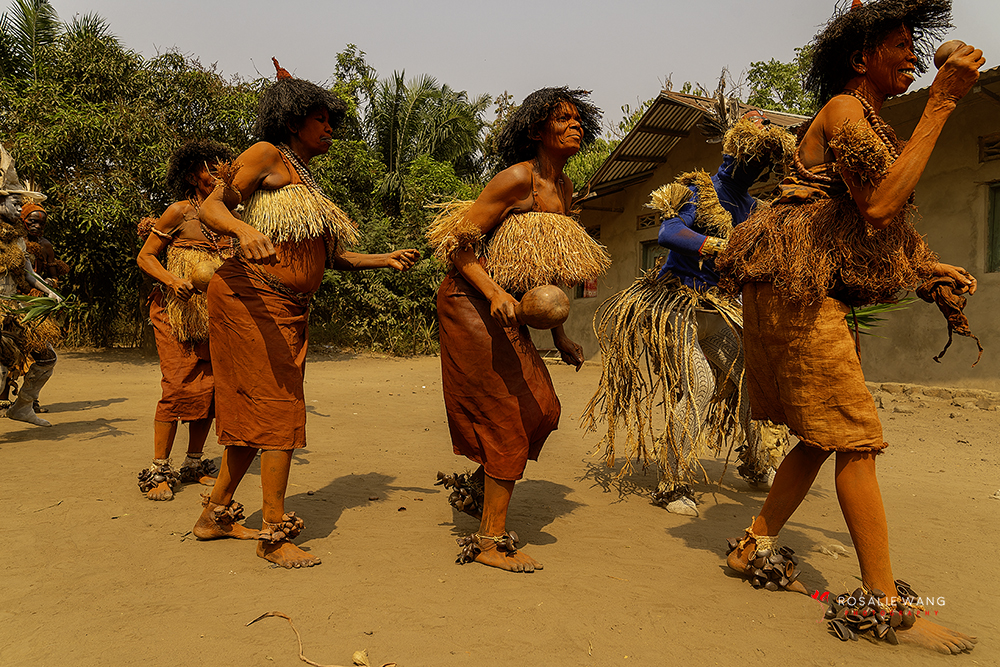
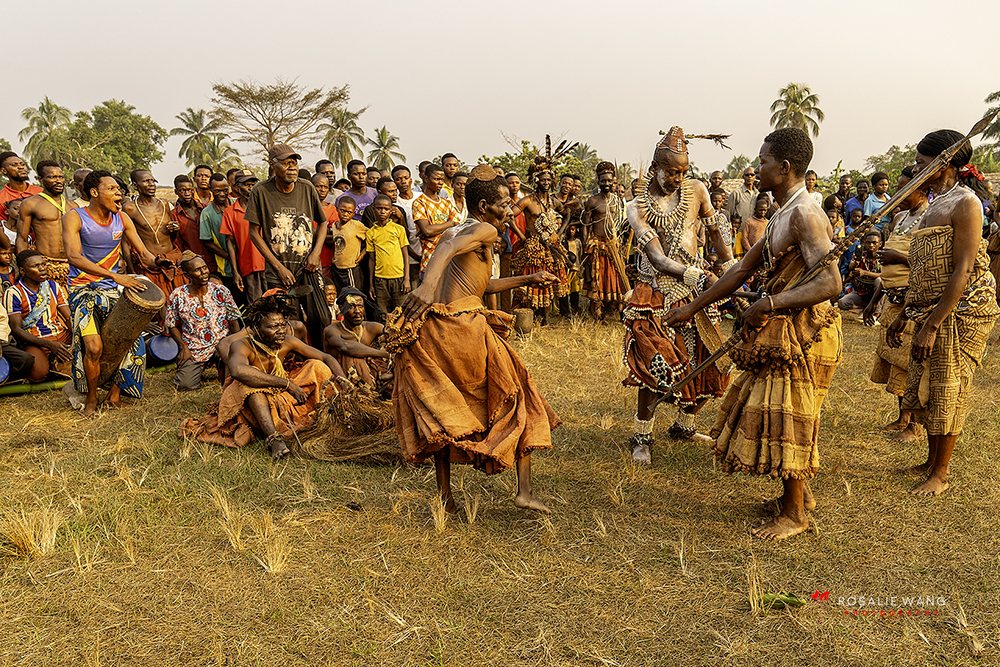
- Funerary and post‑mourning ceremonies, millet dances, and community celebrations.
Aesthetic Signatures
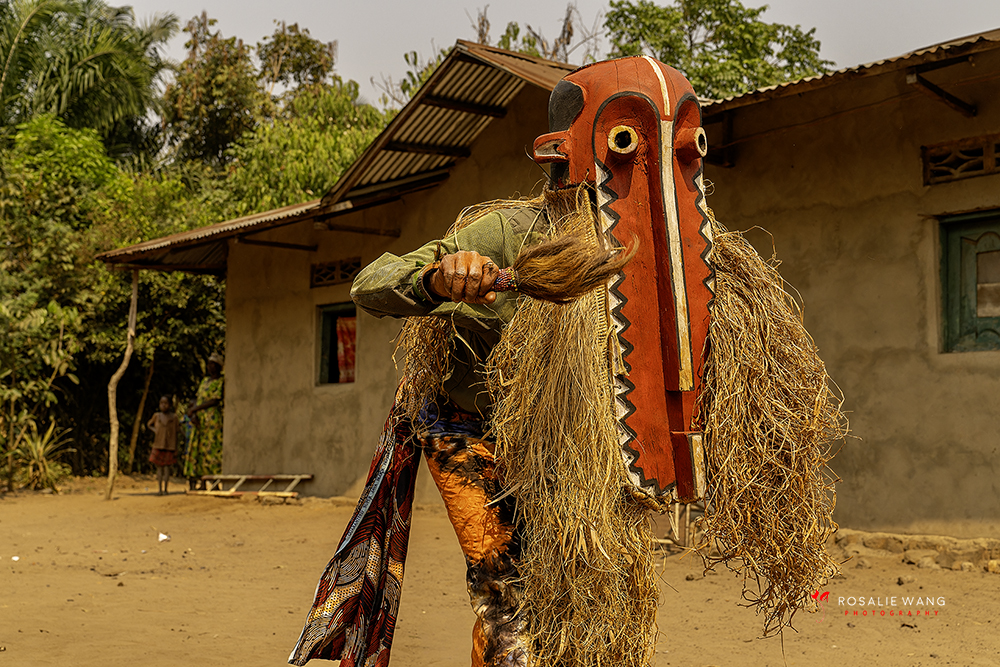
- Triangular or trapezoidal faces
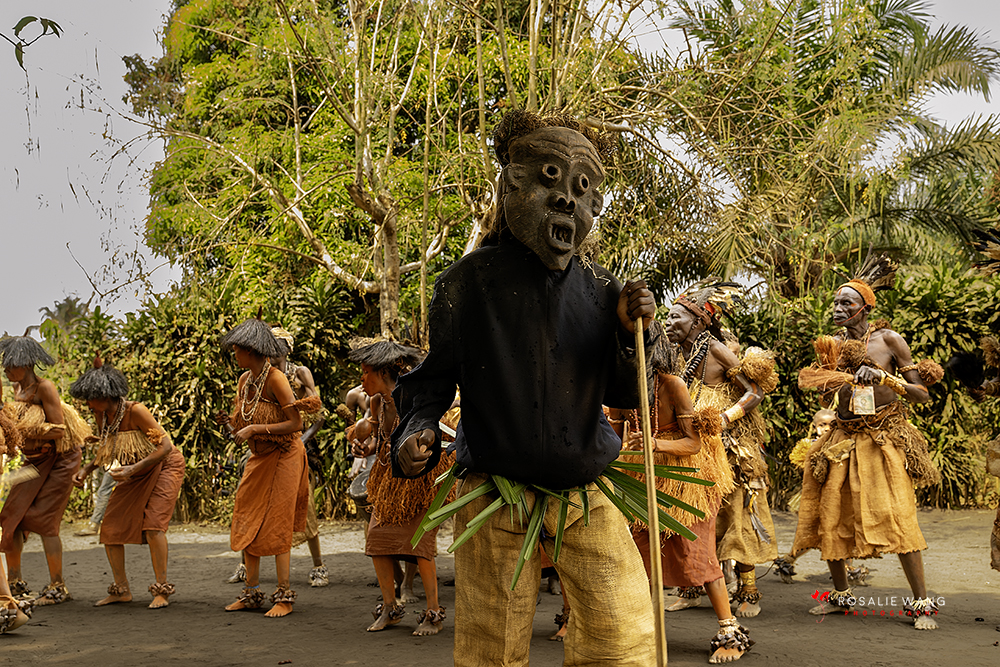
- Downward‑slanting eyes, pronounced brow
- Red/white/black pigments
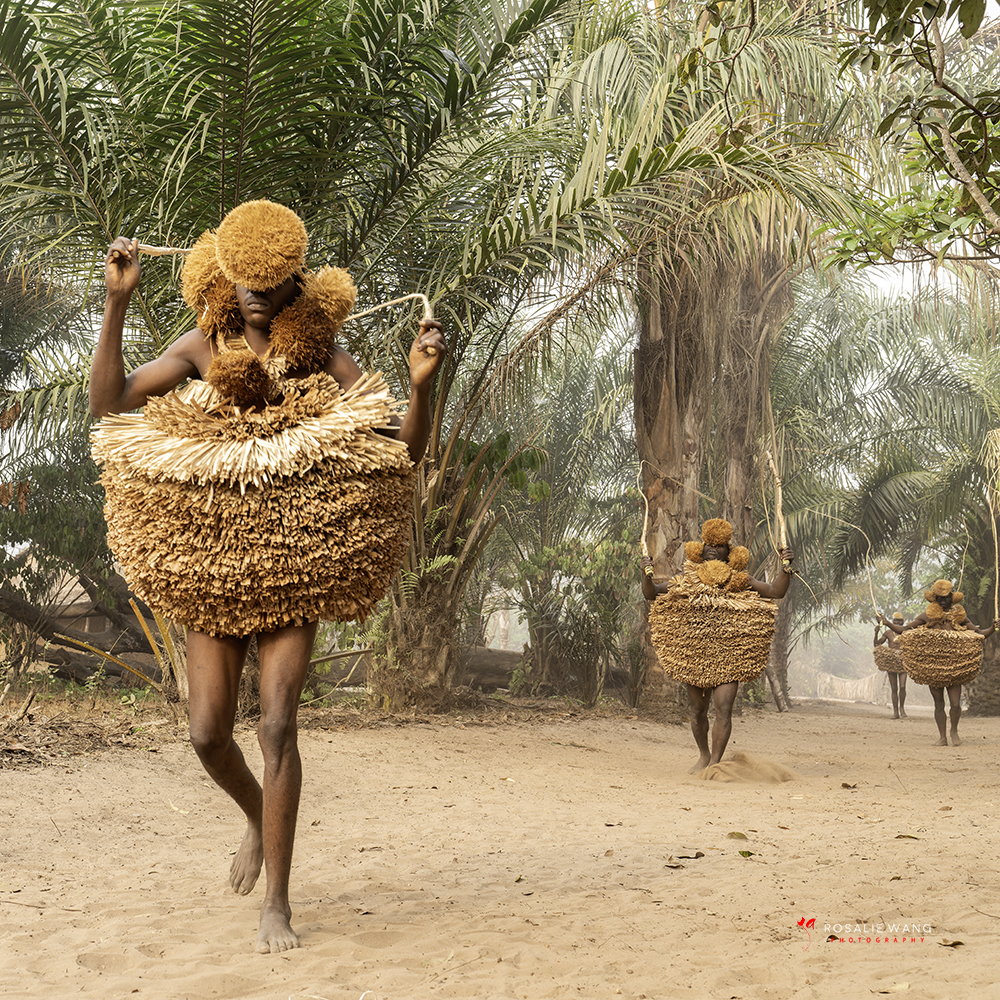
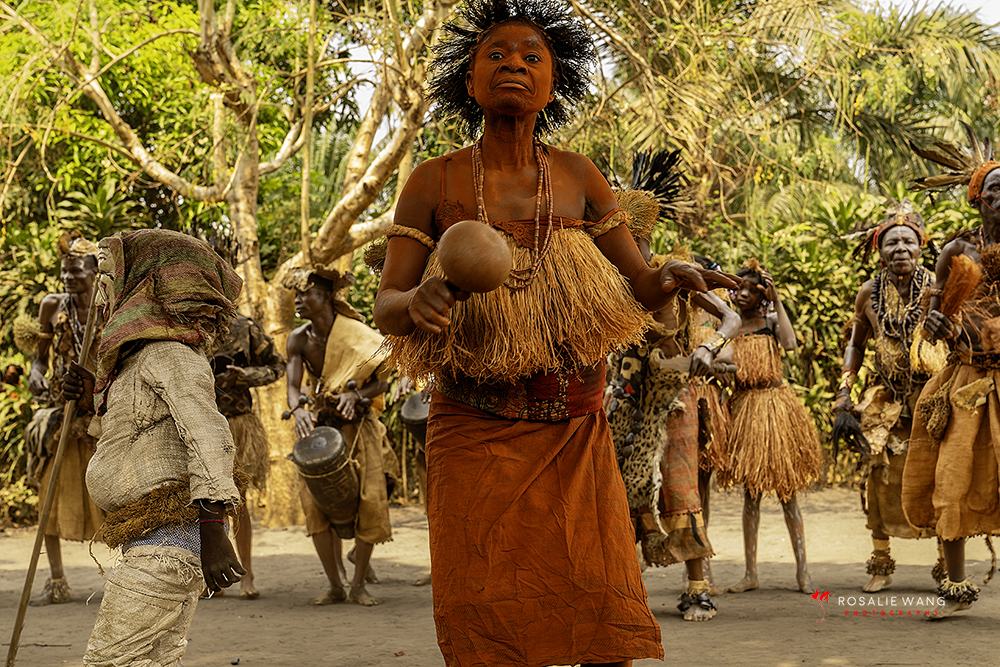
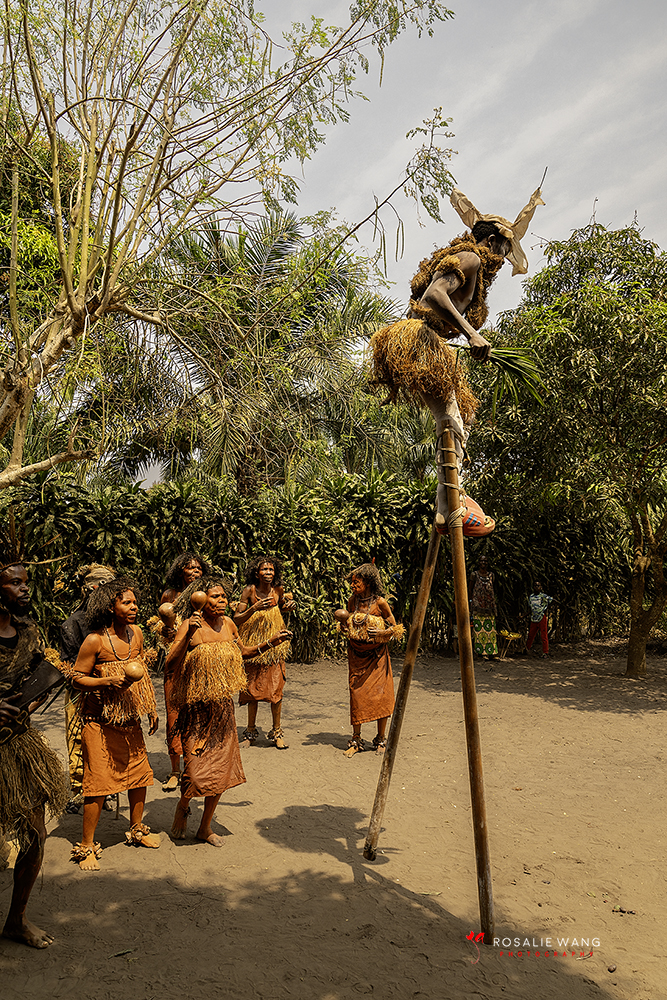
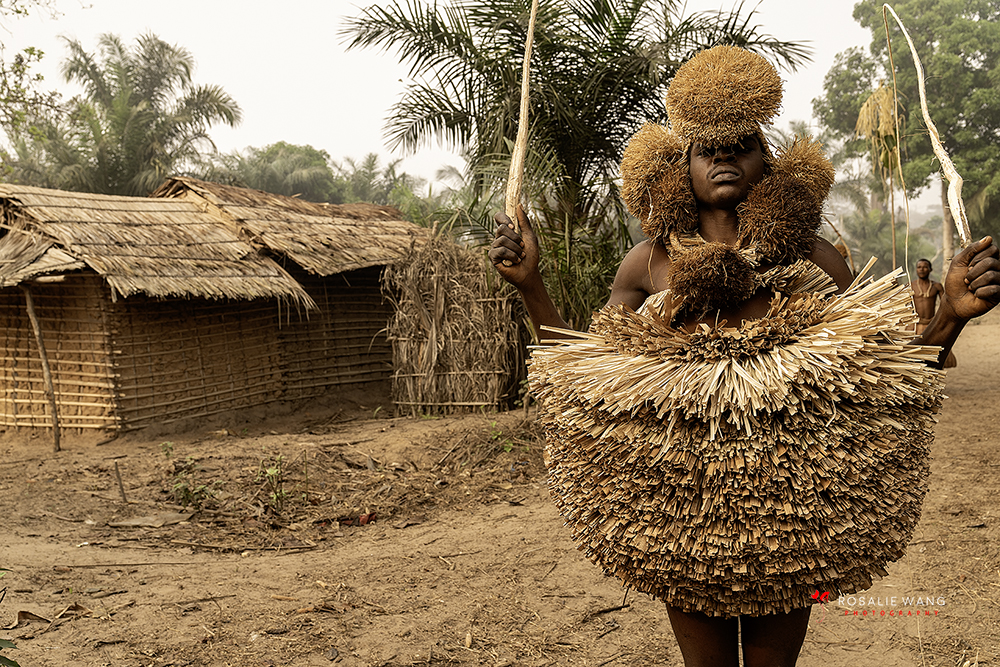
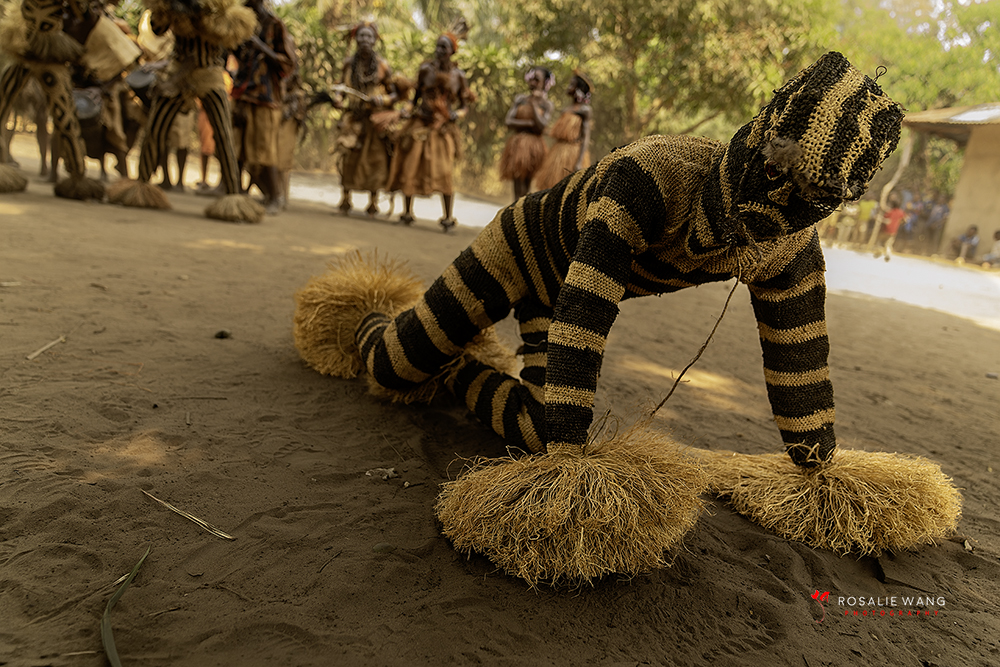
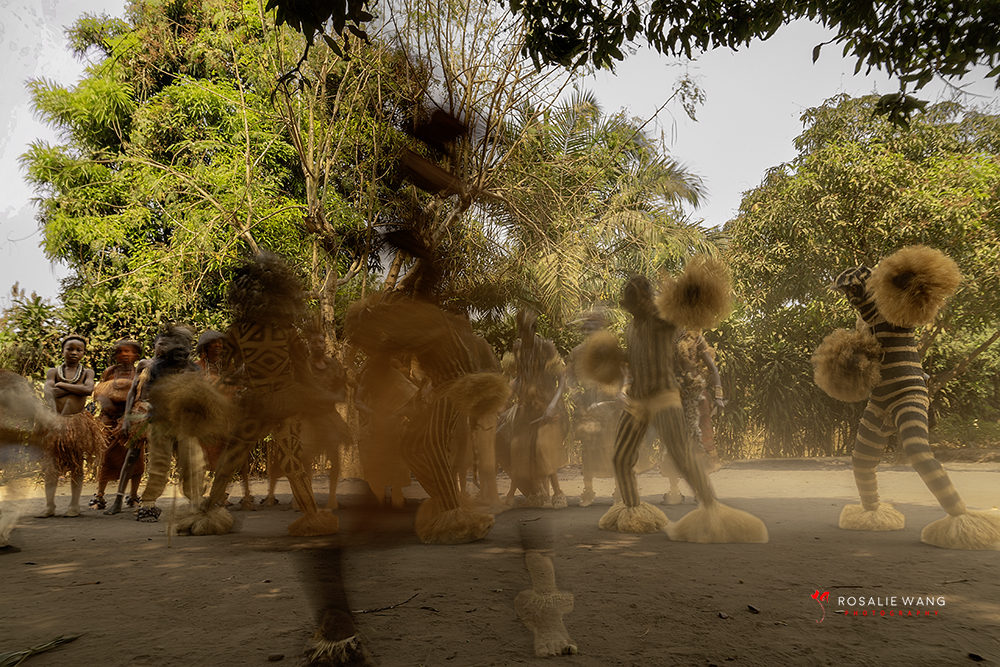
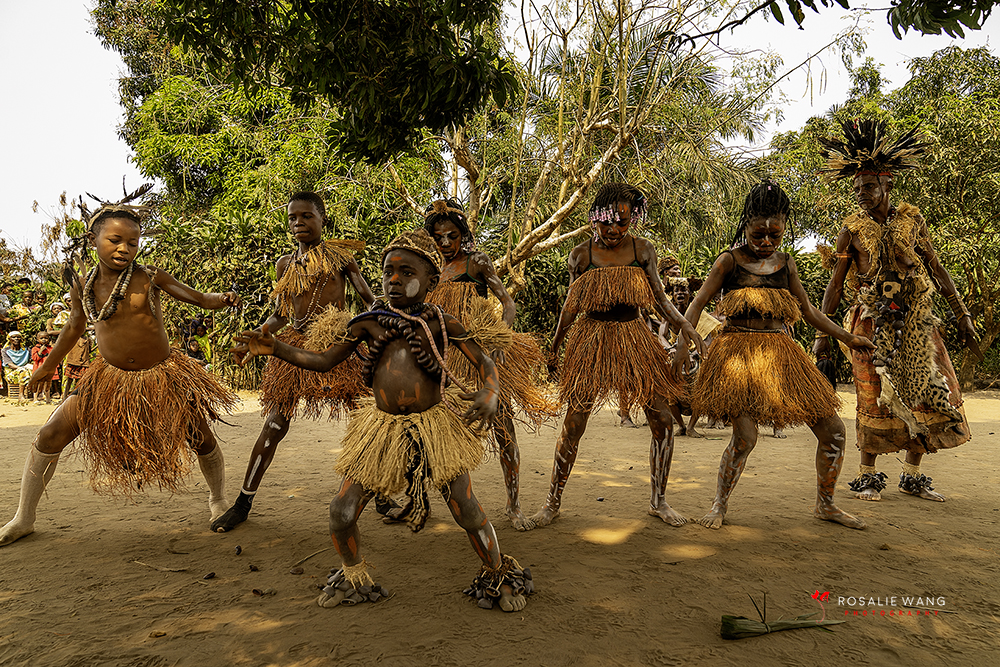
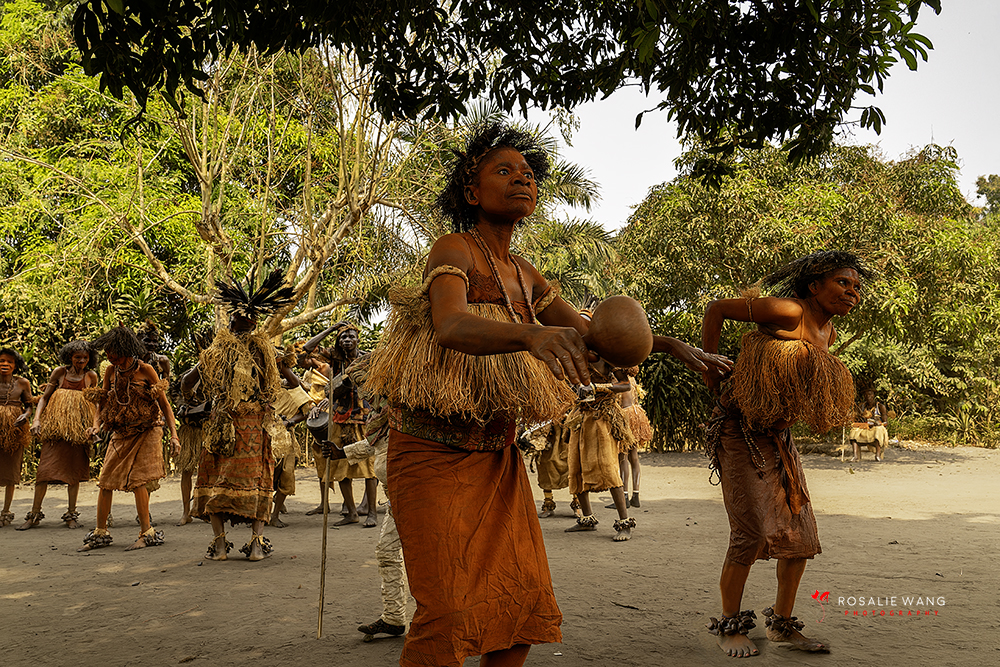
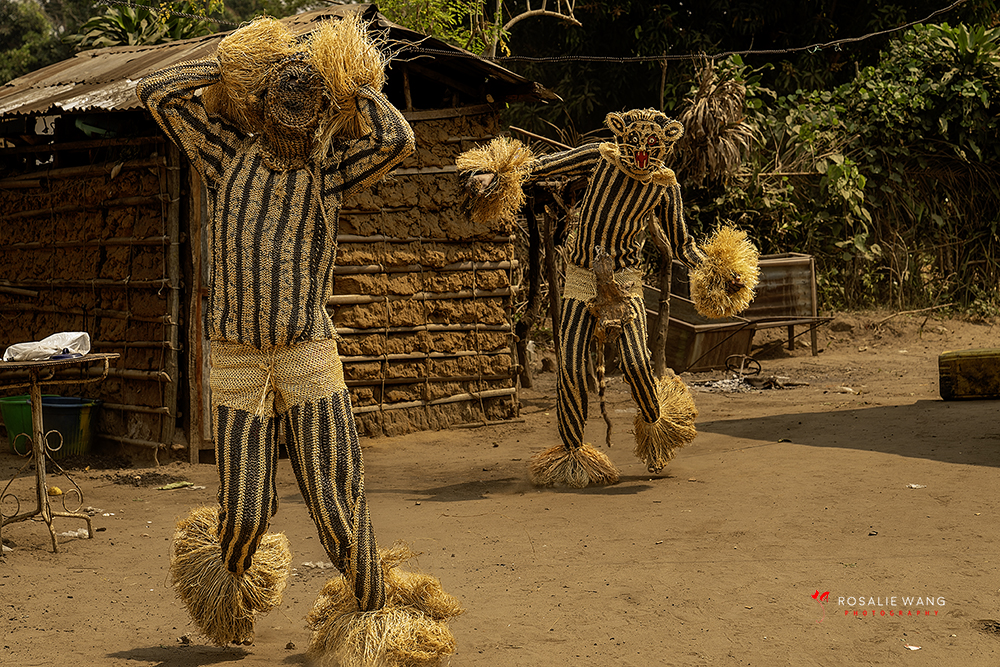
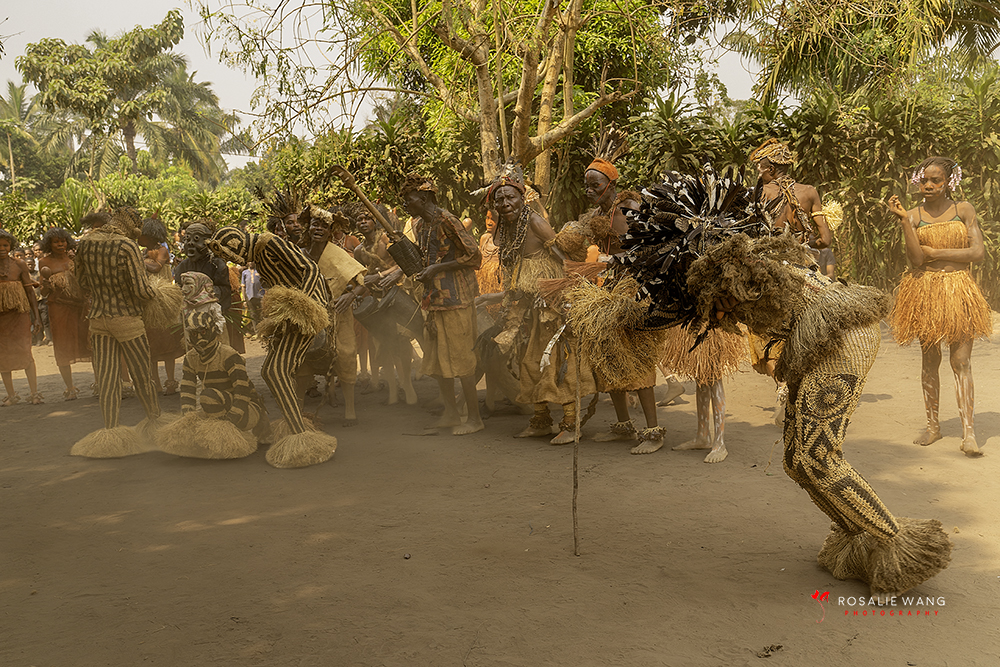
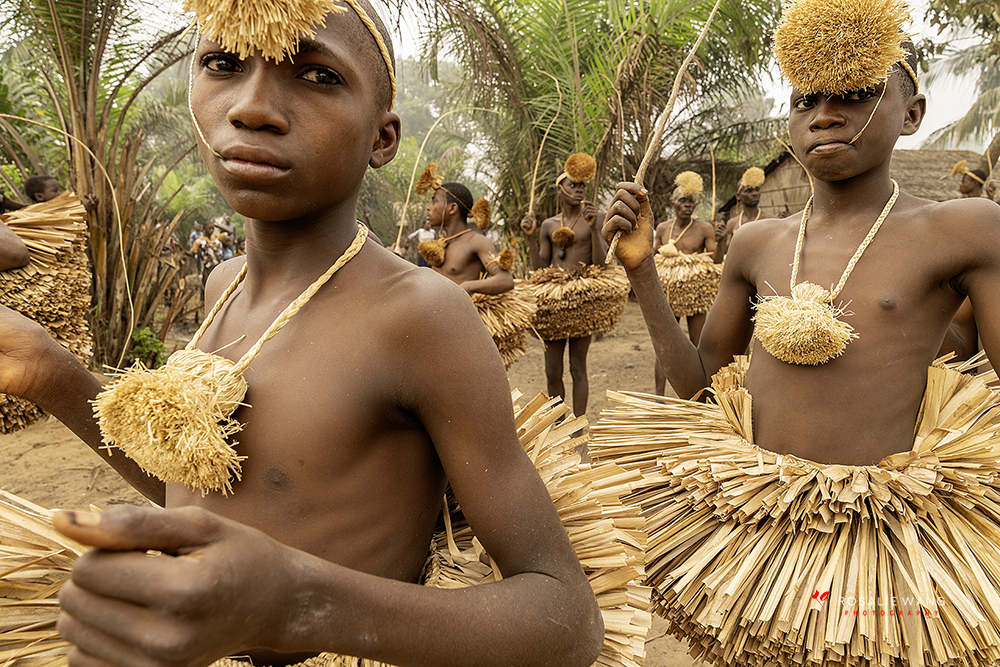
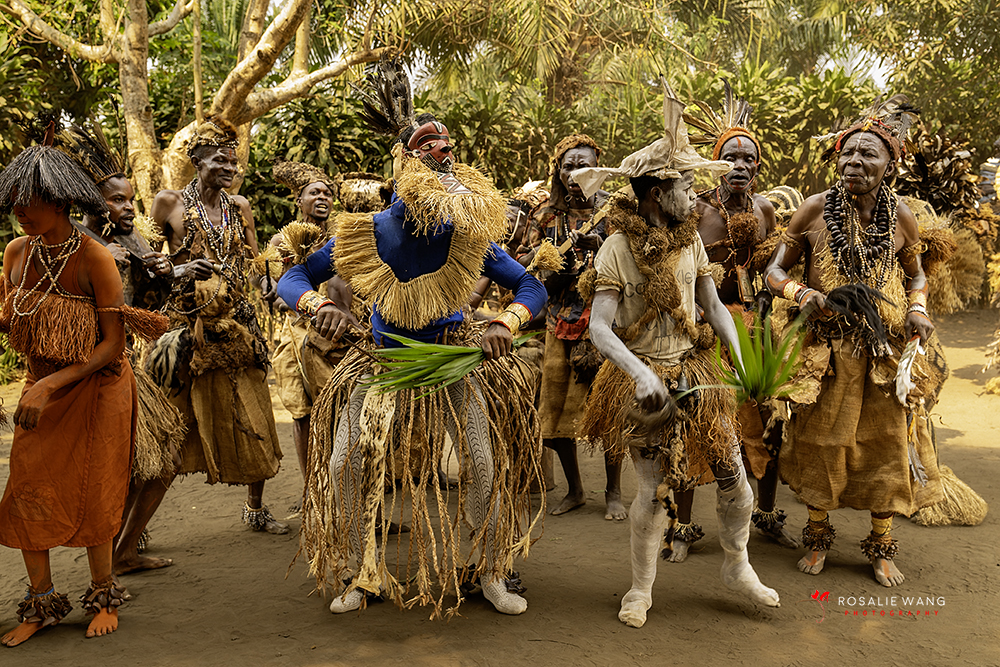
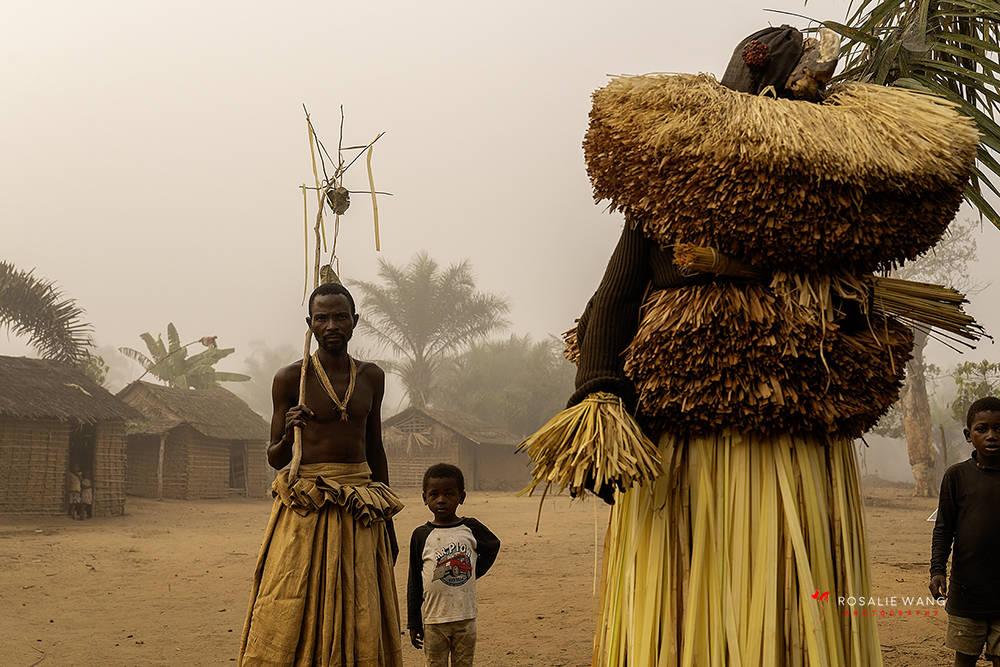
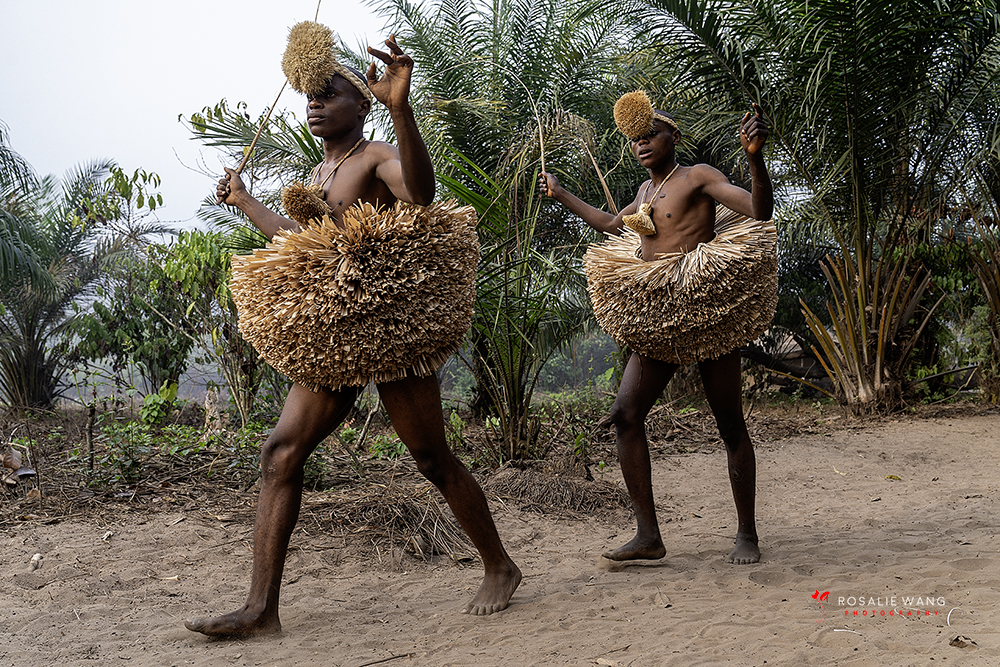
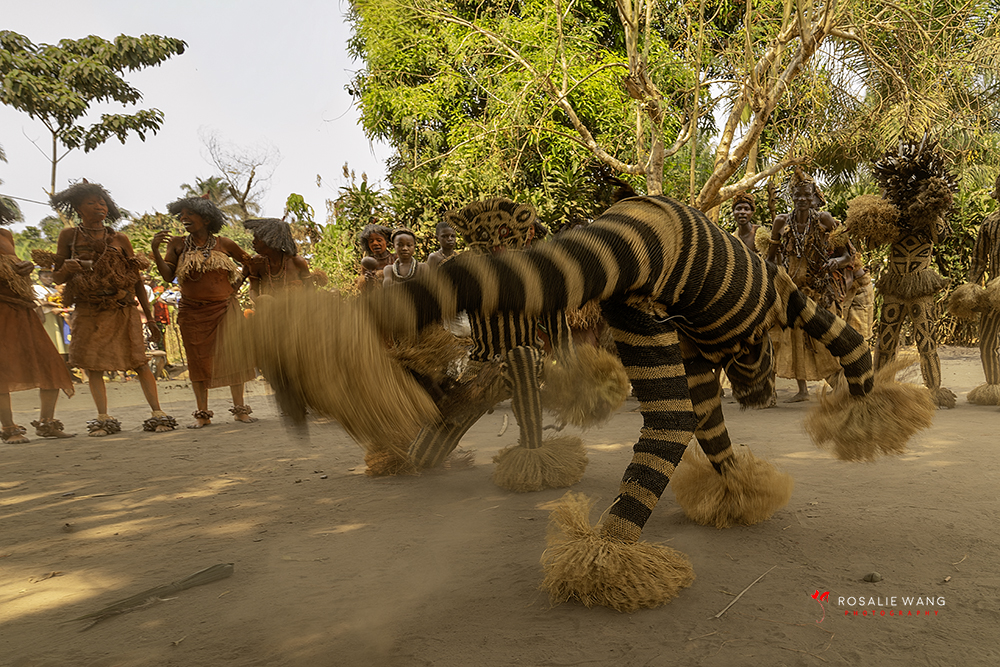
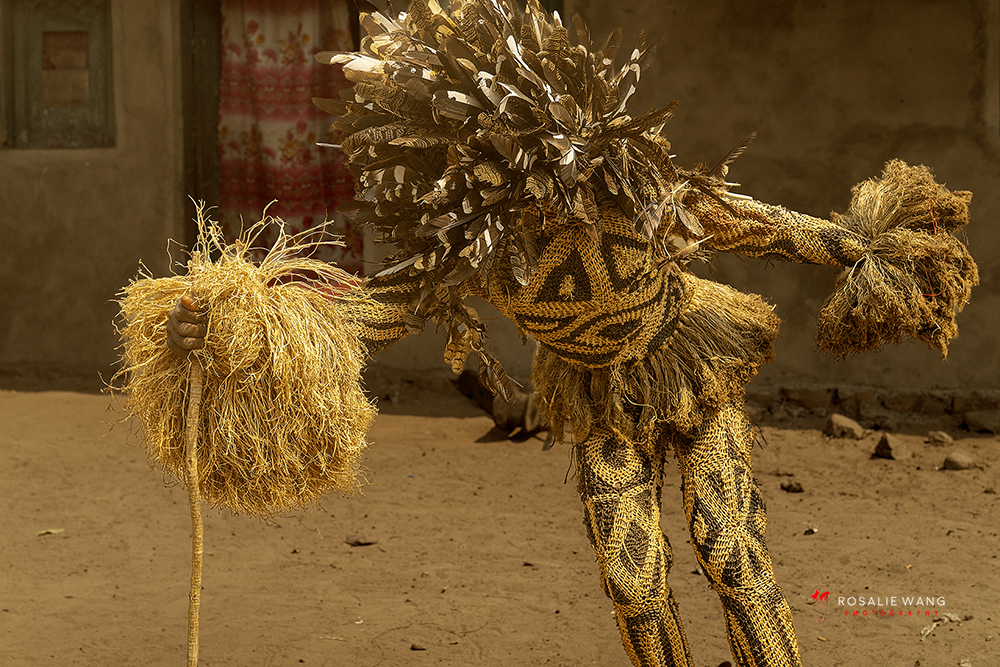
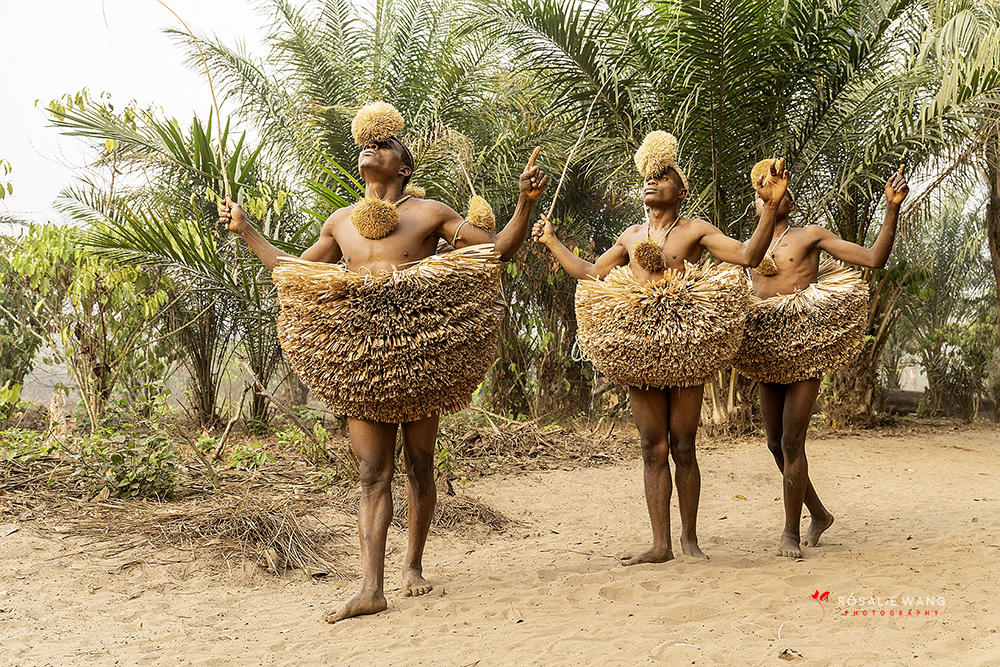
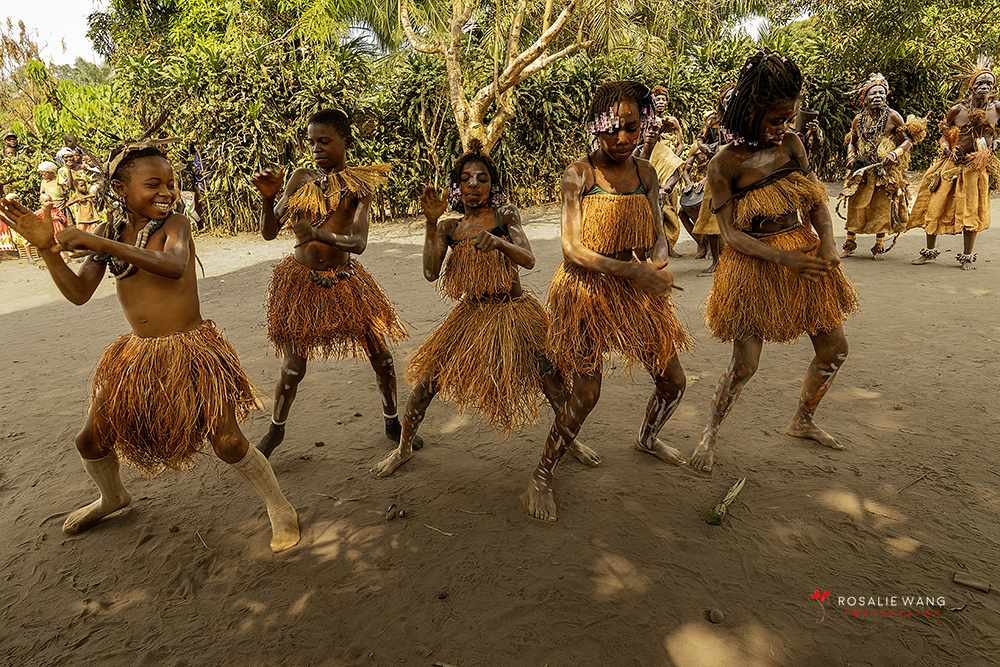
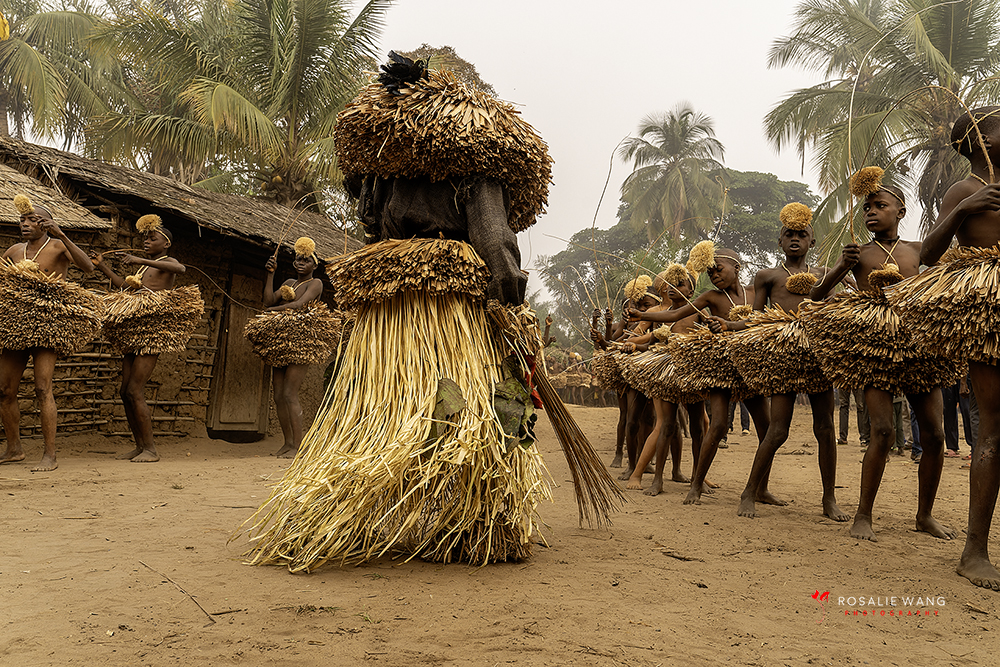
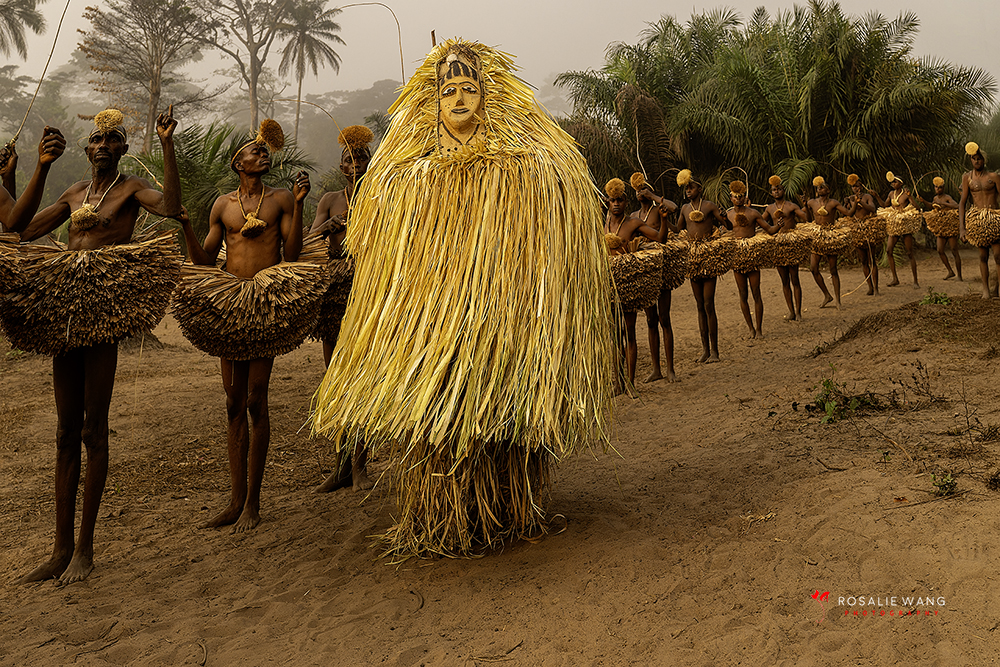
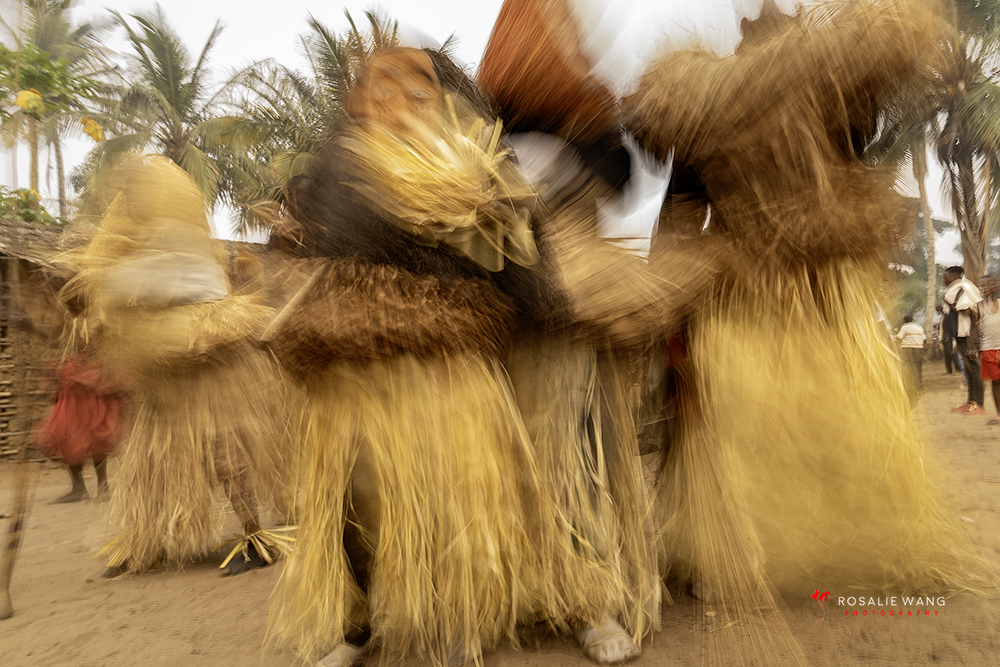
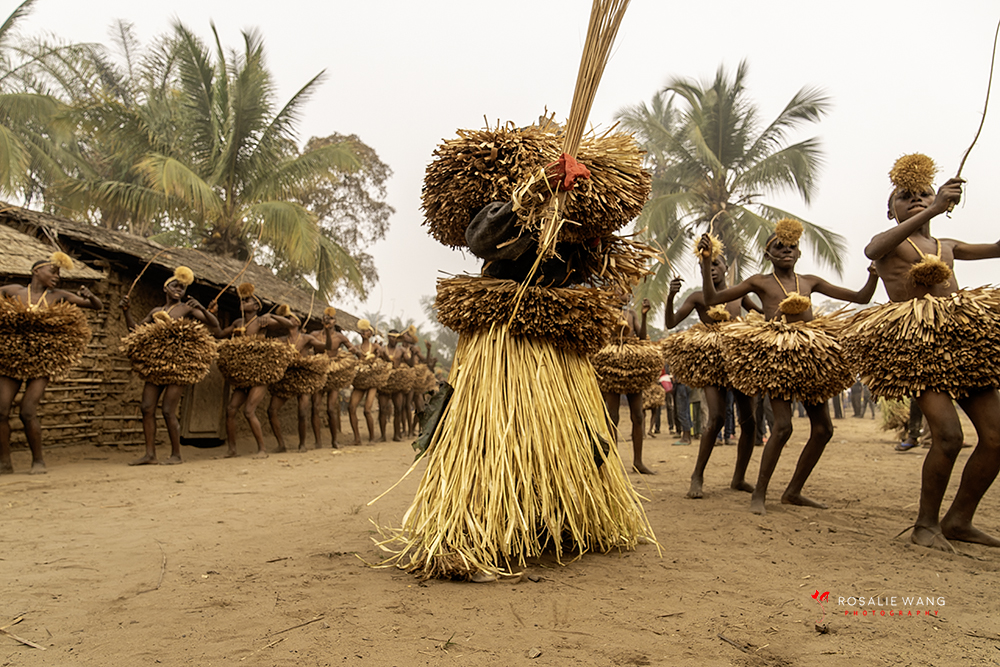
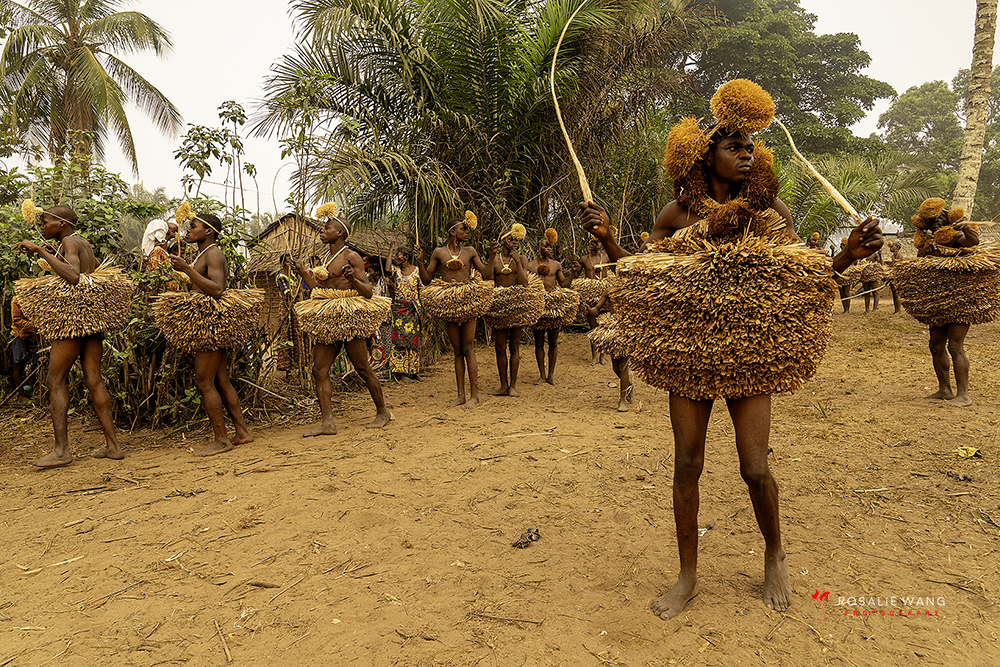
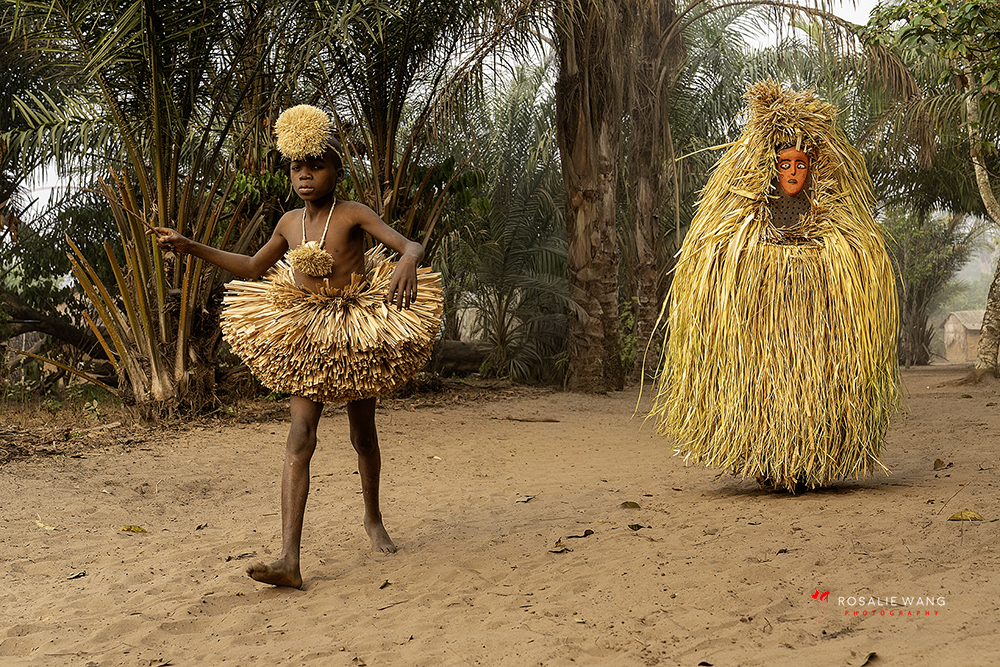
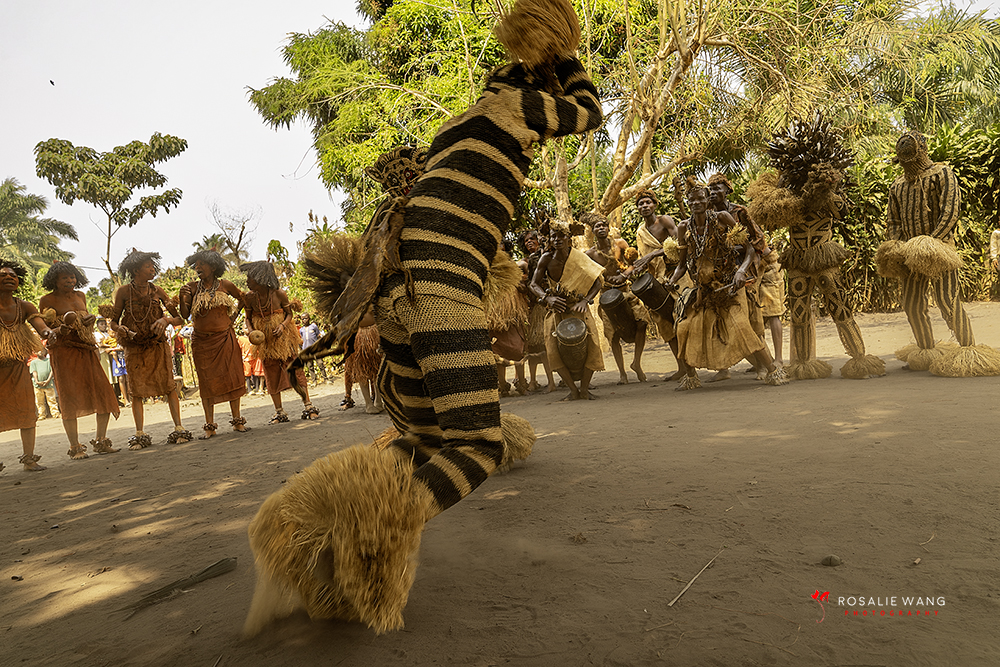
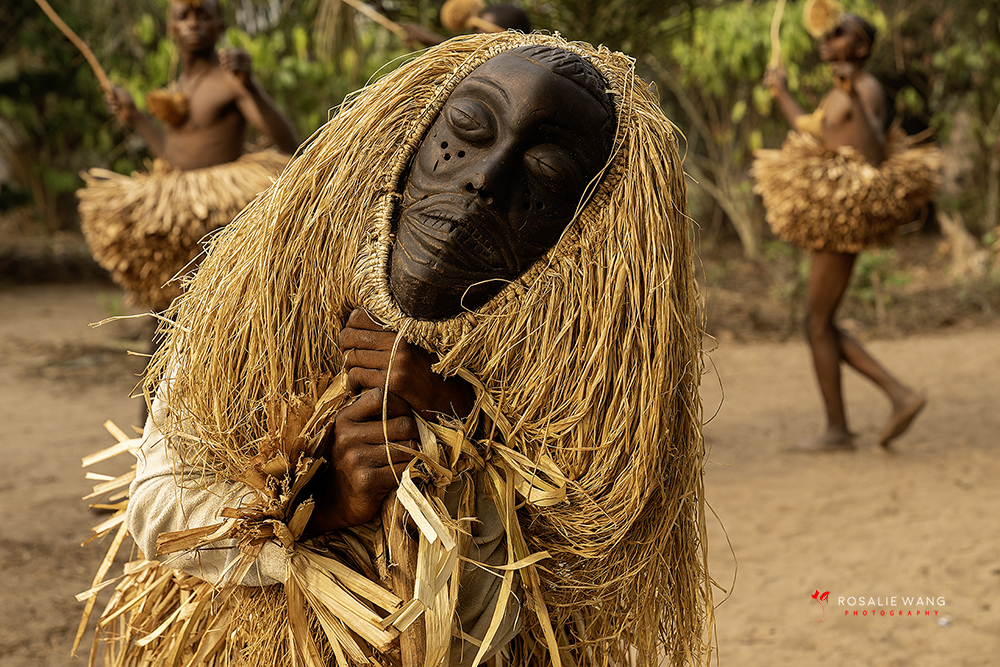
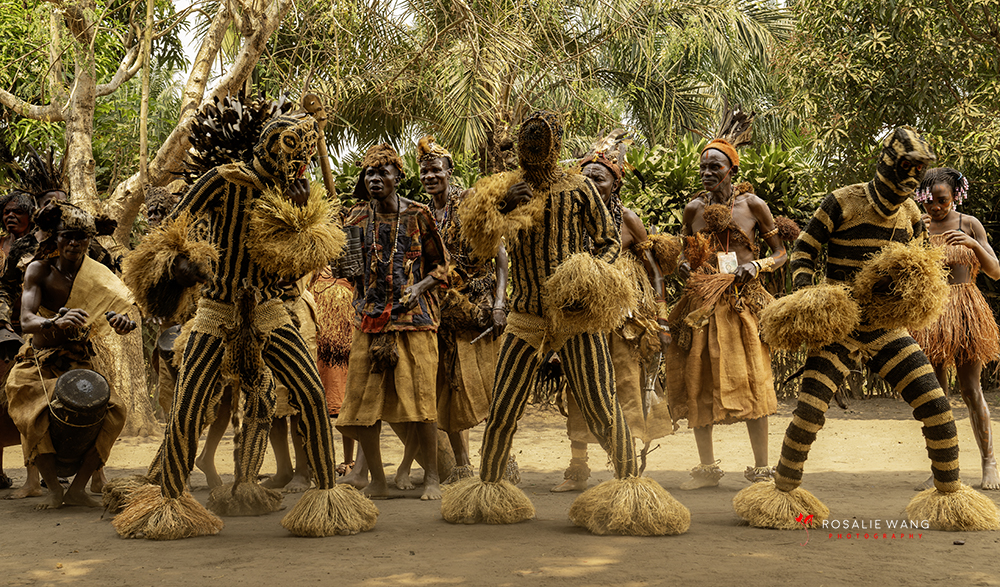
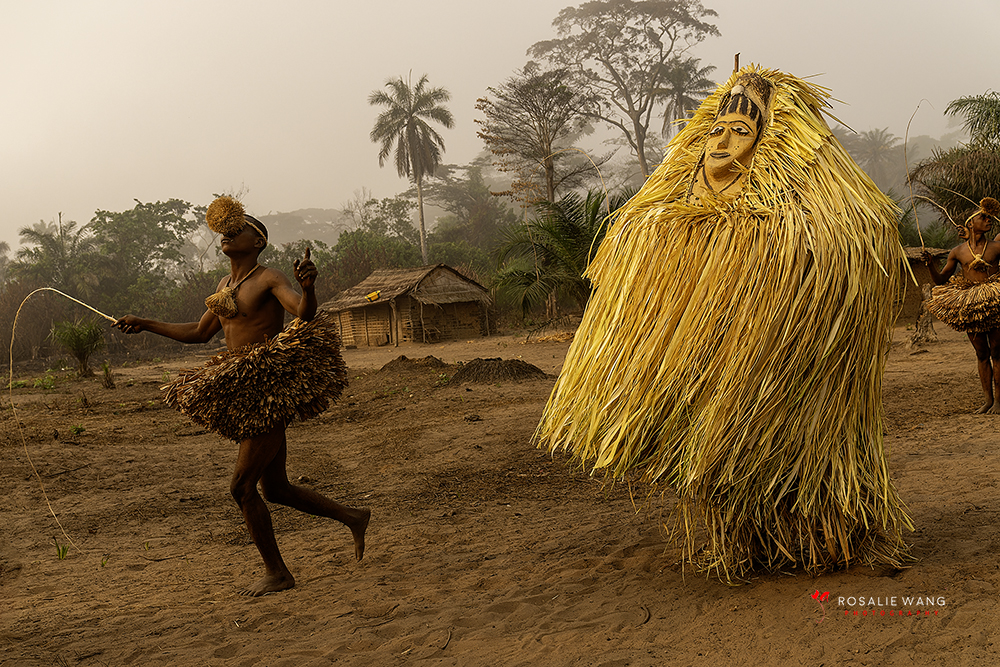
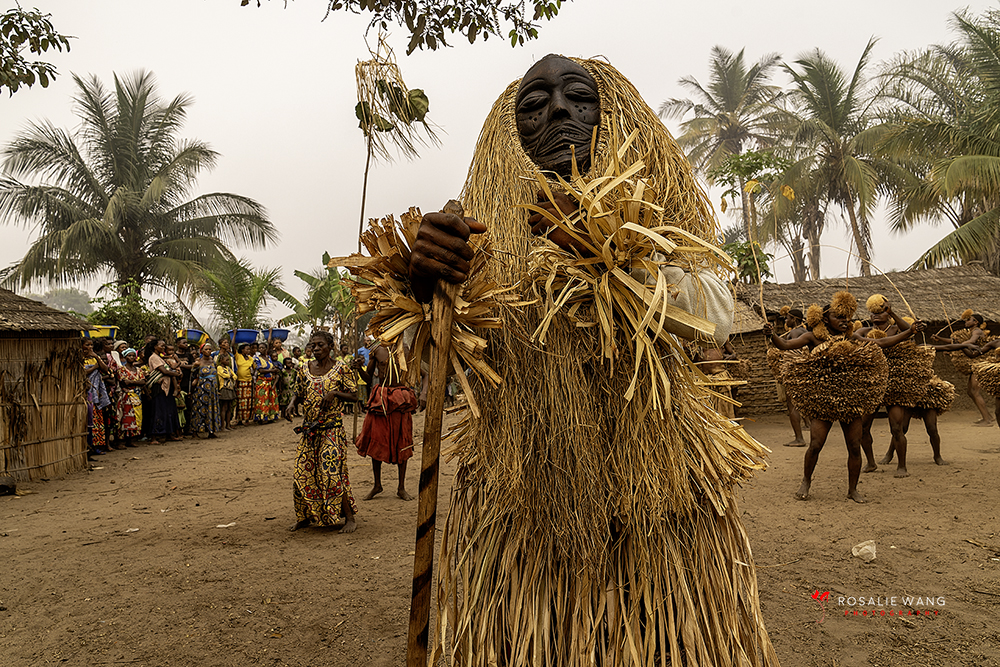
- Raffia fiber bodies, rhythmic dance vocabulary
🟤 Kati / Kete (Kasai Region)
Identity: A smaller Kasai-region group historically linked to the Luba–Kasai cultural complex. Their ceremonial life shares structural features with neighboring Kuba and Lunda traditions.
Ceremonial Focus (inferred from regional patterns)
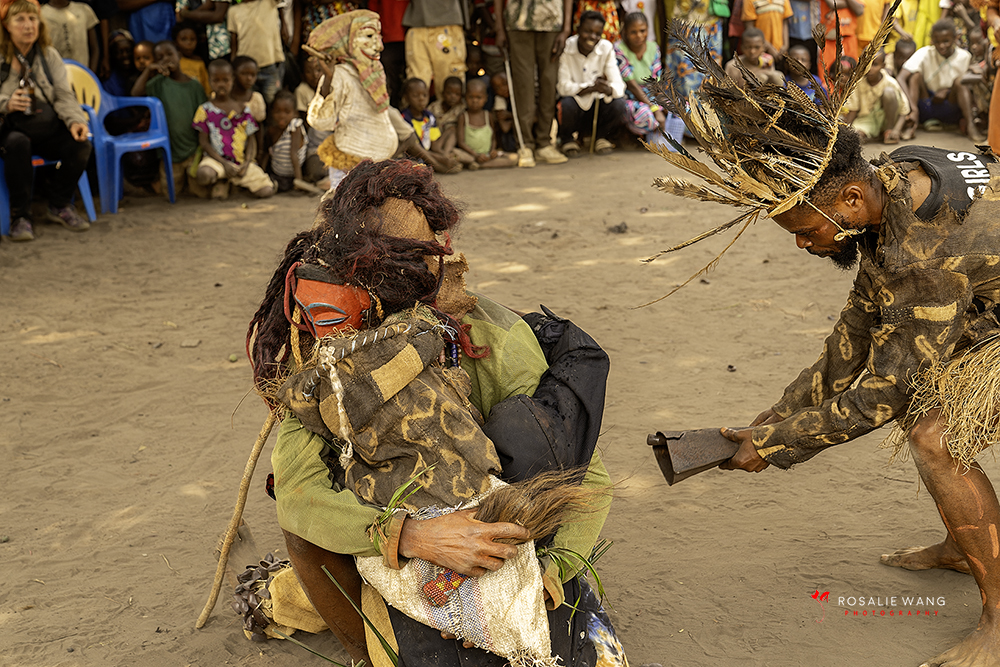
- Initiation rites with masked figures representing ancestral spirits and moral regulators.
- Community-level masquerades that emphasize social harmony, lineage identity, and agricultural cycles.
- Raffia-based costumes and geometric motifs similar to Kuba/Lunda aesthetics.
Aesthetic Signatures
- Wooden masks with geometric patterning
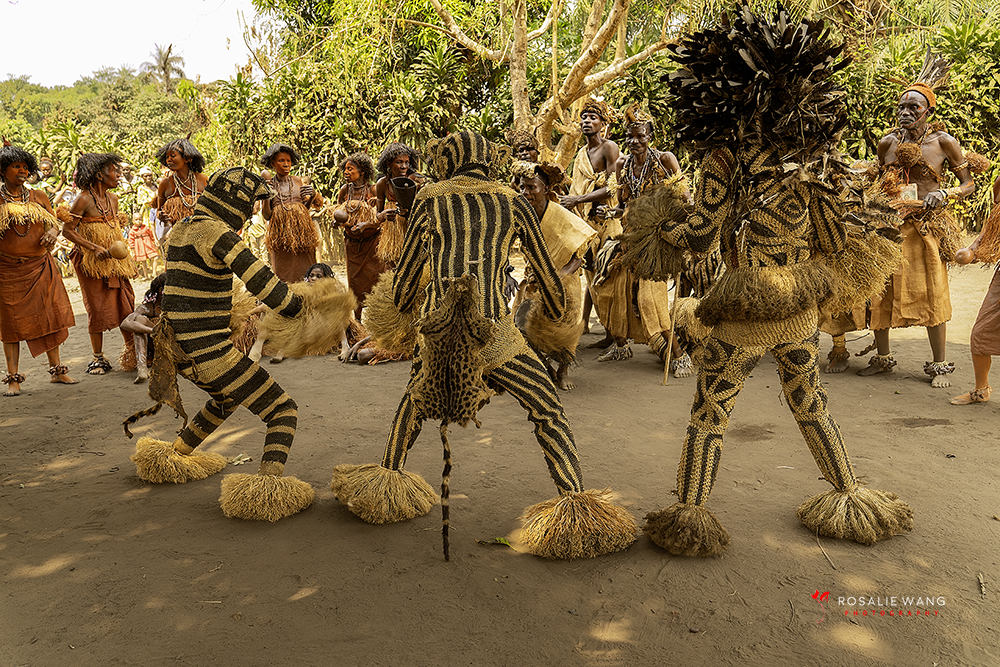
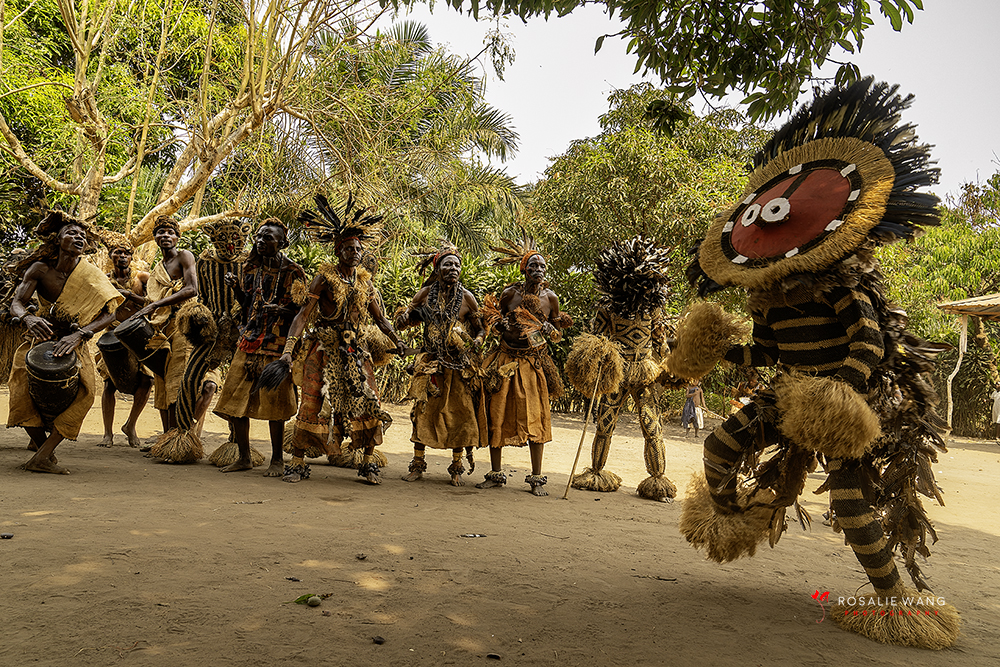
- Raffia skirts and full-body fiber ensembles
- Symbolic color palettes tied to lineage identity
👑 Kuba (Kasai)
Identity: A federation of Bantu groups (Bushoong, Ngeende, Shoowa, etc.) unified historically under the Kuba Kingdom. Their masquerade system is one of Africa’s most elaborate.
Ceremonial Focus
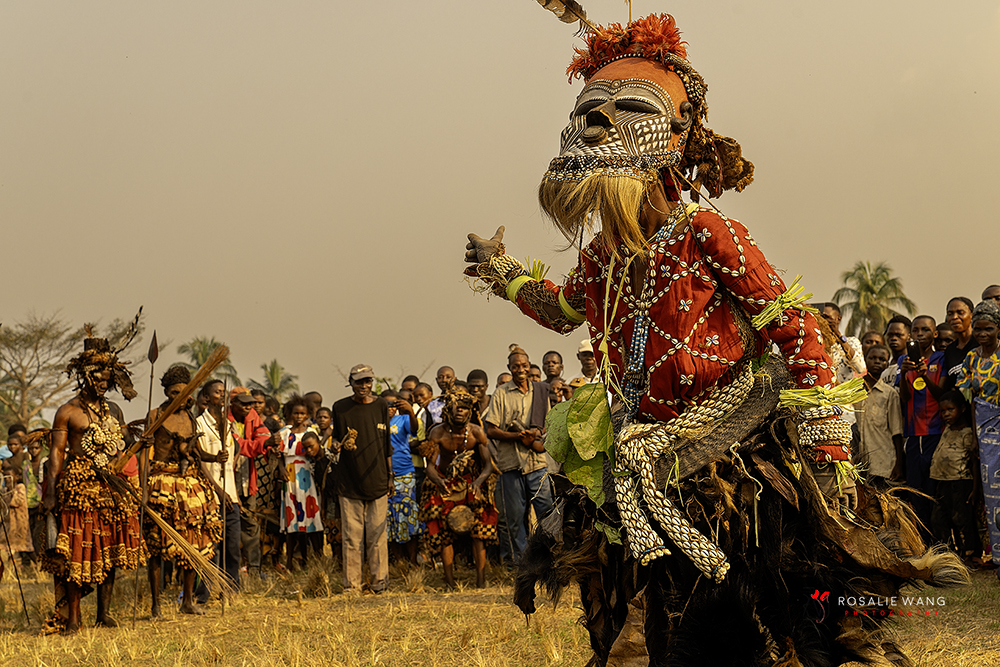
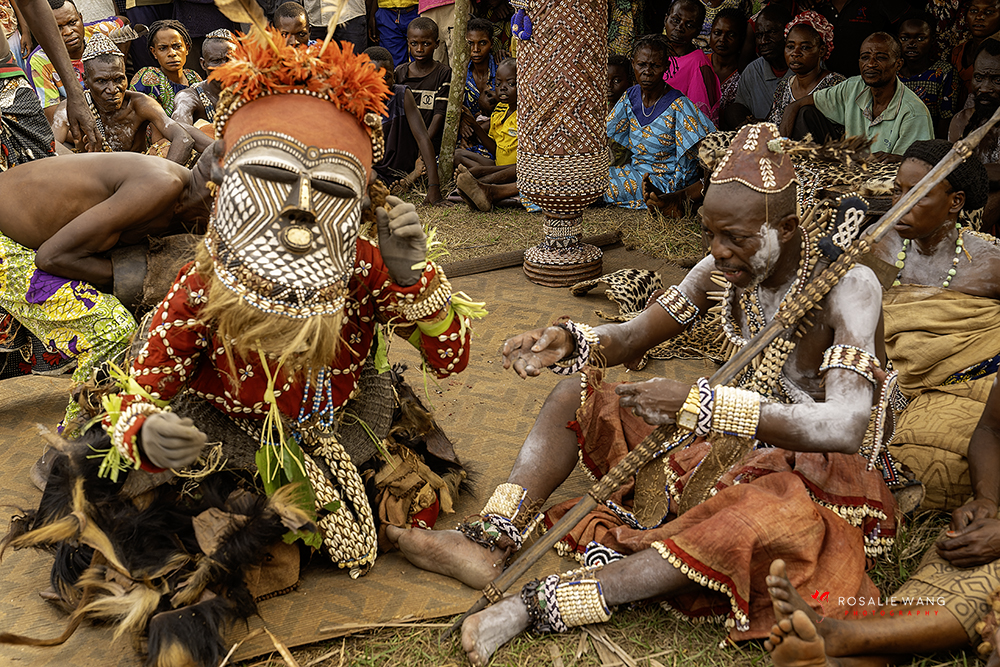
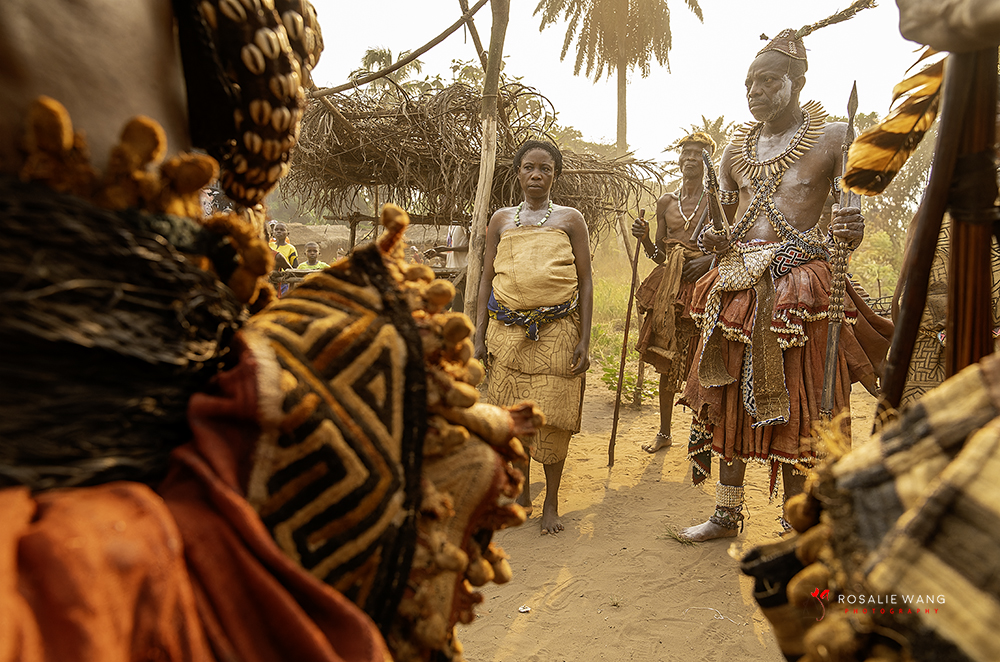
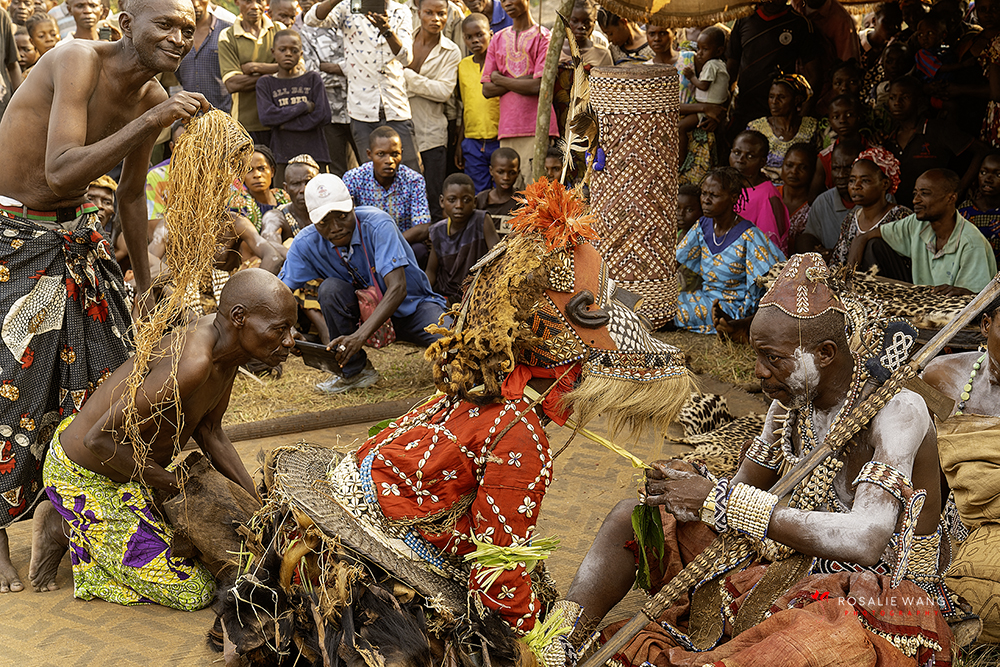
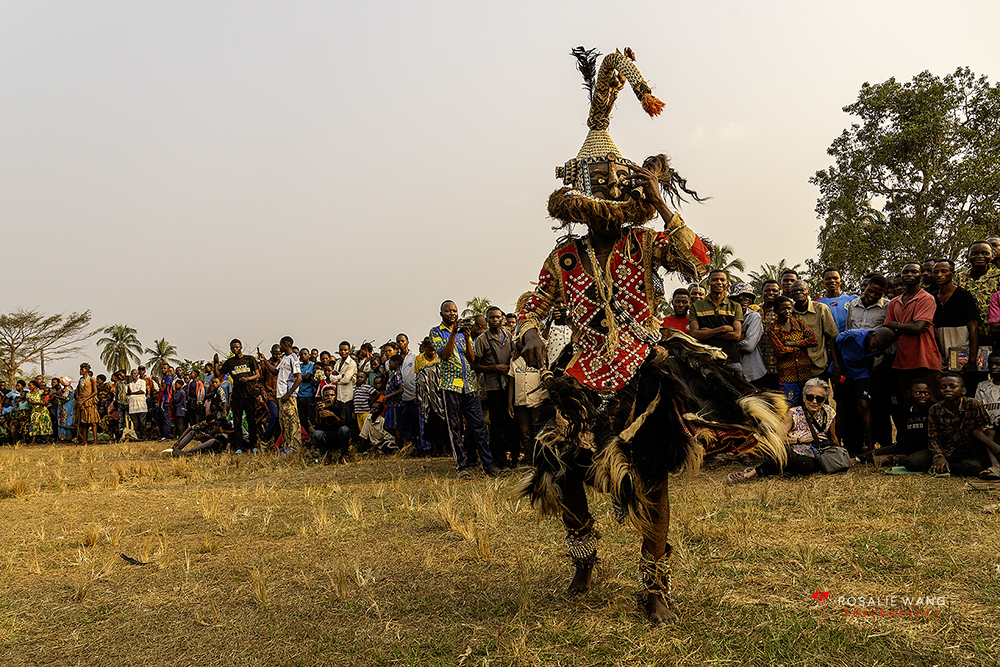
- Royal masquerades tied to the nyim (king) and court hierarchy.
- Initiation rites every 15–20 years transmitting esoteric knowledge.
- Funerary and ancestral ceremonies where masked spirits mediate between worlds.
Major Mask Types
- Mwaash aMbooy — kingly authority
- Ngaady aMwaash — queenly figure, matrilineal descent
- Bwoom (mBwoom) — outsider/pygmy spirit, social tension, rivalry
- Pwoom Itok — “all-seeing” initiation mask with chameleon-like eyes
Aesthetic Signatures
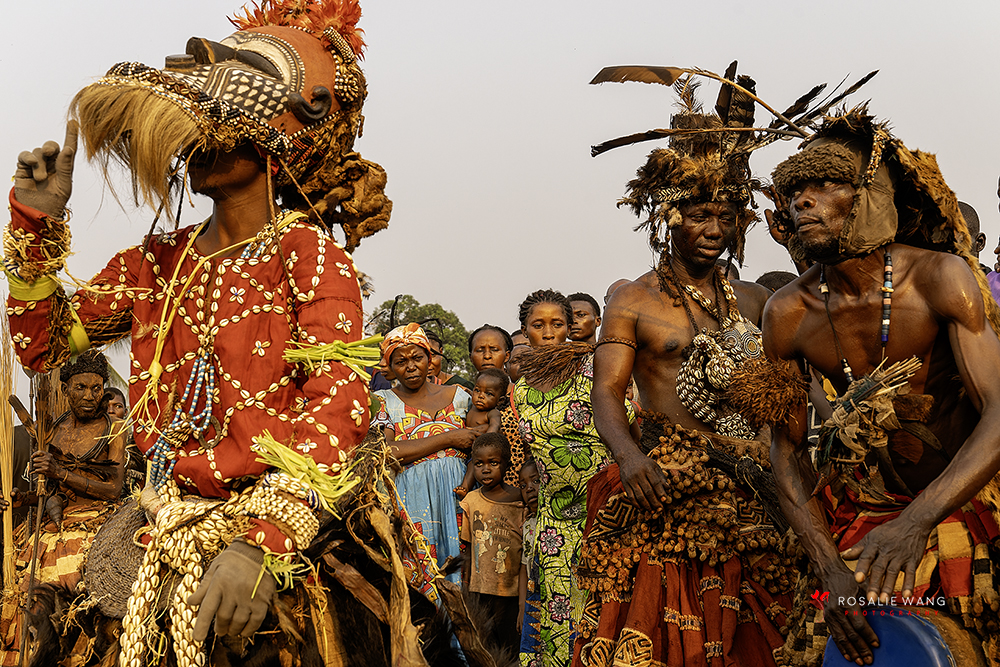
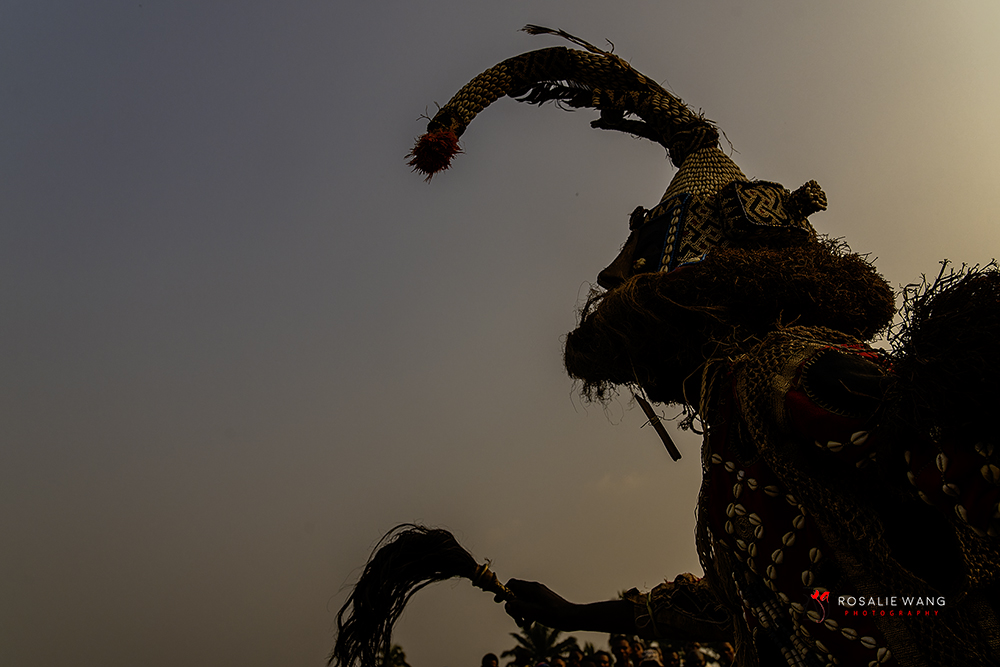
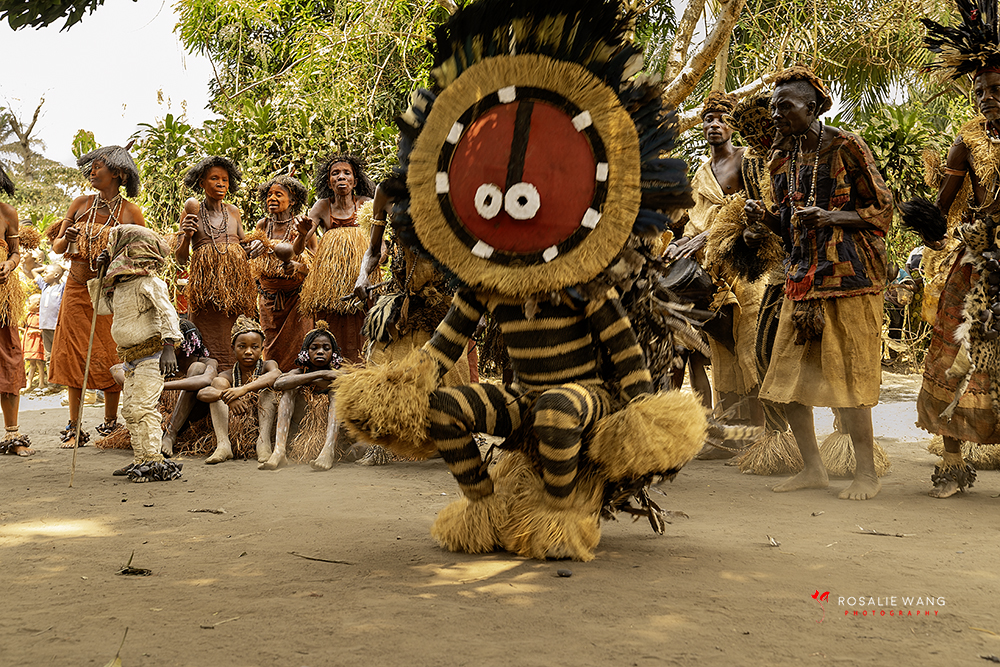
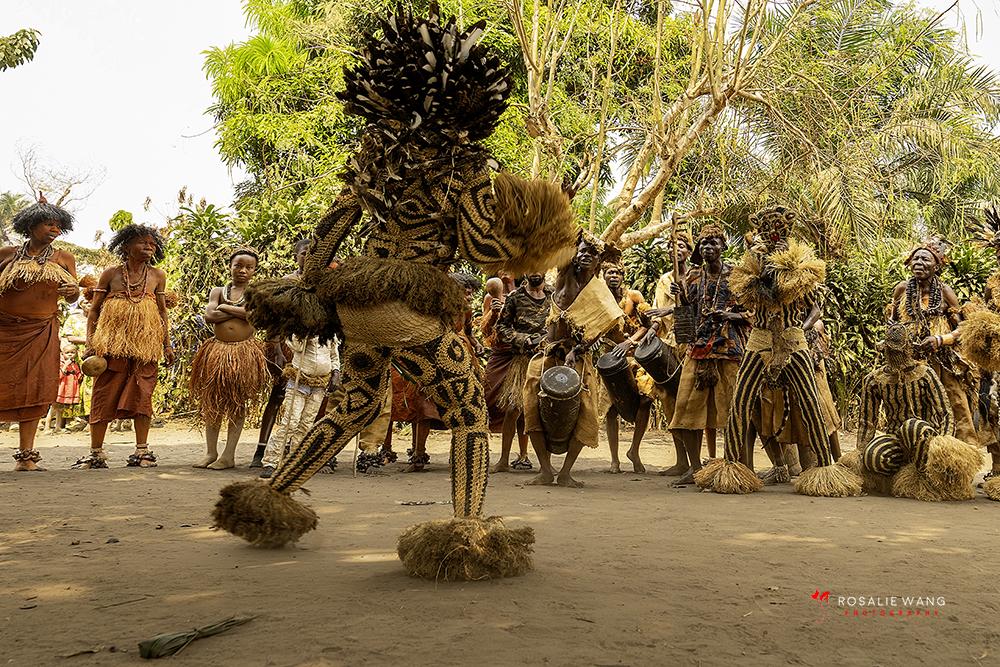
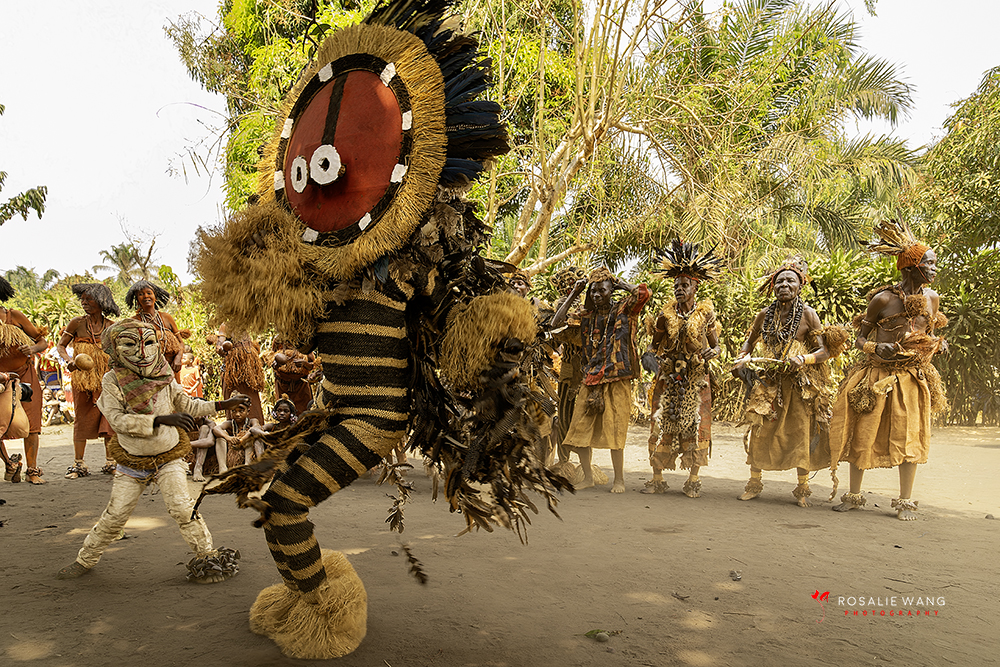
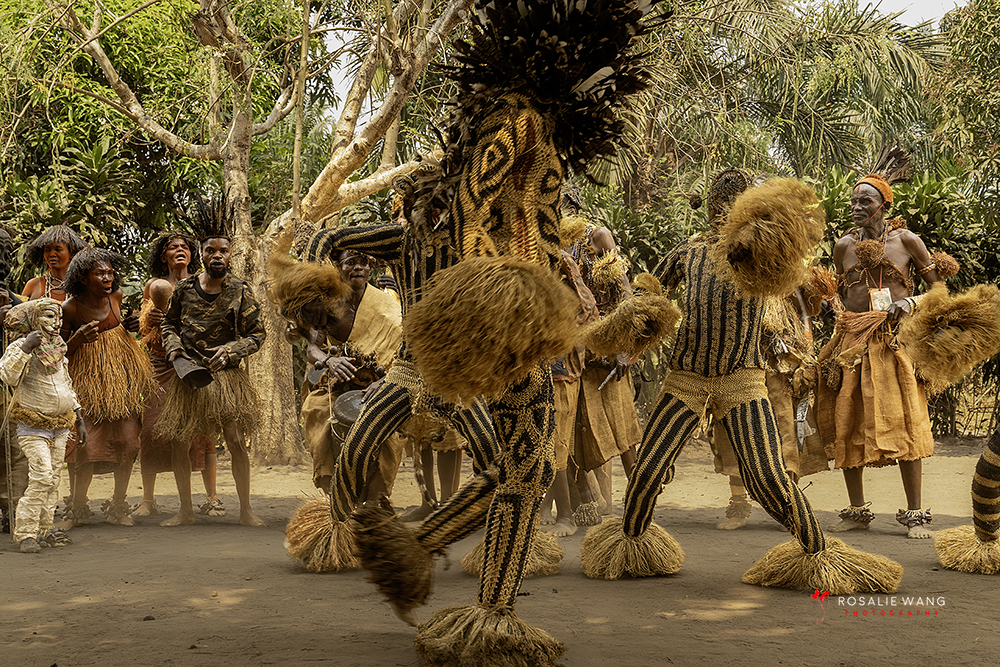
- Heavy geometric patterning
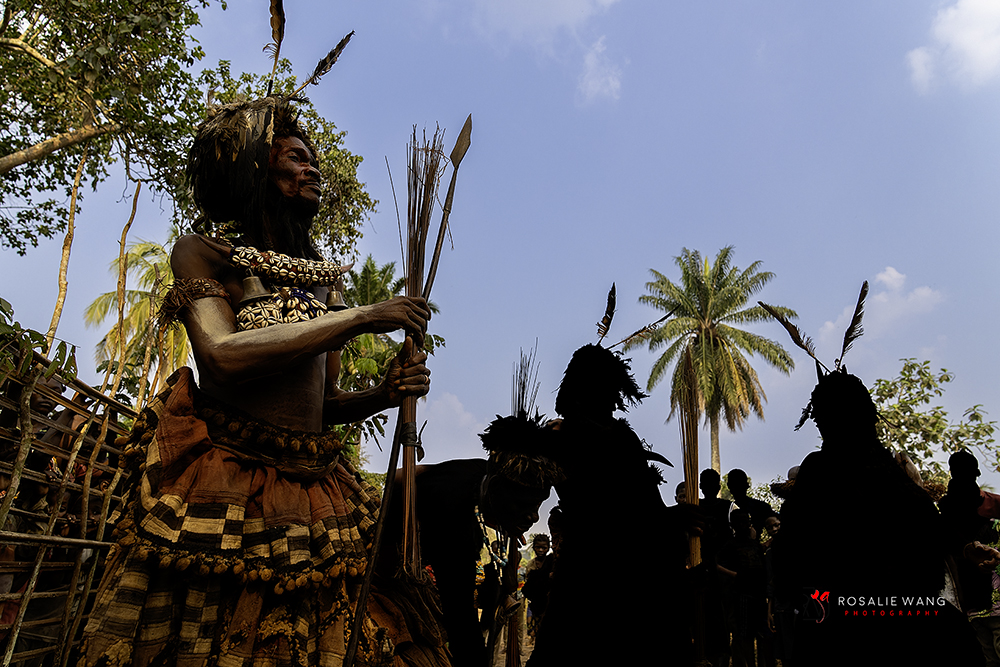
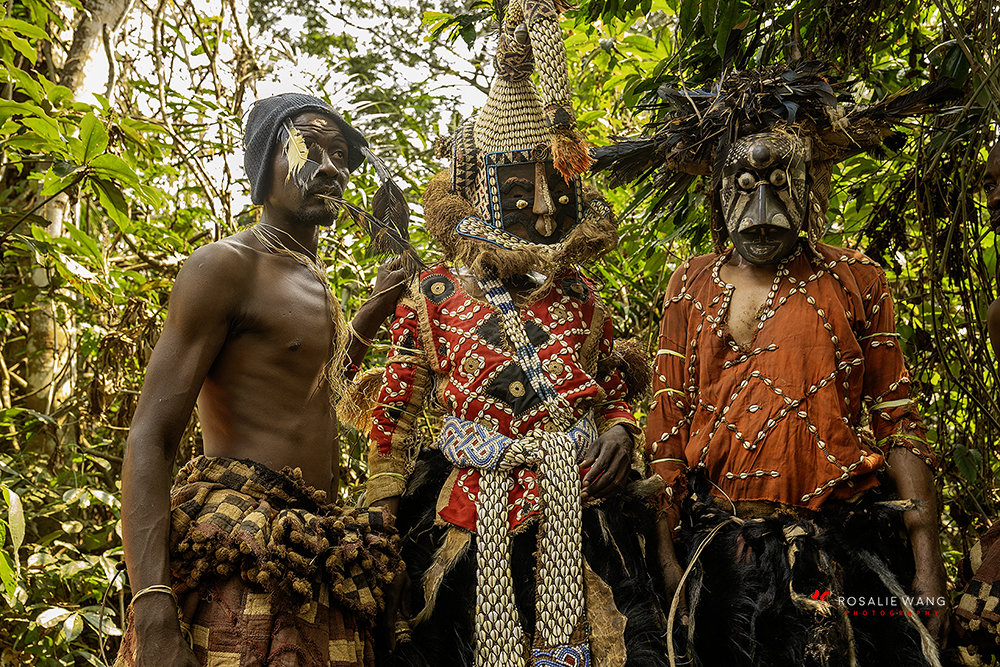
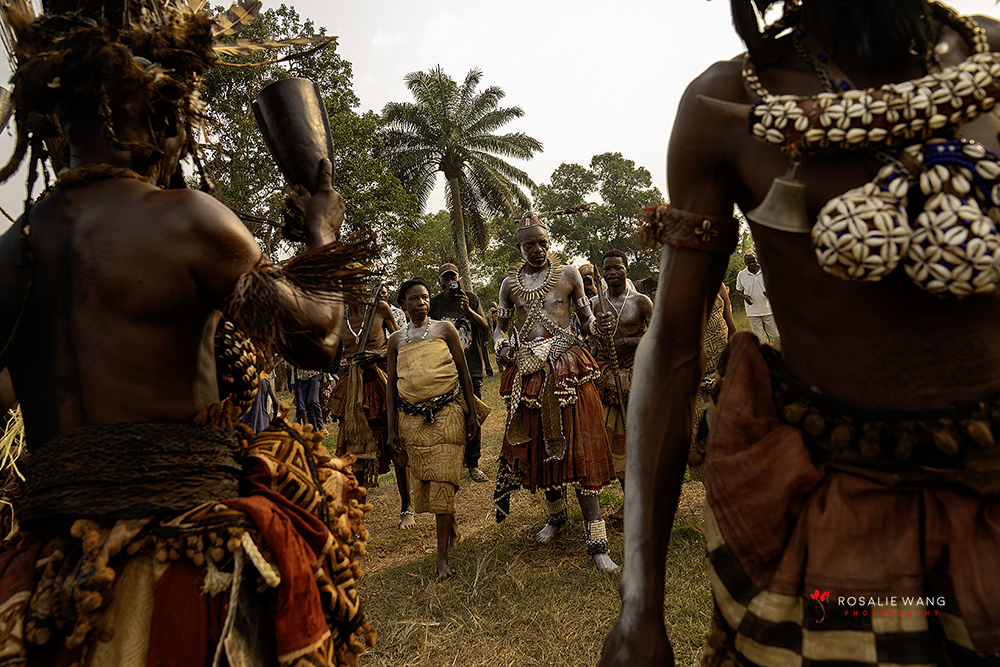
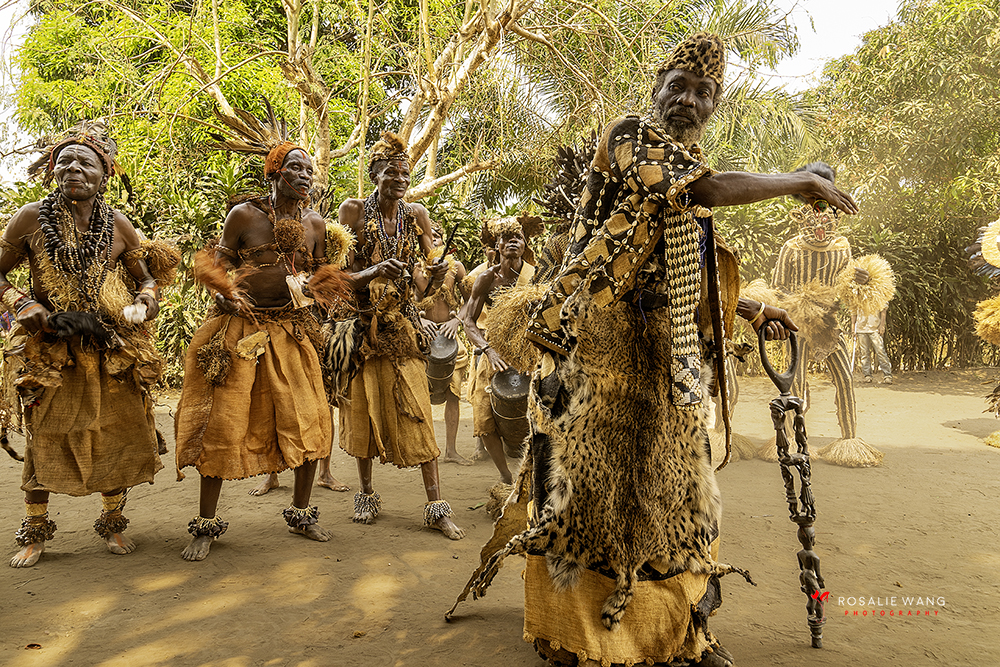
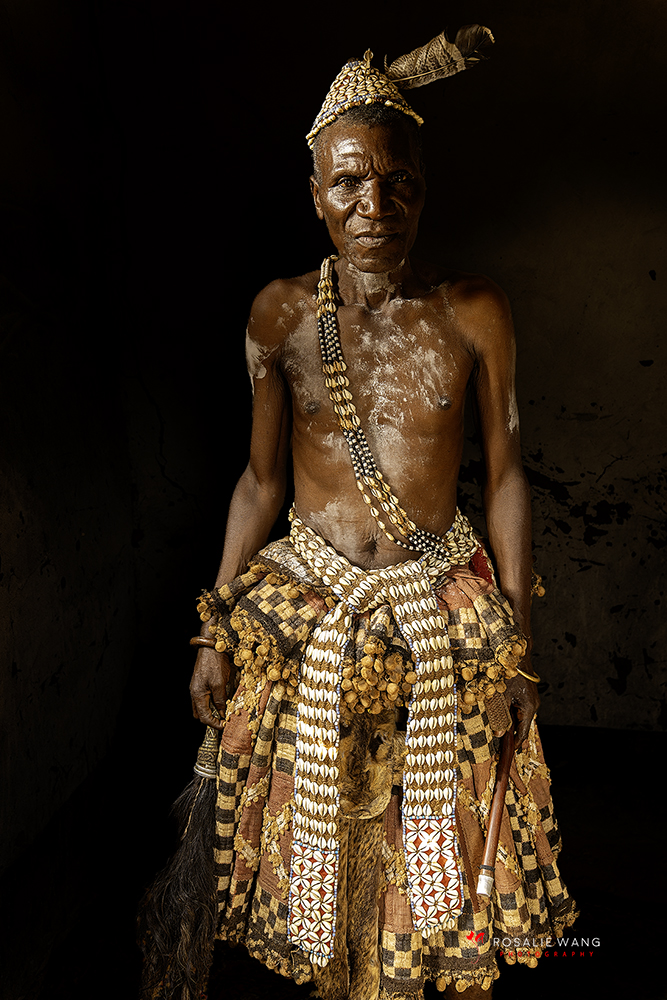
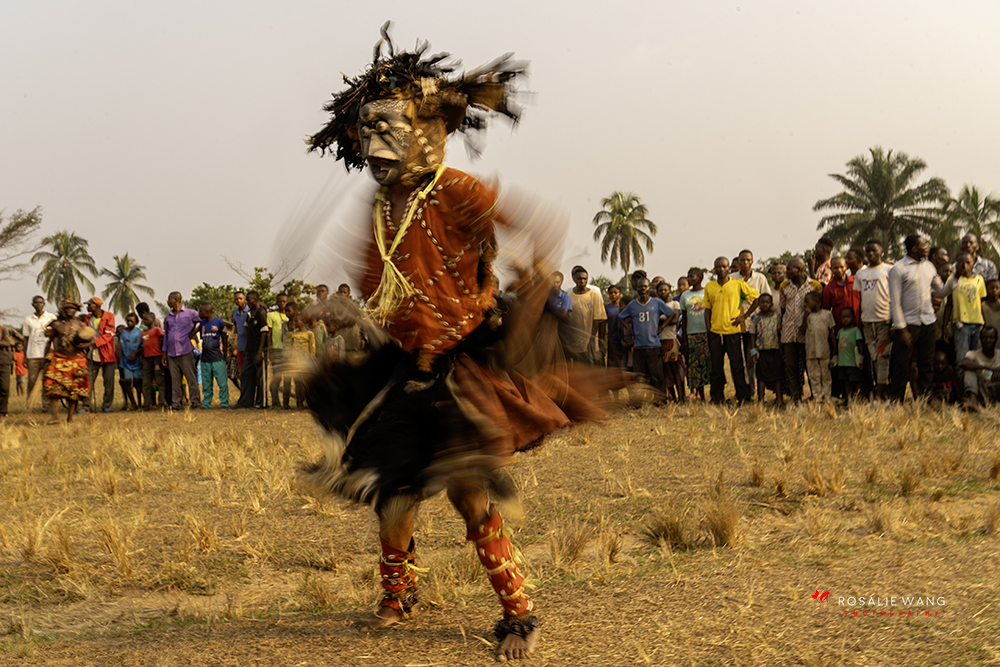
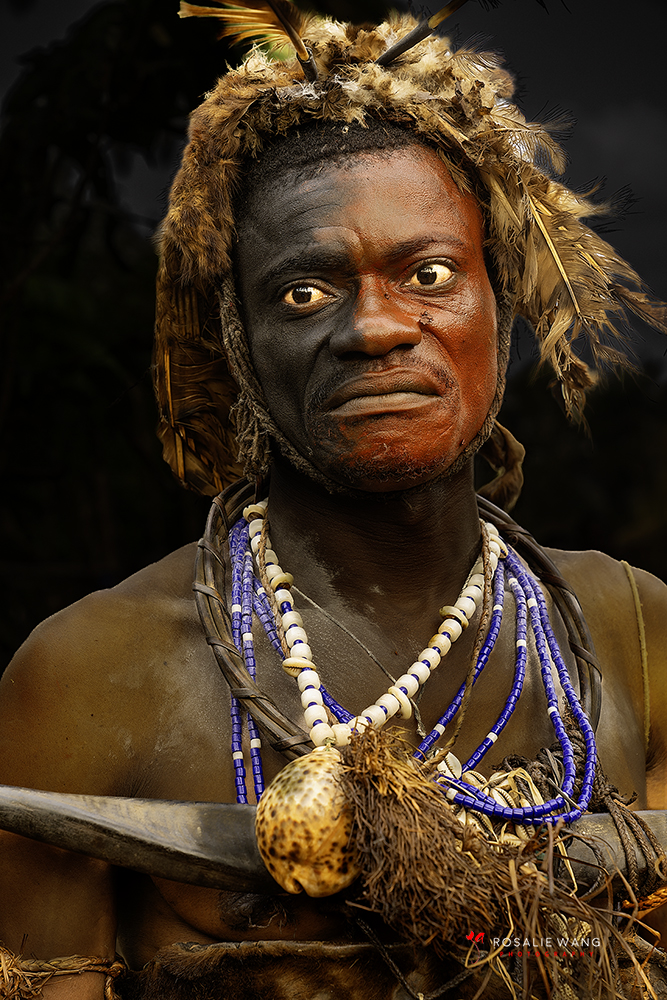
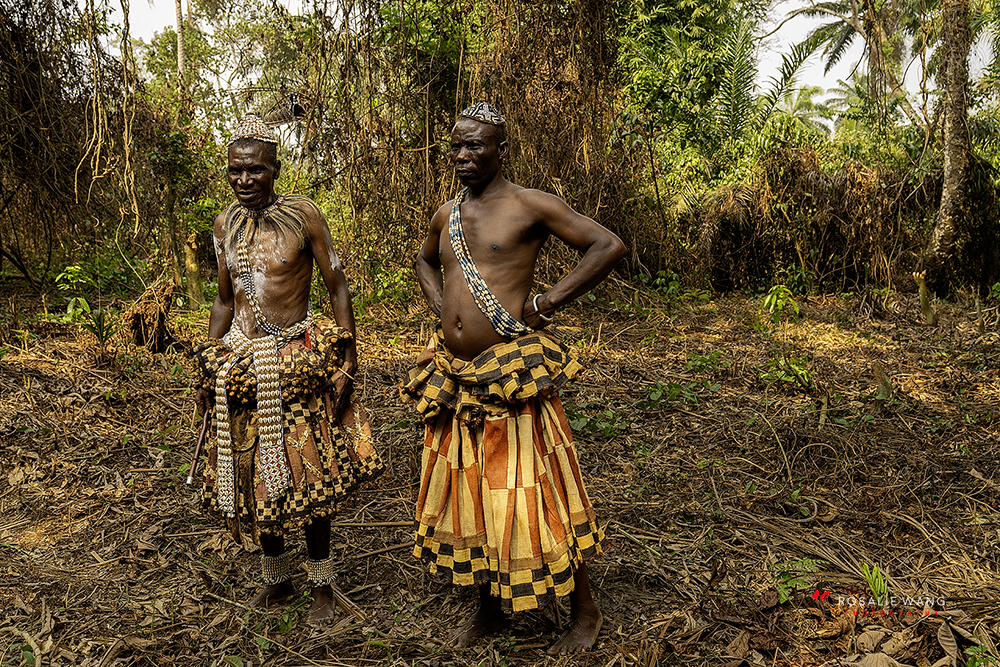
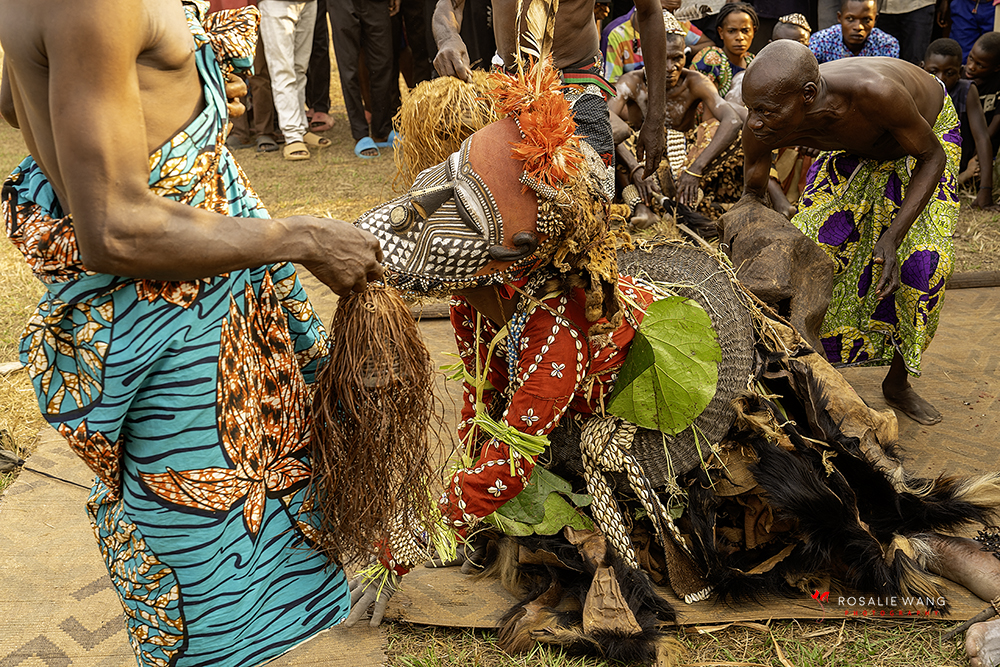
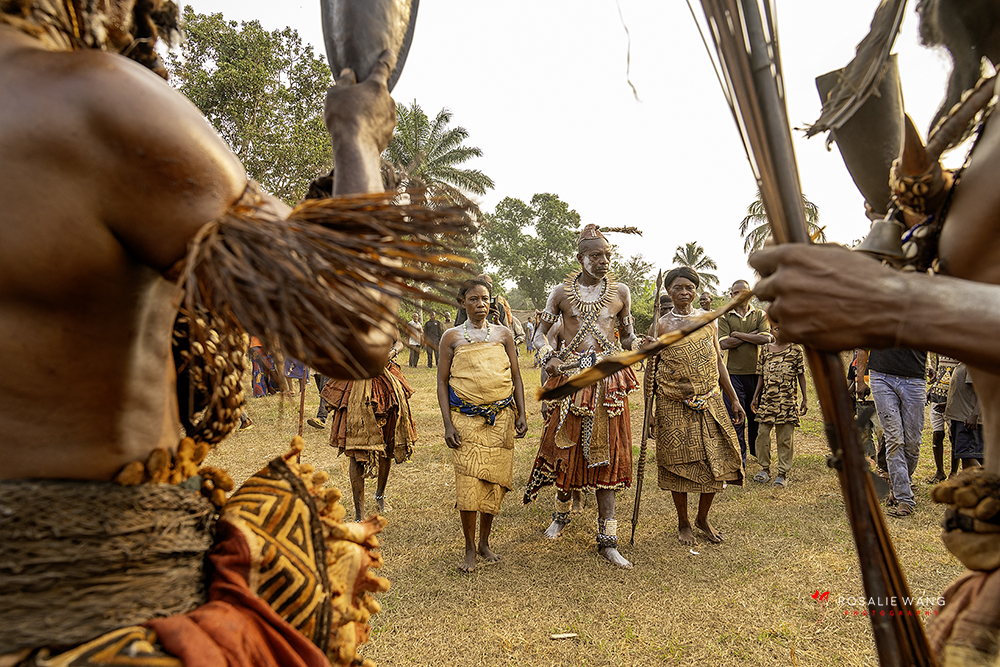
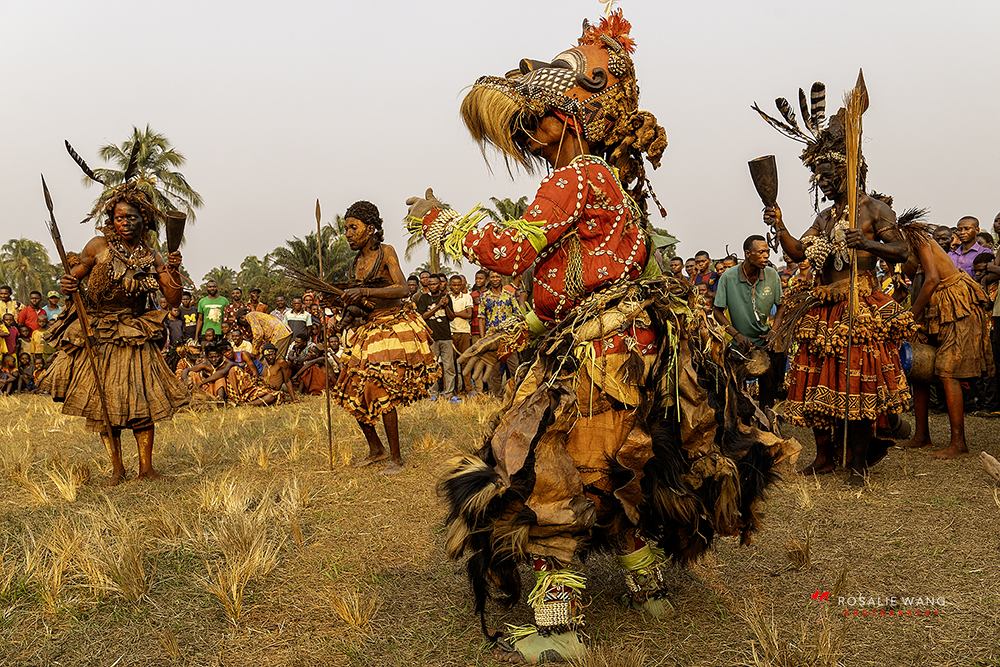
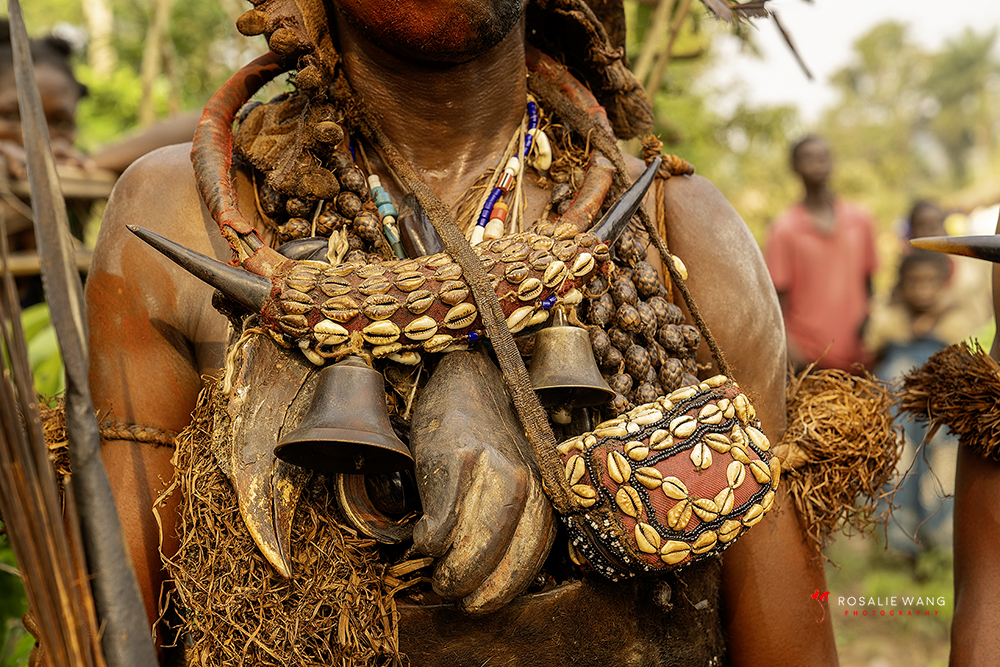
- Beads, cowrie shells, feathers
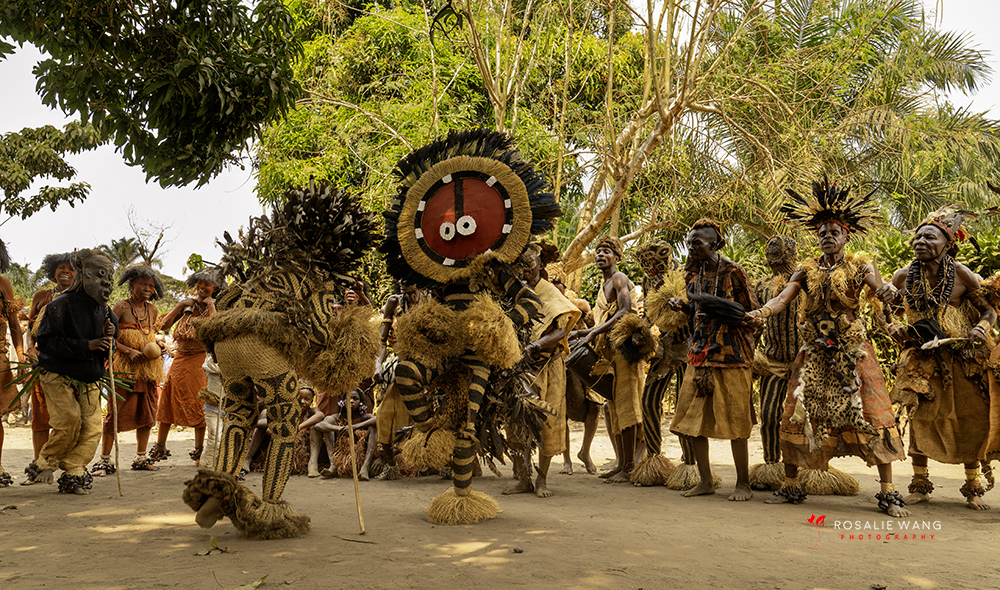
- Full-body raffia costumes
- Masks embody mythic figures and origin stories