🇨🇩 Democratic Republic of the Congo: The Richest Cultural Landscape in Africa
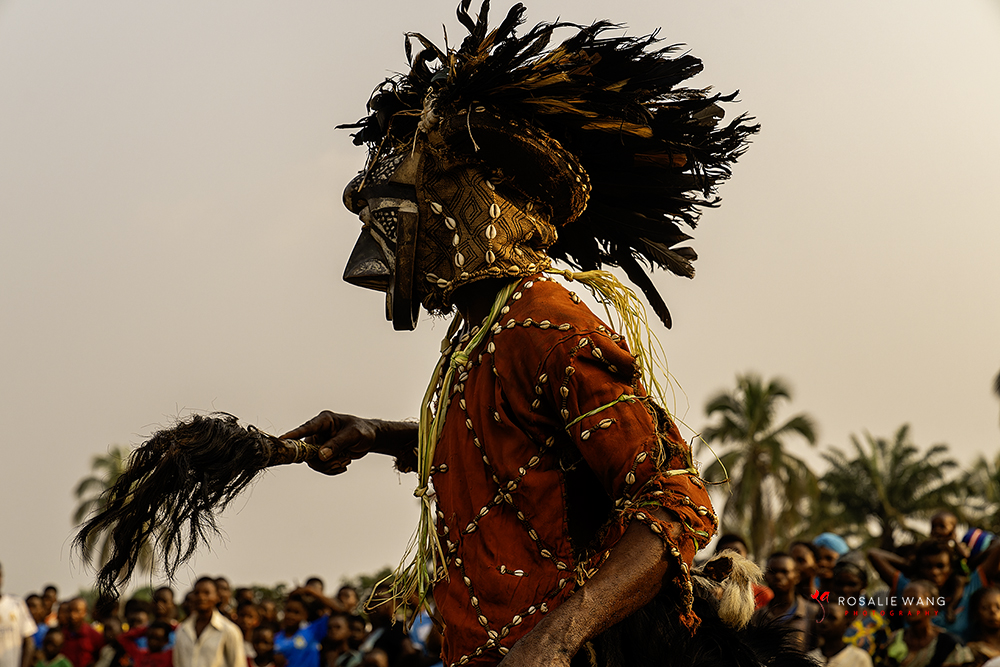
Located at the heart of the African continent, the Democratic Republic of the Congo (DRC) is a vast country whose cultural identity is shaped by incredible human diversity. Home to over 200 distinct ethnic groups and more than 215 local languages, the DRC functions as a rich mosaic of traditions, artistic heritage, and deep historical roots.
The vast majority of the population belongs to Bantu-speaking ethnicities, though there are also notable Nilotic, Central Sudanic, and indigenous Pygmy populations:
- The Luba (Baluba): Concentrated primarily in the south-central regions (Kasai and Katanga), the Luba are historically renowned for their sophisticated 16th-century kingdom, intricate wood carvings, and storytelling traditions.
- The Kongo (Bakongo): Inhabiting the western region along the Atlantic coast and the capital, Kinshasa, the Kongo people trace their lineage to the legendary Kingdom of Kongo. They have played a central role in the nation’s political and trade history.
- The Mongo: Inhabiting the dense central rainforests of the Congo Basin, the Mongo comprise several smaller sub-groups (such as the Ekonda and Mbole) who share a deep cultural connection to agriculture, river networks, and forest ecosystems.
- The Mangbetu and Azande: Situated in the northeast, these groups are historically celebrated for their distinct court art, royal music (such as the Mangbetu harp), and remarkable architectural traditions.
- The Indigenous Forest Communities (Pygmies / Batwa & Bambuti): Considered the original inhabitants of the Congo Basin’s rainforests, tribes such as the Mbuti and Efe maintain a traditional hunter-gatherer way of life with deep spiritual connections to the forest.