🇮🇳 INDIA
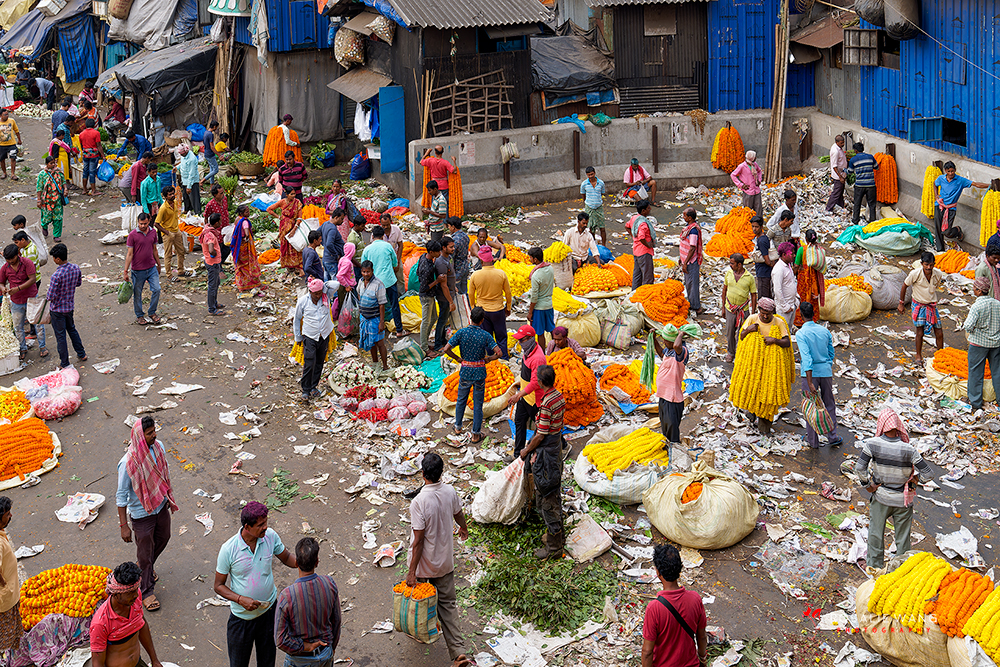
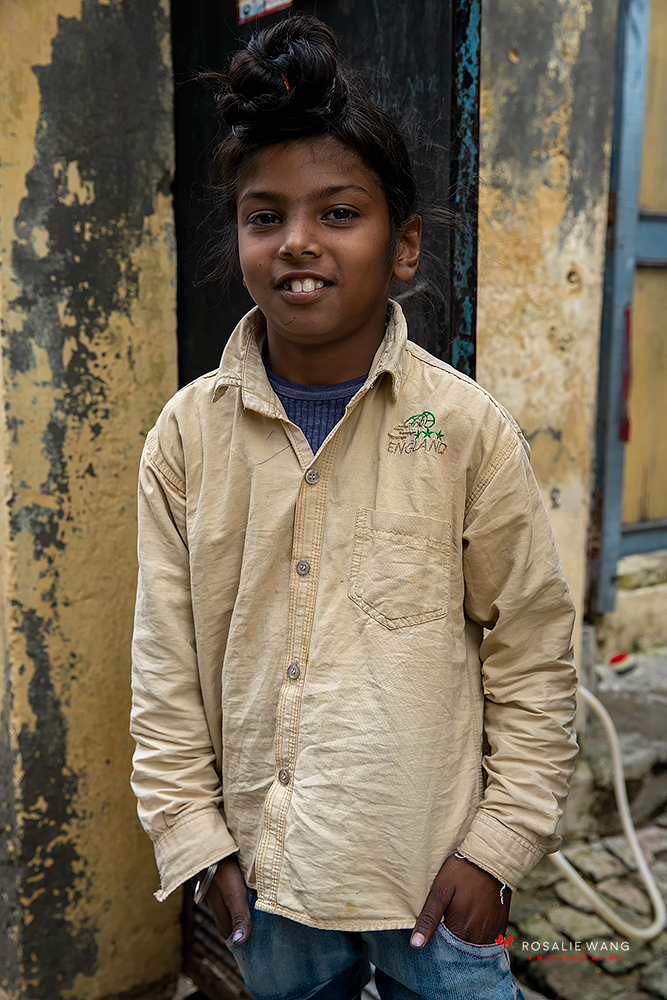
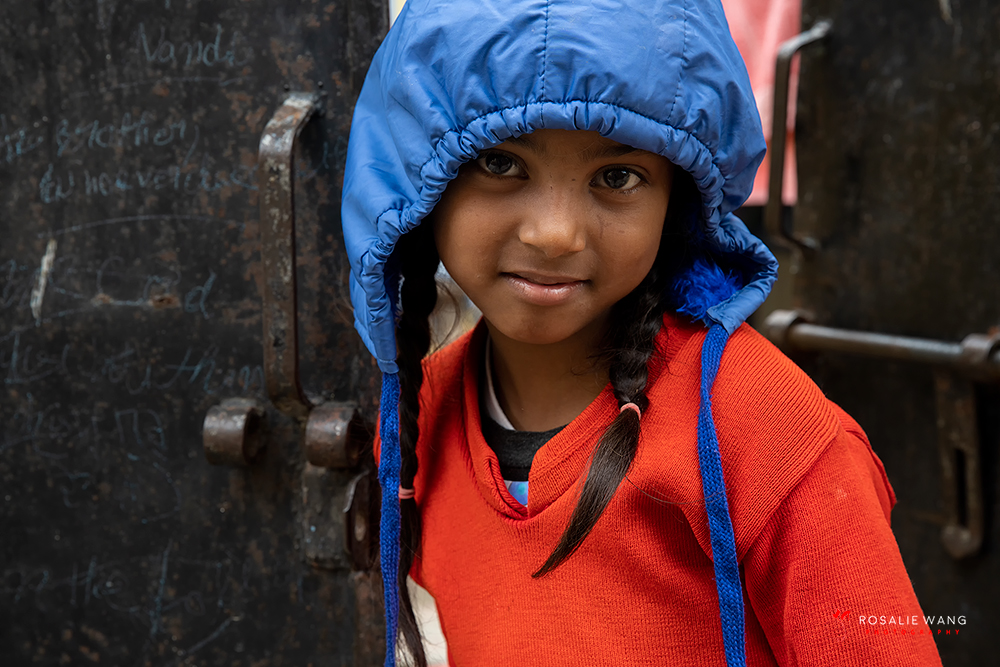
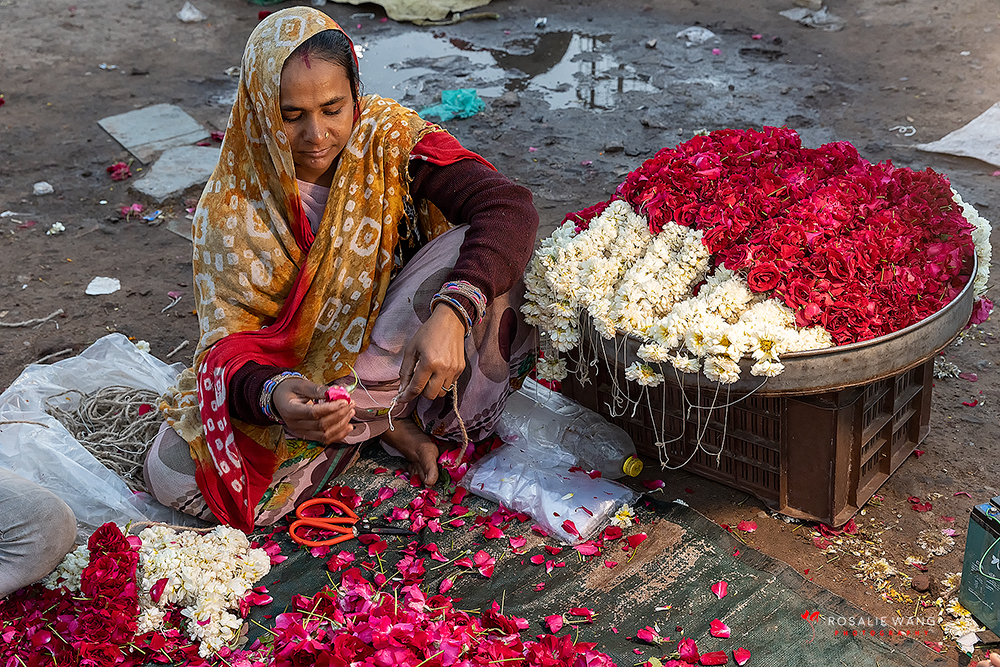
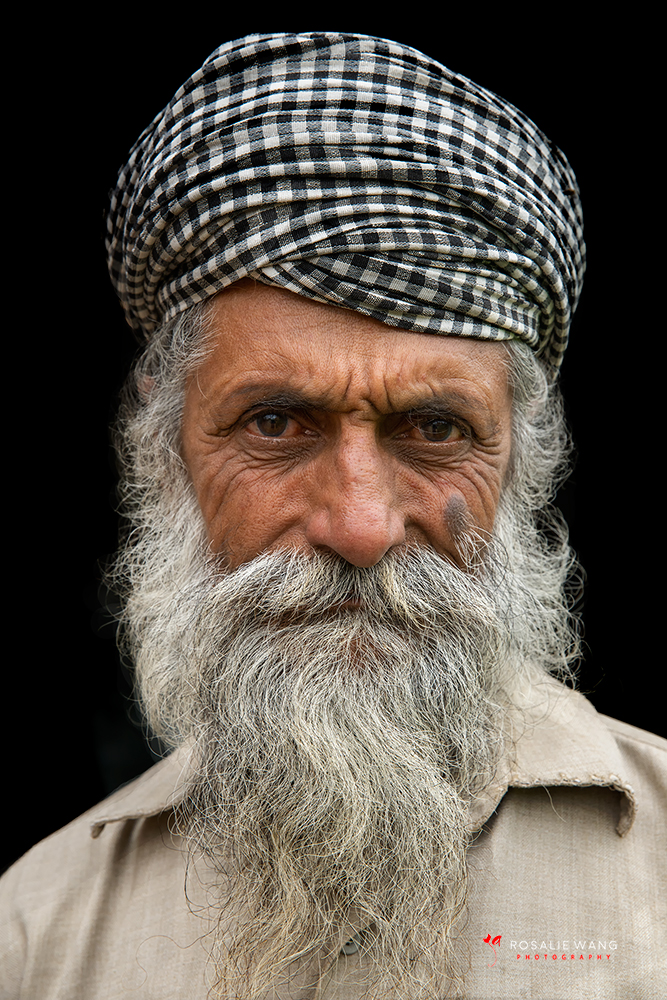
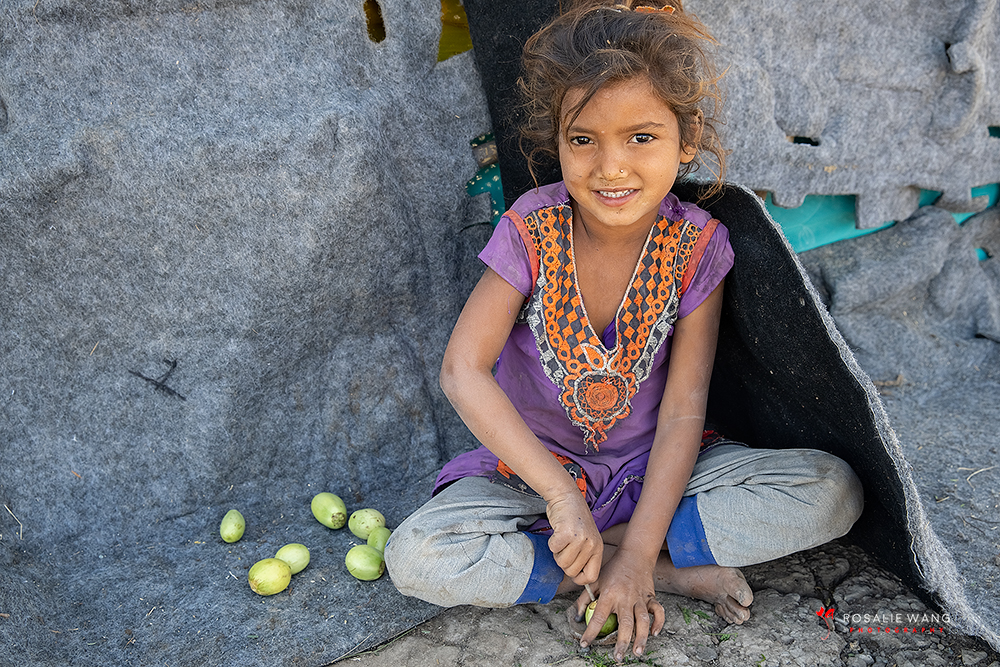
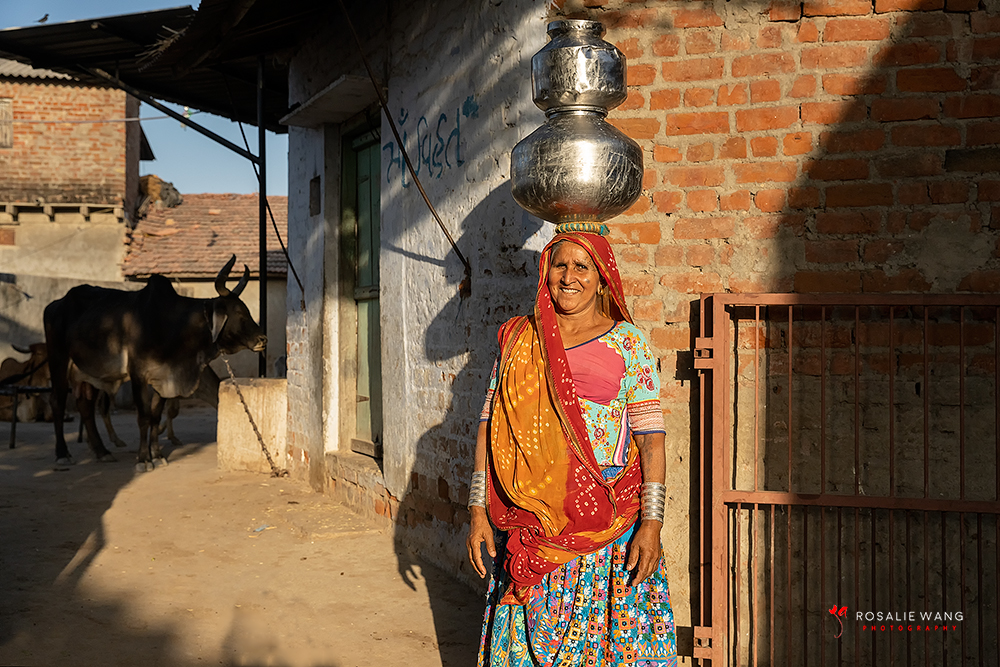
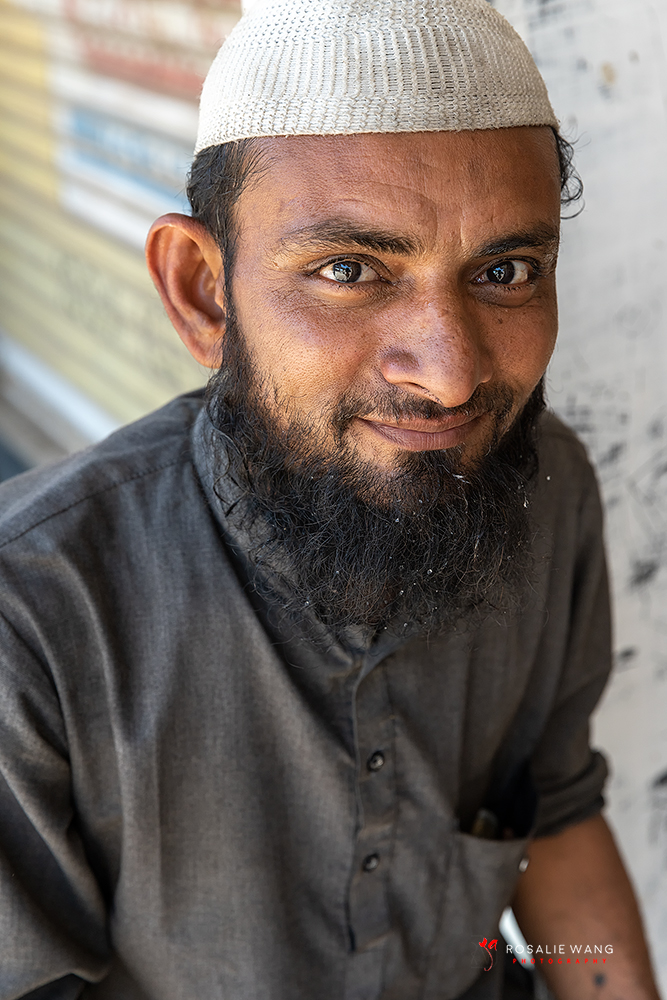
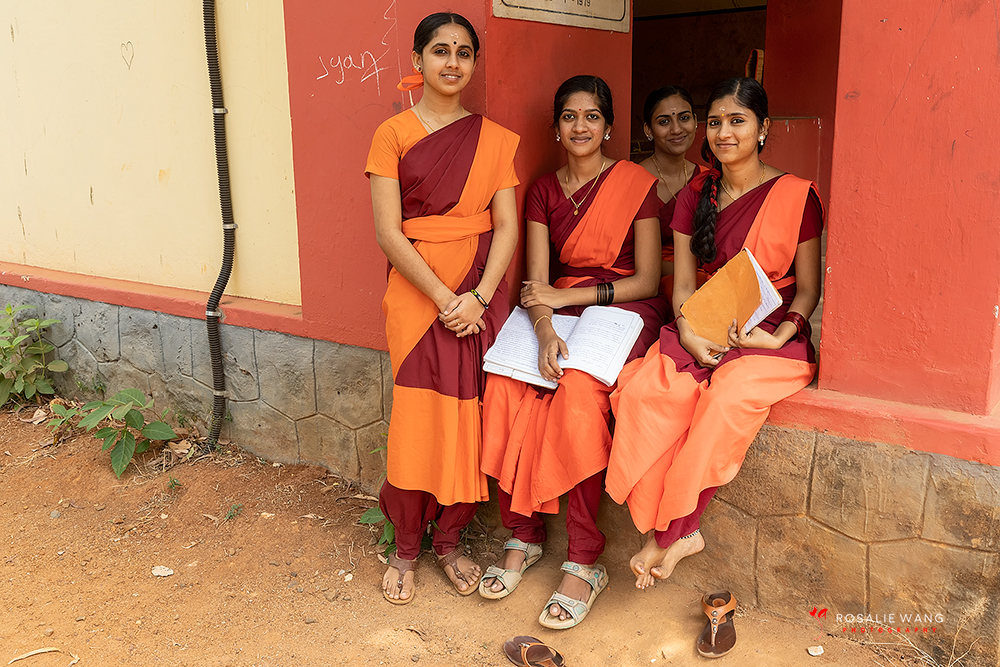
India is a vast cultural mosaic shaped by hundreds of ethnic communities, dozens of language families, and a ceremonial calendar that runs year‑round. Its diversity is expressed most vividly through its peoples, festivals, and ritual traditions, each rooted in deep history and regional identity.
🌏 Ethnic Landscape of India
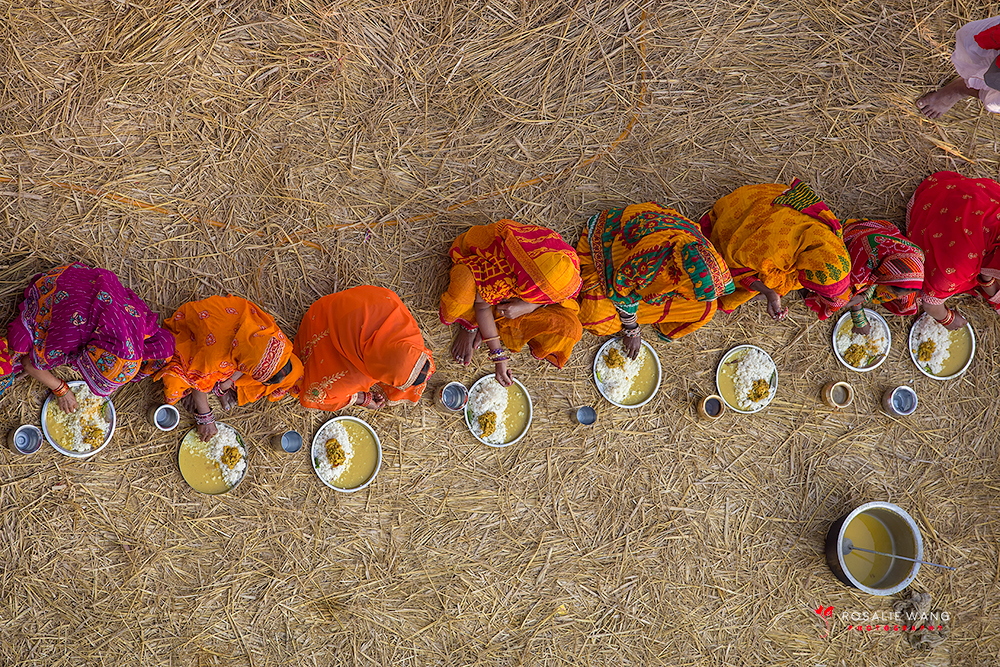
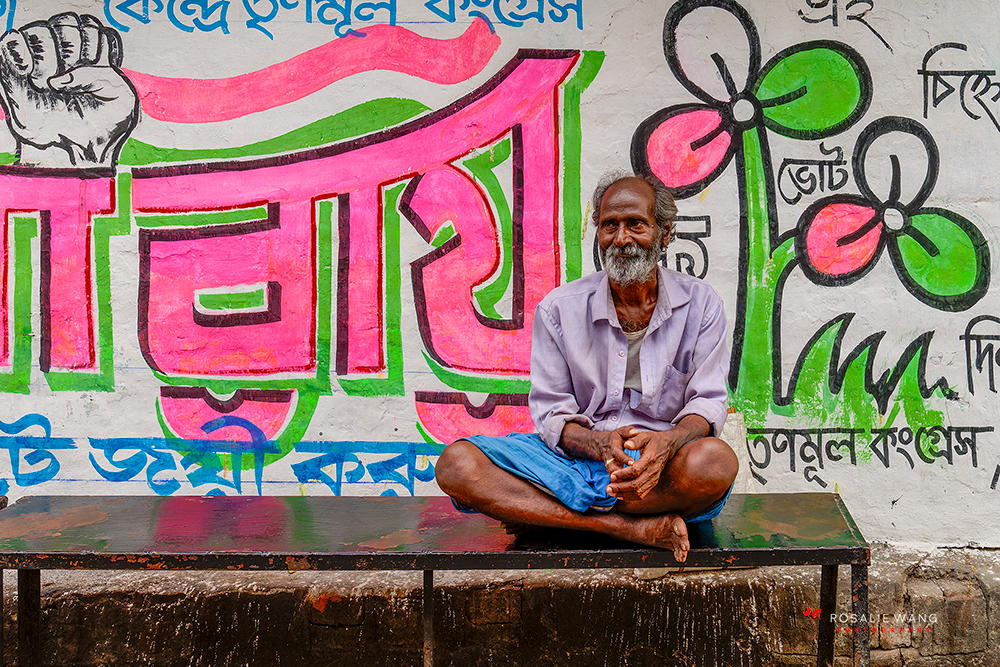
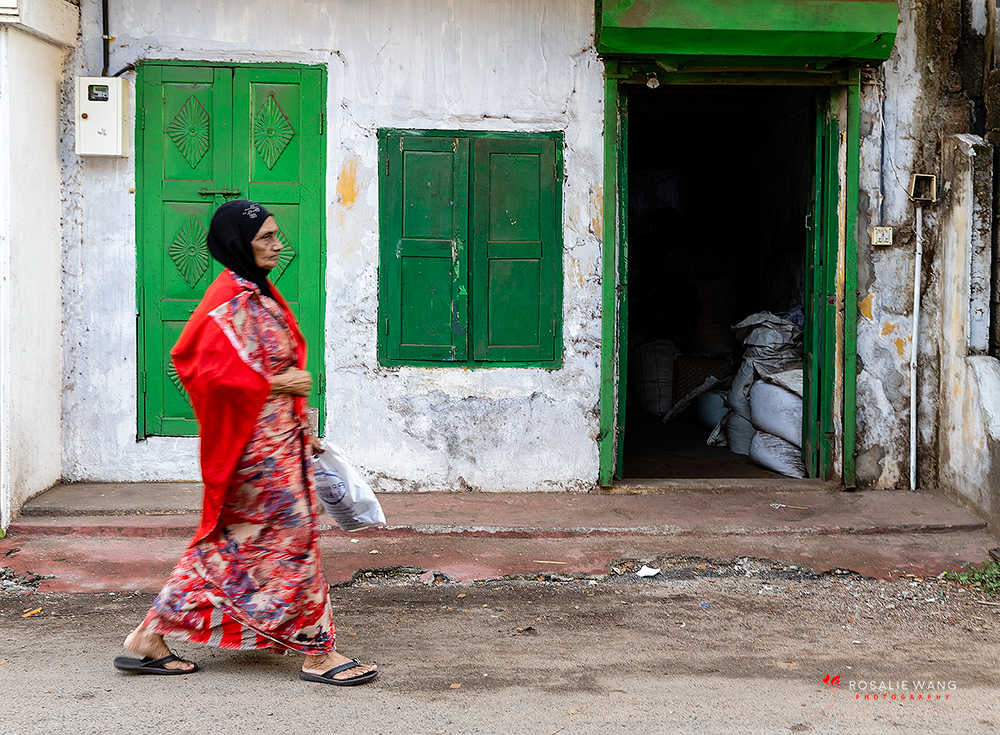
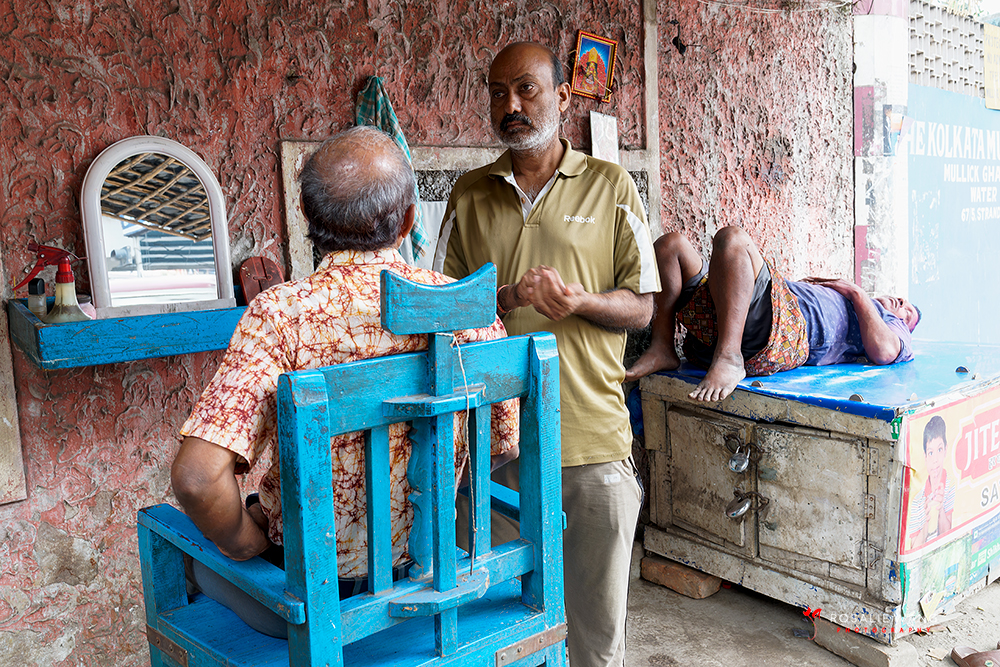
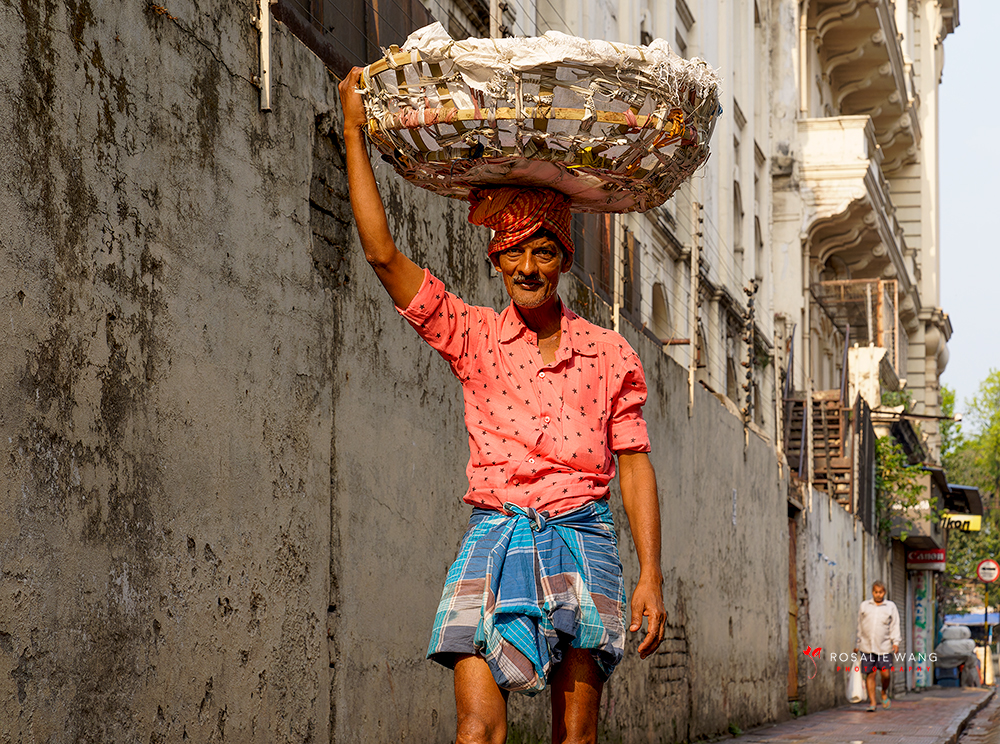
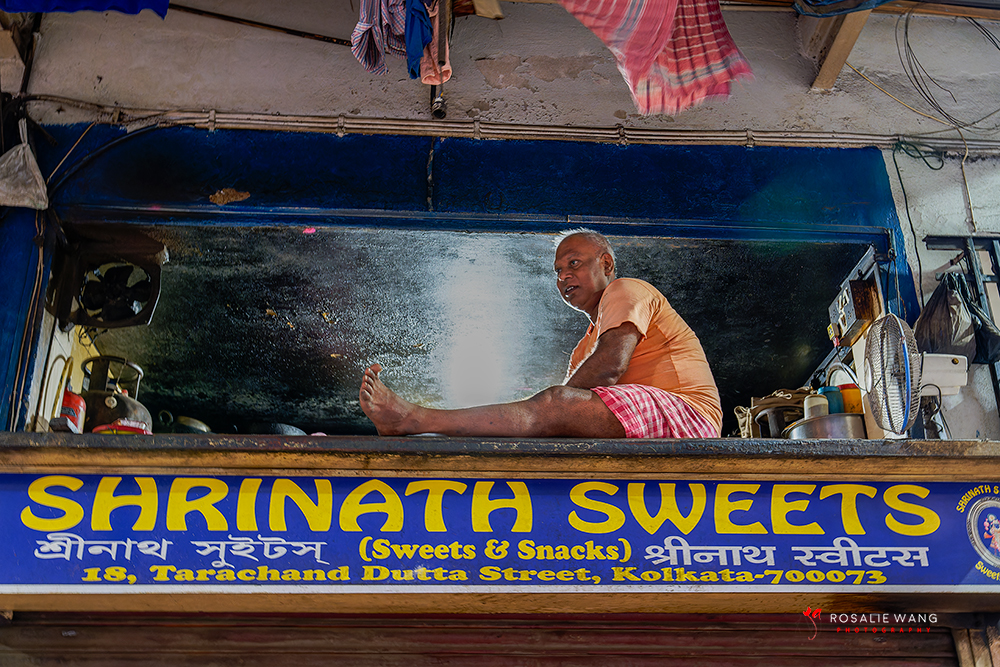
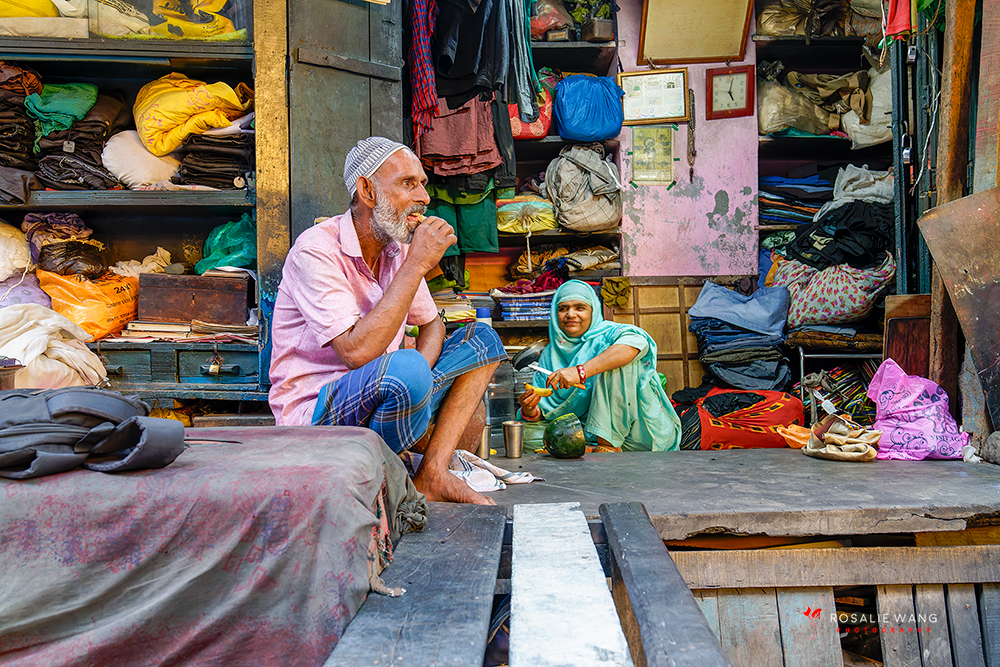
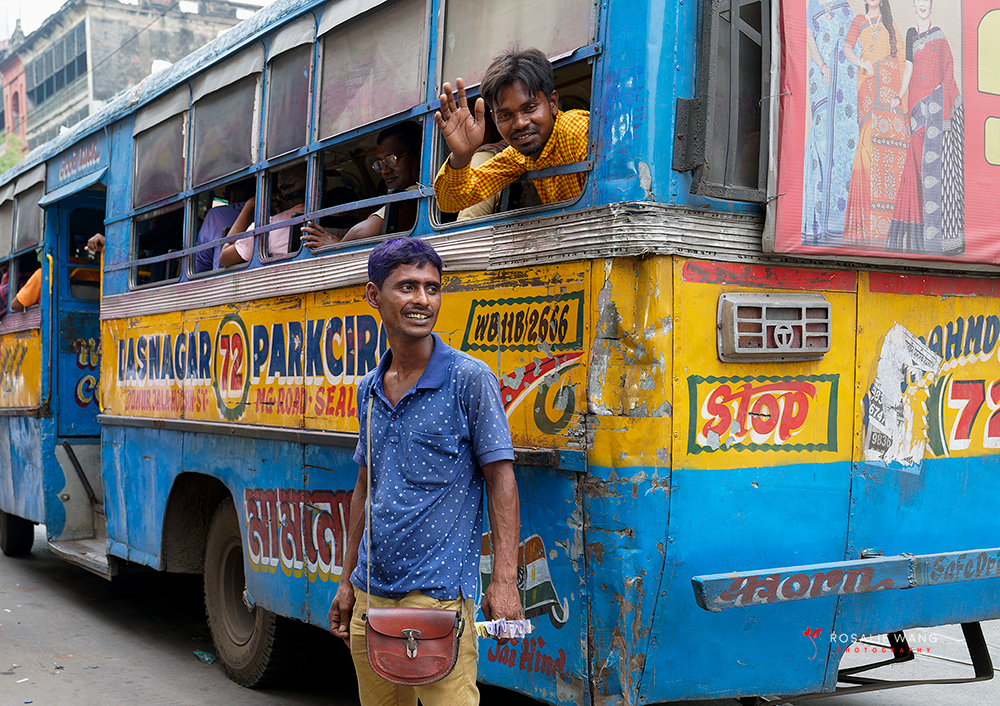
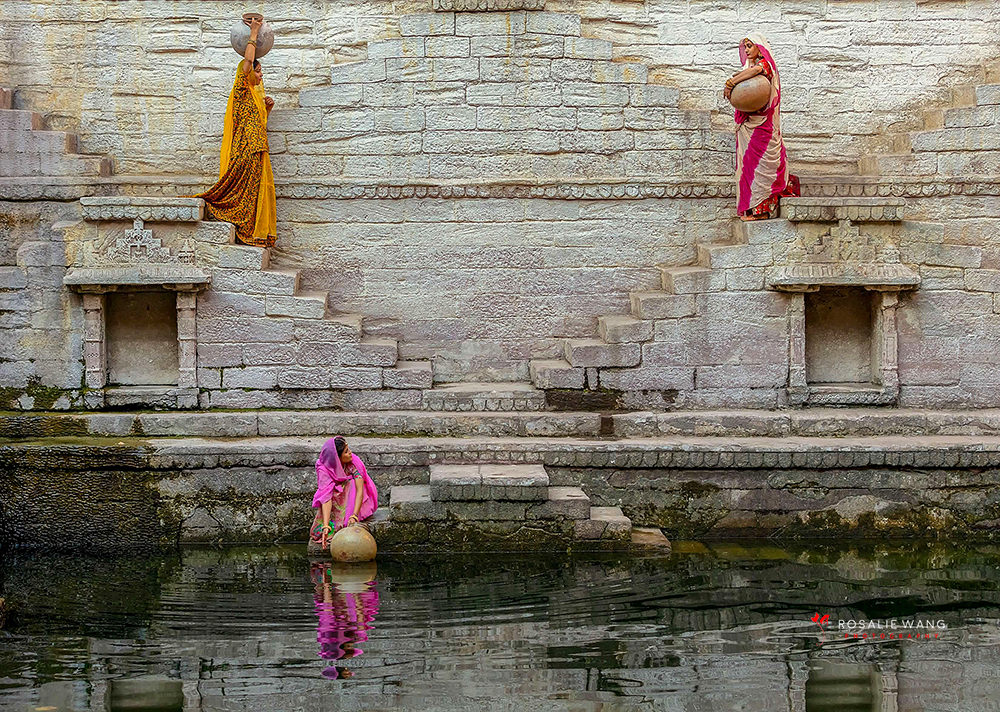
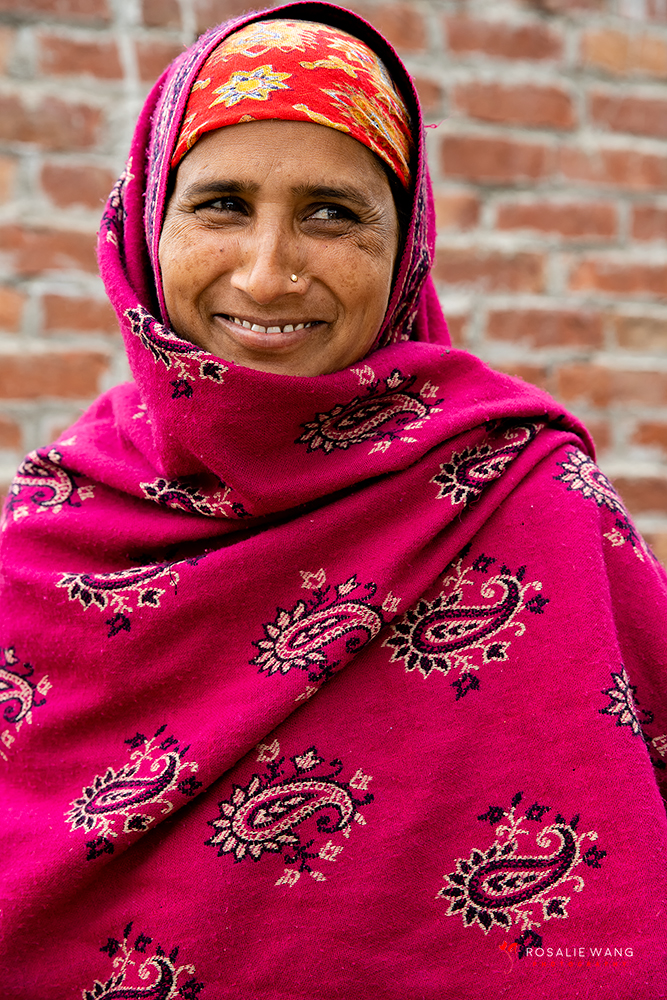
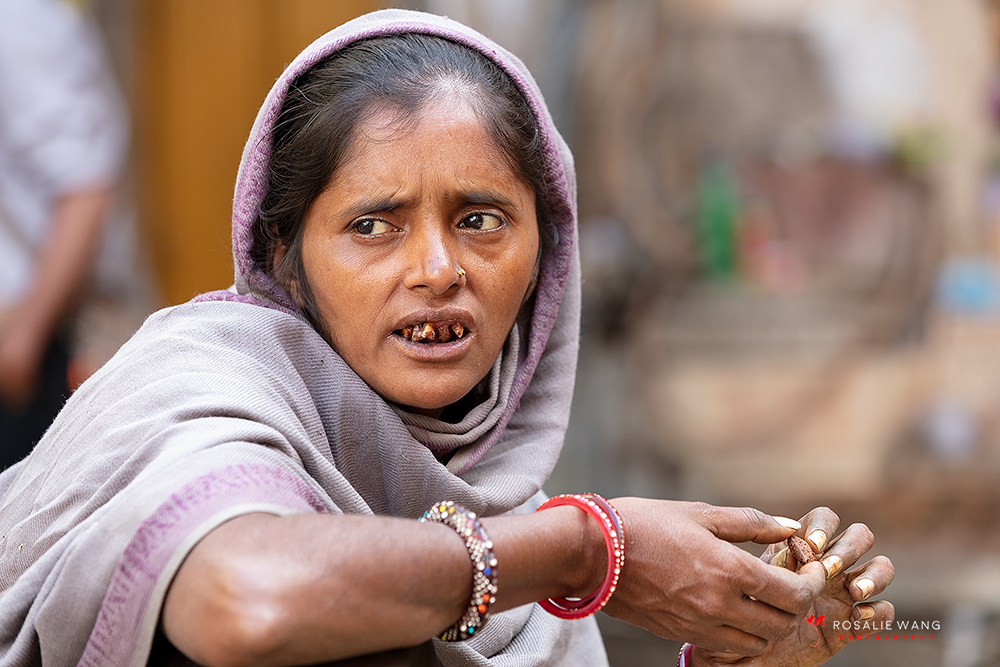
India’s population includes tribal, pastoral, agrarian, and urban communities, each with distinct languages, dress, and ritual systems. The country’s ethnic richness is often described as unity in diversity, with traditions tied closely to nature, ancestry, and local cosmologies.
Linguistic Diversity — India’s ethnic groups map closely to its many languages, forming cultural zones with shared mythologies, dance forms, and ceremonial practices.
Indigenous and Tribal Groups — Communities such as the Nagas, Santhals, Gonds, Bhils, Todas, and Warlis maintain unique artistic, ritual, and ecological traditions. Their festivals often emphasize harmony with nature and ancestral spirits.
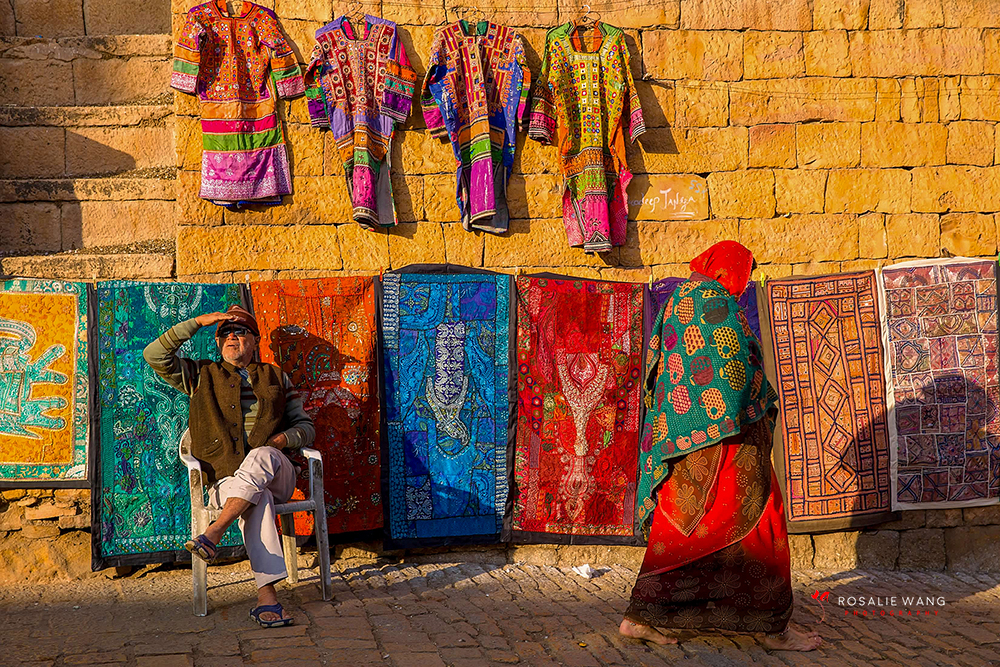
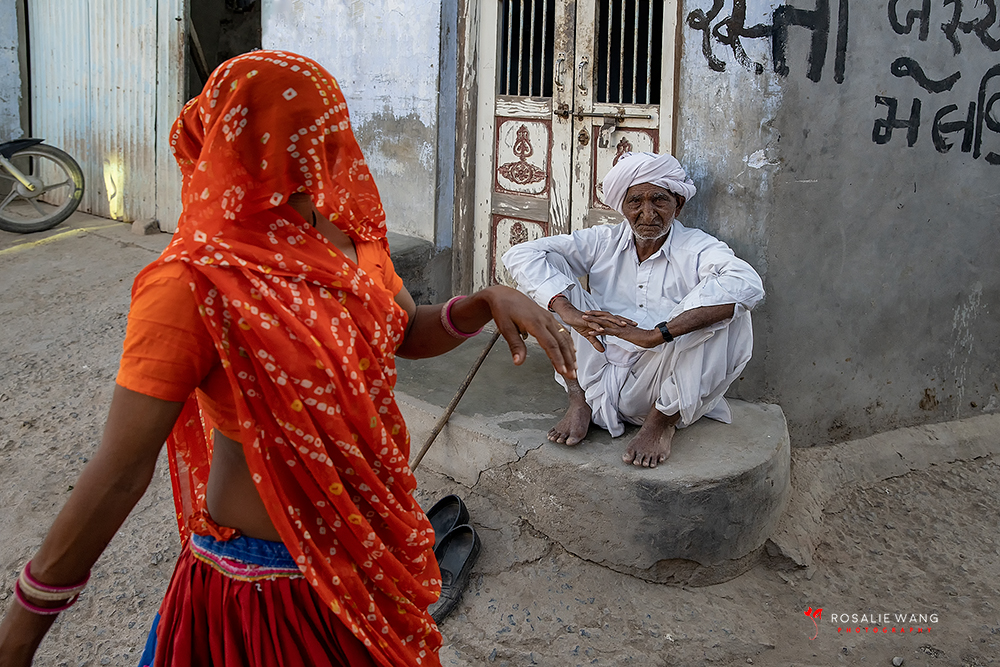
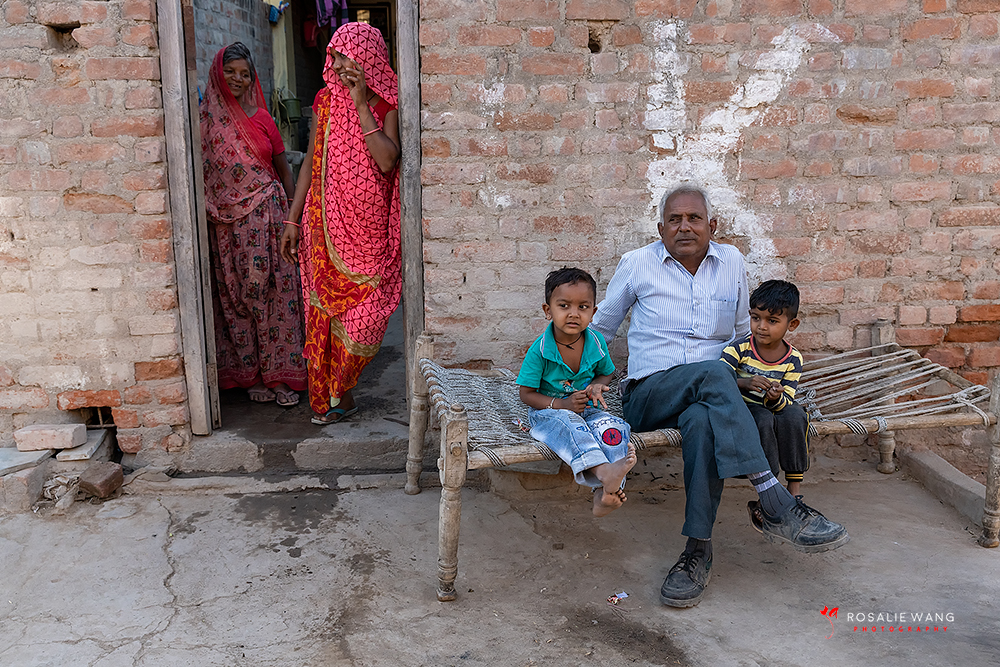
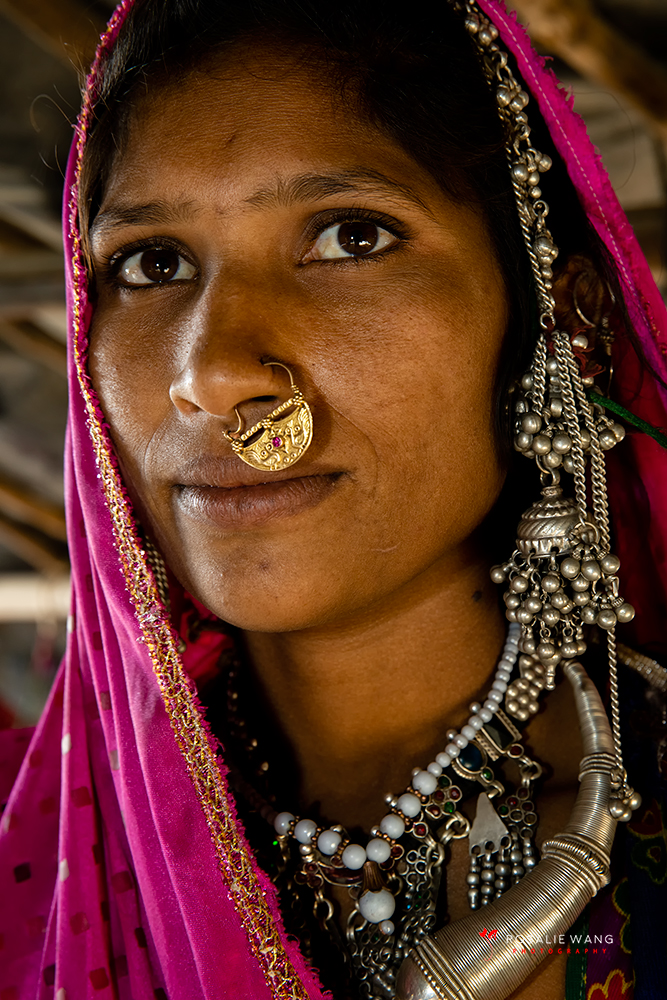
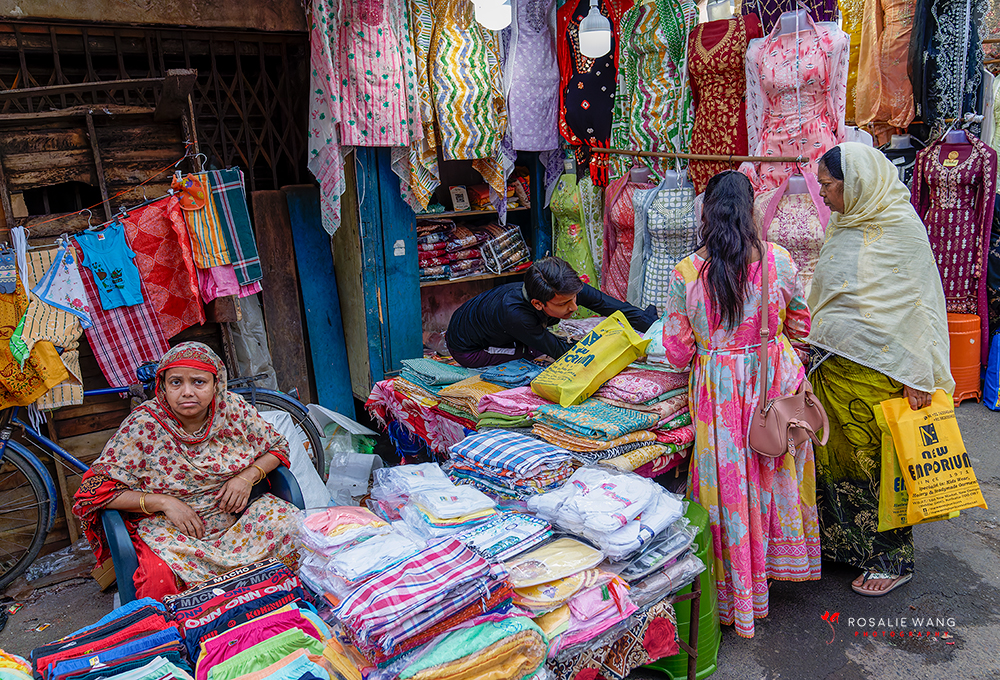
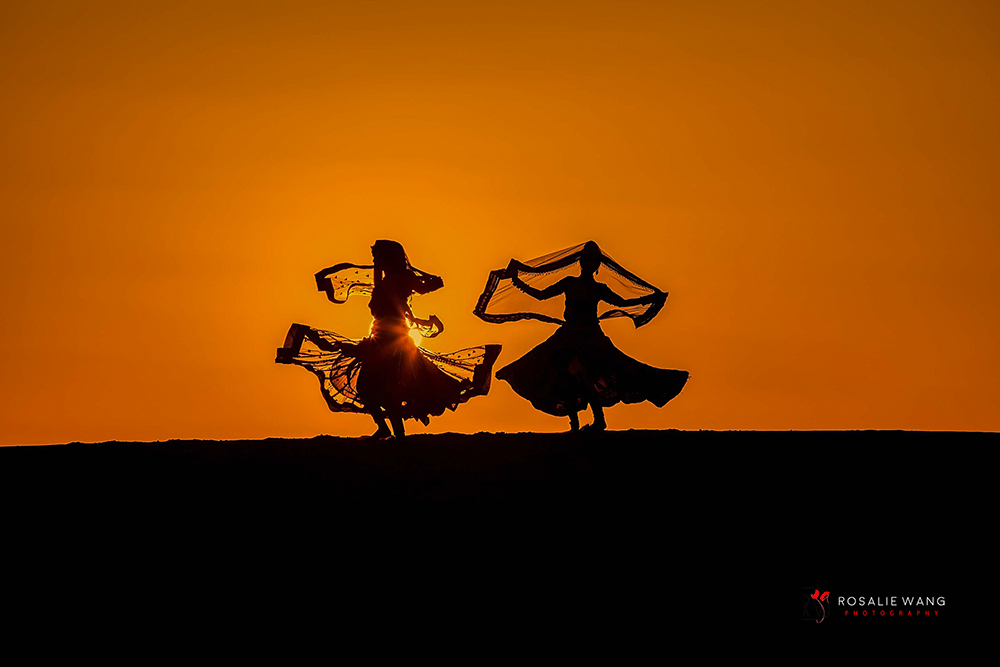
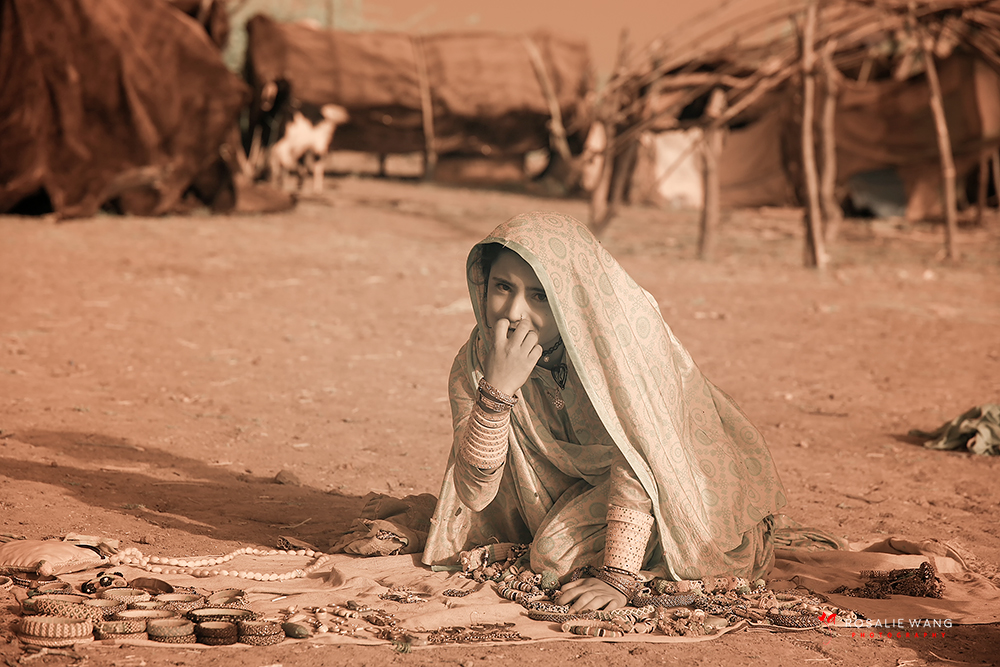
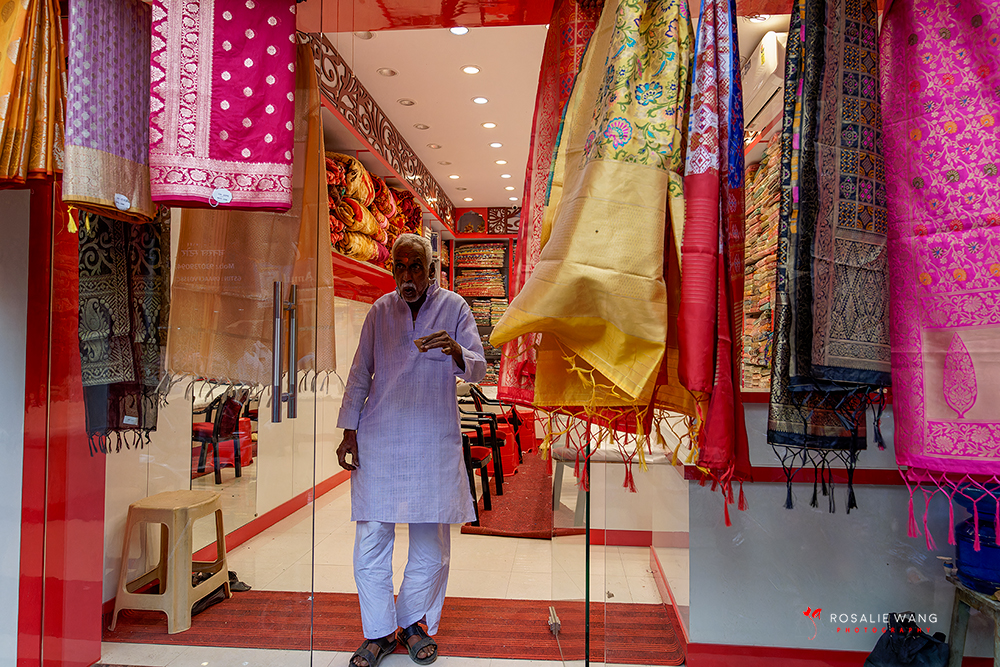
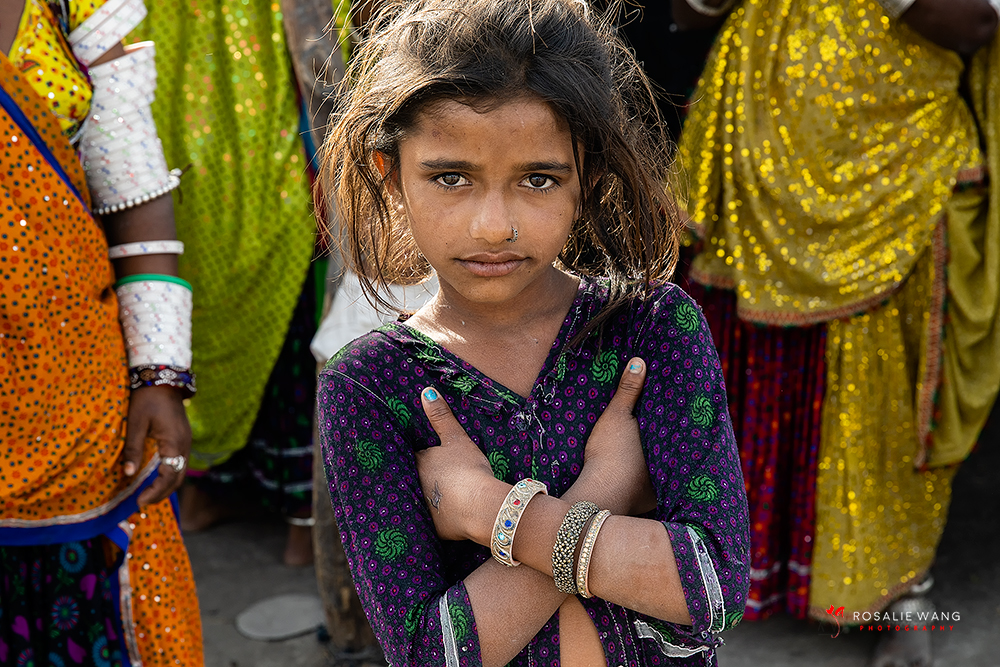
Regional Ethnic Cultures — From the colorful attire of Rajasthan to the classical heritage of Tamil Nadu and the riverine cultures of Bengal and Assam, each region expresses identity through language, textiles, food, and ritual arts.
🎉 Major Festivals Across India, A Ritual Ecology of Color, Fire, Devotion, and Movement
India’s festival calendar is dense and varied, blending religion, seasonal cycles, royal history, and community identity. India’s ceremonial world is vast — a living ecology rather than a list. Festivals rise and fall like tides: some thunderous and monumental, others intimate and glowing. Together they form a landscape where myth, memory, and community are woven into daily life. This chapter gathers twelve festivals that express the full spectrum of India’s ritual imagination.
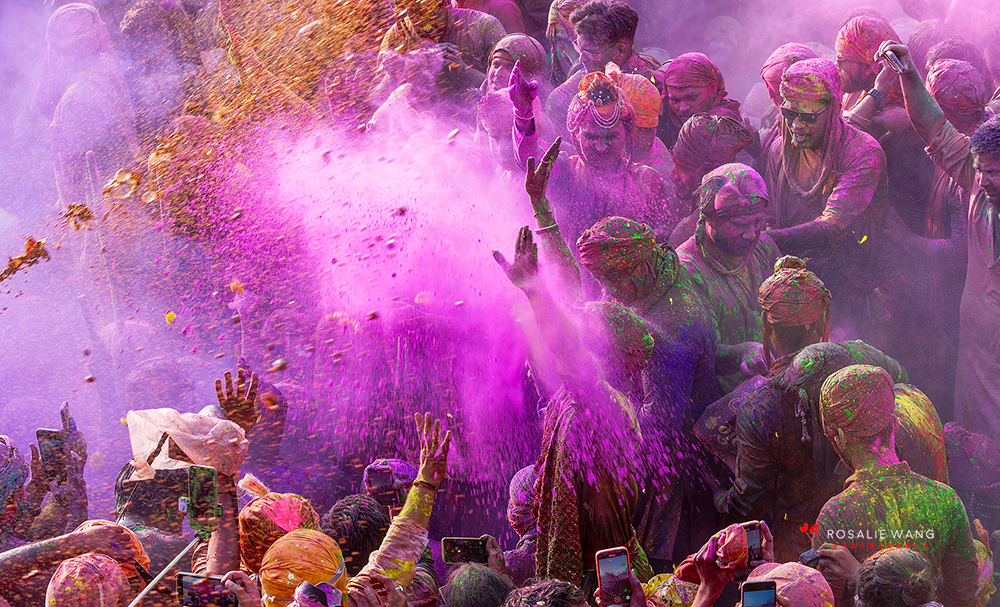
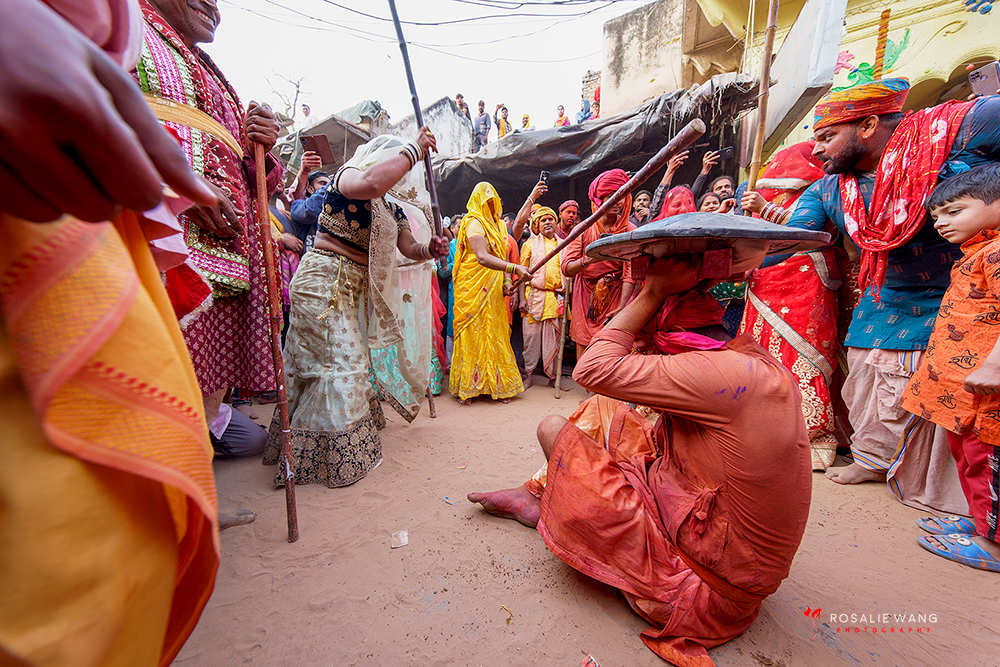
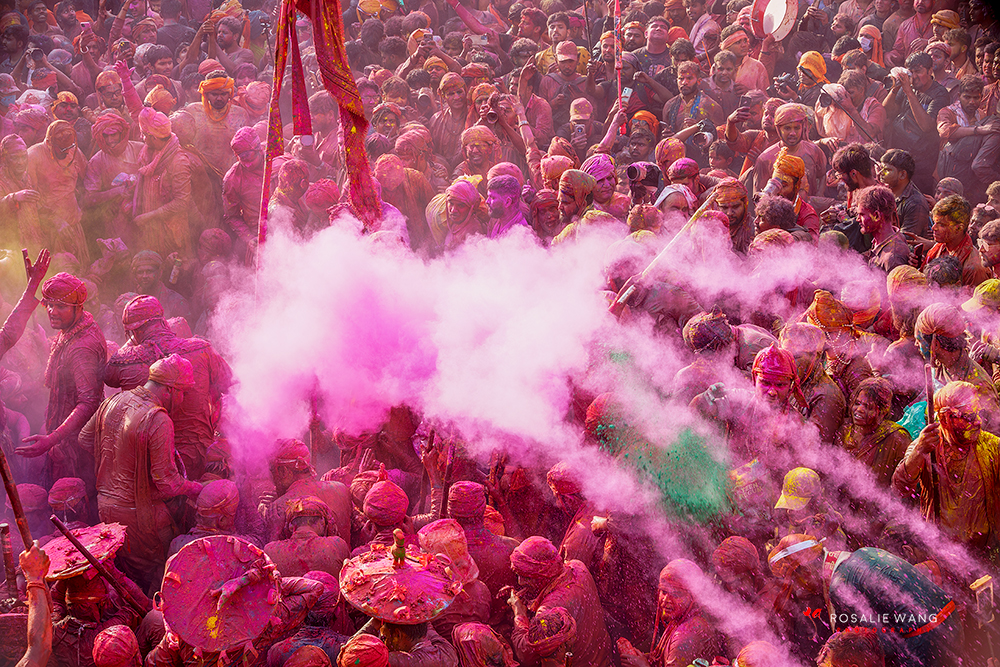
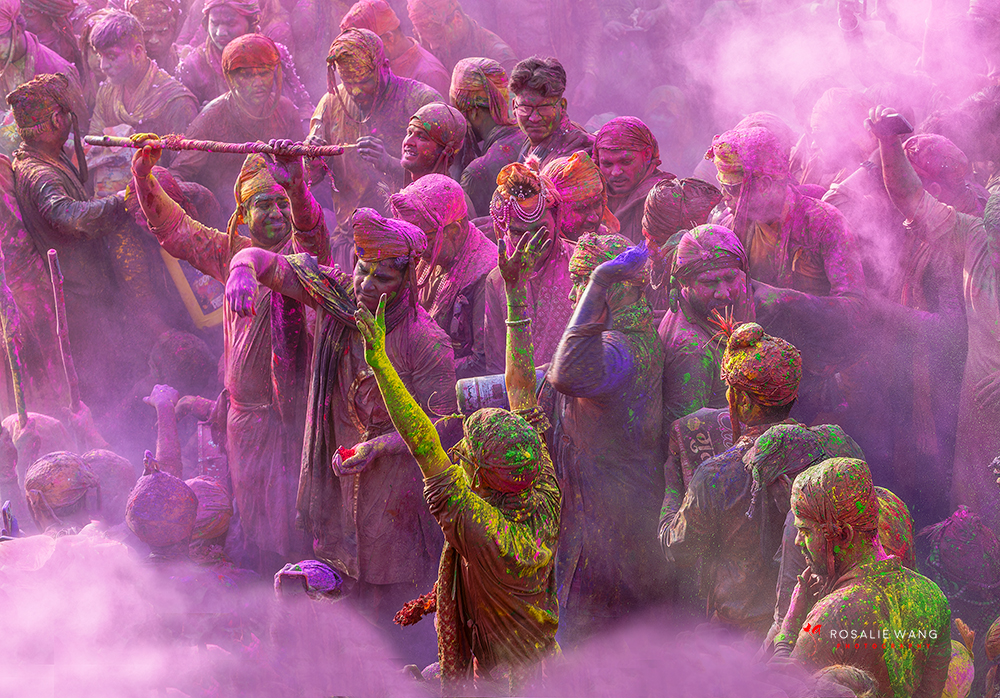
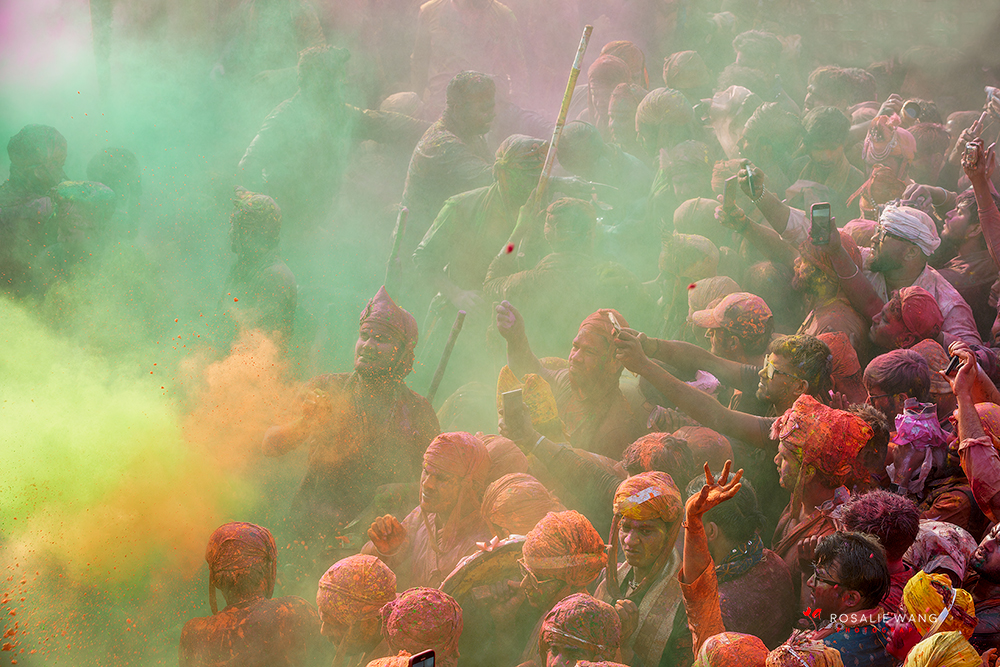
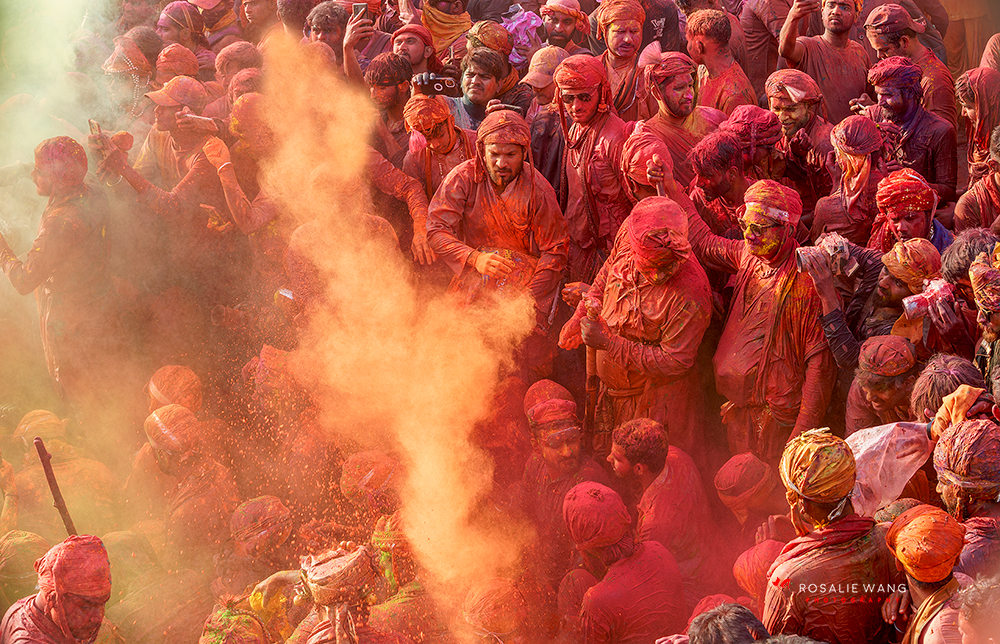
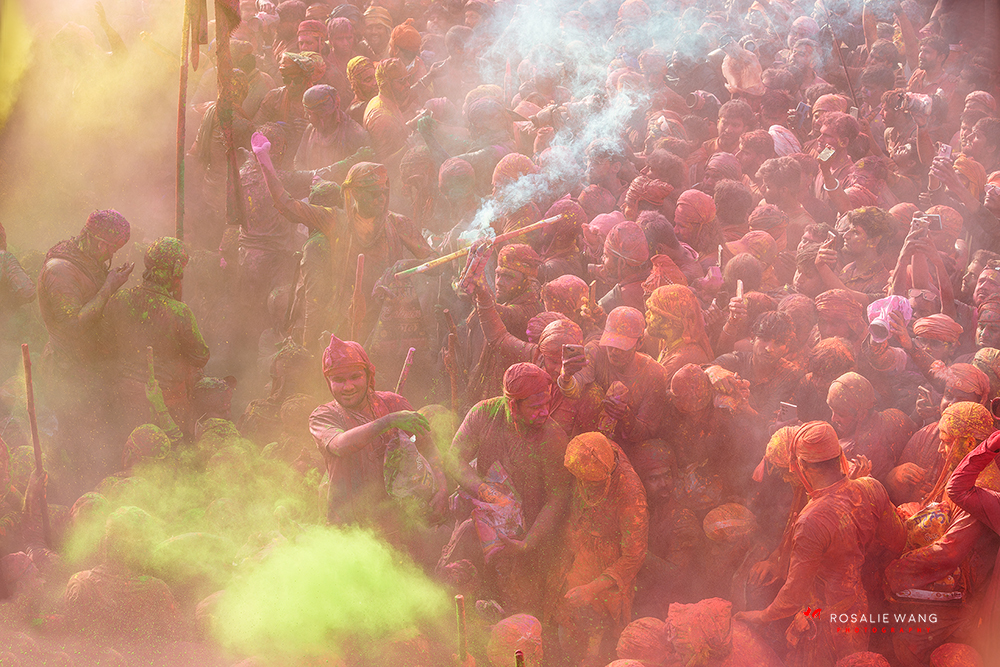
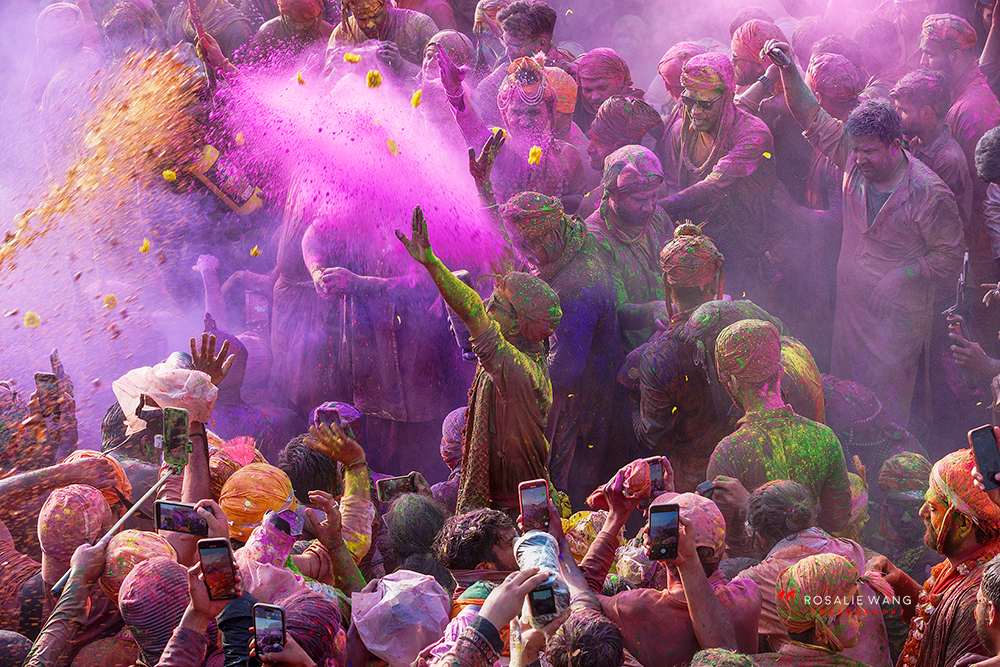
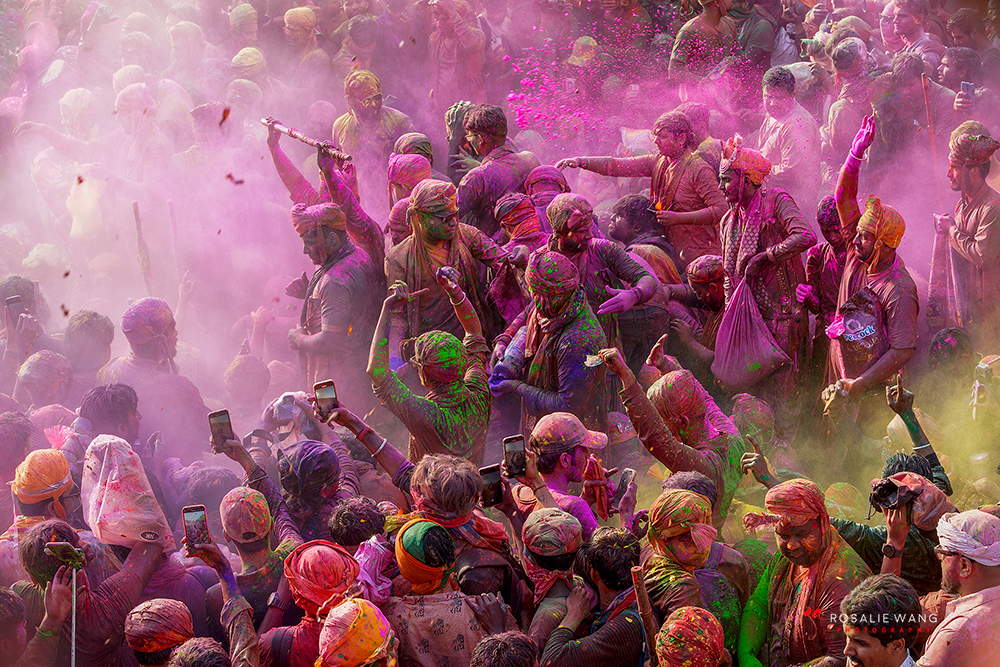
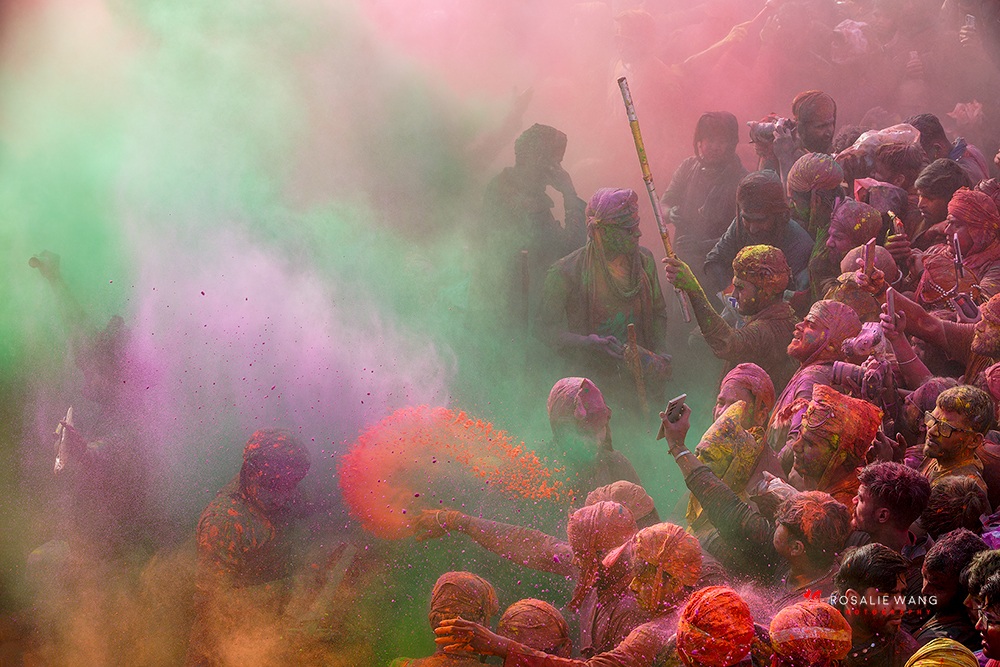
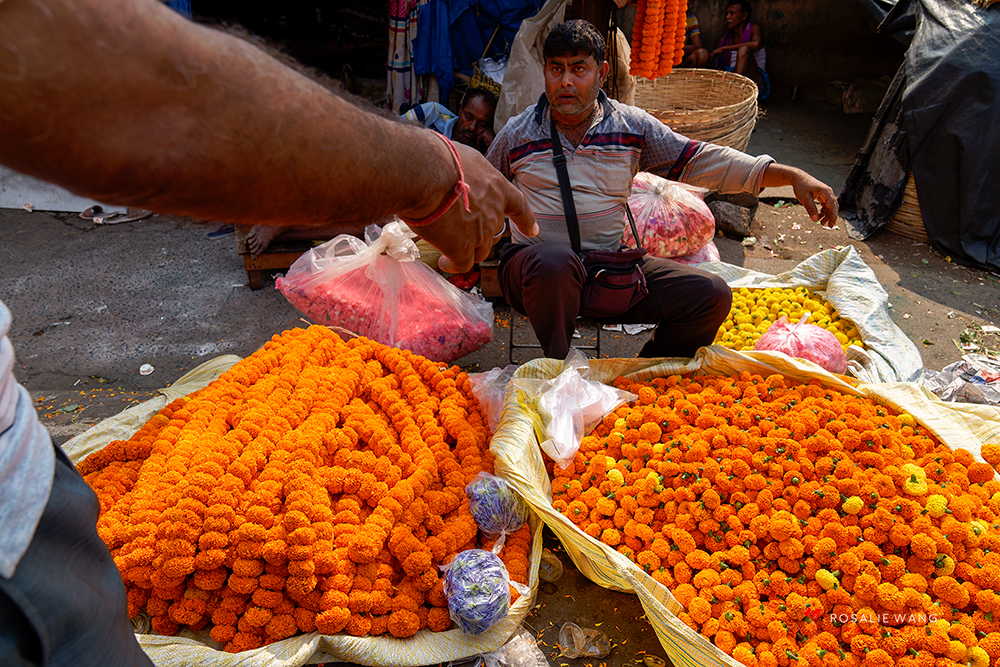
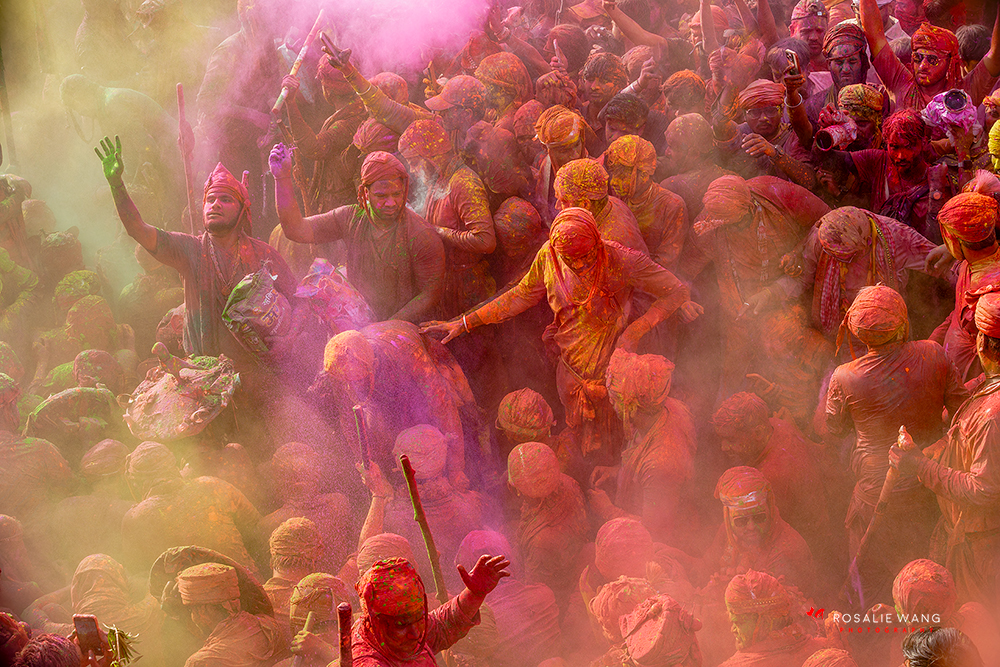
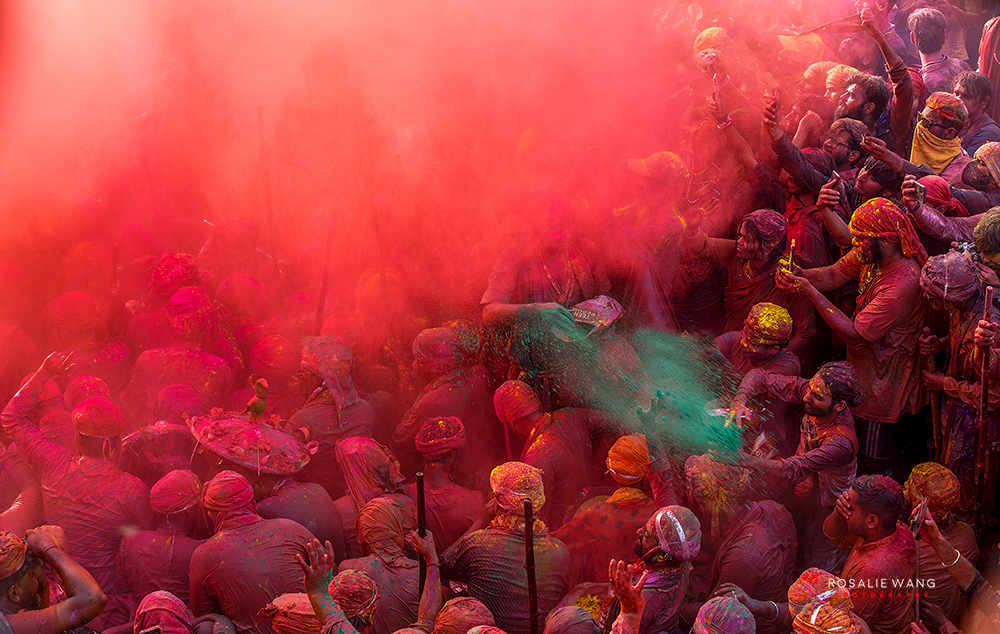
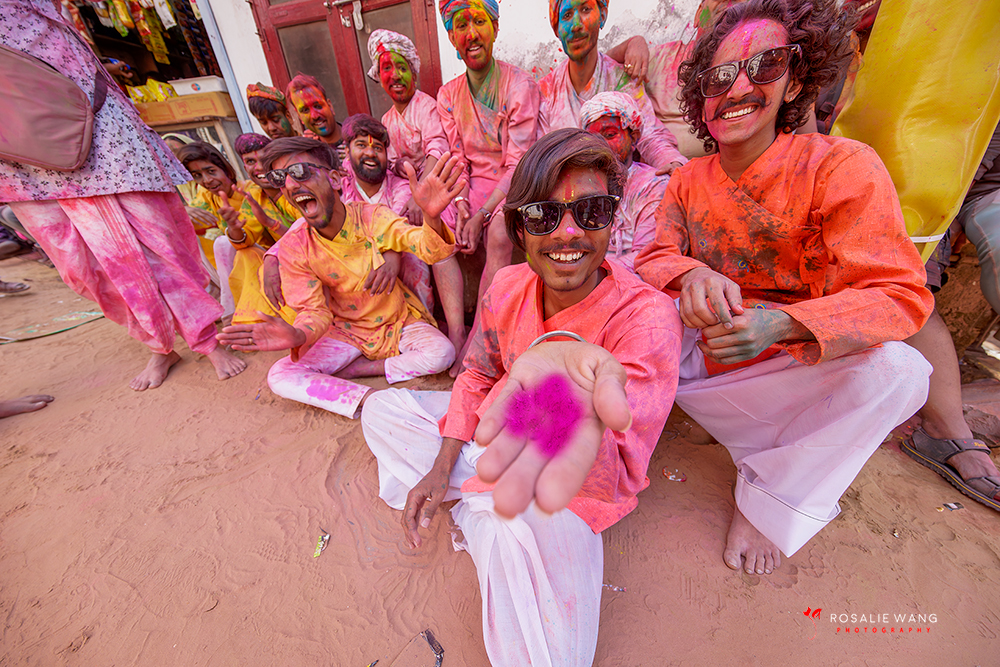
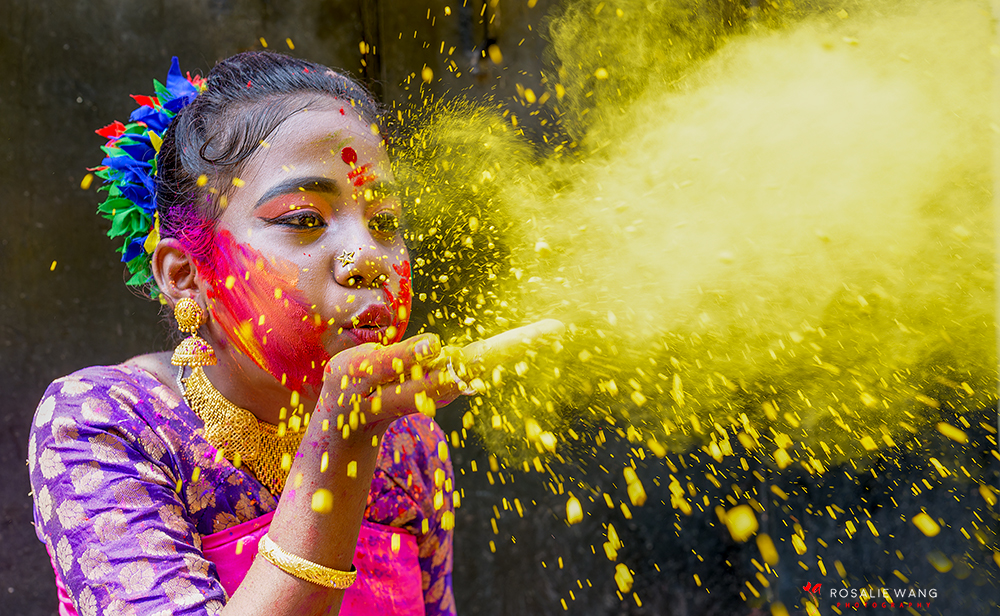
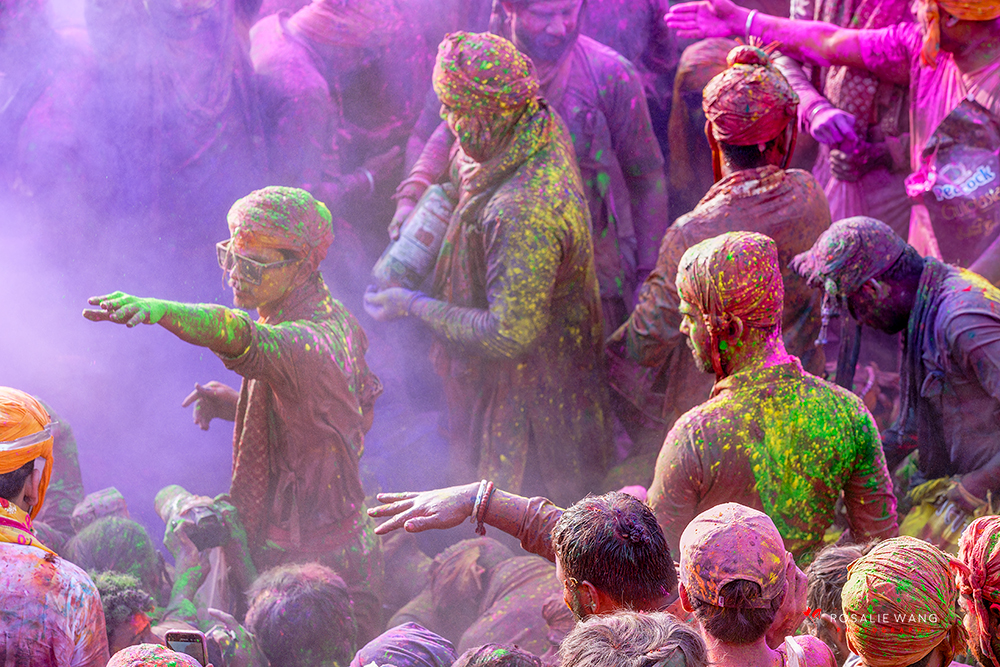
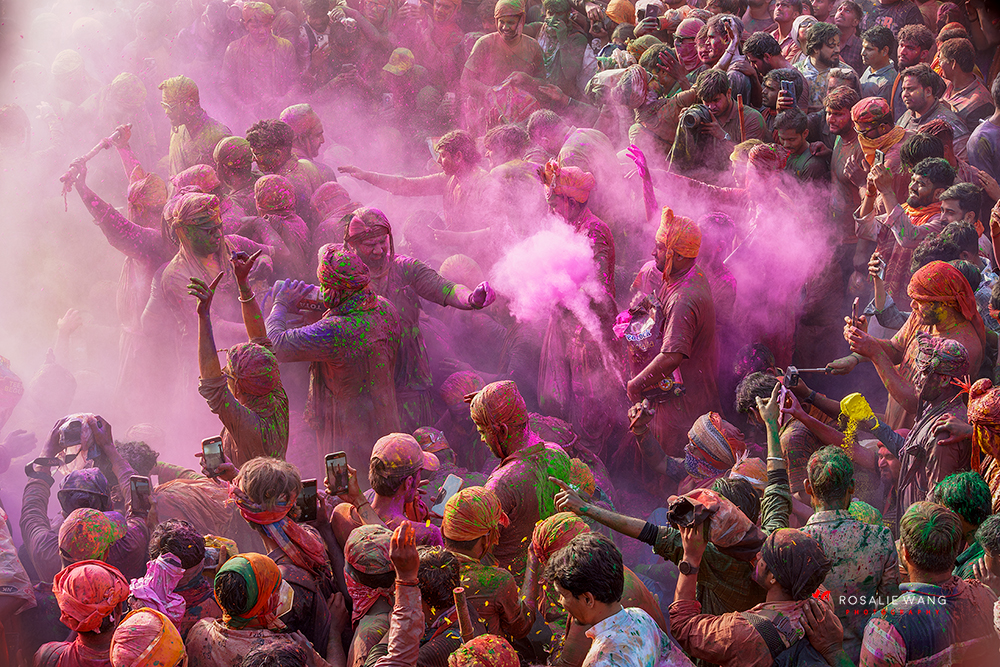
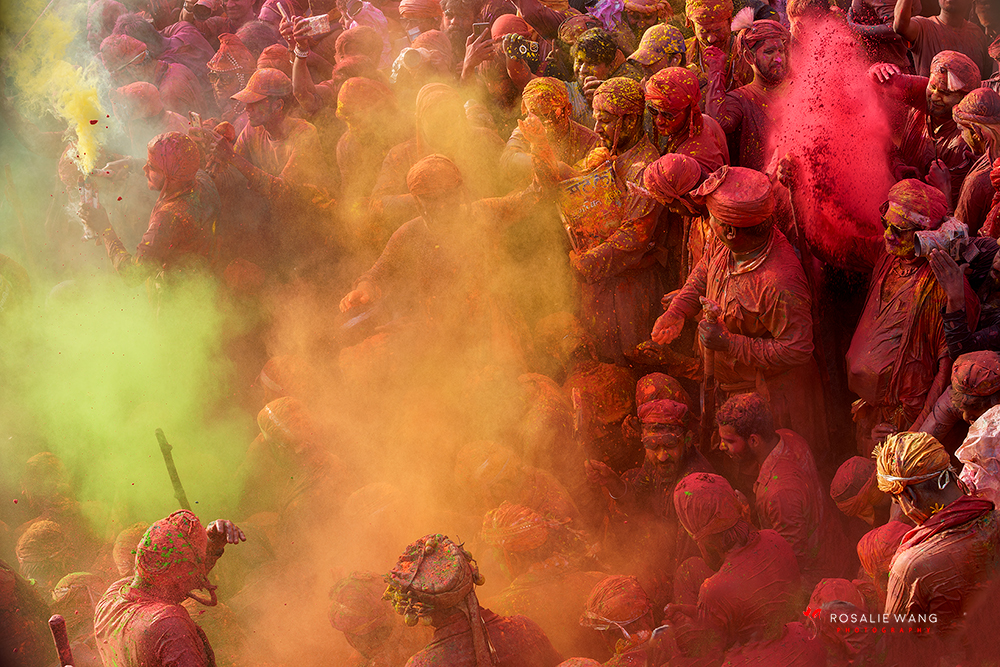
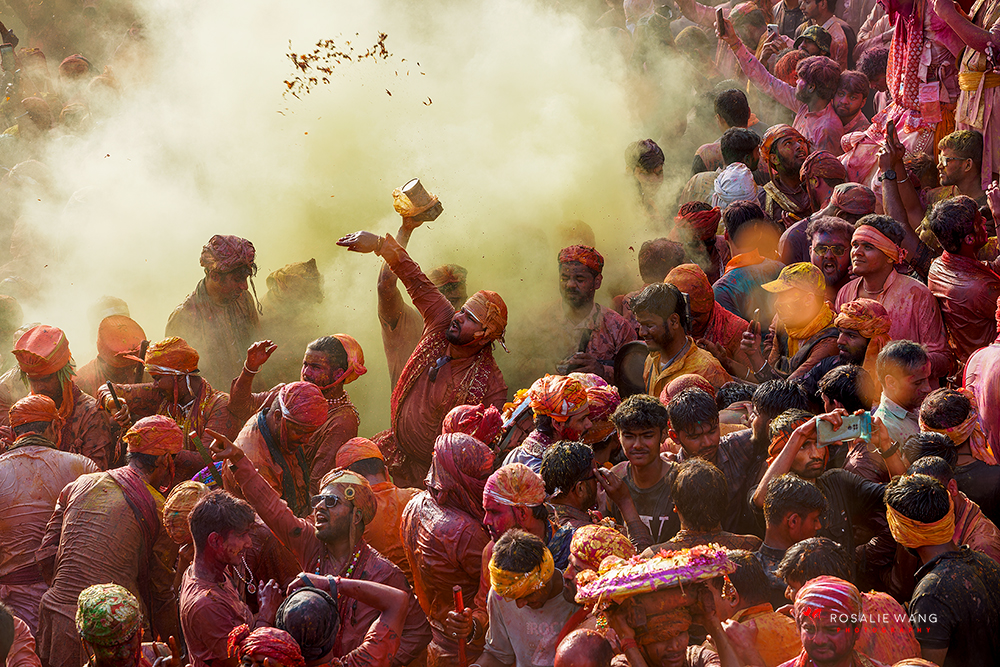
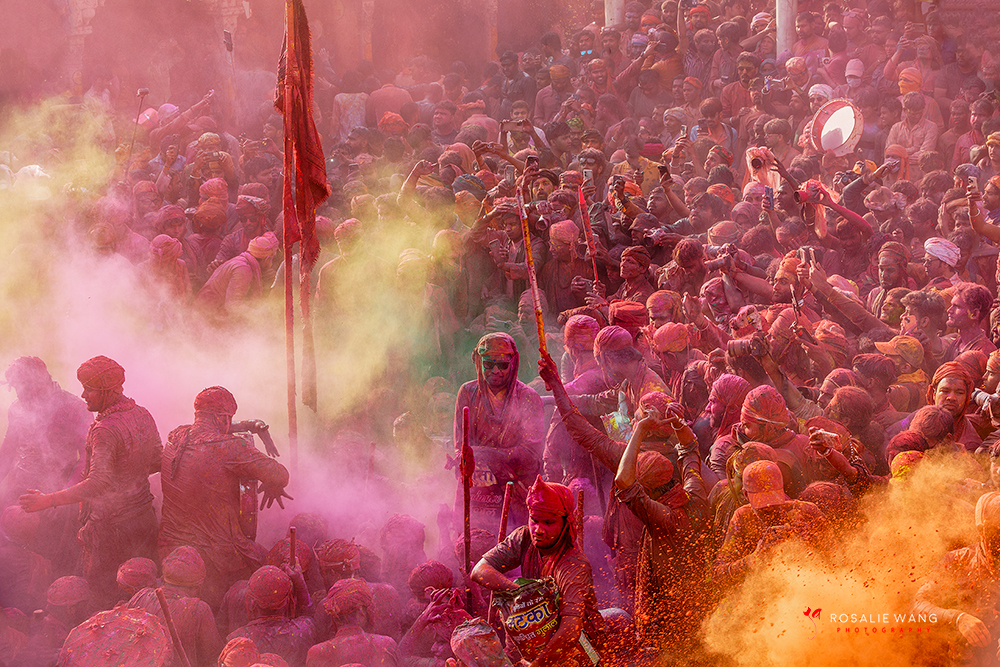
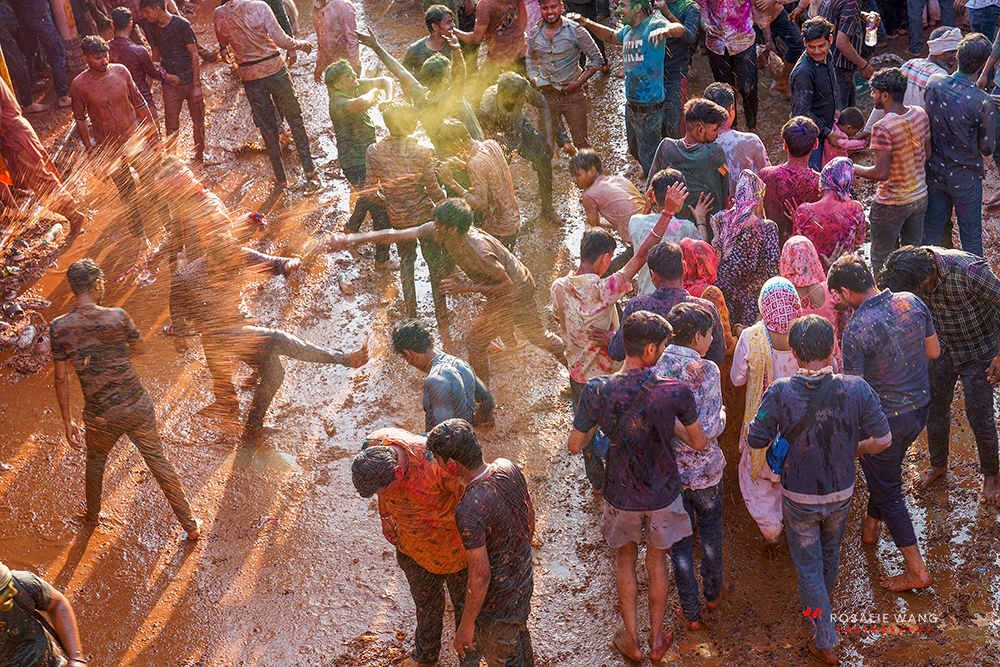
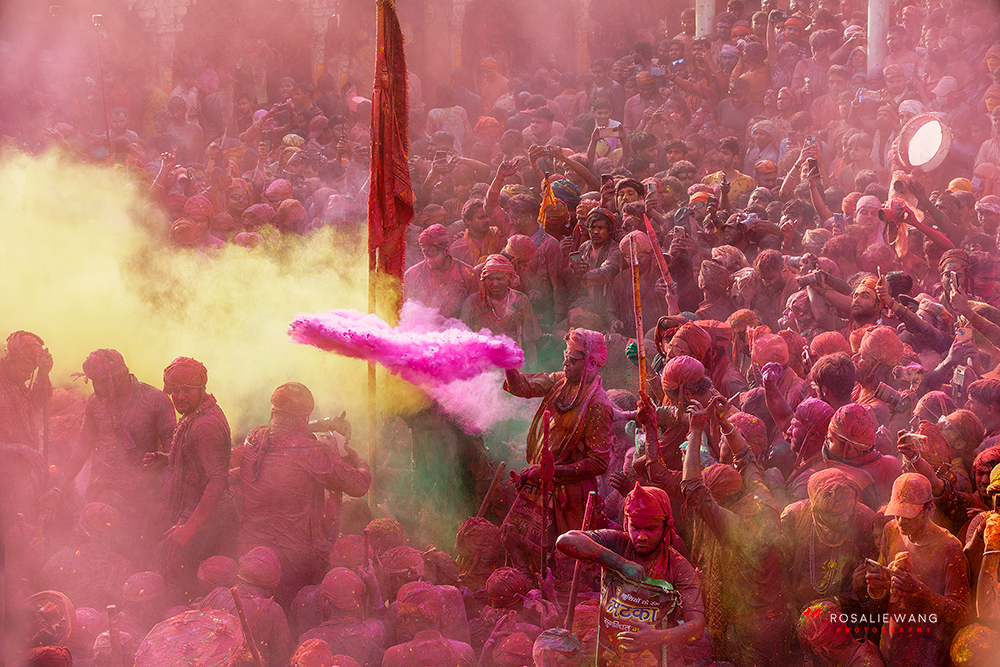
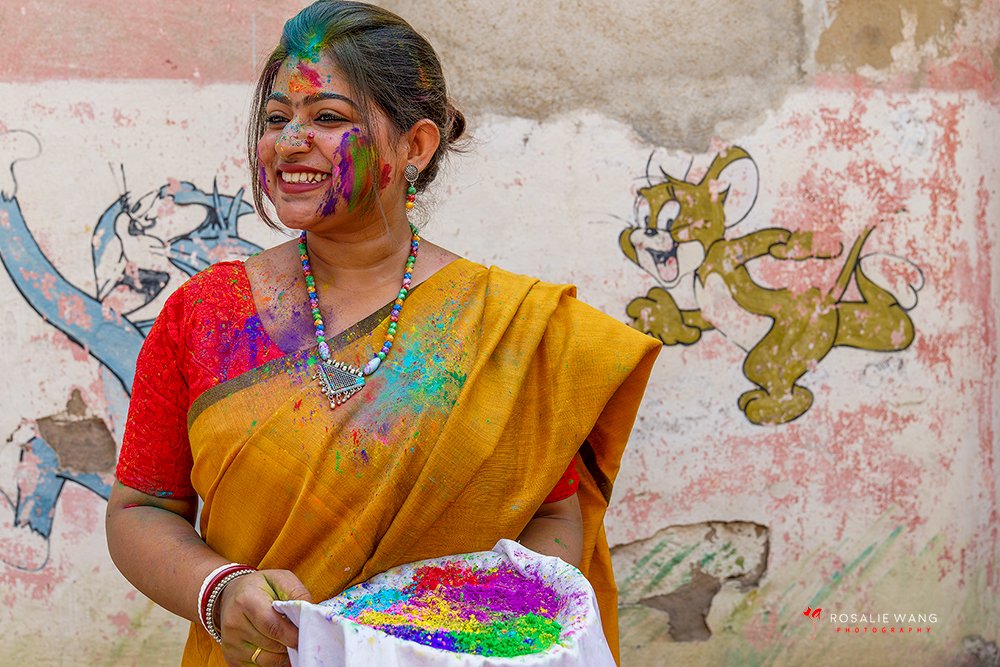
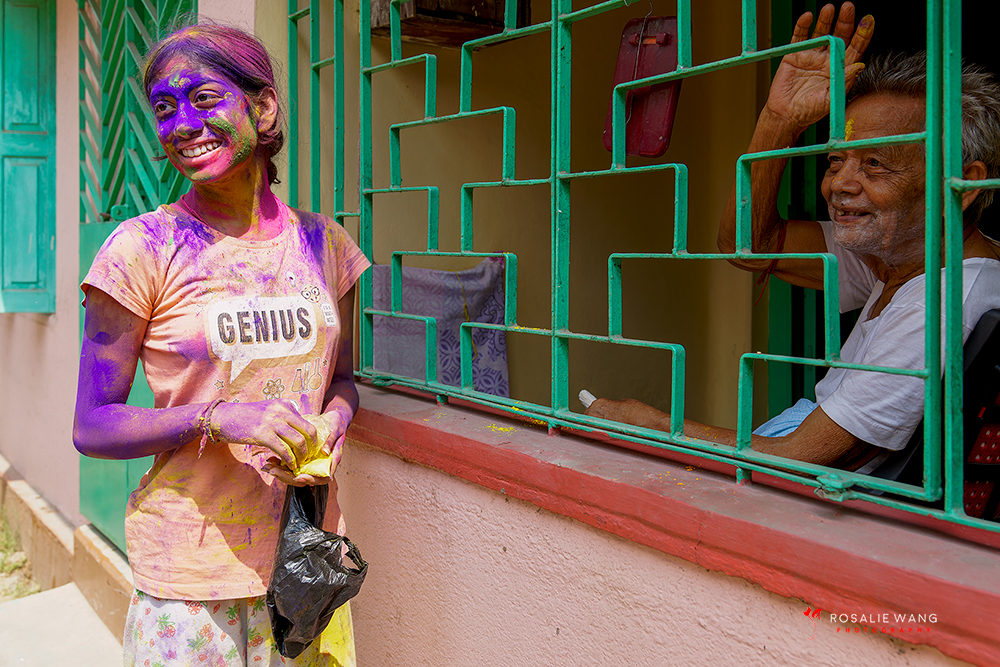
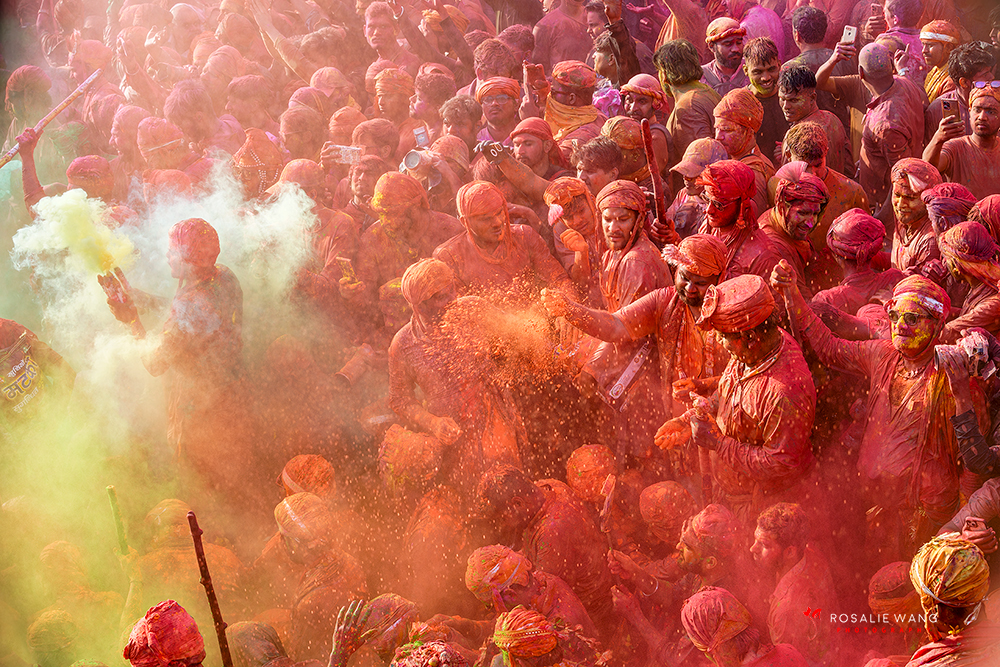
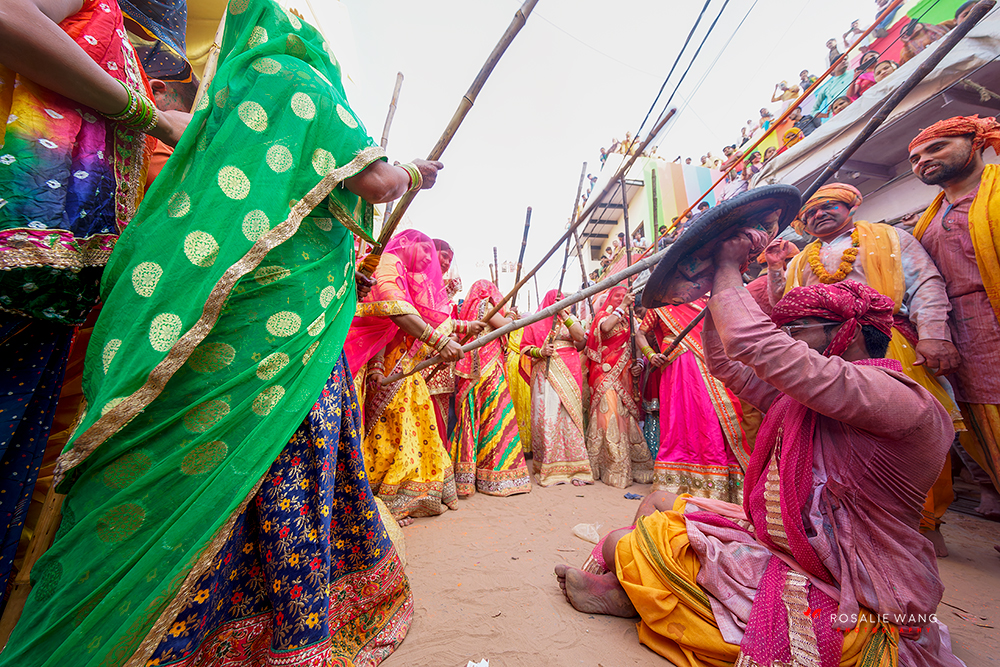
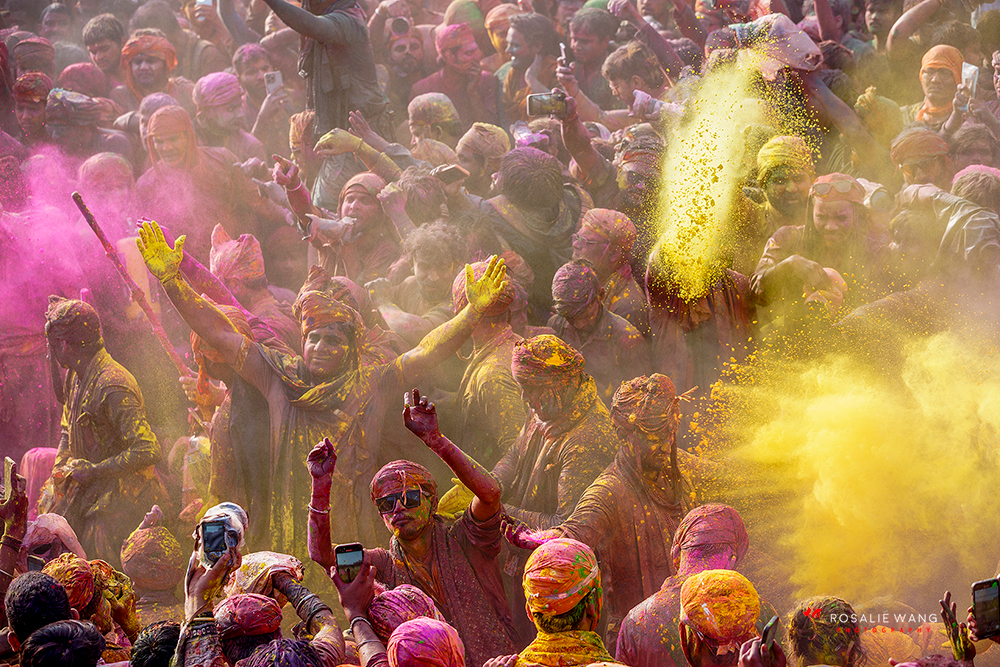
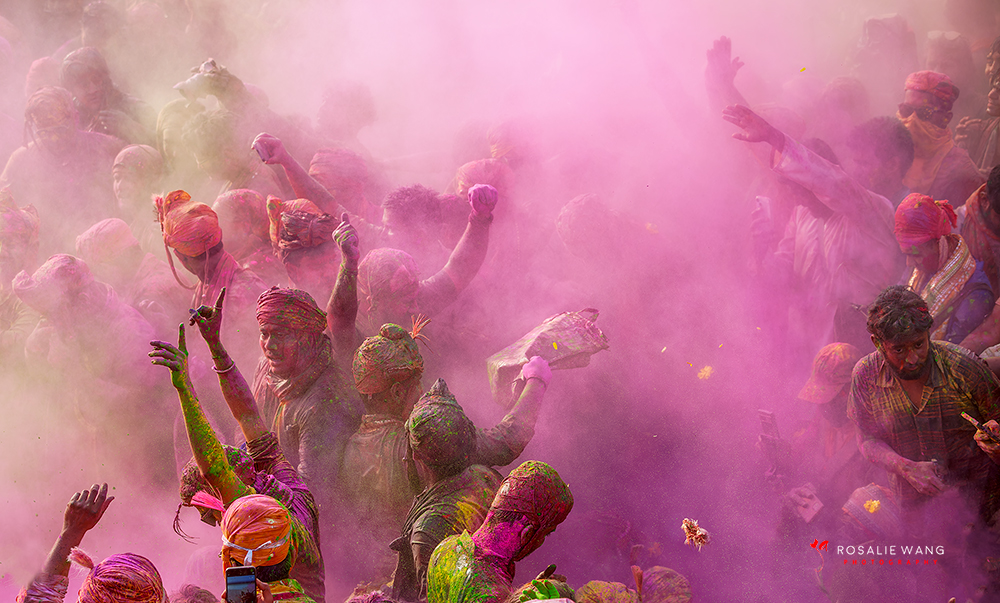
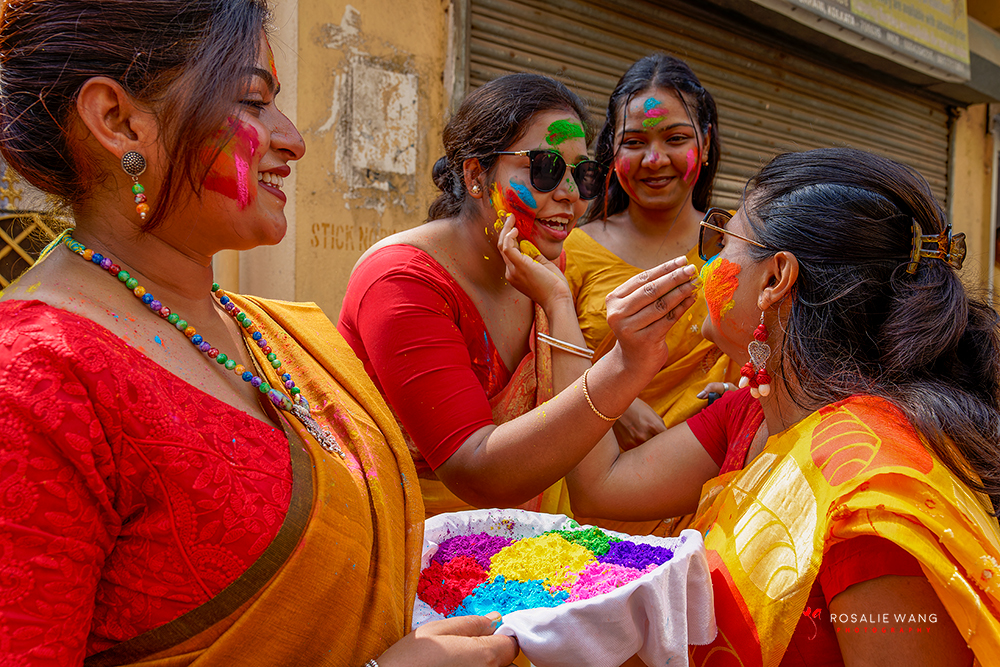
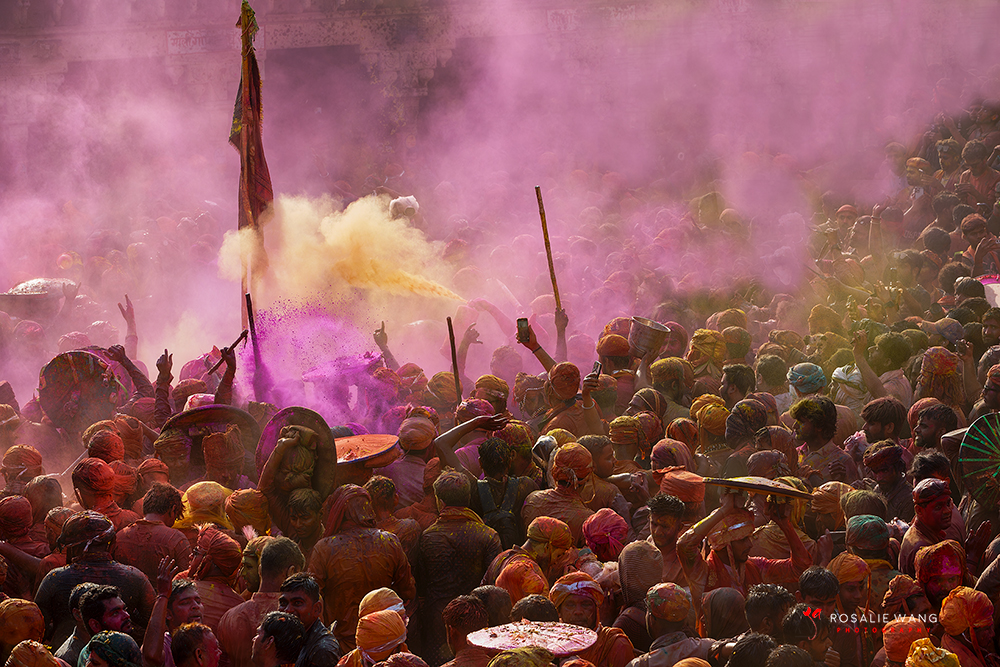
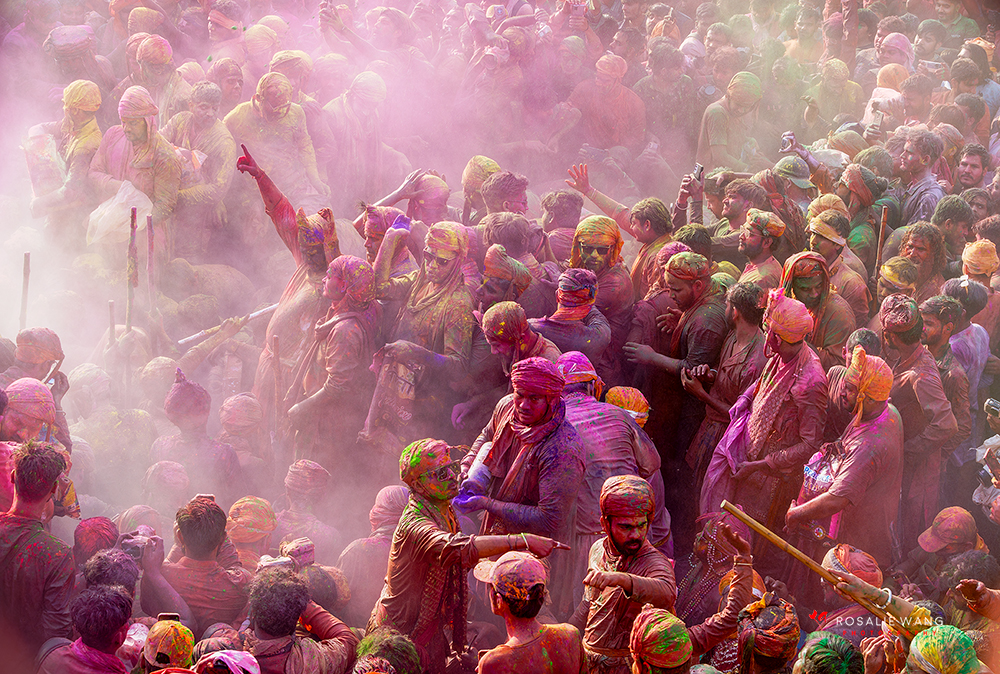
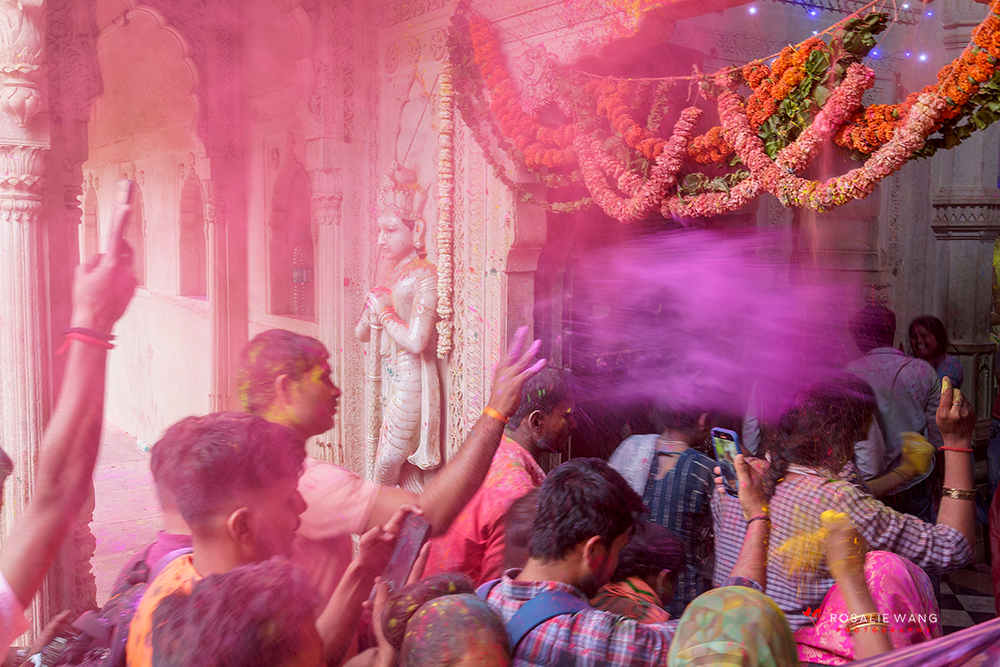
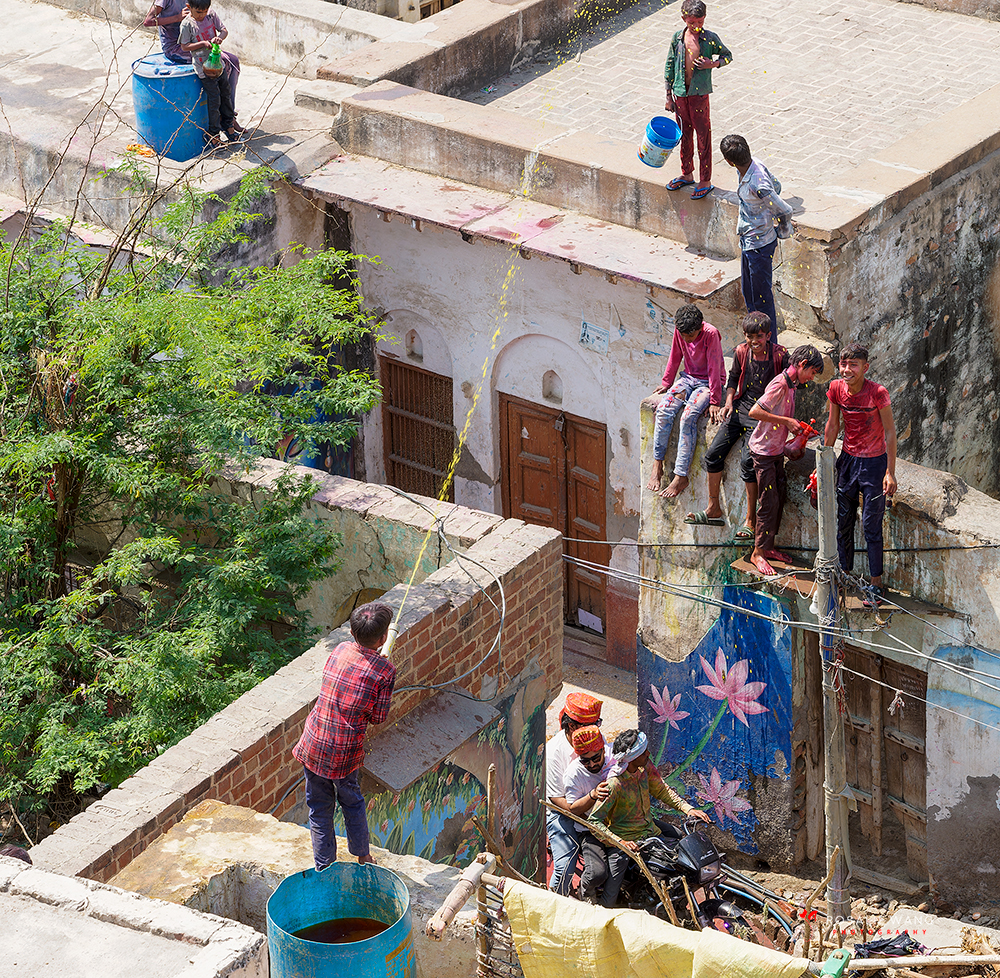
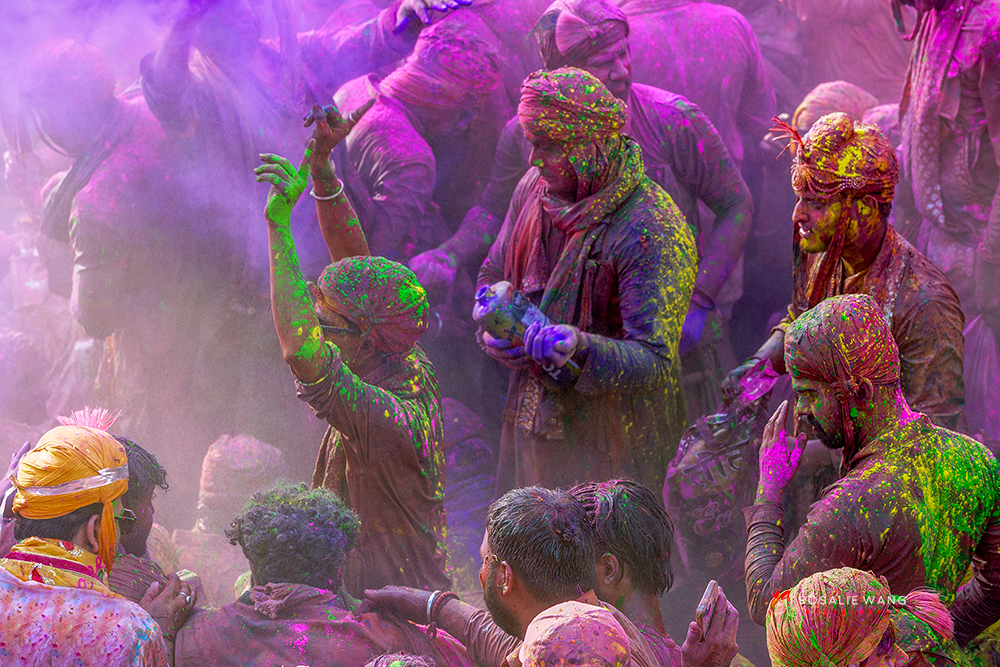
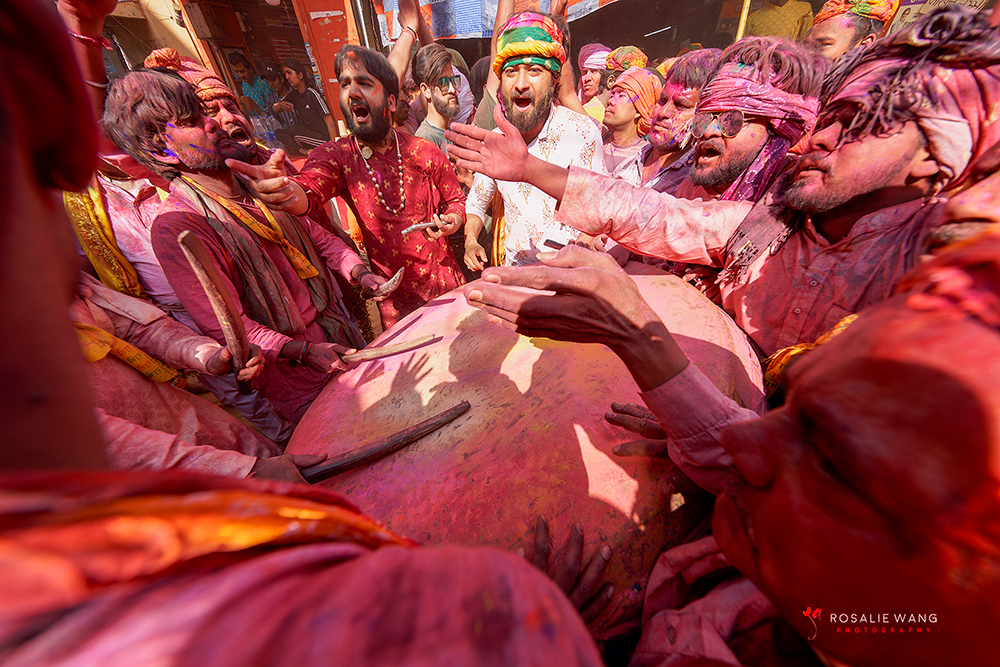
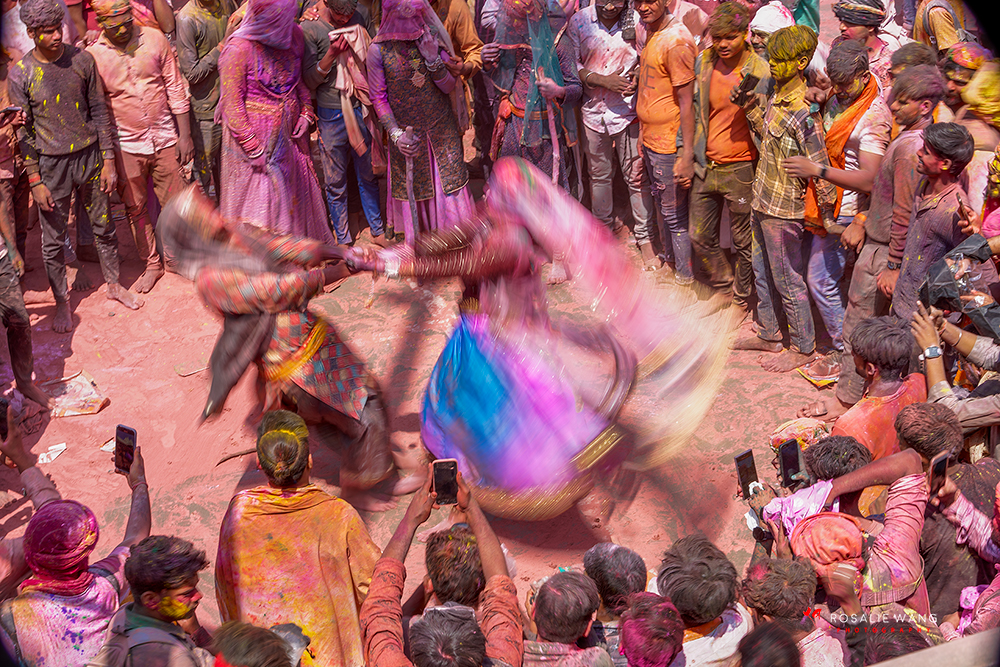
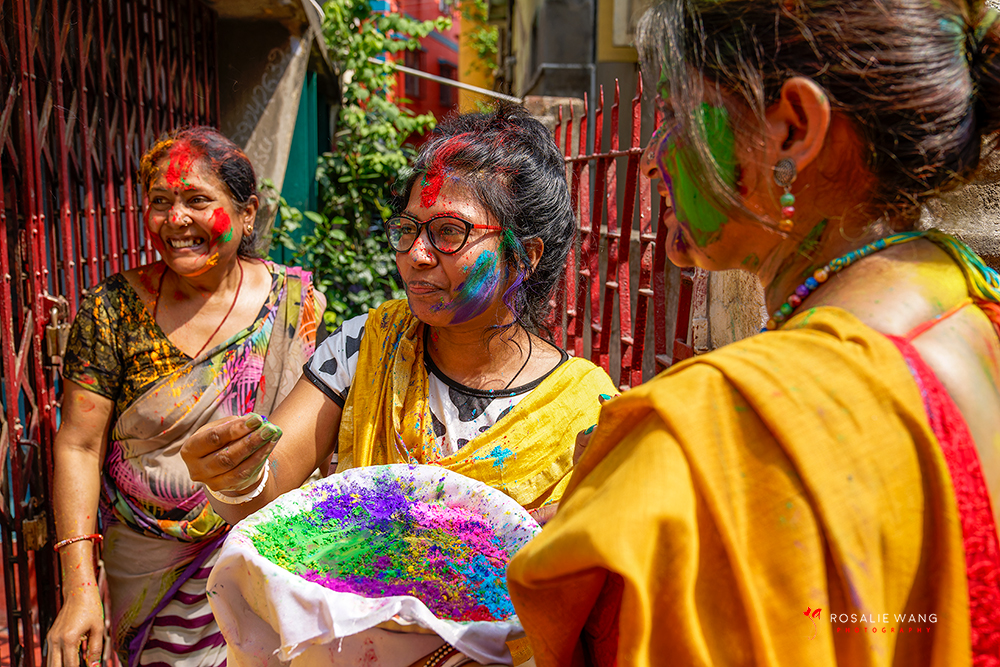
- Color: 🎨 Holi — The Festival of Colors
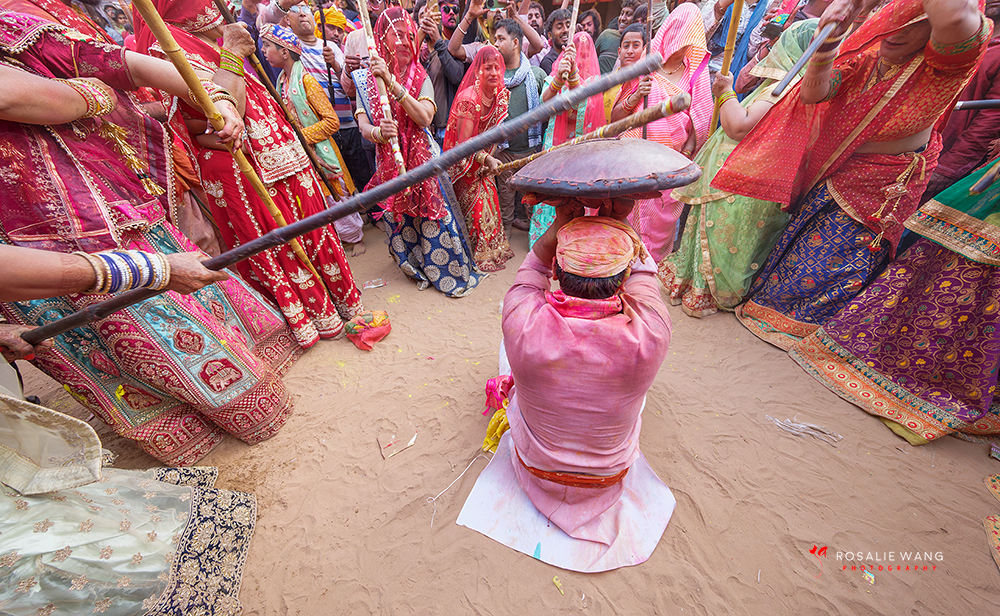
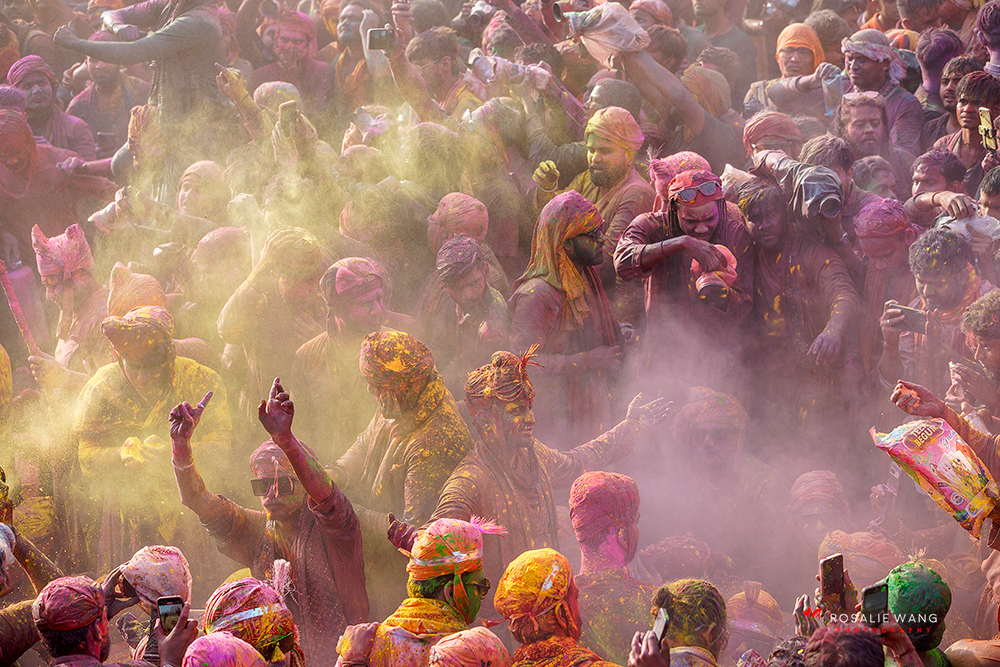
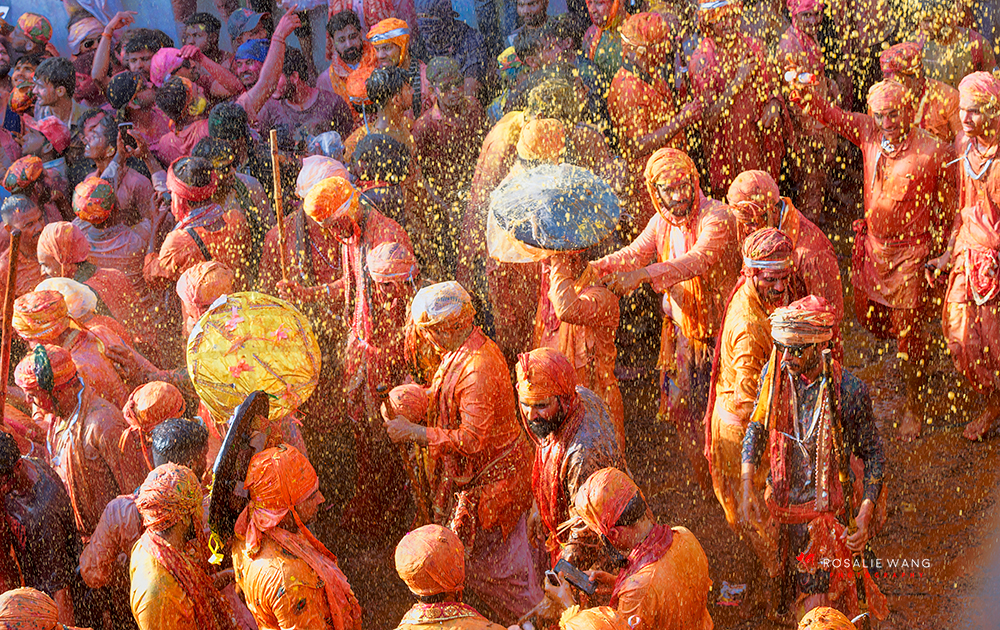
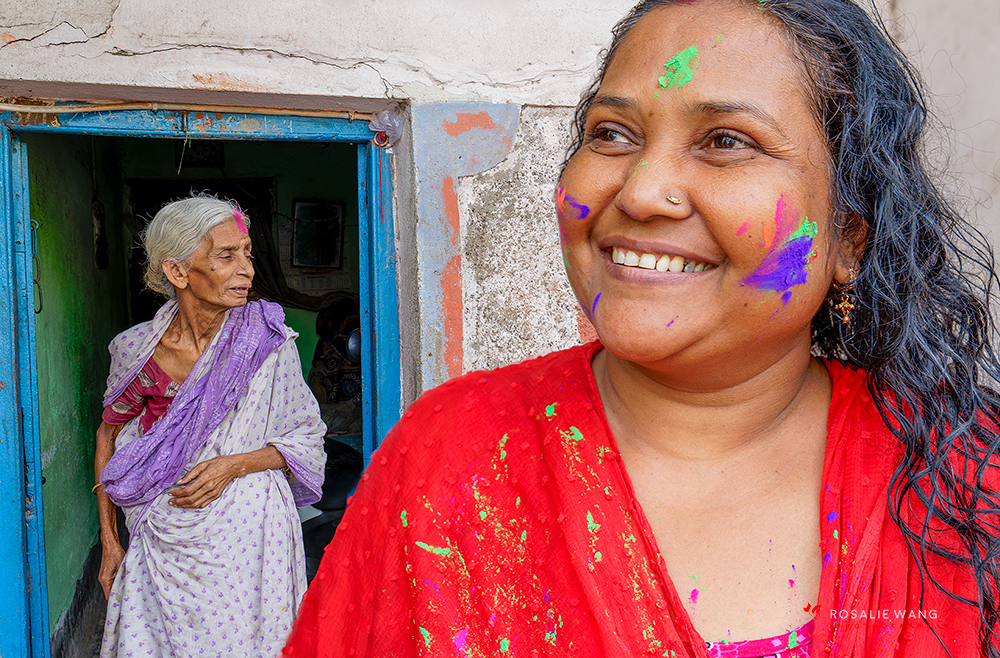
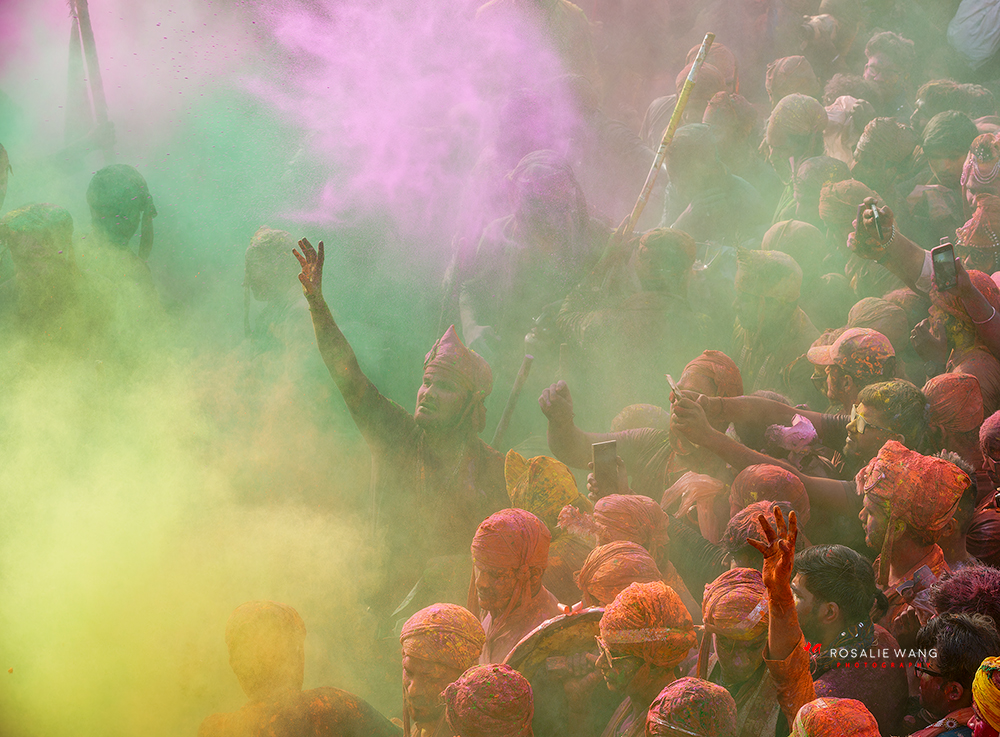
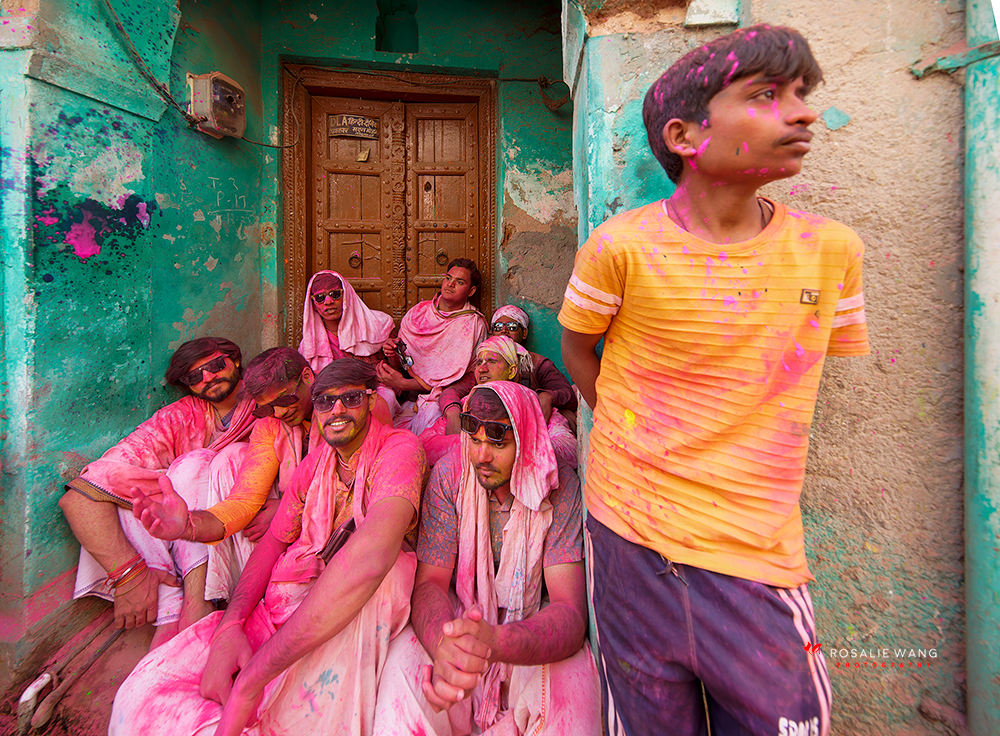
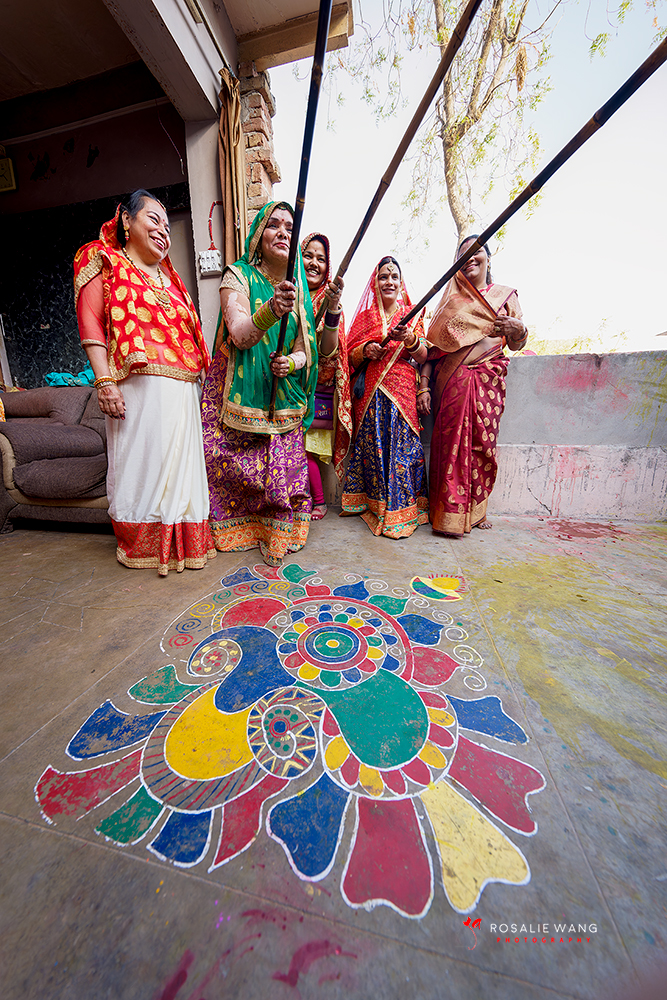
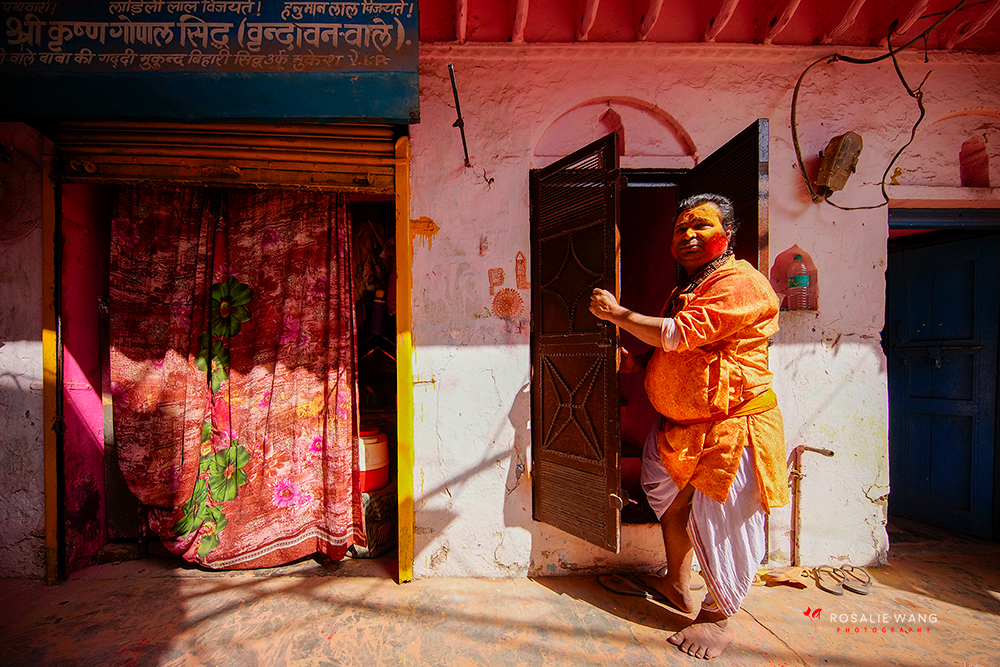
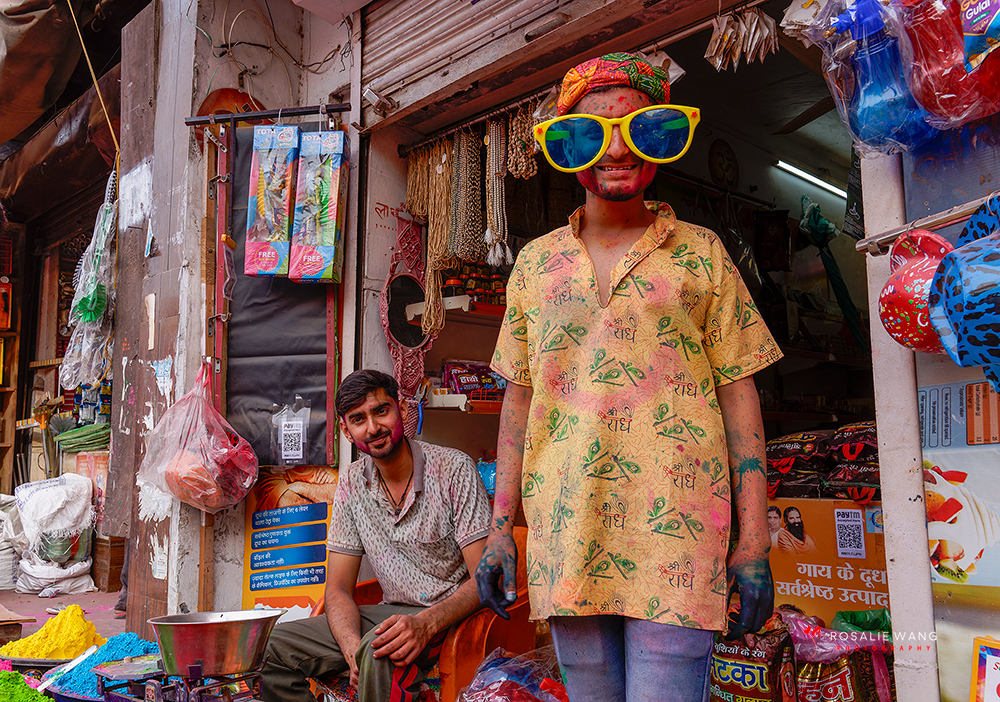
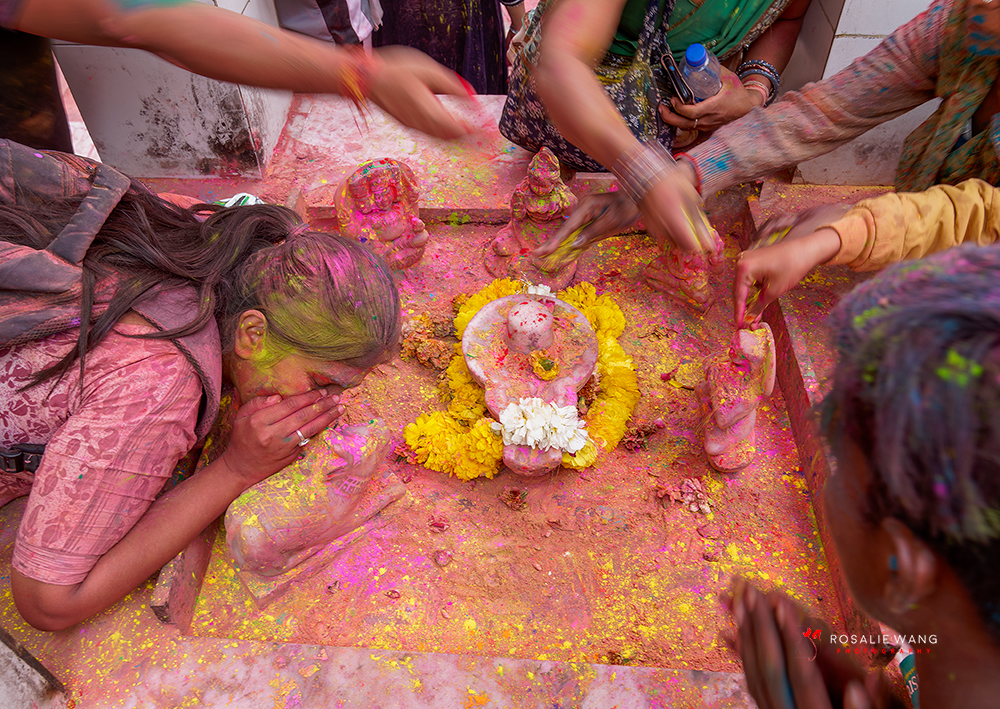
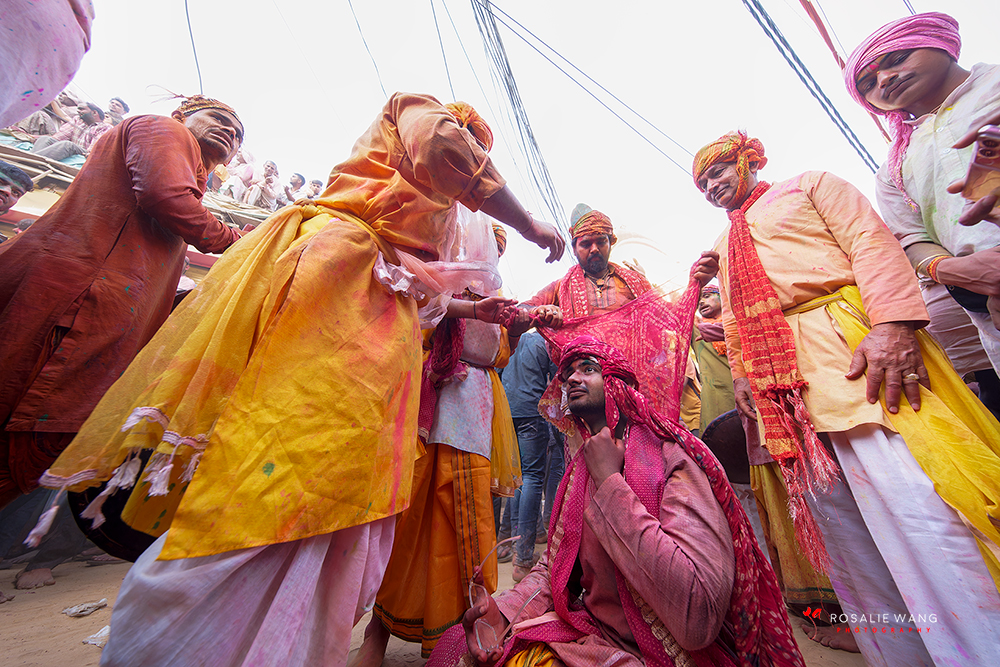
- Holi is a joyful spring celebration observed across India, especially in the northern and eastern states. It marks the triumph of good over evil, the arrival of spring, and the divine love of Radha and Krishna
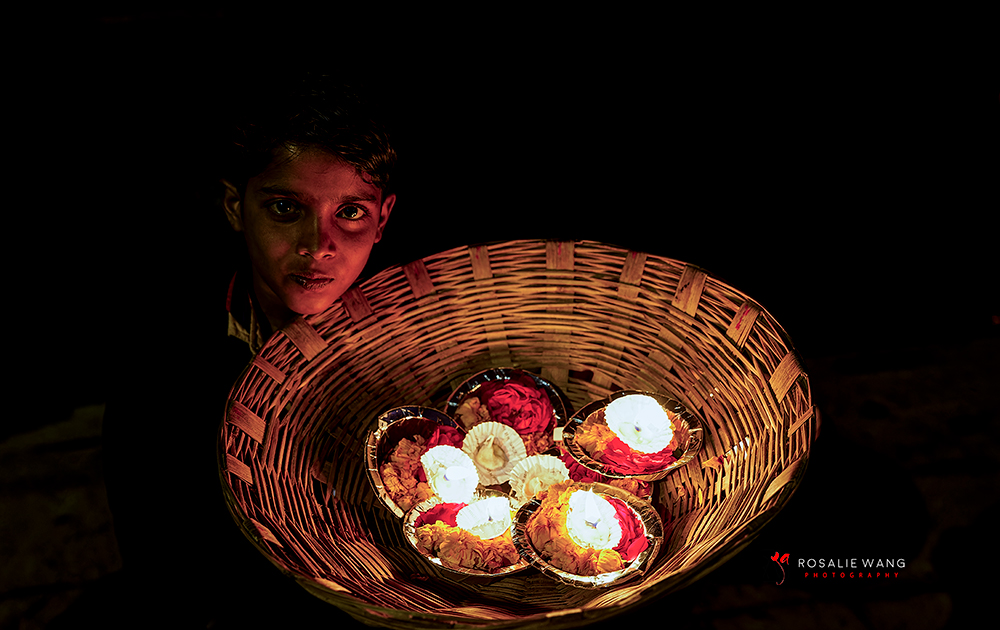
- Light: 🪔 Diwali
- Diwali, meaning “row of lights”, is a five‑day festival that typically falls between October and November, aligned with the new moon of the Hindu month of Kartika.
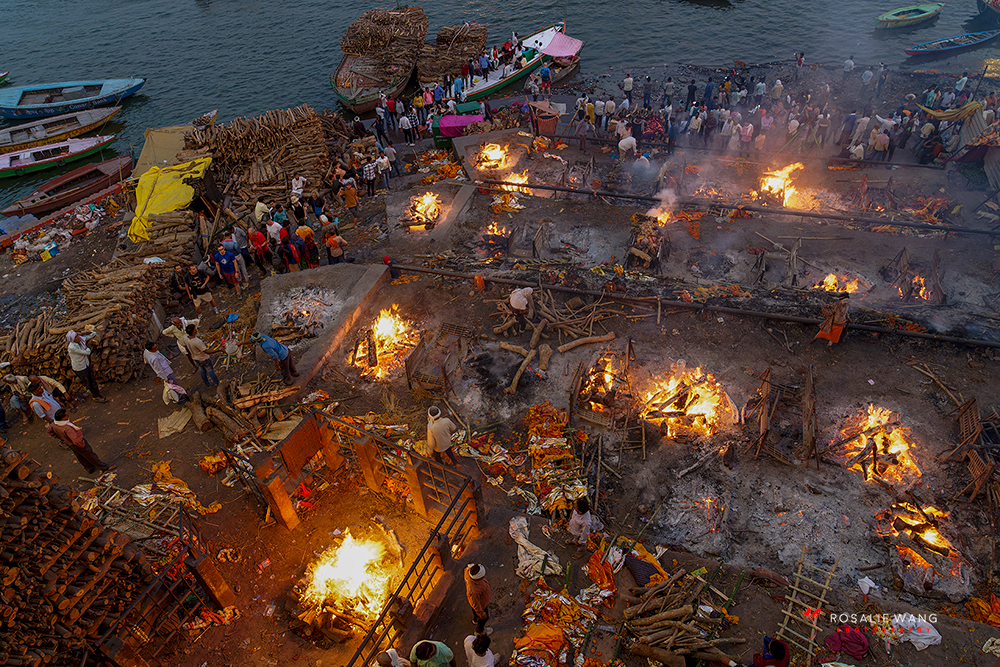
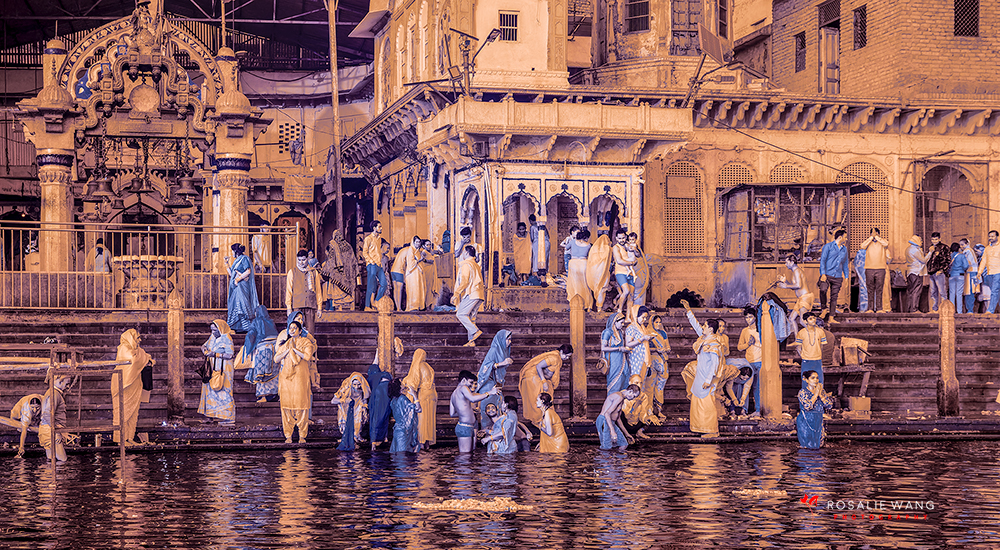
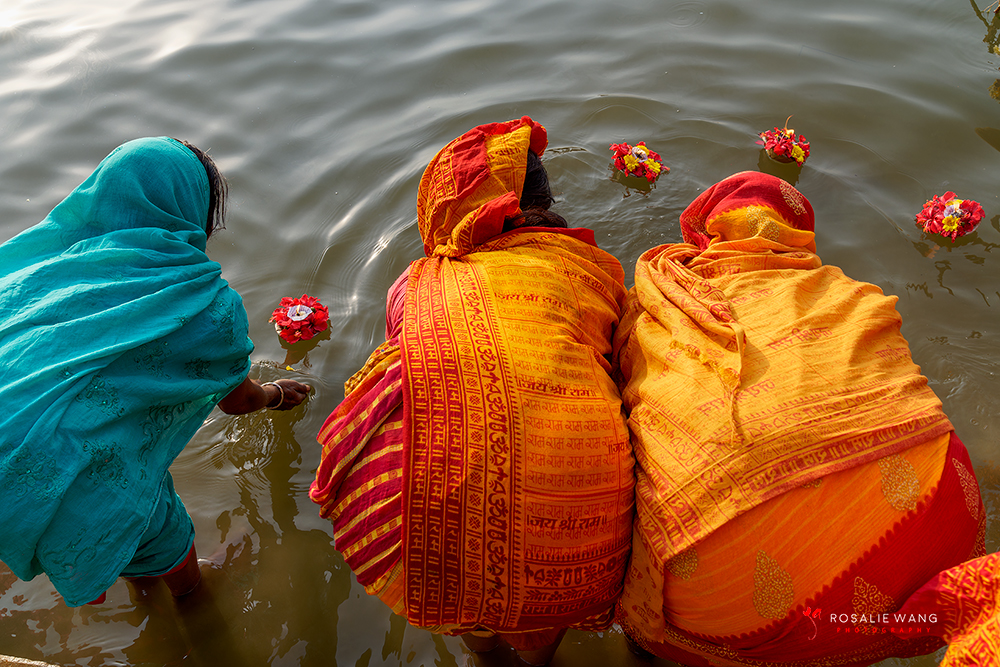
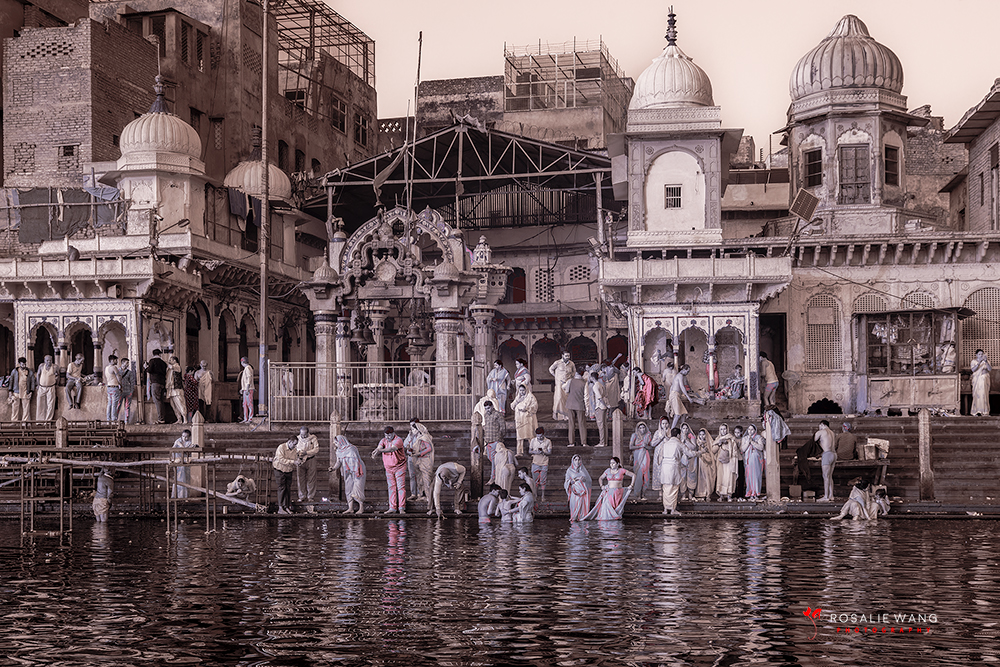
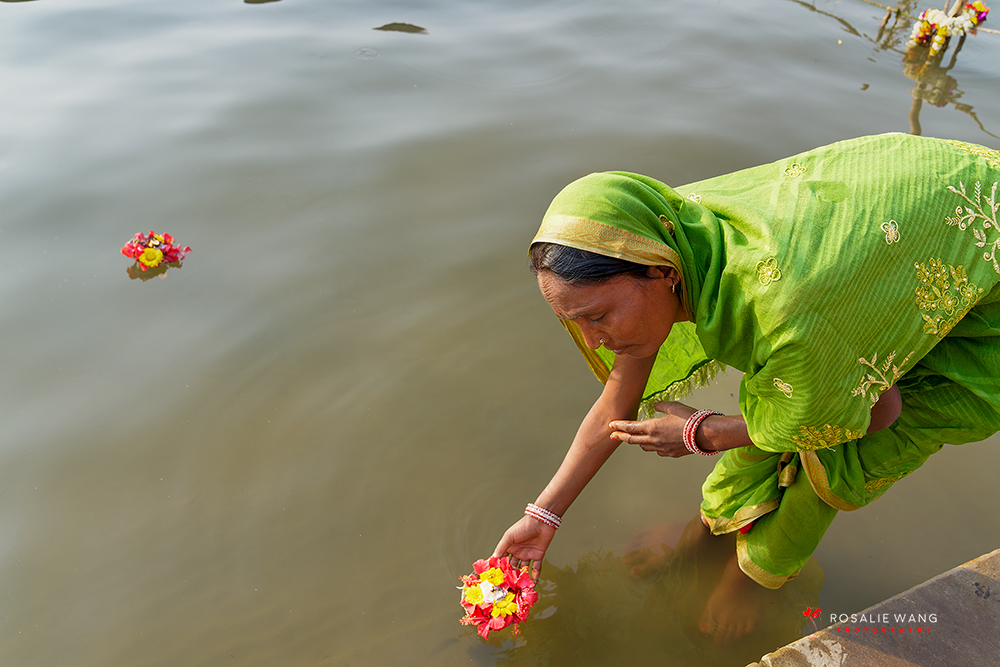
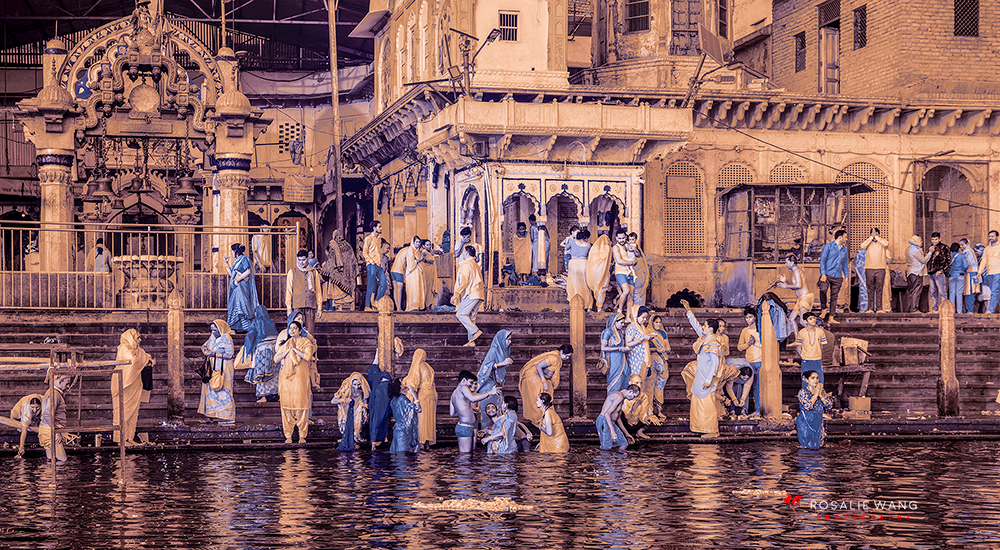
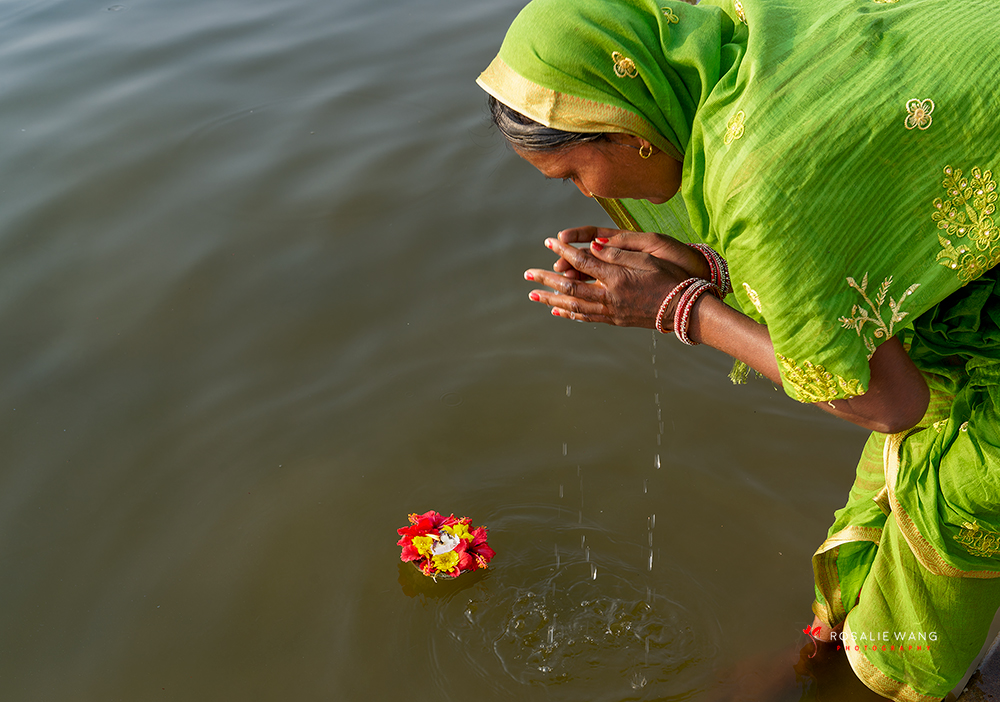
- Water / Purification: 🕉️ Kumbh Mela, the World’s Largest Spiritual Gathering
- Kumbh Mela is a mass Hindu pilgrimage held at four sacred river sites: Prayagraj, Haridwar, Nashik, and Ujjain. It commemorates the mythological churning of the ocean (Samudra Manthan) and the spilling of divine nectar (amrita).
- Pilgrimage: 🌾 Ashadi Wari, Maharashtra’s Living Pilgrimage
- Ashadi Wari is the annual foot pilgrimage to Pandharpur, undertaken by the Warkaris, devotees of Lord Vitthal (Vithoba). It culminates on Ashadhi Ekadashi, the 11th lunar day of the month of Ashadha (June–July).
- Martial Valor: ⚔️ Hola Mohalla
- Hola Mohalla is a three‑day Sikh festival held every March, usually the day after Holi. It was established by Guru Gobind Singh Ji in 1701 as a way to cultivate discipline, courage, and readiness among the Khalsa.
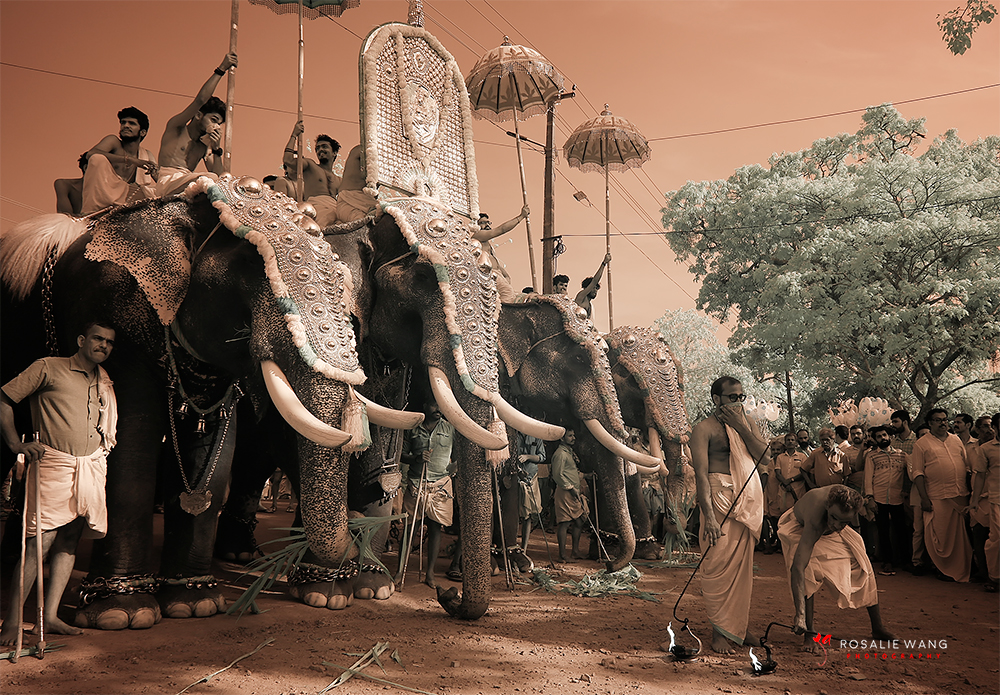
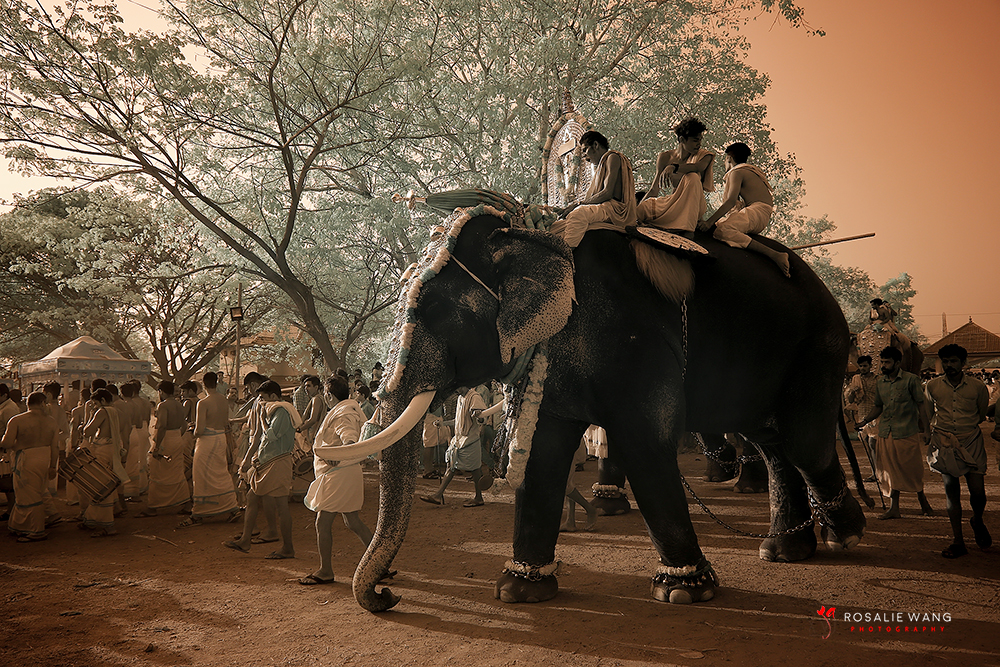
- Pageantry: 🐘 Elephant Festival of Jaipur
- Held on the eve of Holi, this festival celebrates the majesty, symbolism, and cultural importance of elephants in Indian tradition. It’s a vibrant blend of royal heritage, folk artistry, and ceremonial games.
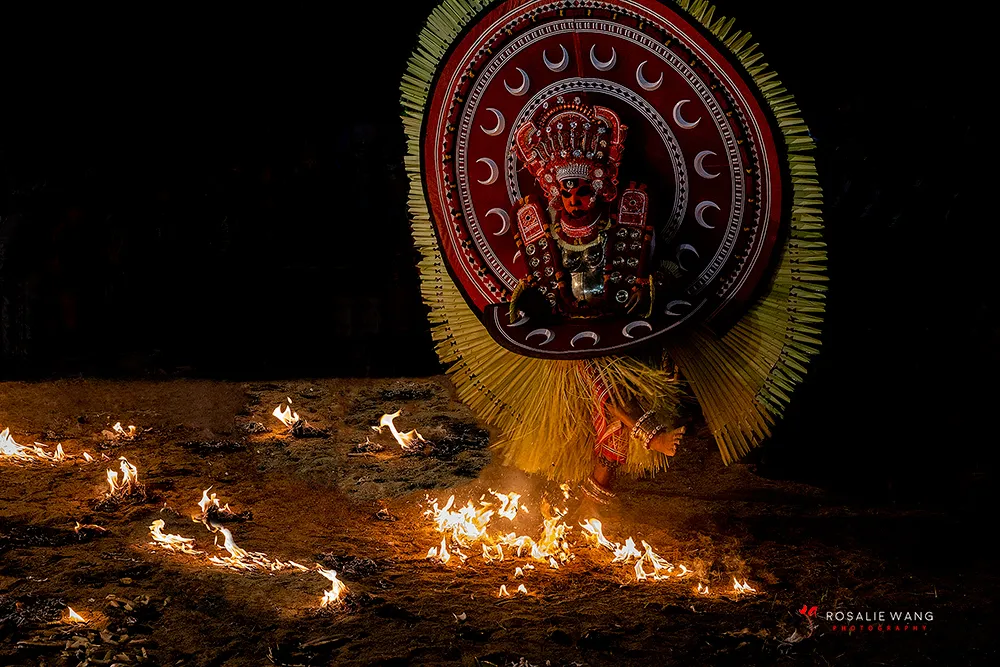
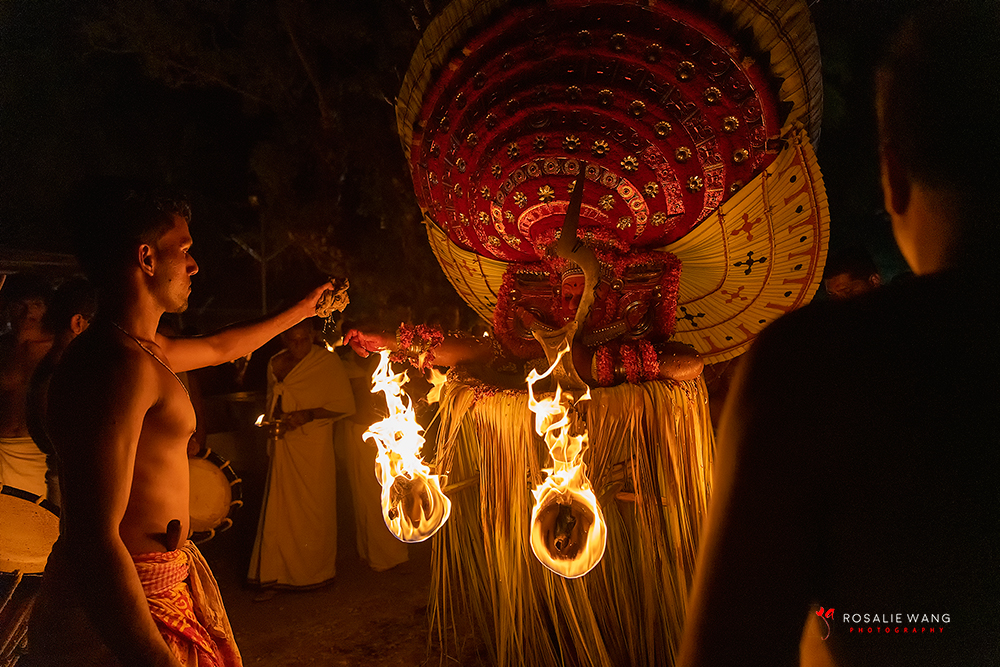
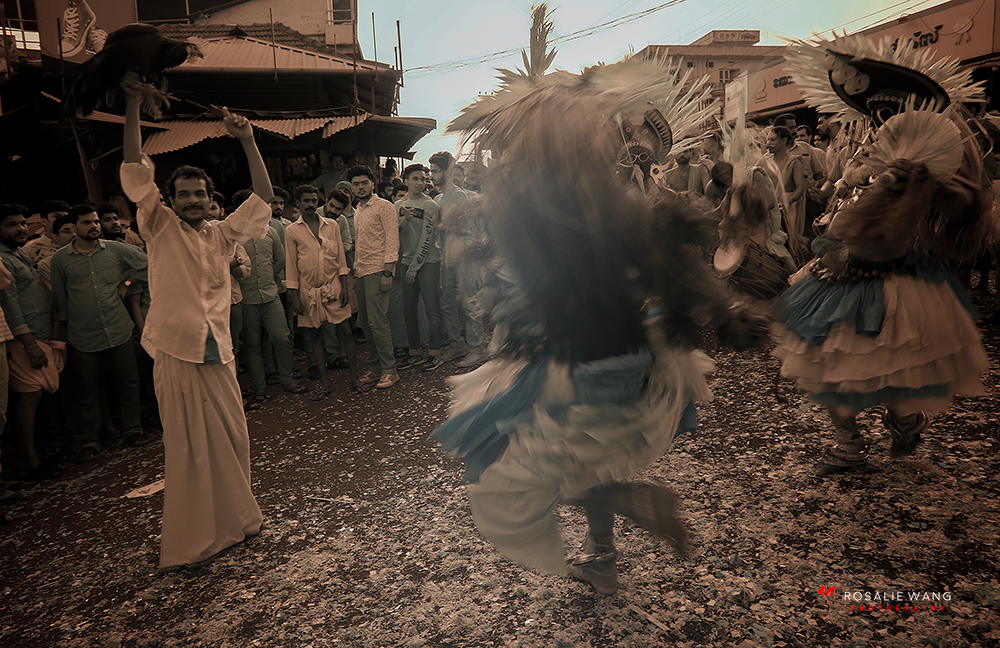
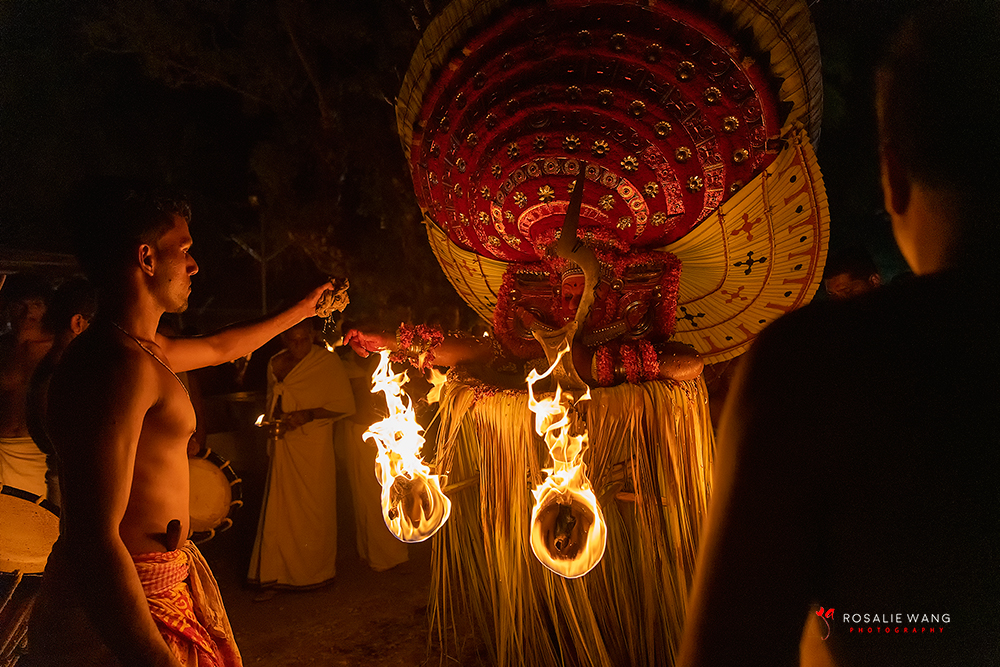
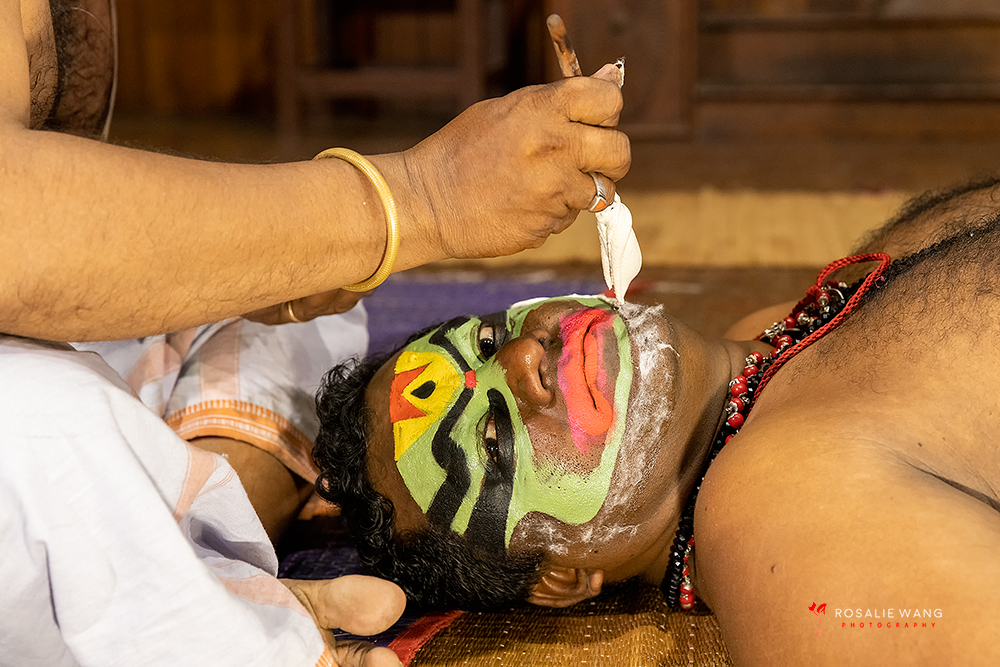
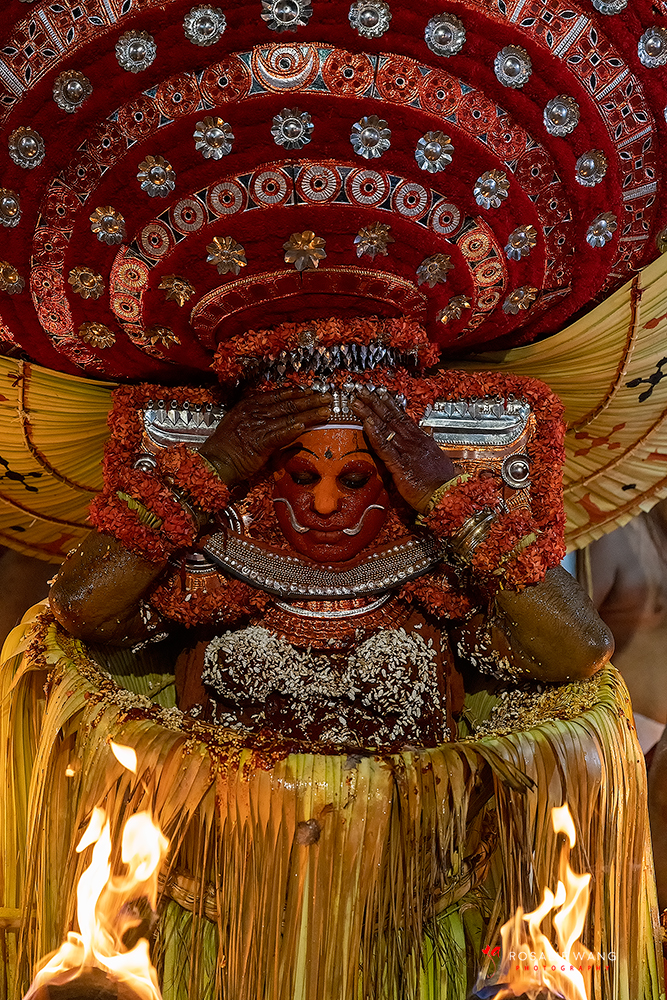
- Possession / Embodiment: 🔥 Theyyam
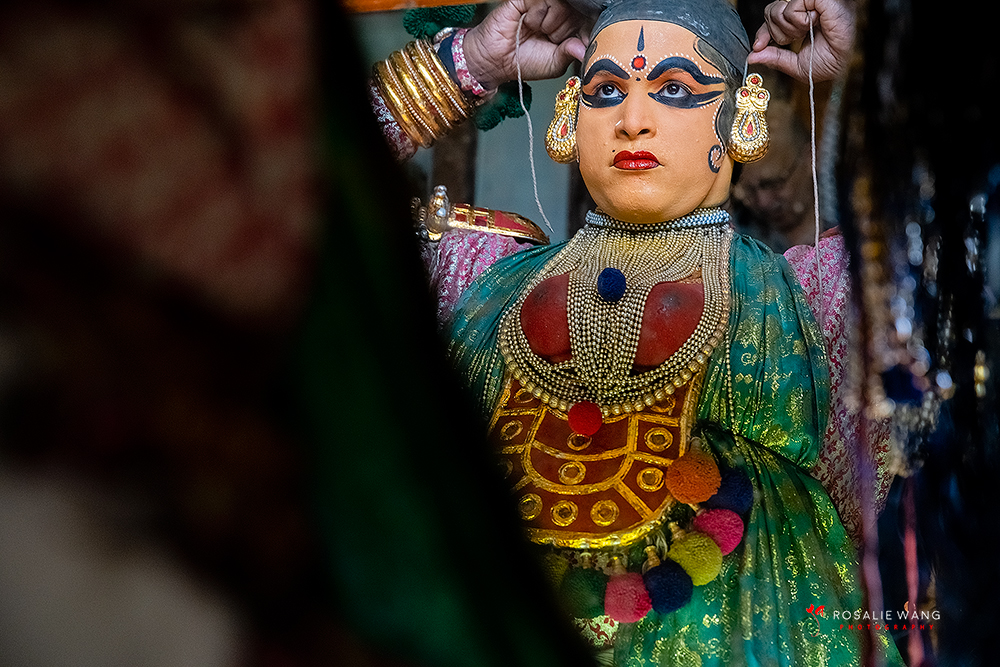
- Theyyam is a ritual dance‑theatre in which performers become the living presence of deities, ancestors, heroes, and nature spirits. The word comes from Daivam (god), reflecting the belief that the performer is not representing the deity but becomes the deity during the ritual.
- Monumental Procession: 🌍Rath Yatra (Odisha)
- A massive chariot procession in Puri where the deities Jagannath, Balabhadra, and Subhadra are pulled through the streets on towering wooden chariots. East India, monumental processions, wooden architecture, devotional engineering.
- Agrarian Rhythm: 🌾Bihu (Assam)
- A seasonal festival cycle (Rongali, Bhogali, Kongali) with dance, drums, and agricultural rites. Northeast India, harvest cosmology, rhythmic movement.
- Tribal Goddess Worship:🐅Medaram Jatara (Telangana)
- Asia’s largest tribal gathering, honoring goddesses Sammakka and Saralamma. Indigenous cosmology, forest deities, female-centered ritual power.
- Masked Martial Dance: 🎭Chhau Festival (Jharkhand / West Bengal / Odisha)
- A vibrant courtship festival with red gulal, dance, and matchmaking traditions. Tribal aesthetics, youth rituals, color symbolism beyond Holi.
- Sufi Devotion: 🕌Urs at Ajmer Sharif (Rajasthan)
- A Sufi festival honoring Khwaja Moinuddin Chishti with qawwali, incense, and night-long prayers. Sufi music, syncretic devotion, shrine culture.
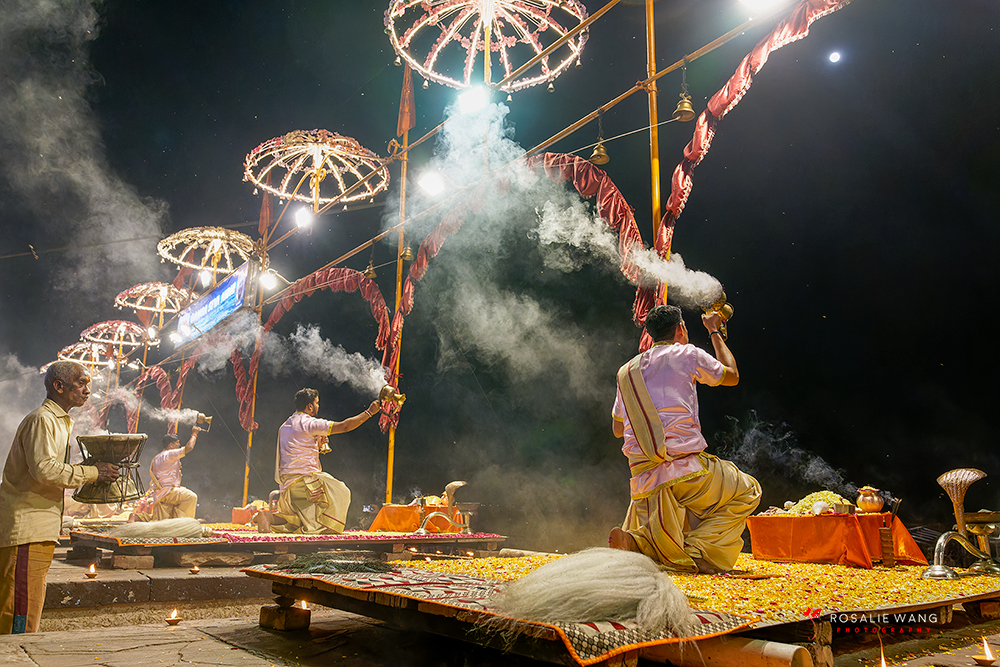
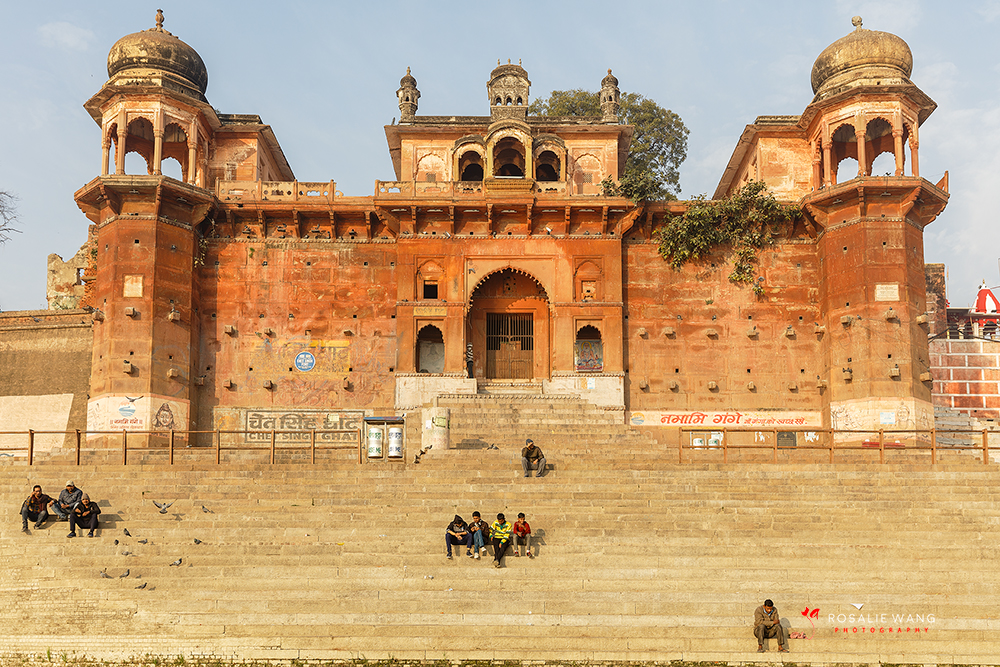
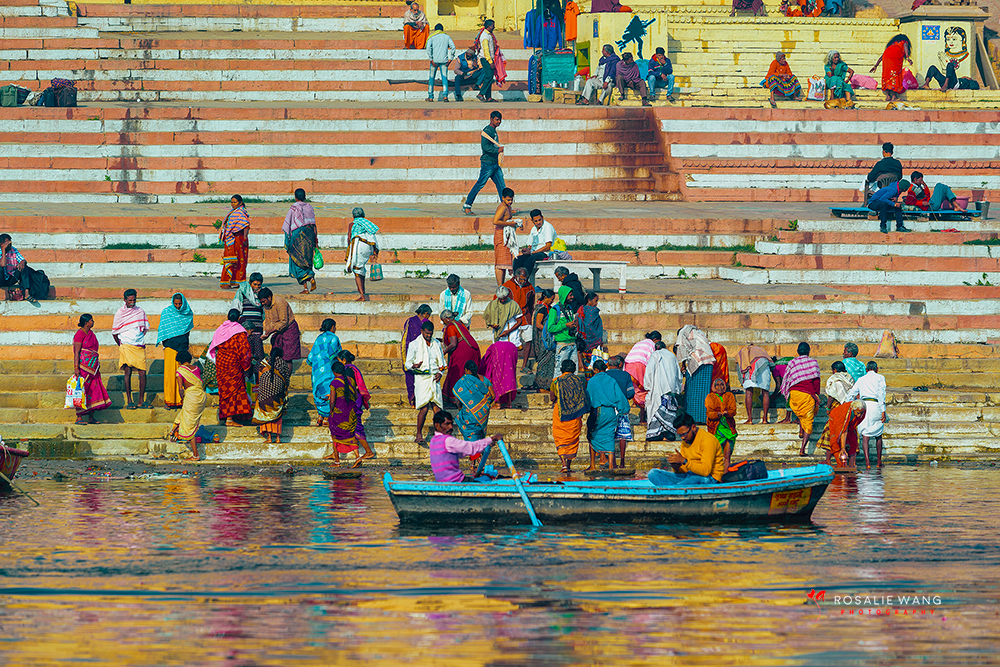
🌅Ganga Aarti
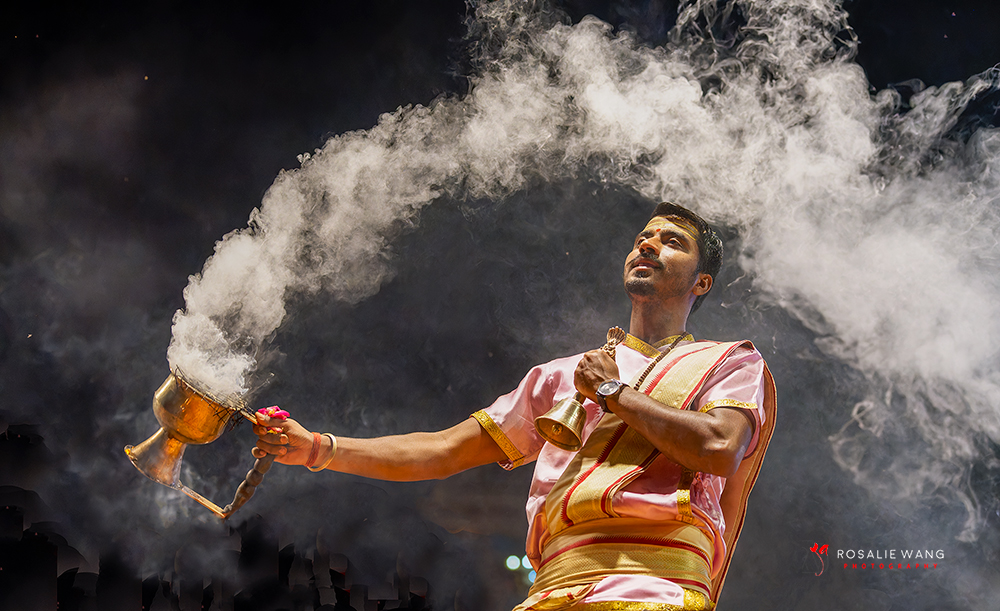
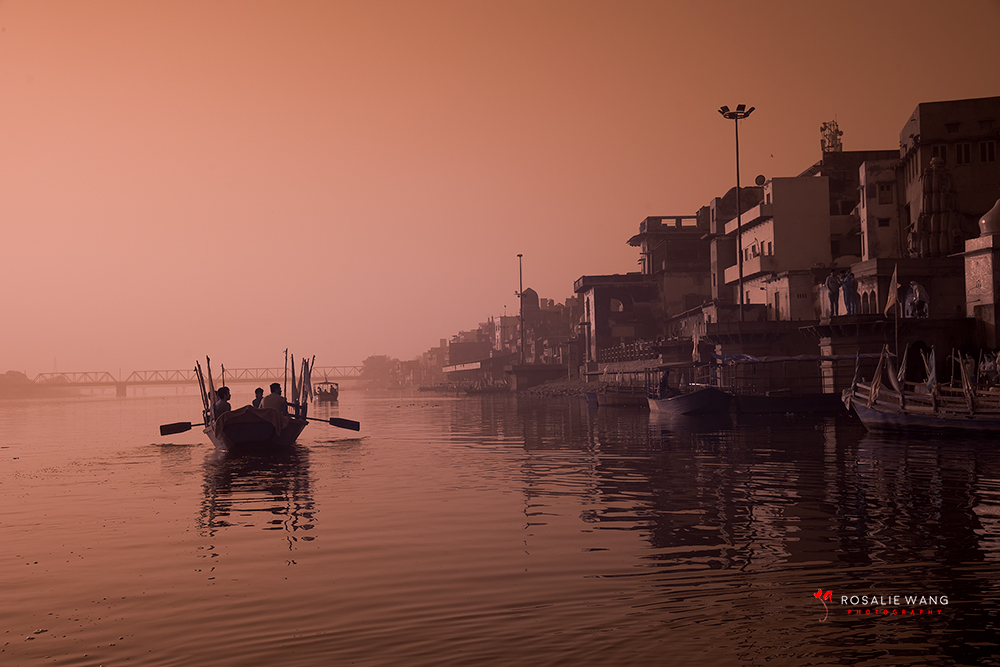
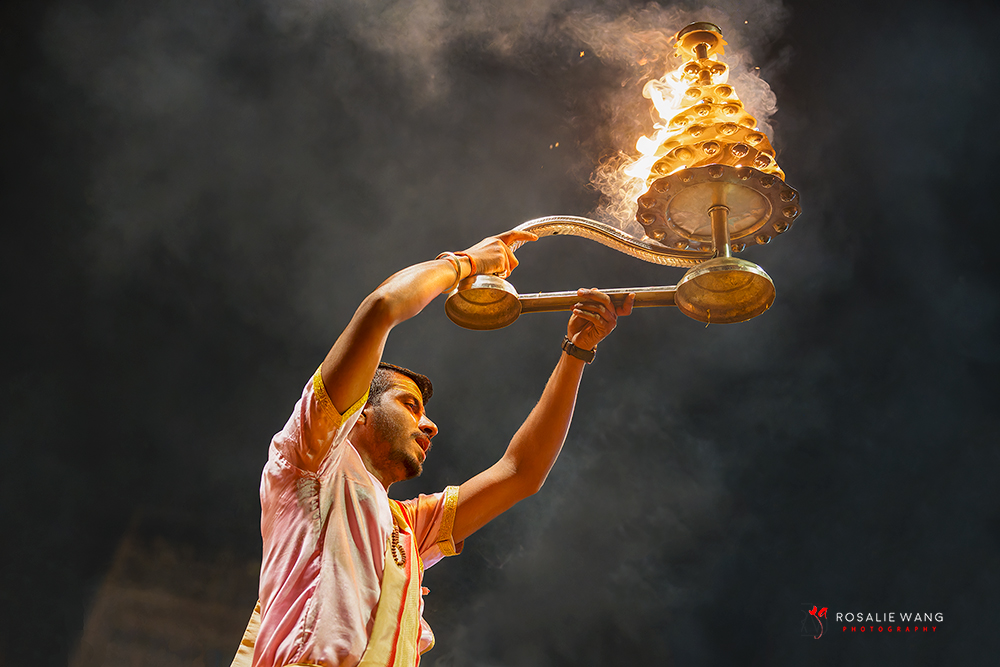
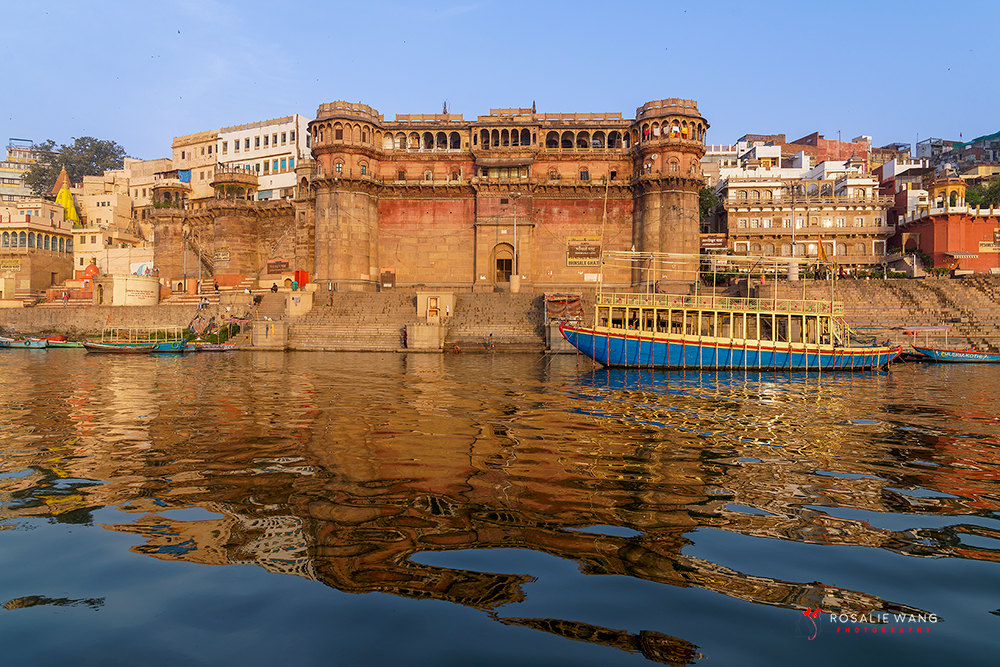
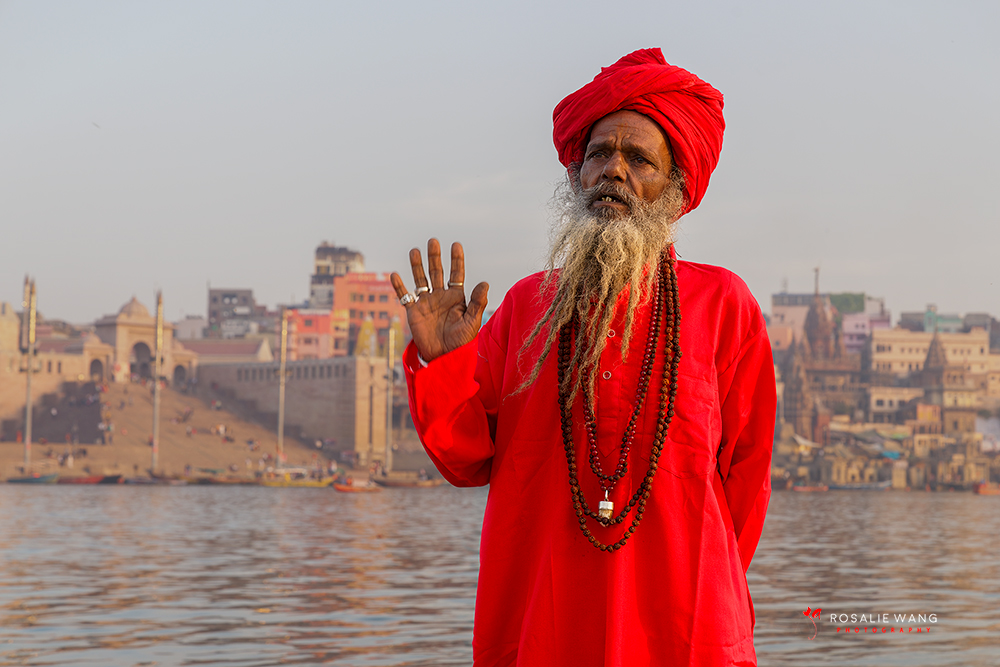
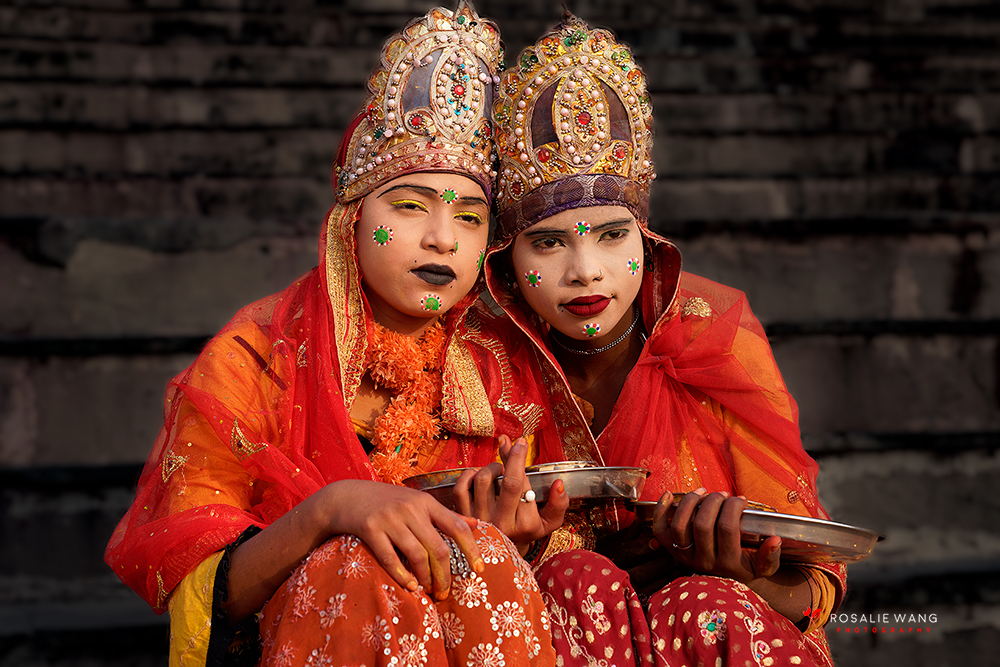
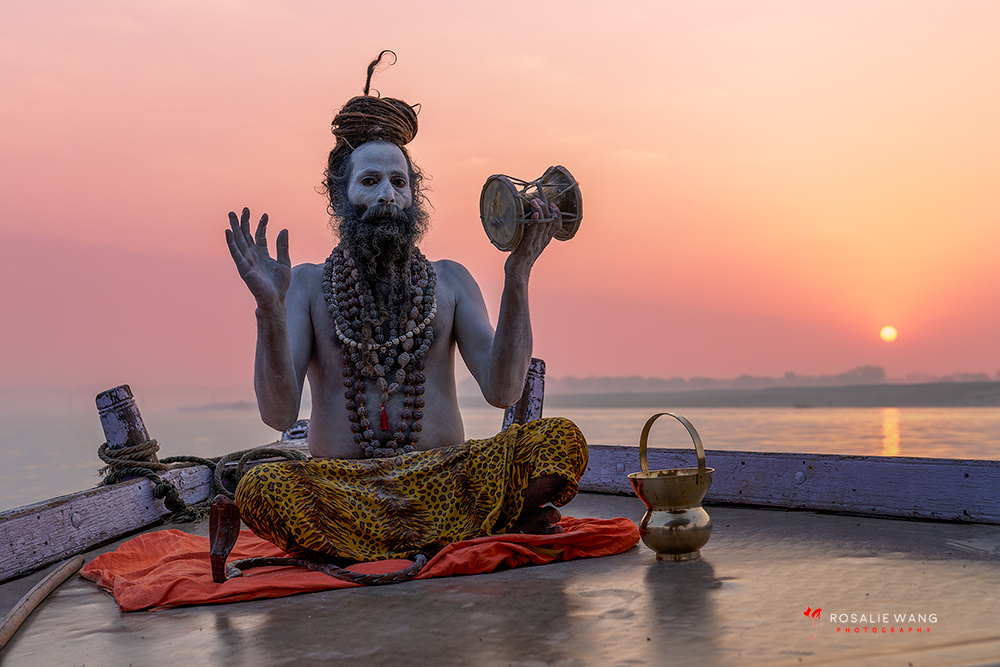
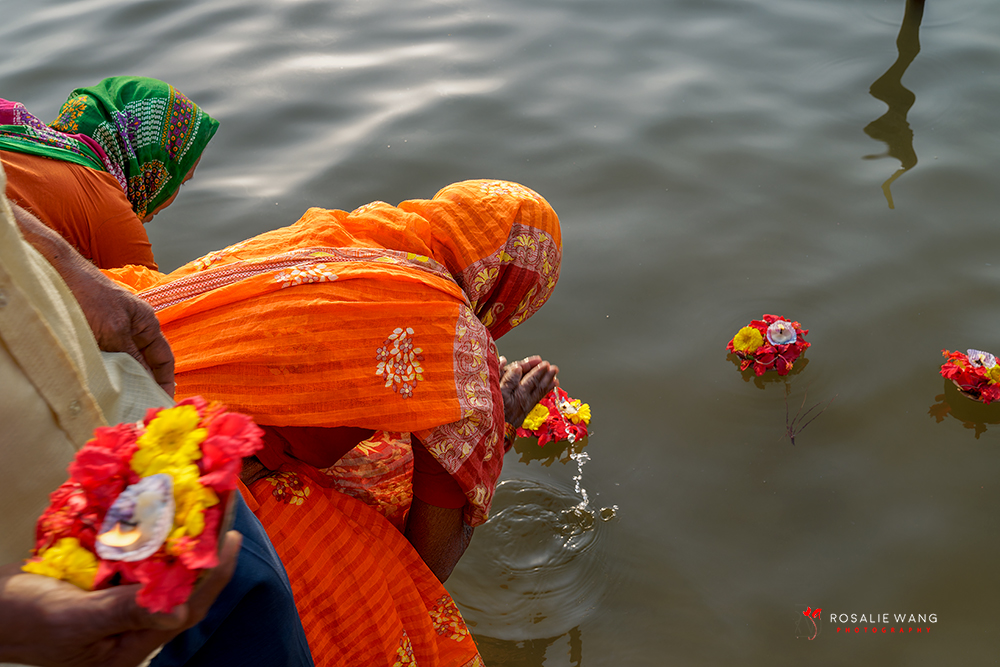
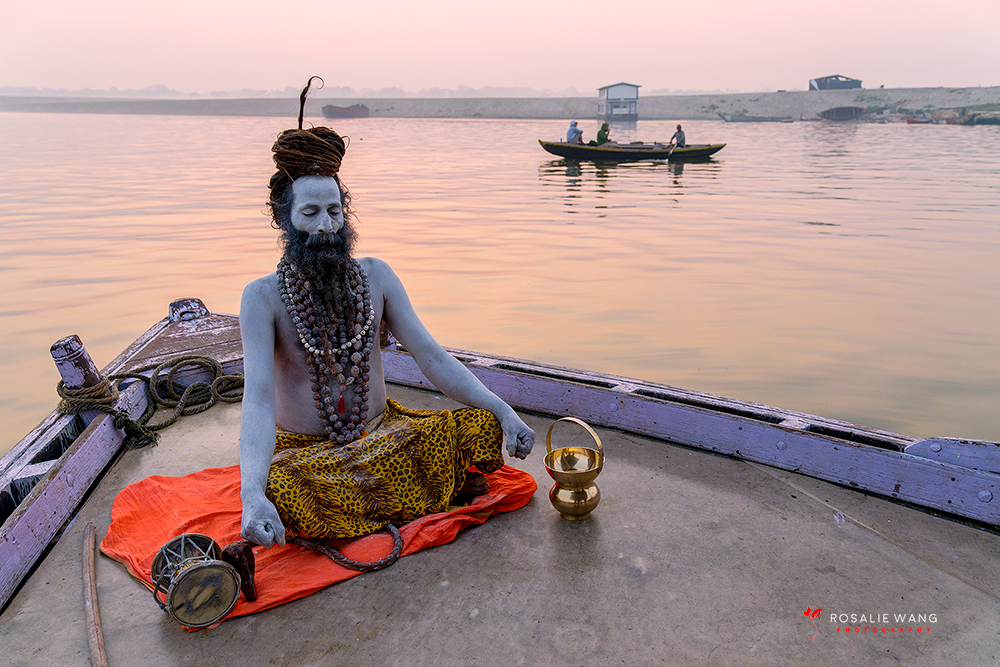
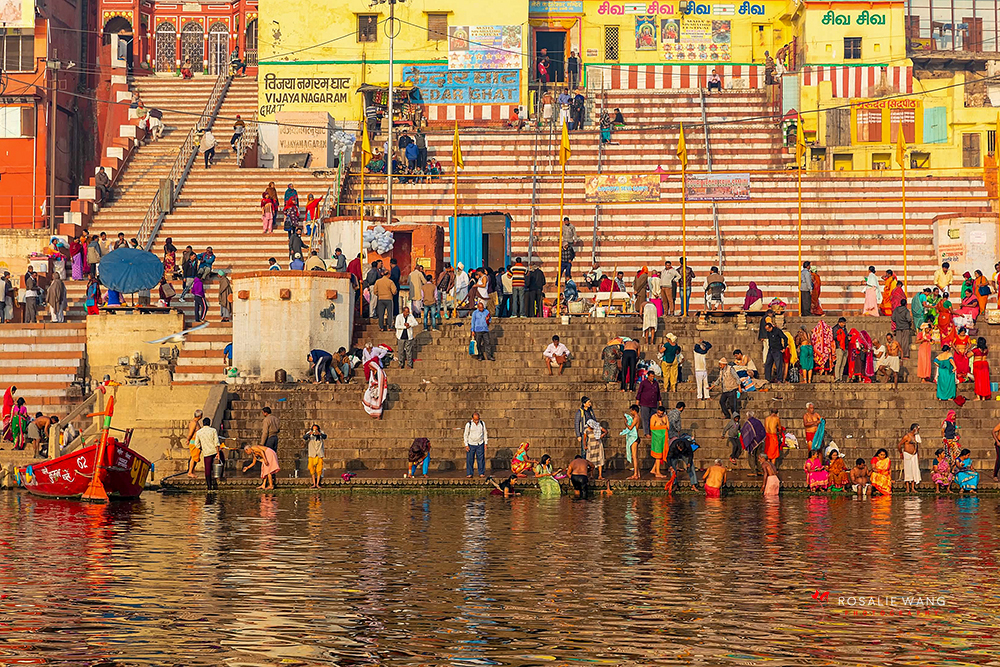
The Ganga Aarti is a daily worship ritual honoring the River Ganga as a living goddess — the giver of life, purifier of sins, and spiritual mother of millions. It takes place primarily at Dashashwamedh Ghat, the city’s most sacred and theatrical riverfront stage. Seven priests perform the ritual in perfect synchronization; each movement choreographed to ancient rhythms. The ceremony has remained visually and spiritually consistent for centuries.