Life
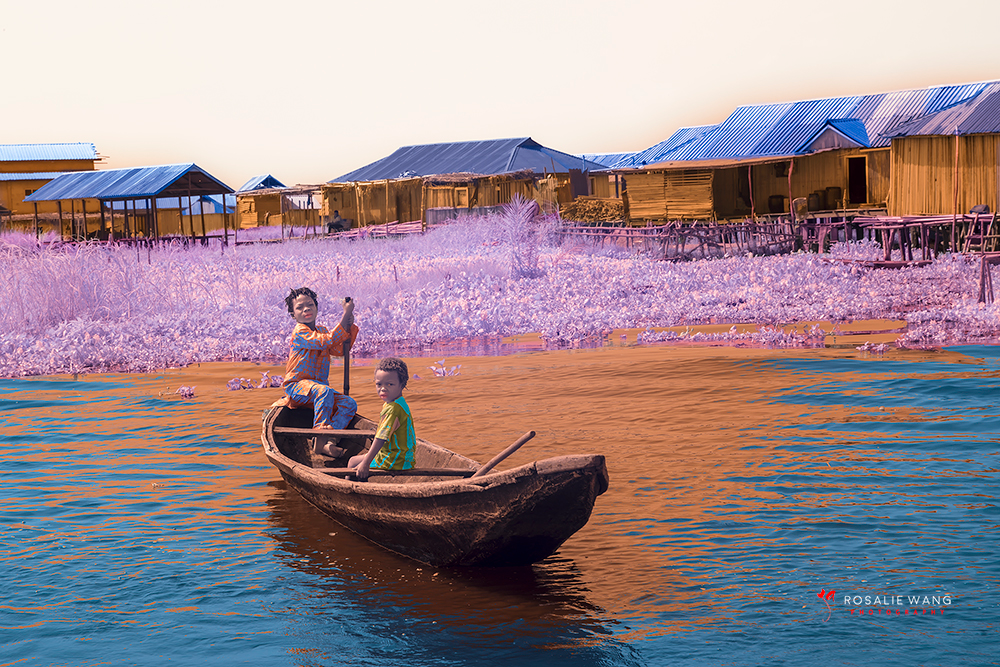
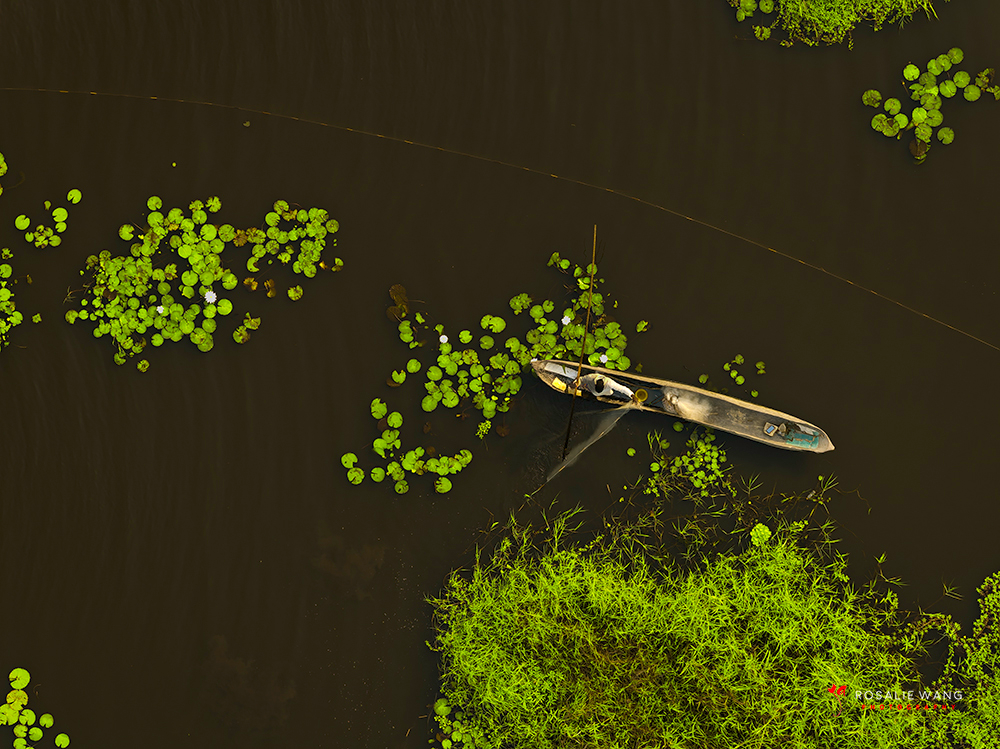
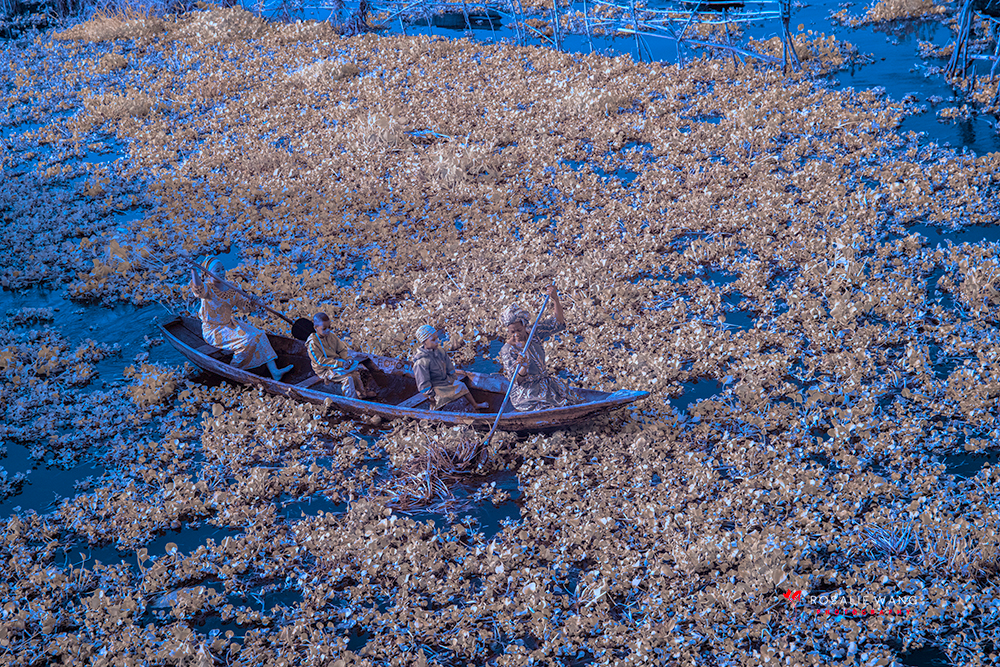
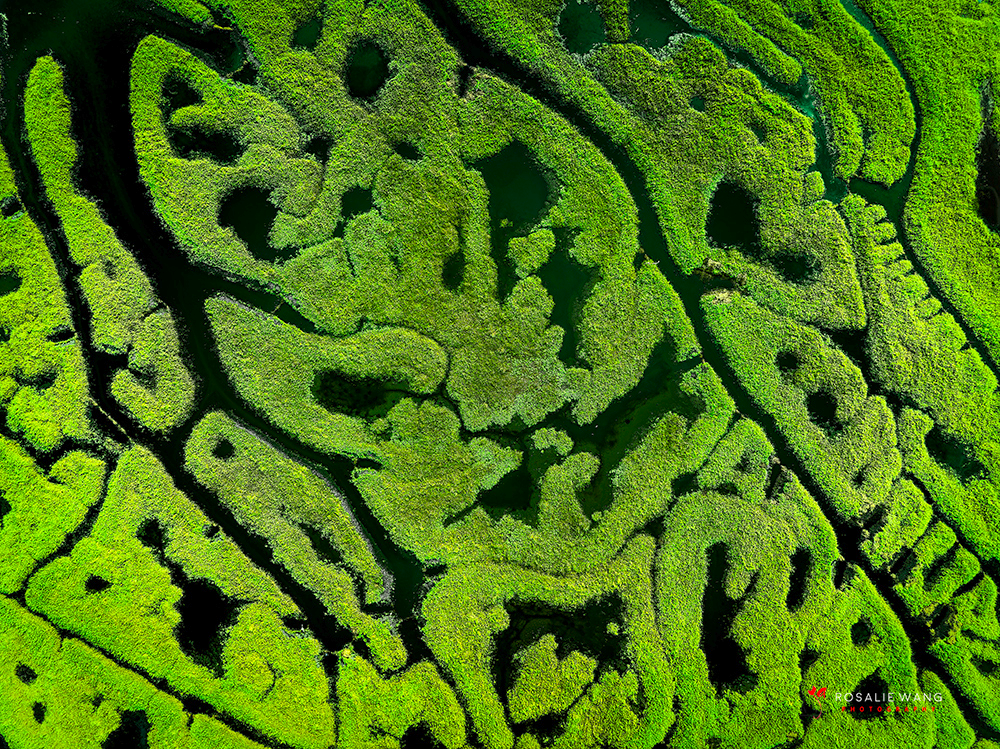
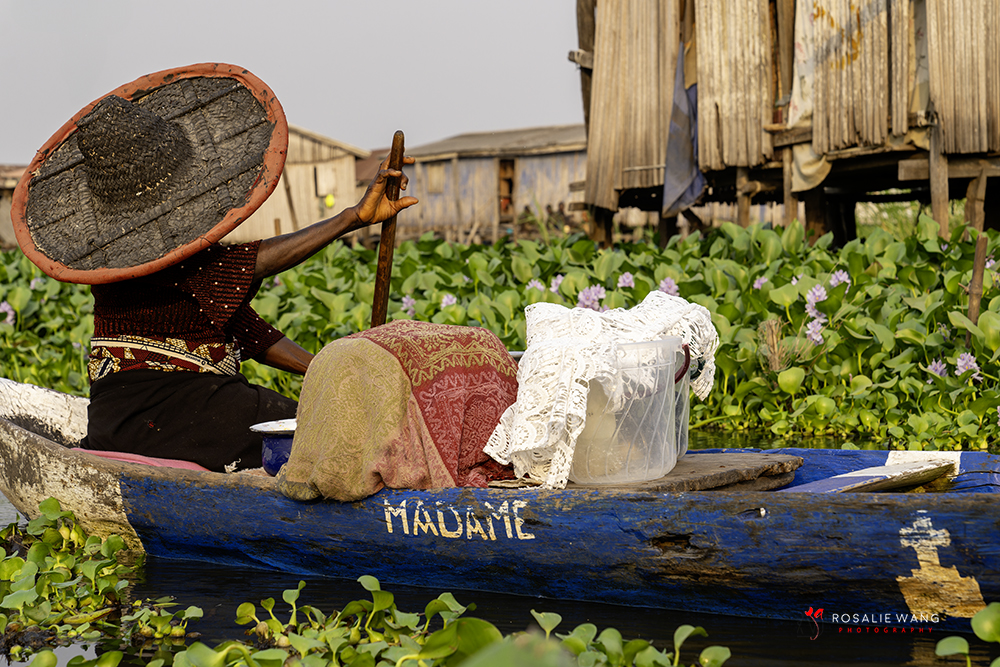
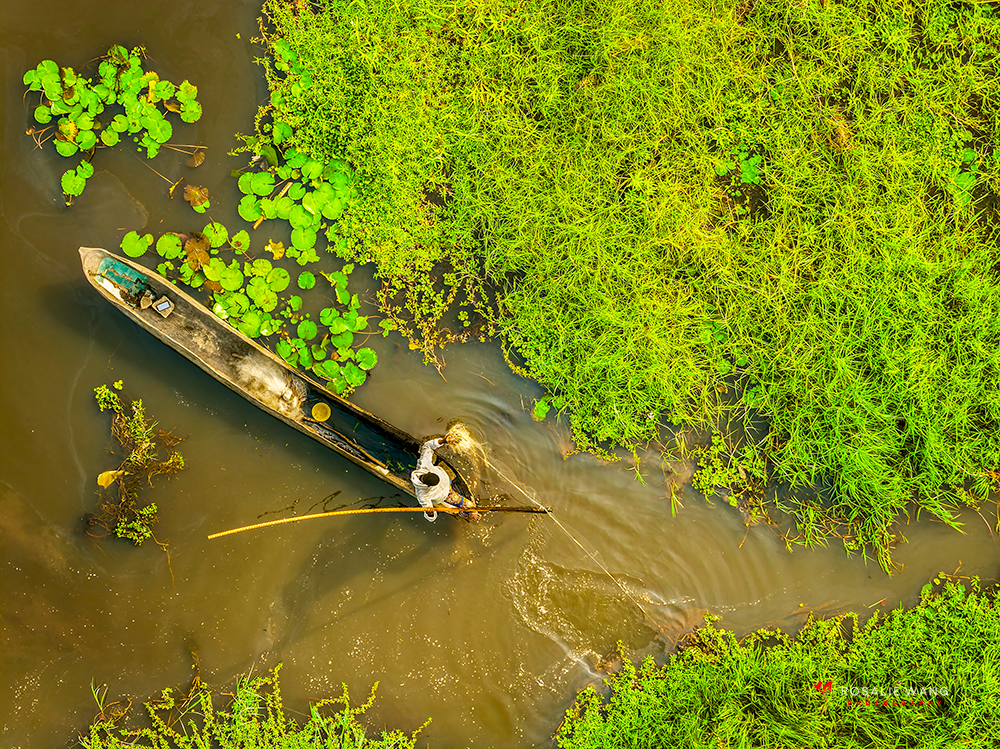
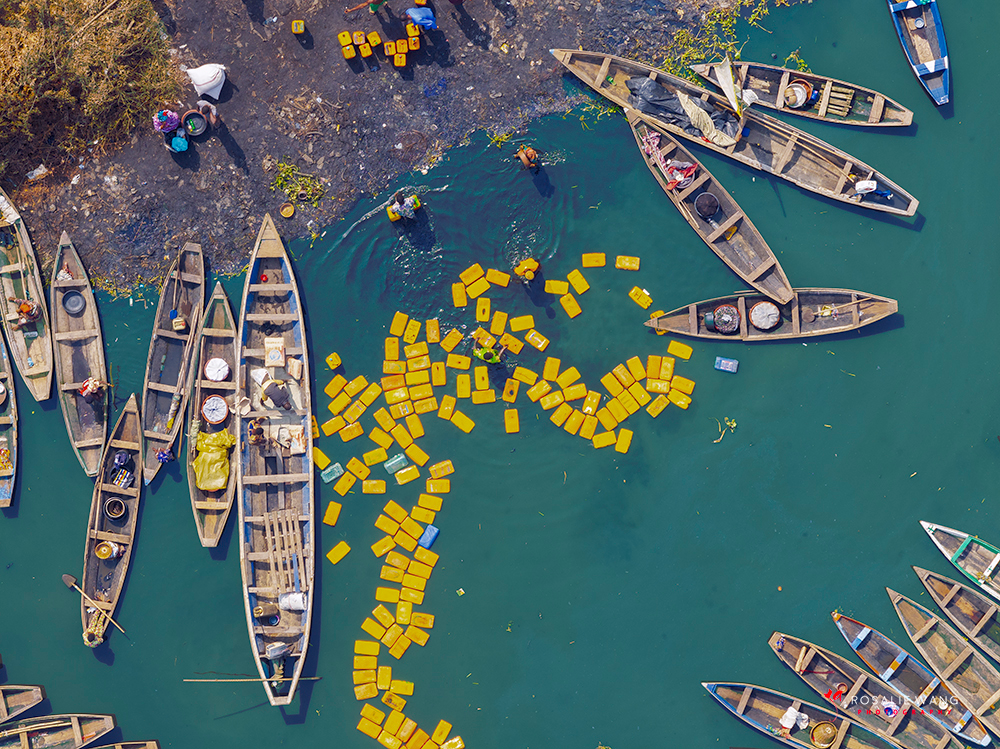
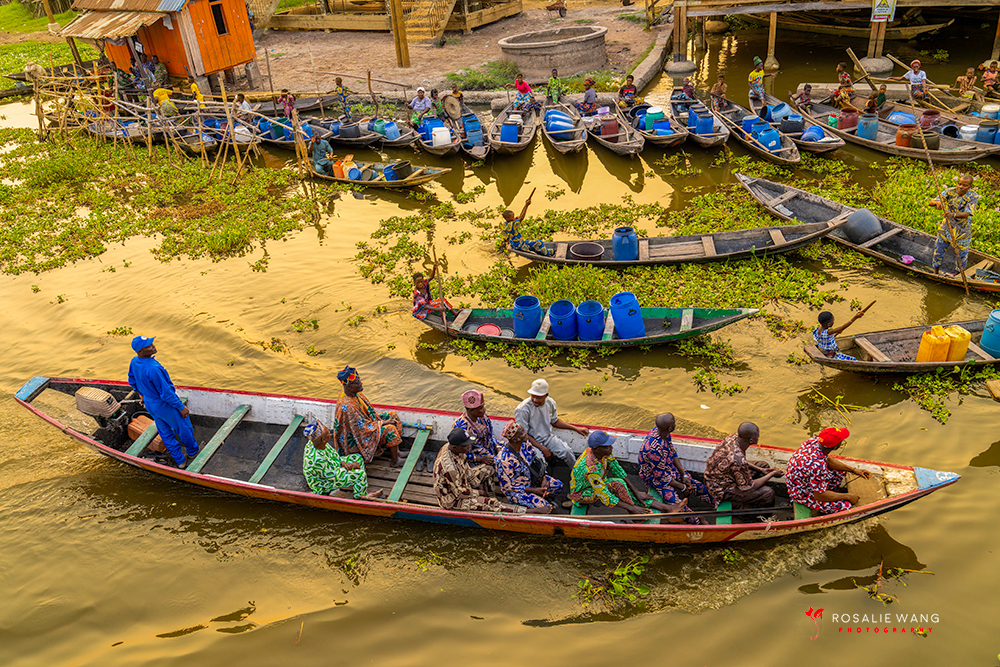
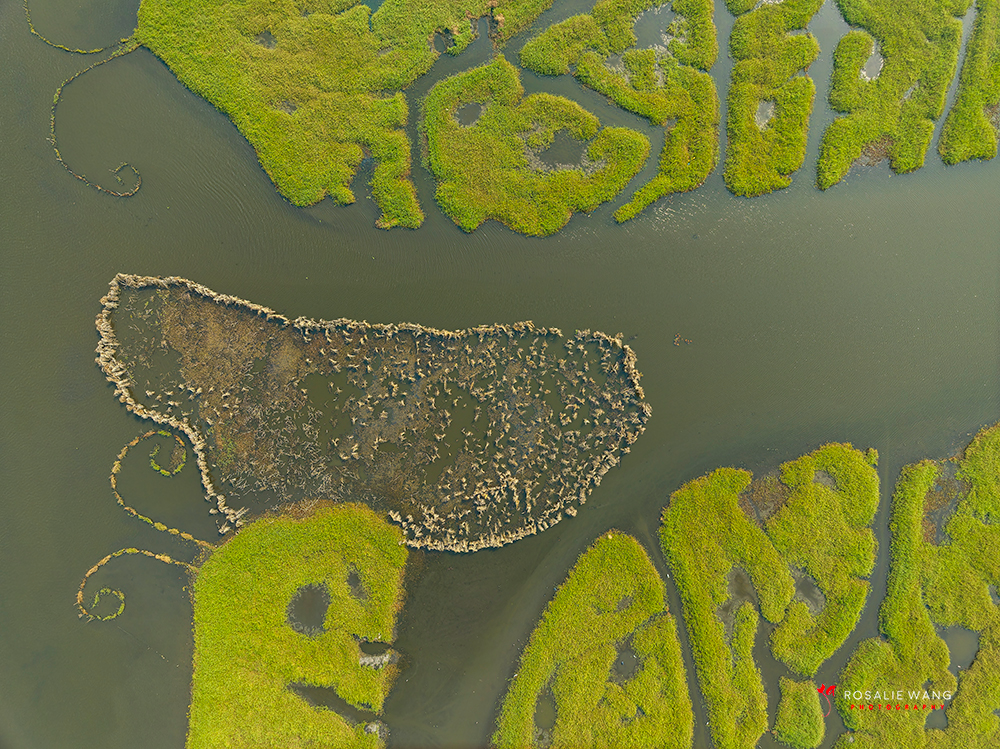
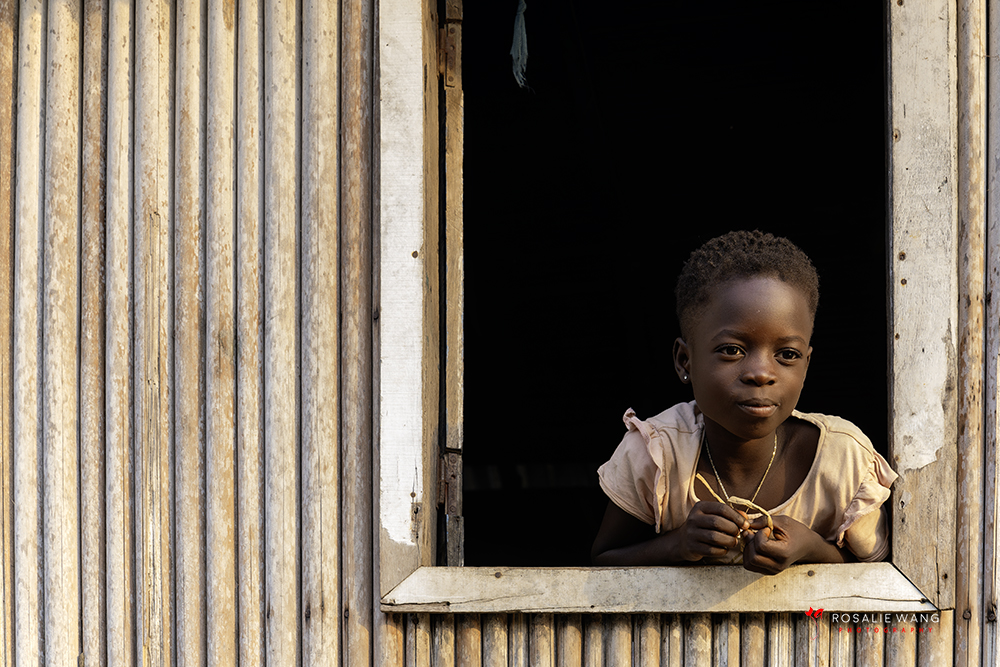
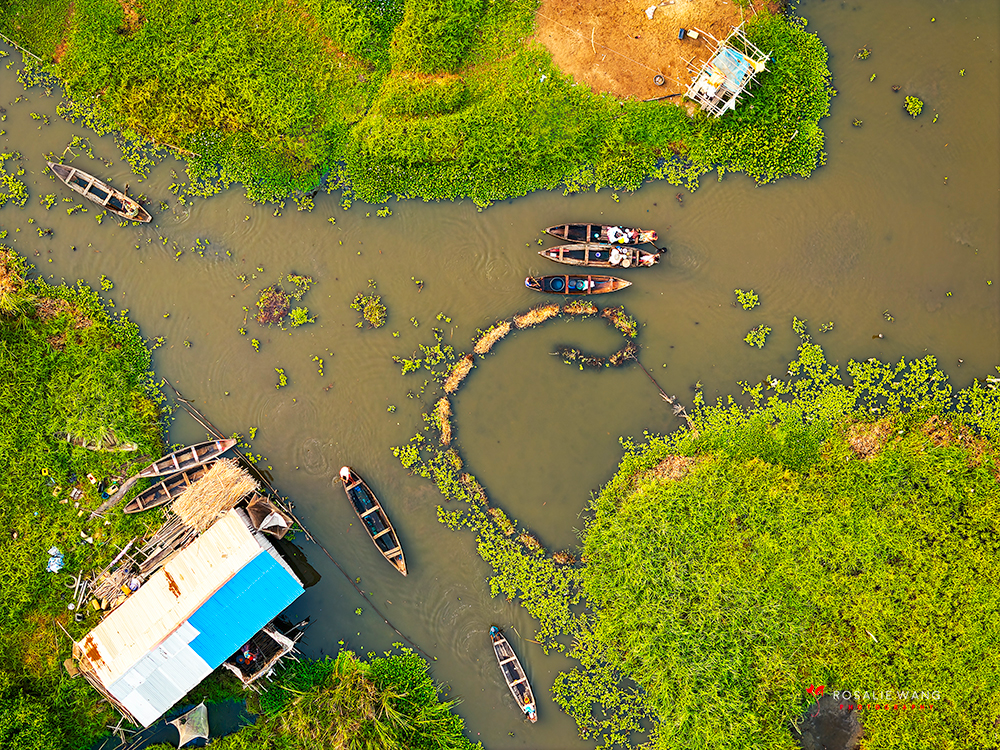
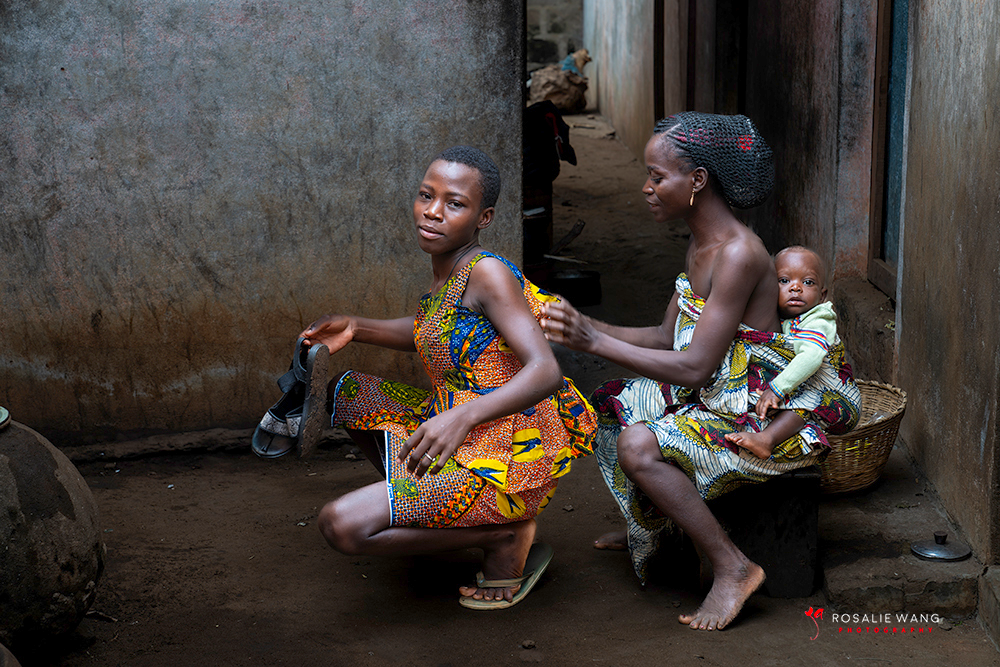
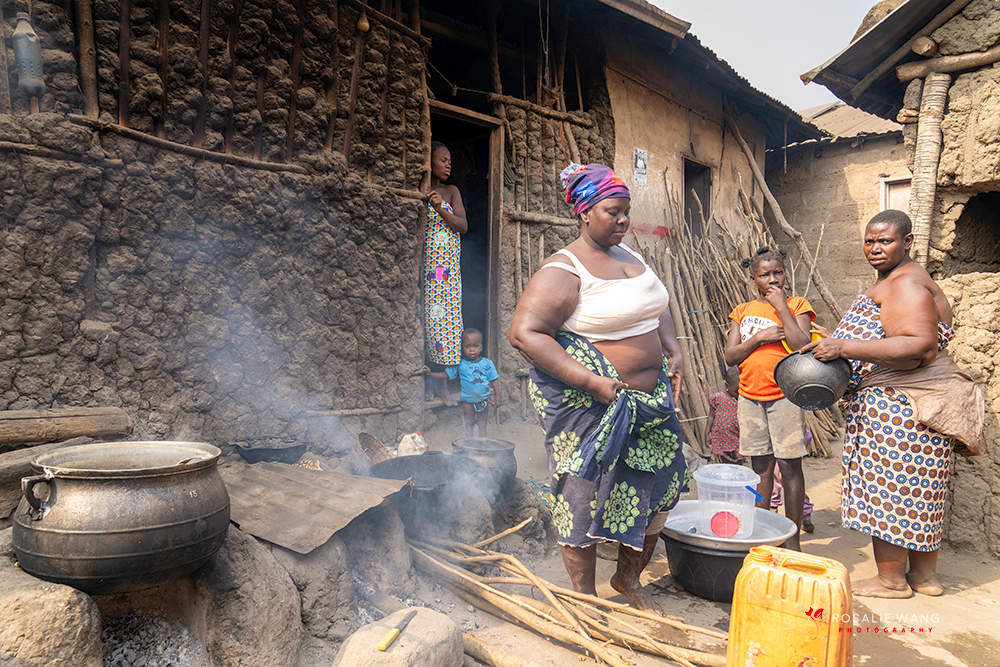
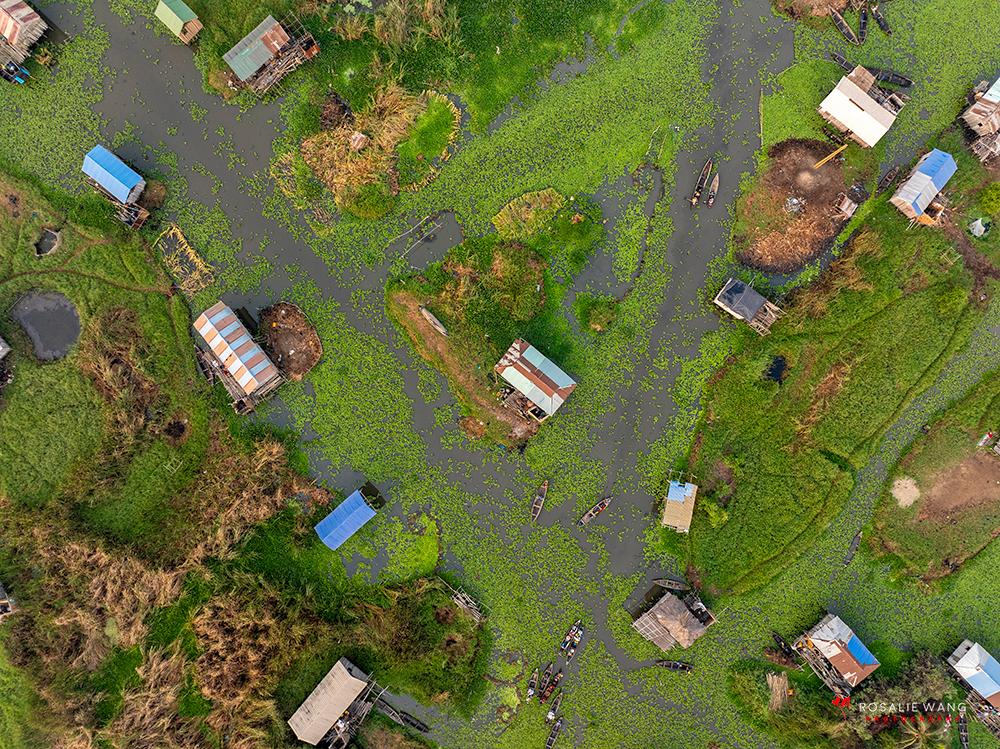
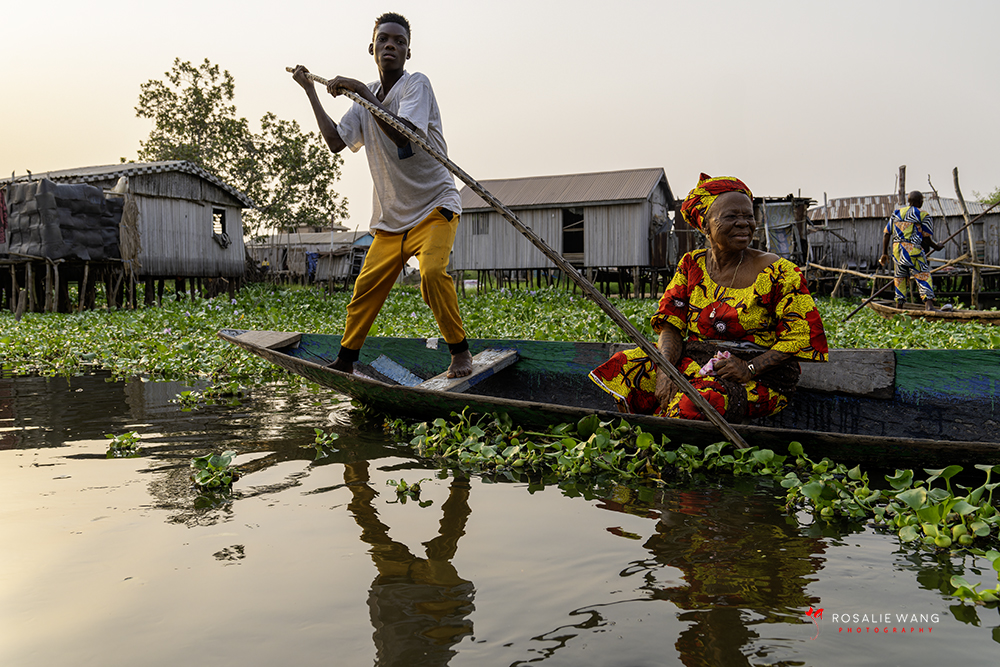
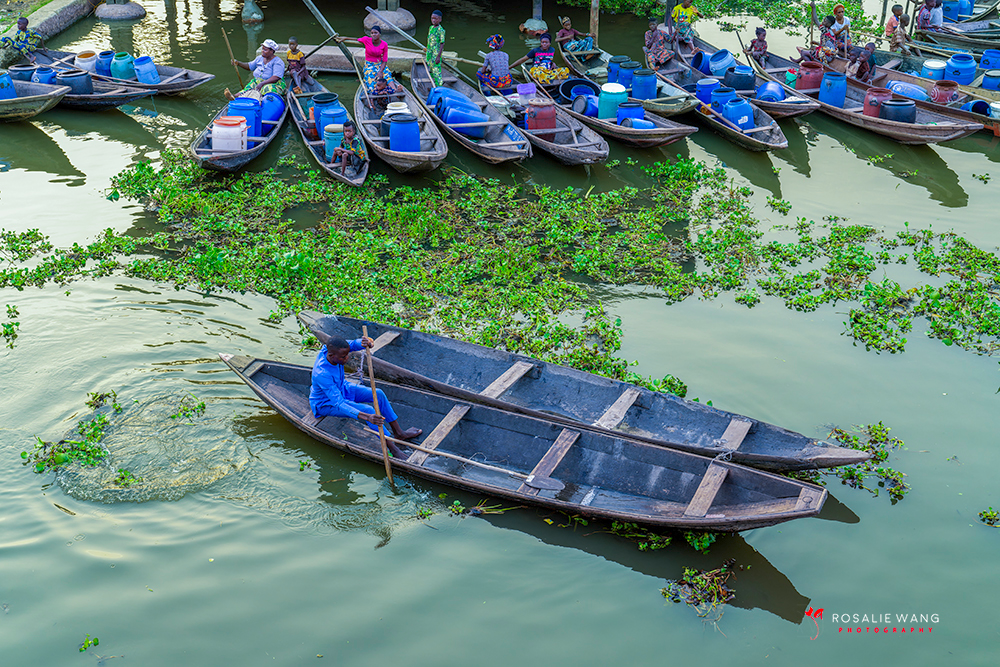
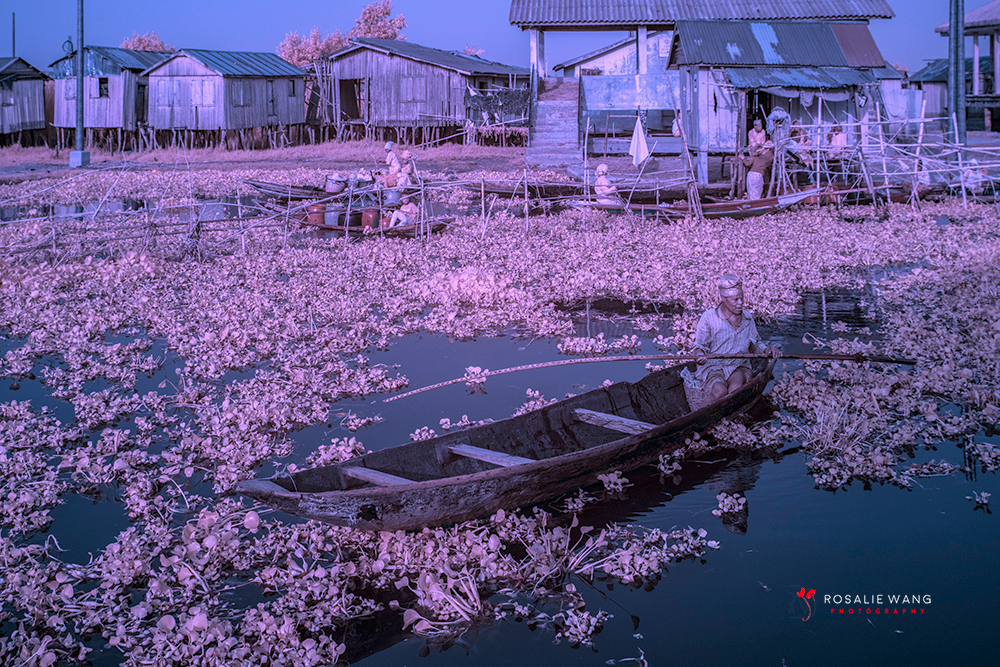
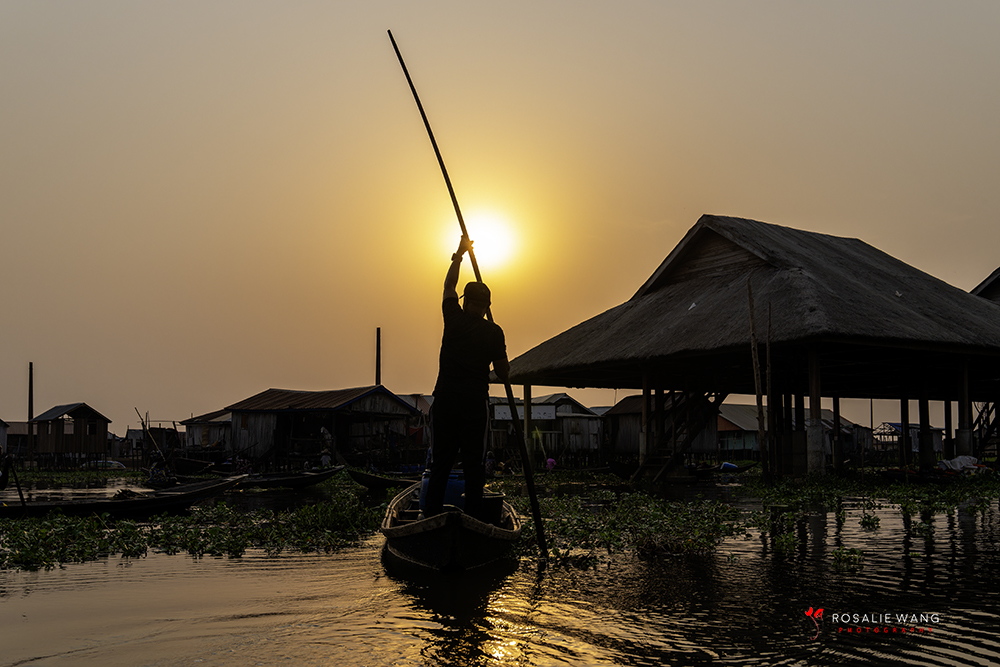
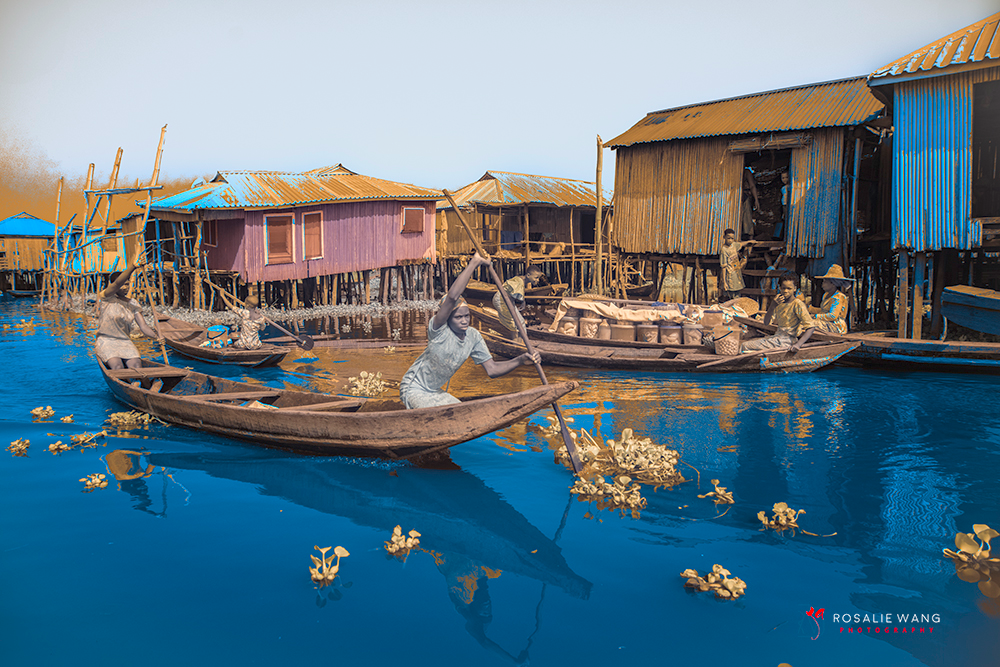
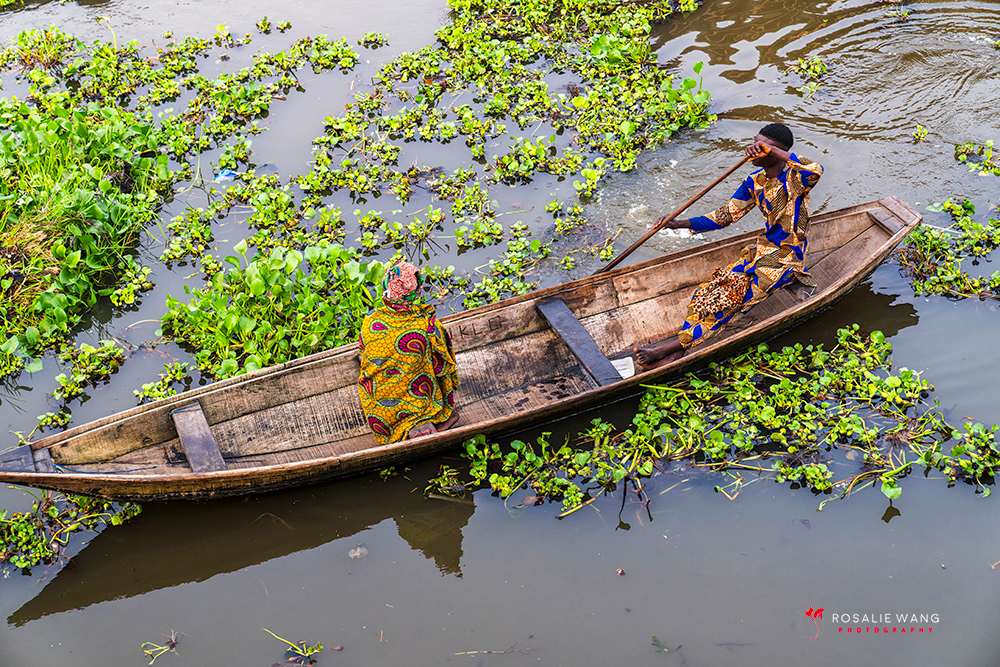
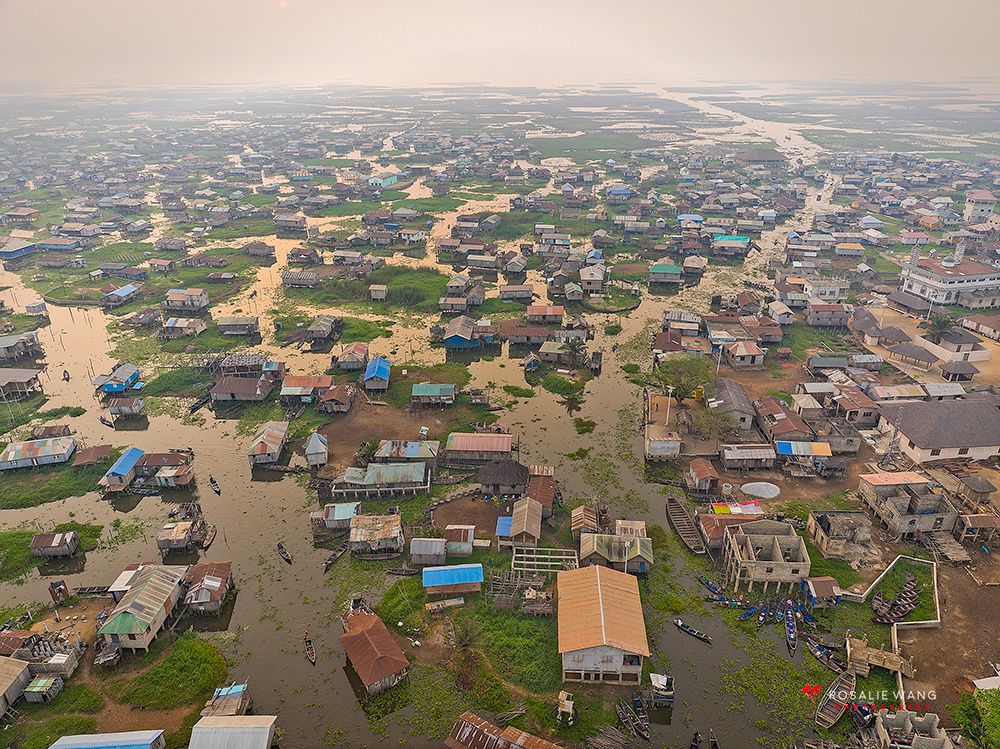
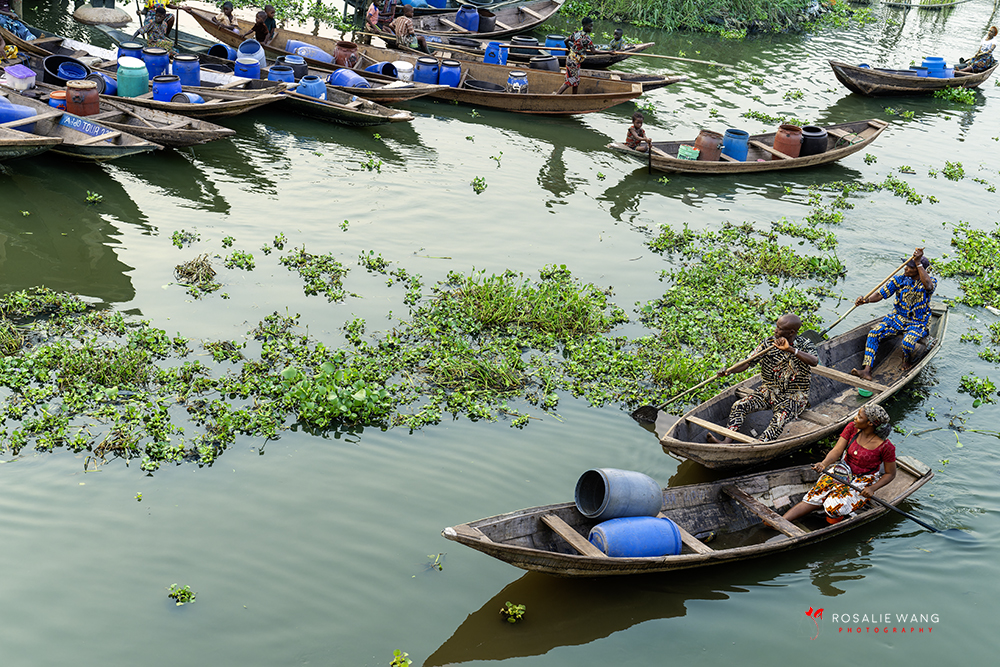
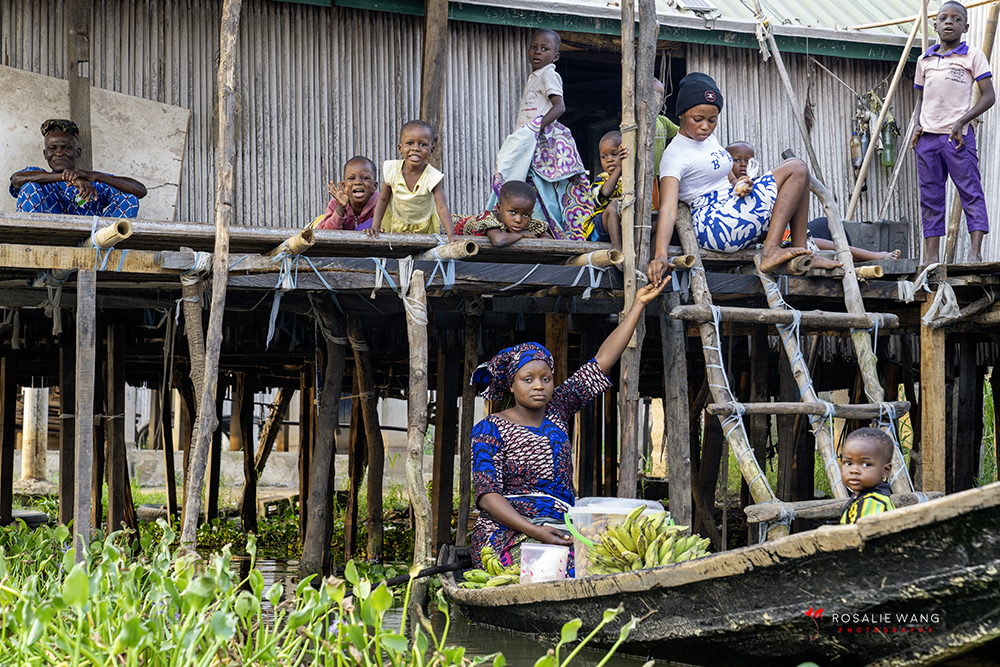
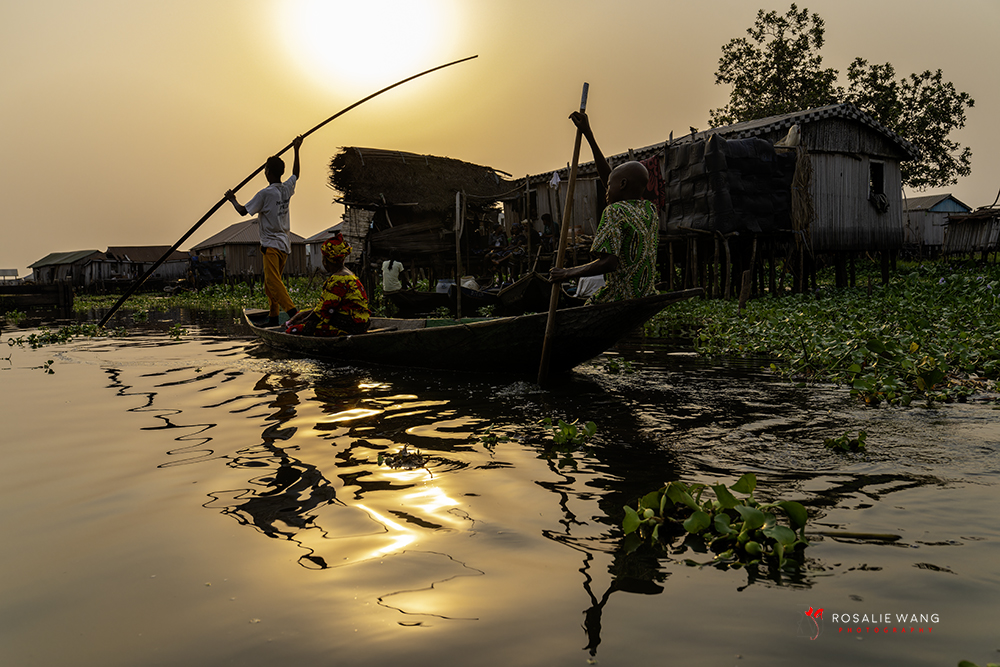
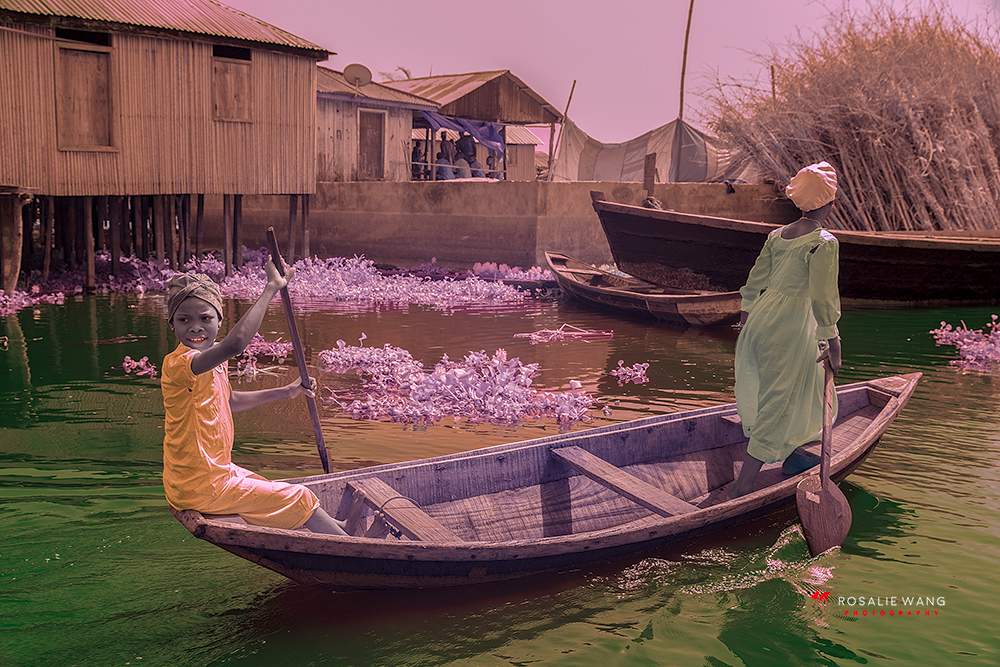
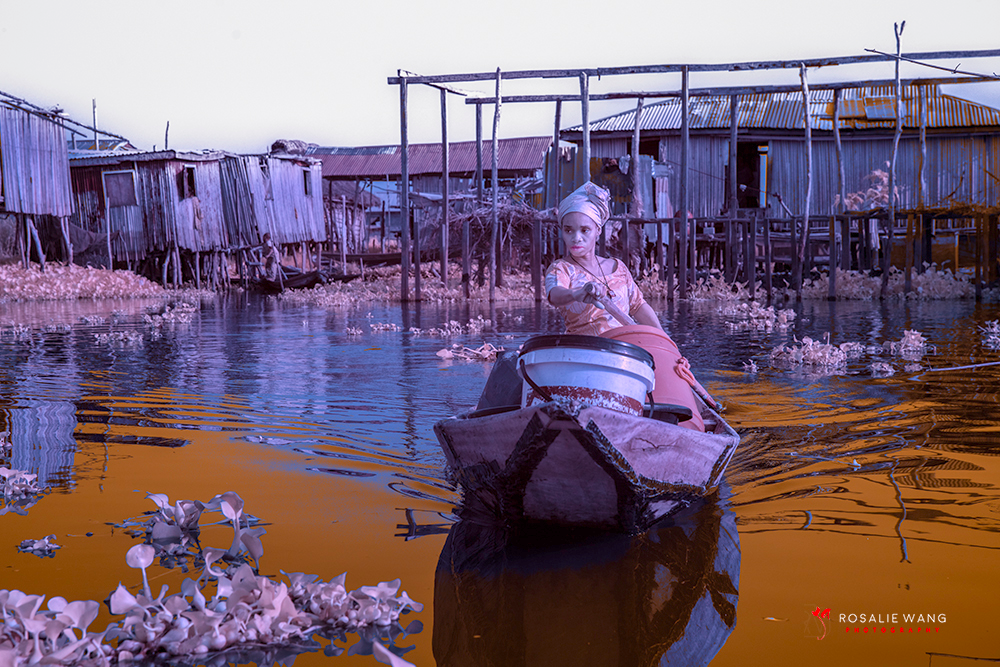
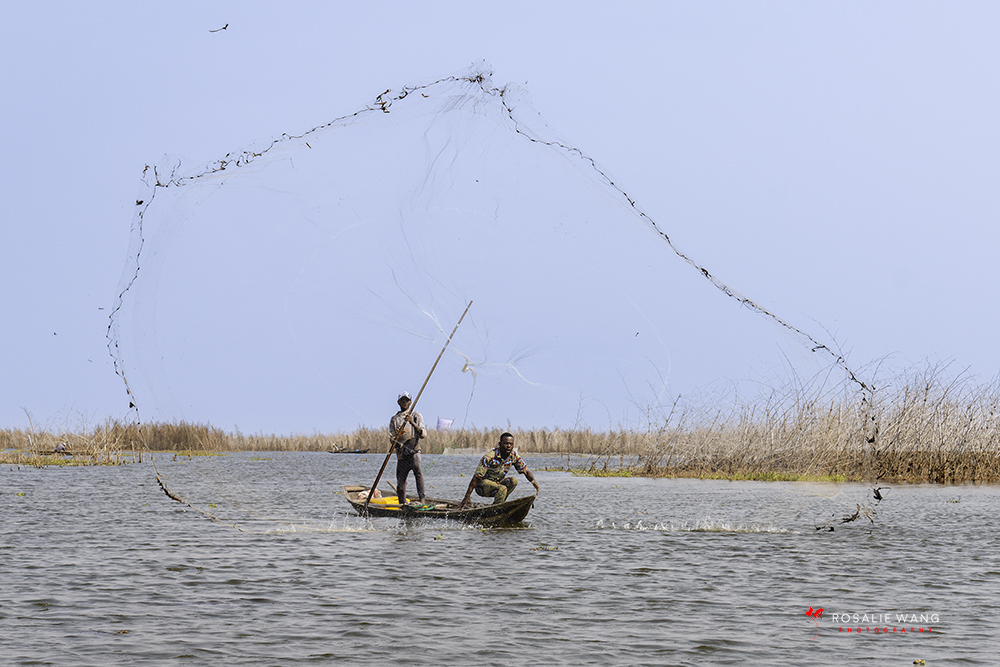
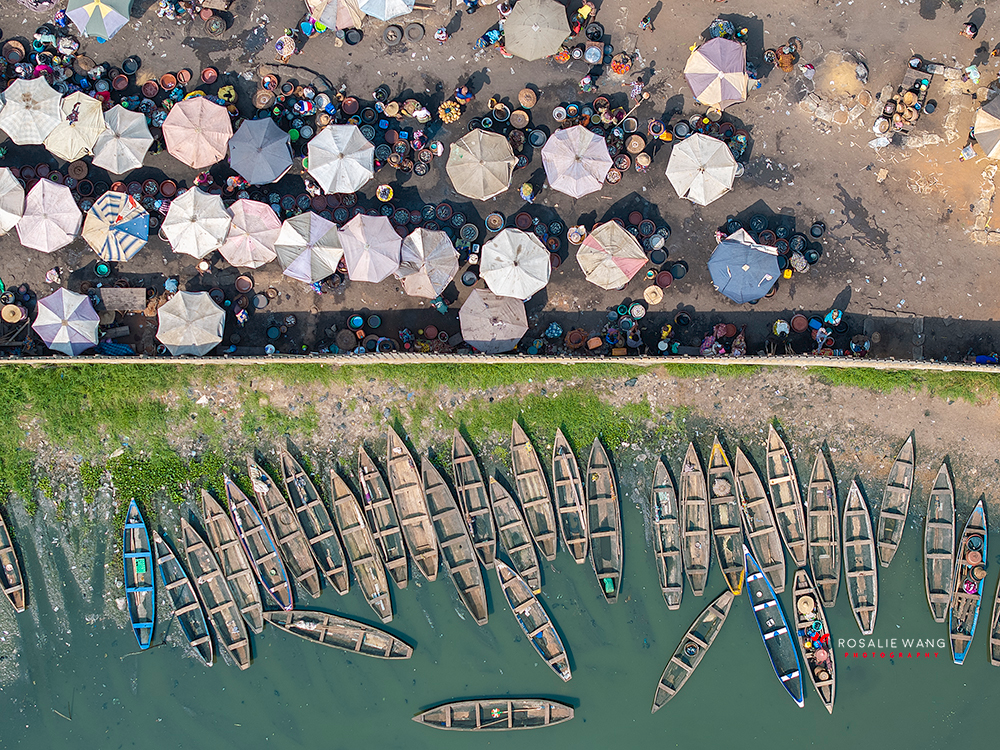
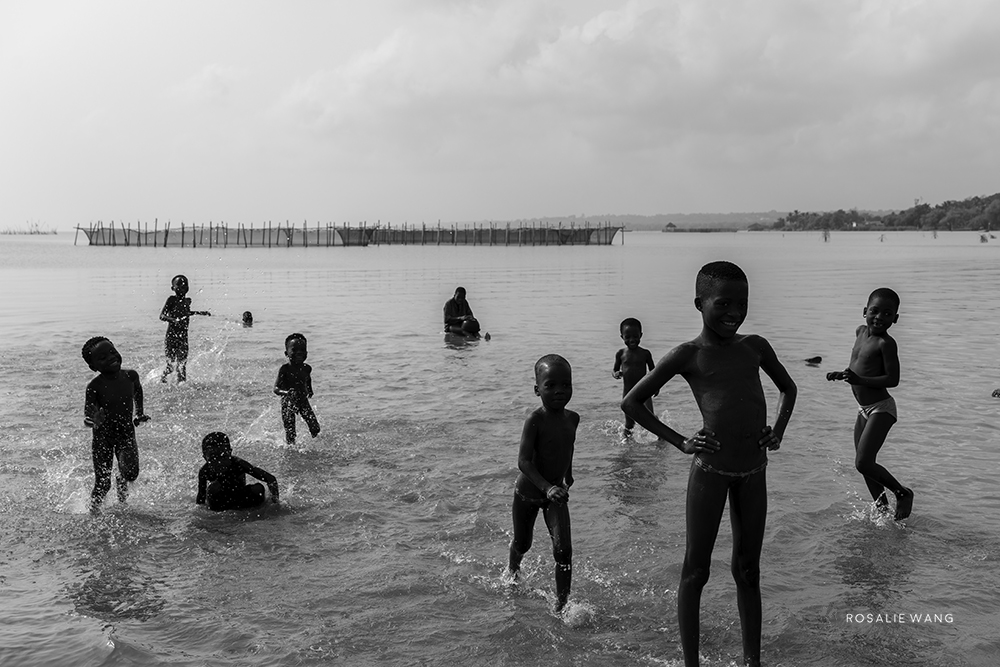
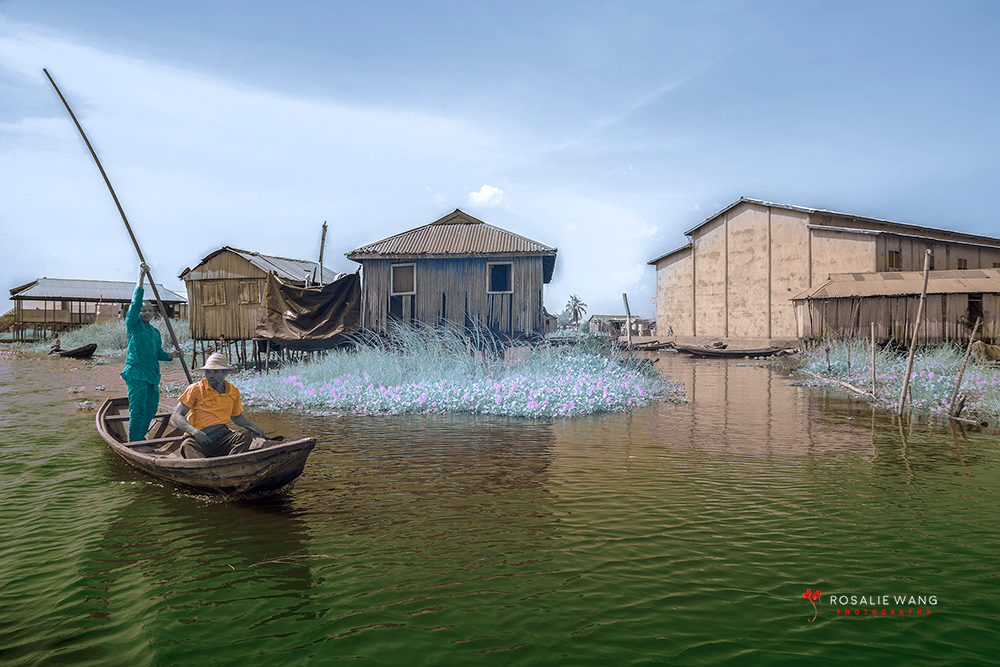
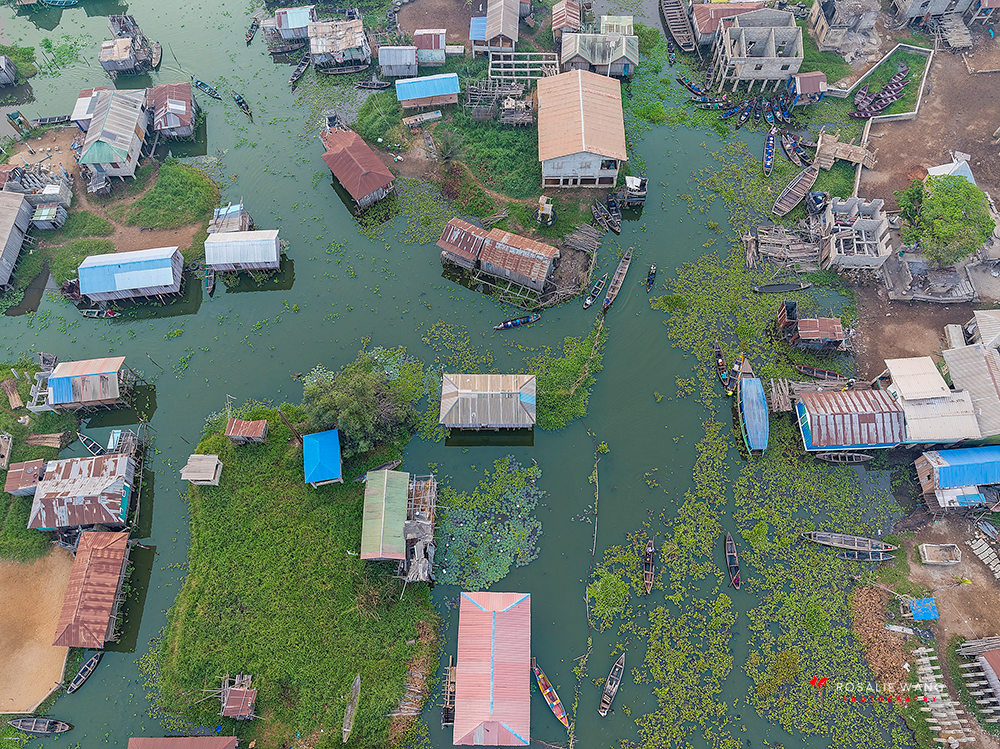
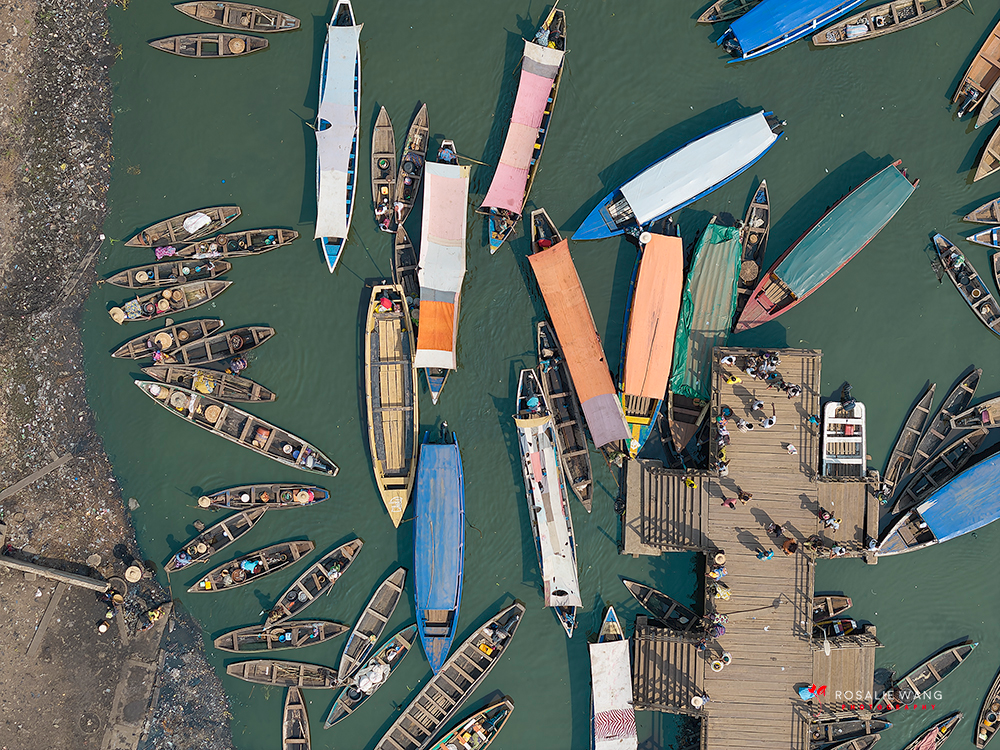
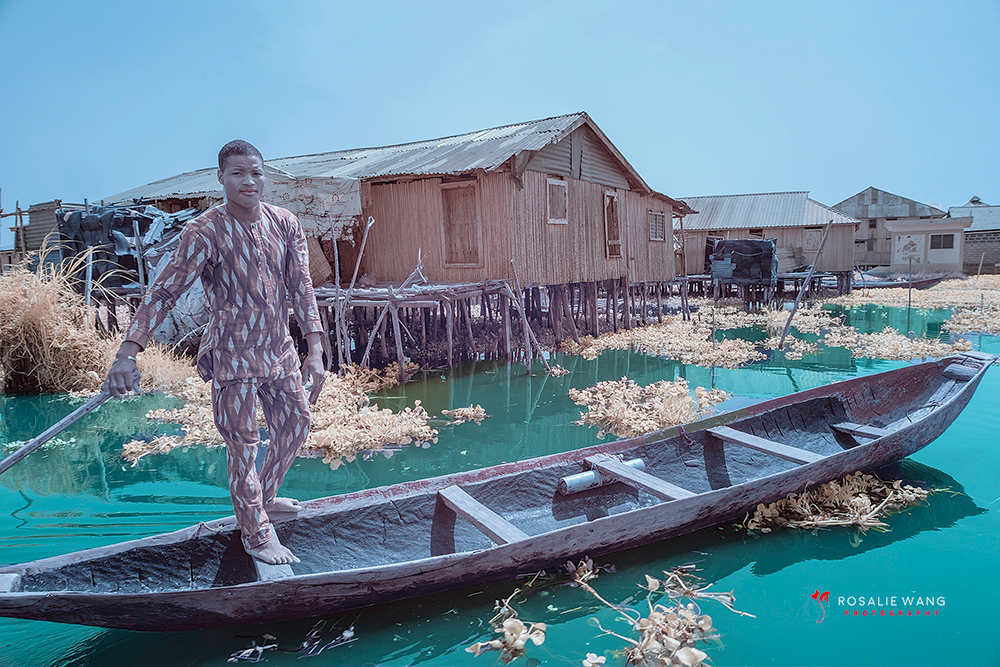
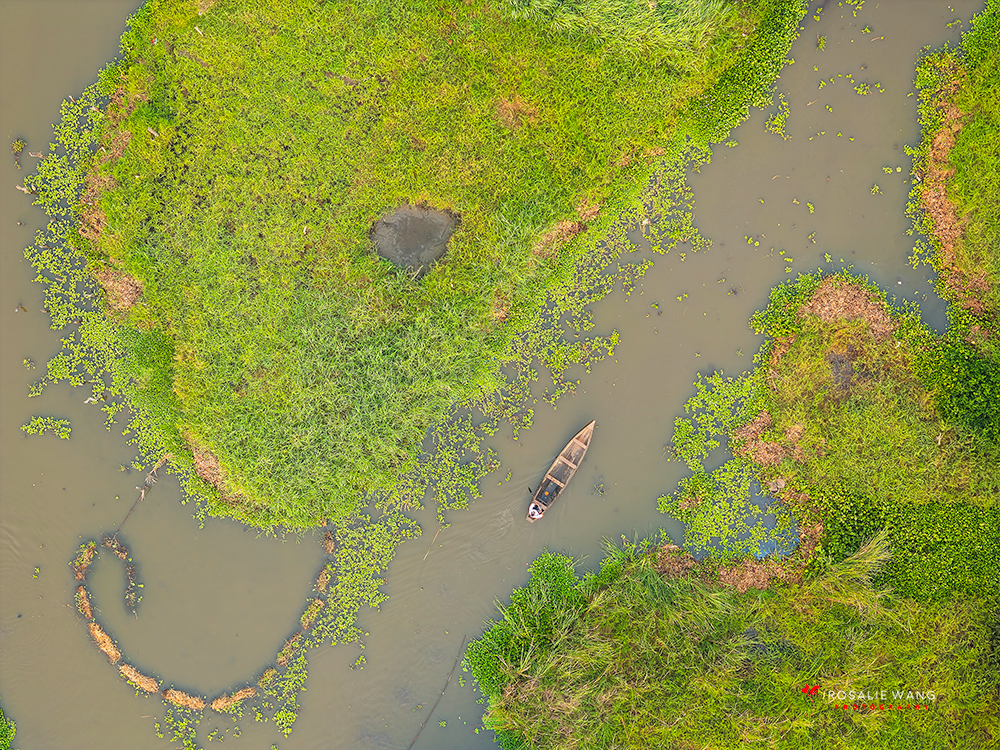
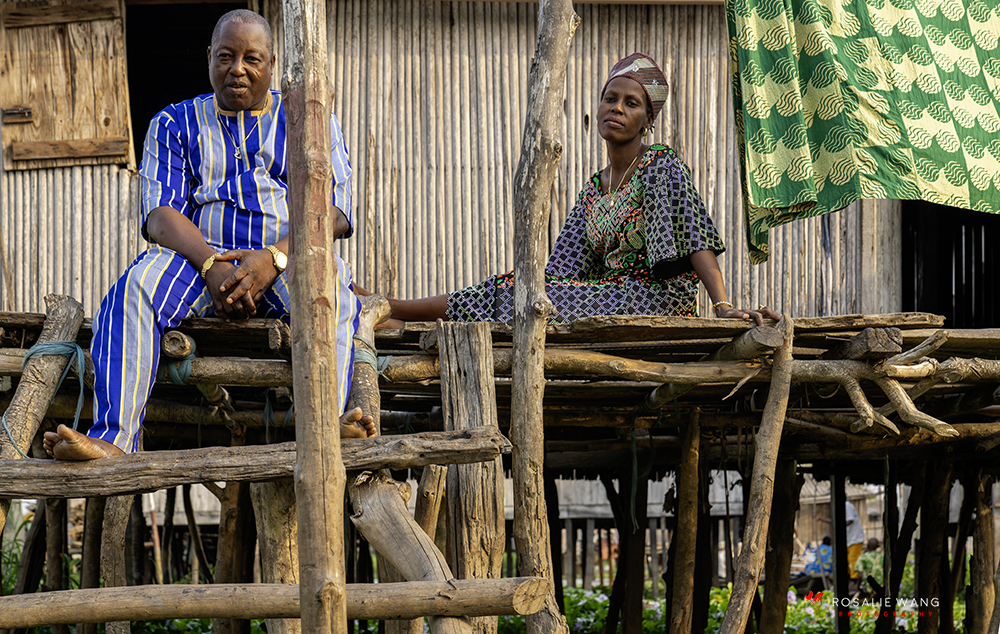
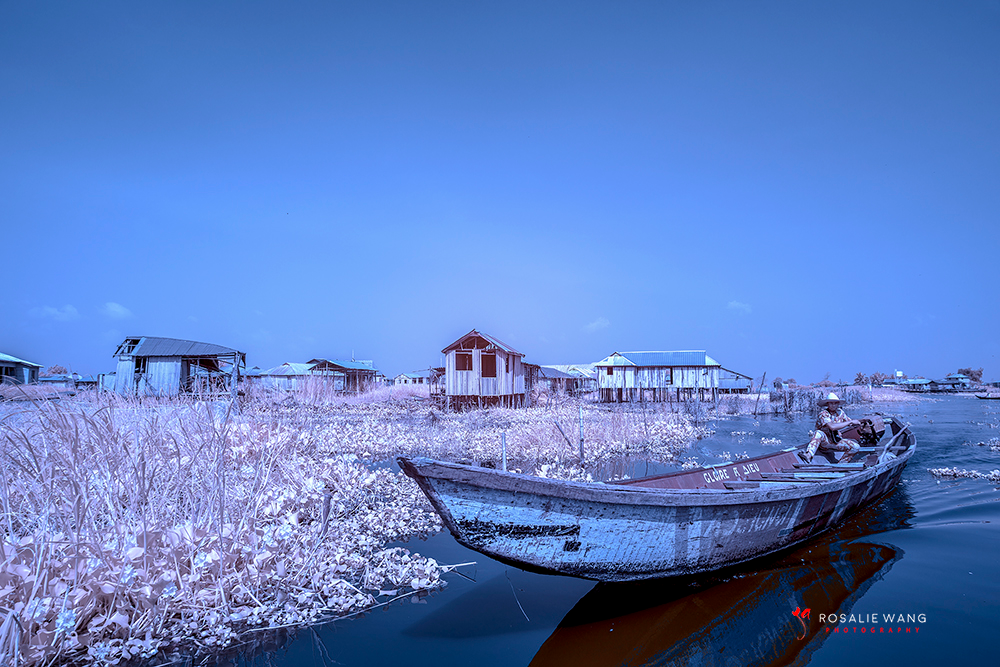
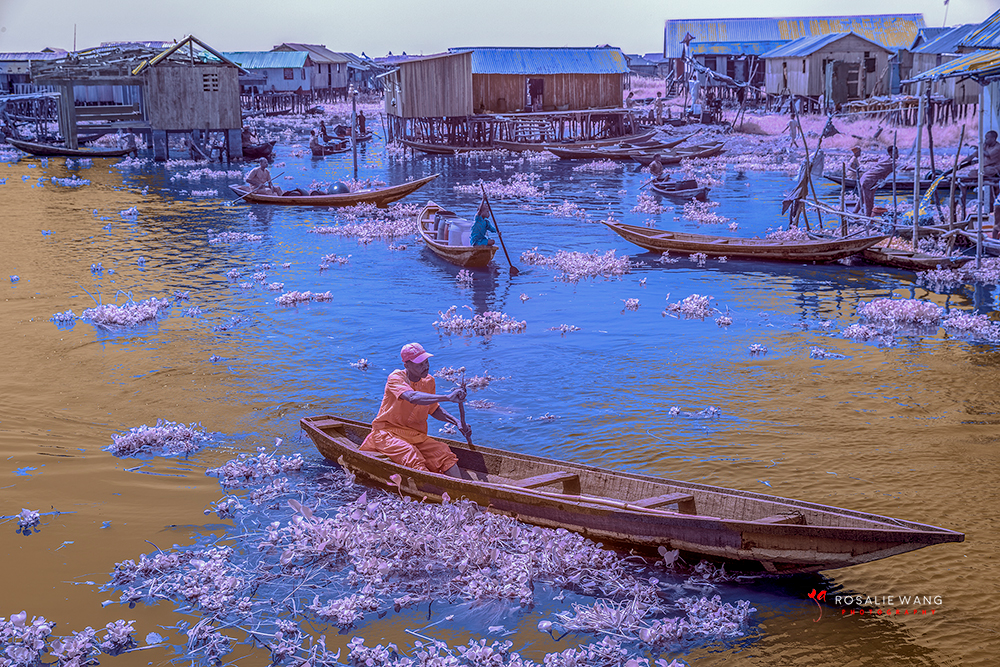
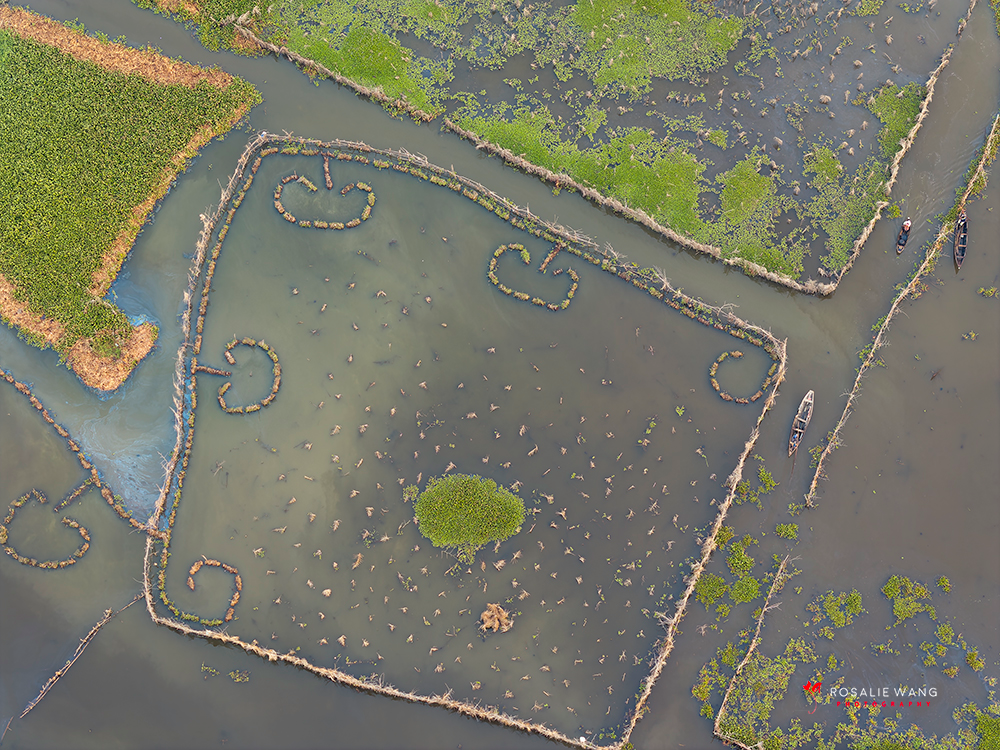
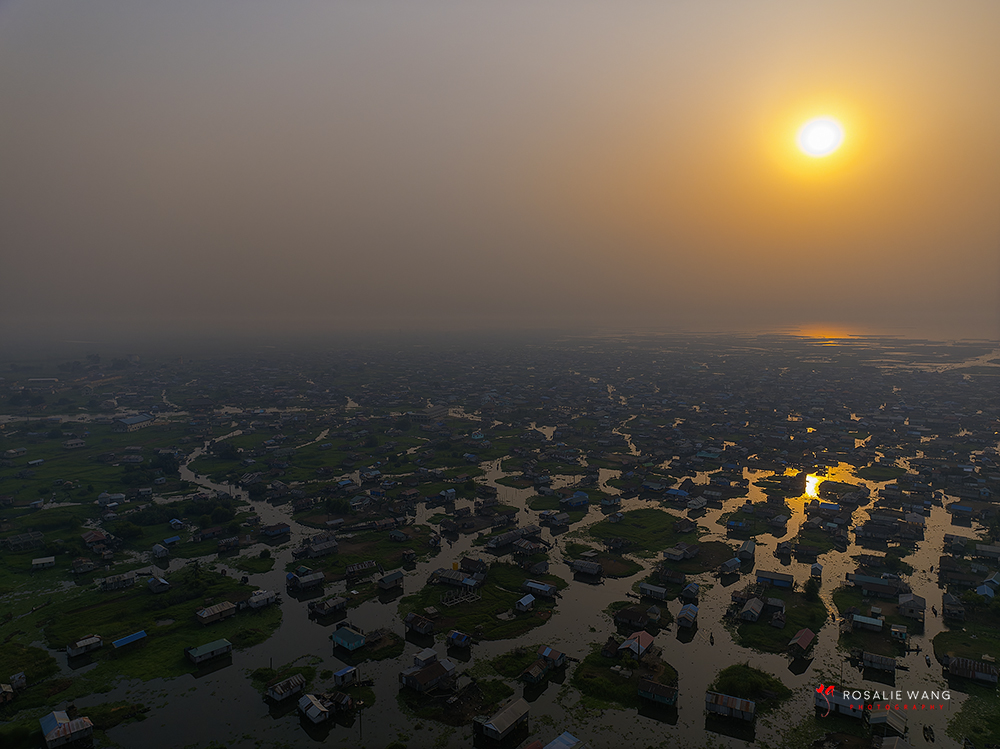
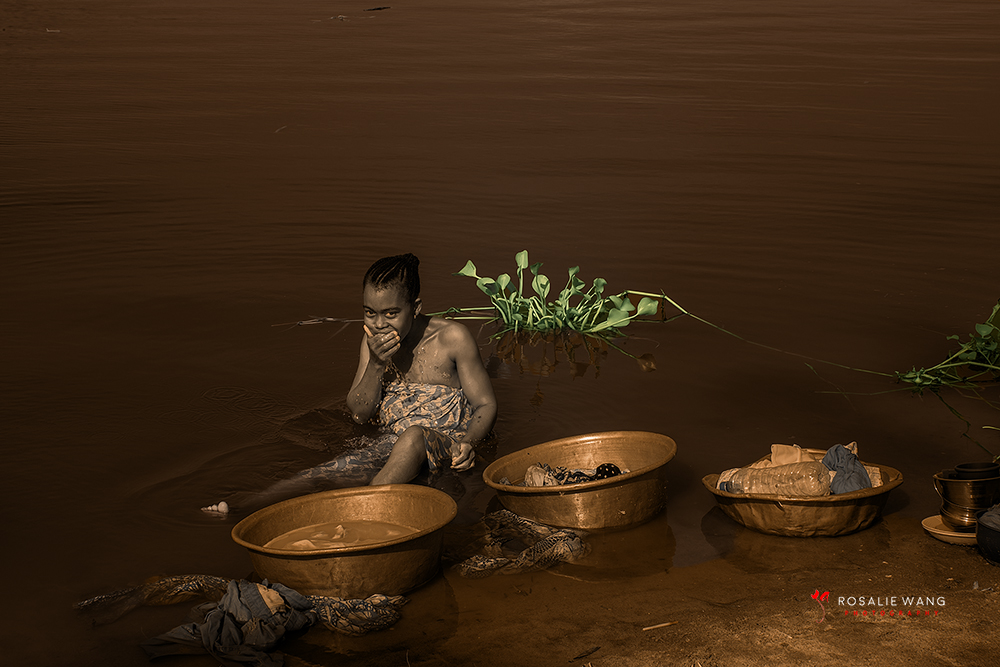
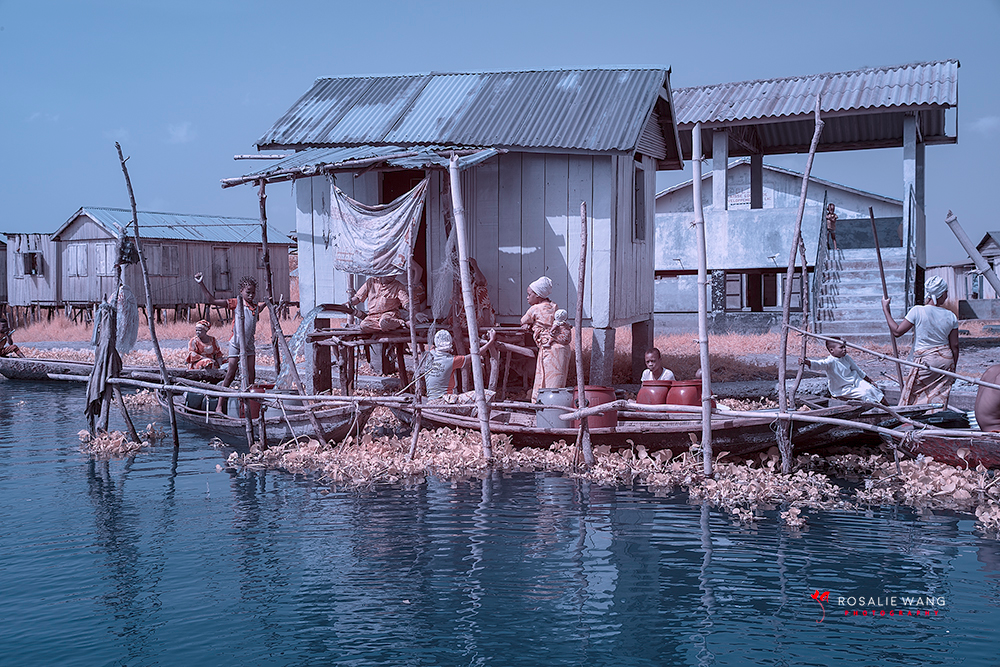
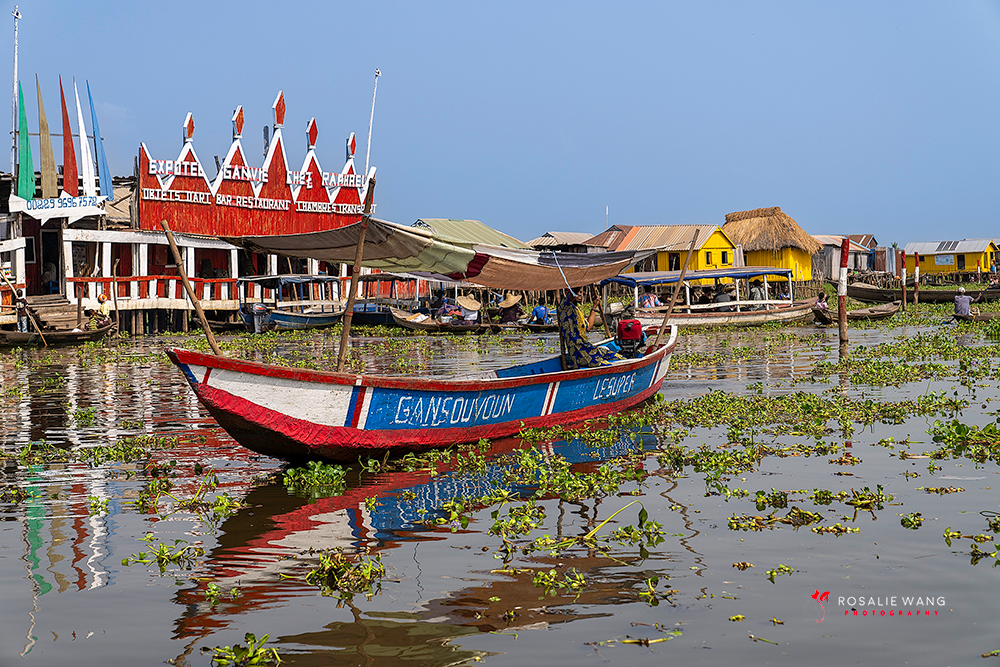
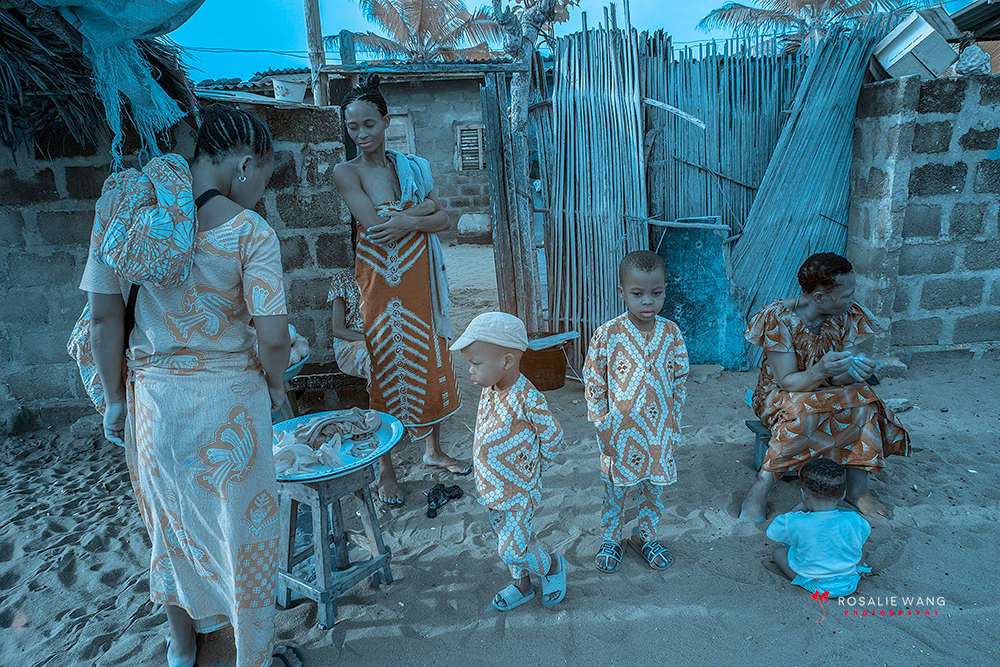
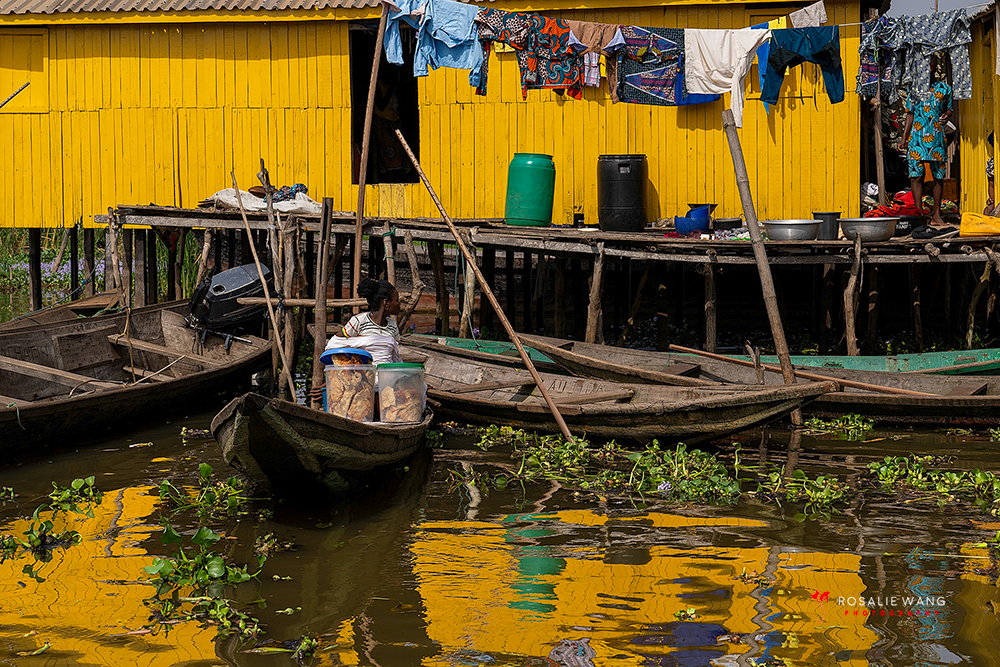
🌊 Ganvie, the vibrant floating village on Lake Nokoué
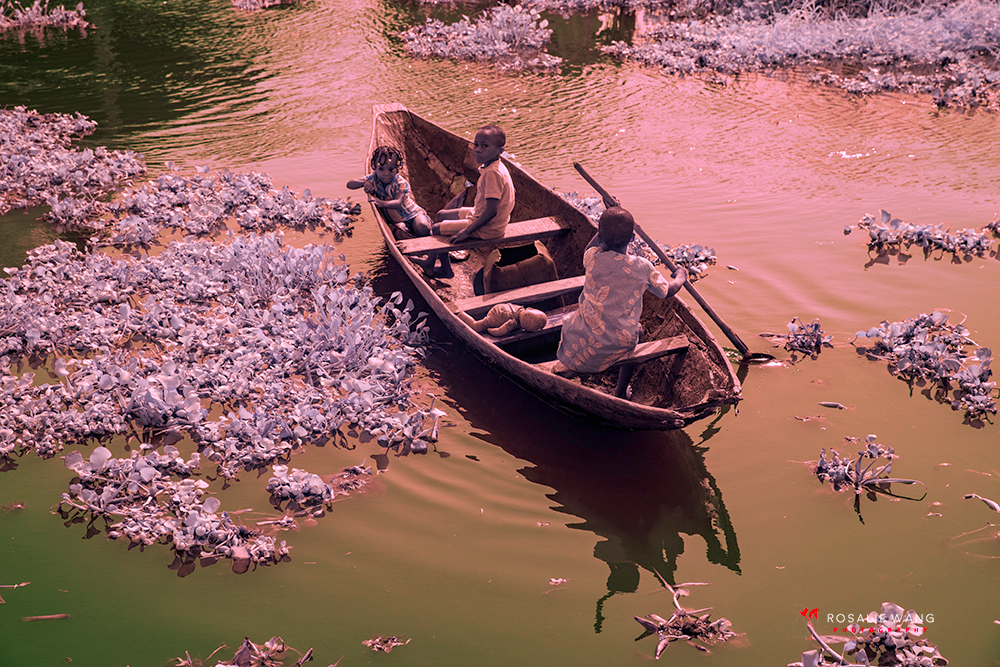
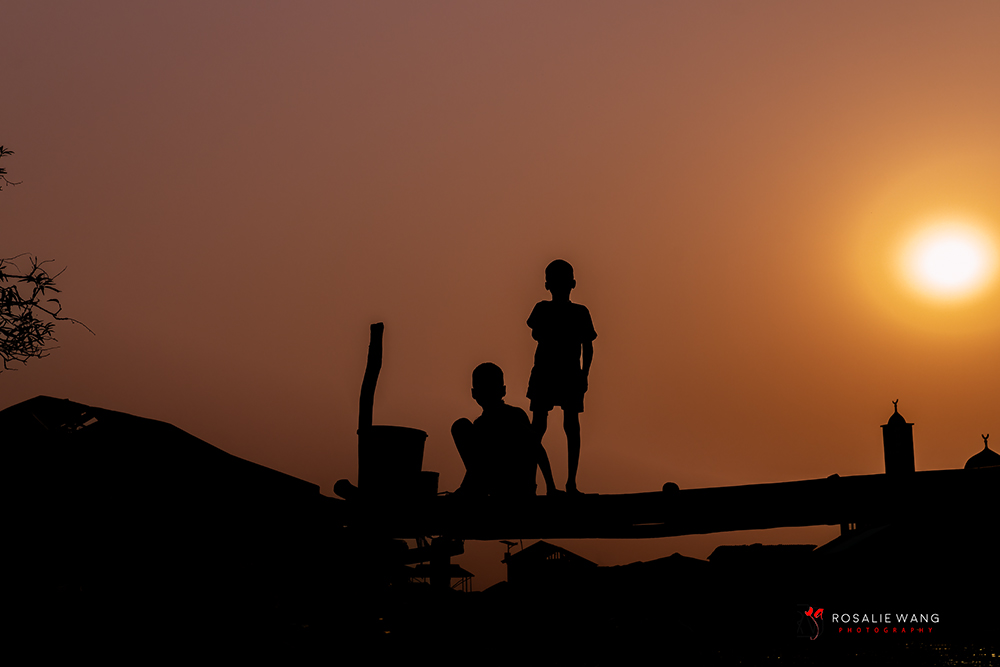
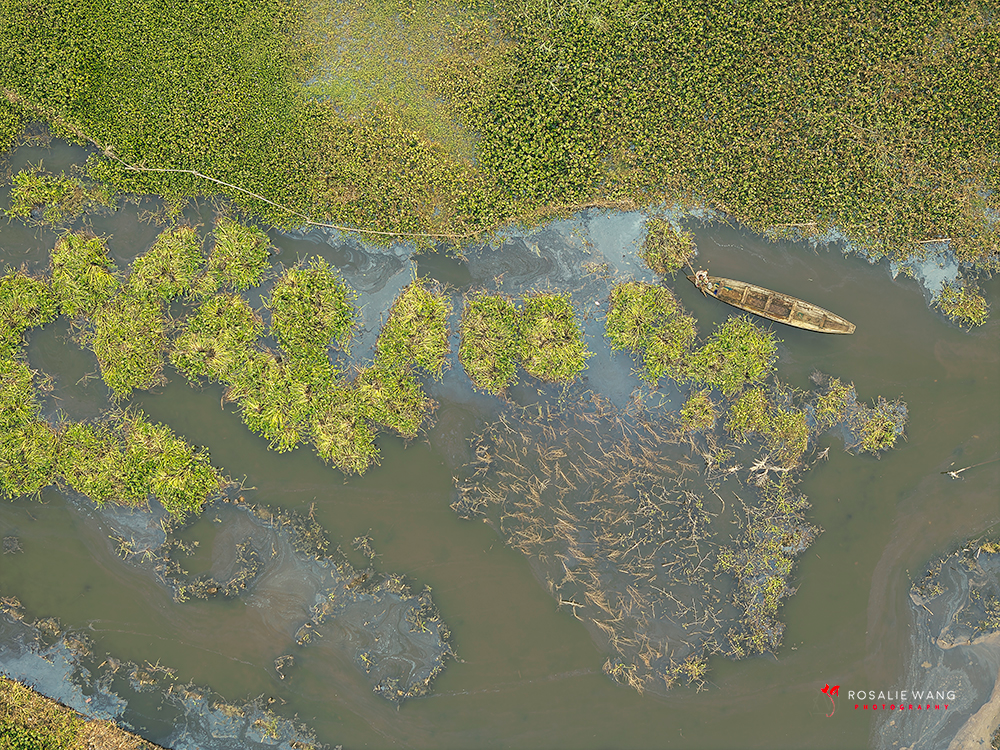
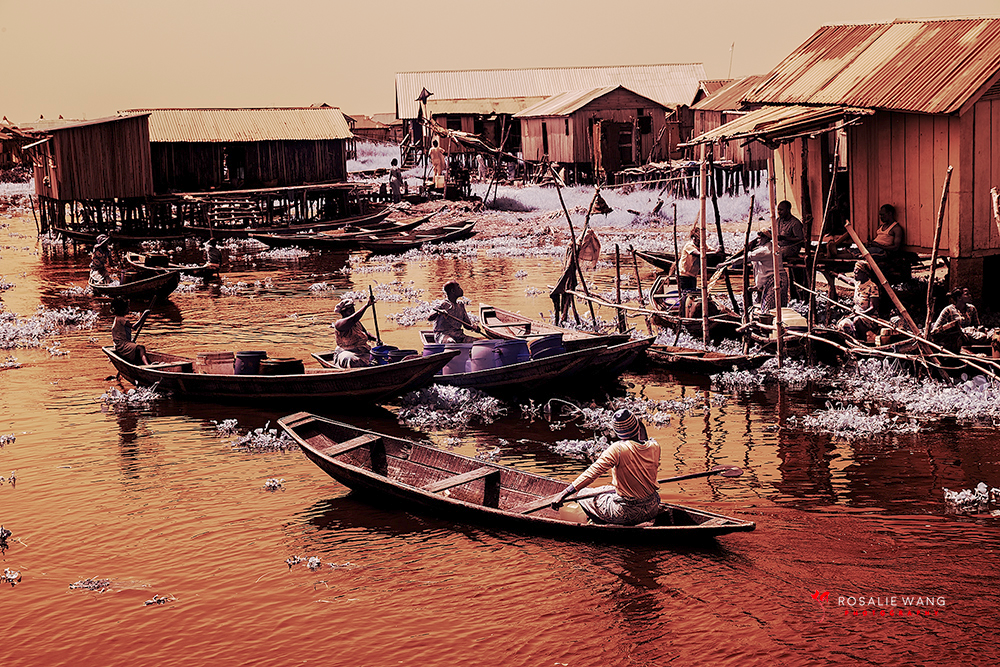
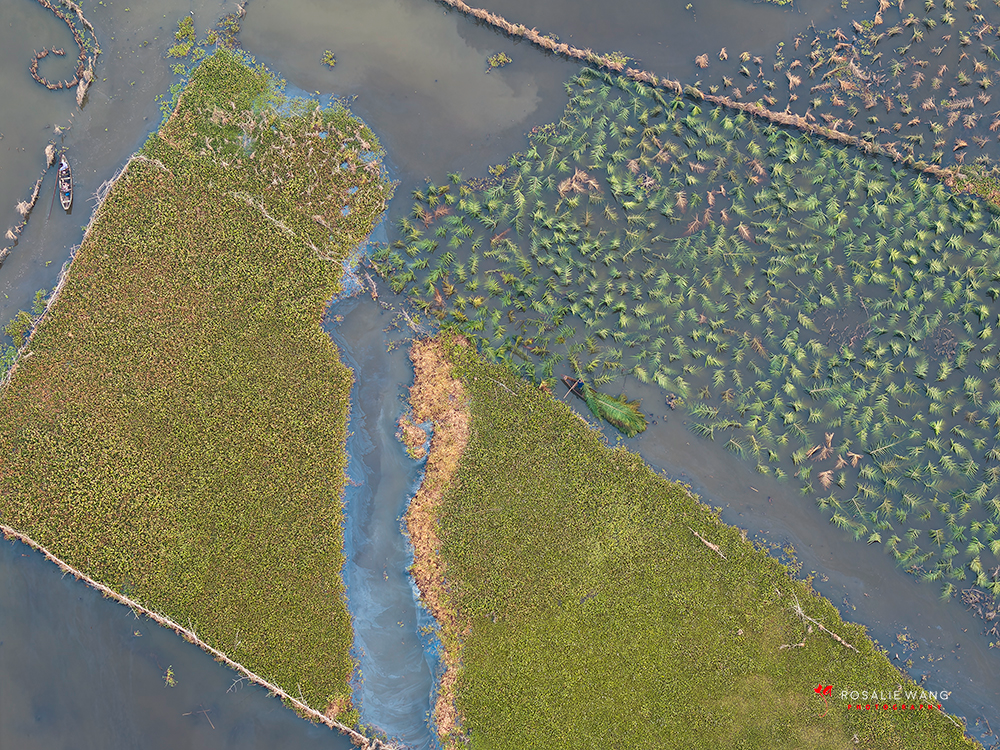
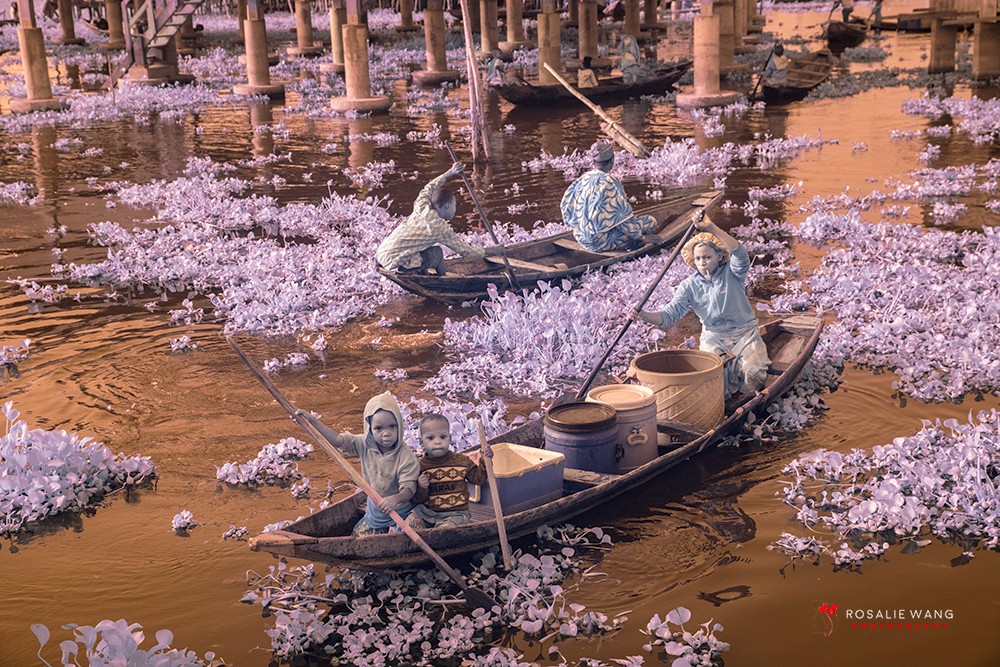
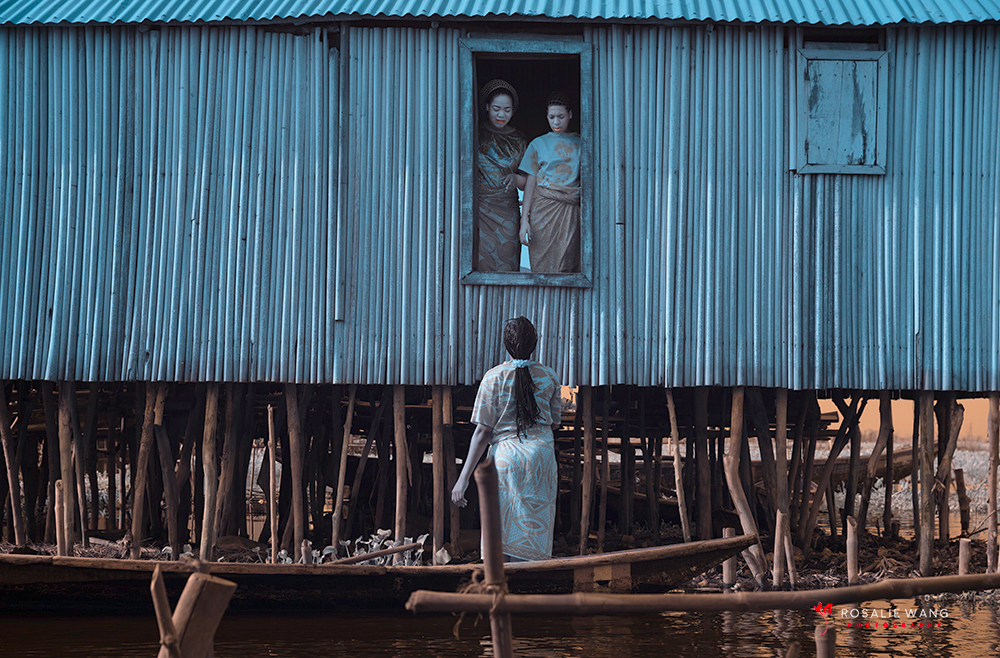
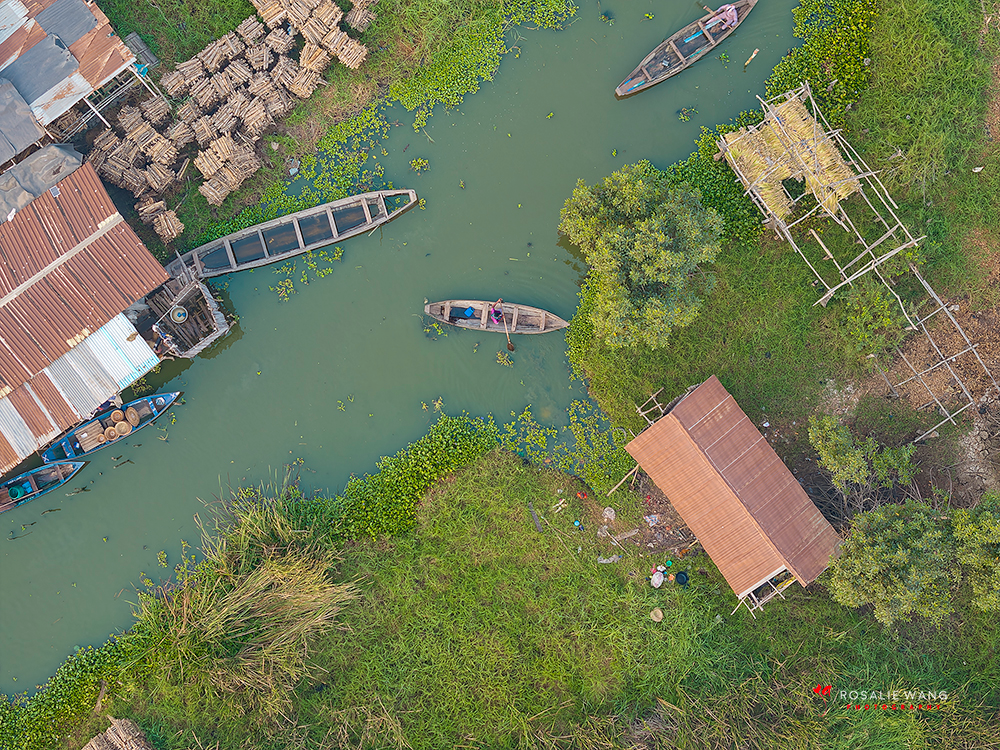
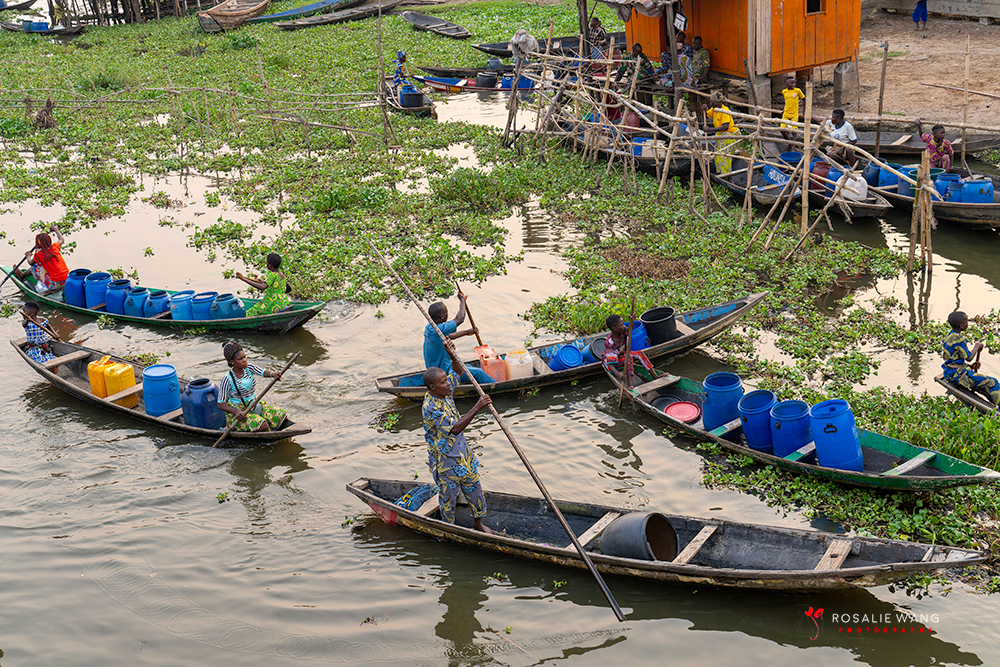
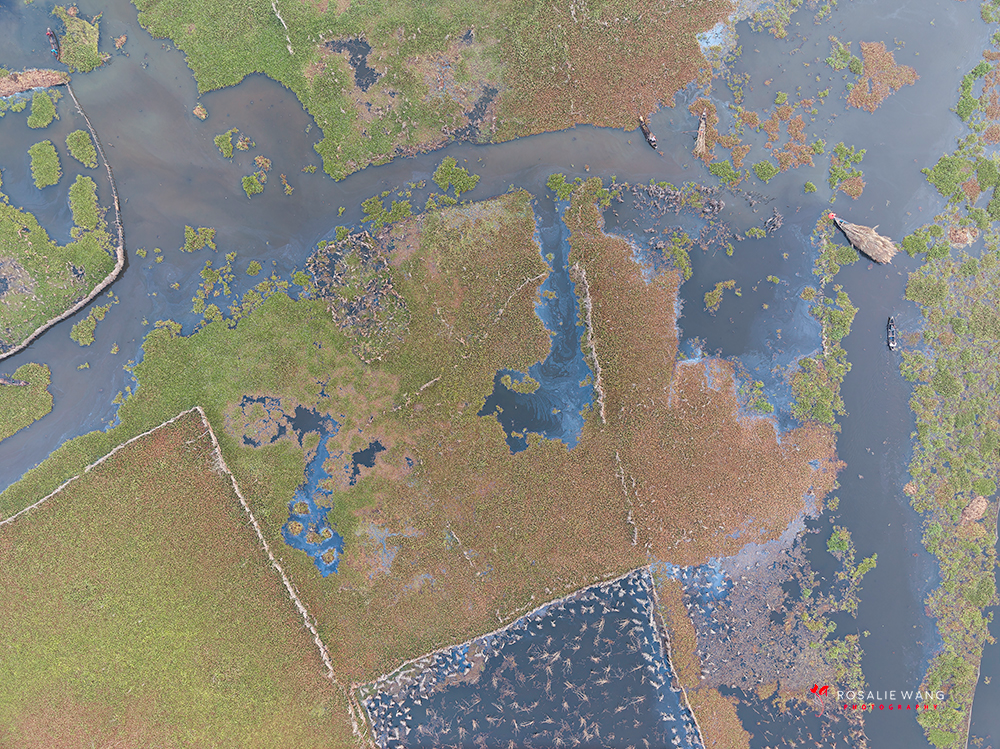
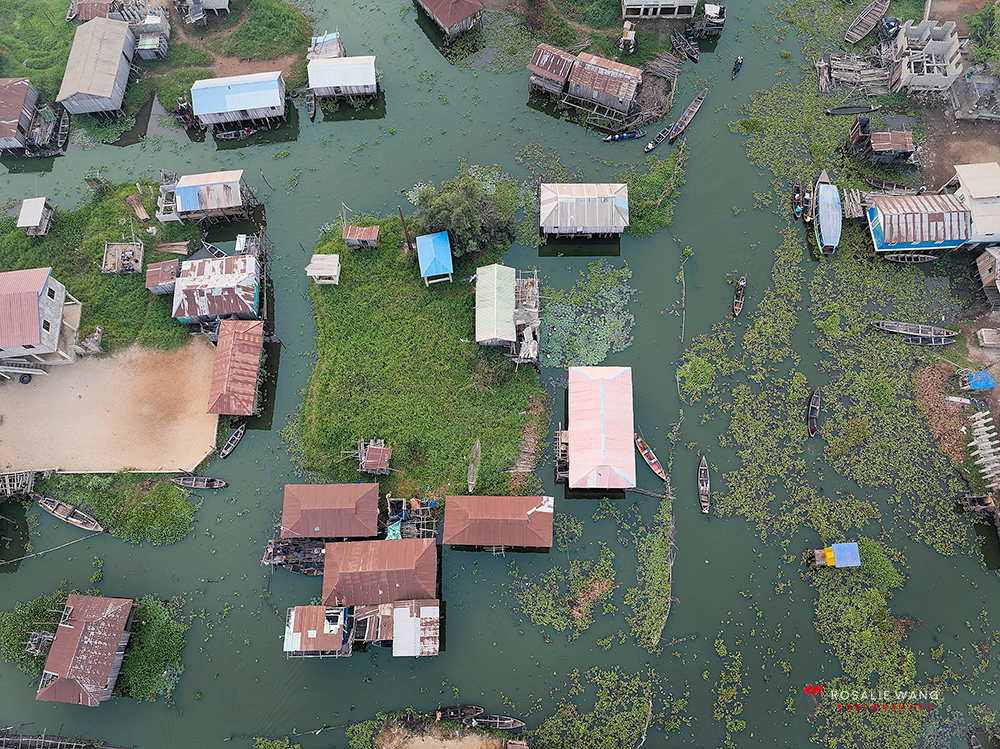
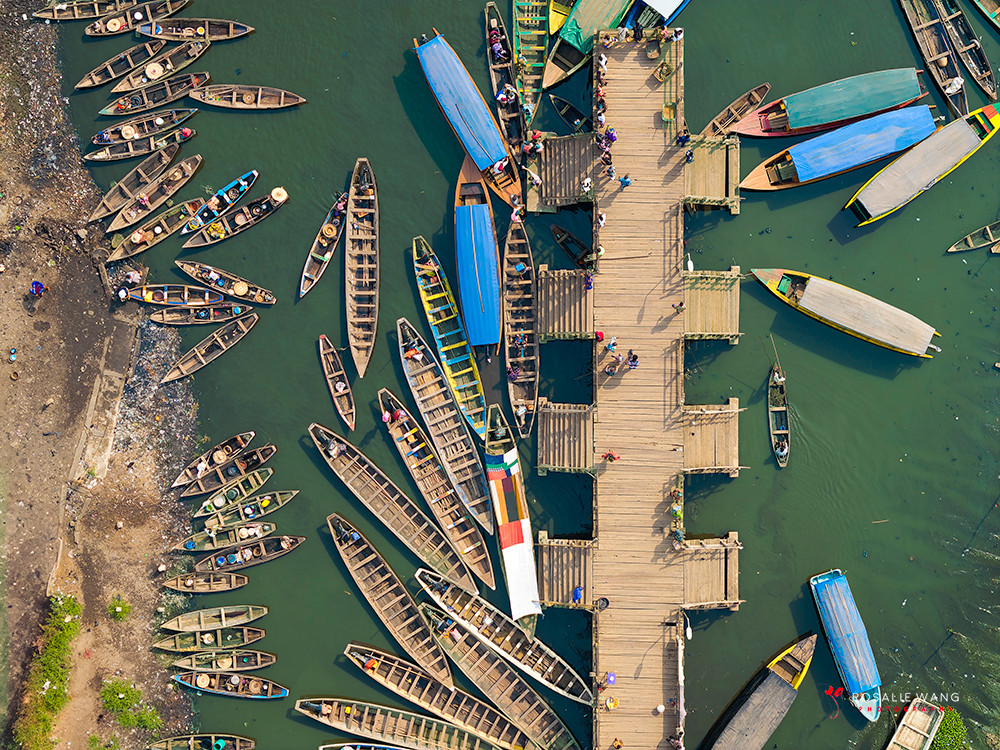
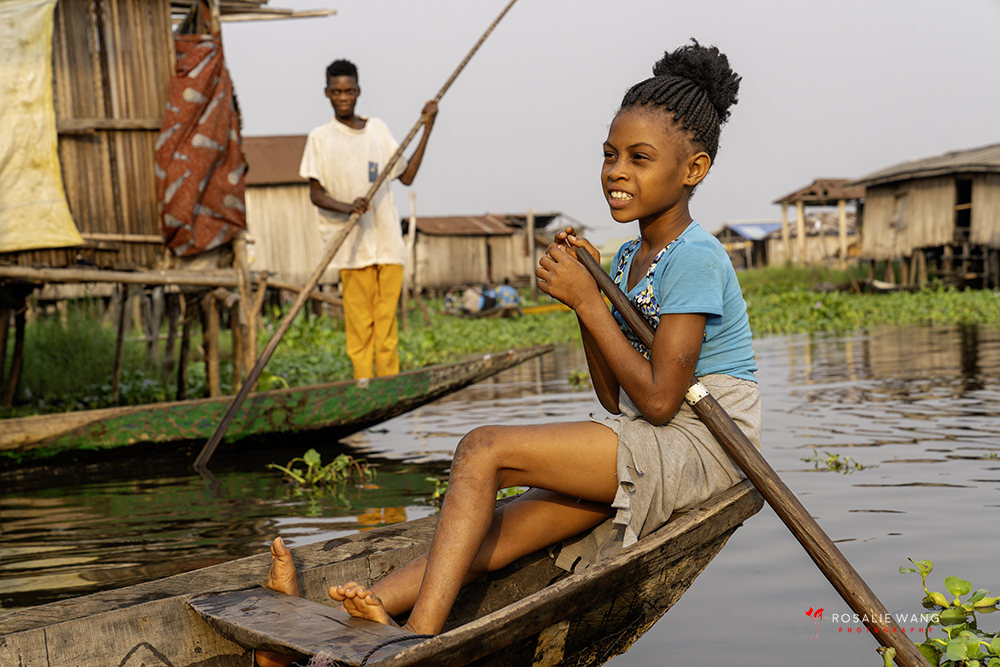
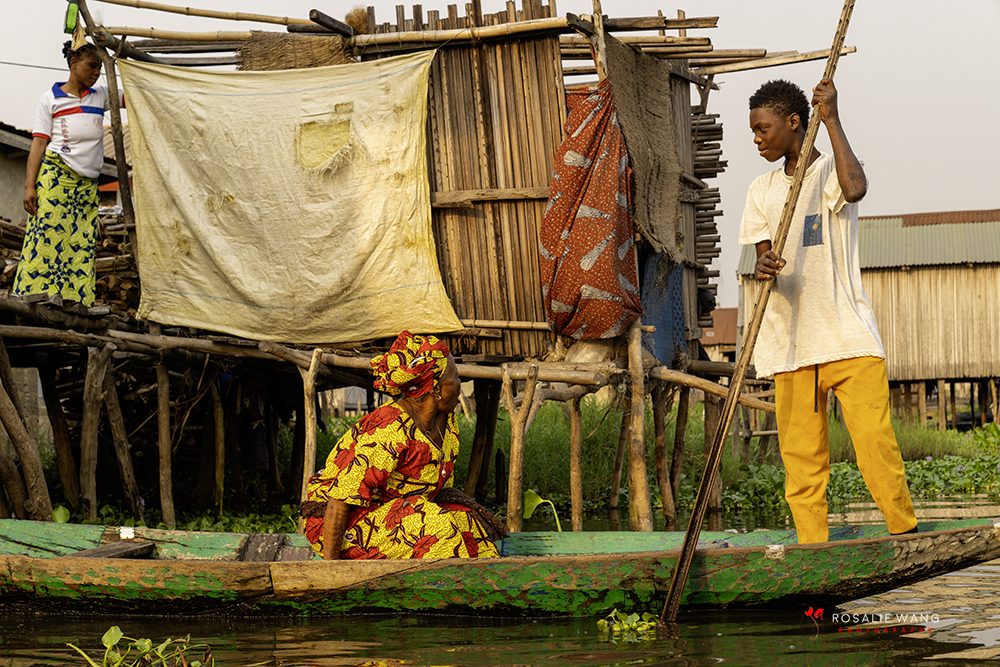
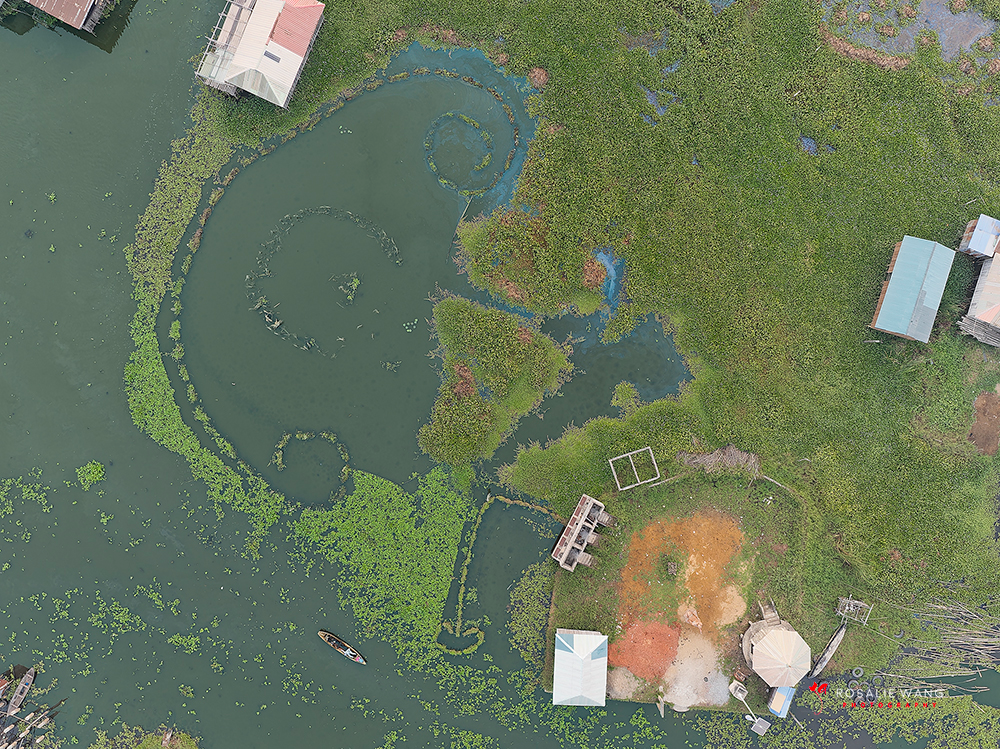
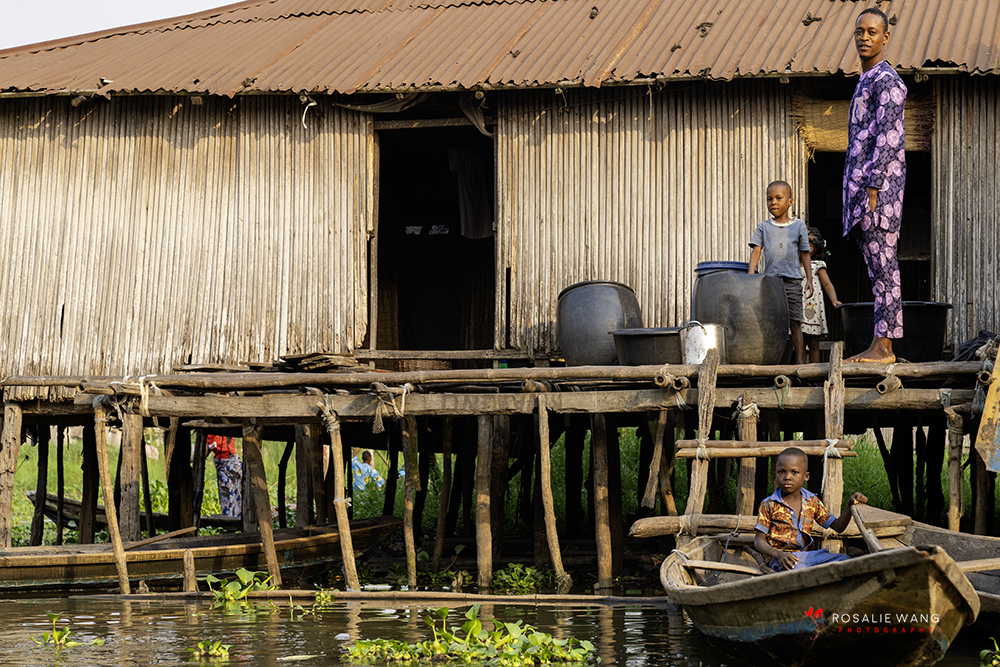
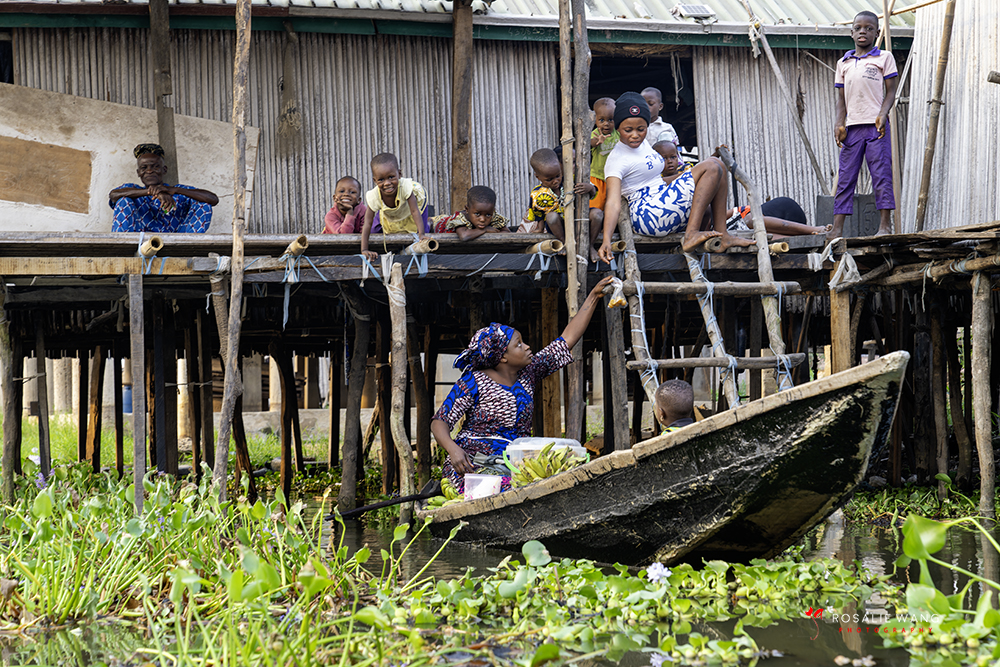
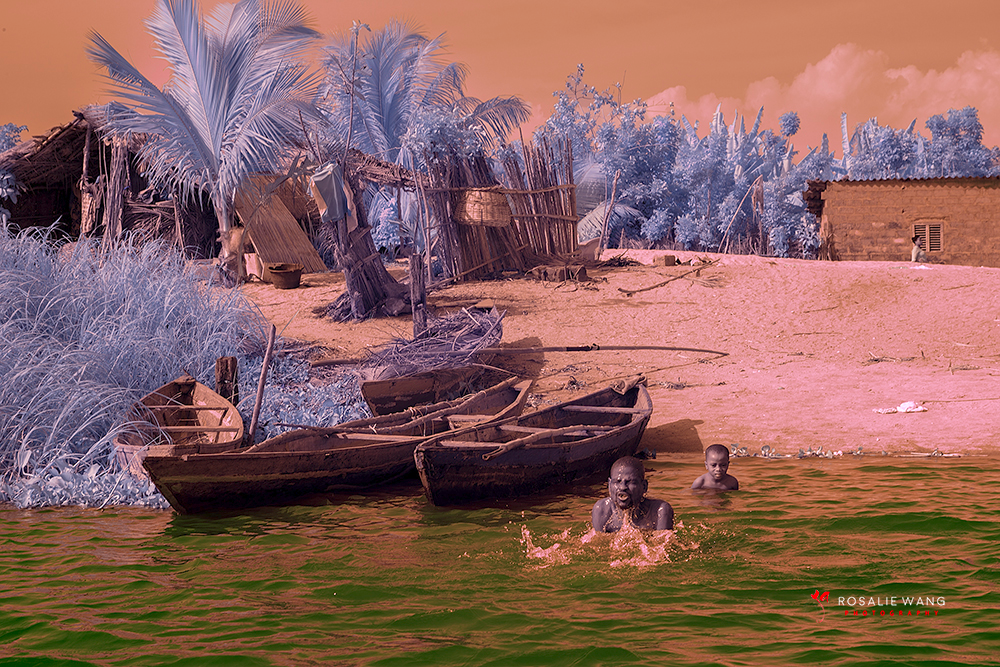
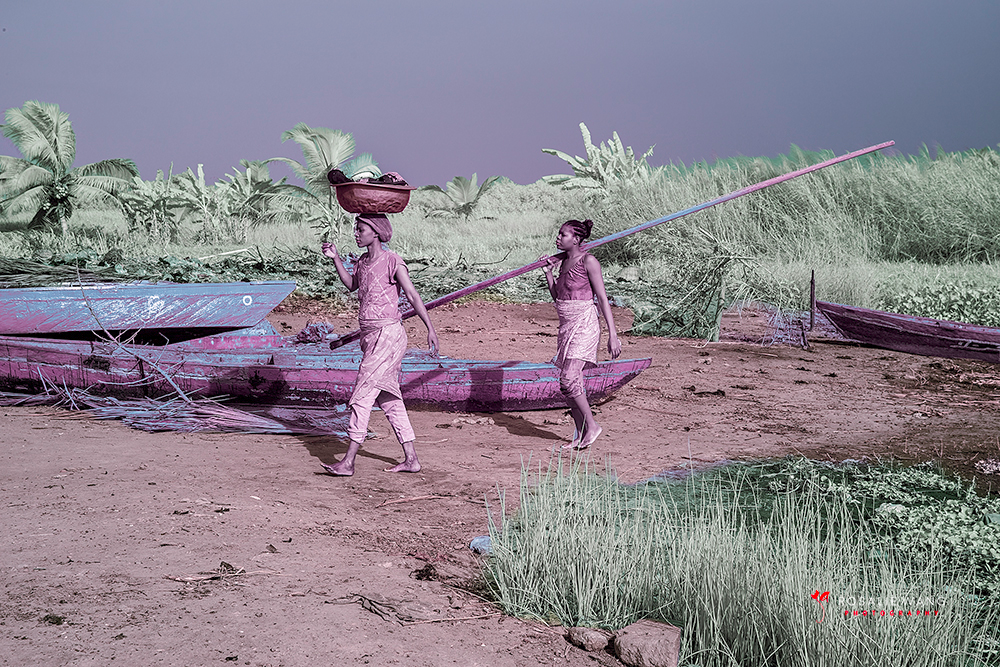
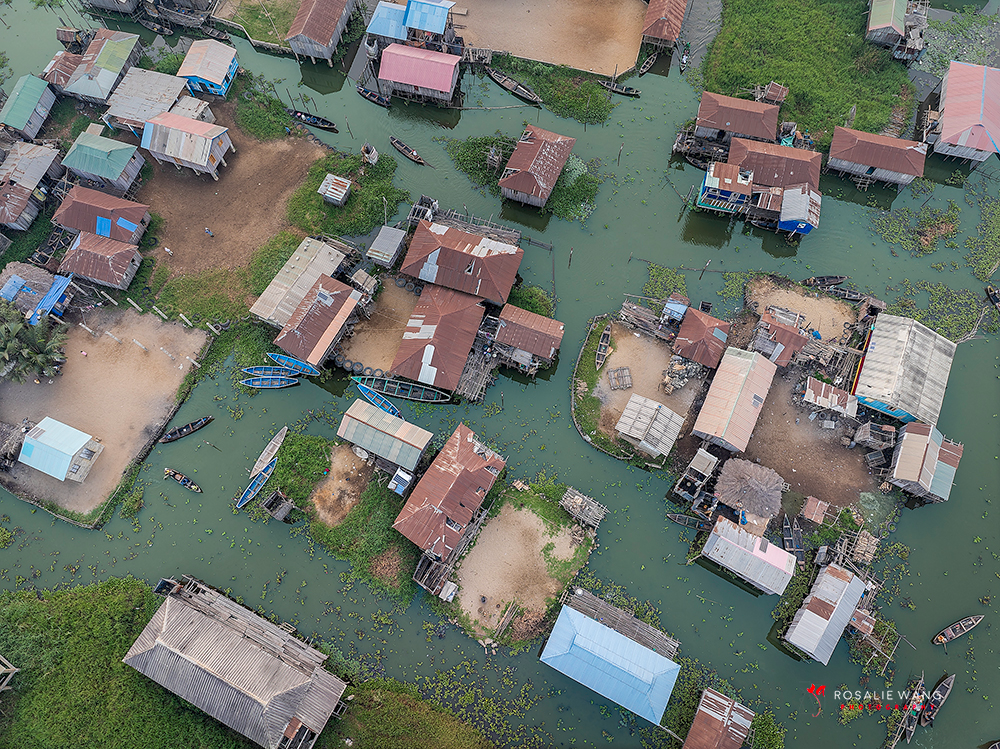
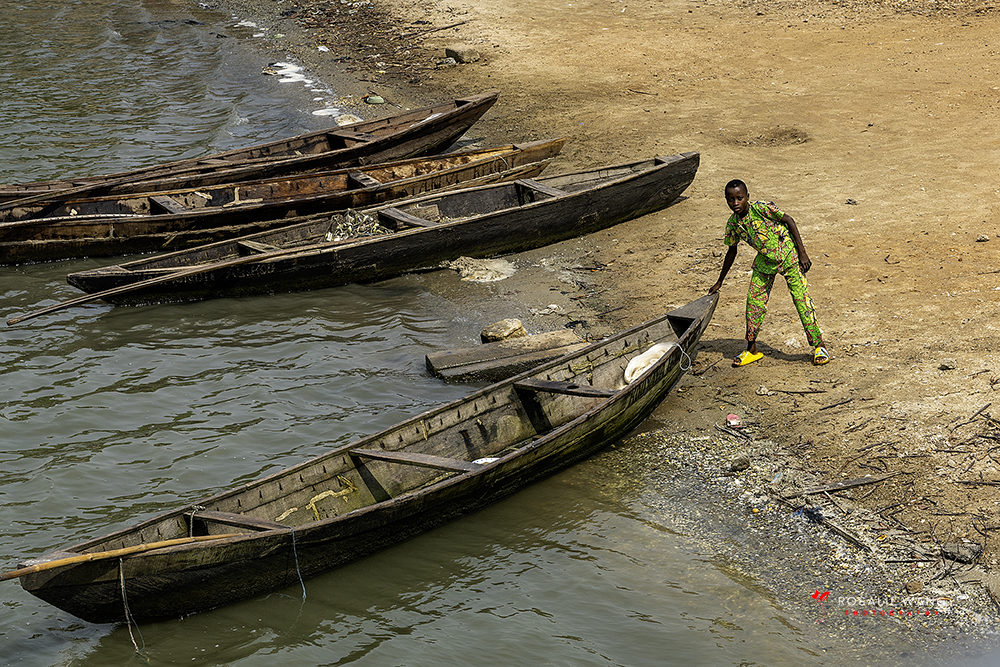
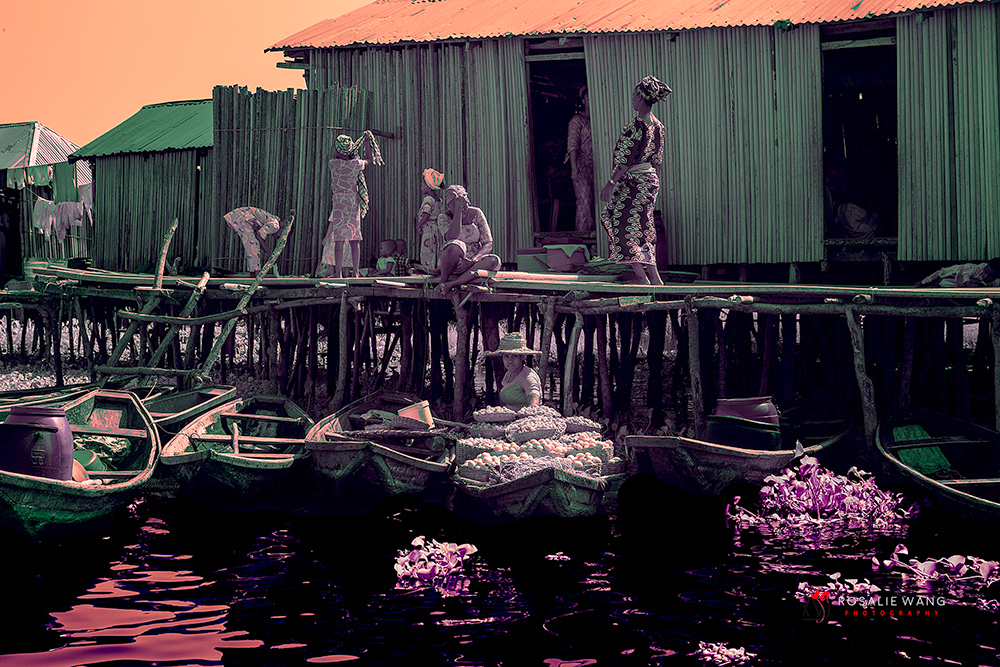
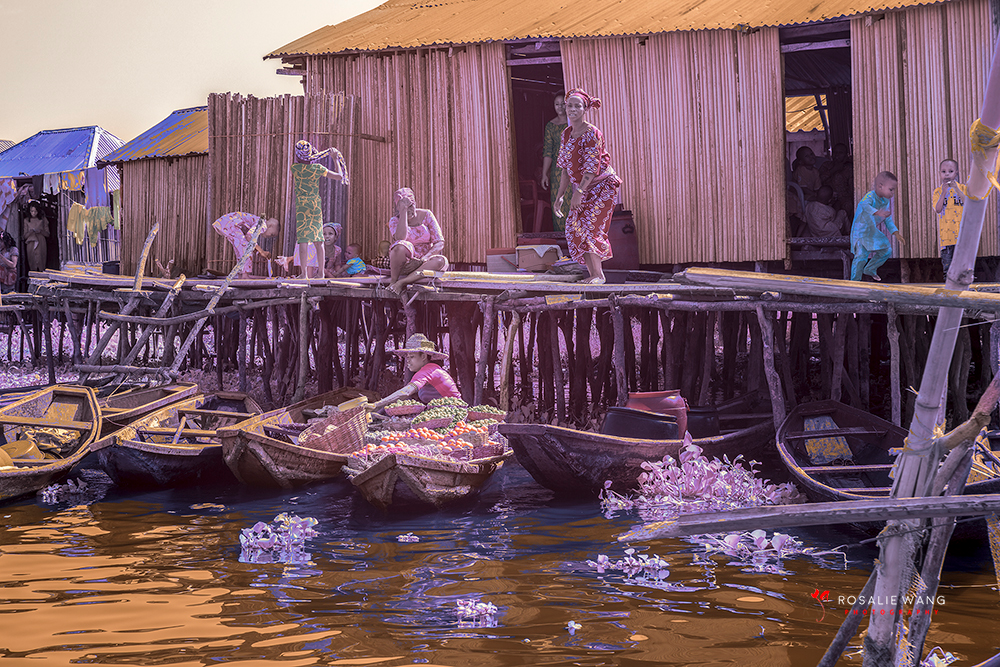
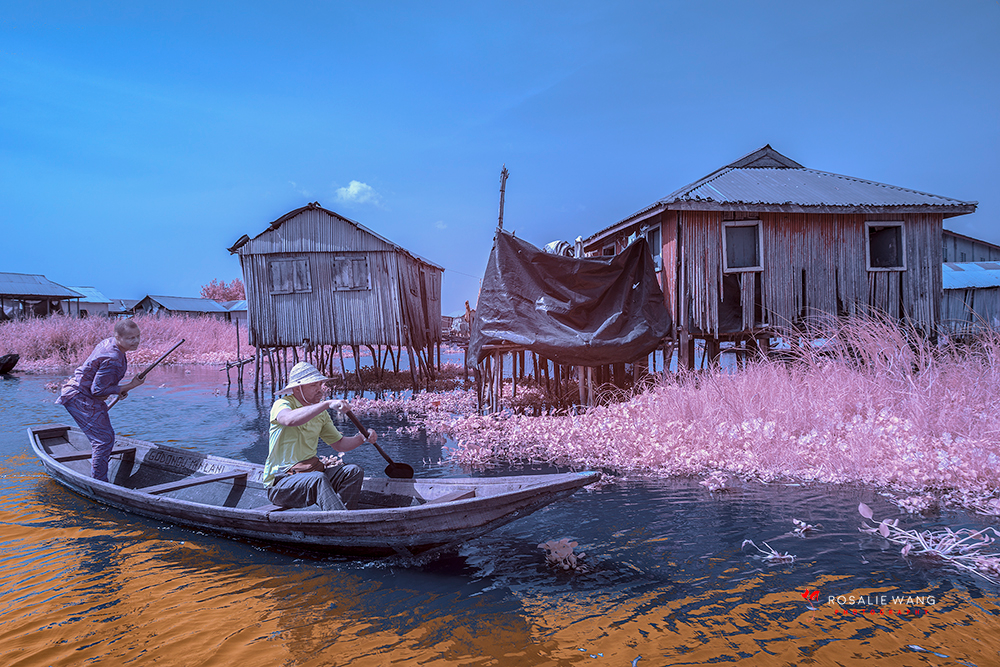
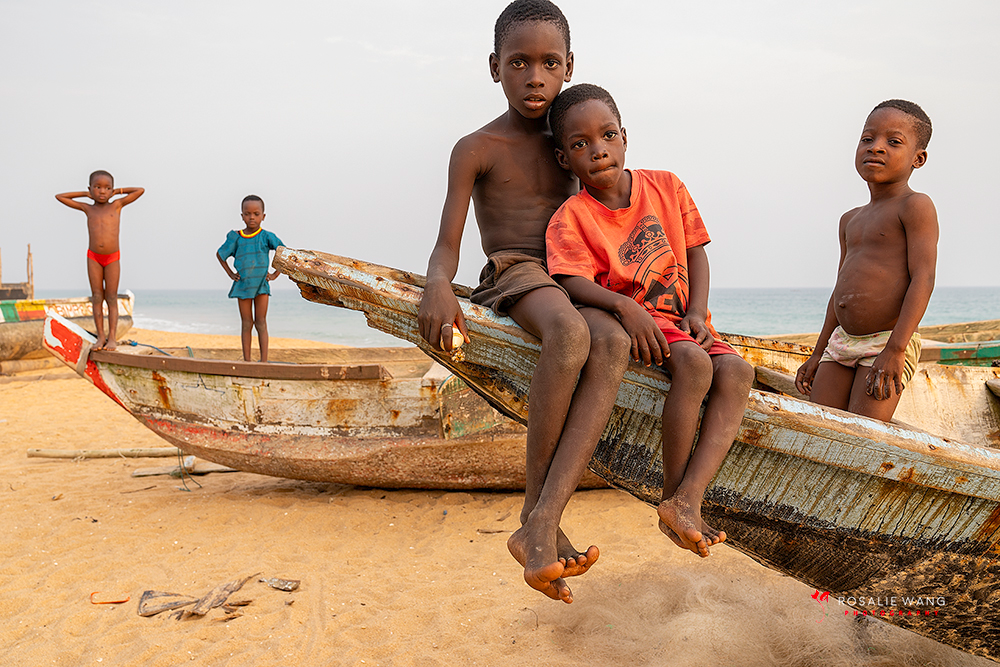
Ganvié was founded in the 16th–17th centuries by the Tofinu, who fled onto the lake to escape Fon warriors capturing people for the Atlantic slave trade. The shallow waters of Lake Nokoué offered natural protection, and the community developed a sophisticated stilt‑house settlement. The name Ganvié is often translated as “we survived” or “I was saved here”, reflecting its origin story.
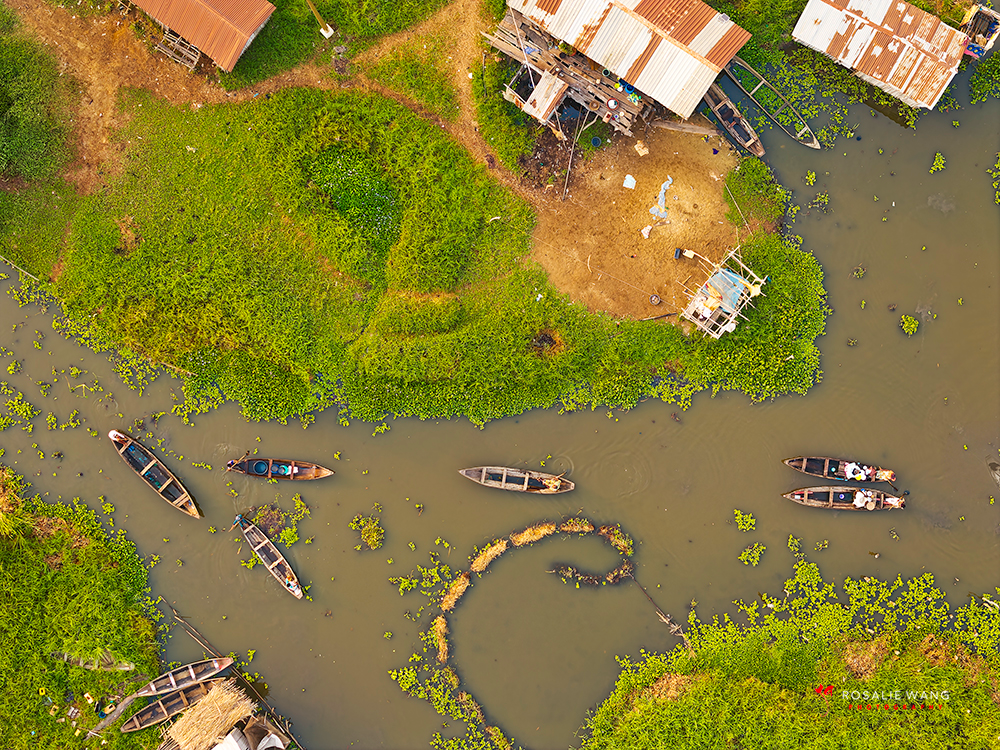
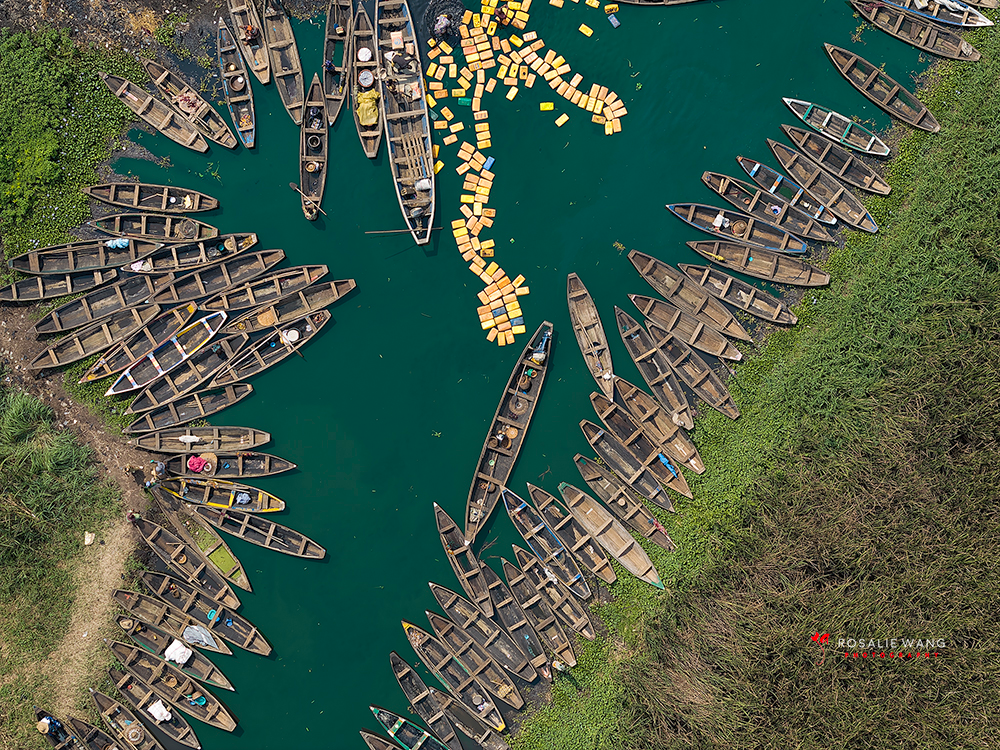
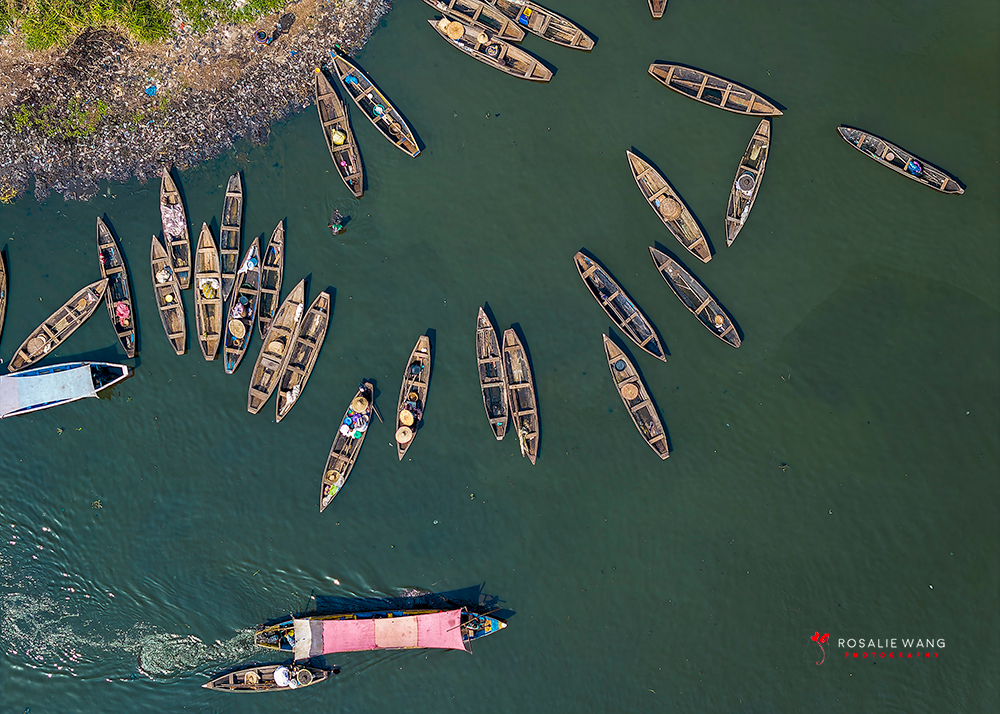
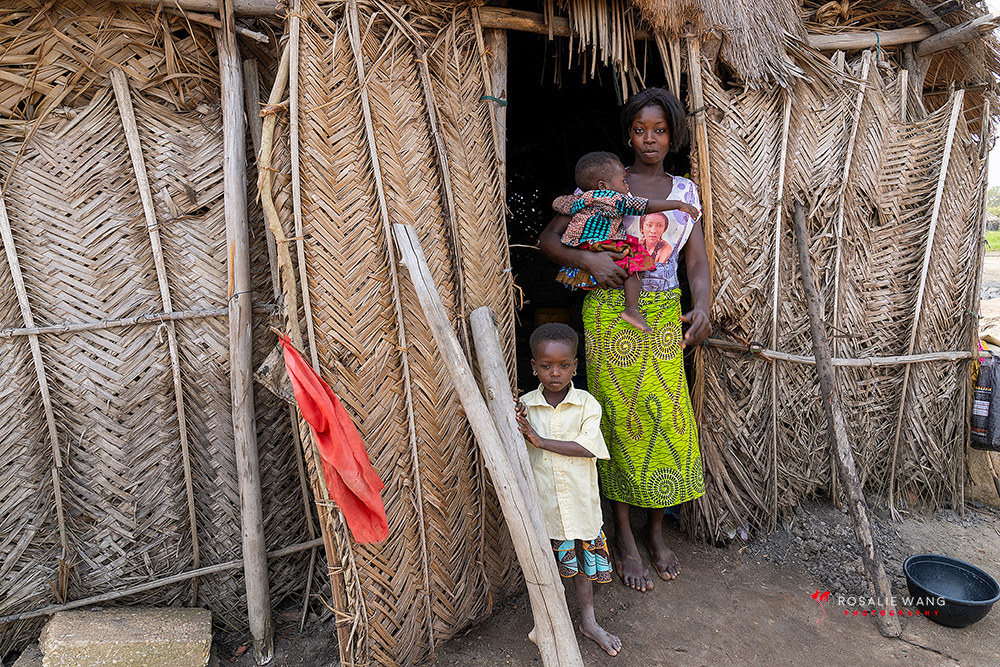
- One of the largest lake villages in Africa, with around 20,000 residents. Stilt houses form neighborhoods connected by canoe routes. Sometimes called the “Venice of Africa” for its canals, pirogues, and stilt architecture.
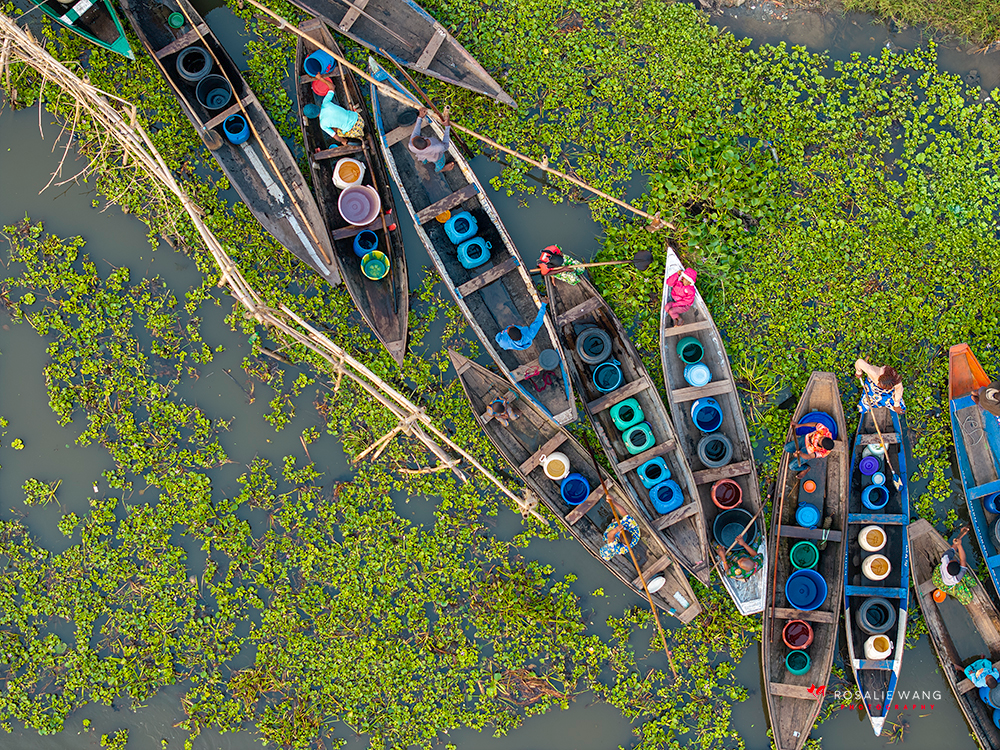
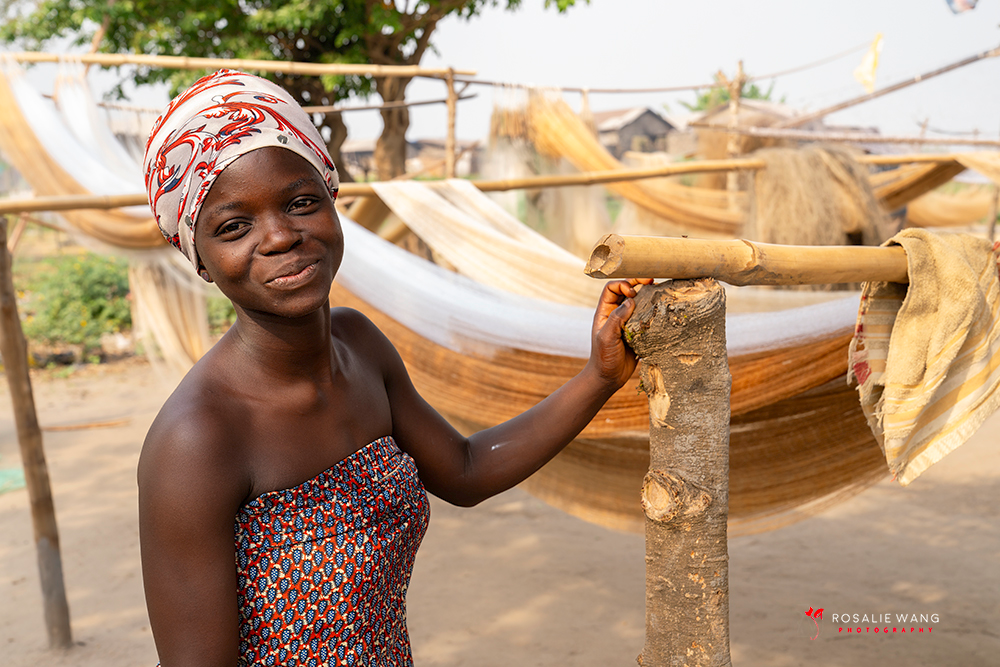
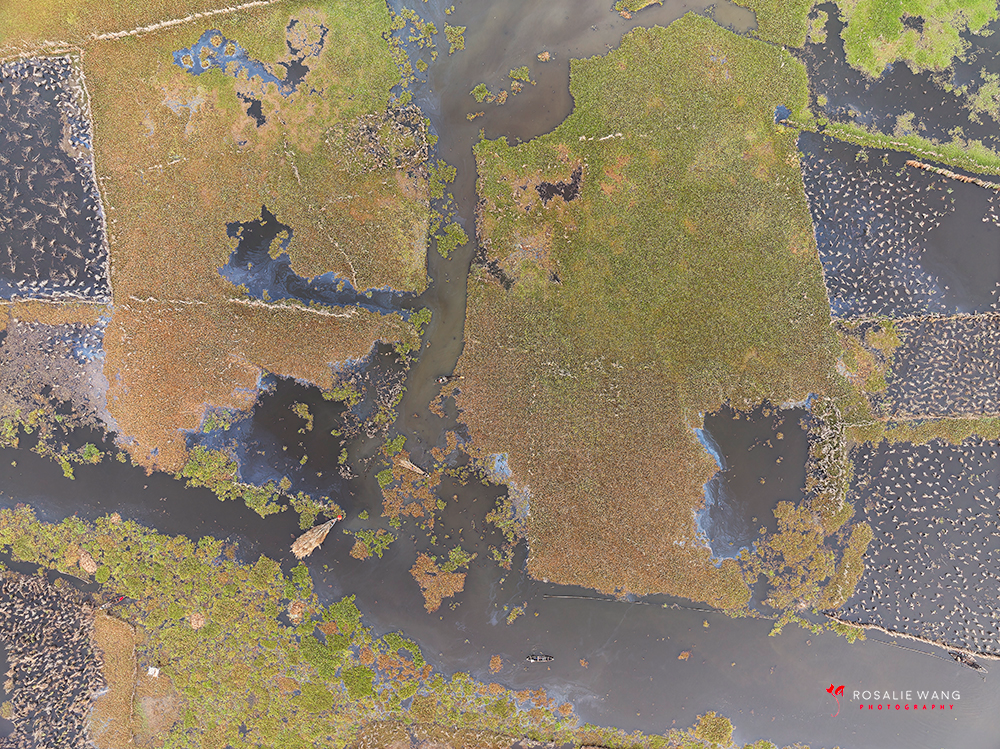
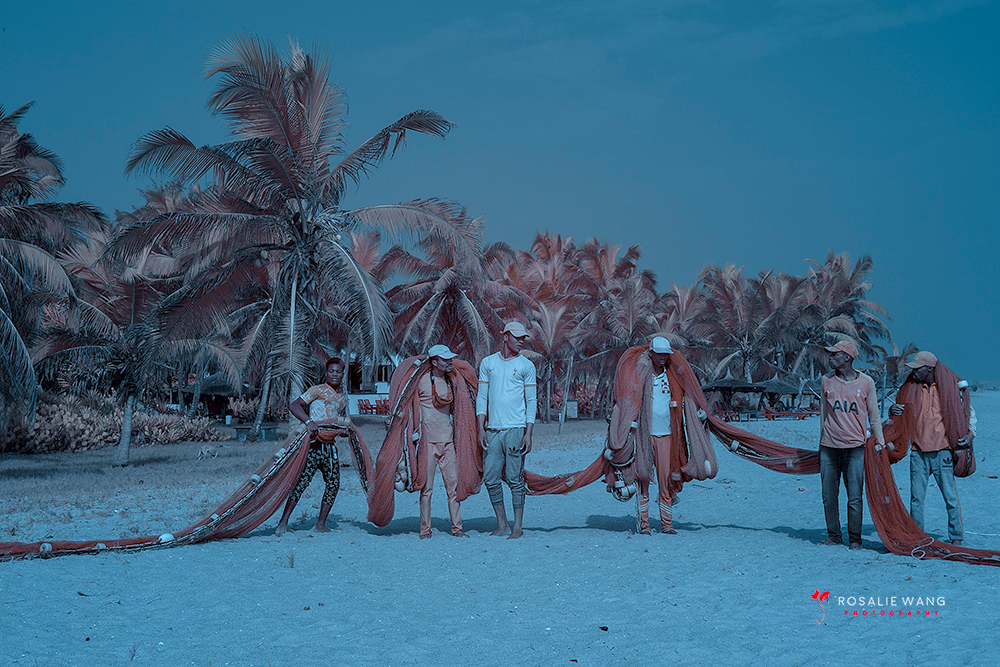
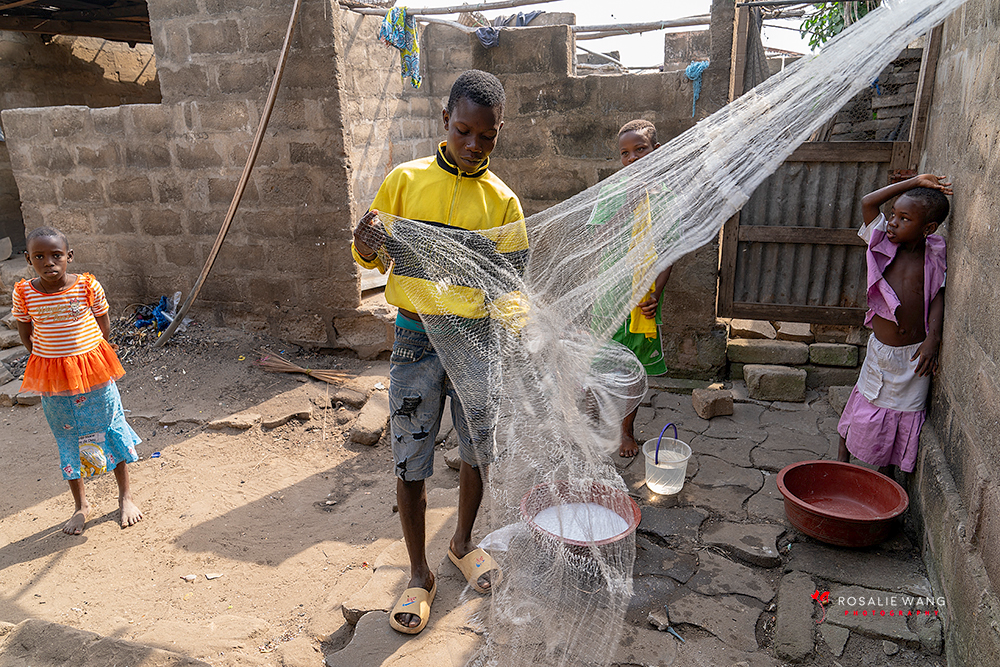
- Fishing and fish farming are the core livelihoods, using traps and enclosures adapted to the lake’s ecology.
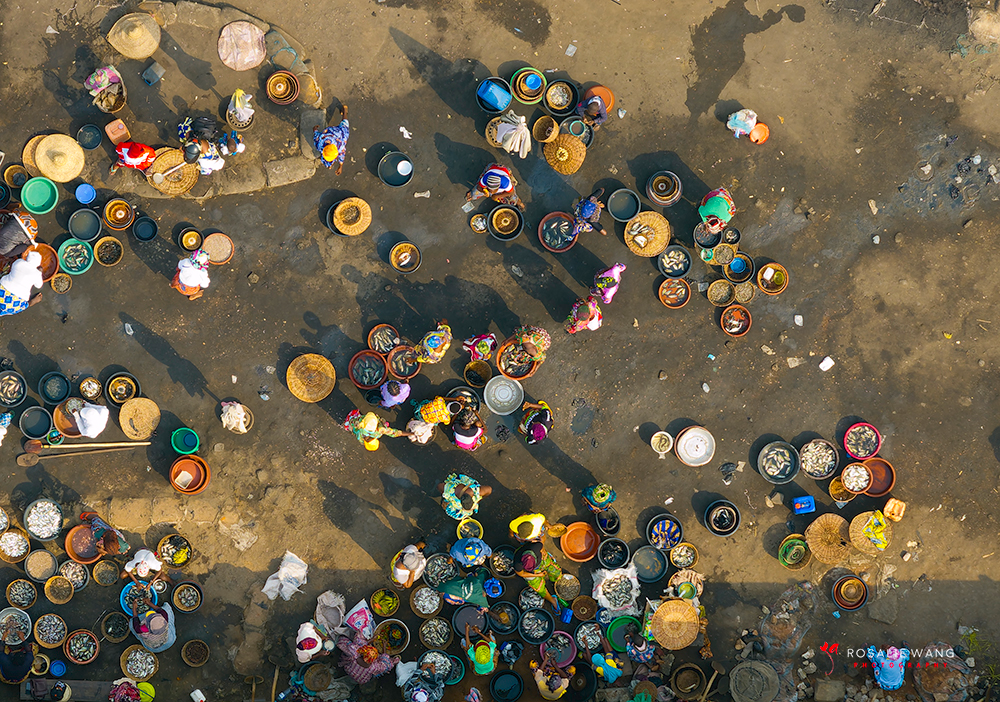
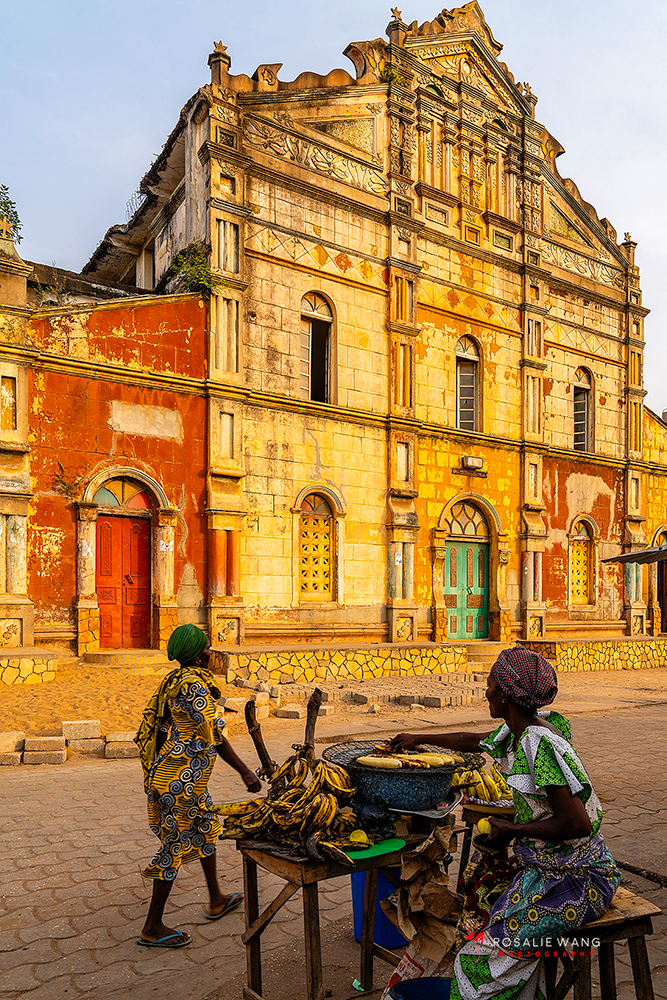
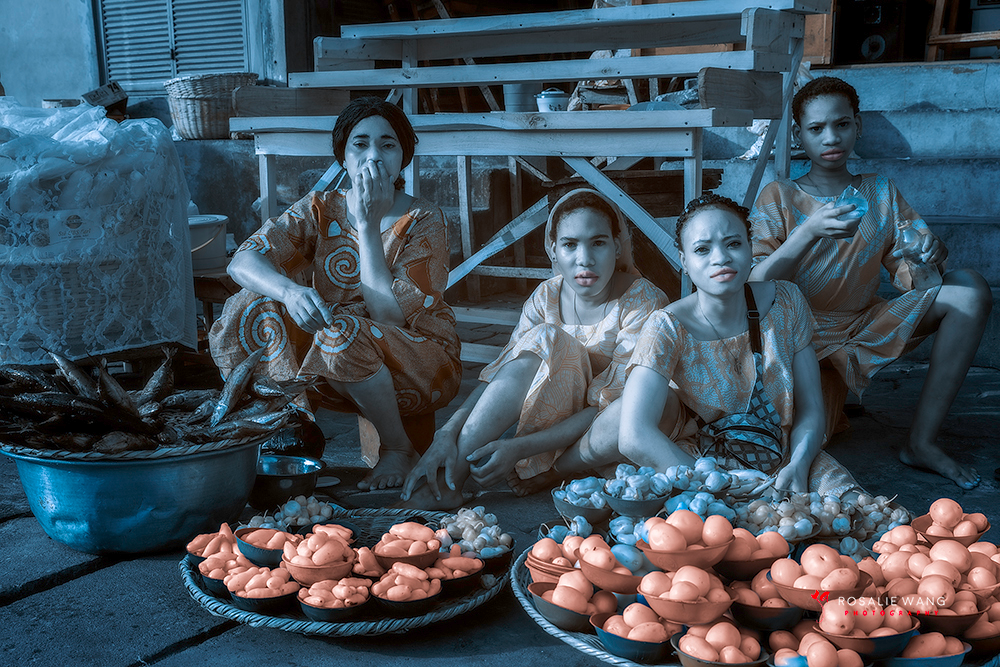
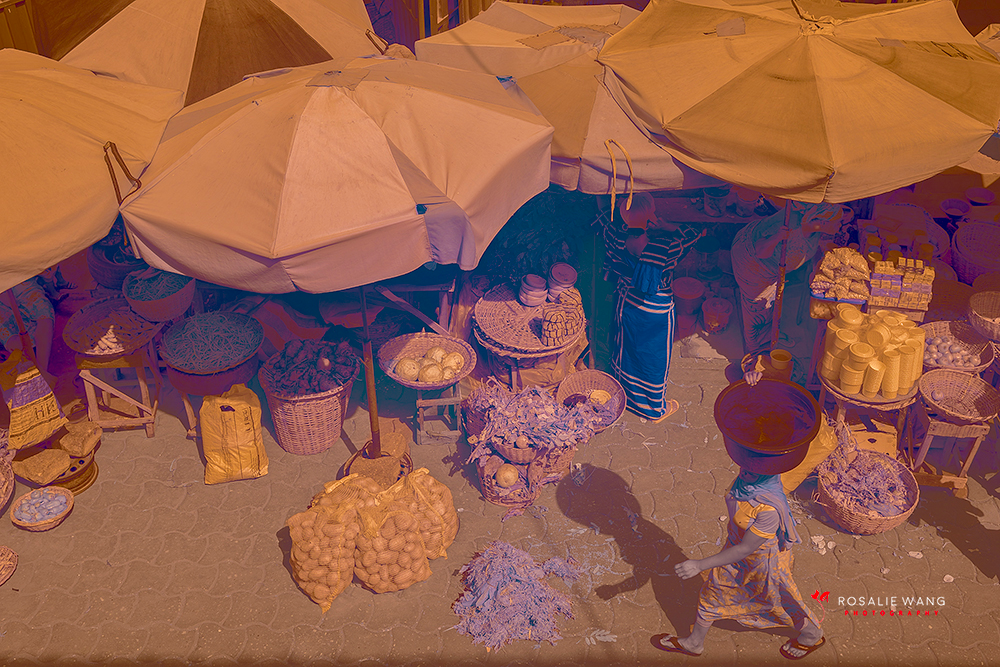
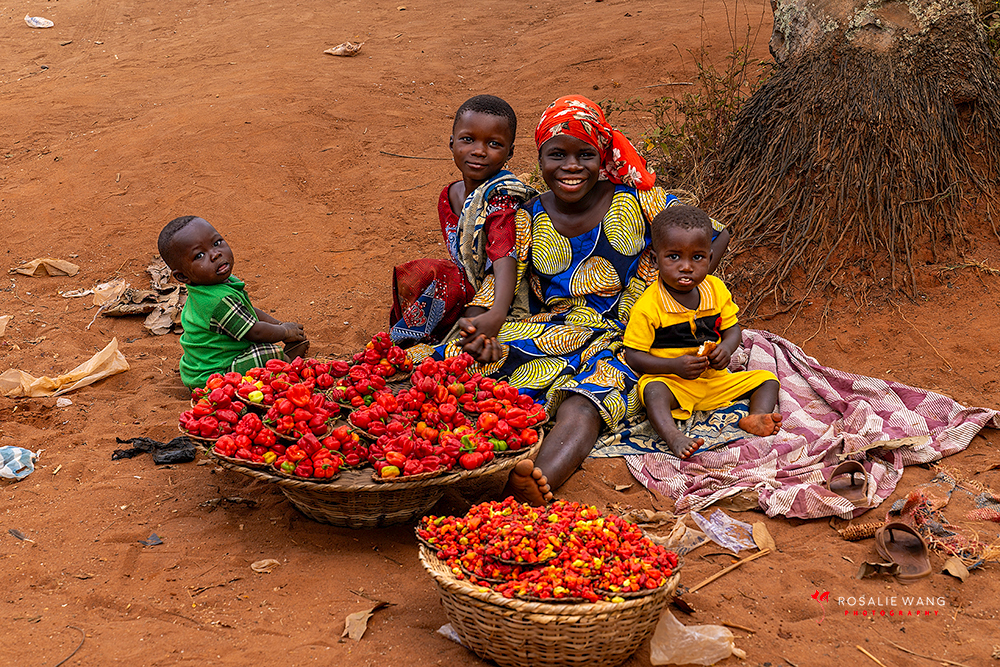
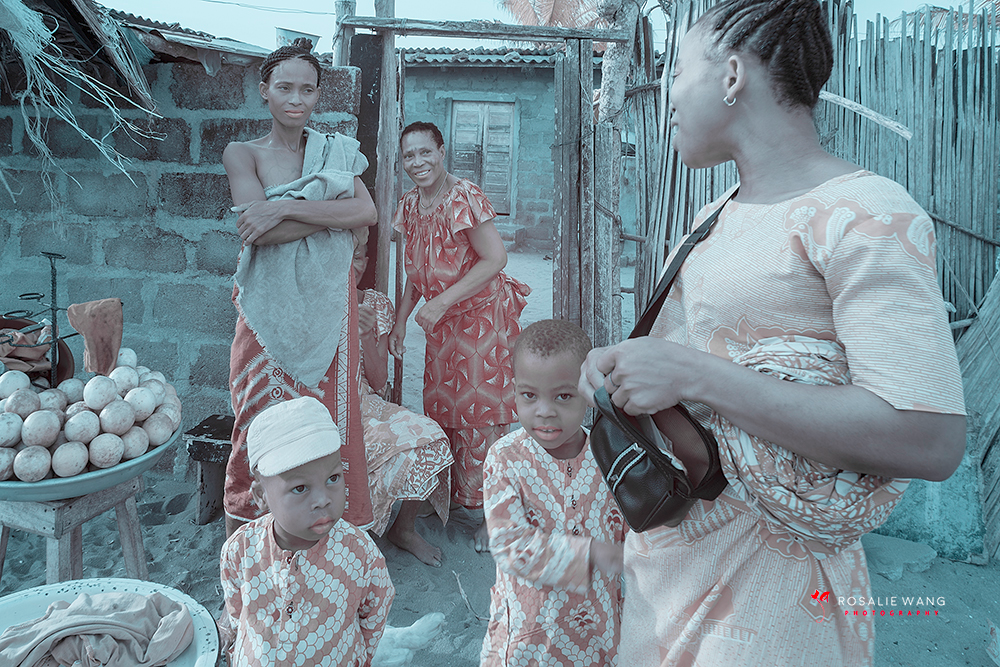
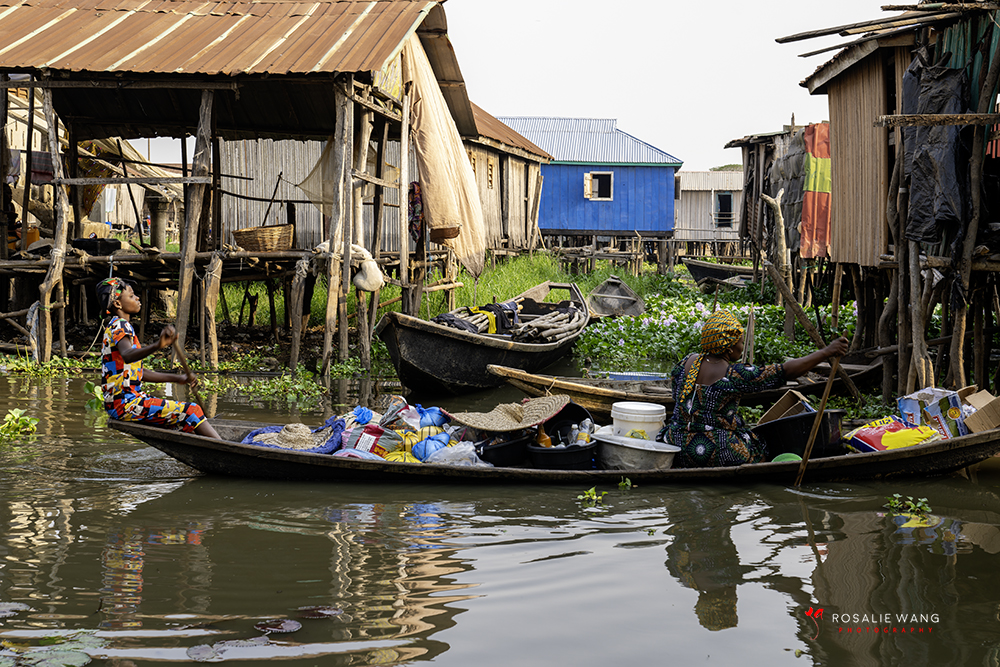
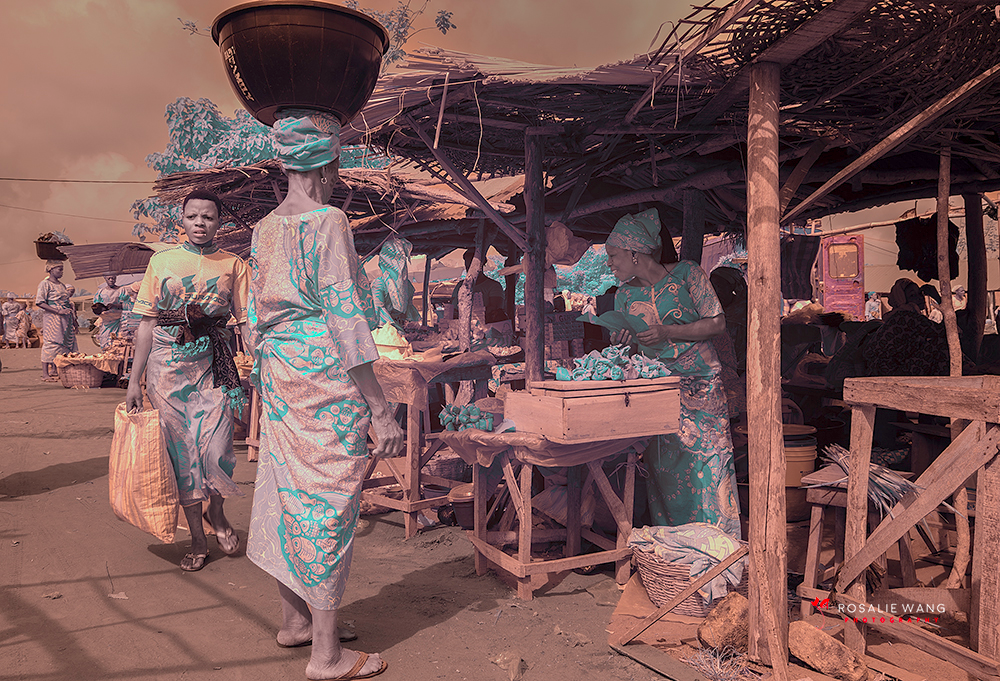
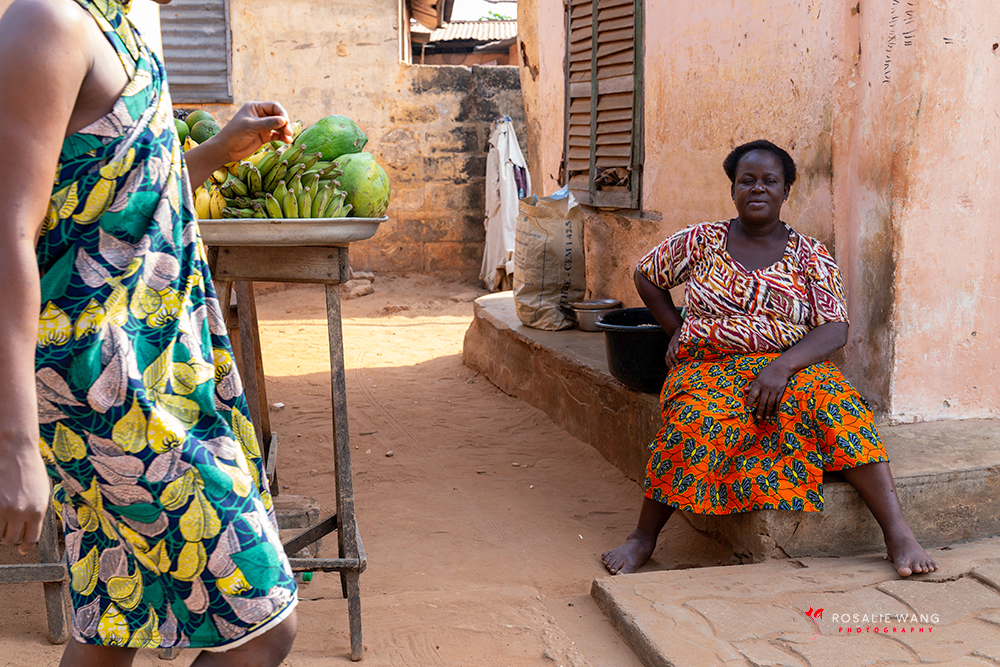
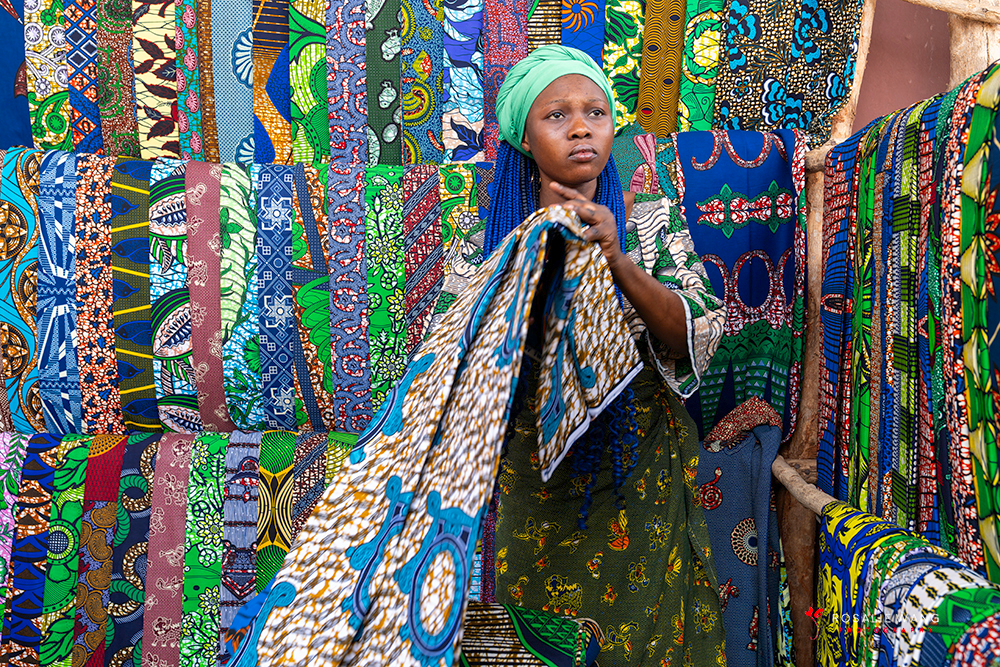
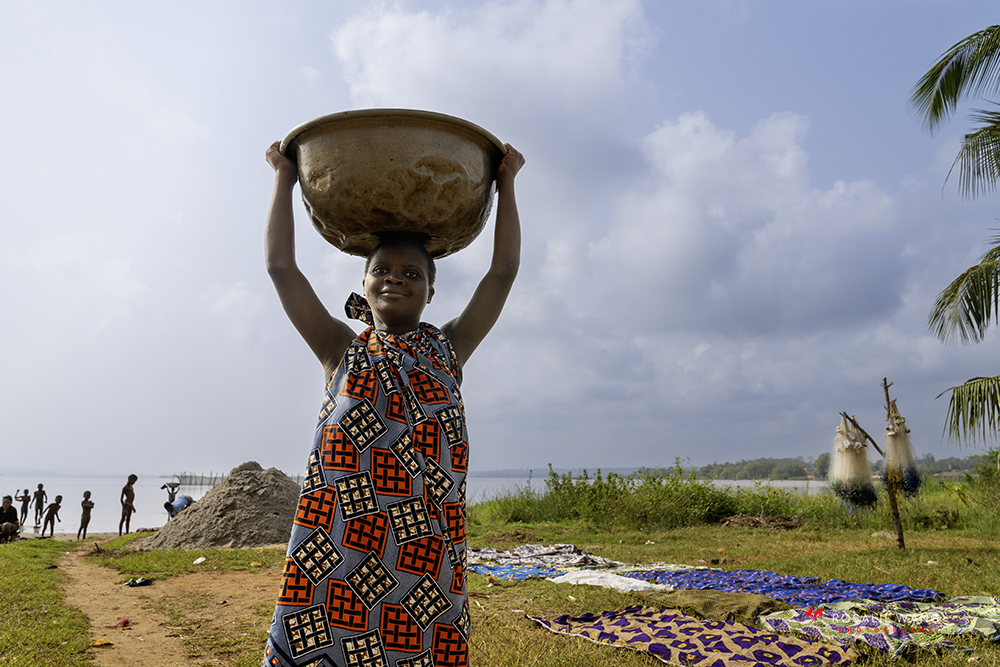
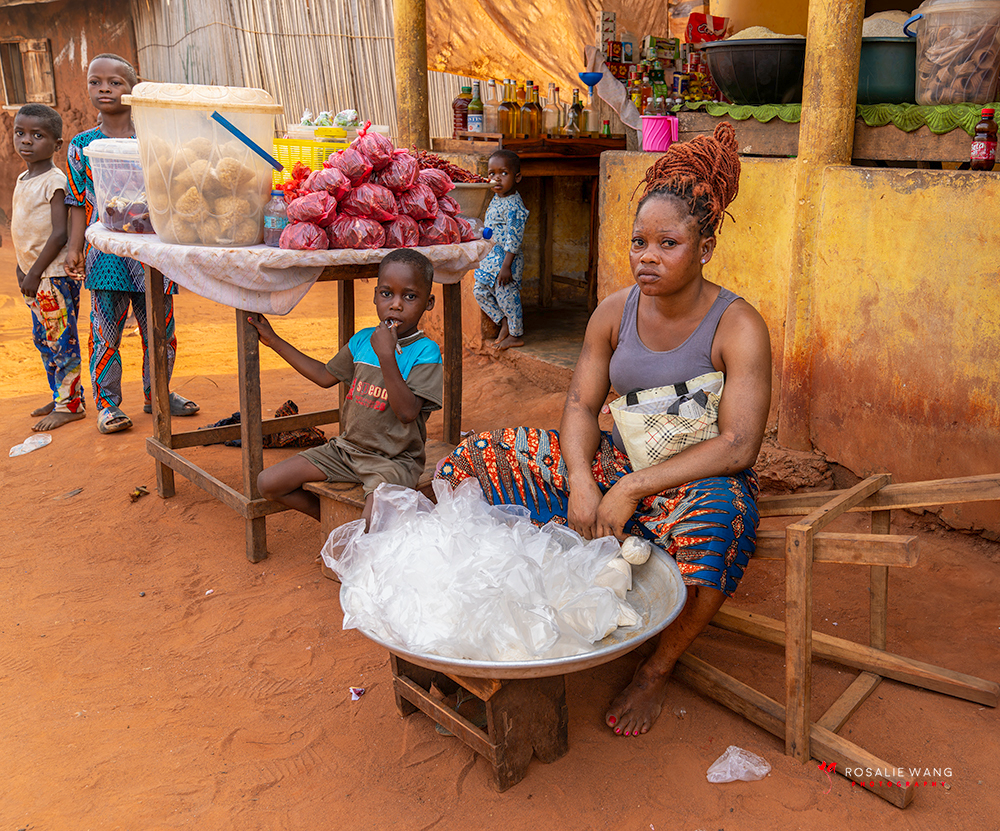
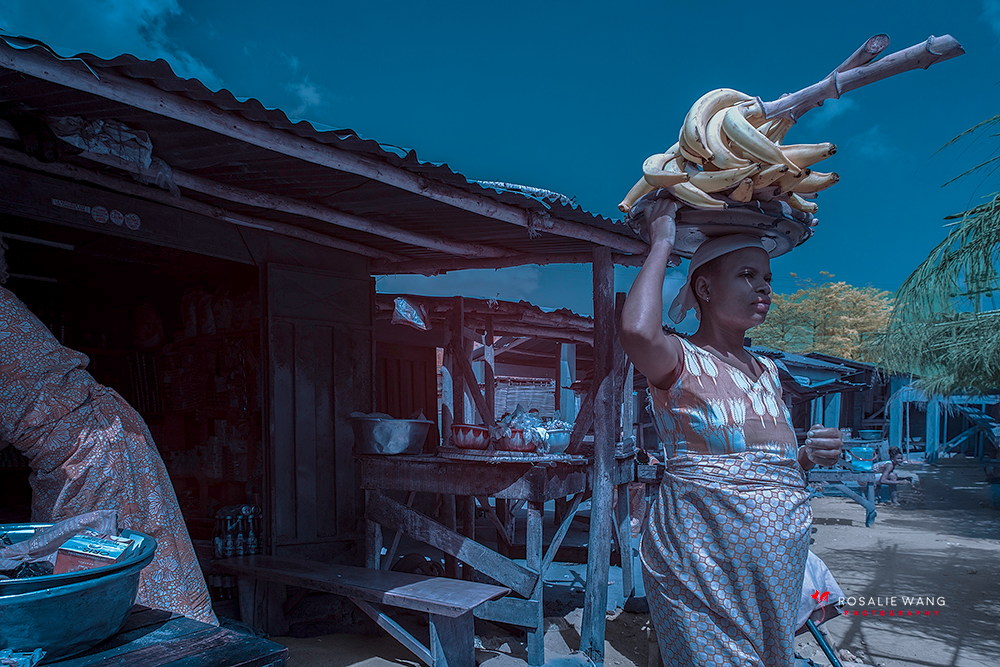
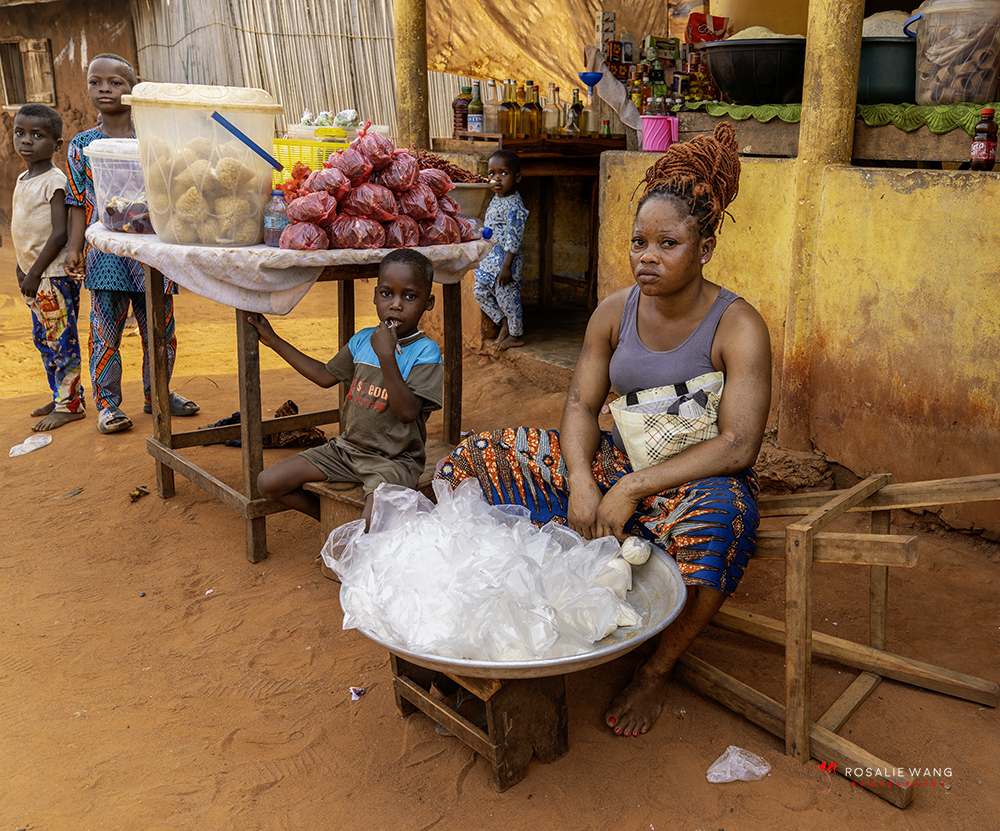
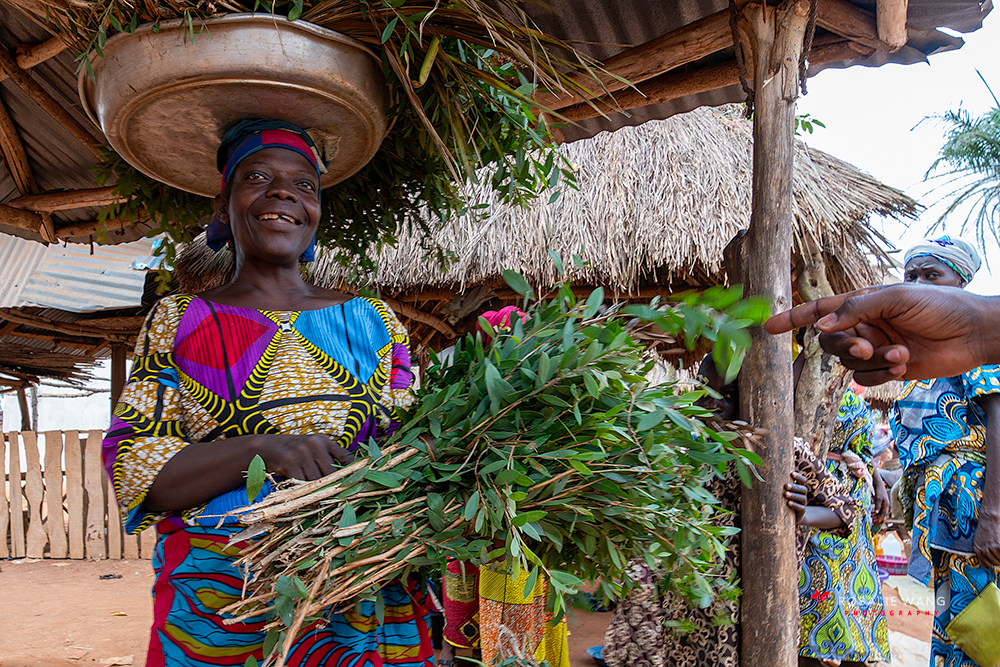
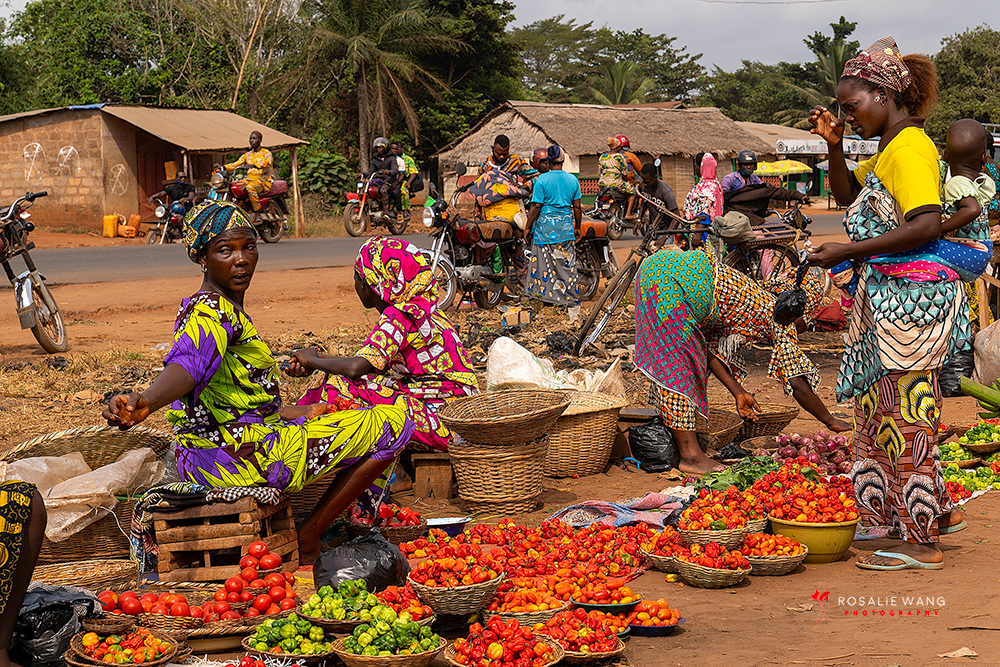
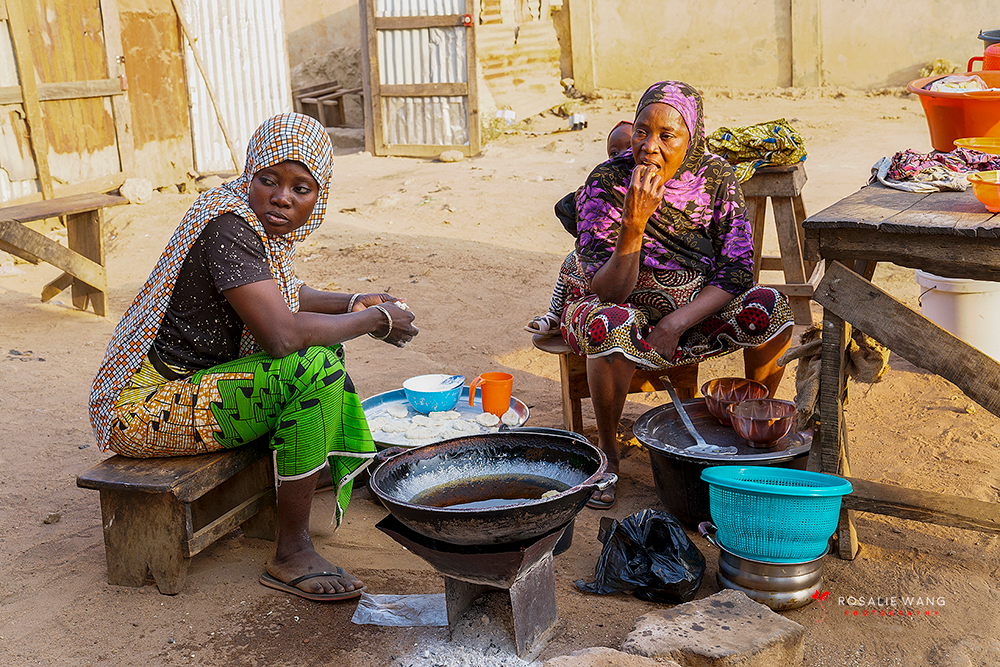
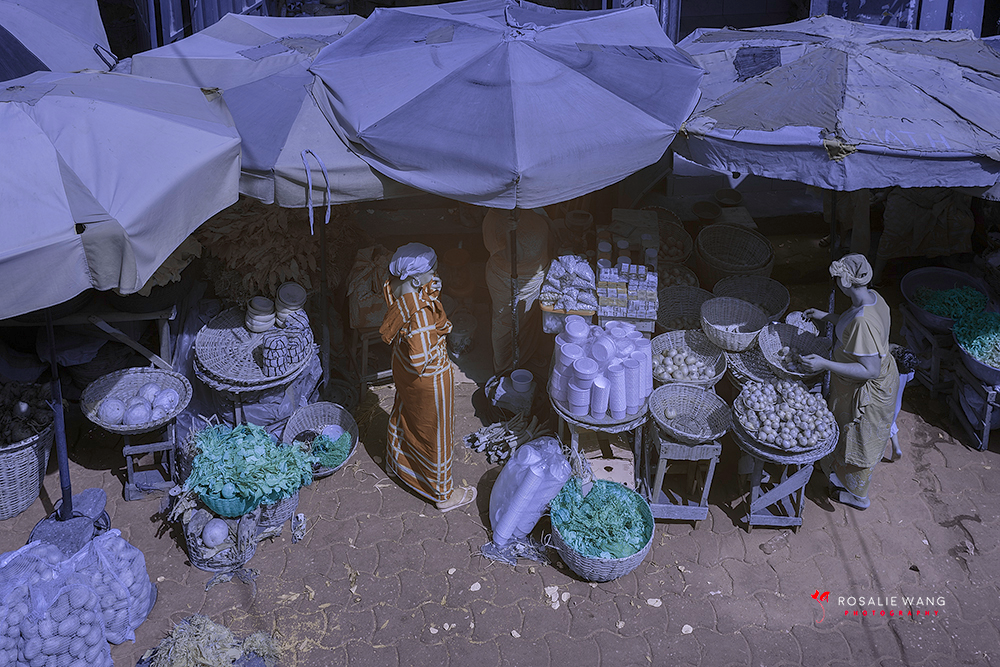
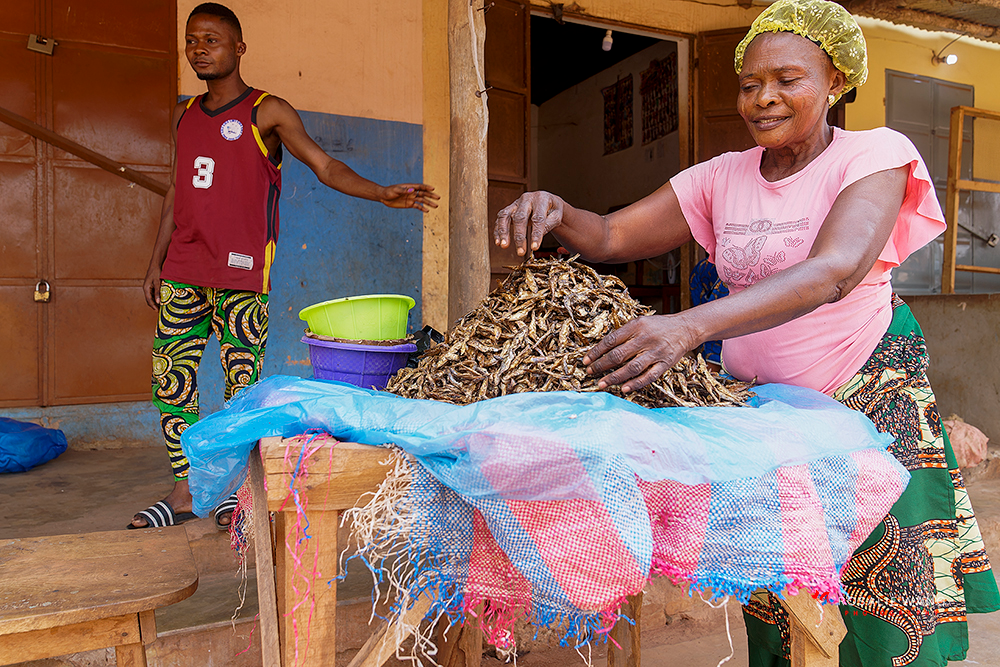
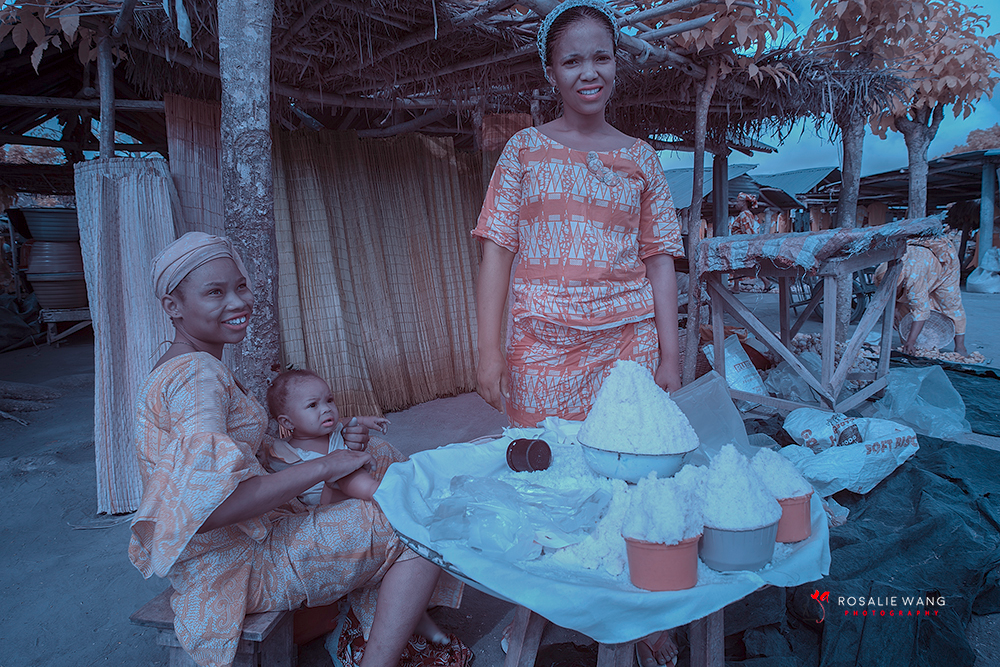
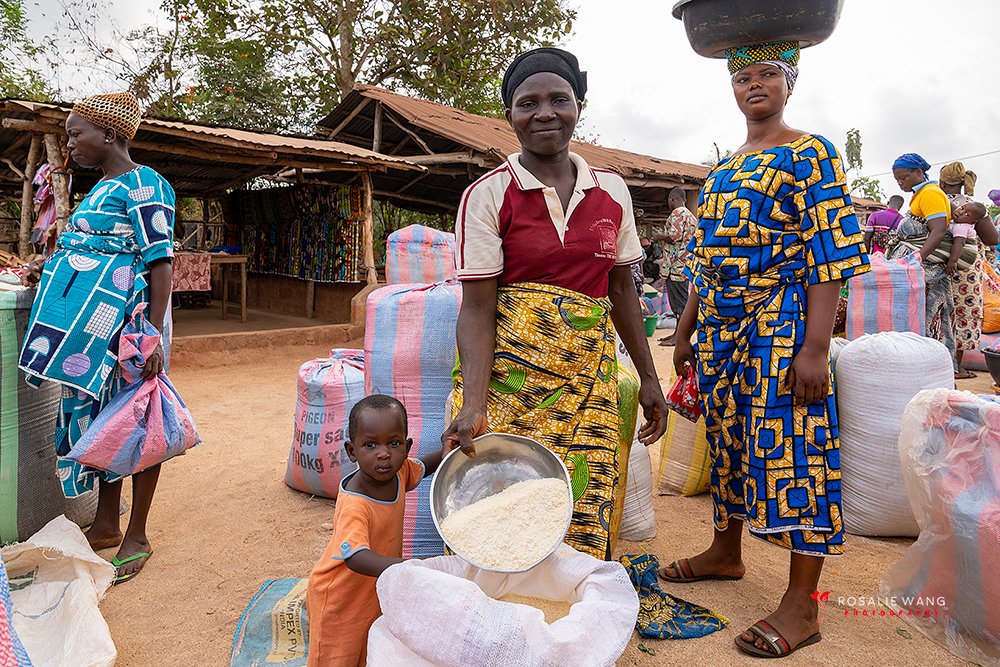
- Women often run floating markets from their pirogues, selling produce, cooked food, and household goods.
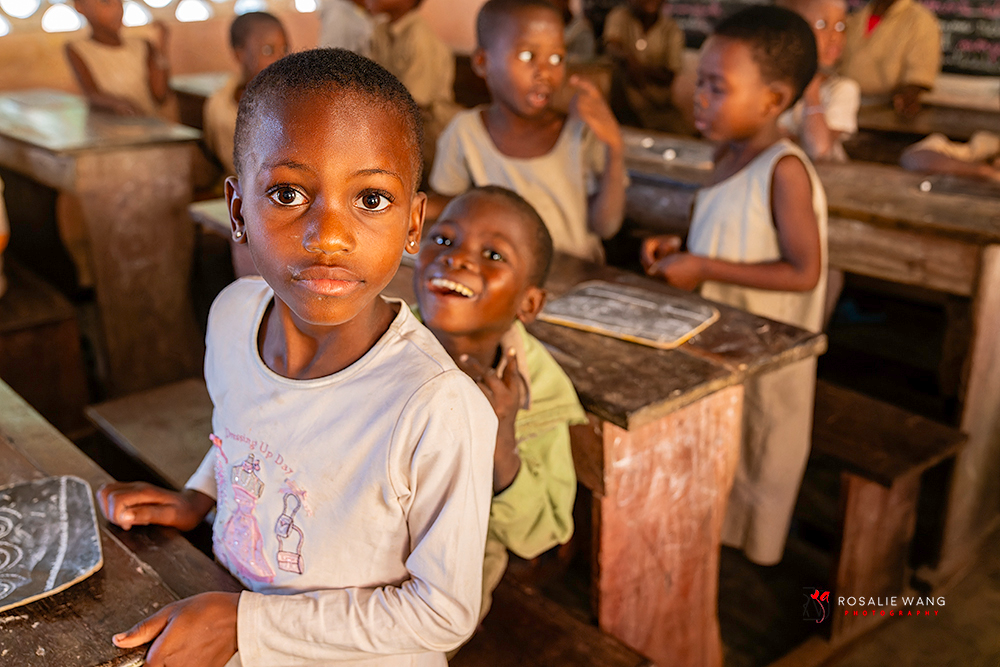
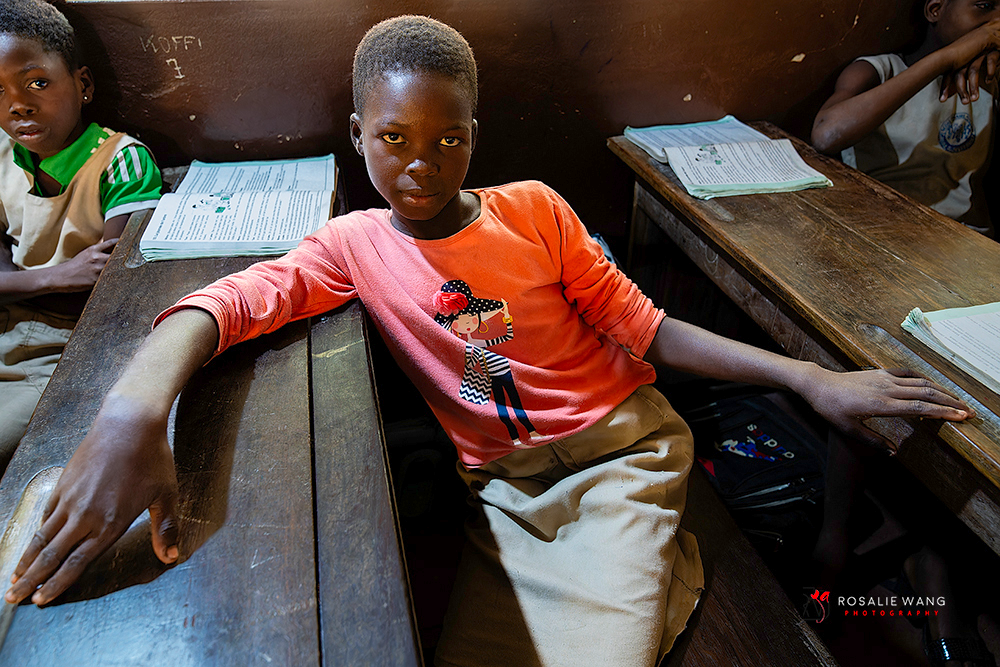
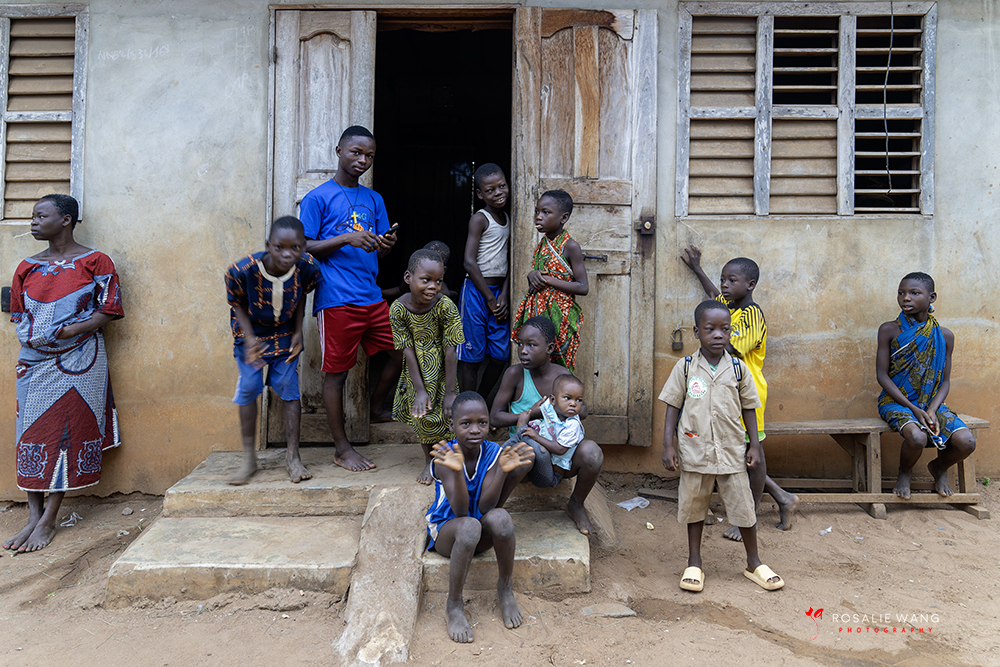
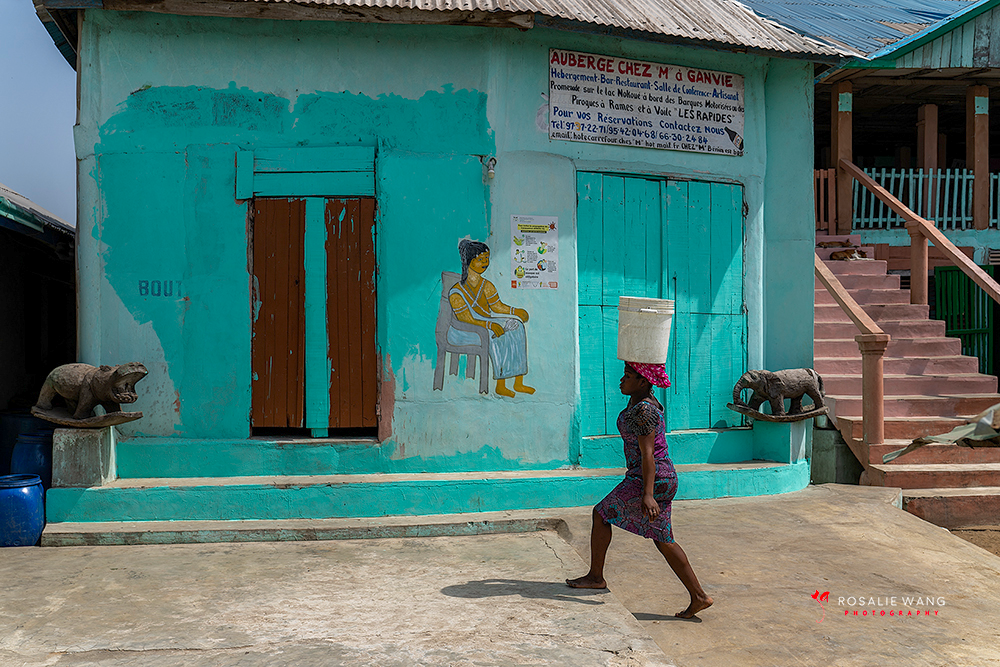
- The village has schools, churches, and shops — all built above water.
🪶Holi Scarification Traditions
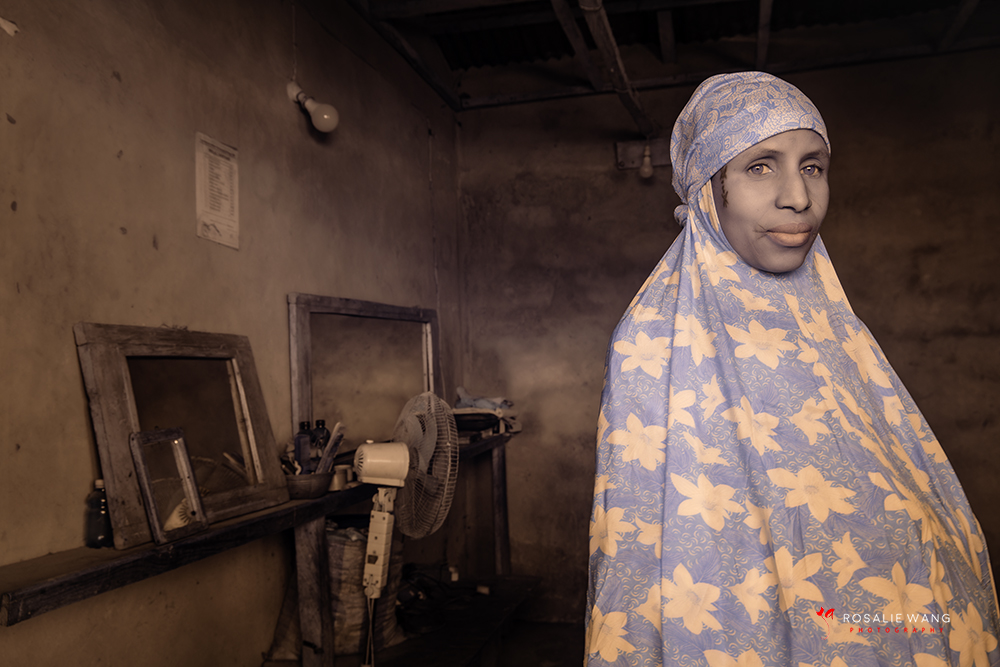
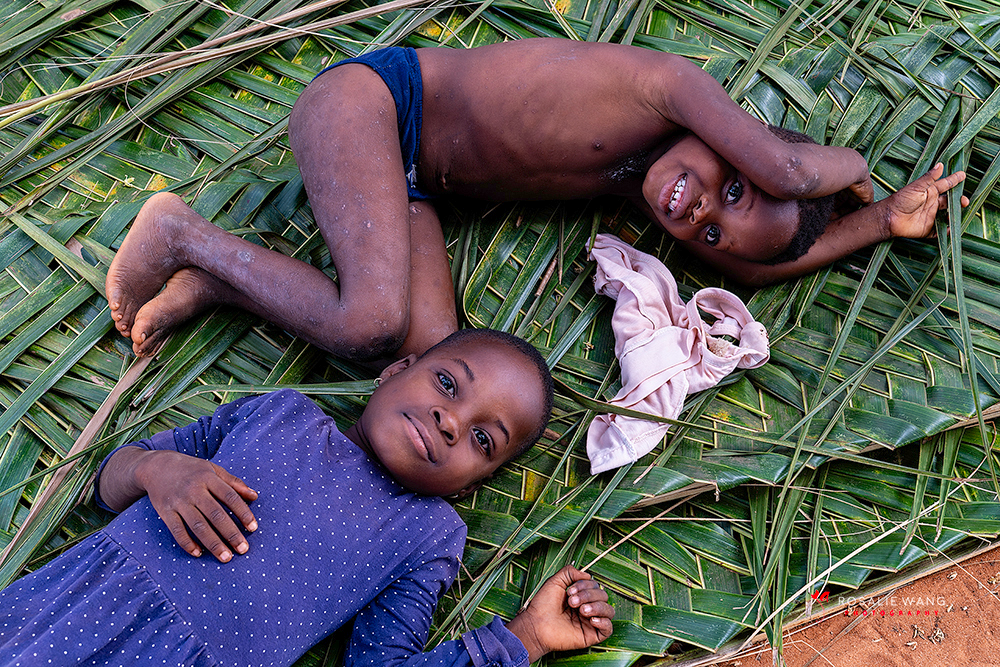
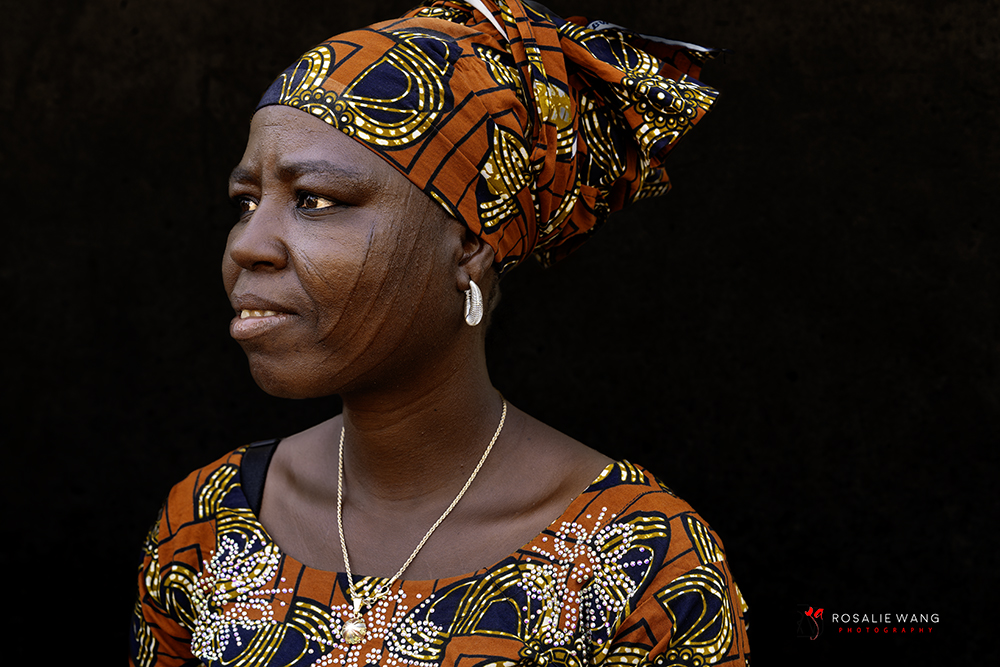
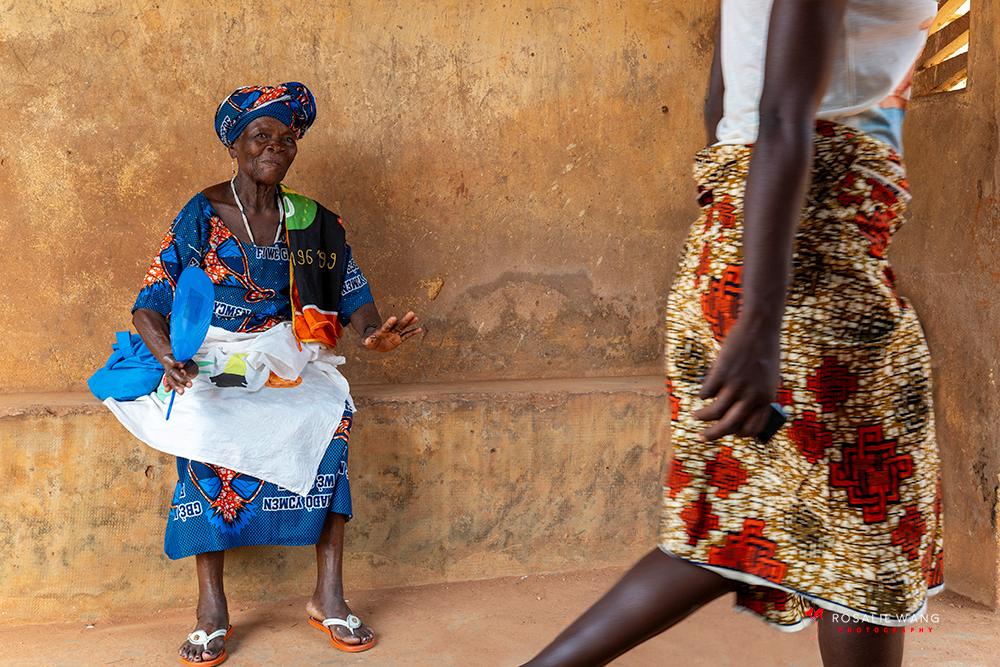
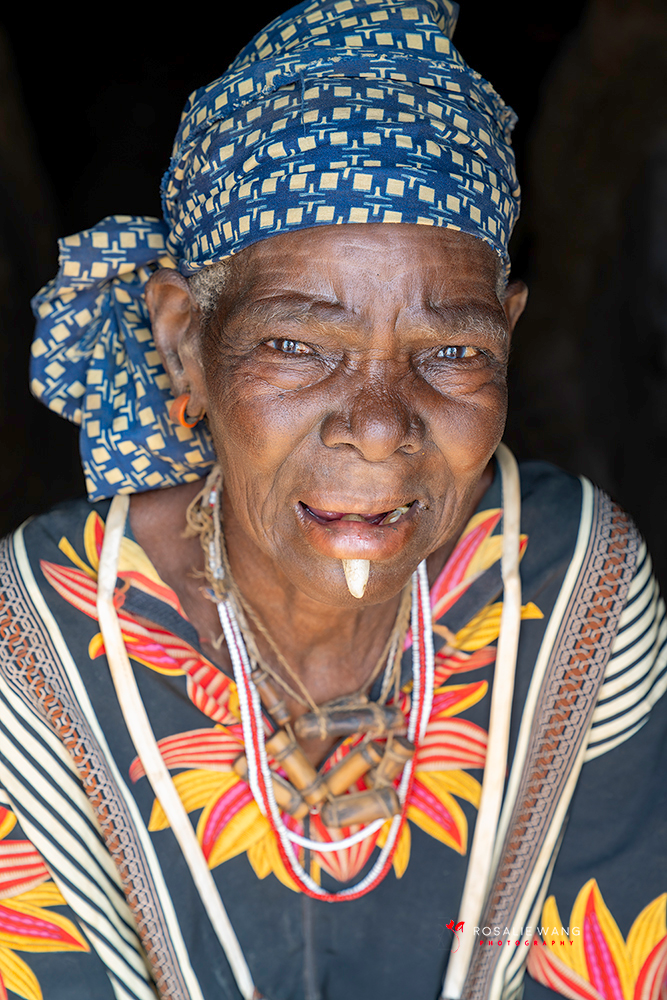
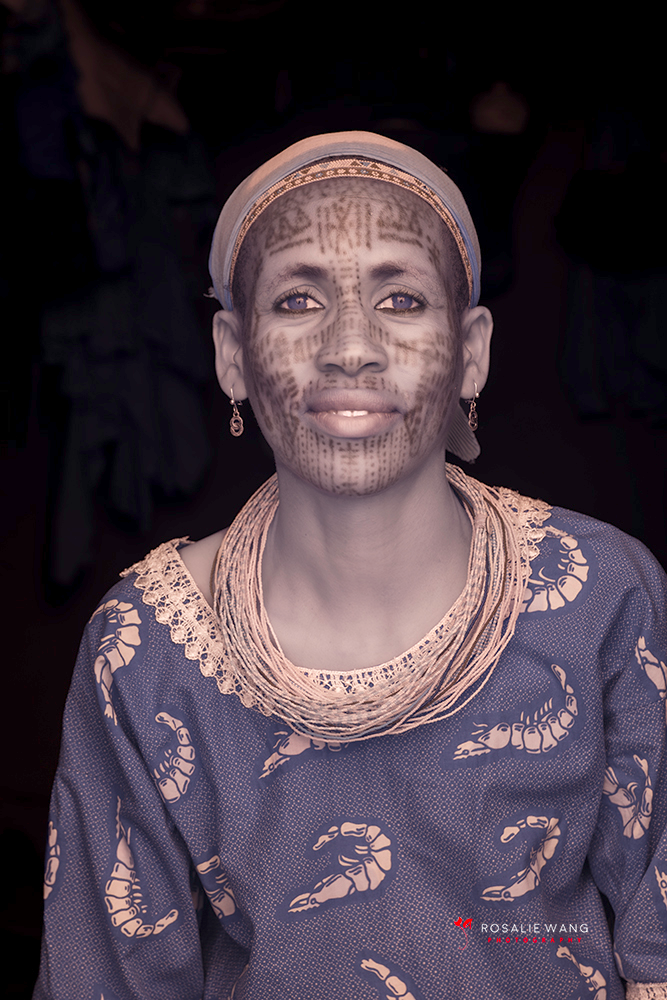
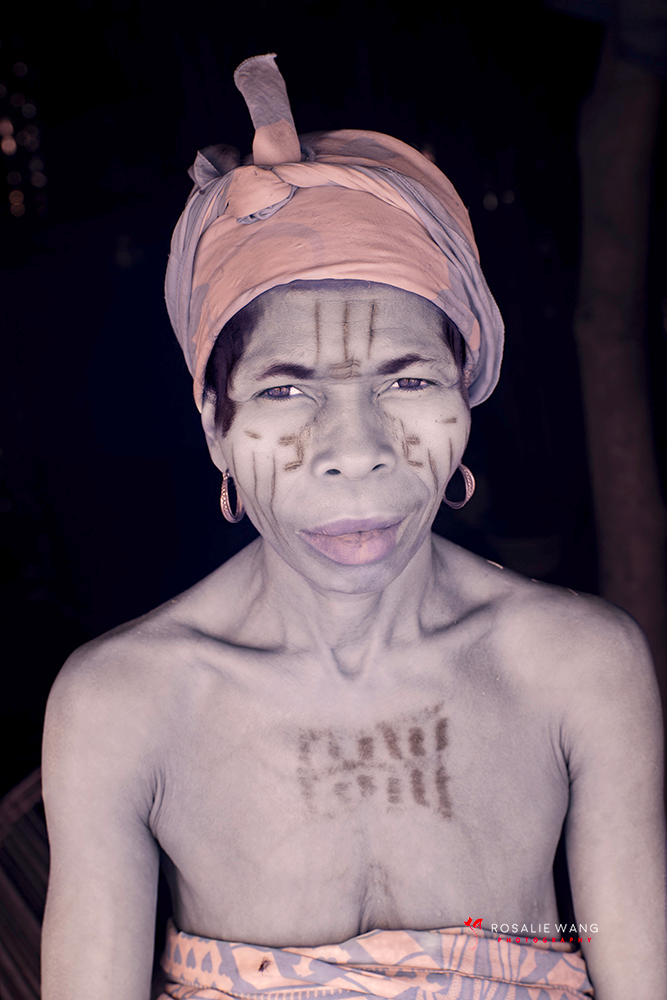
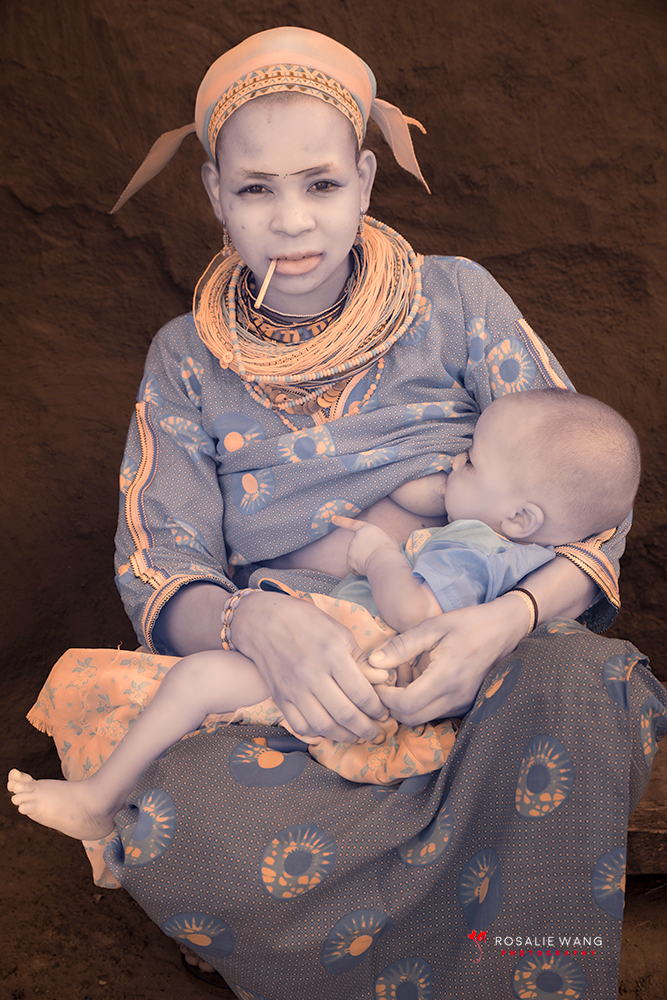
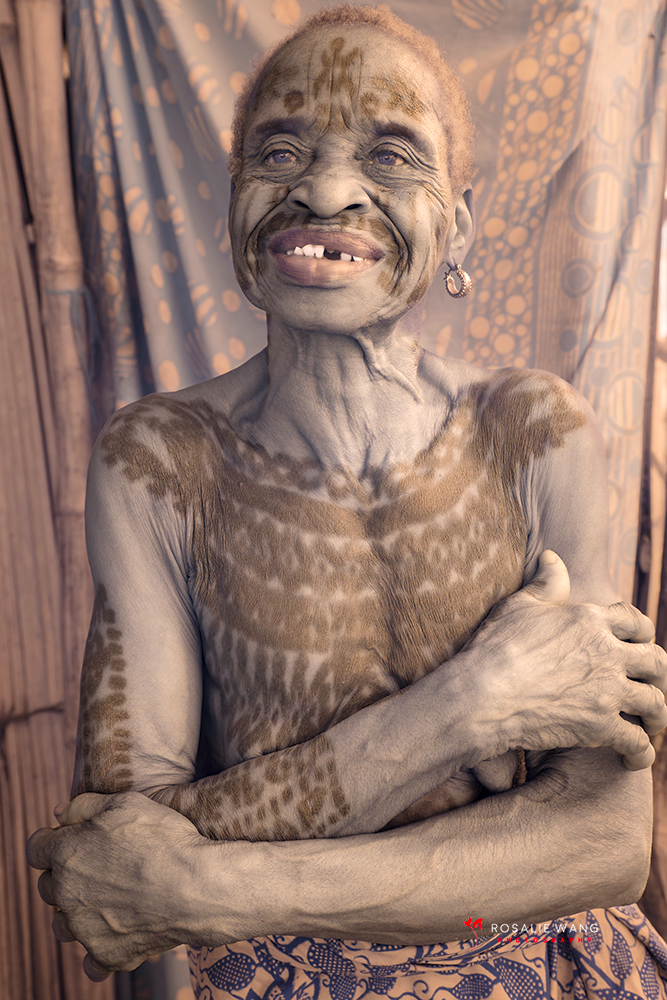
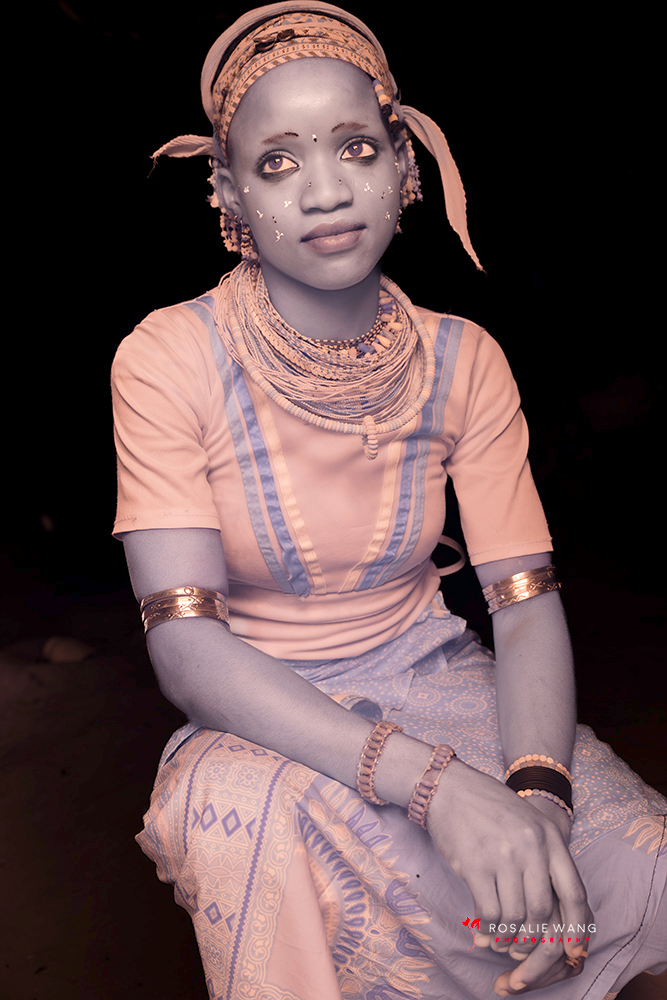
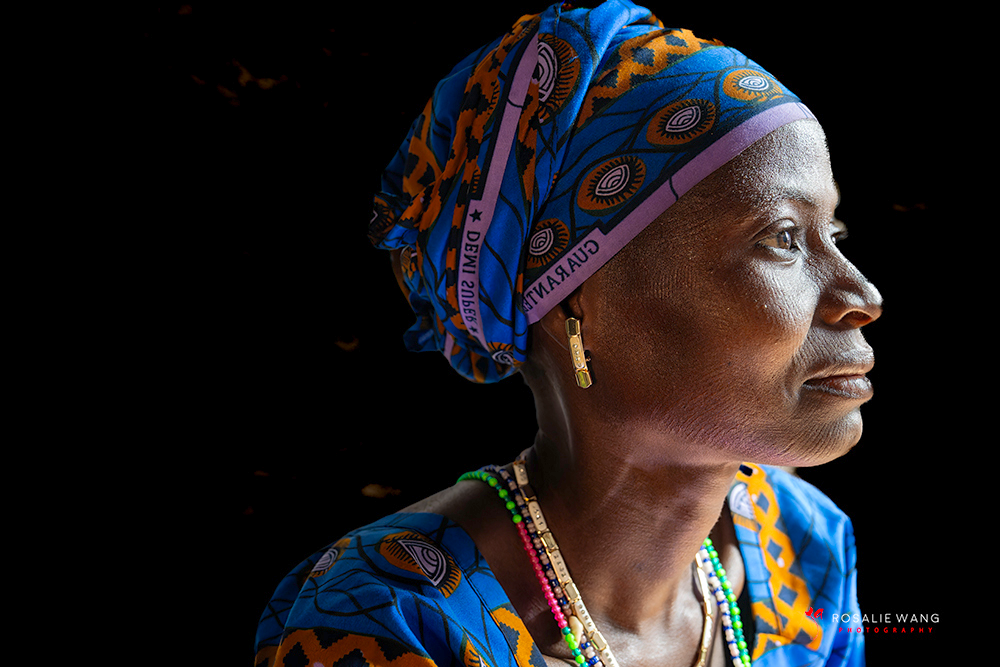
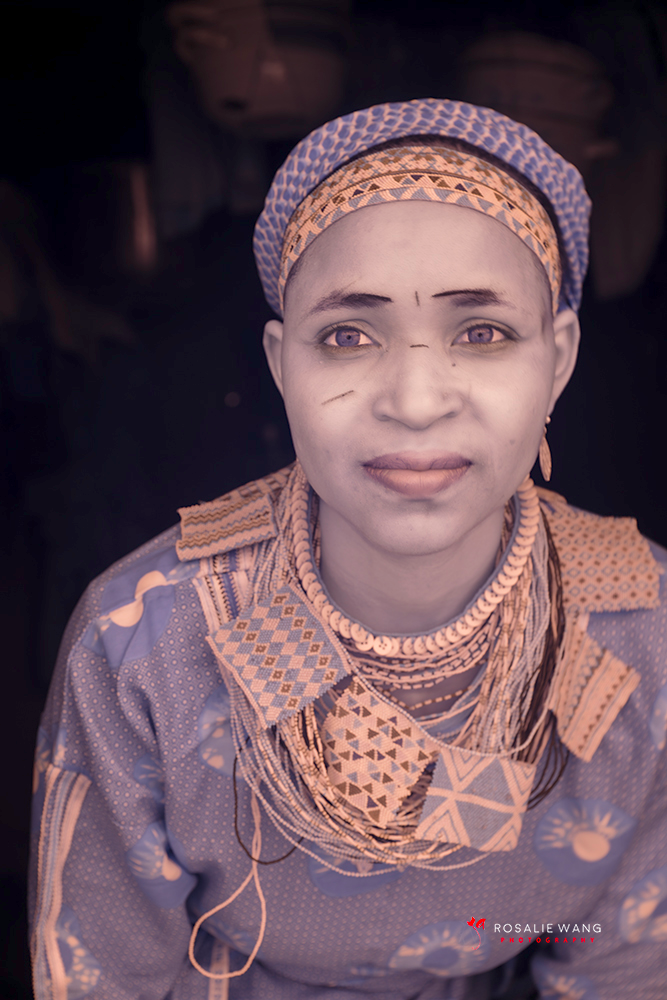
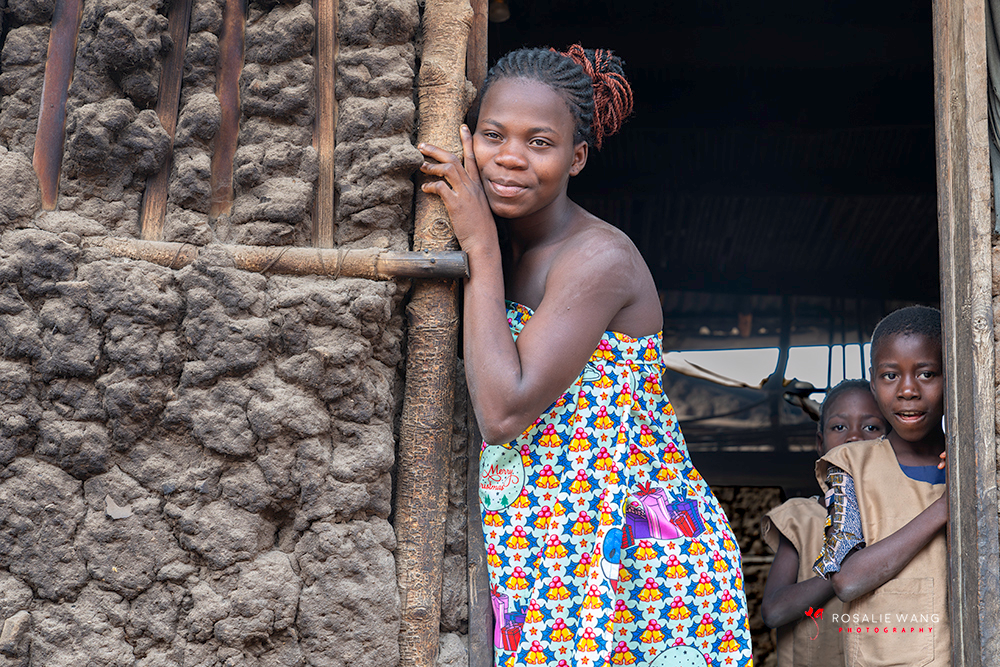
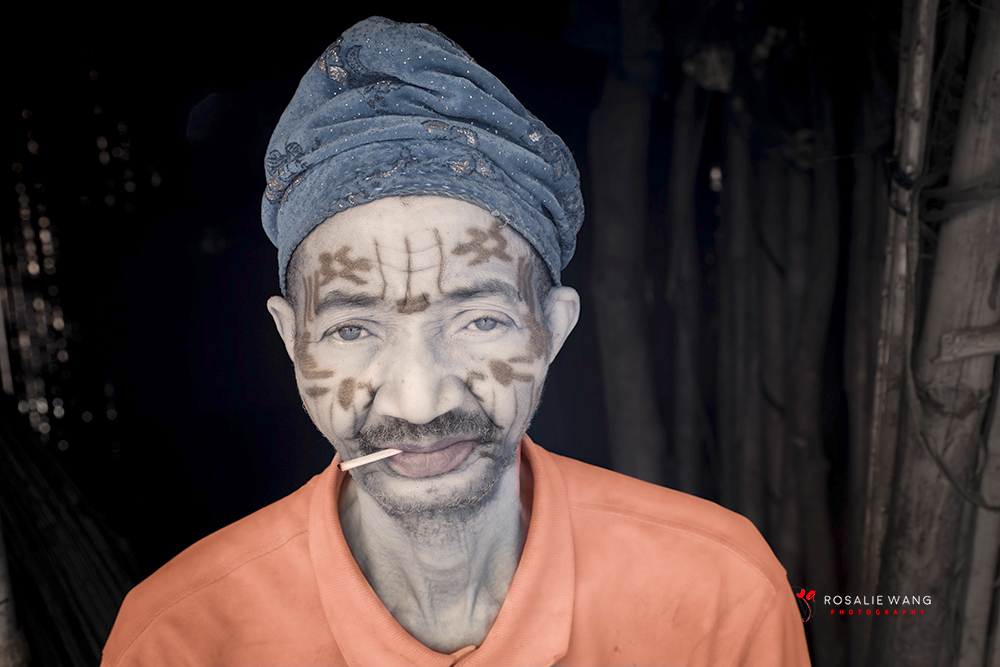
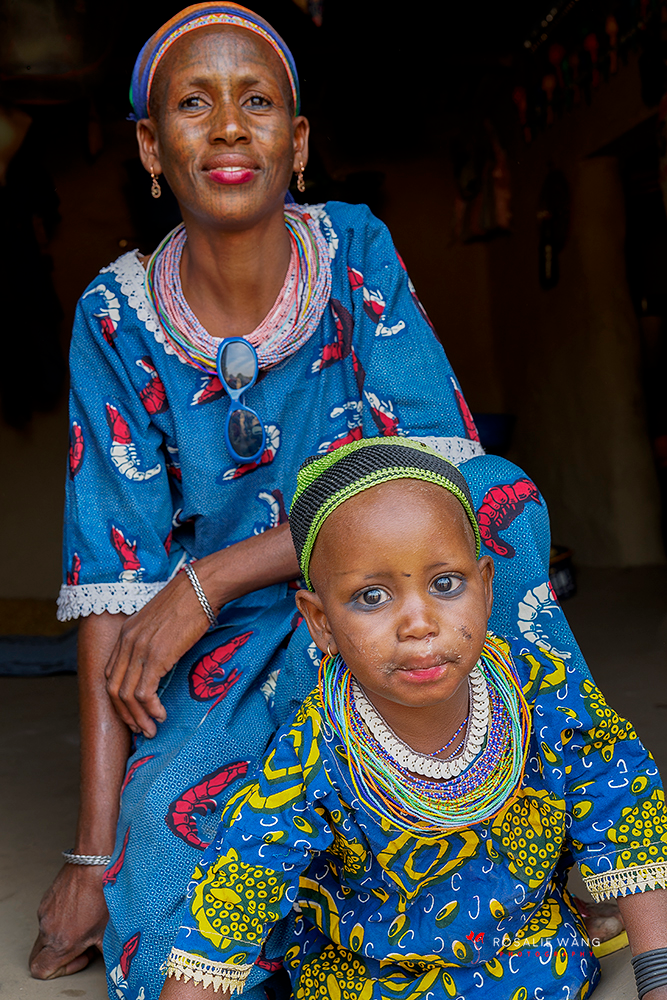
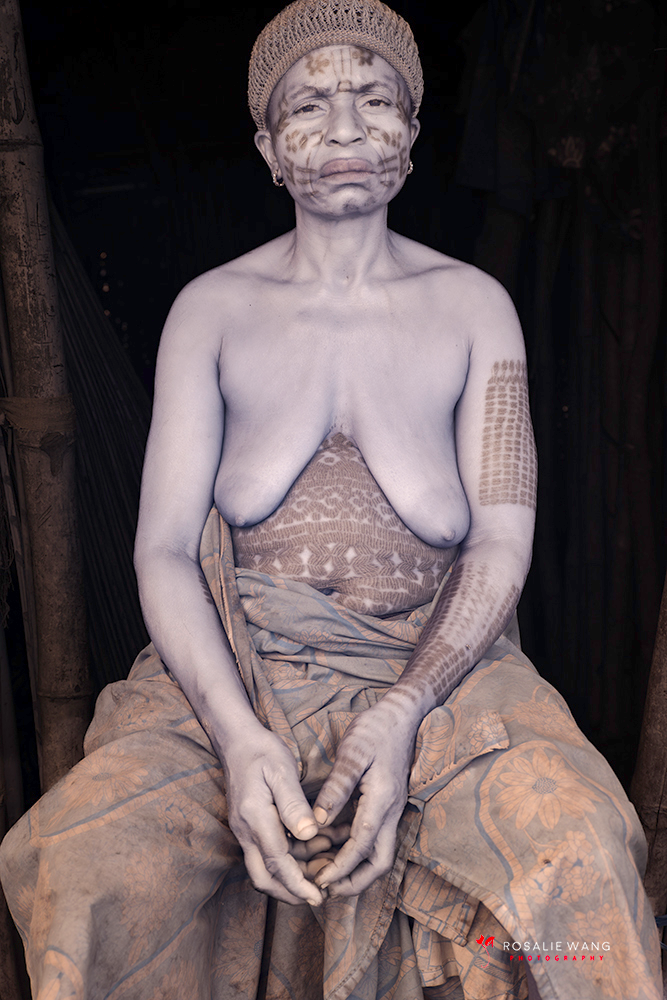
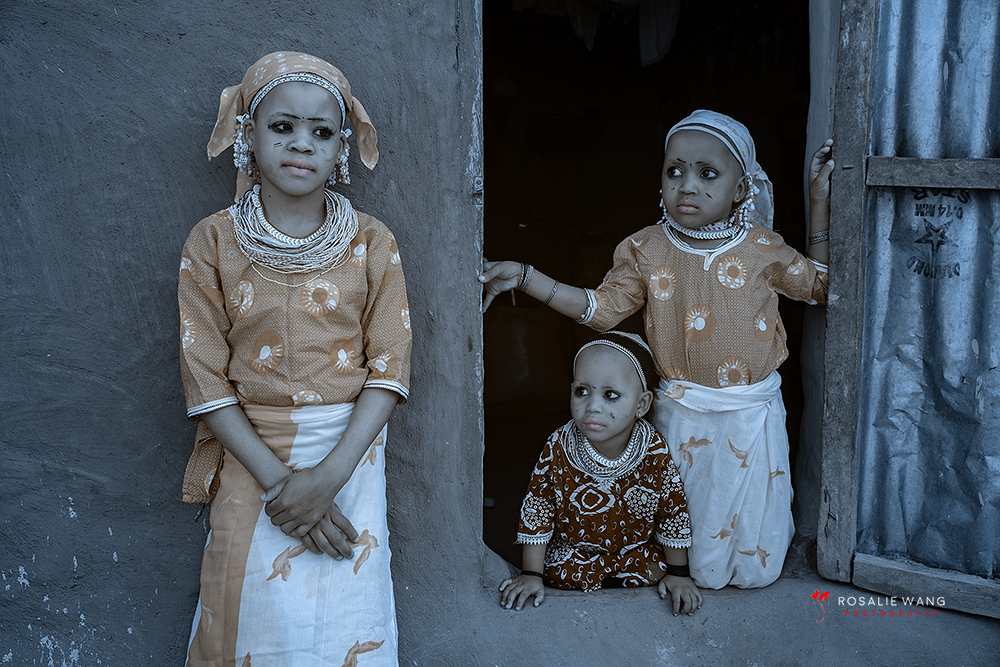
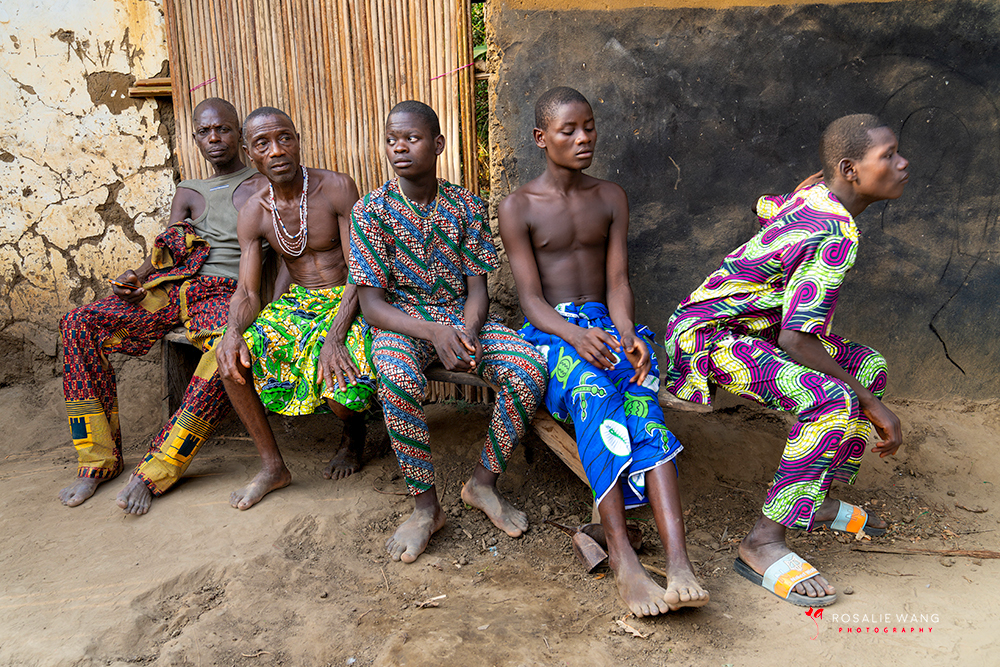
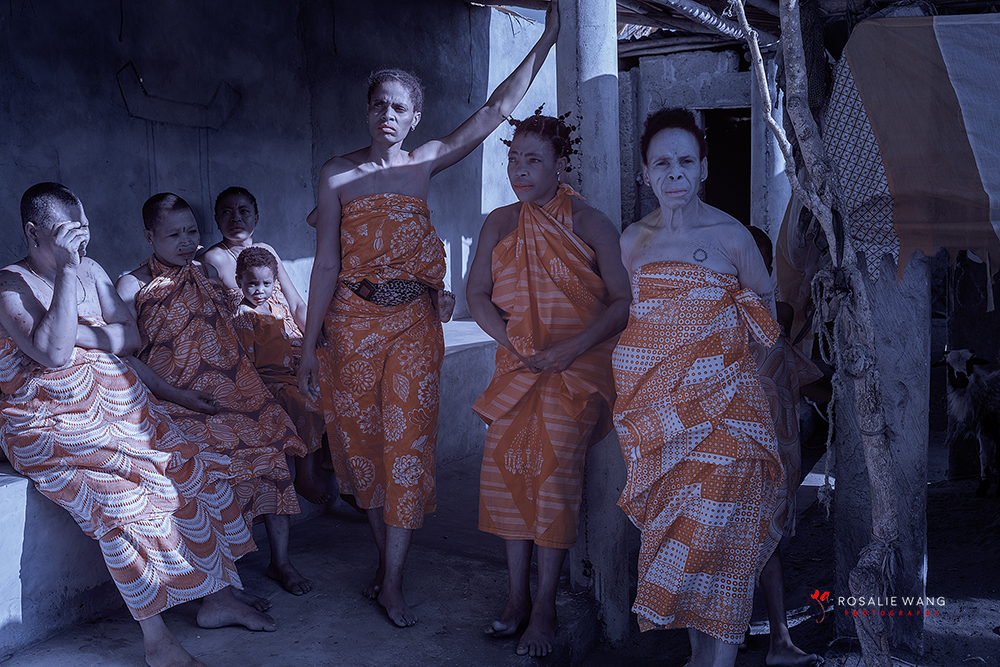
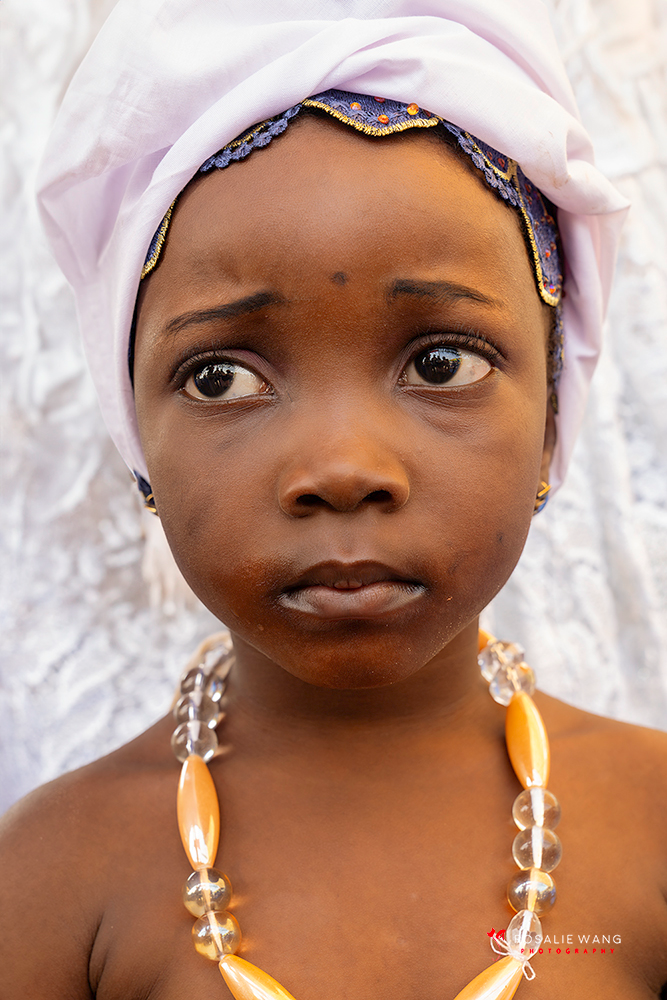
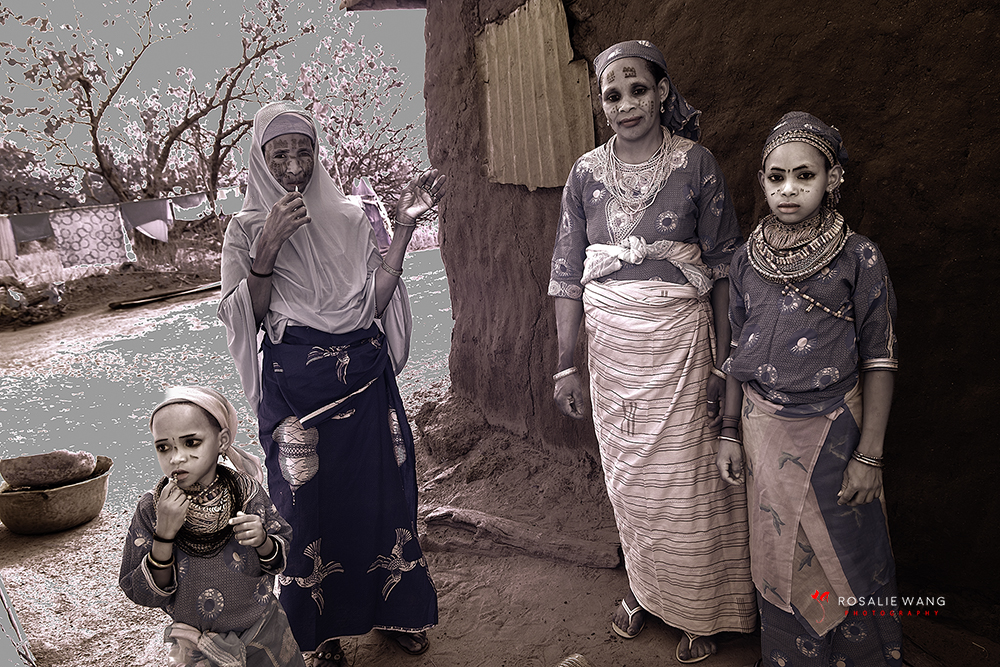
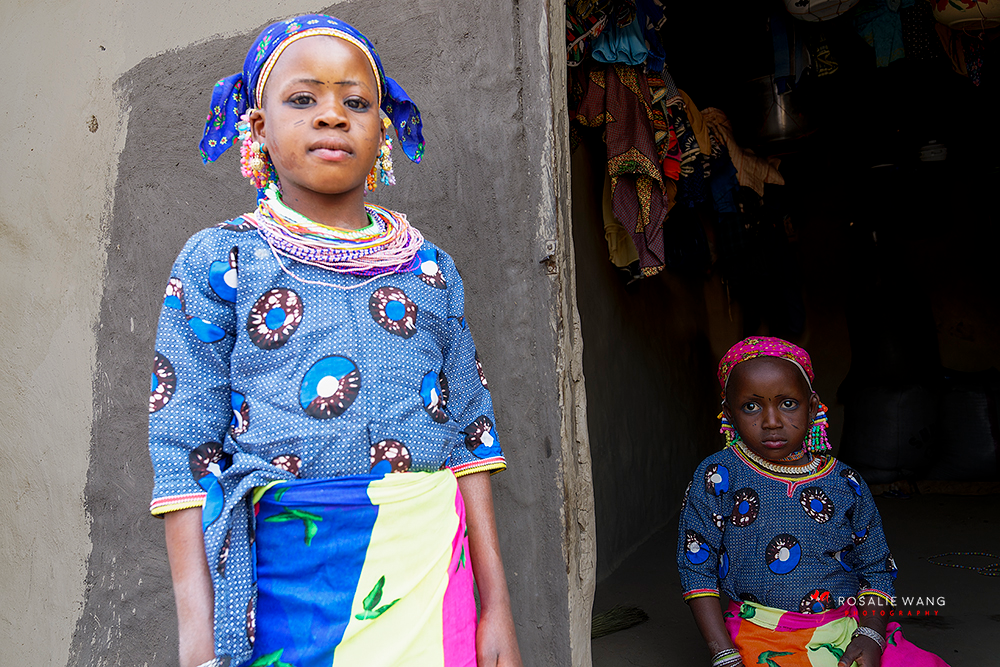
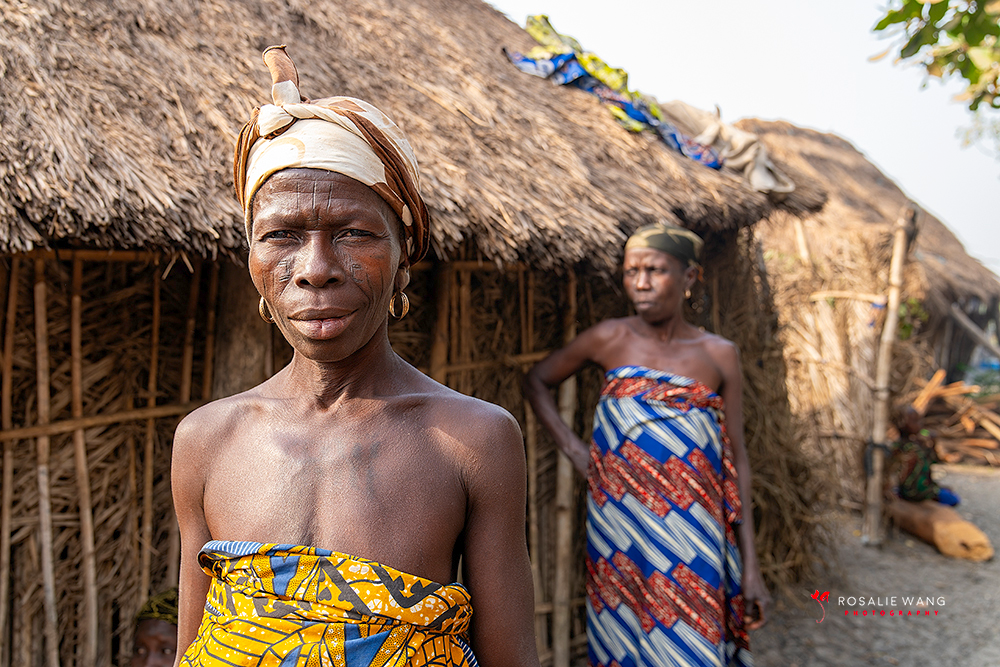
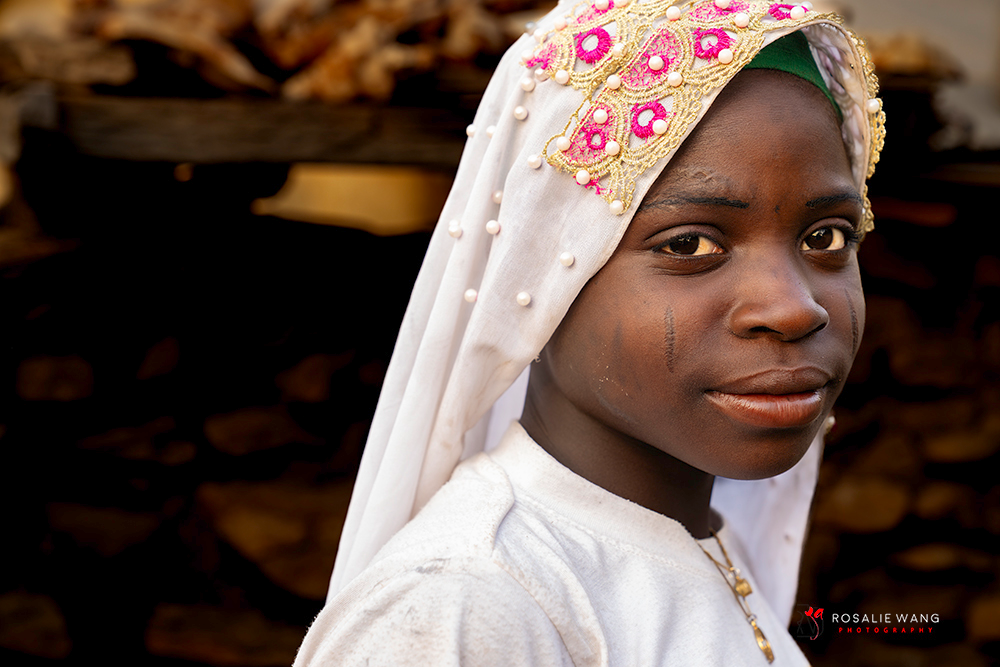
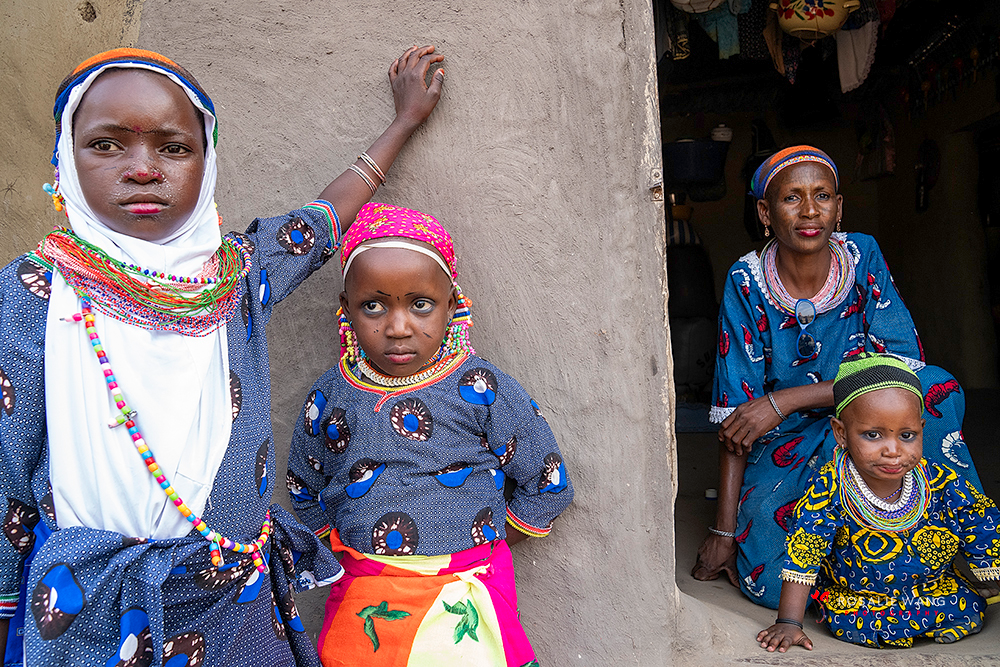
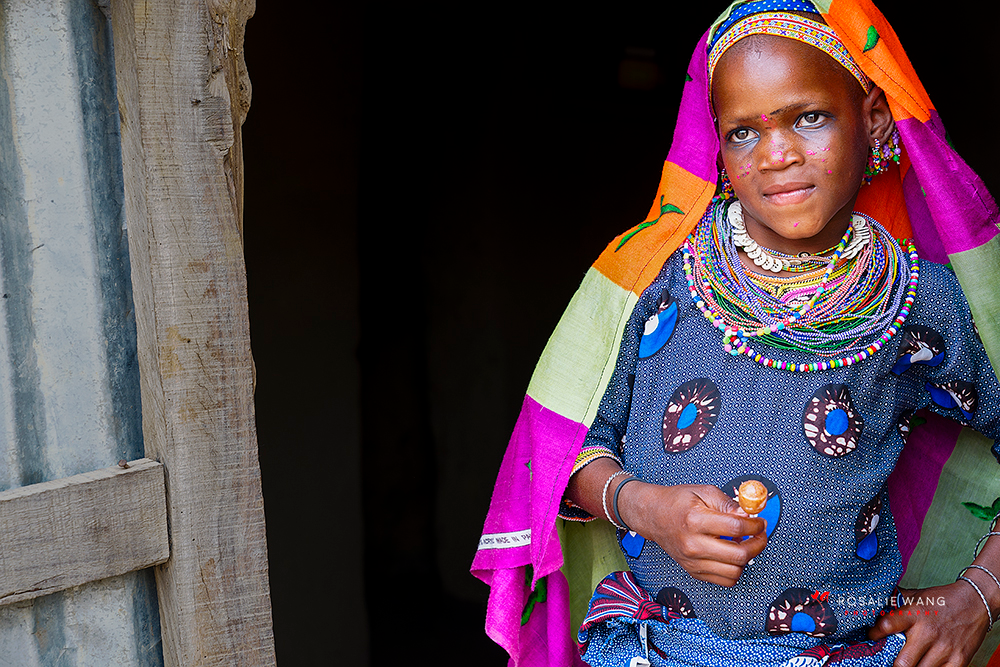
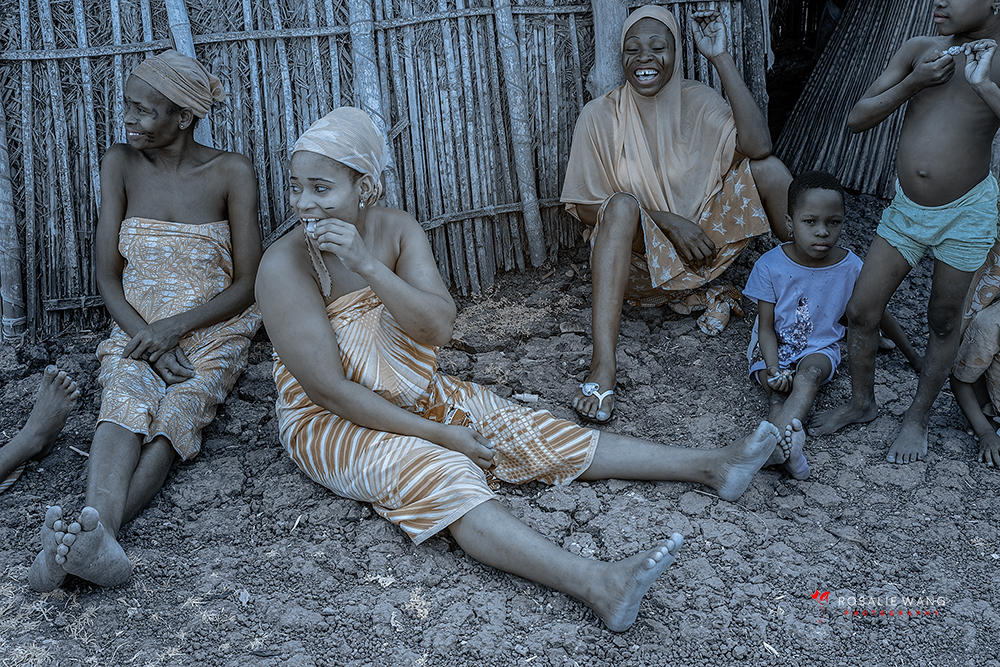
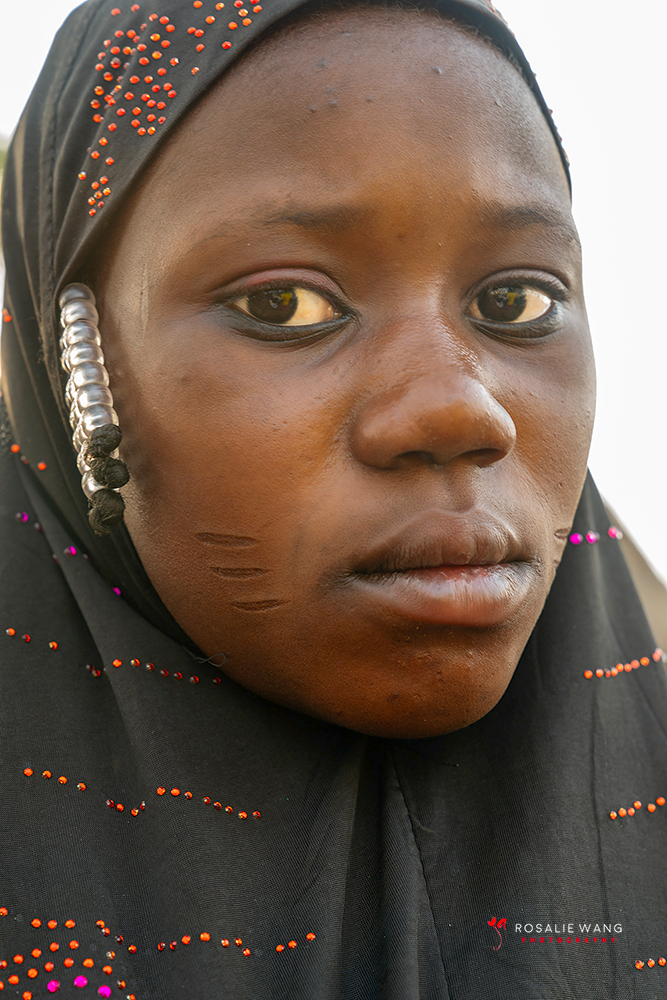
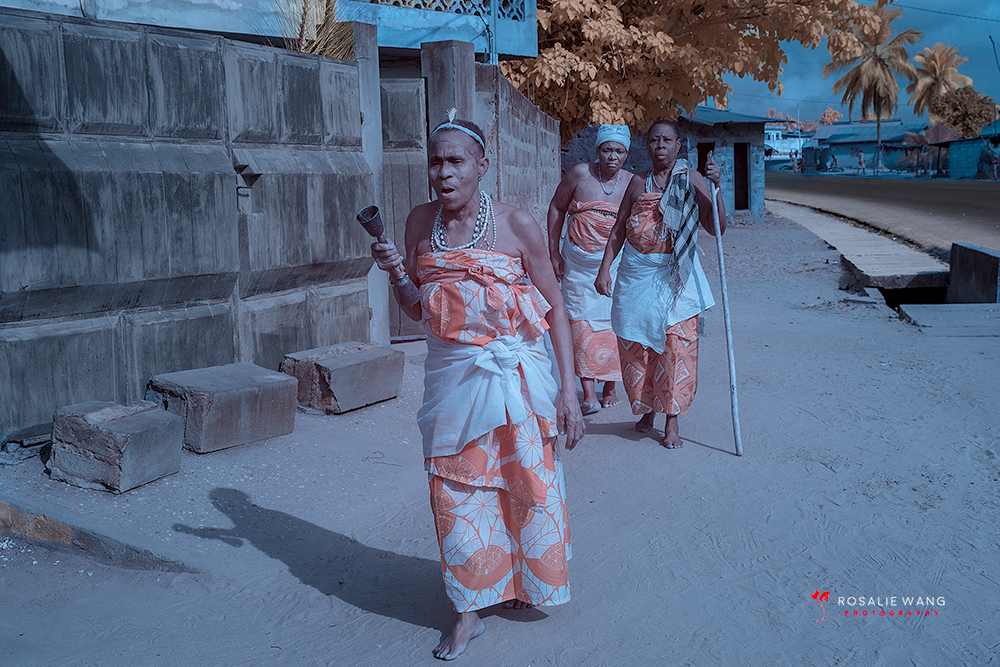
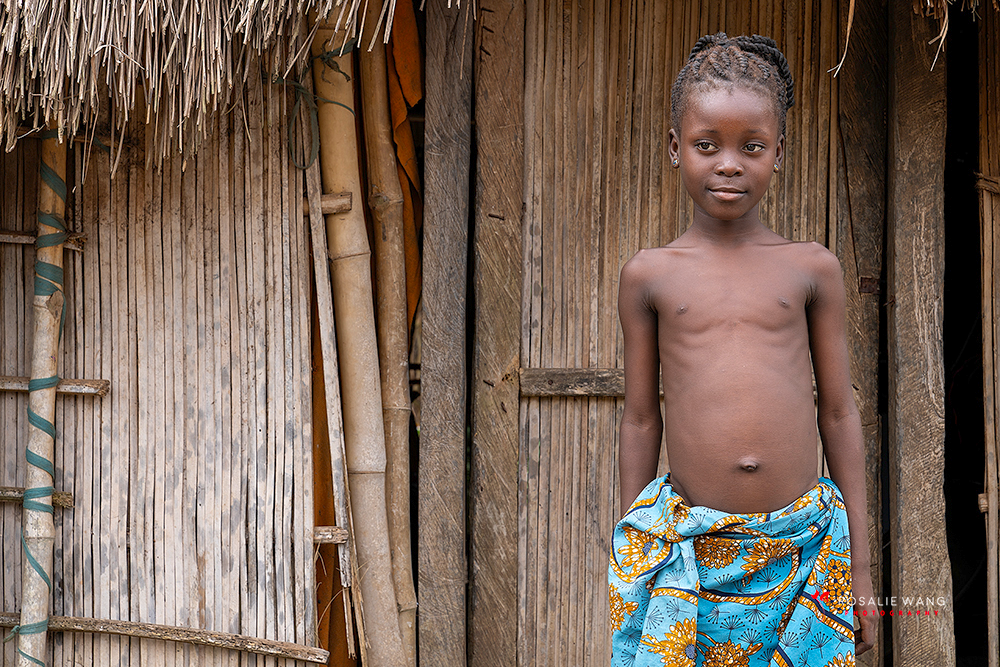
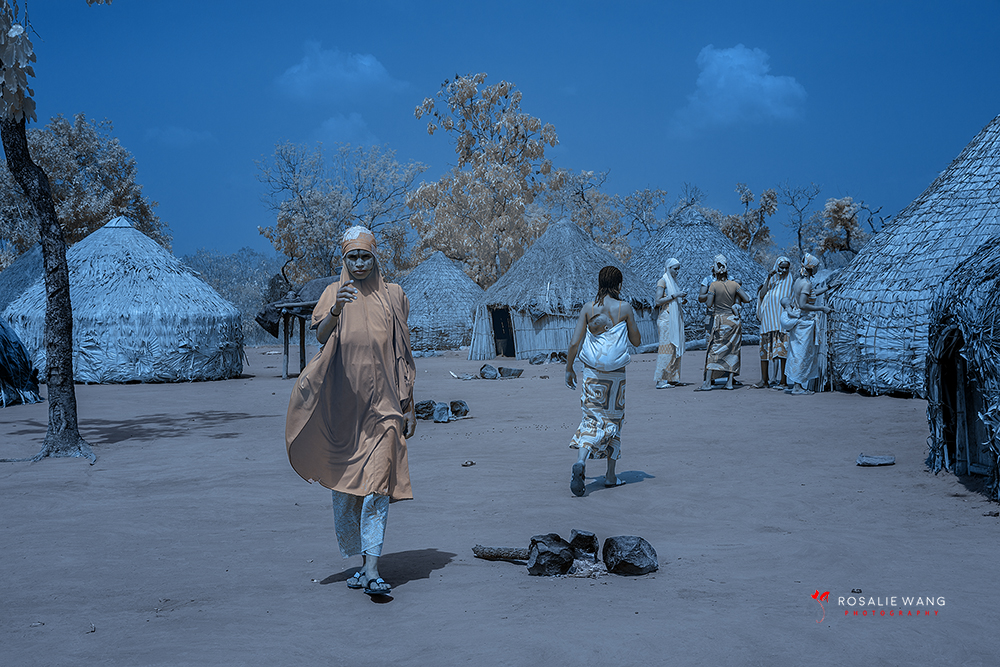
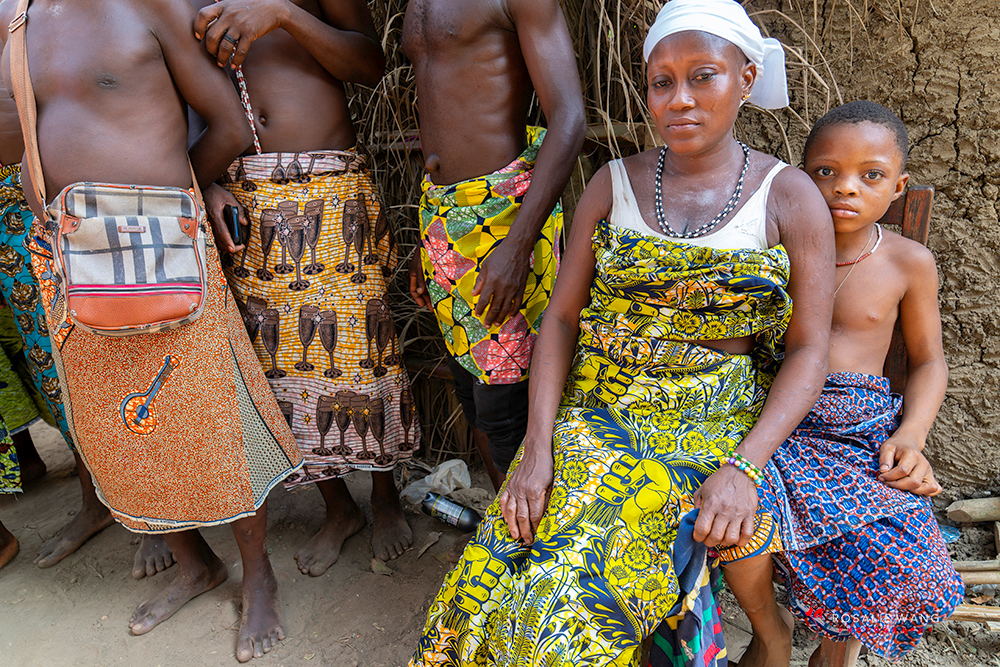
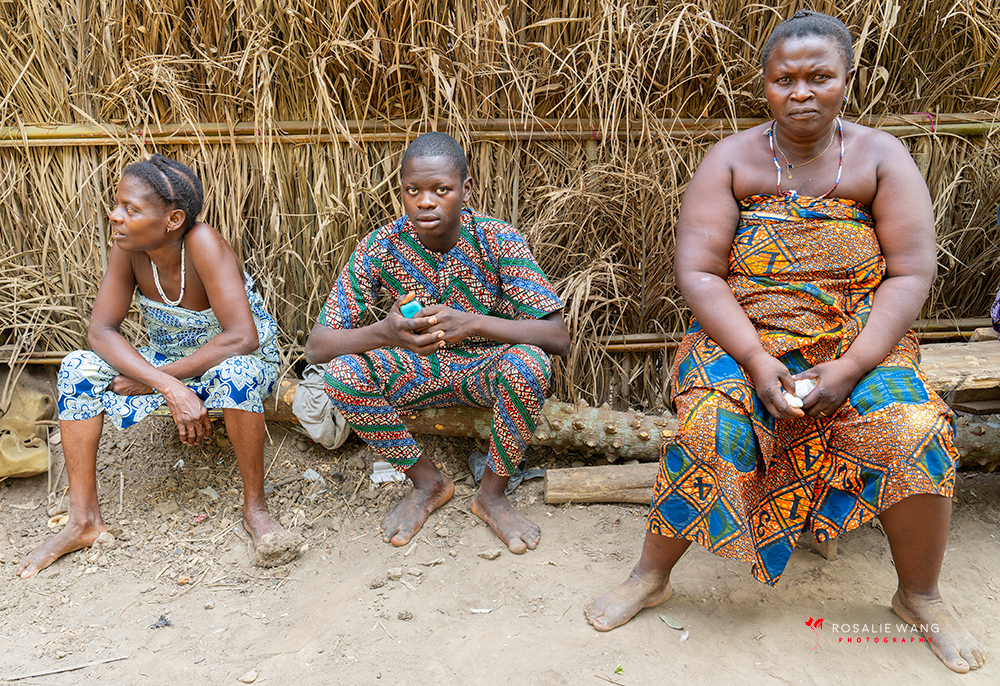
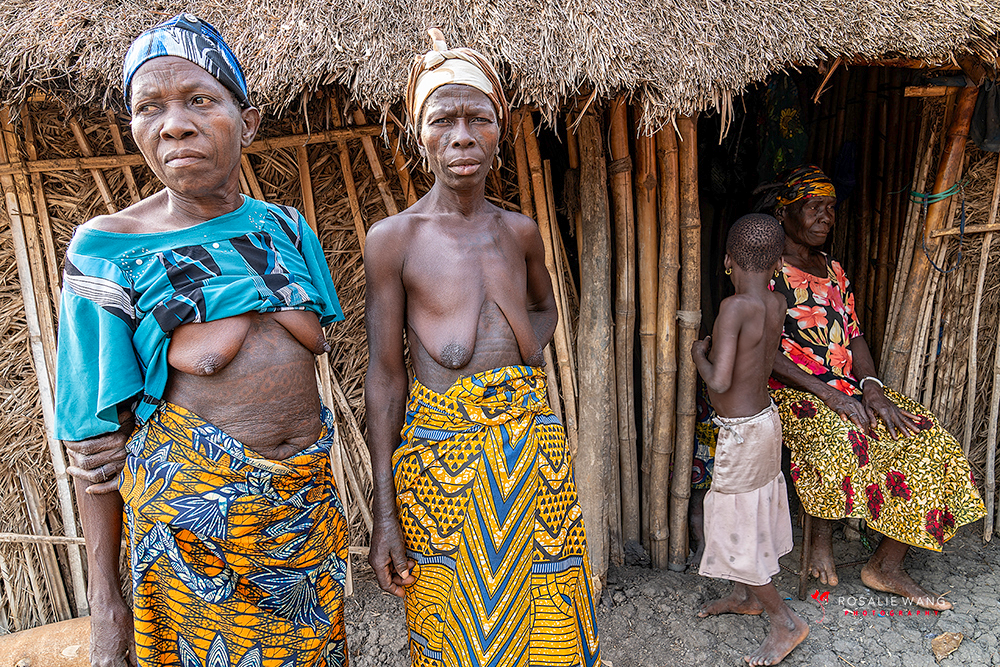
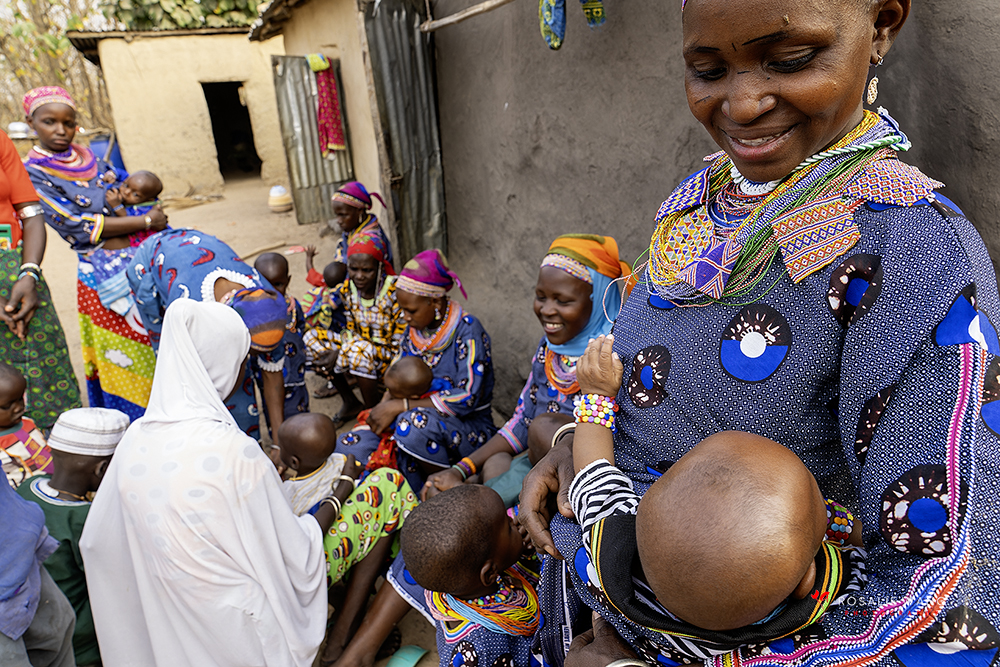
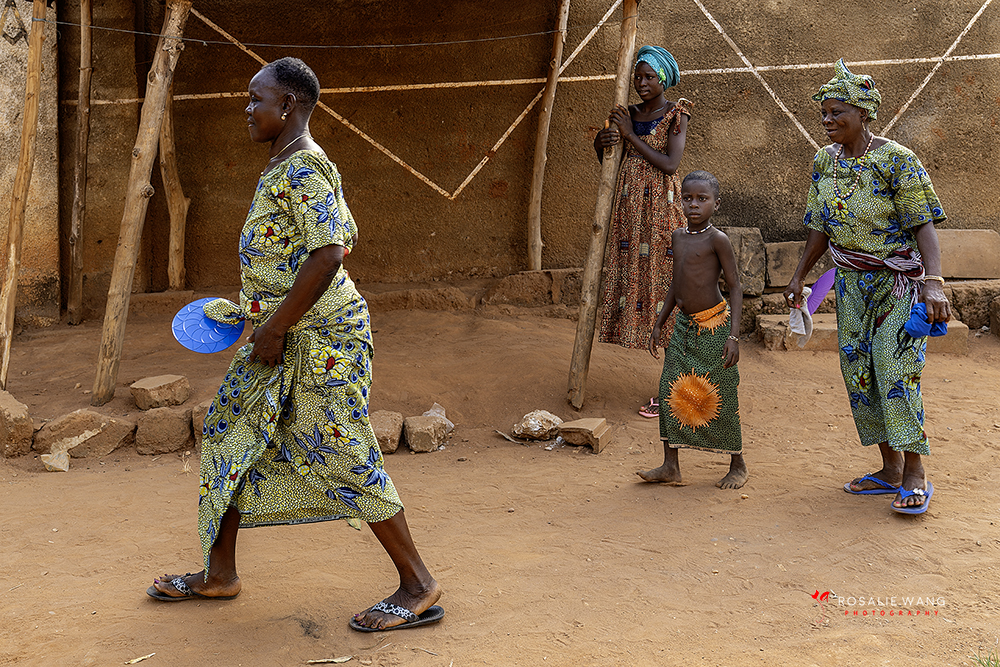
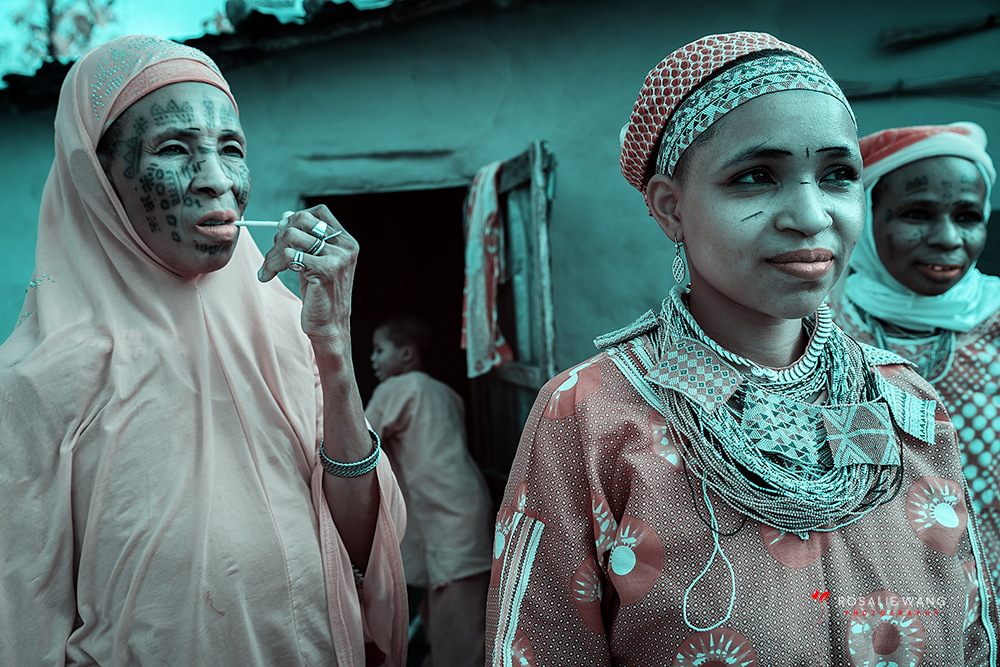
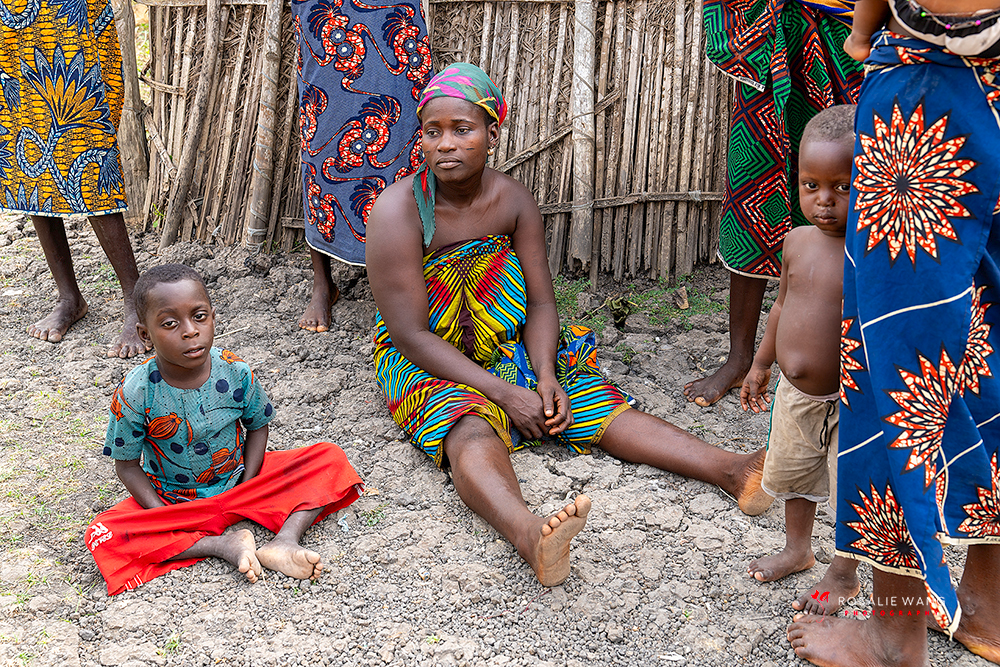
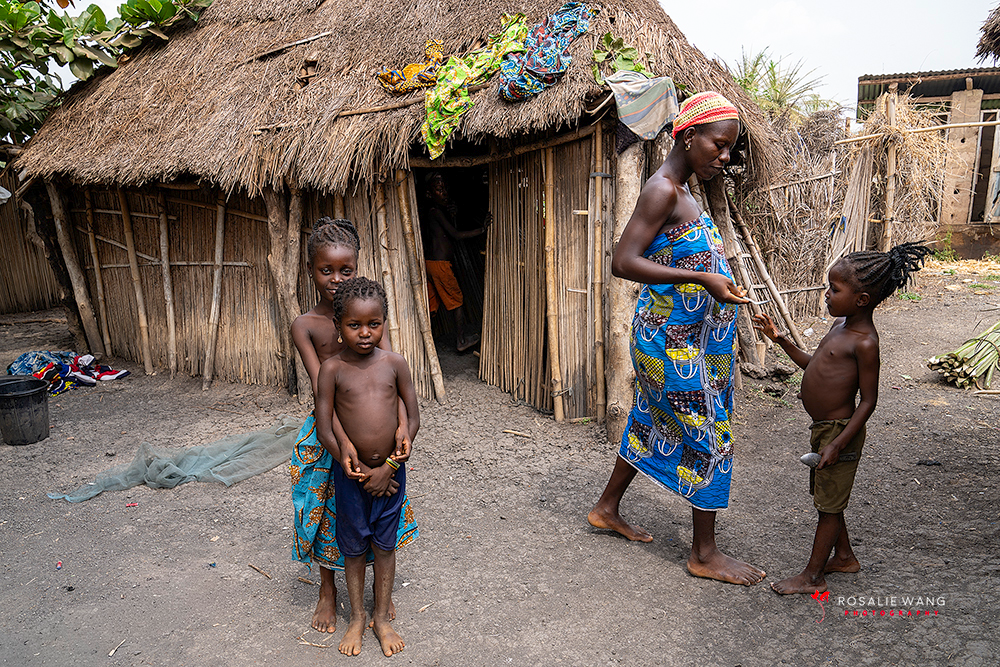
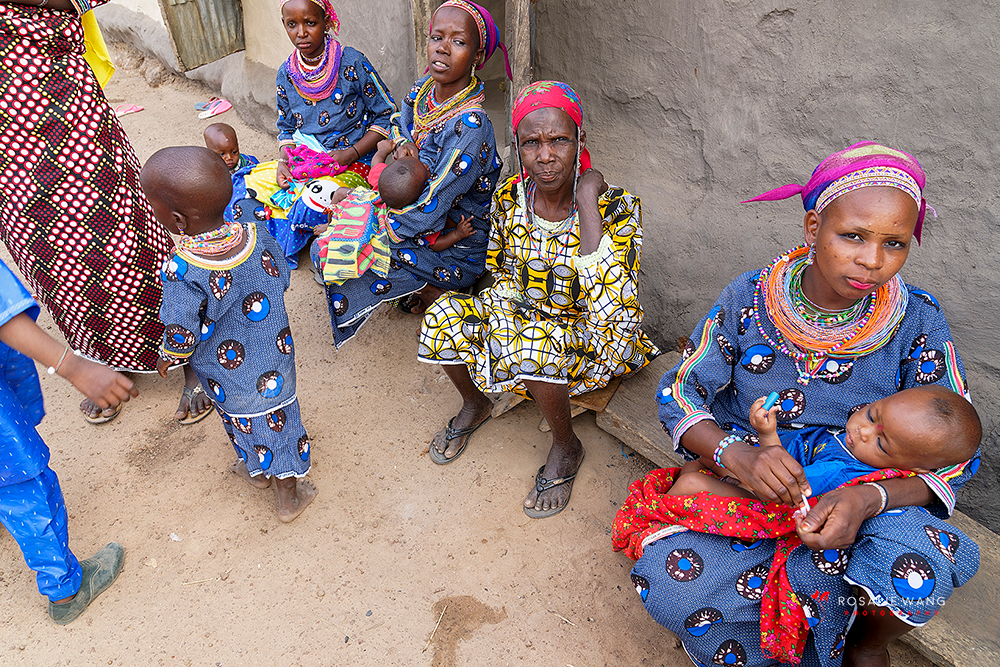
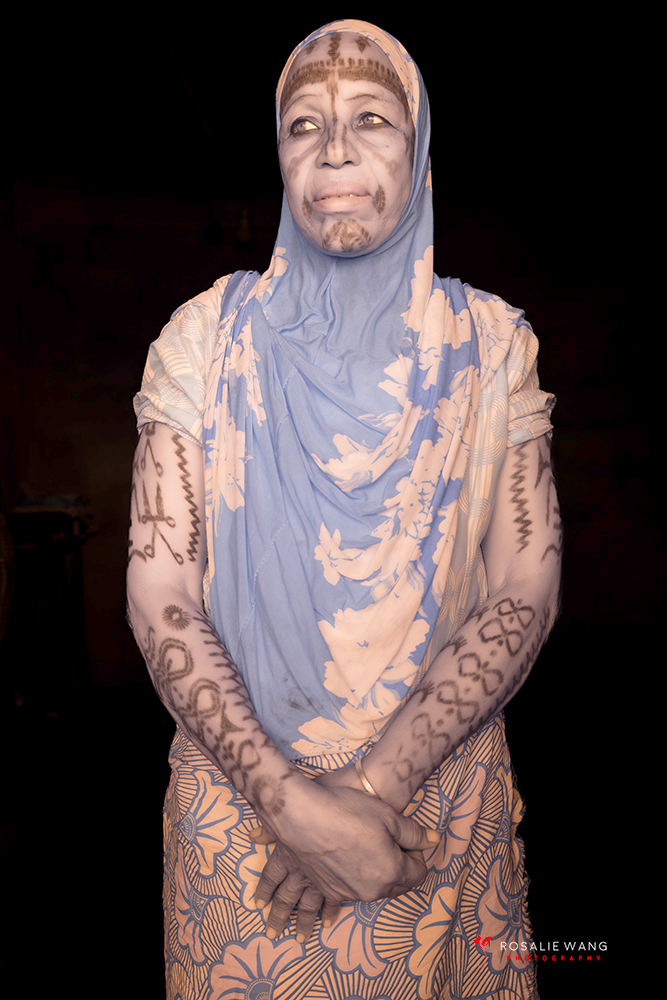
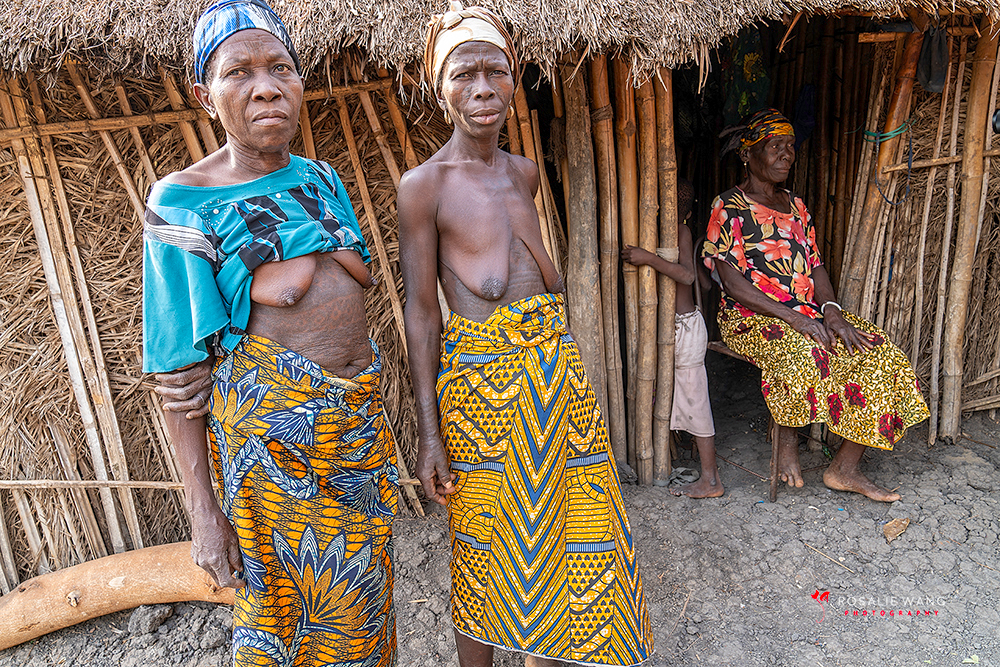
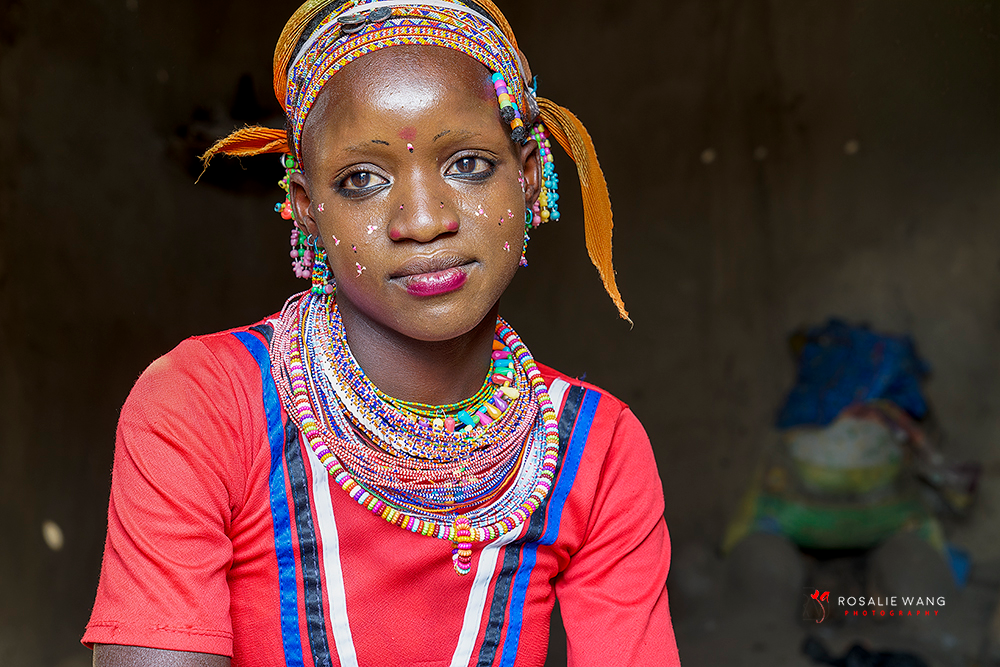
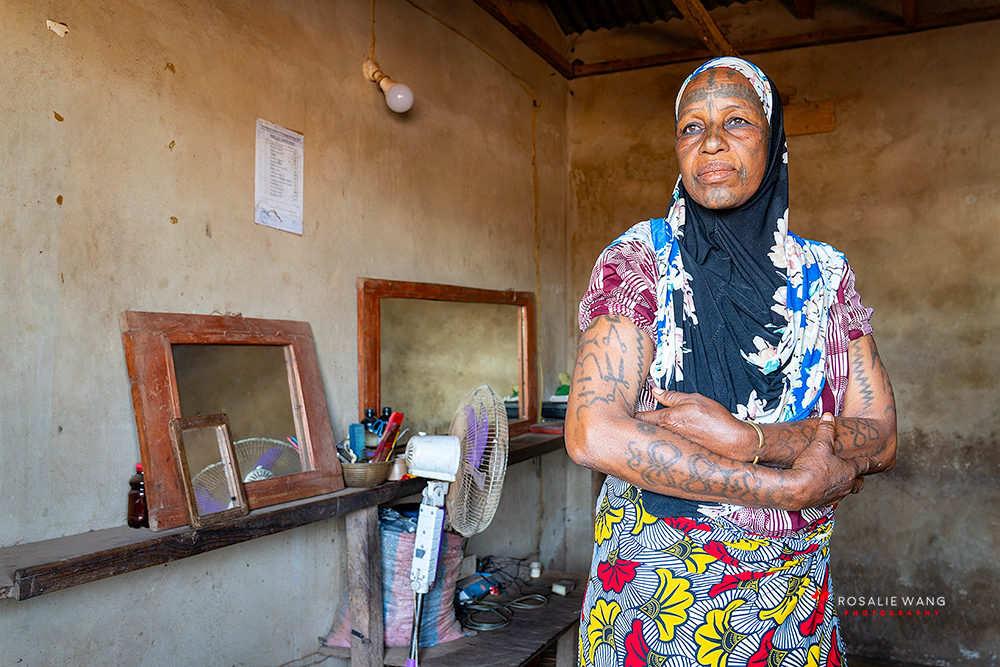
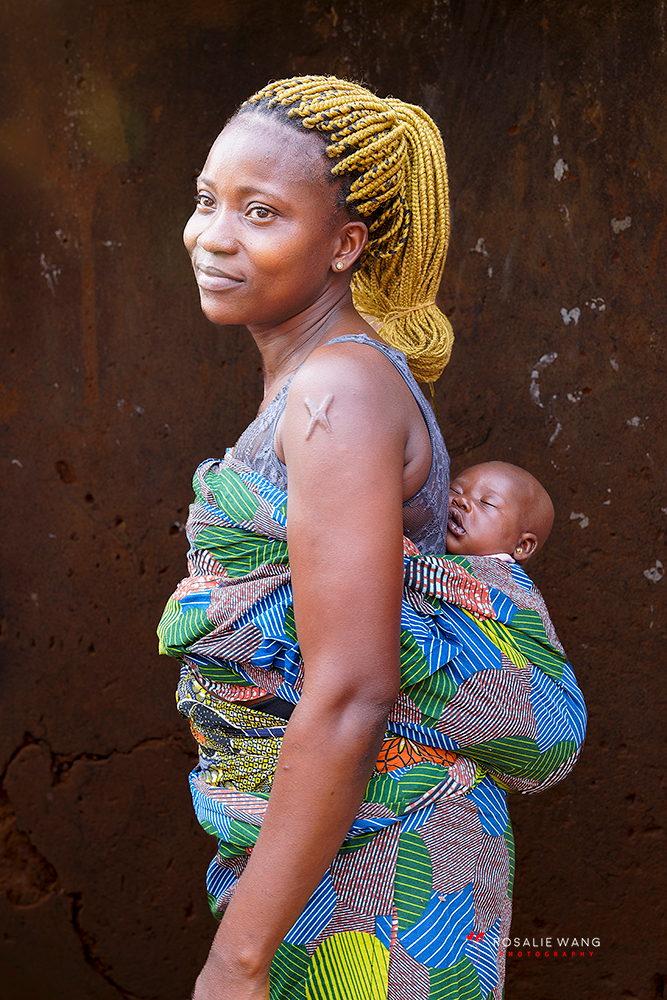
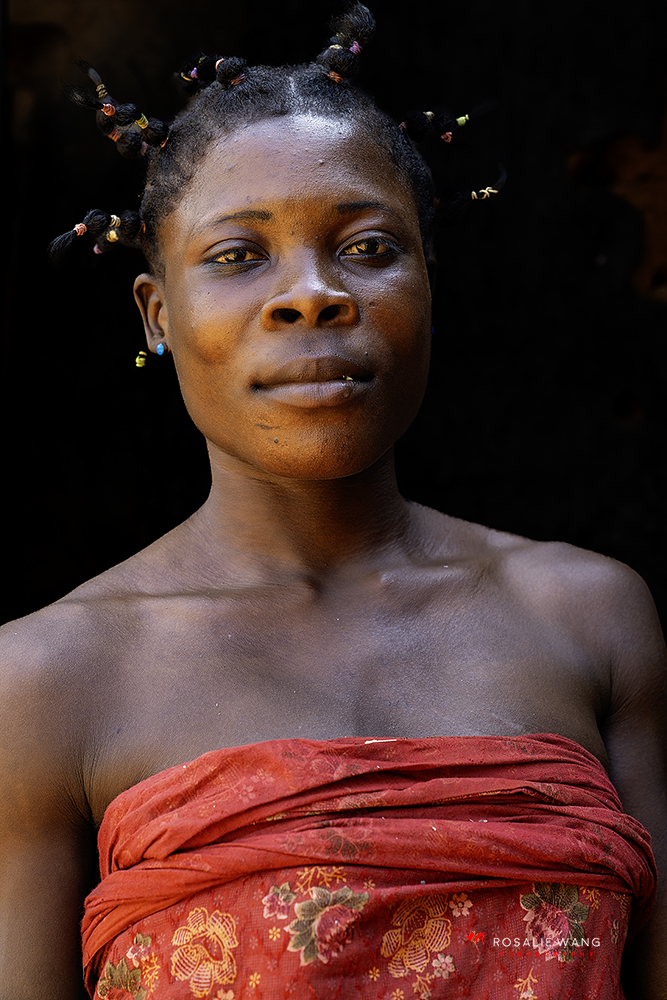
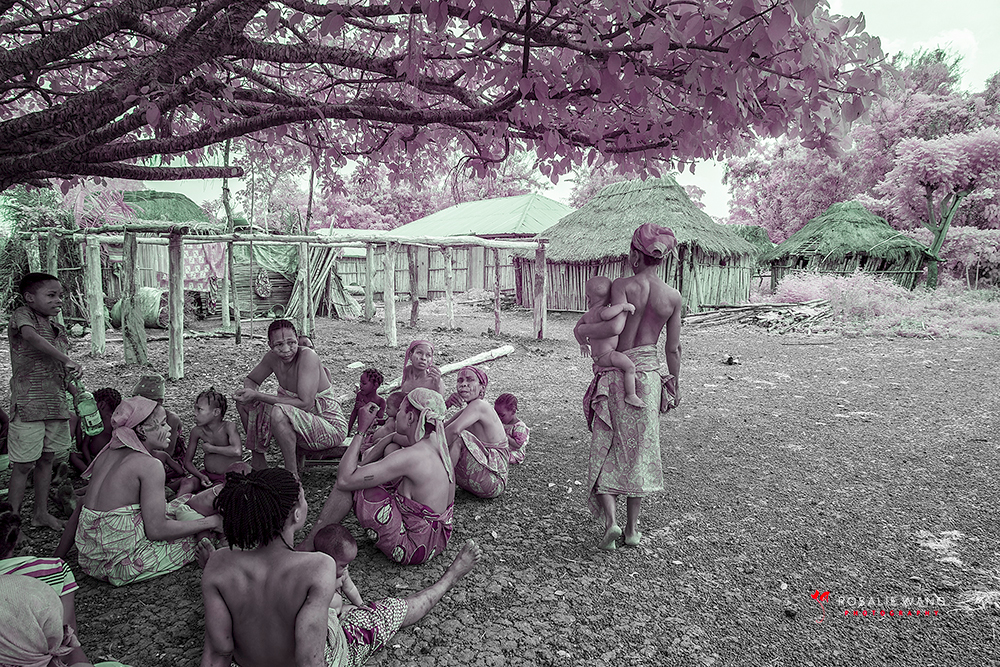
The Holi people, also known as Ohori or Ije, are a Yoruba subgroup living in the Kumi swamp region of southeastern Benin, especially near Onigbolo Isaba, between Pobè and Kétou. Scarification is central to Holi identity and beauty.
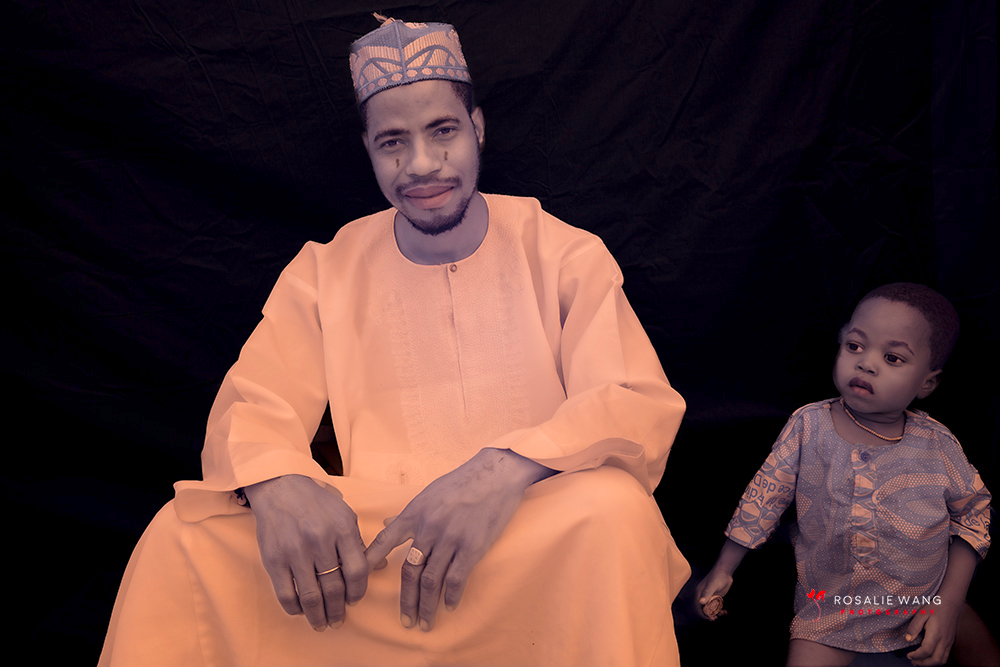
- Facial marks — each family has a unique pattern, used for recognition and lineage tracing.
- Stomach marks (women) — believed to enhance fertility; “the more scars, the more children.”
- Protective function — scarification historically deterred slave traders, acting as a form of cultural resistance.
- Tattoo artistry — women also use tattoos to express beauty, status, and spiritual protection.
These traditions are fading but remain visible among elders and in ceremonial contexts.
🏘️Northern Benin — Landscapes of Mobility, Earth, Kingship, and Ancestral Memory
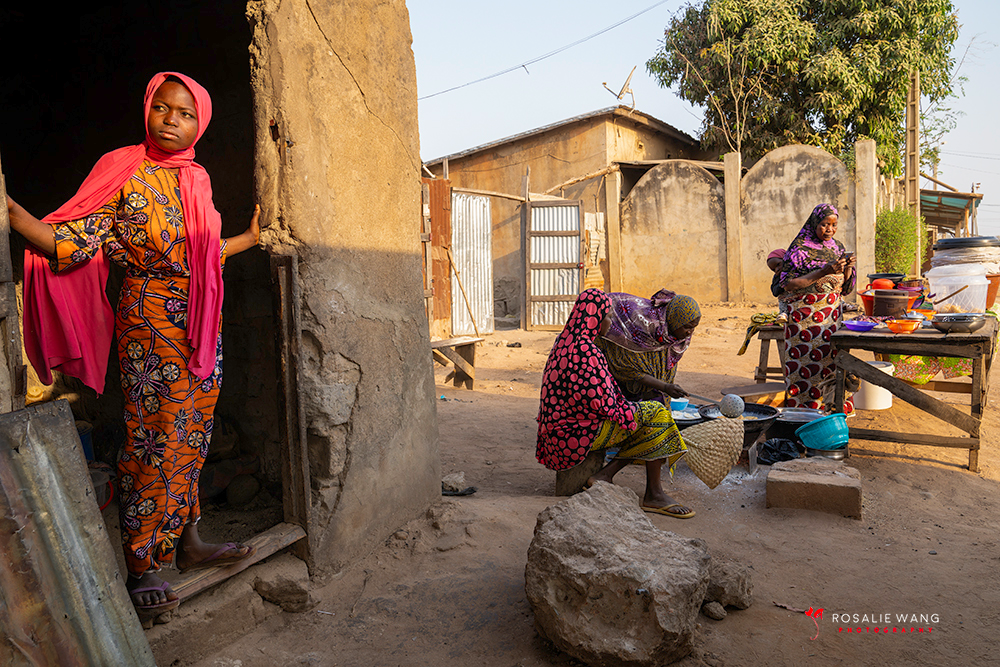
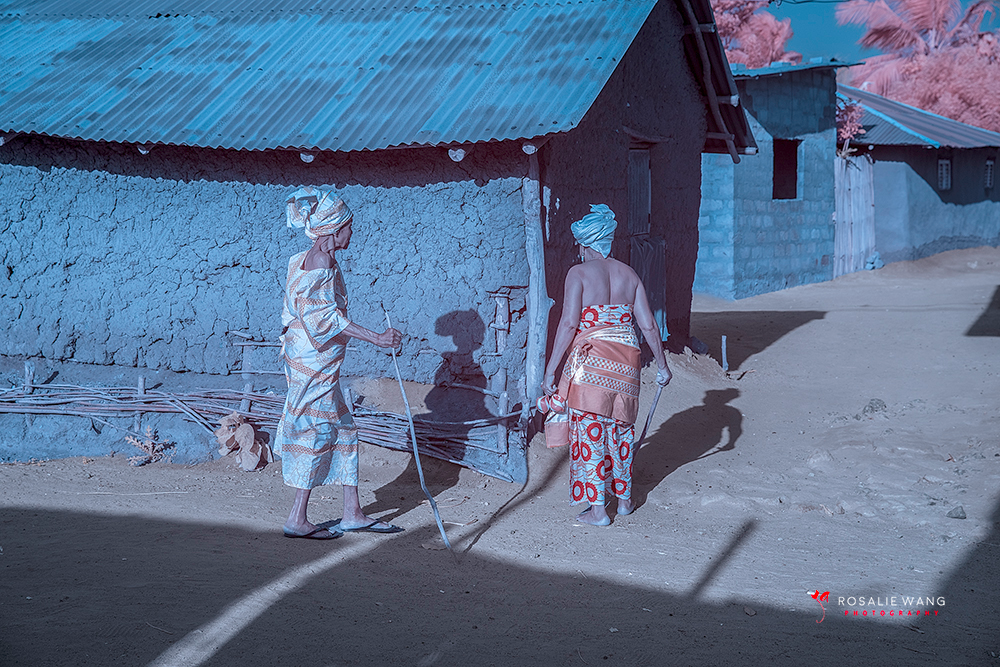
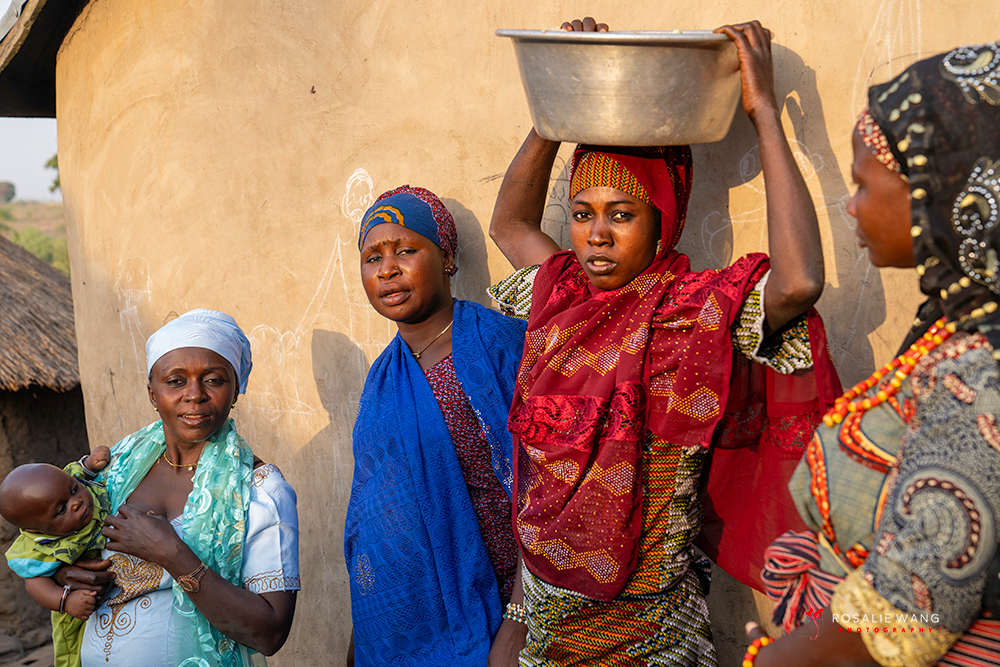
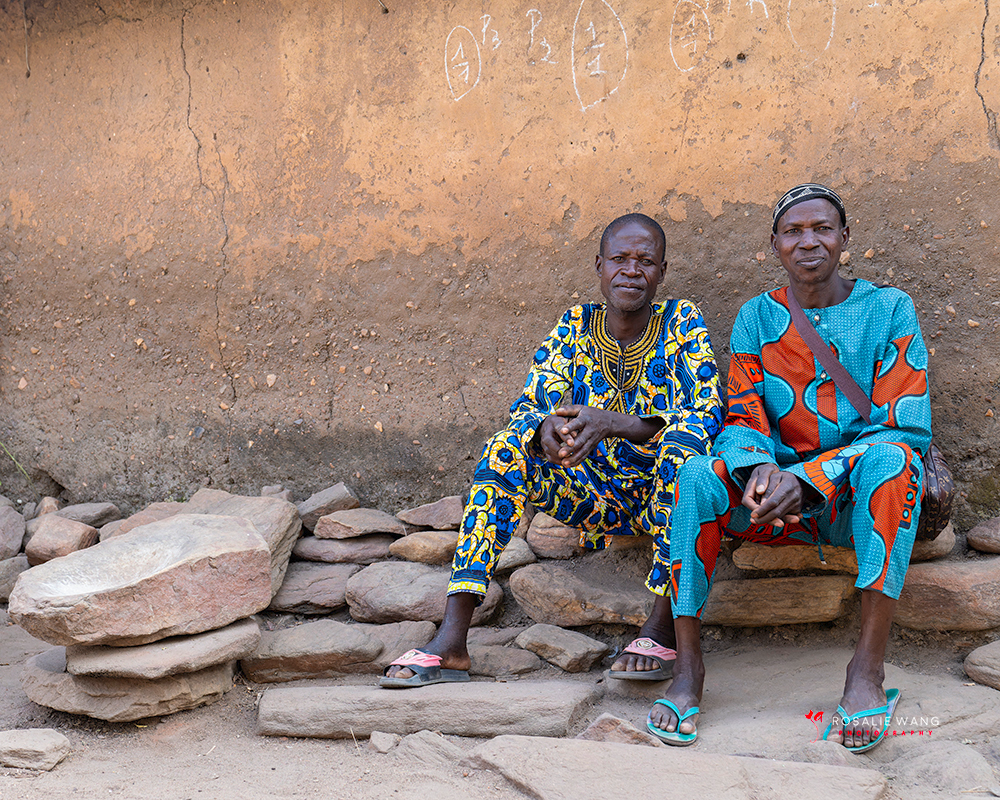
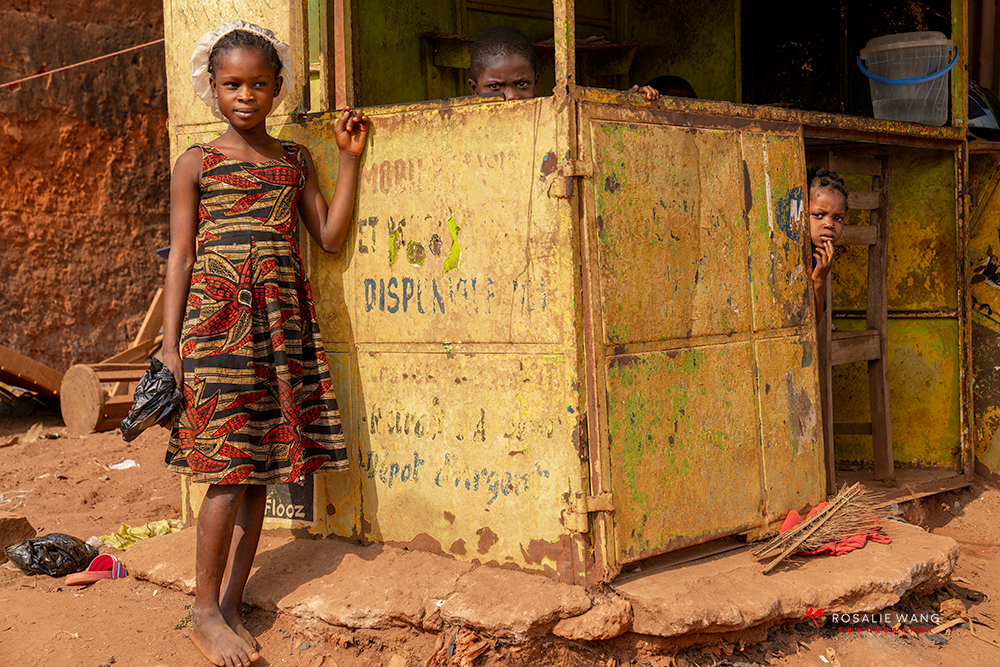
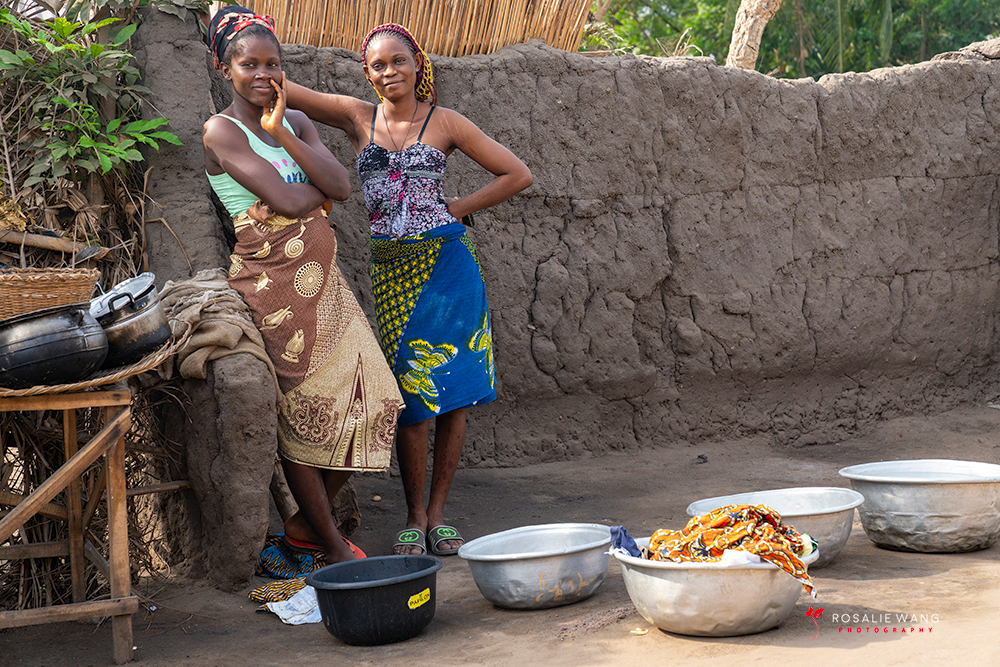
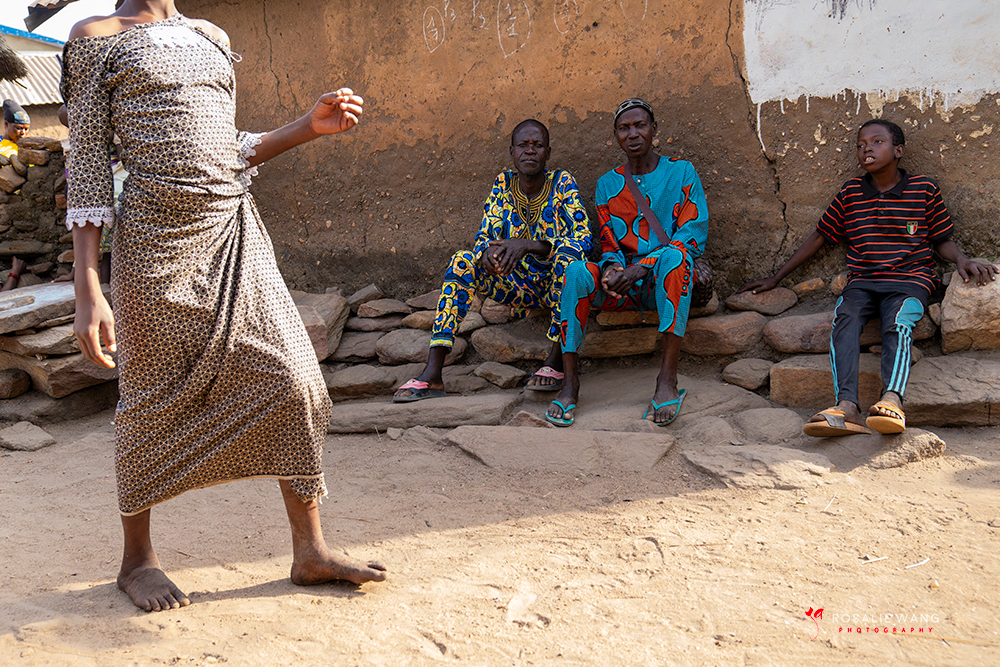
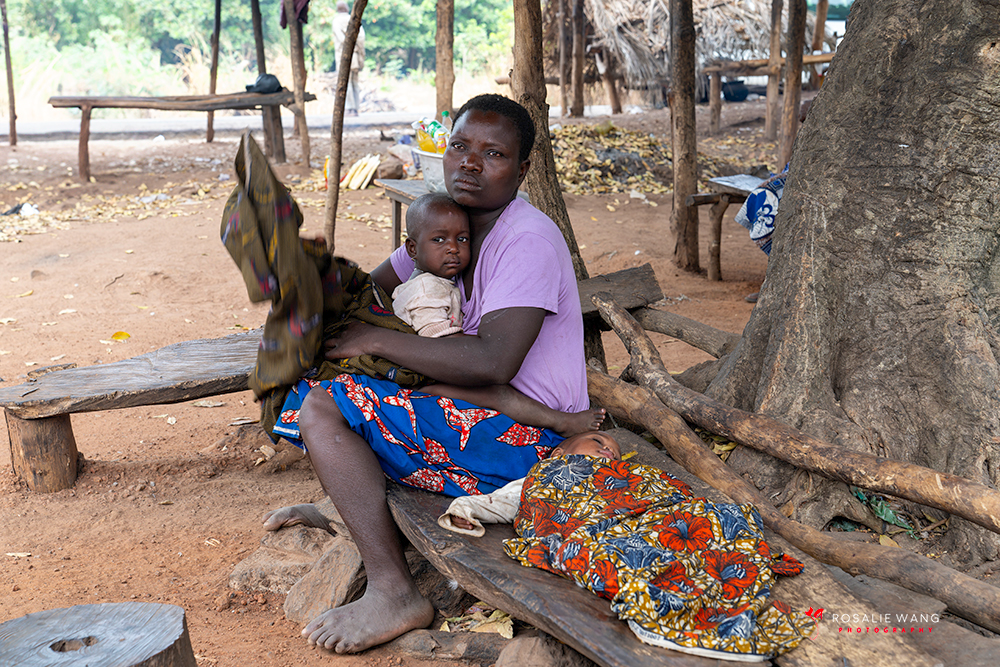
Northern Benin is a meeting place of four distinct cultural worlds, each shaped by its own relationship to land, movement, and identity. Across the savannas, mountains, and royal plains, daily life unfolds in rhythms that are as old as the region’s kingdoms and as dynamic as its shifting seasons.
🧭Fulani — The Pastoral Horizon
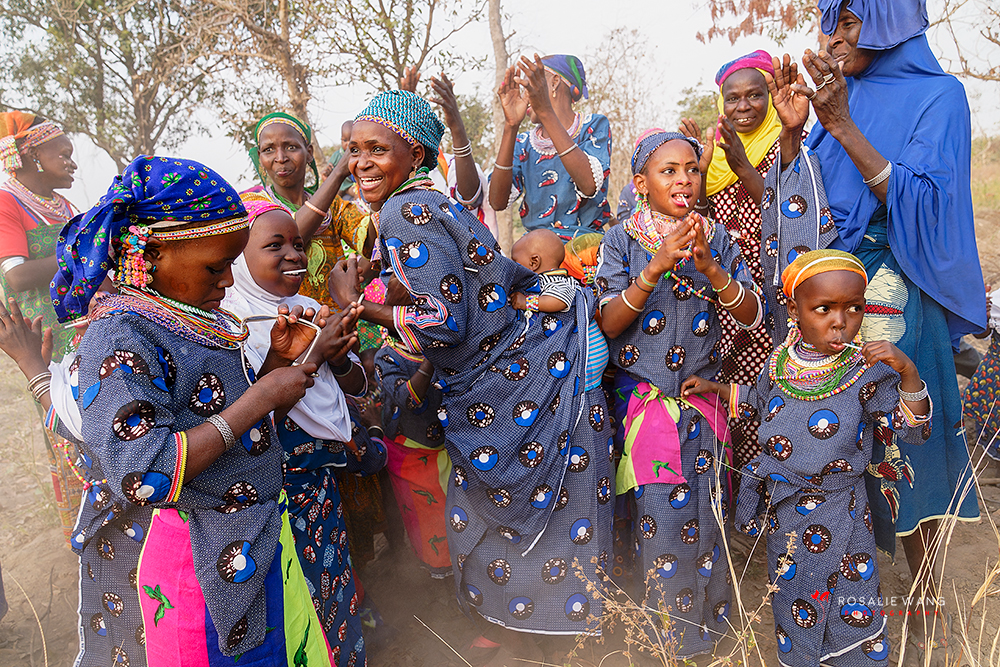
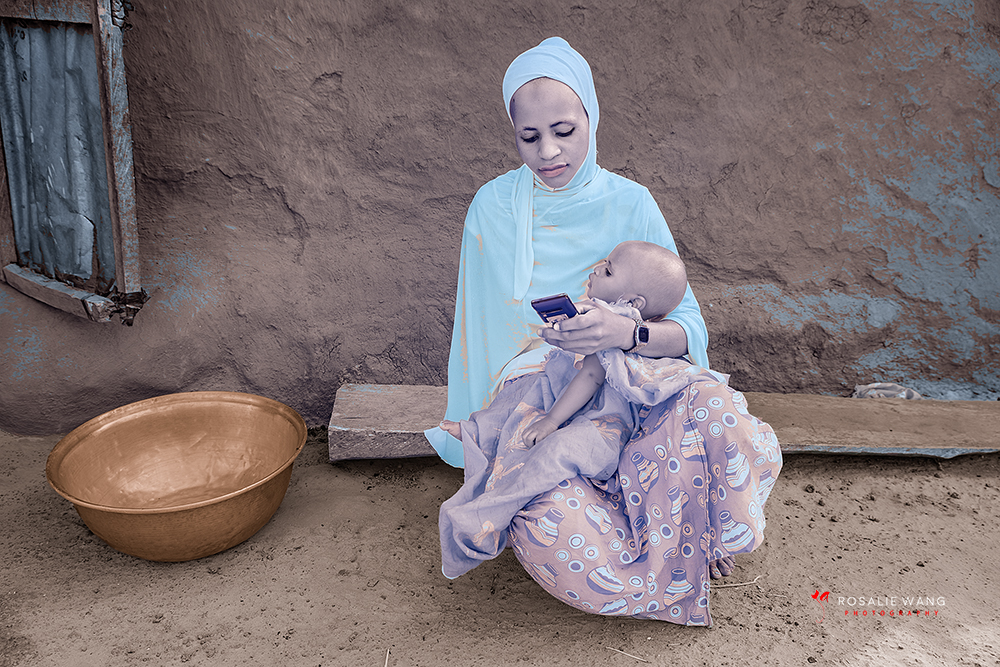
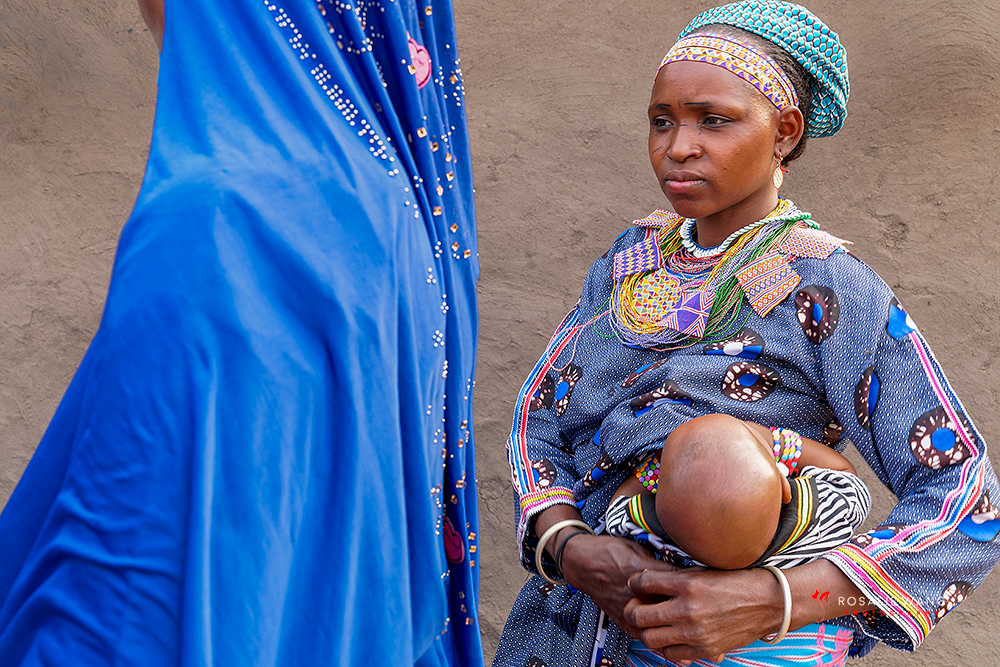
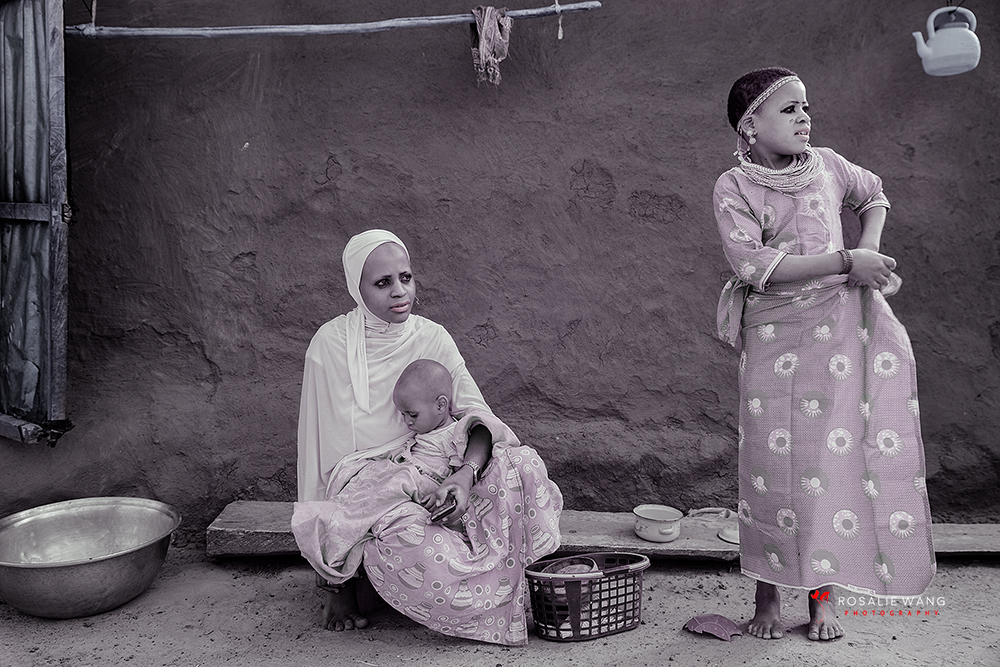
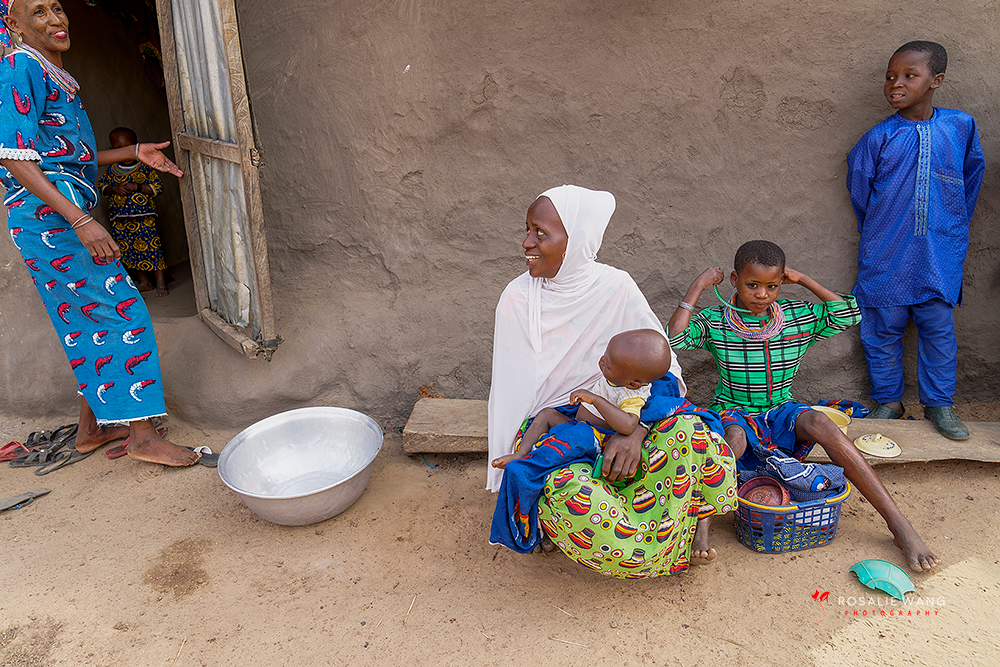
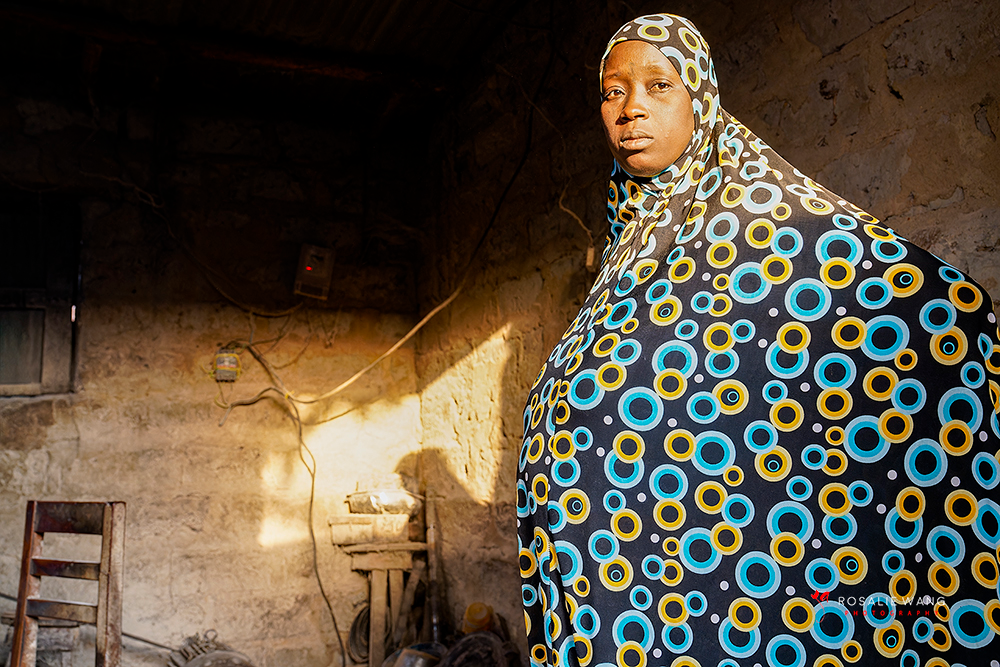
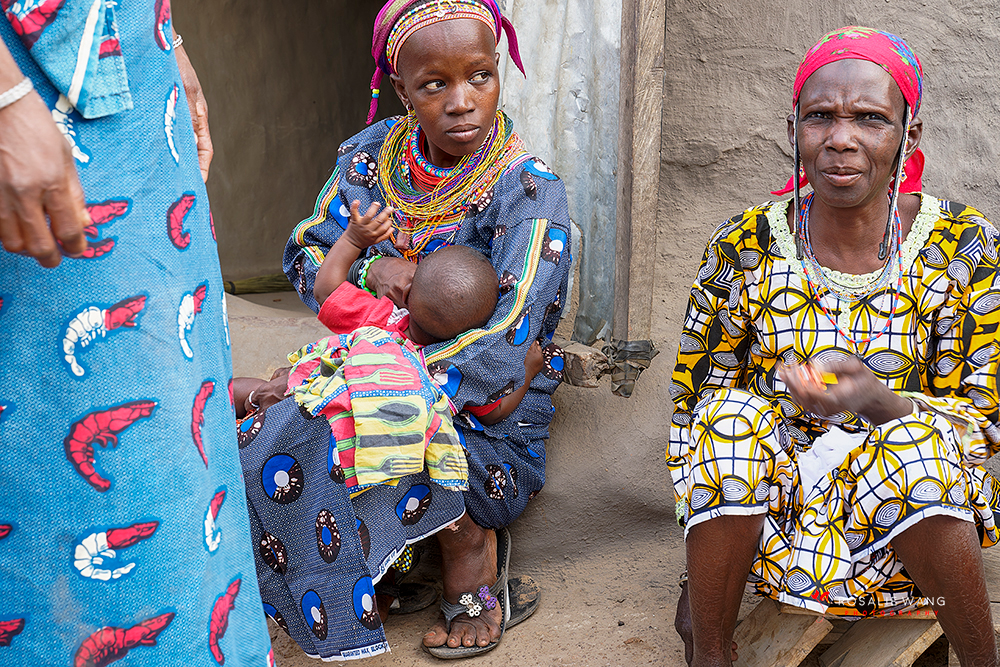
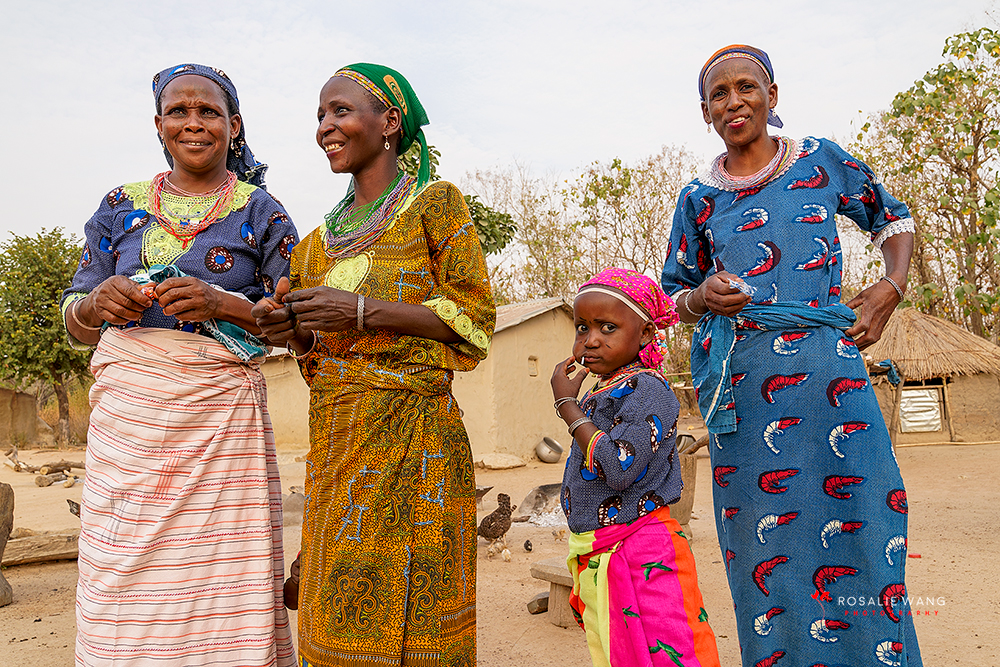
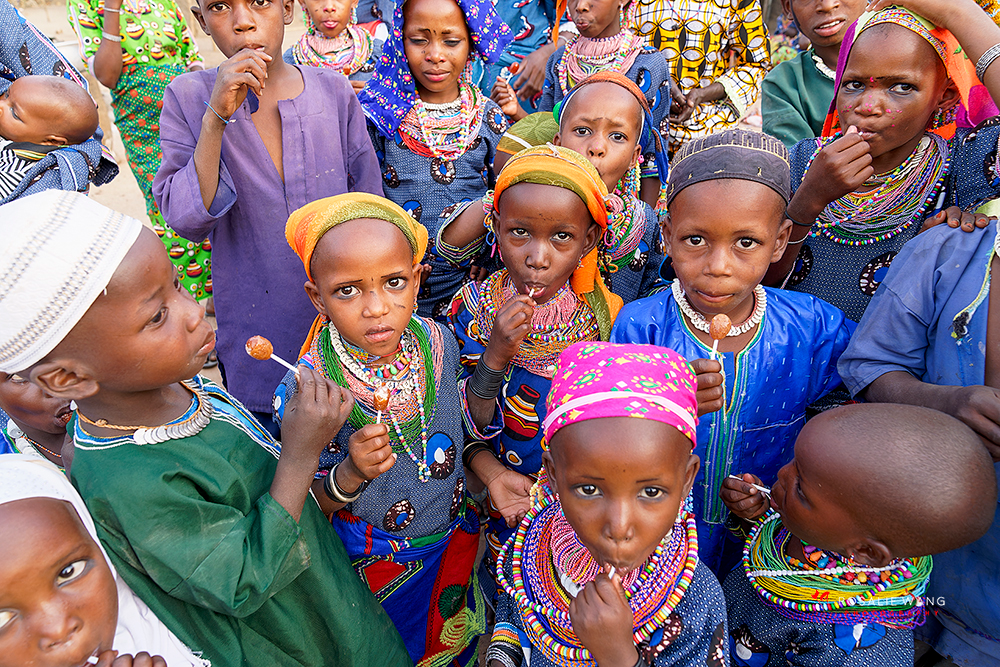
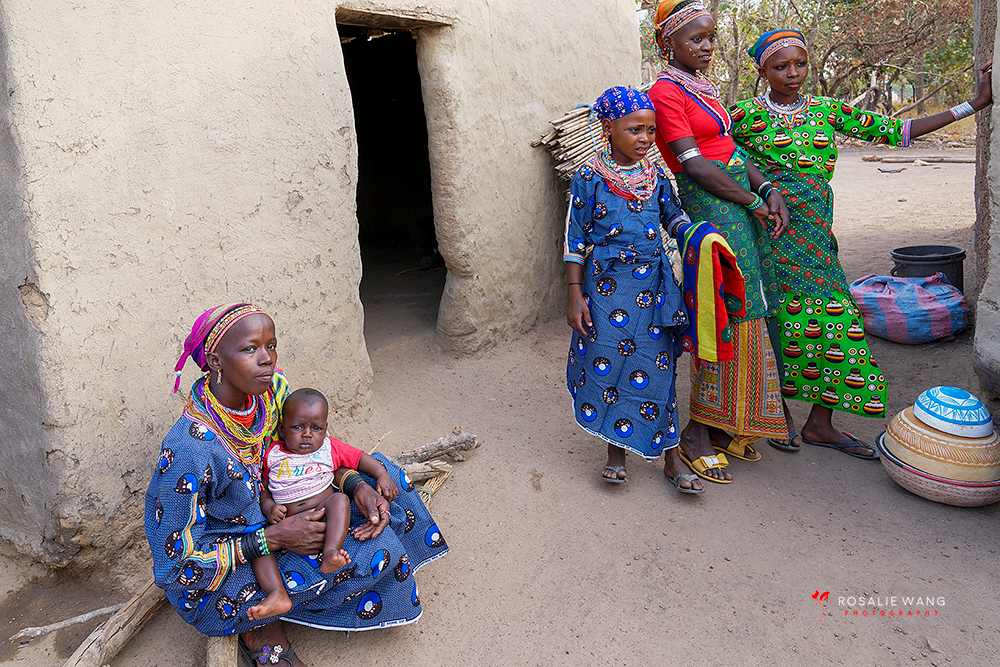
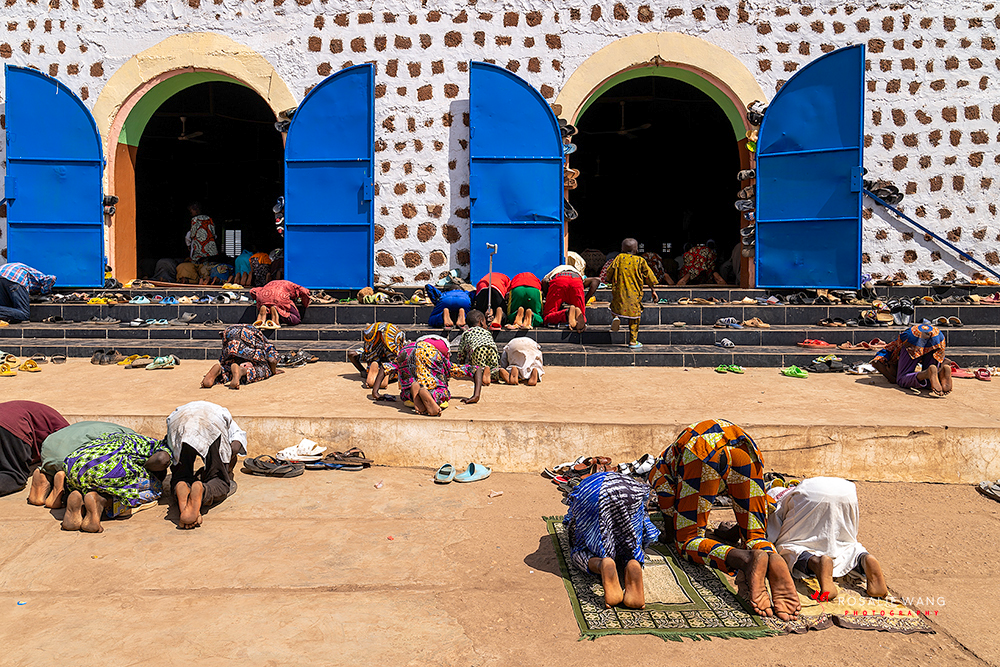
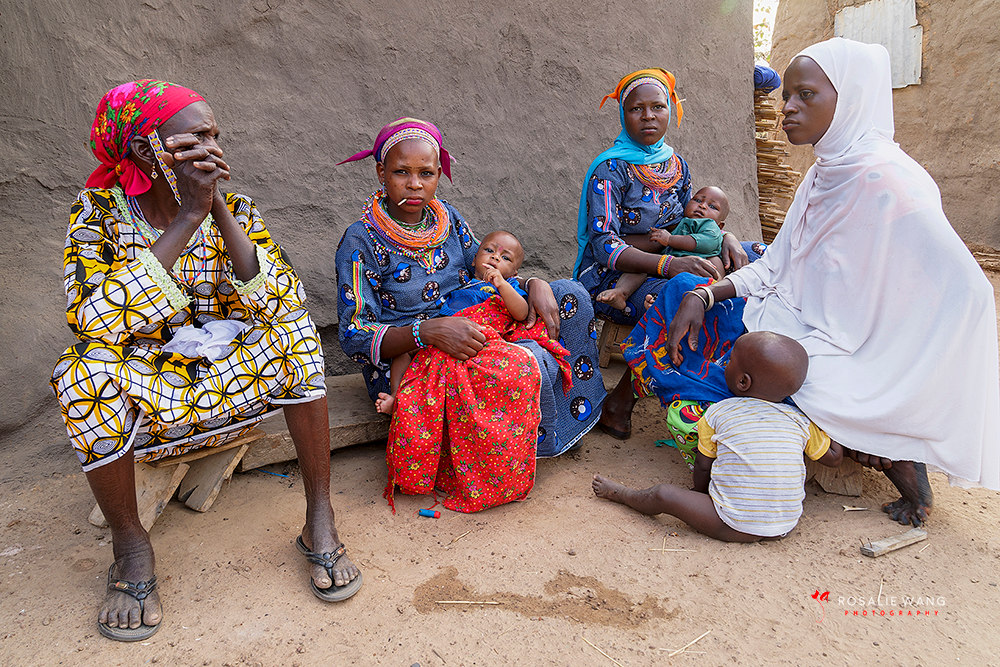
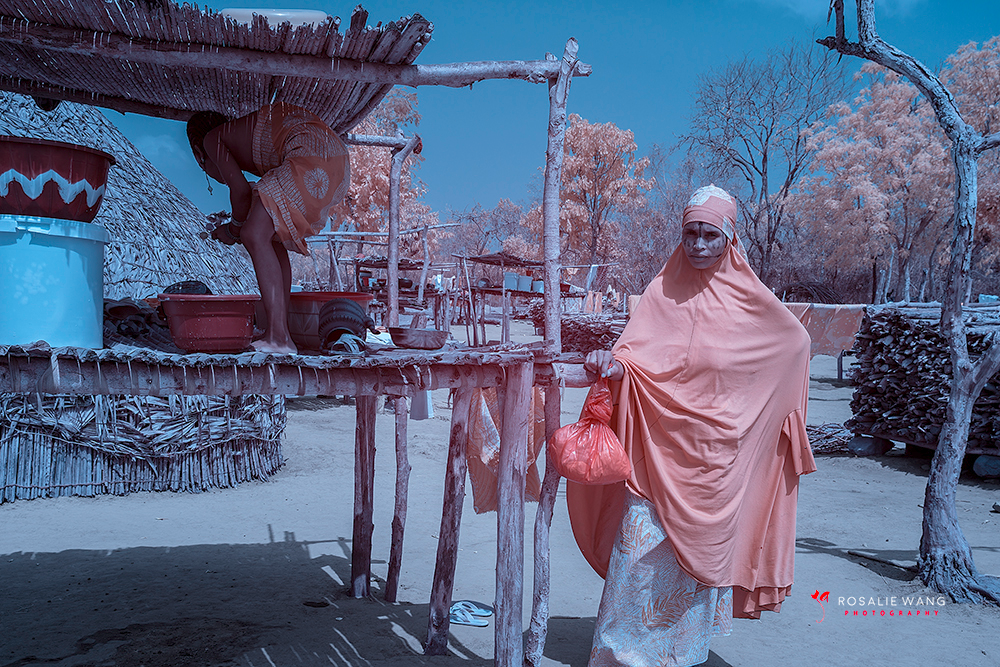
The Fulani move with the seasons, following their cattle across the open savanna. Their world is defined by mobility, Islamic scholarship, and the moral code of pulaaku, which values dignity, restraint, and grace. Silver jewelry, braided hairstyles, and the fluid posture of herders at dawn create a visual identity rooted in elegance and movement.
🏠Otamari — The Earthbound Fortress
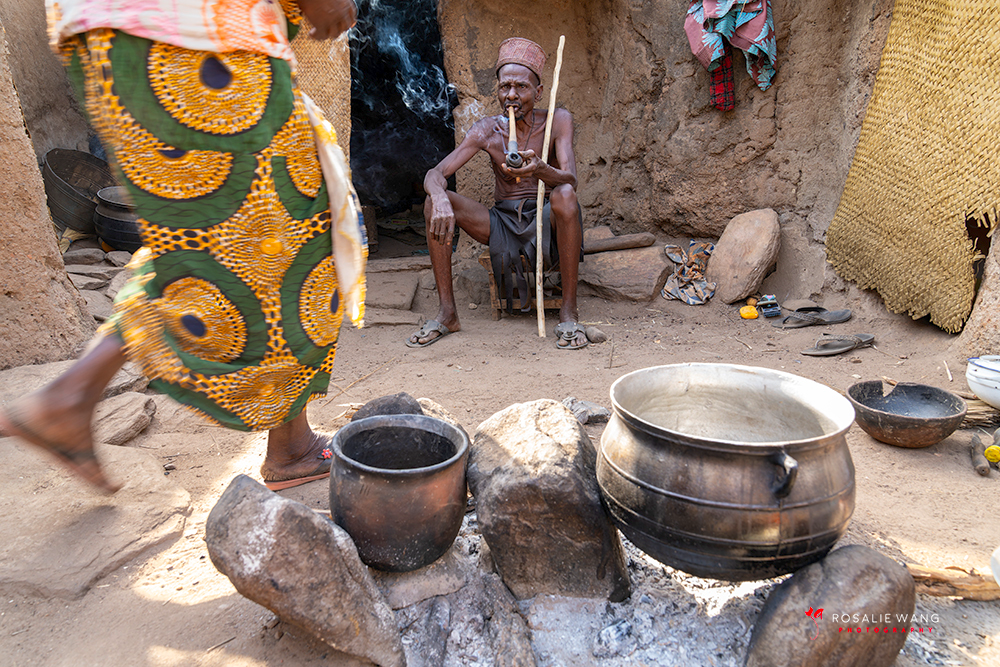
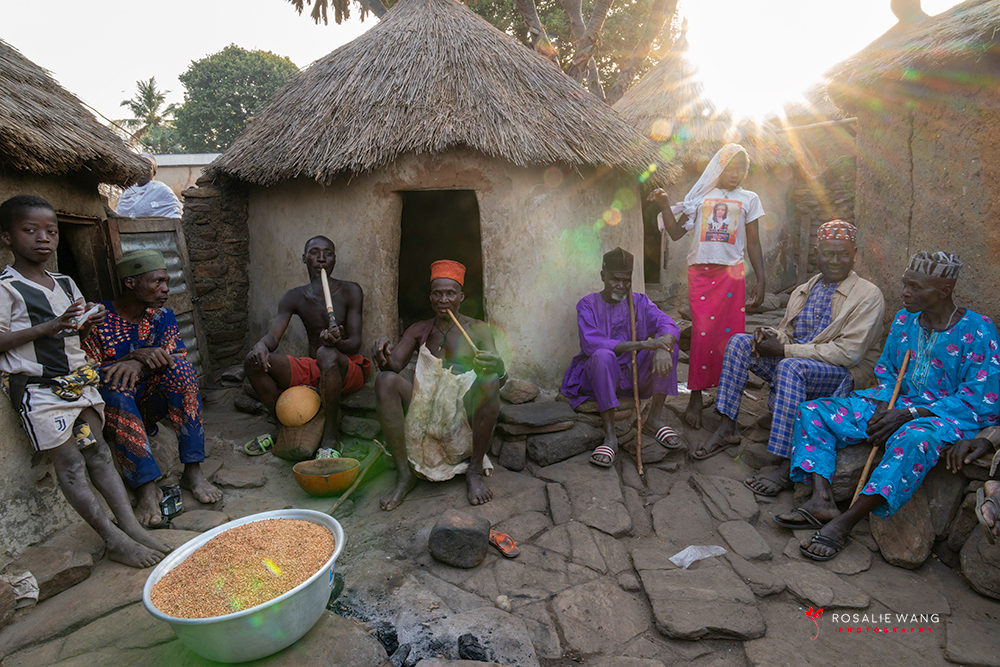
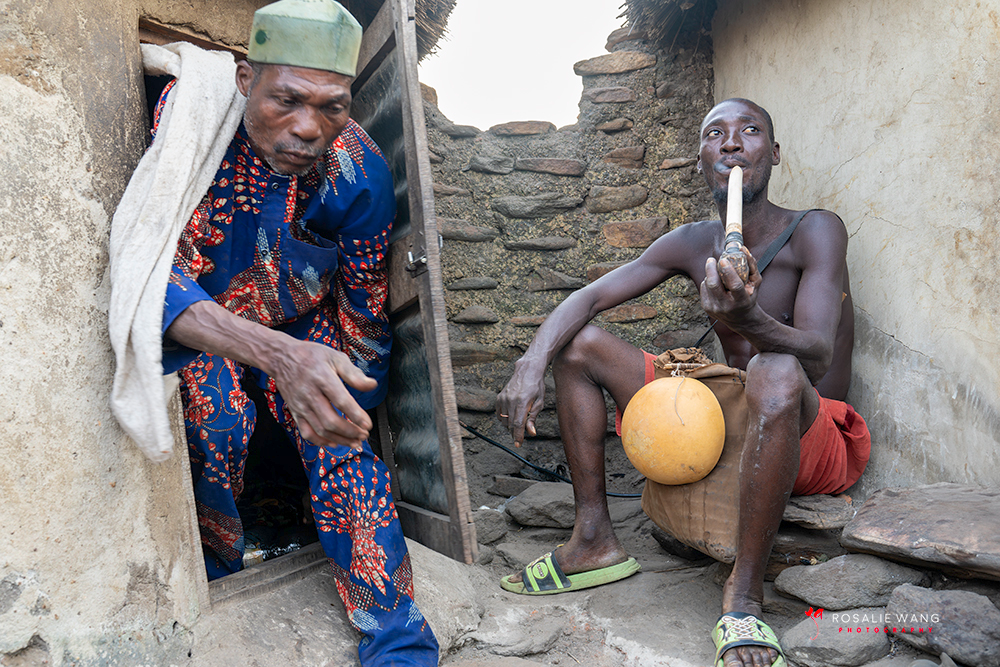
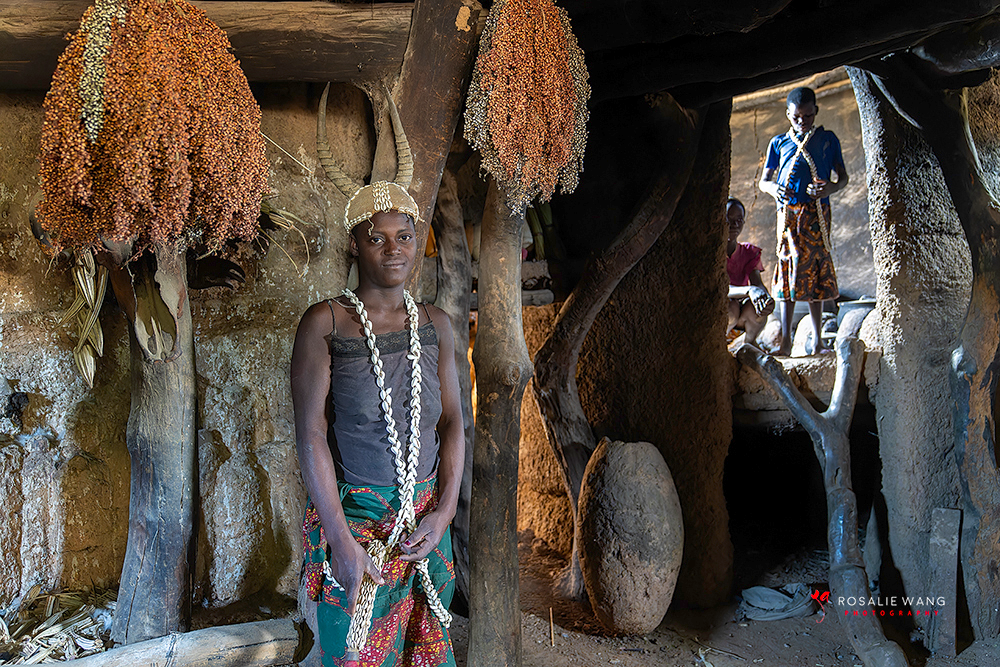
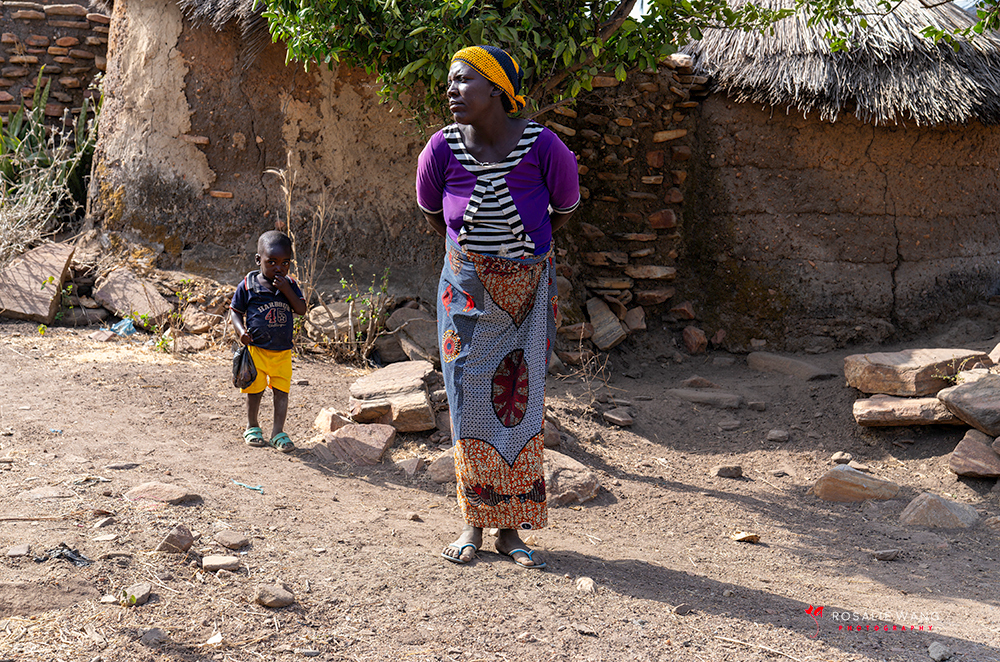
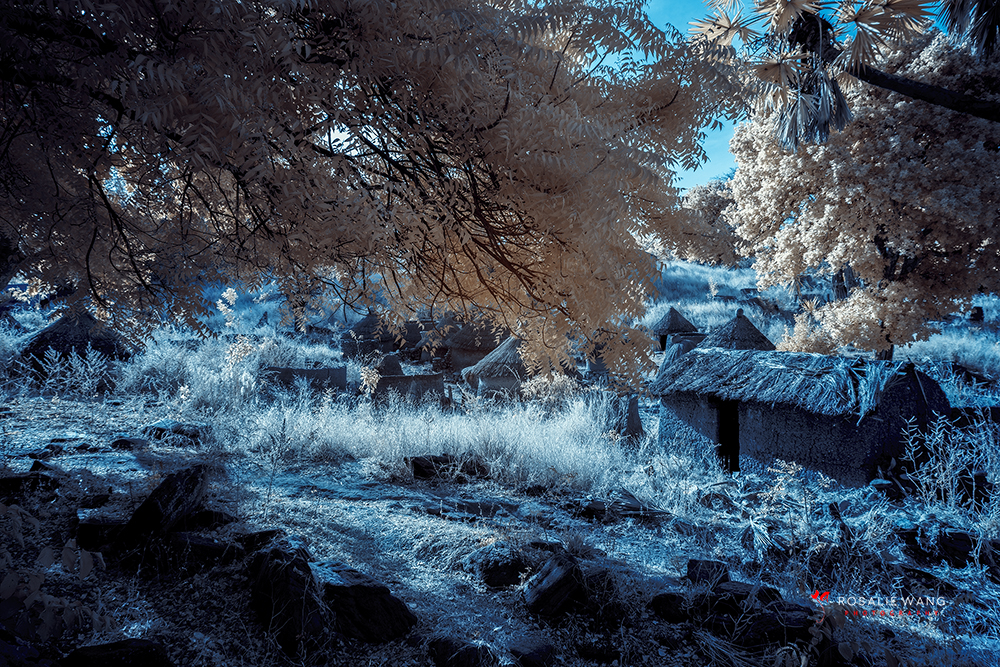
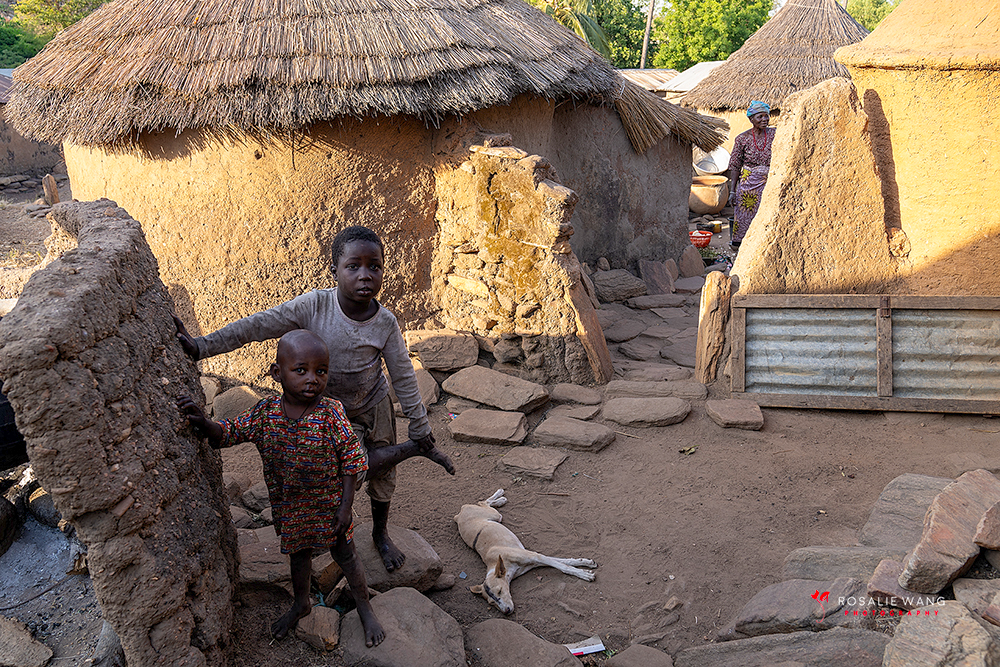
In the Atakora foothills, the Otamari build the iconic tata somba, multi‑story clay fortresses that rise from the earth like sculpted guardians. Their lives revolve around farming, ancestral shrines, and protective rituals. Scarification, pottery, and geometric architecture give their world a grounded, elemental aesthetic.
🐎Baatonu (Bariba) — The Royal Plains
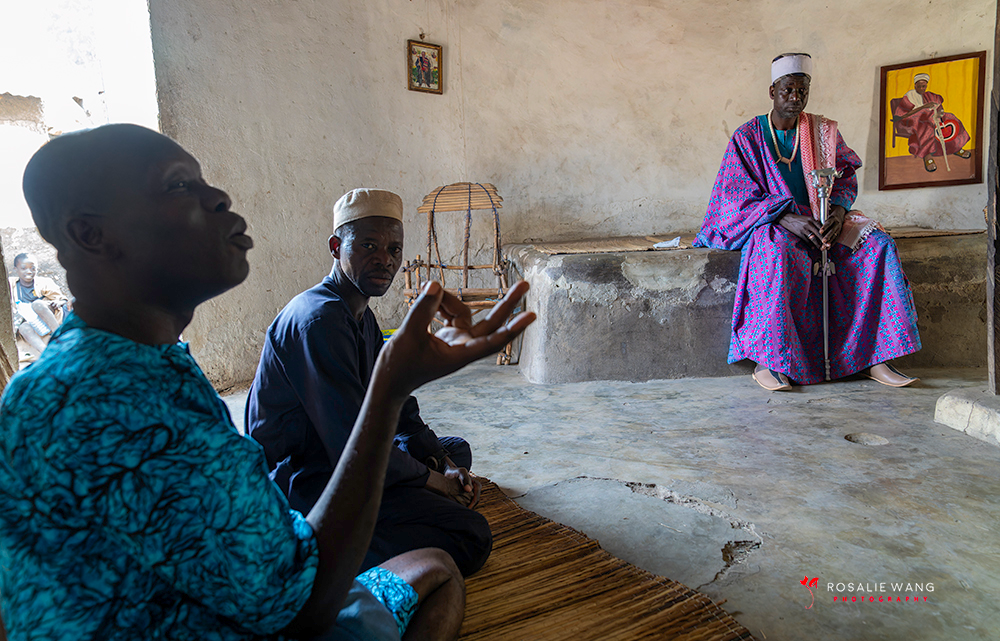
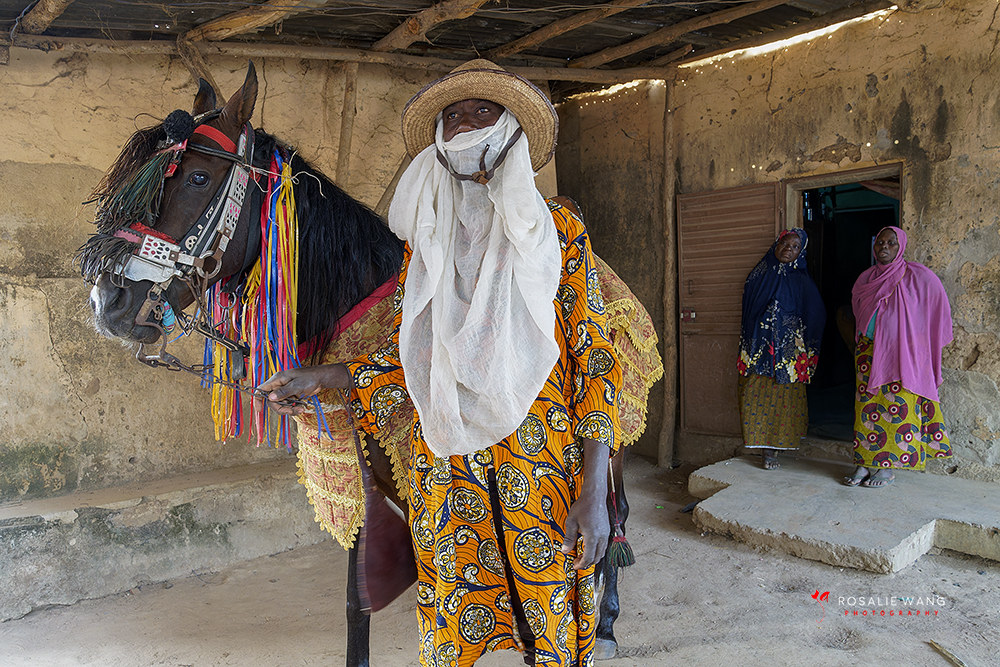
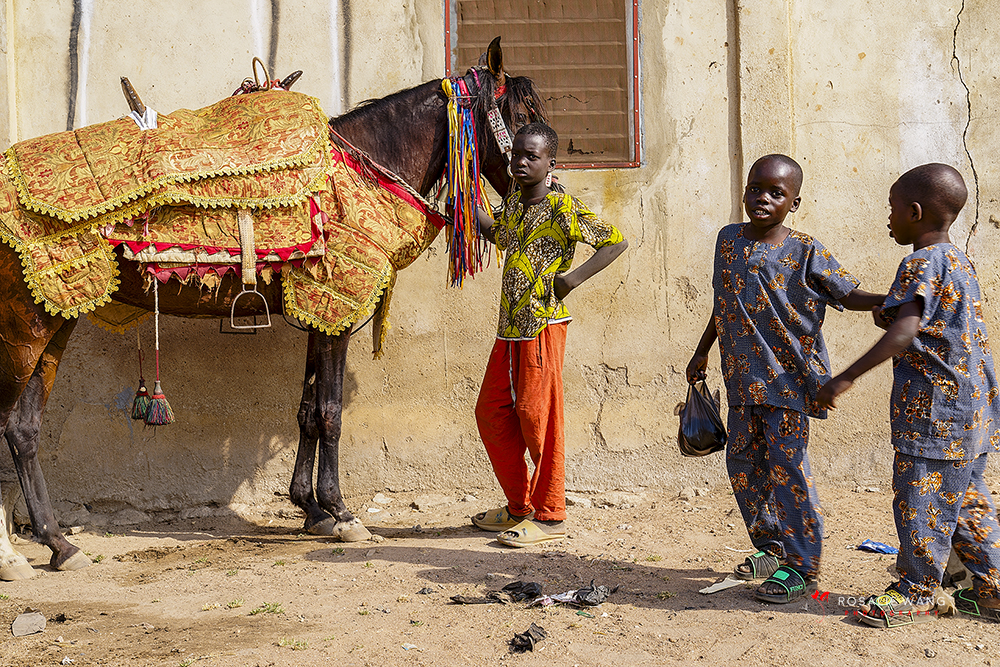
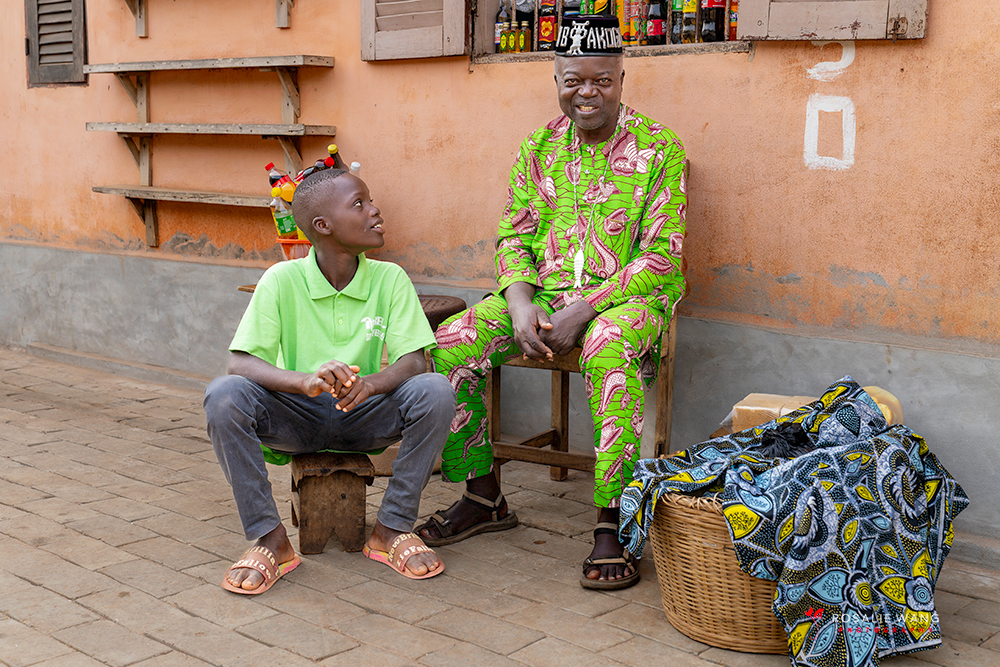
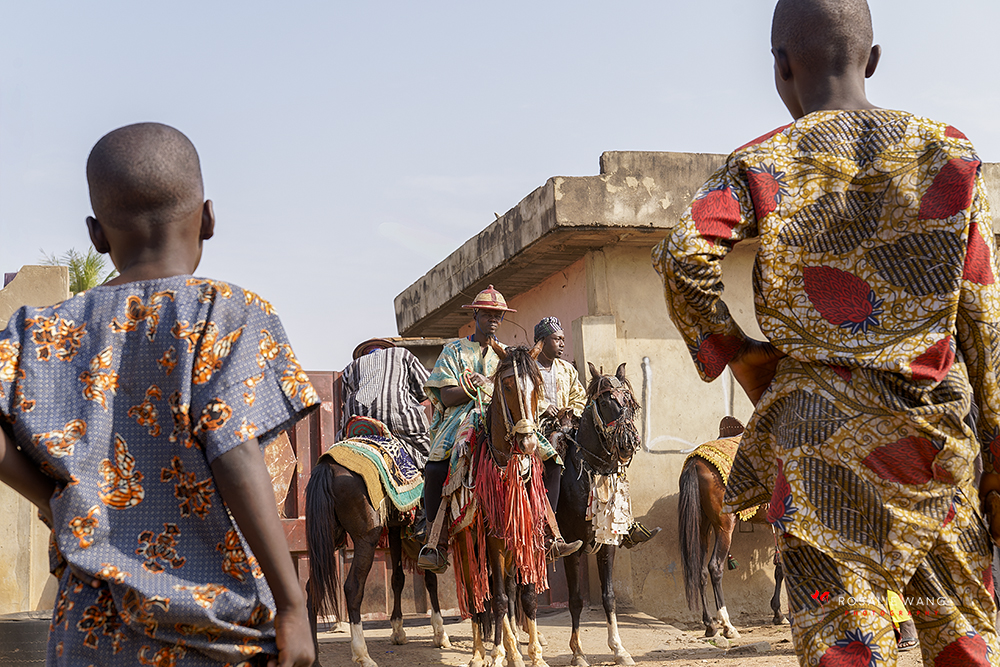
The Baatonu of Borgou and Alibori carry the legacy of the Kingdom of Nikki, a cavalry‑based state known for its hierarchical structure and ceremonial traditions. Horses, embroidered tunics, and royal compounds define their visual landscape. Their identity blends Islam, chieftaincy, and agricultural life across the northeastern plains.