🇰🇭 CAMBODIA
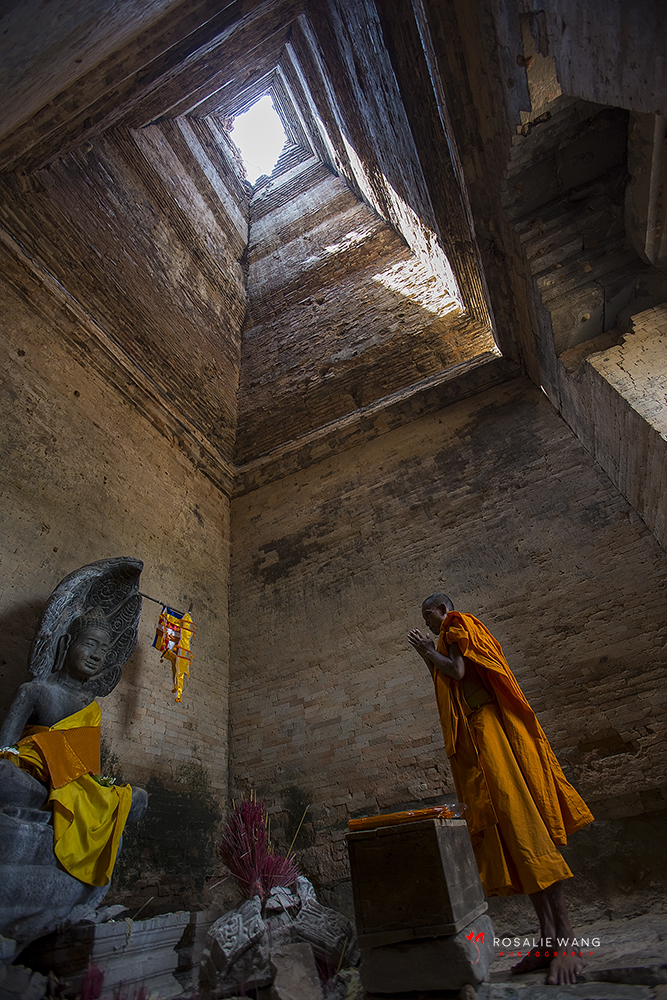
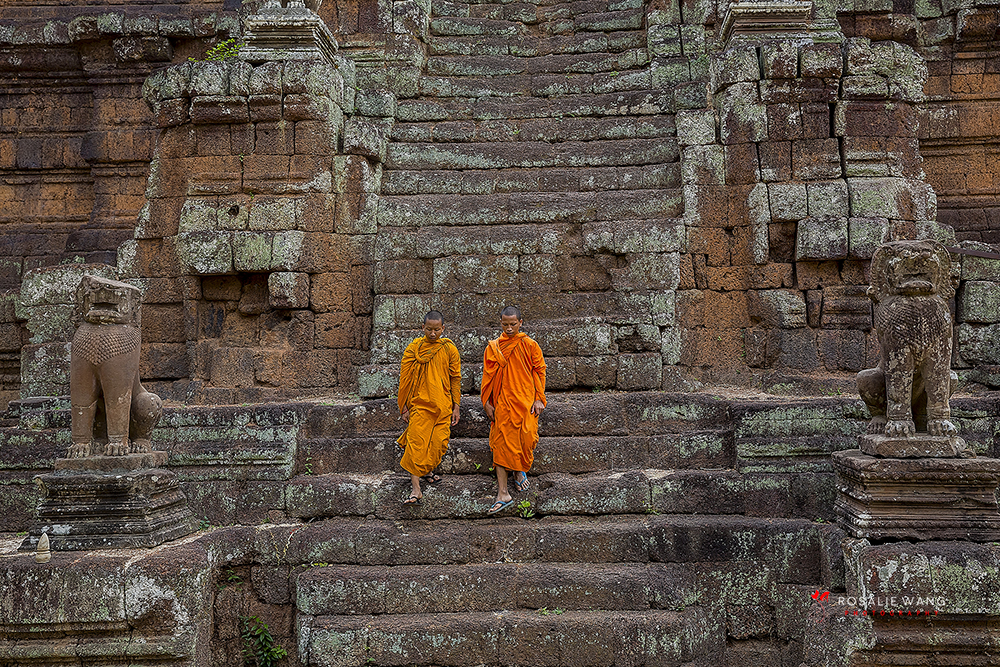
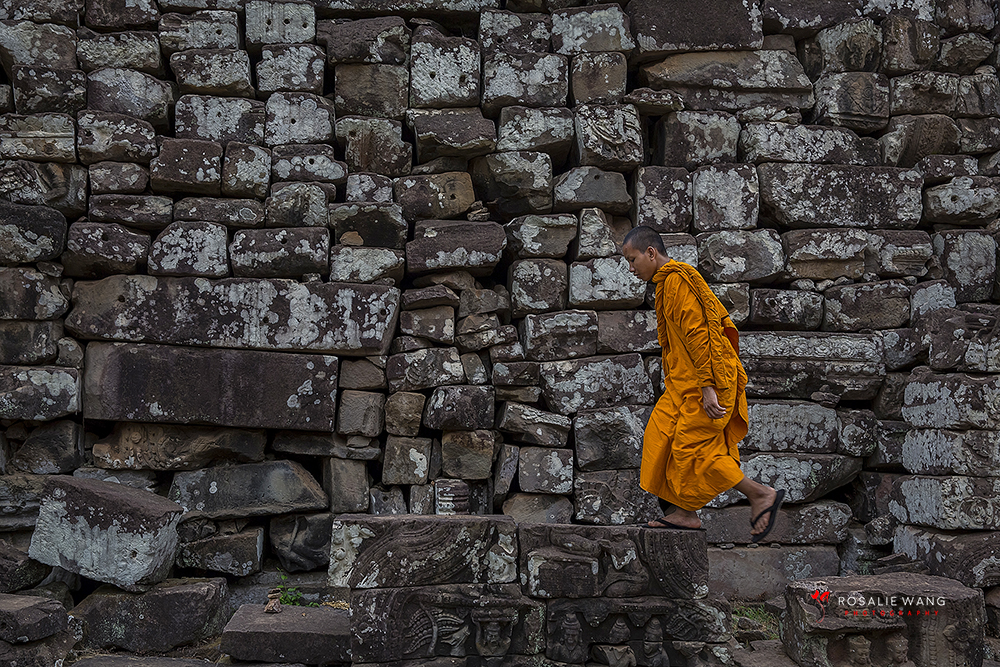
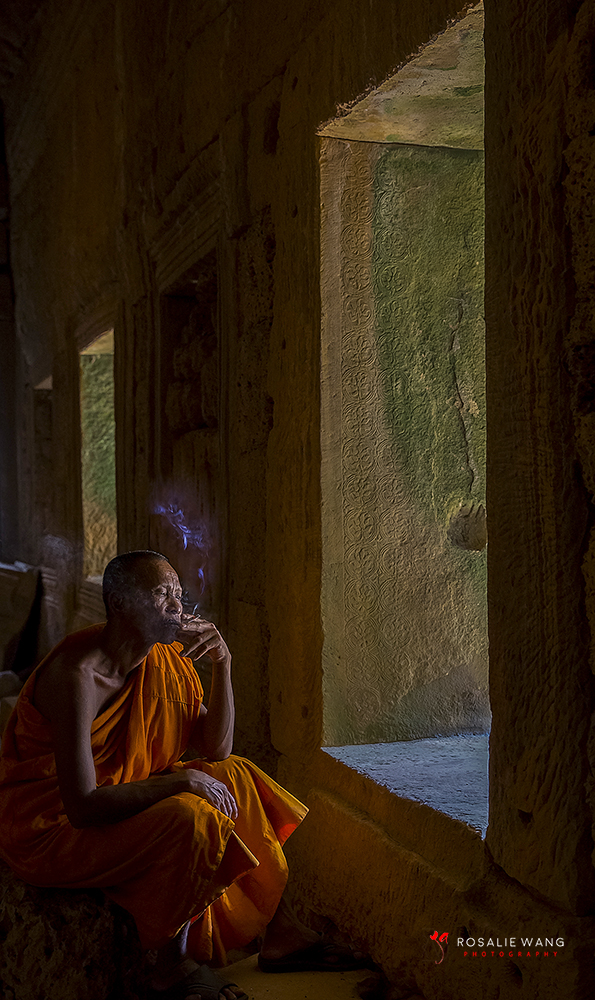
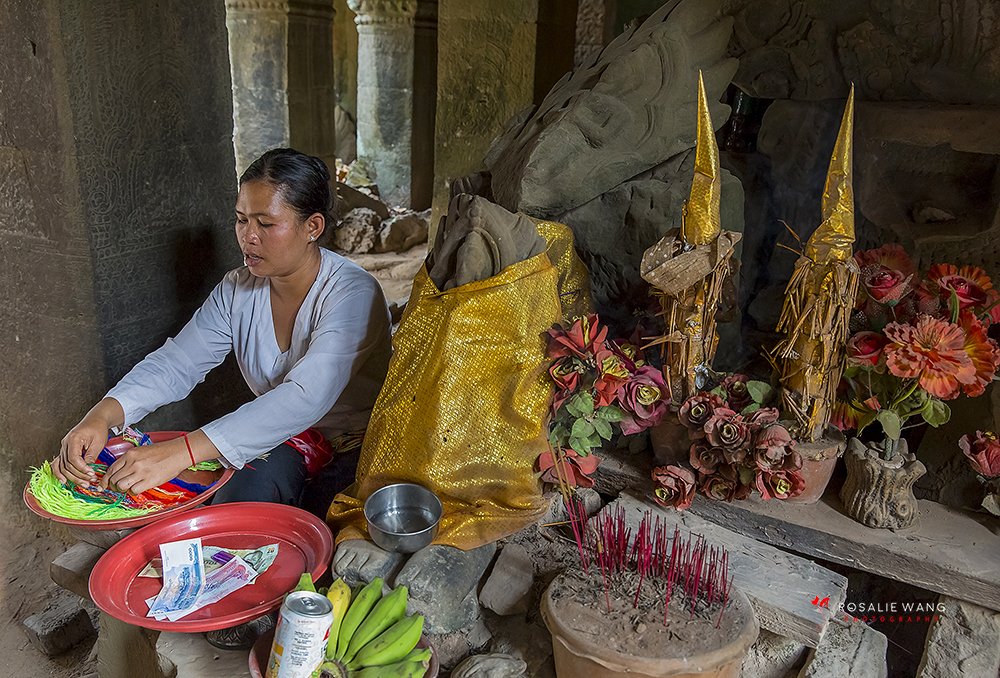
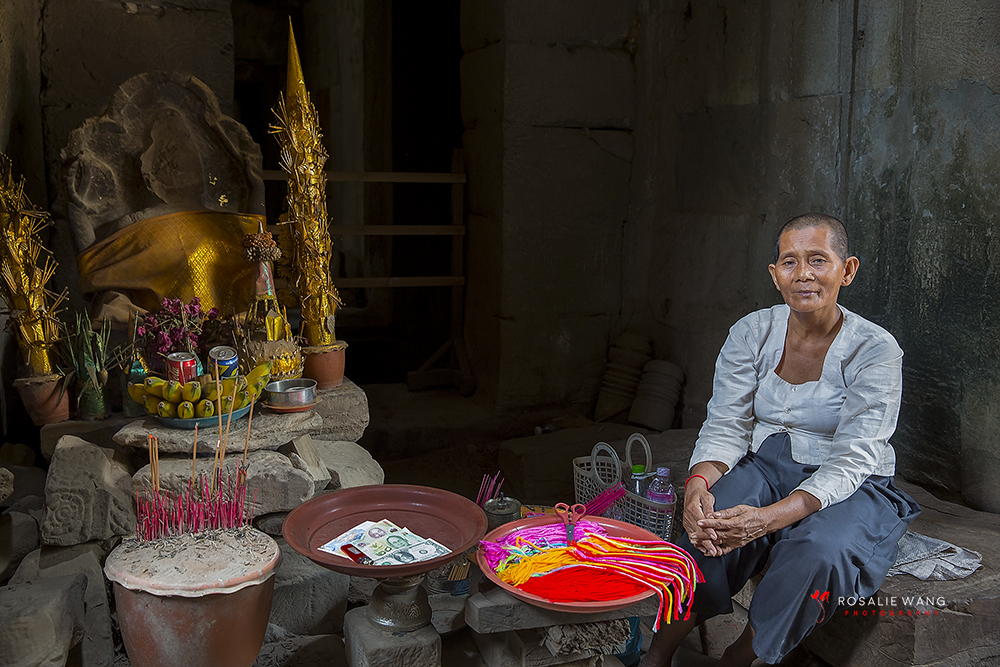
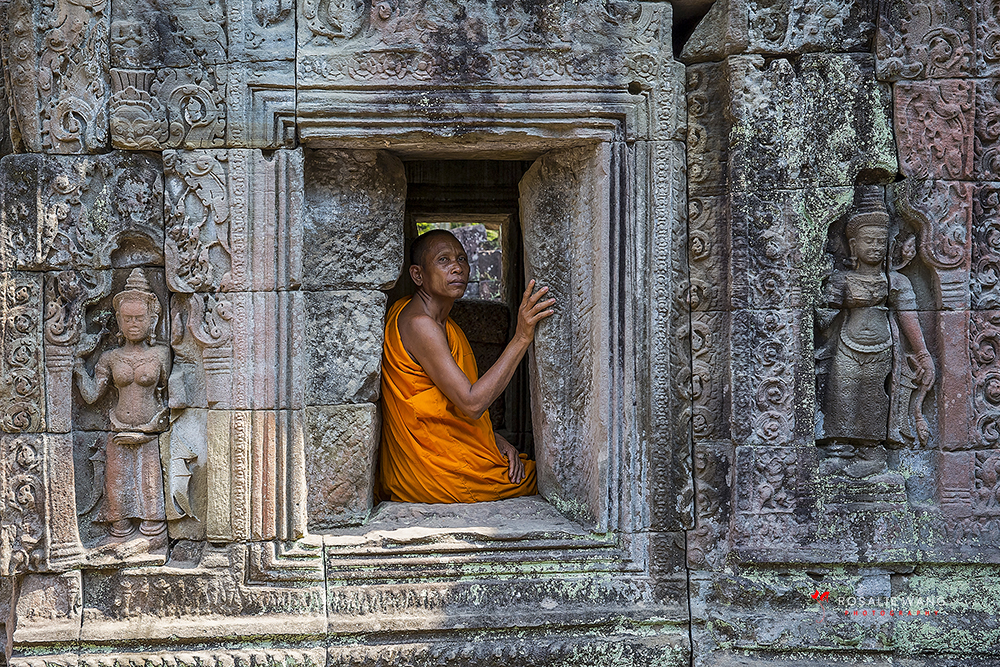
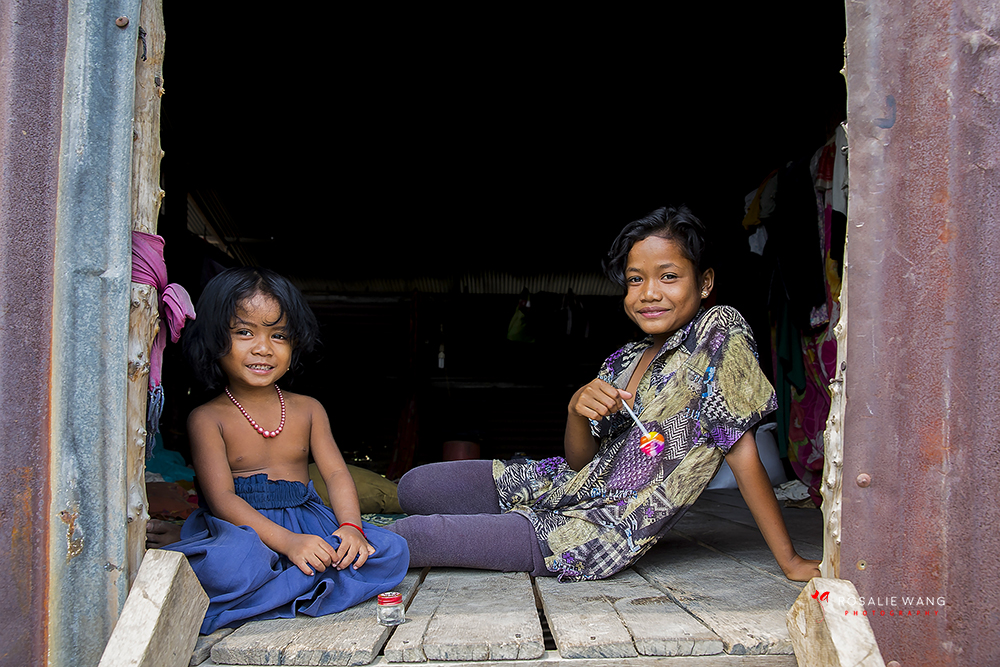
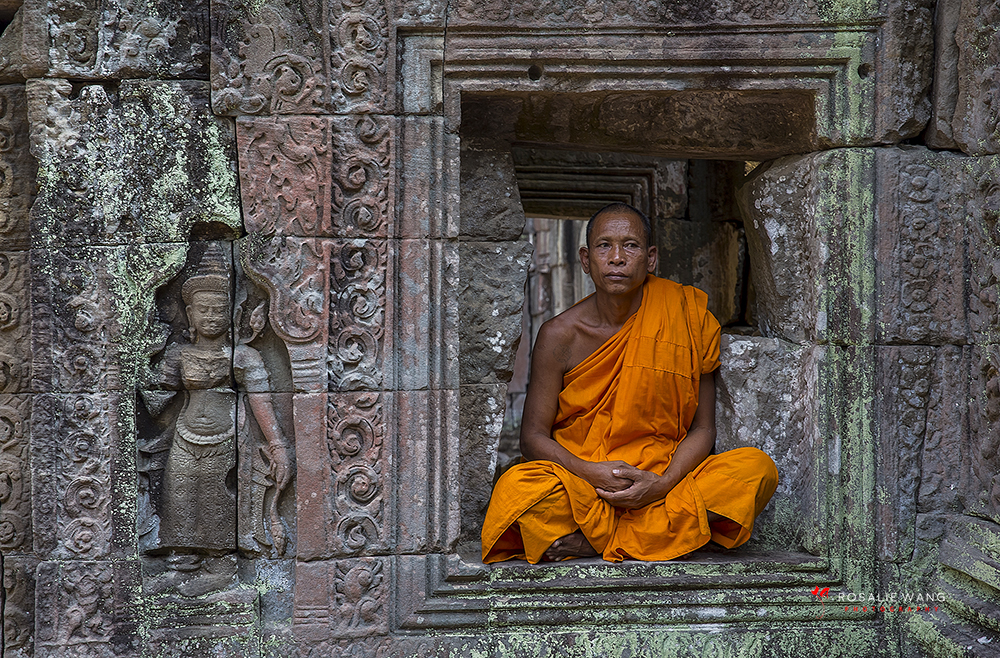
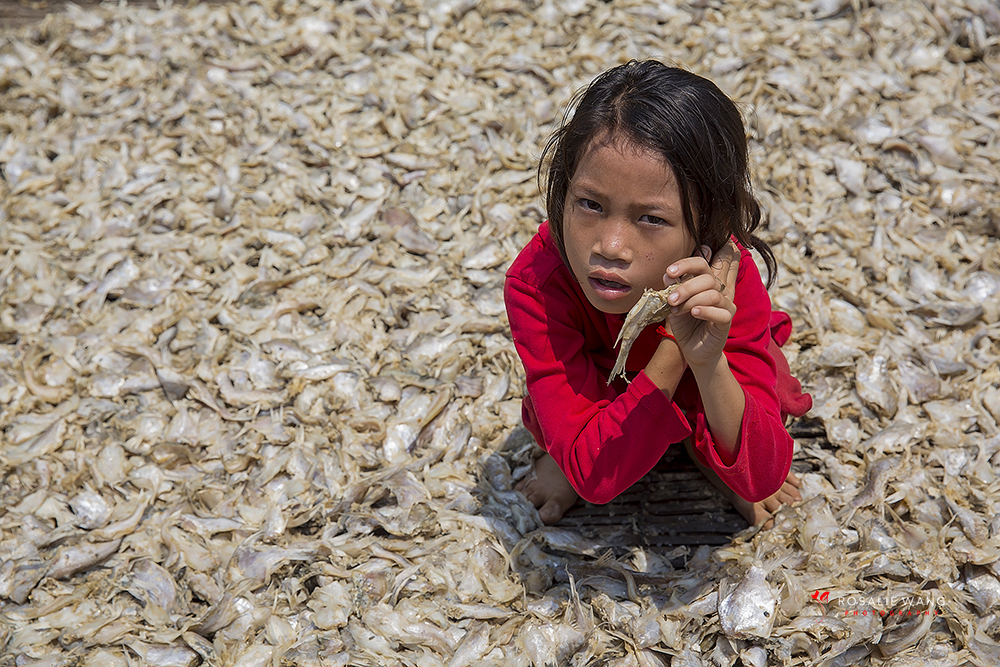
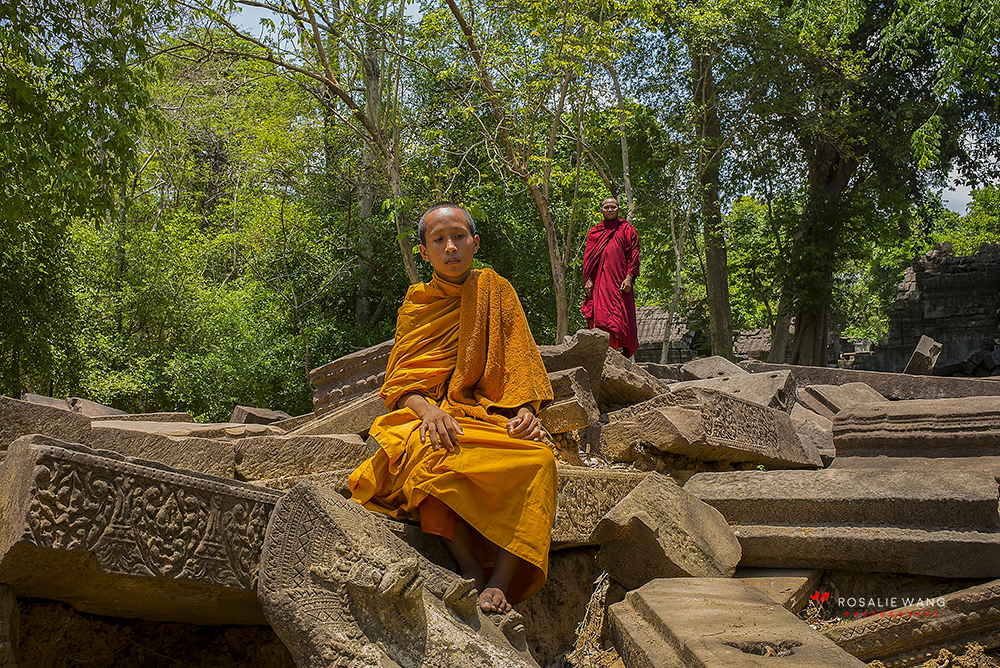
Cambodia is defined by the legacy of the Khmer Empire, the monumental Angkor temple complex, a resilient Khmer-majority population, and a cultural life shaped by Theravada Buddhism and artistic traditions.
🏛️ Historical Sites
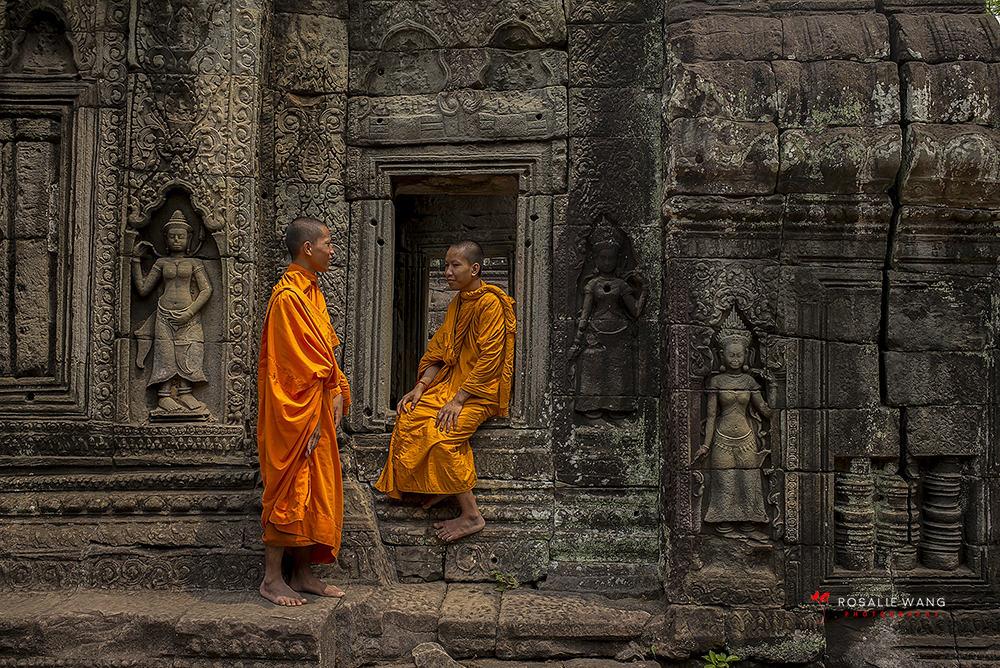
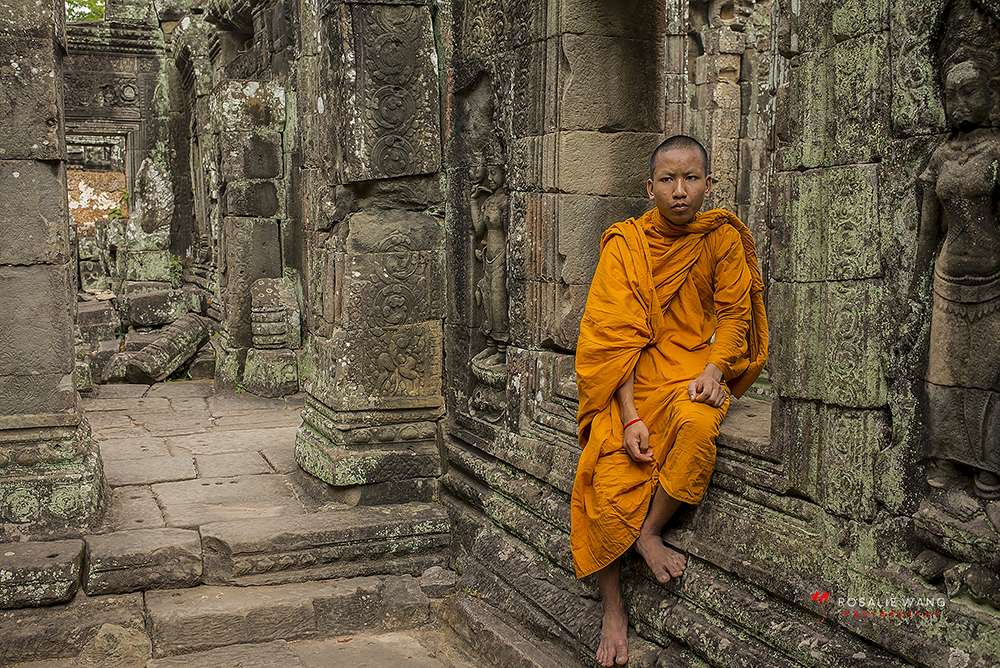
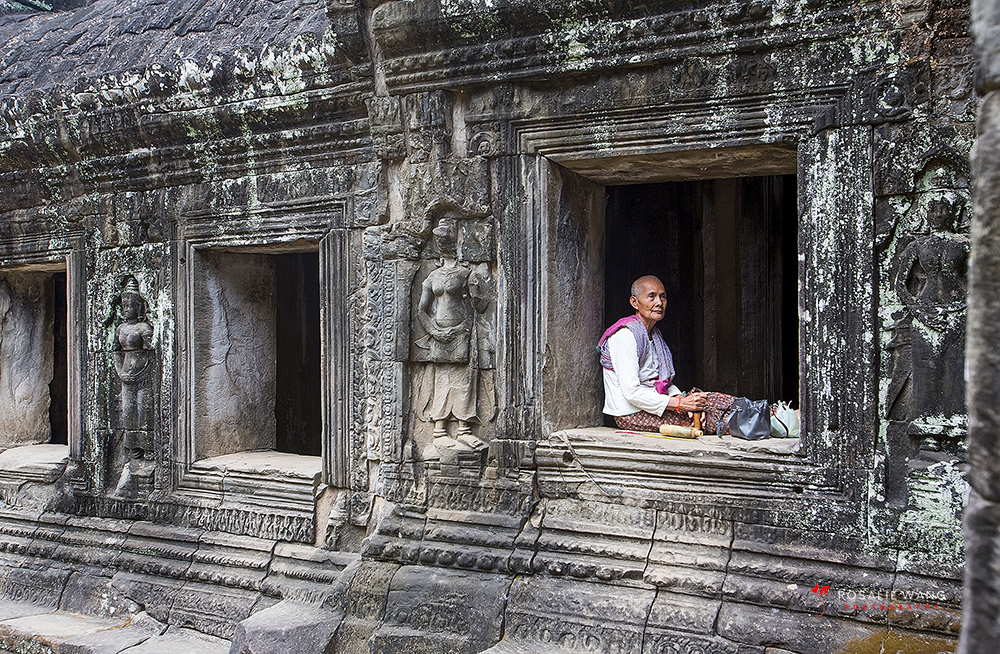
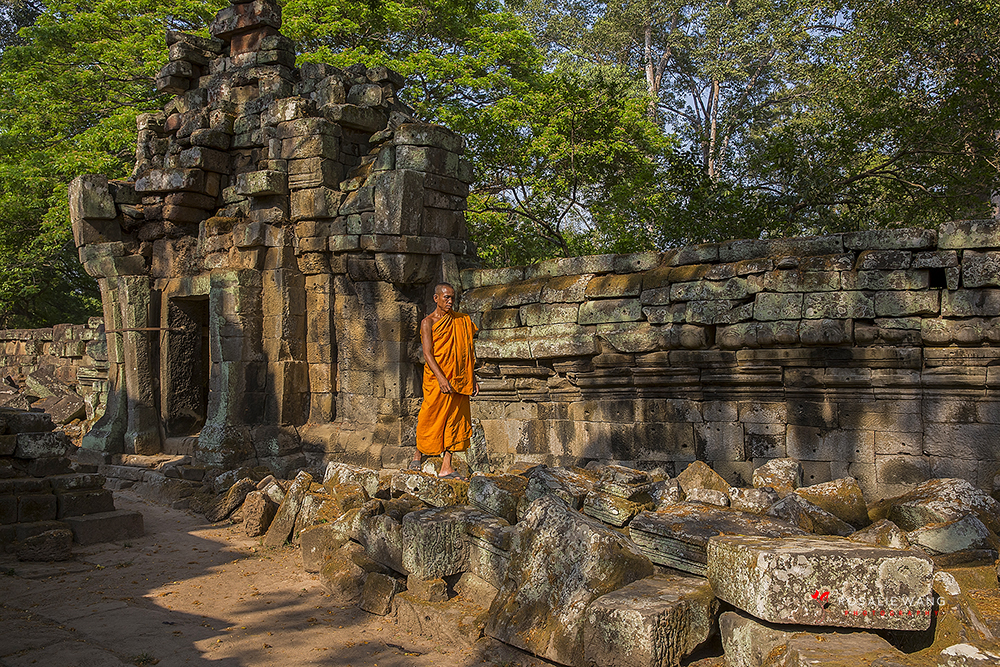
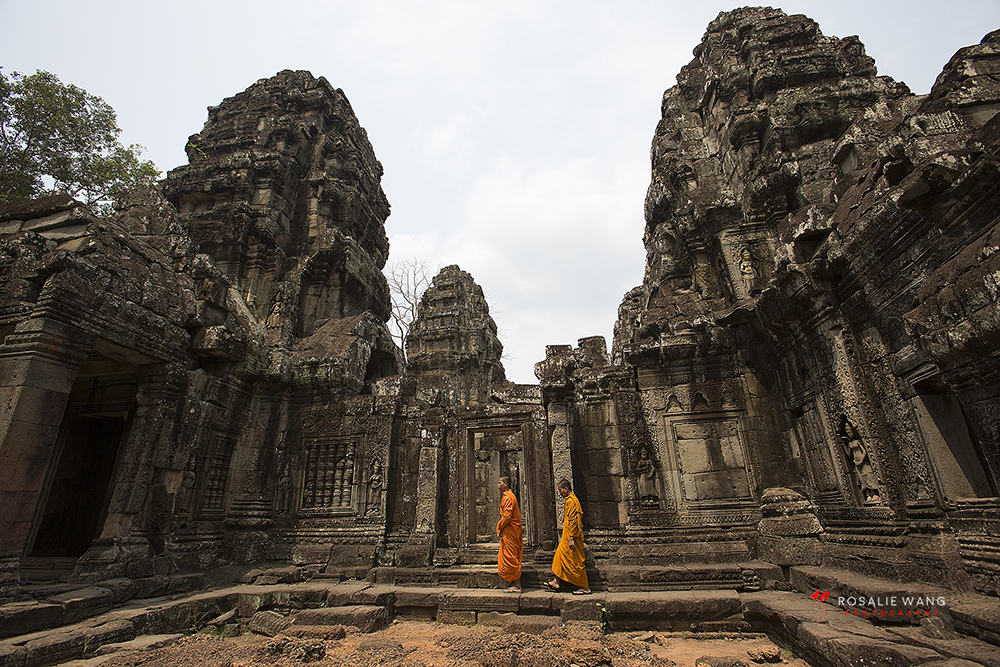
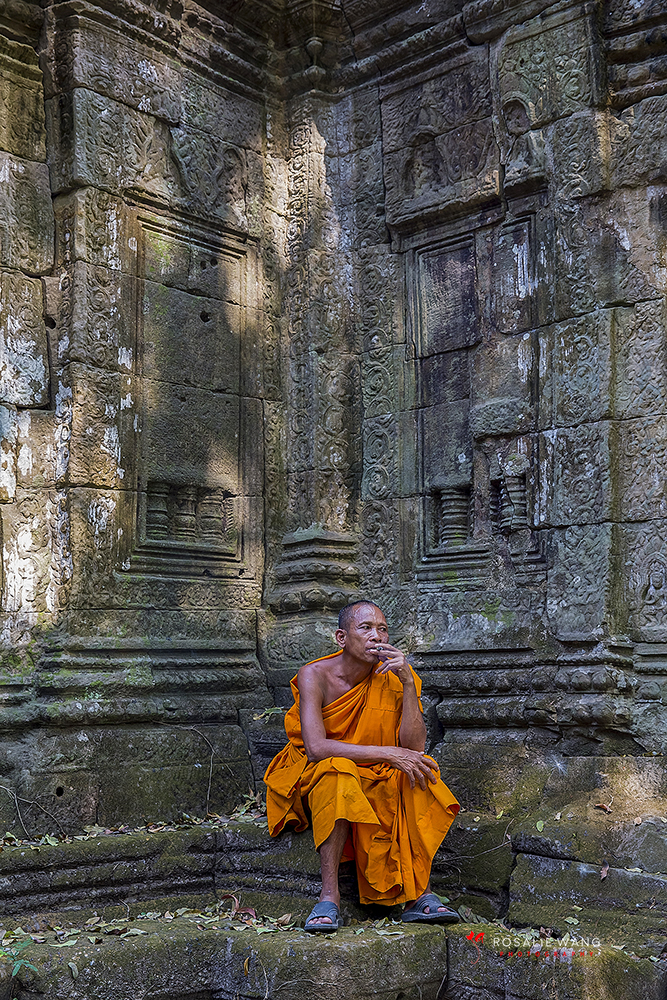
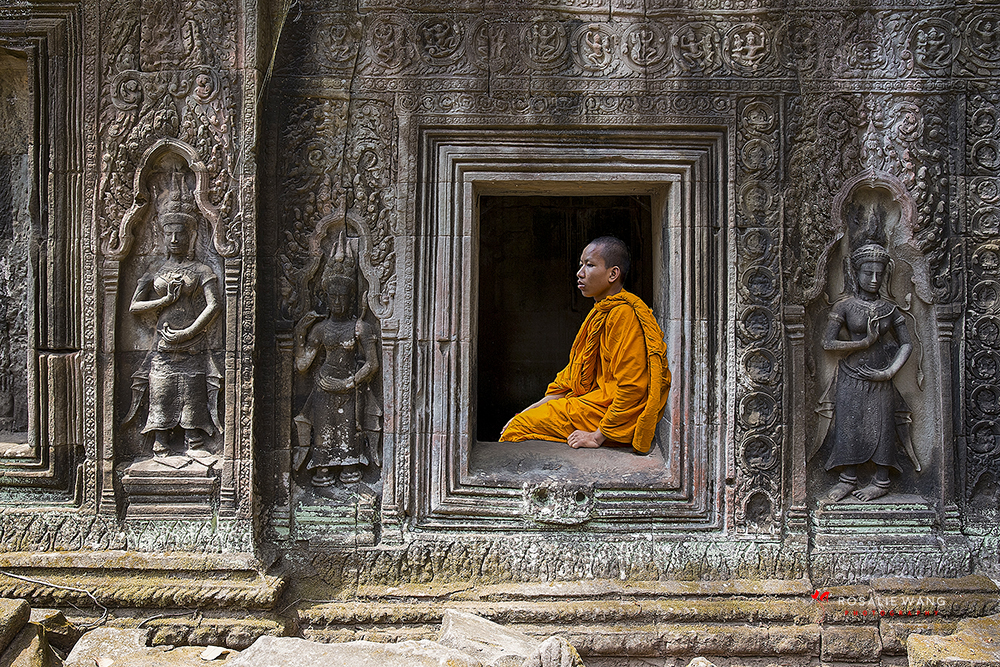
- Angkor Wat — The world’s largest religious monument, built in the early 12th century by King Suryavarman II. Originally Hindu and later Buddhist, it stands at the heart of the Angkor region, once a vast urban center comparable in size to modern Paris.
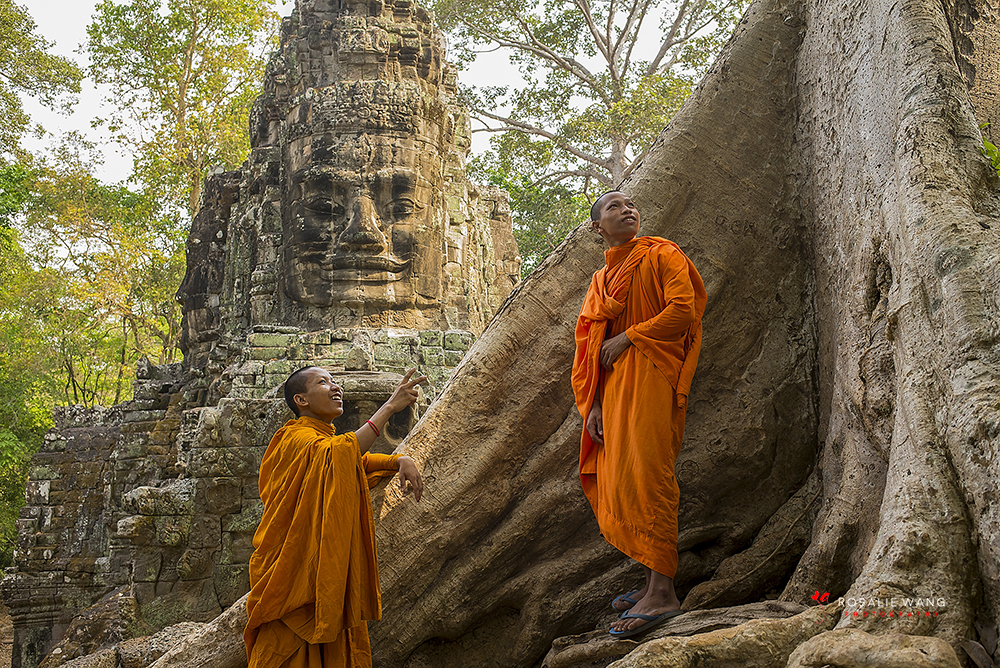
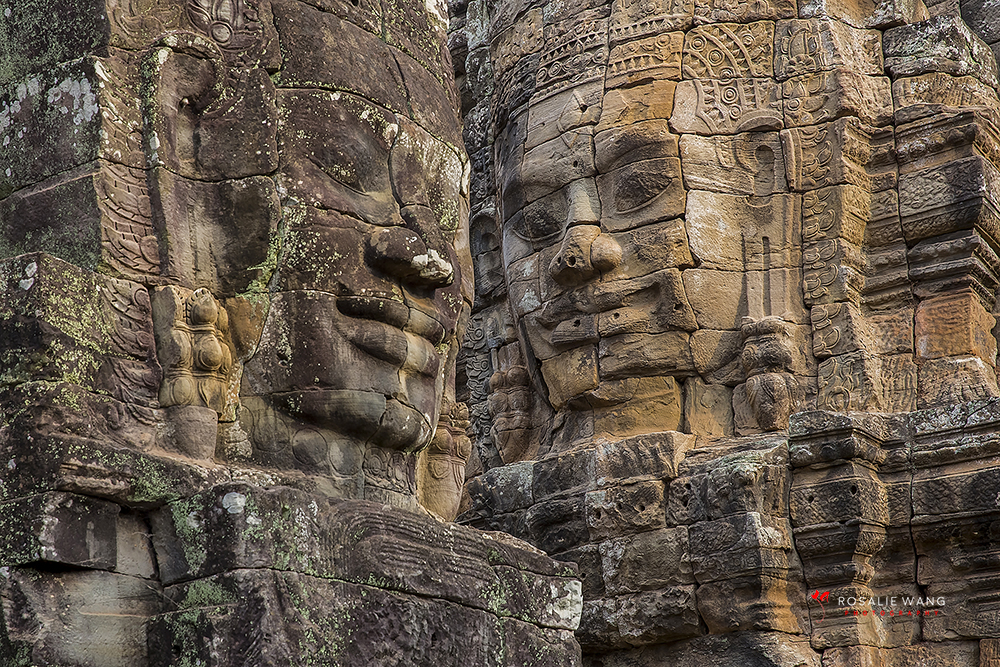
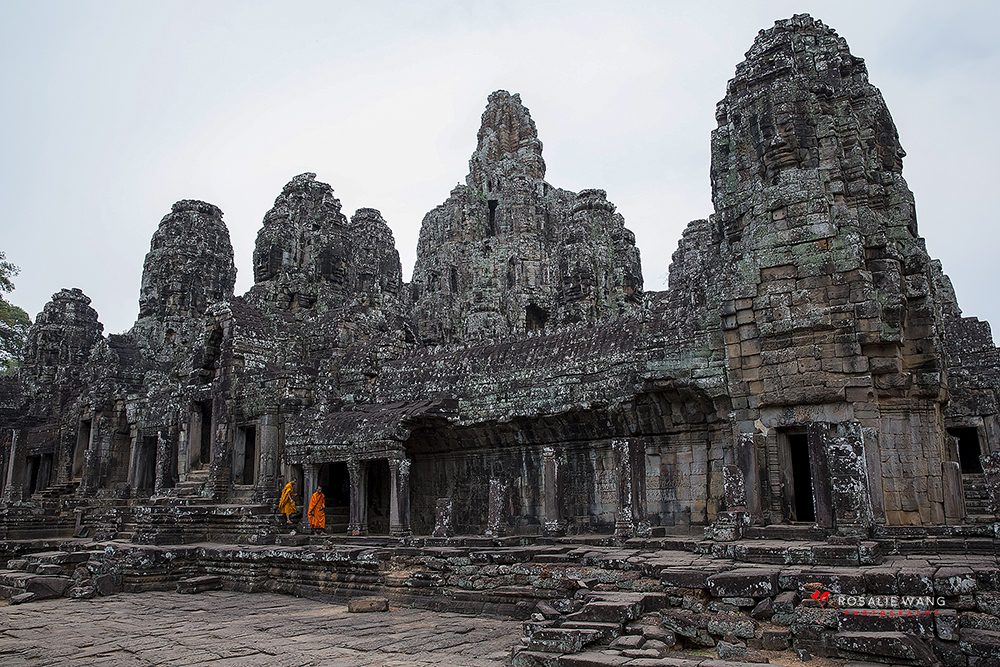
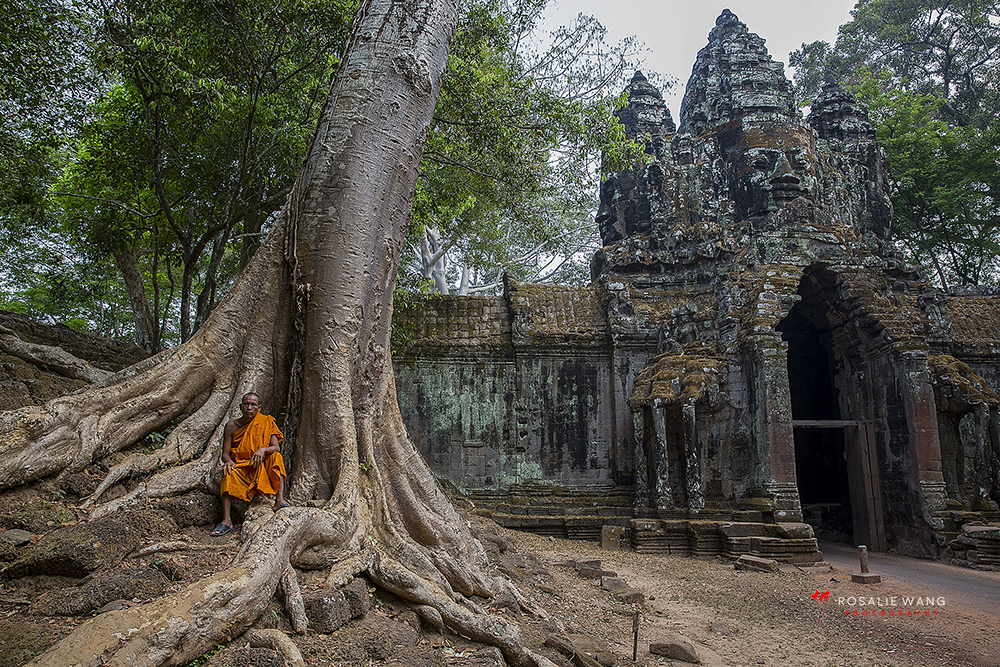
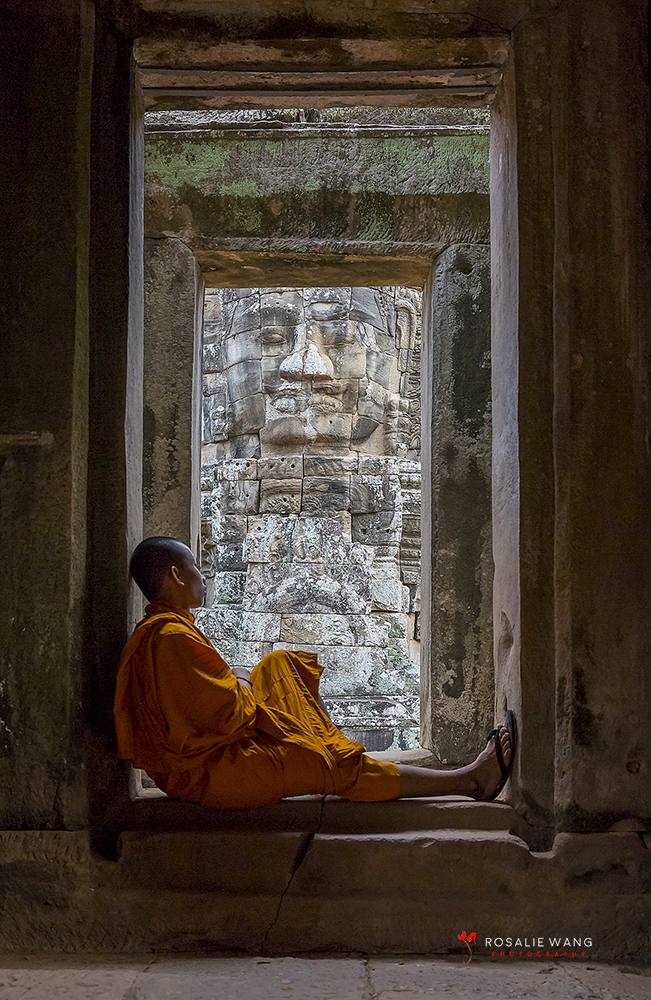
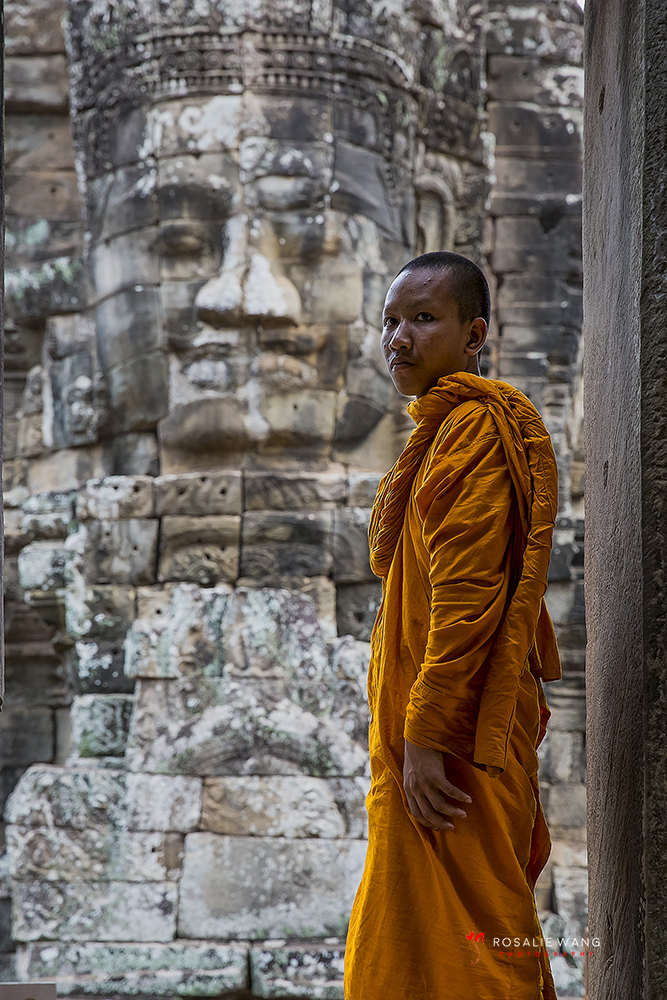
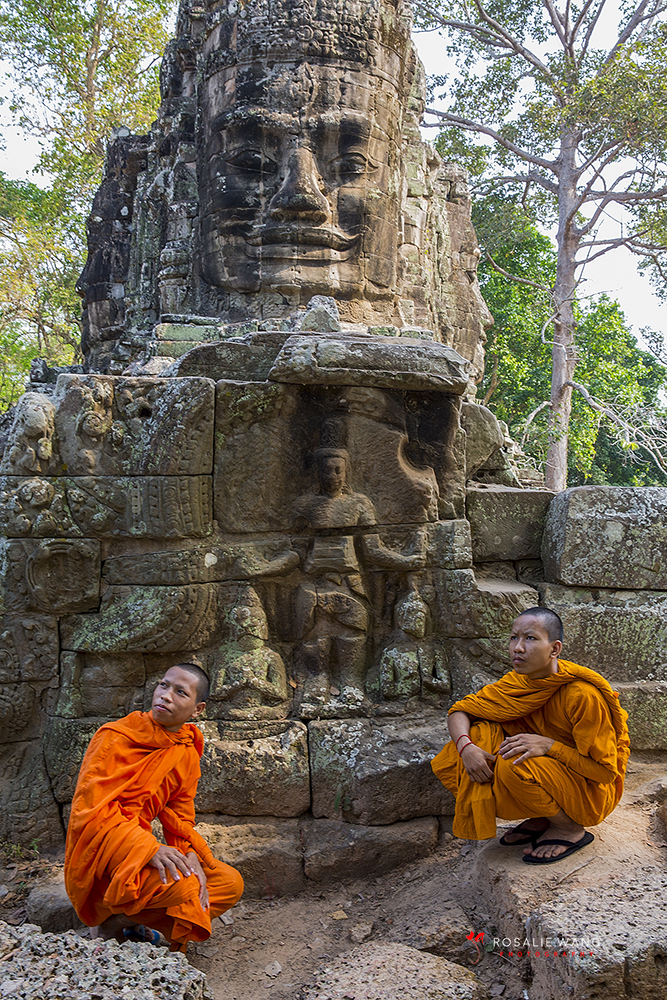
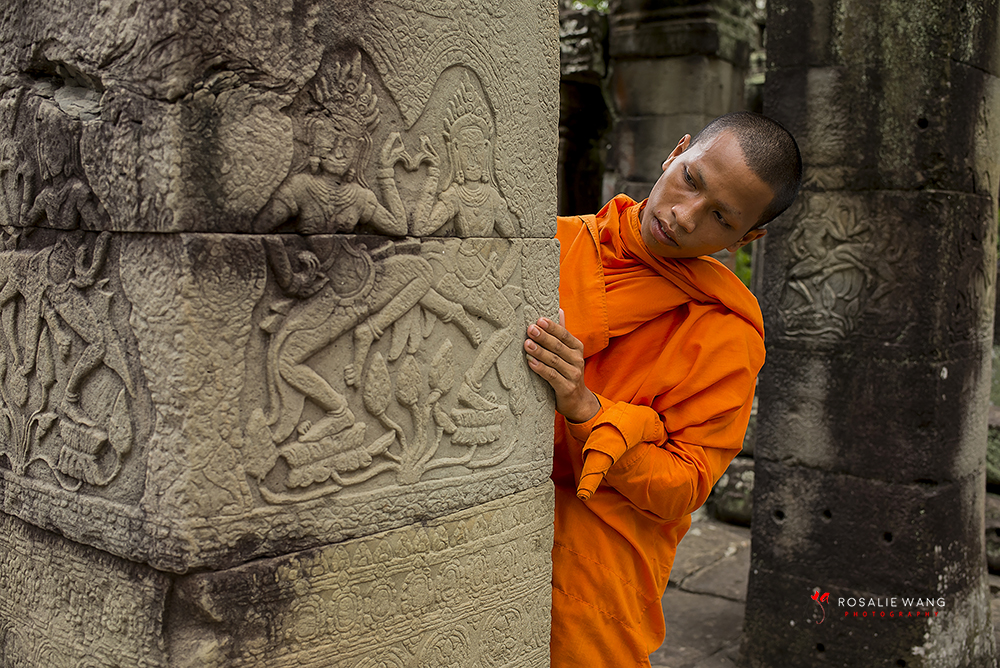
- Bayon Temple — Famous for its 216 serene stone faces of Avalokiteshvara, built in the late 12th–early 13th century.
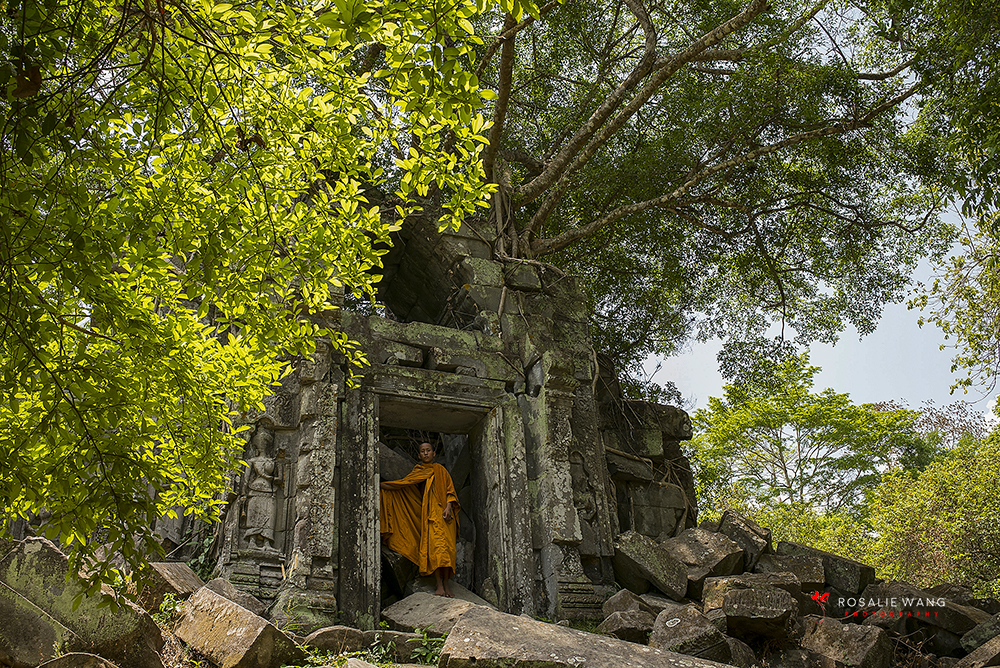
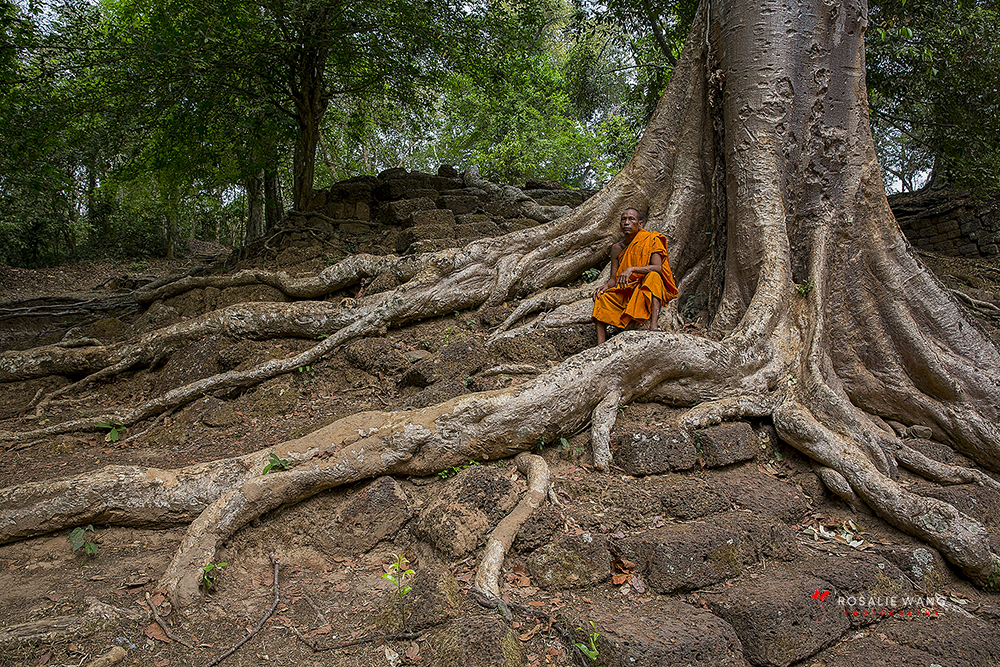
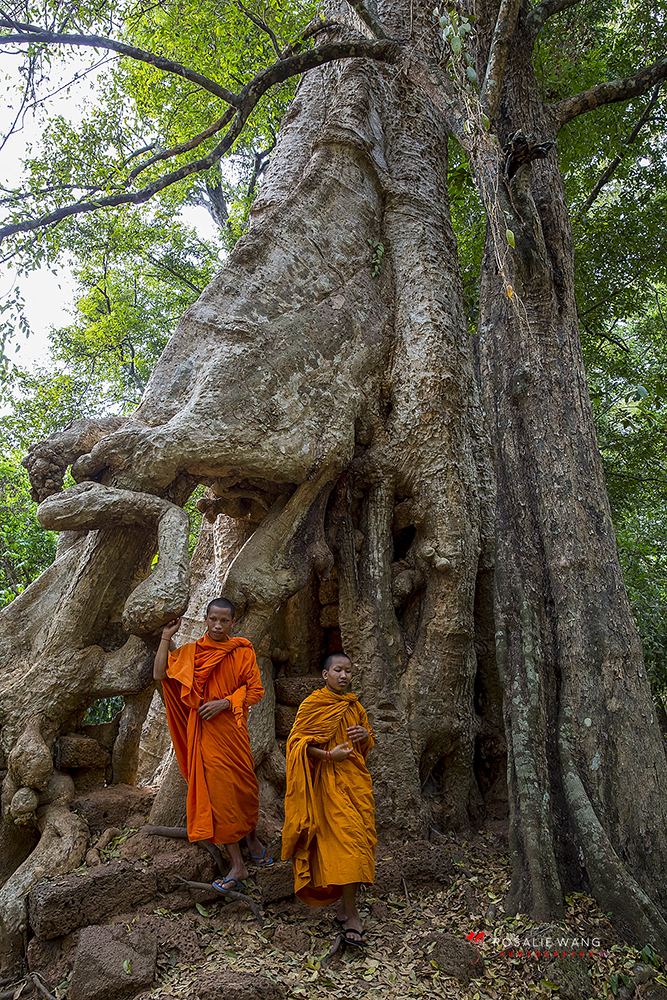
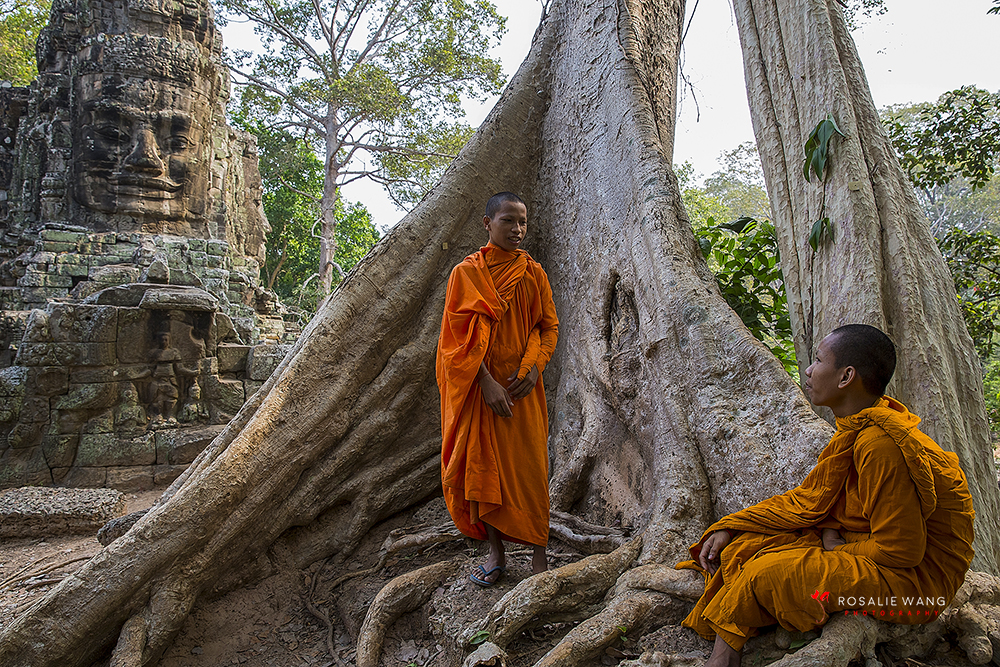
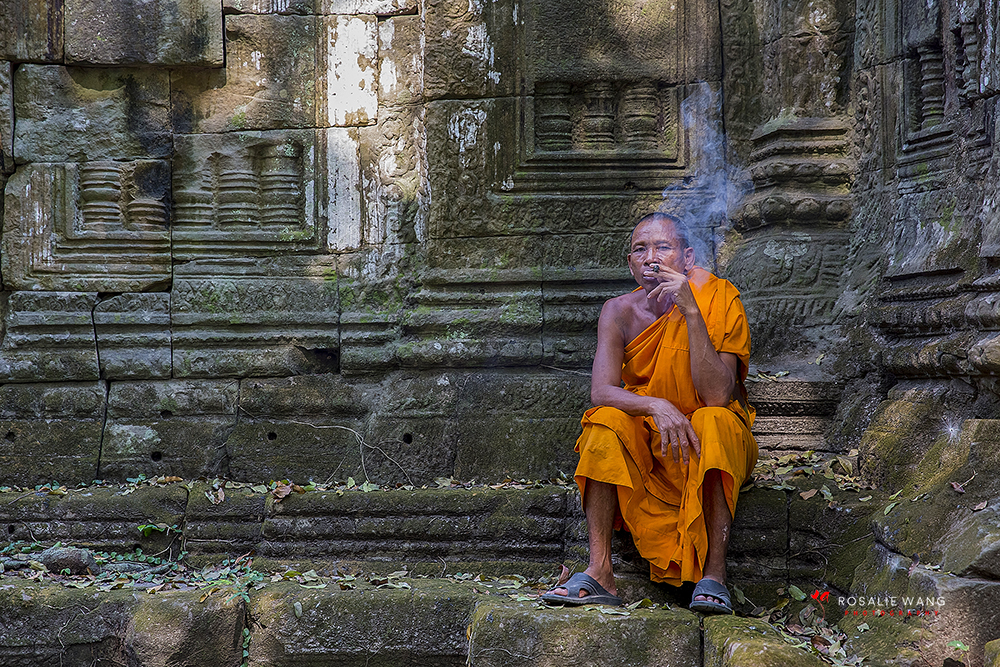
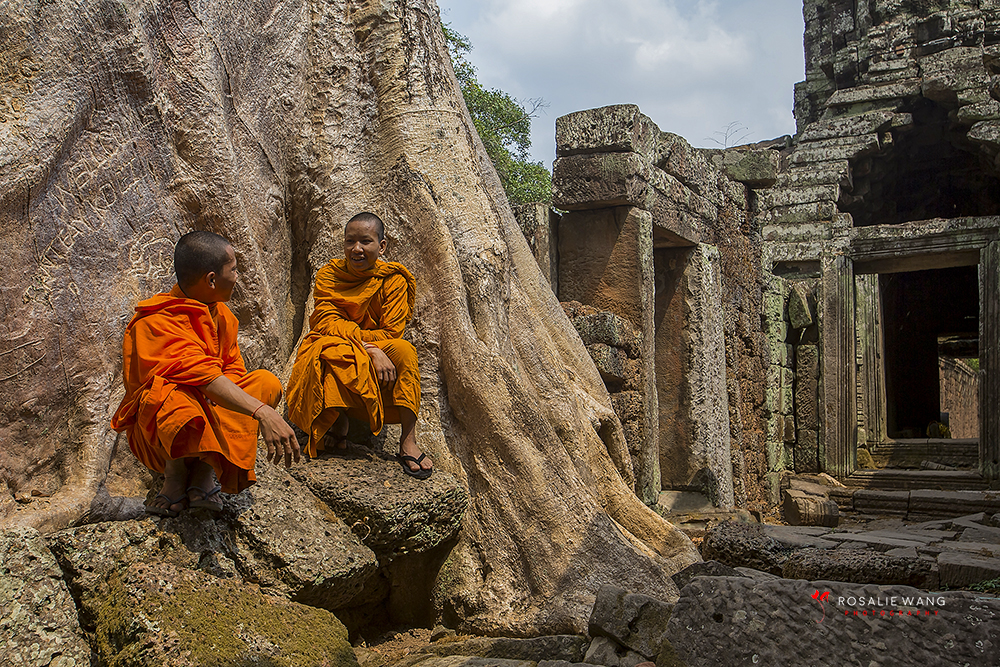
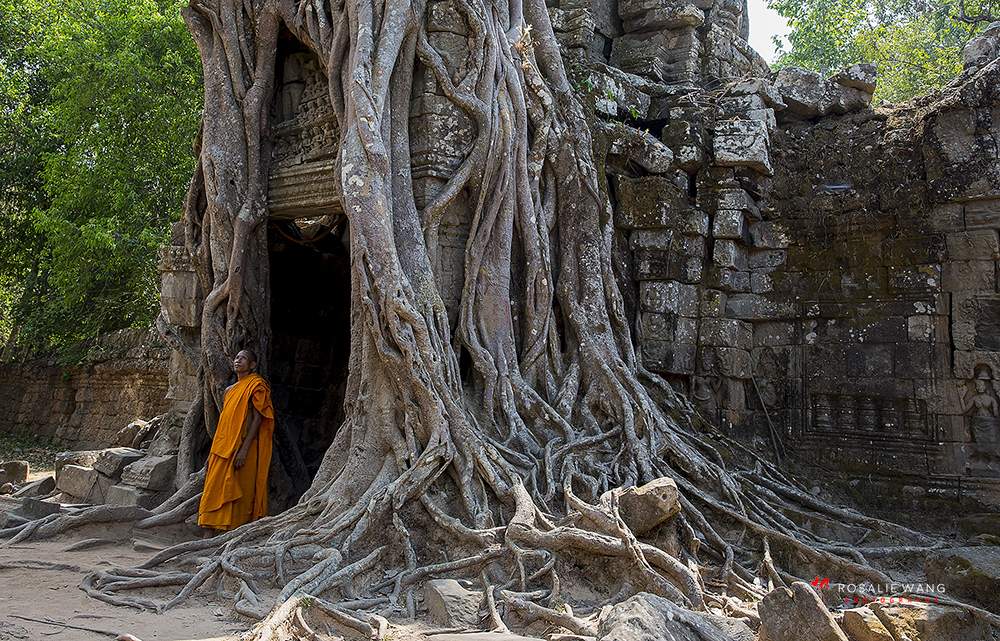
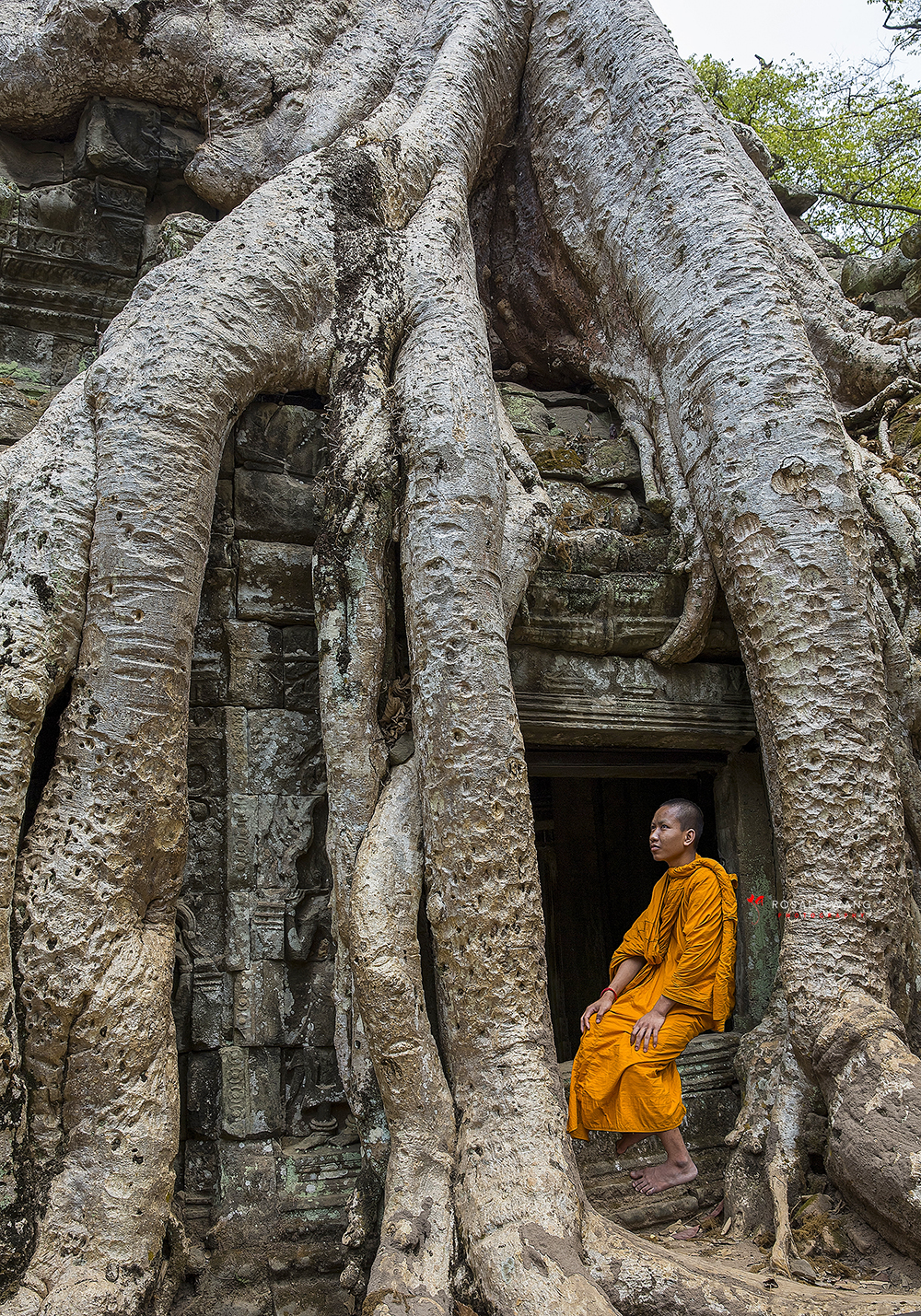
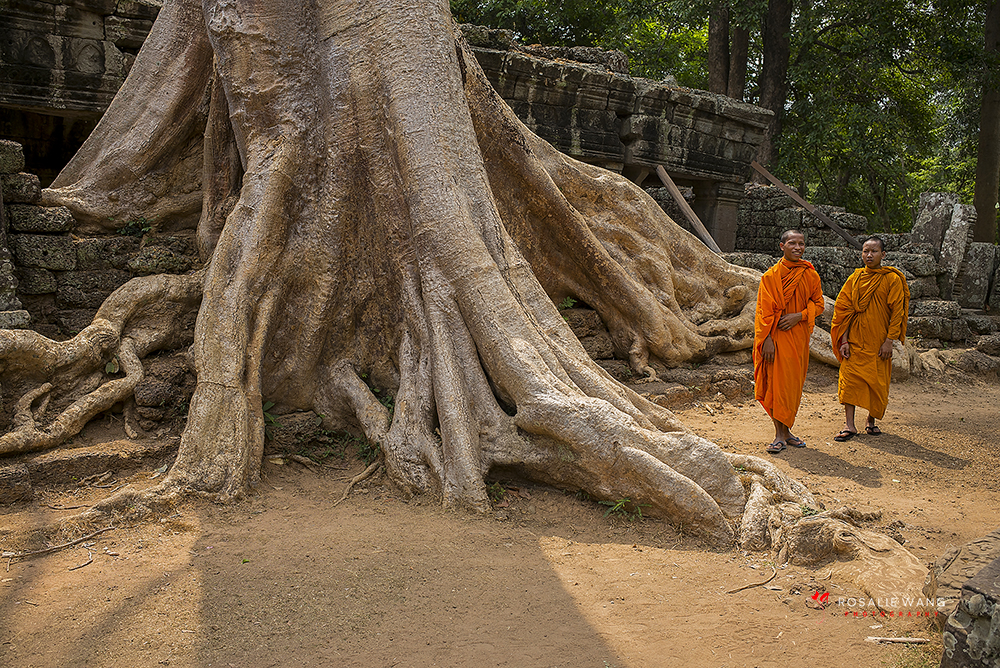
- Ta Prohm — Known for its dramatic tree‑root‑wrapped ruins and its semi‑preserved, atmospheric state.
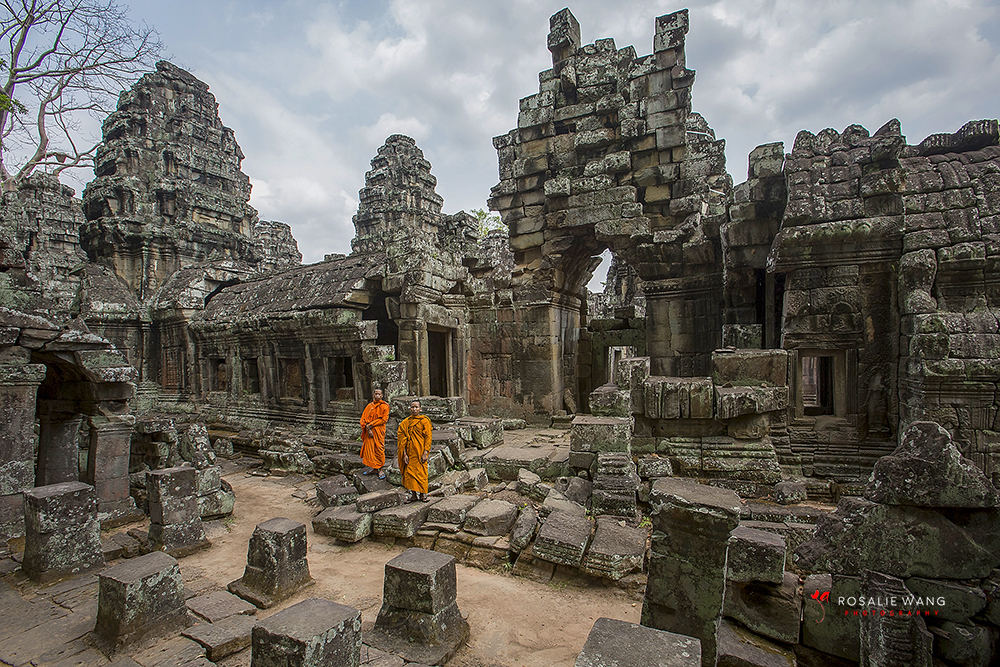
- Angkor Archaeological Complex — Over 100 temples across 400 sq km, representing the architectural and spiritual height of the Khmer Empire (802–1431 CE).
- French Colonial Heritage — Visible in architecture and urban planning across Phnom Penh and other cities, reflecting 19th–20th century colonial influence.
- Khmer Rouge Era Sites — Cambodia’s modern history includes the devastating 1975–79 genocide, which caused at least 1.5 million deaths and left deep cultural and social scars.