CEREMONIES
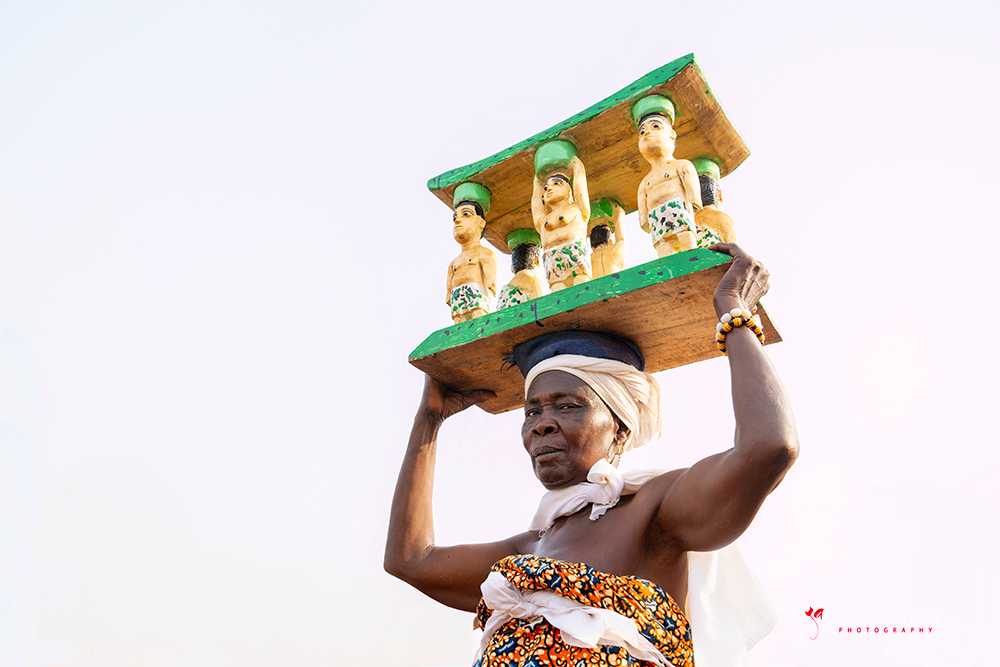
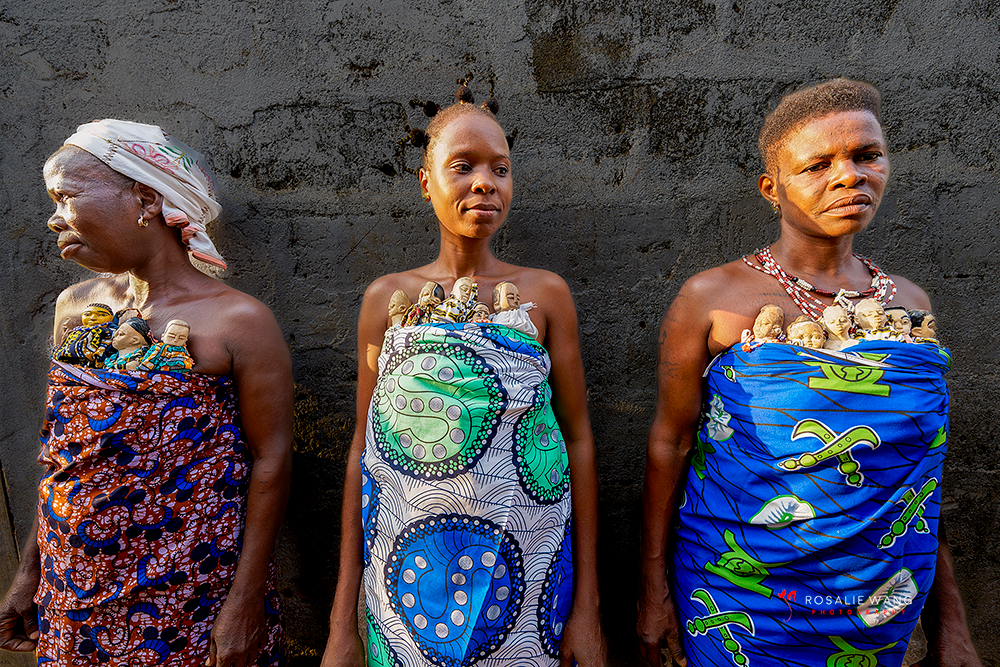
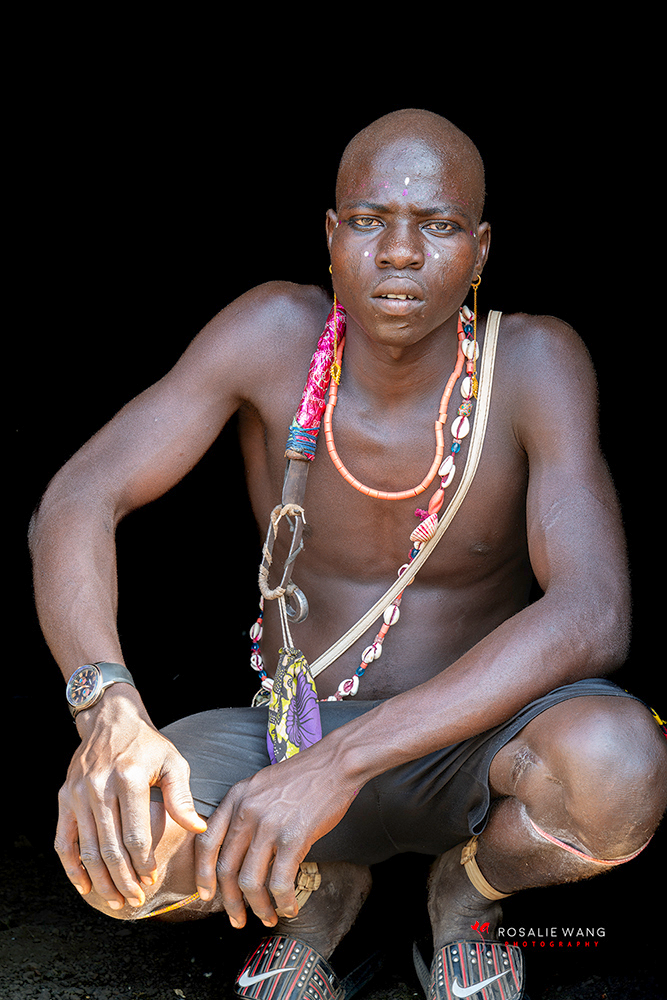
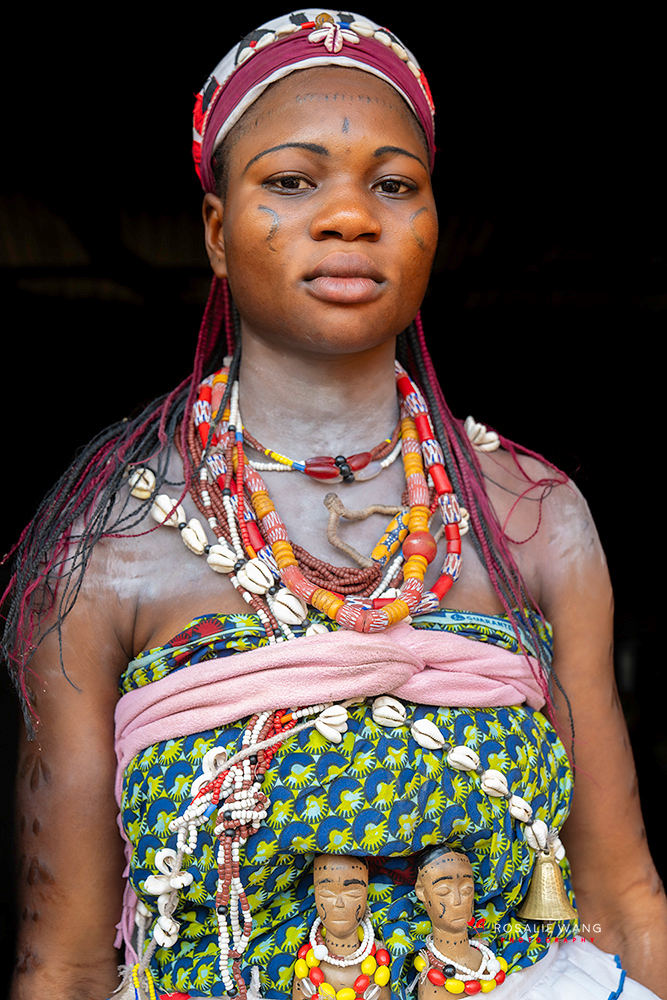
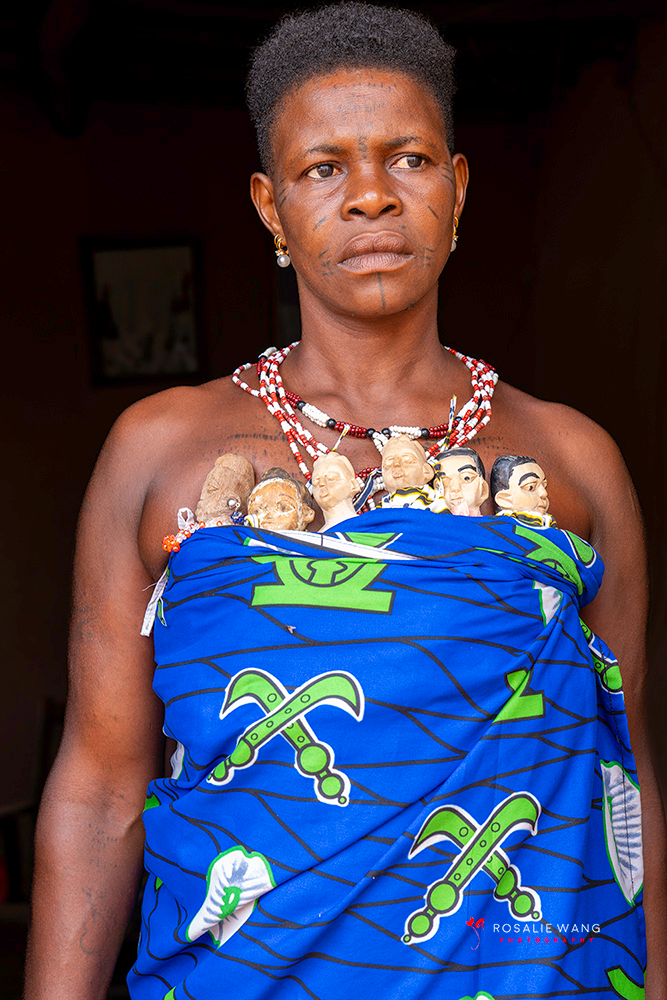
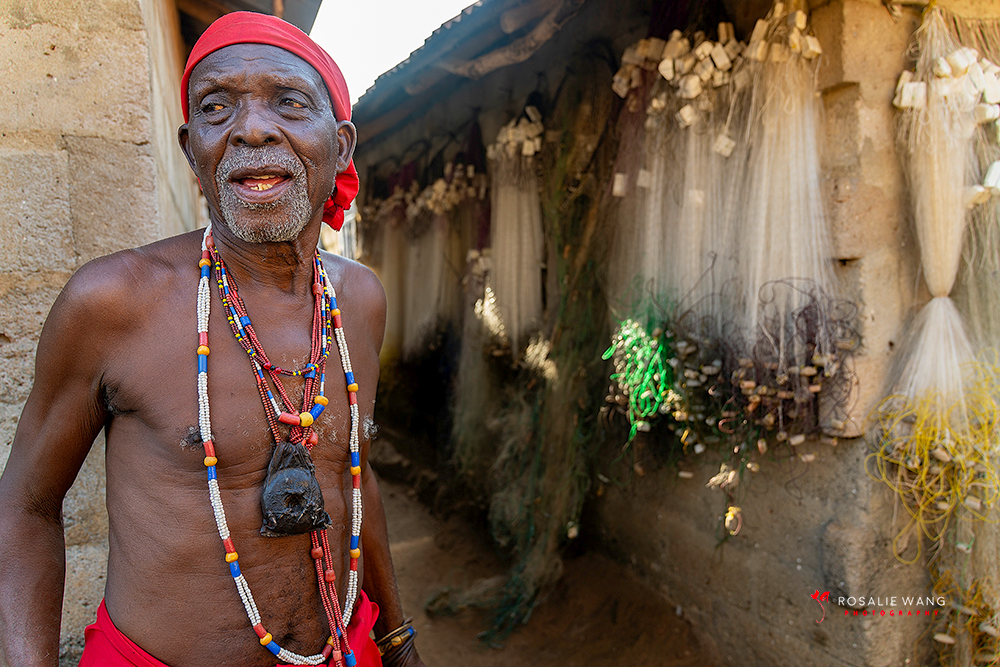
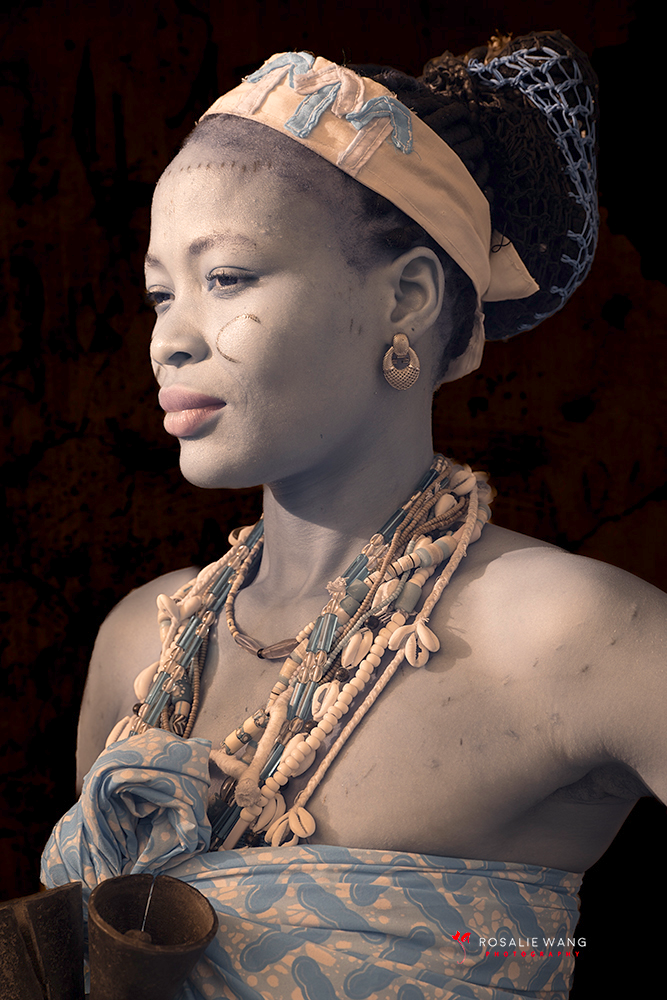
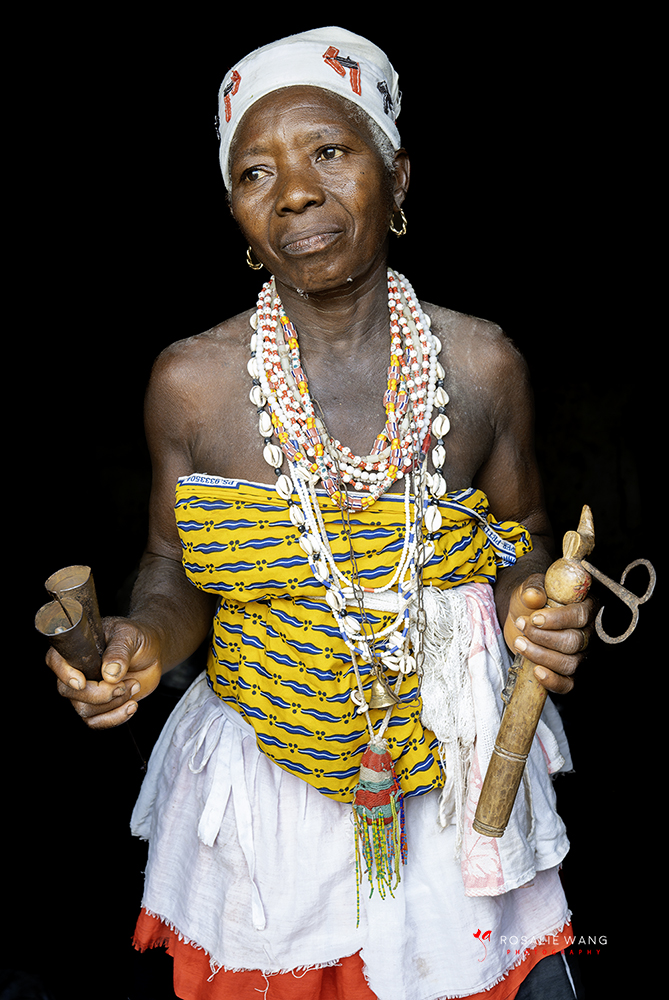
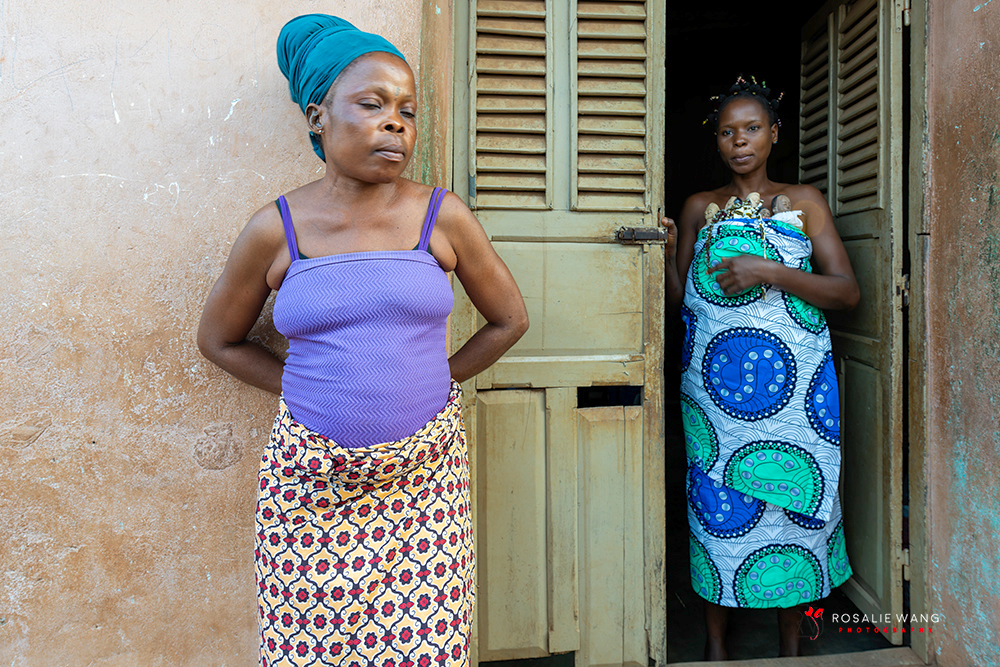
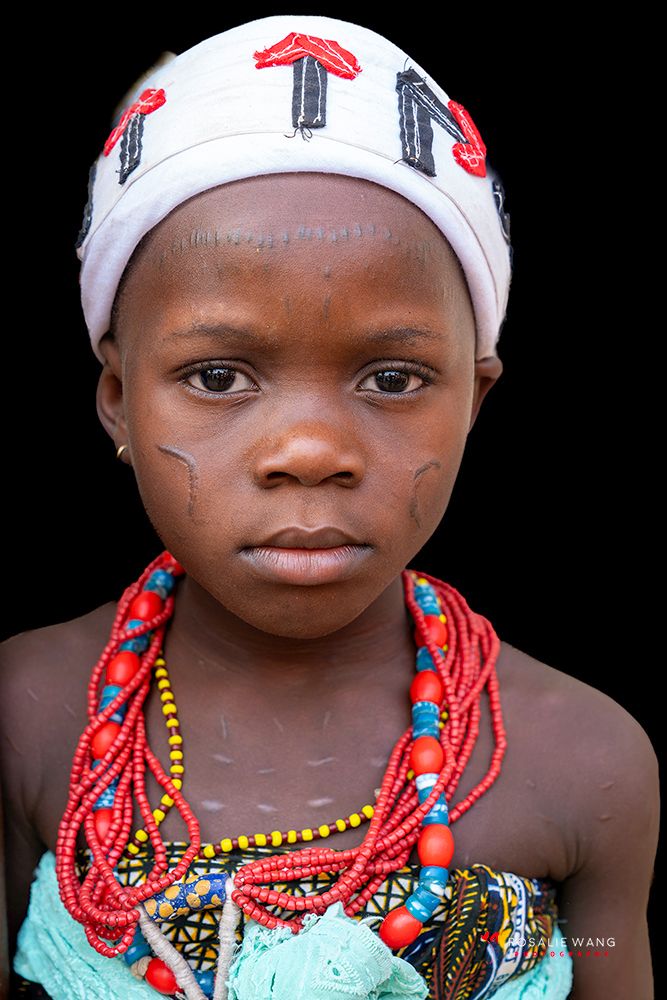
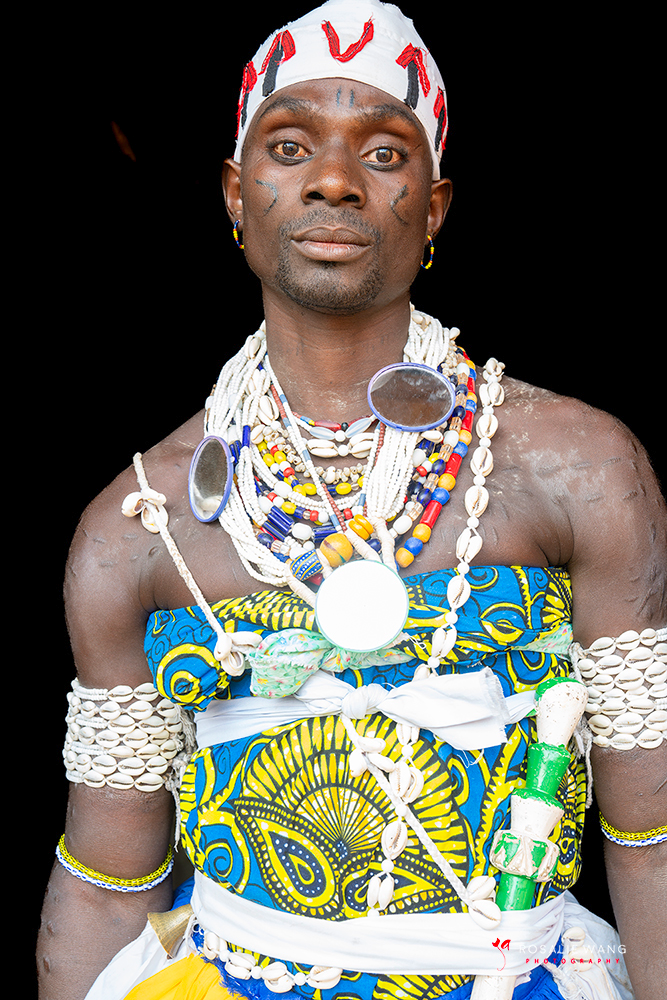
Voodoo in Benin, known locally as Vodun, is a deeply rooted spiritual tradition that shapes the country’s cultural identity, social life, and artistic expression. It is not a fringe belief, but a state-recognized religion practiced by millions.
🌍 Origins and Cultural Significance
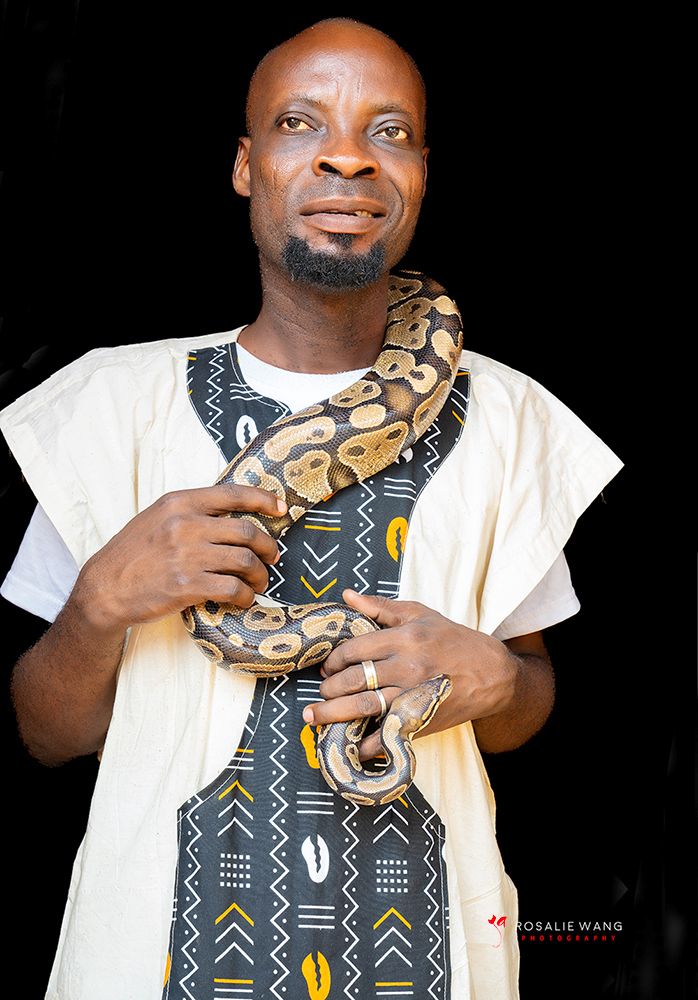
- Benin is considered the birthplace of Vodun, especially in the coastal city of Ouidah, which hosts annual Vodun festivals and is home to sacred sites like the Temple of Pythons.
- Vodun emerged from the animistic traditions of the Fon, Ewe, and Aja peoples, honoring natural forces, ancestors, and deities called vodúns.
- It is a living intangible heritage, recognized by UNESCO for its global influence, especially in the Americas through Haitian Vodou, Cuban Santería, and Brazilian Candomblé.
🕊️ Beliefs and Practices
- Vodun teaches the existence of a supreme creator, often distant, with daily life governed by a pantheon of spirits or deities who embody elements like rivers, thunder, fertility, and justice.
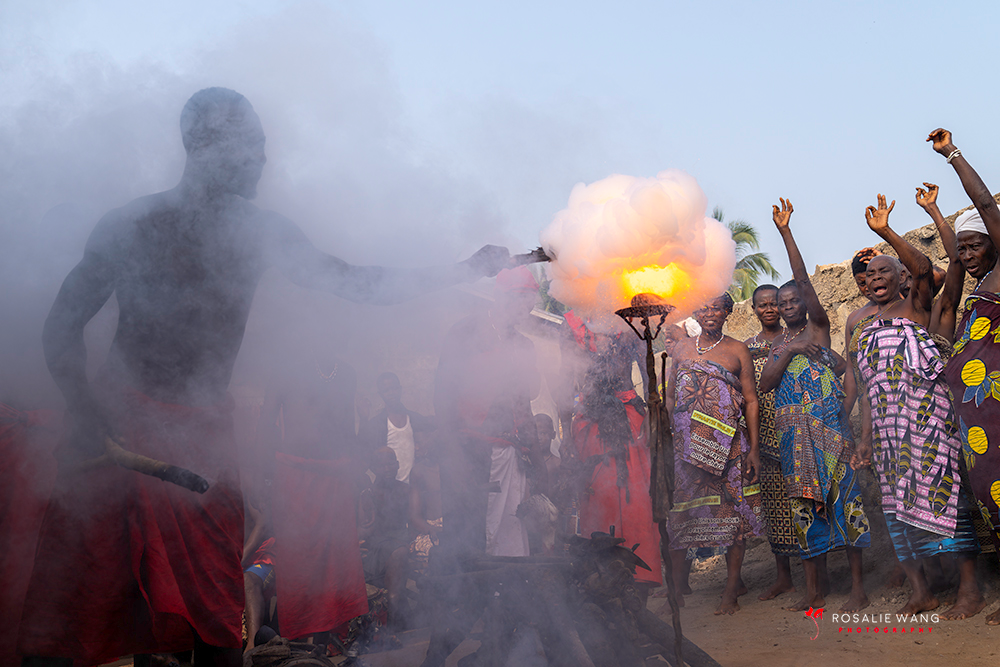
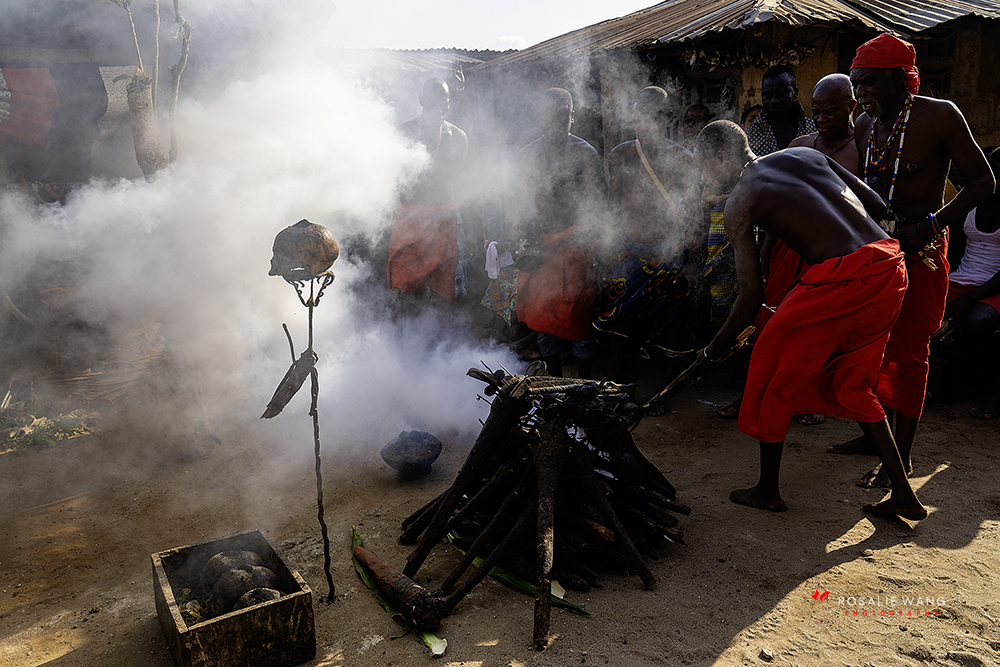
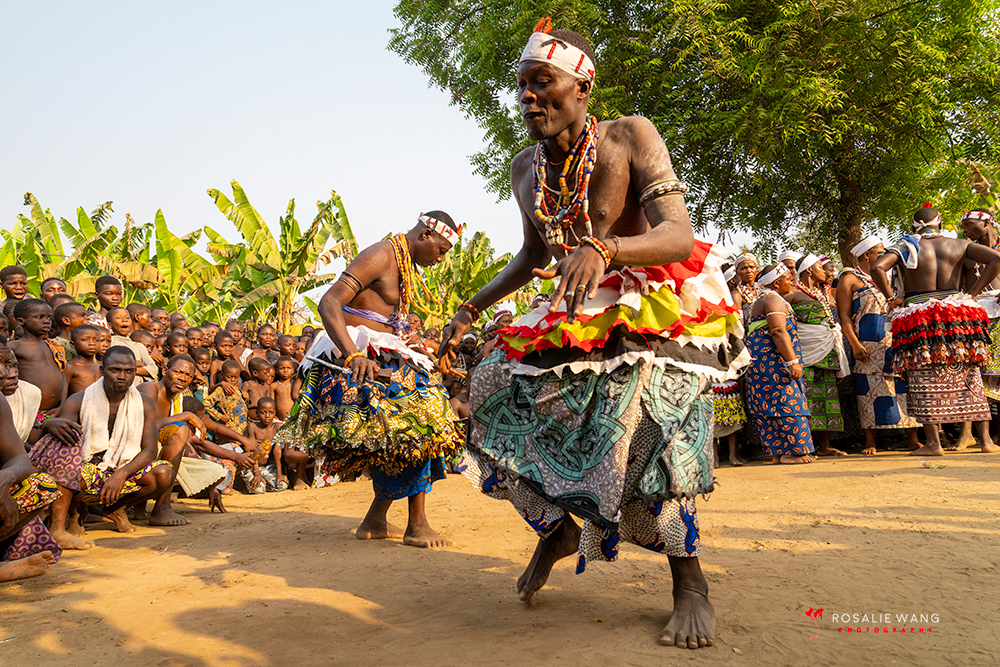
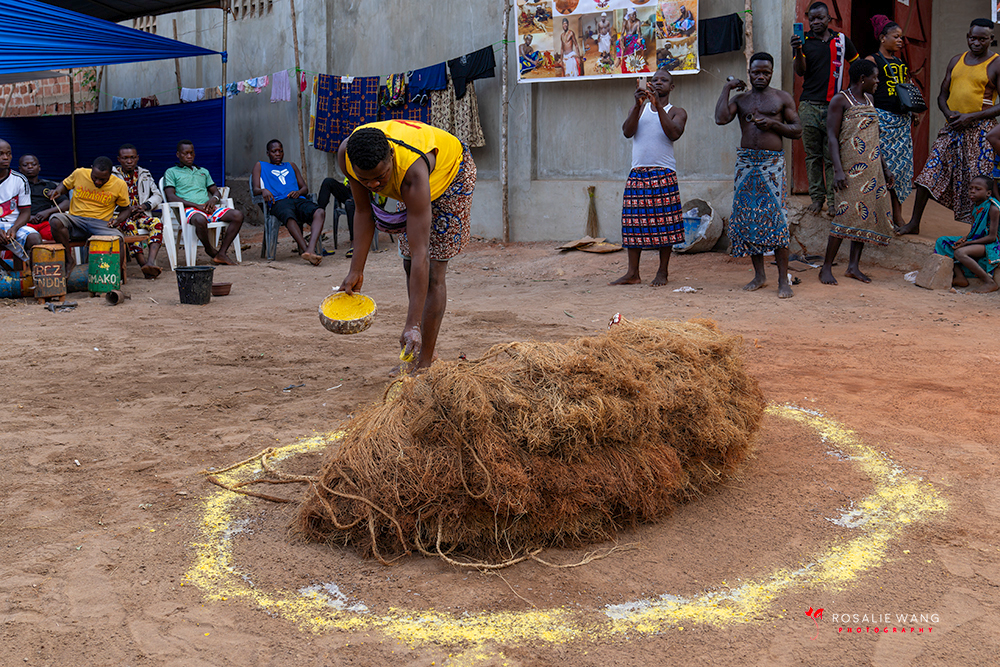
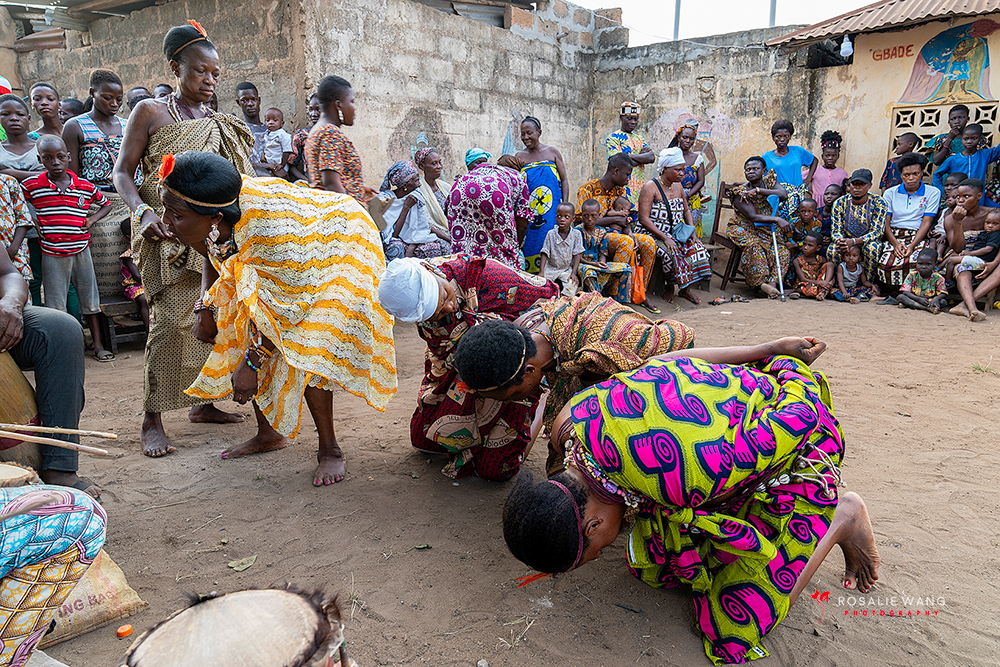
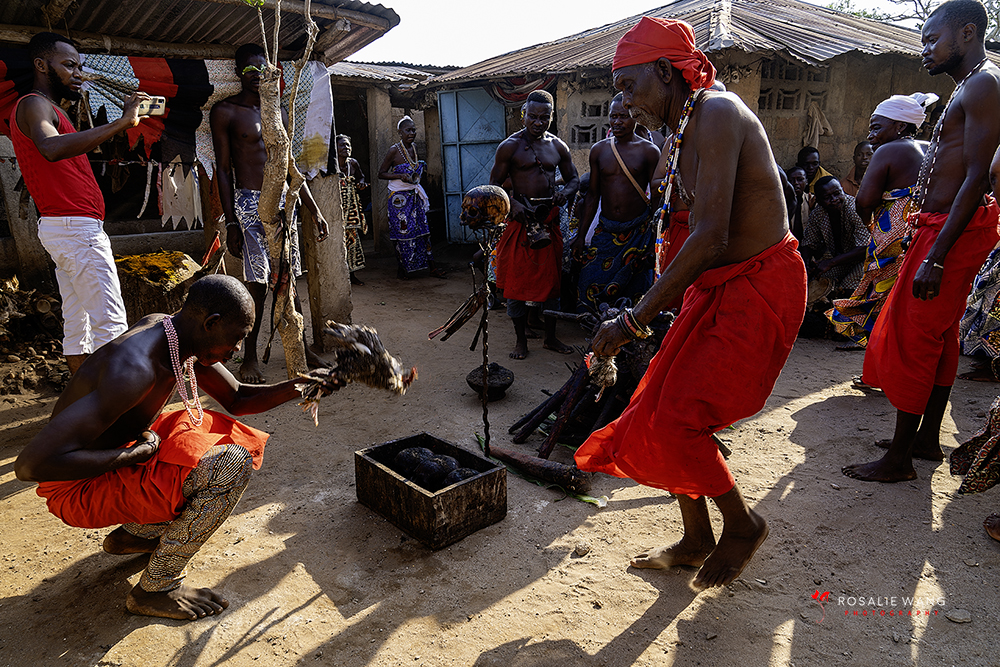
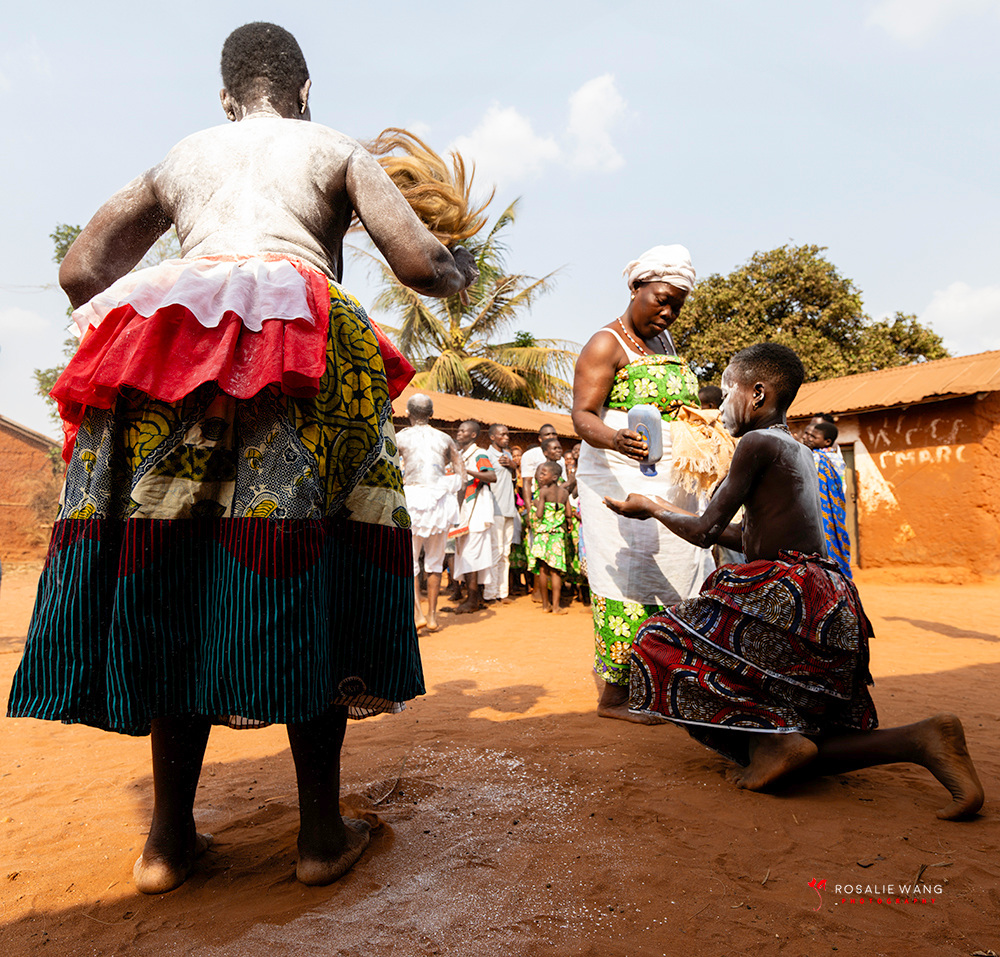
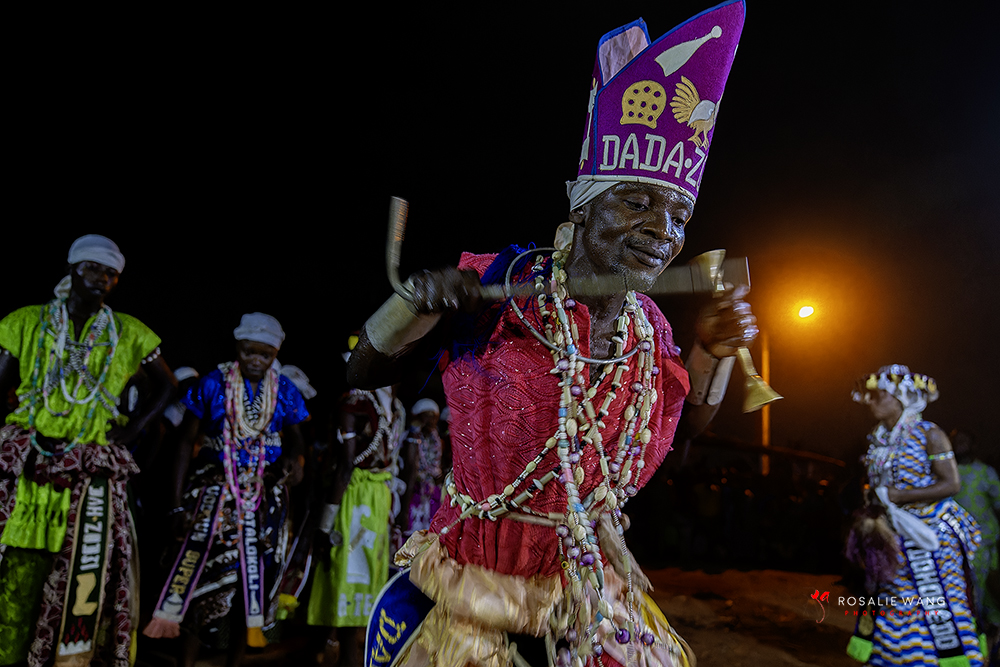
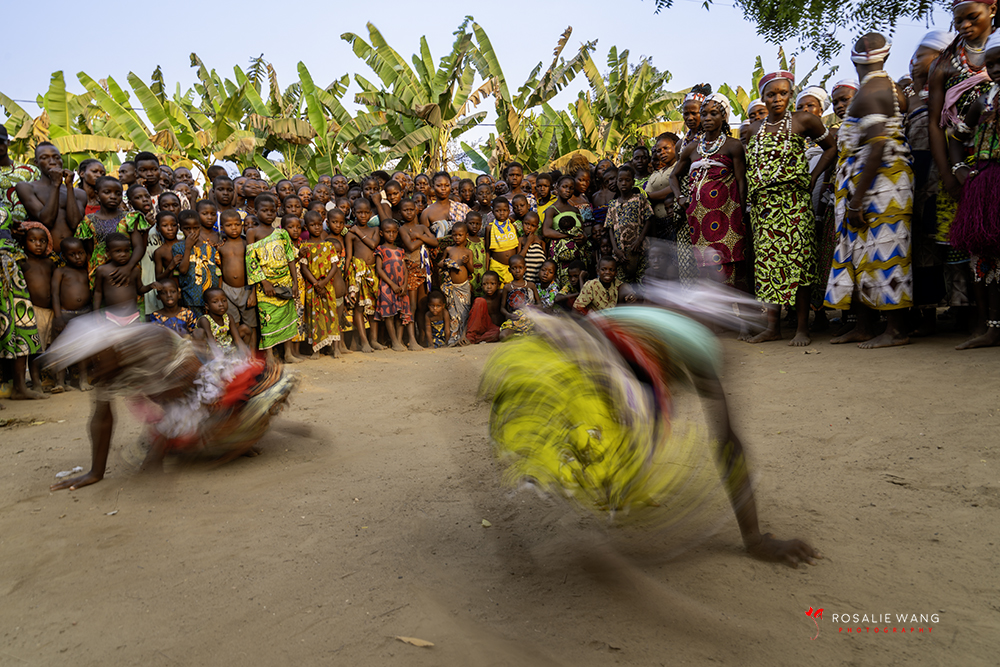
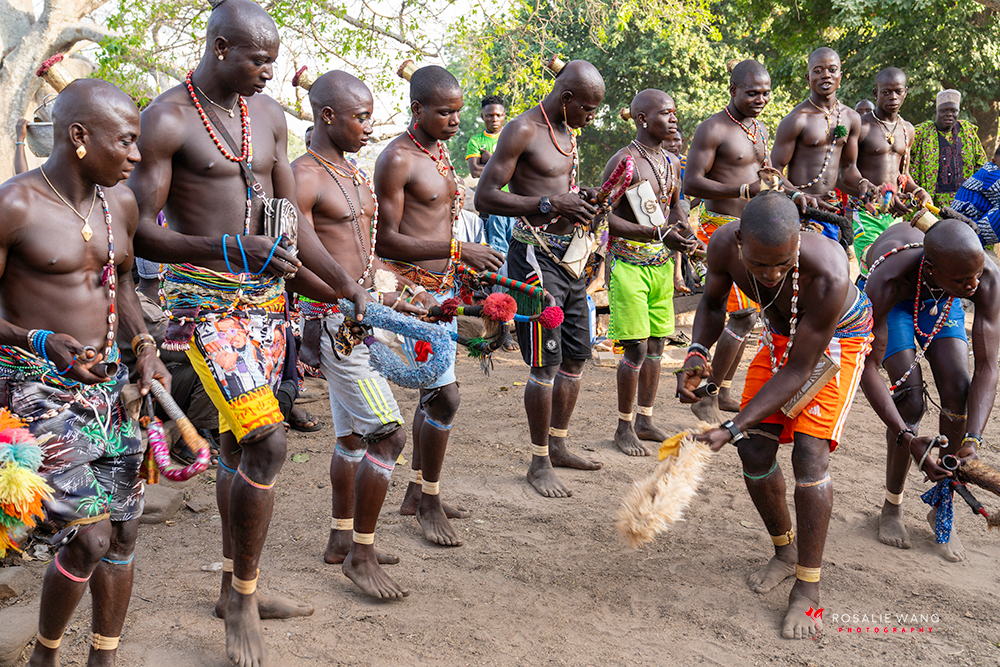
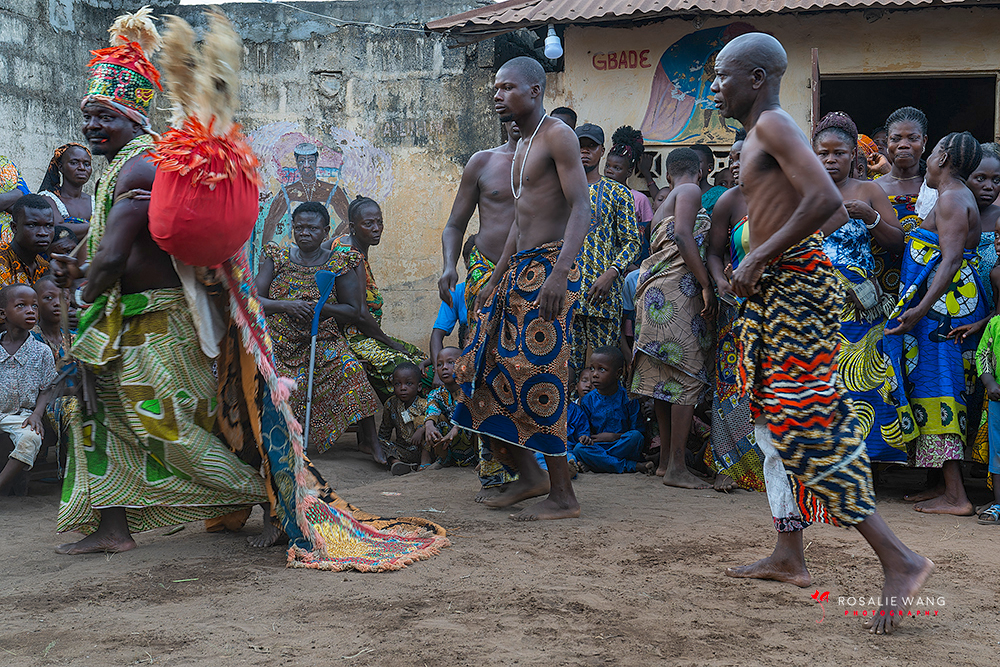
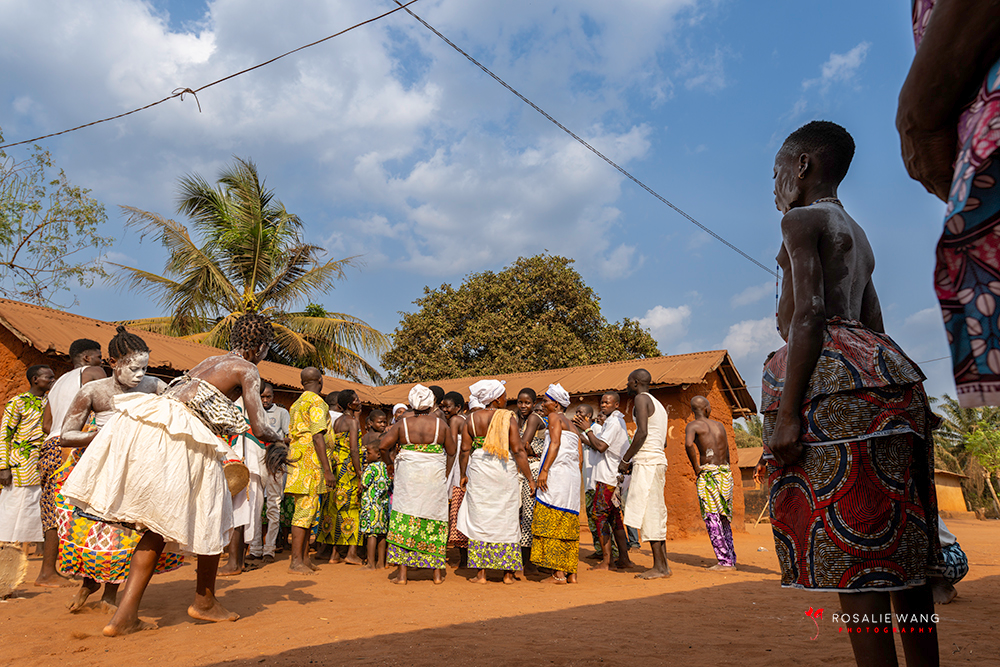
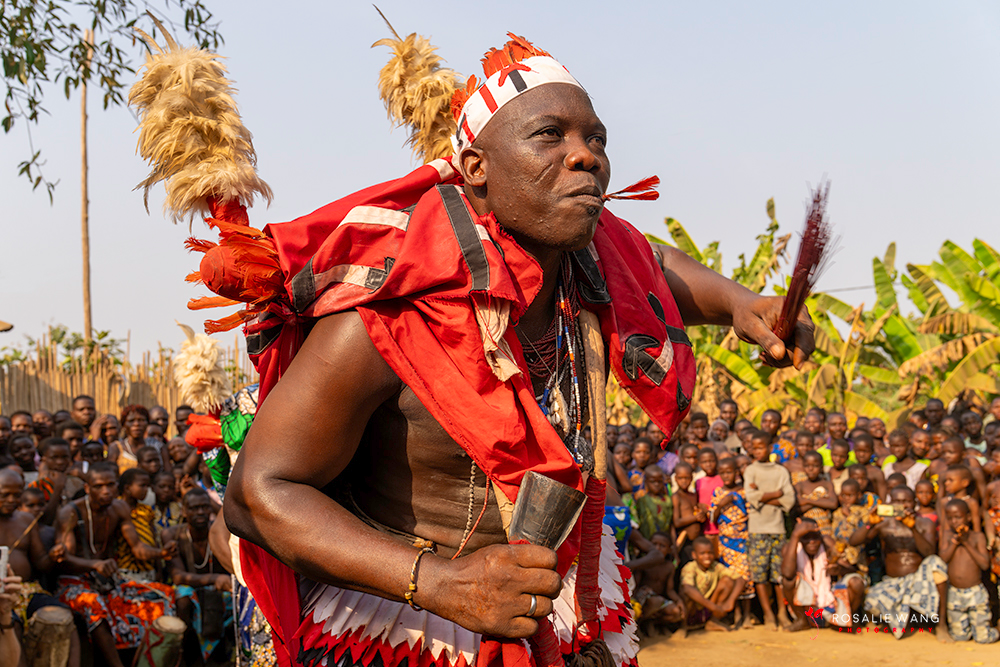
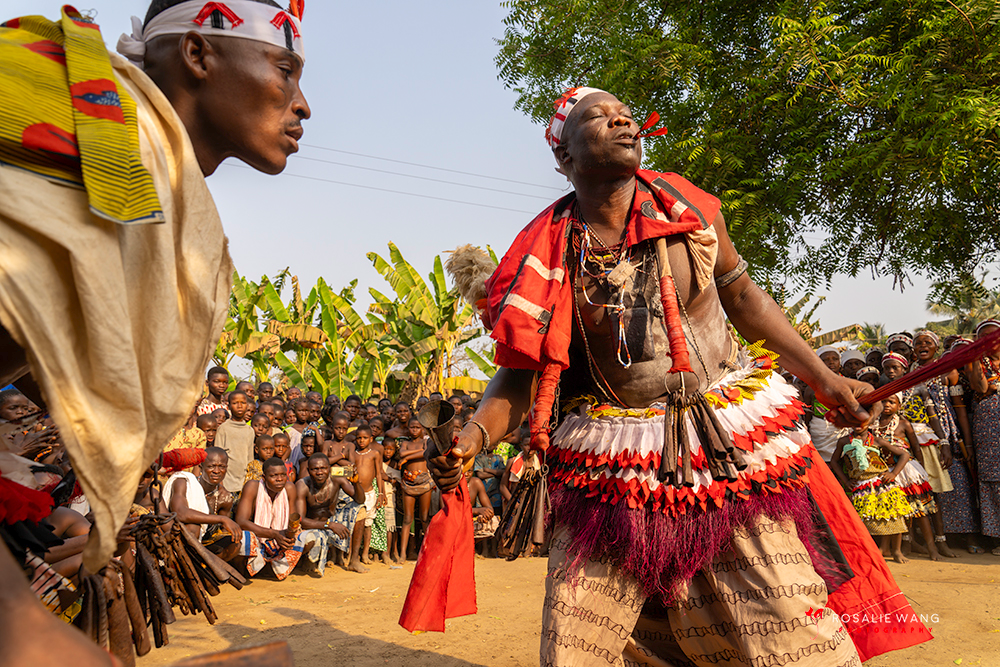
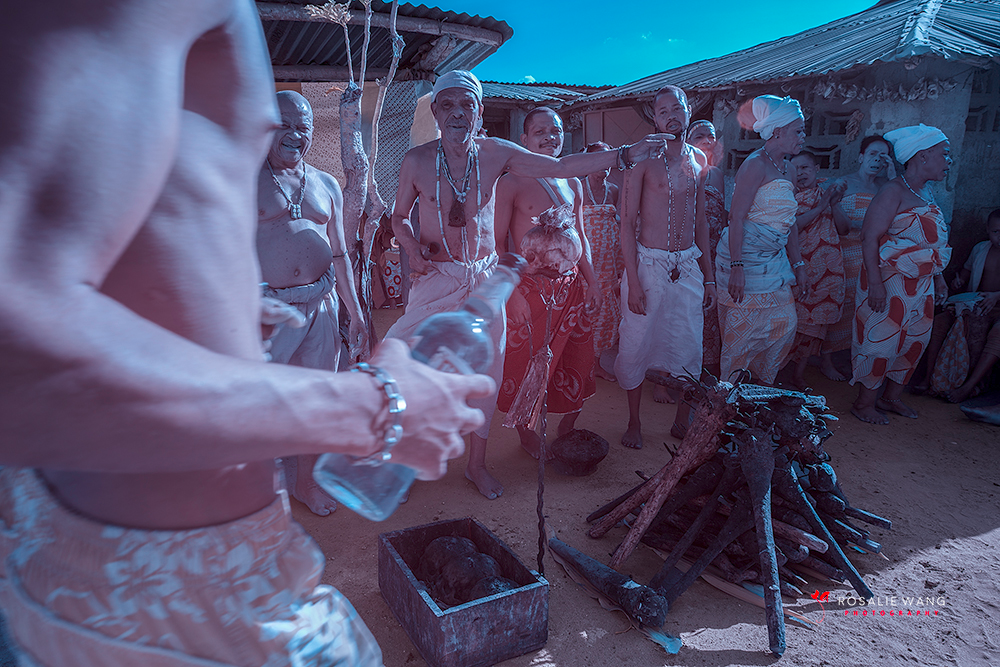
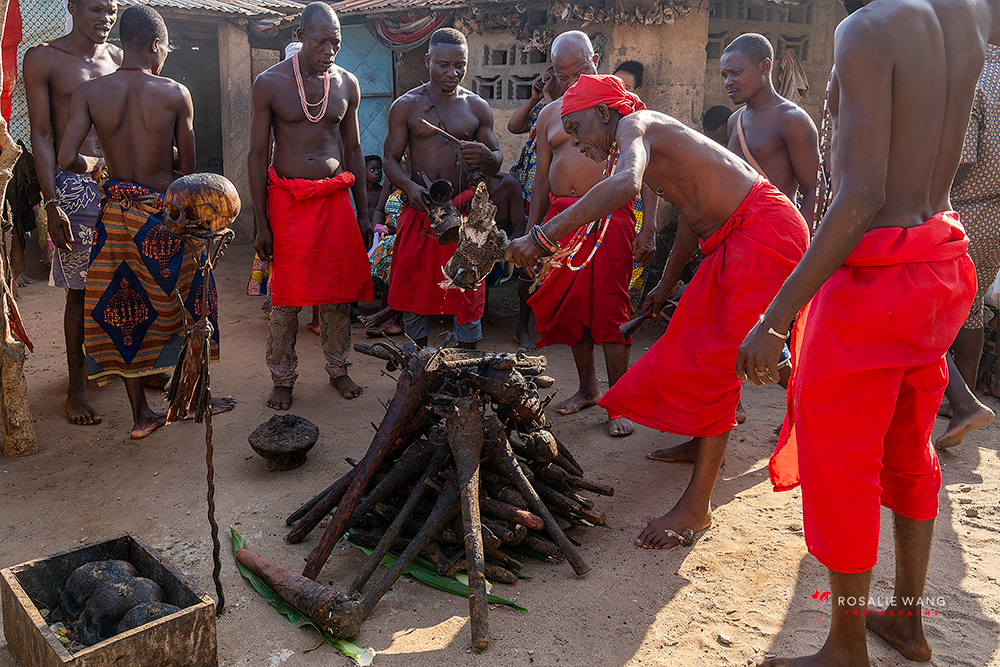
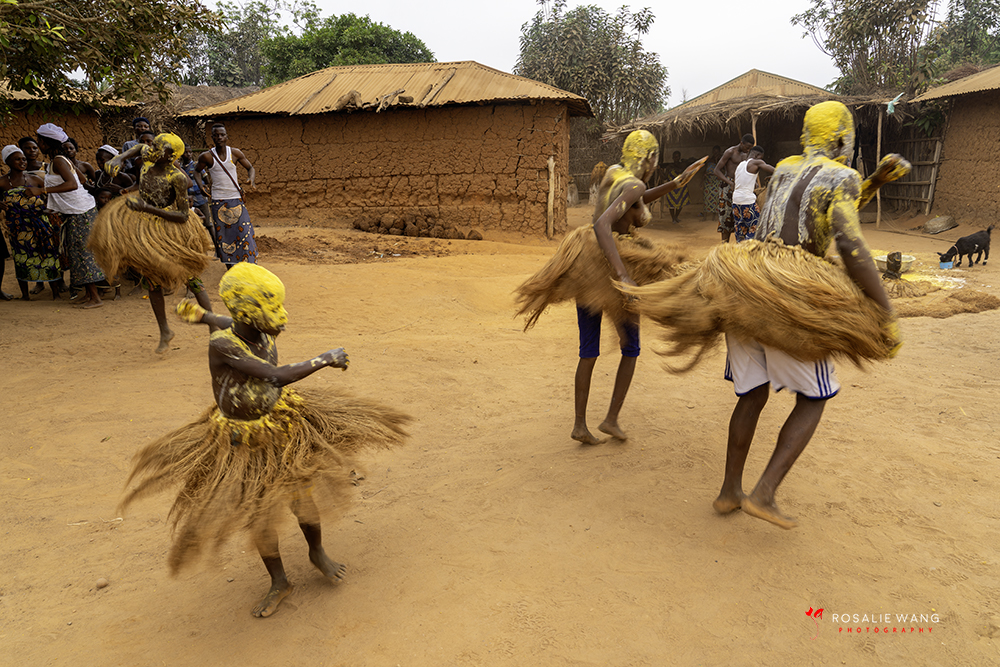
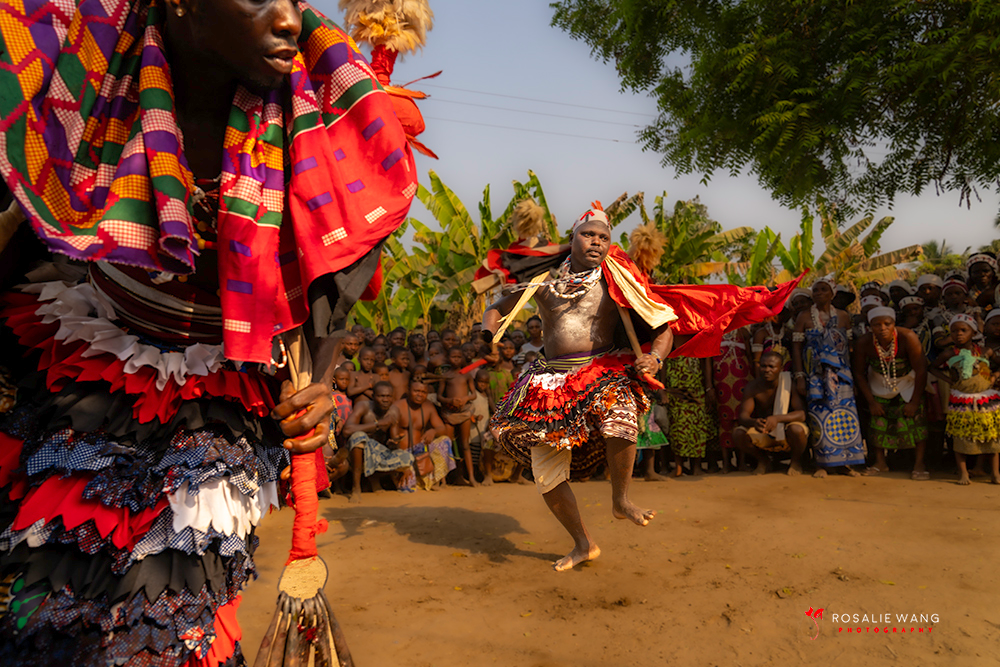
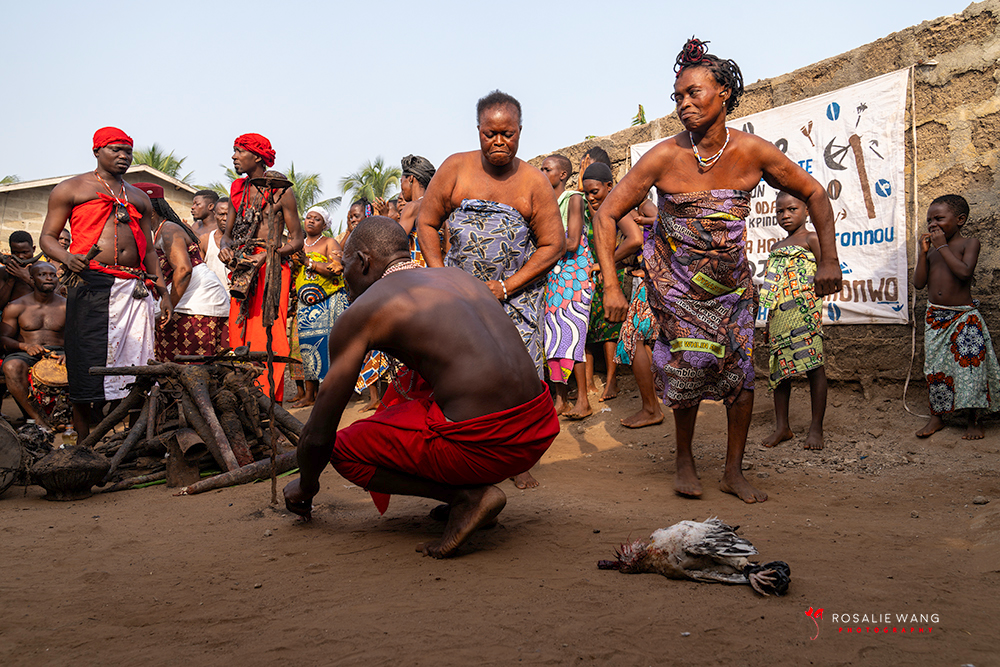
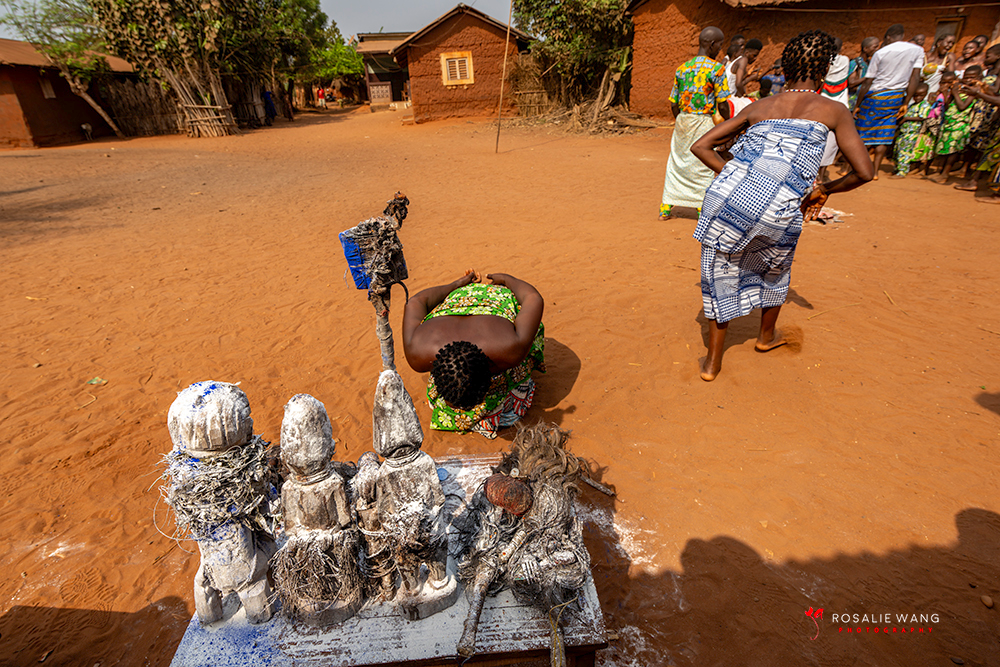
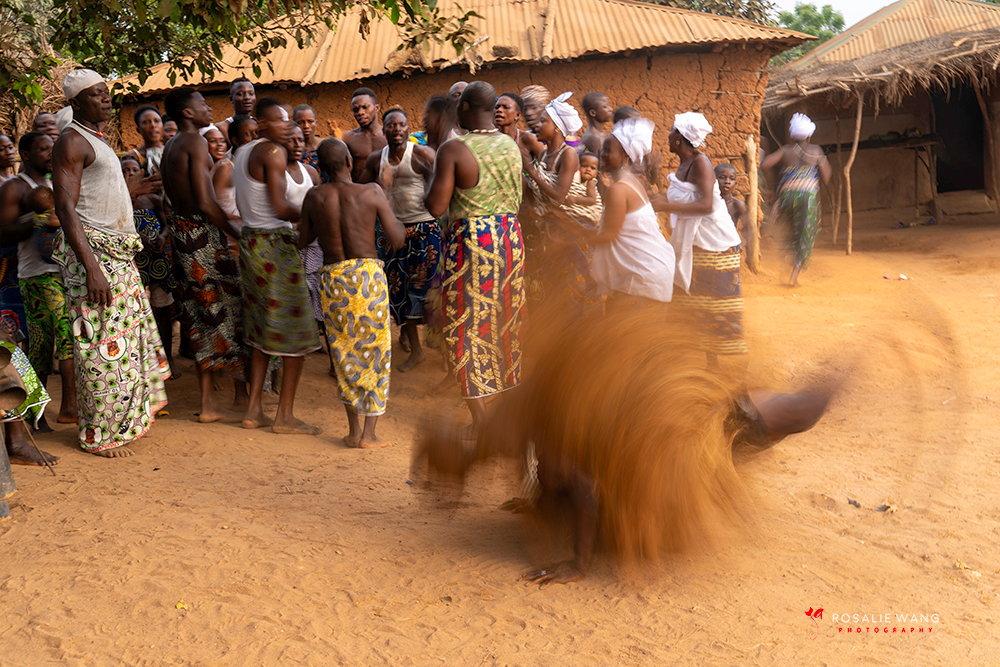
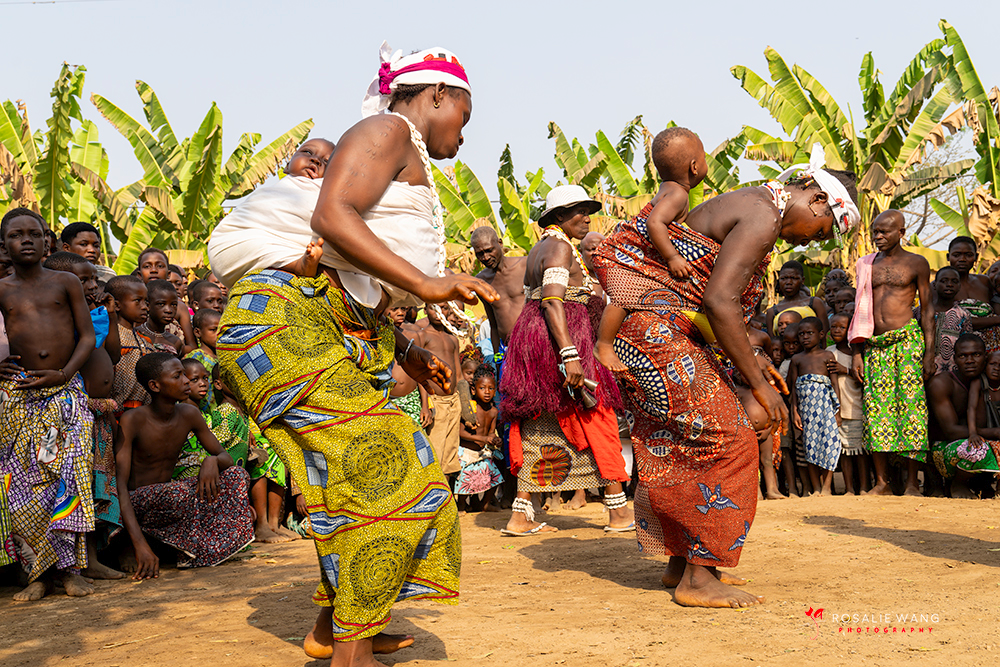
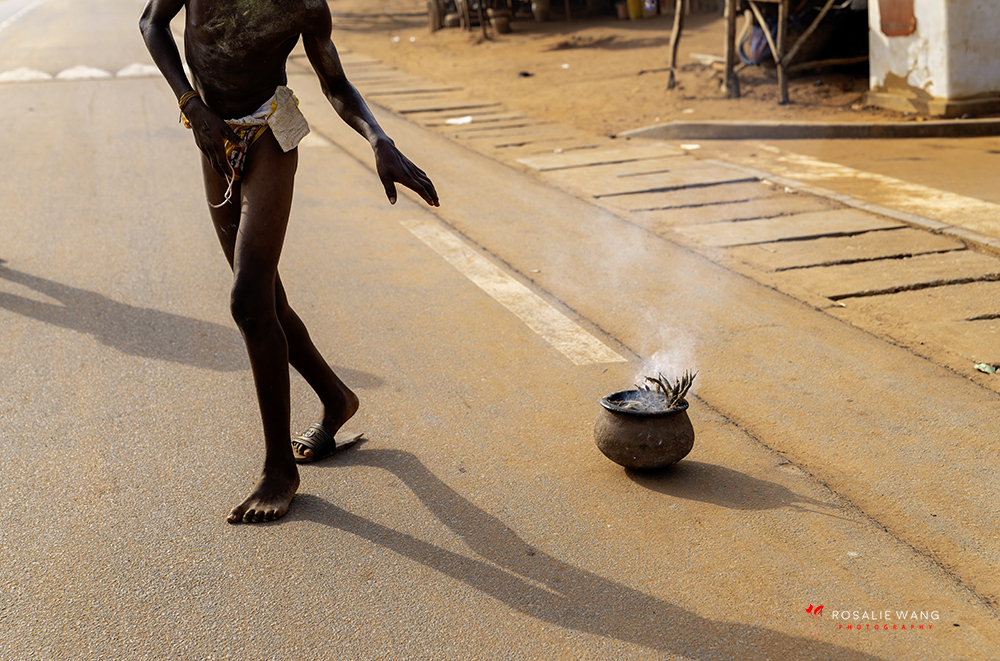
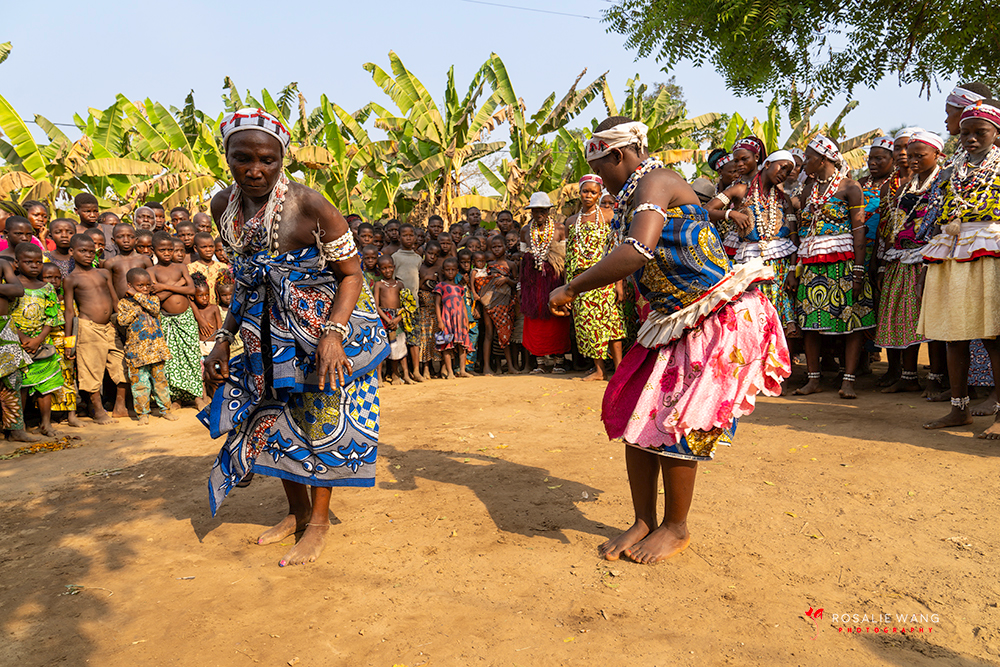
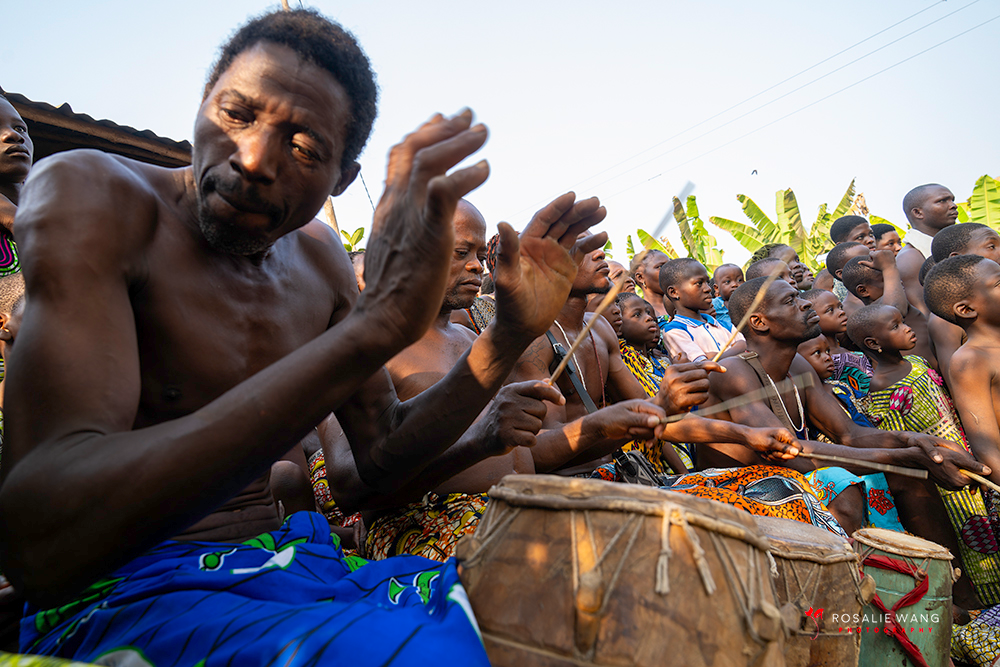
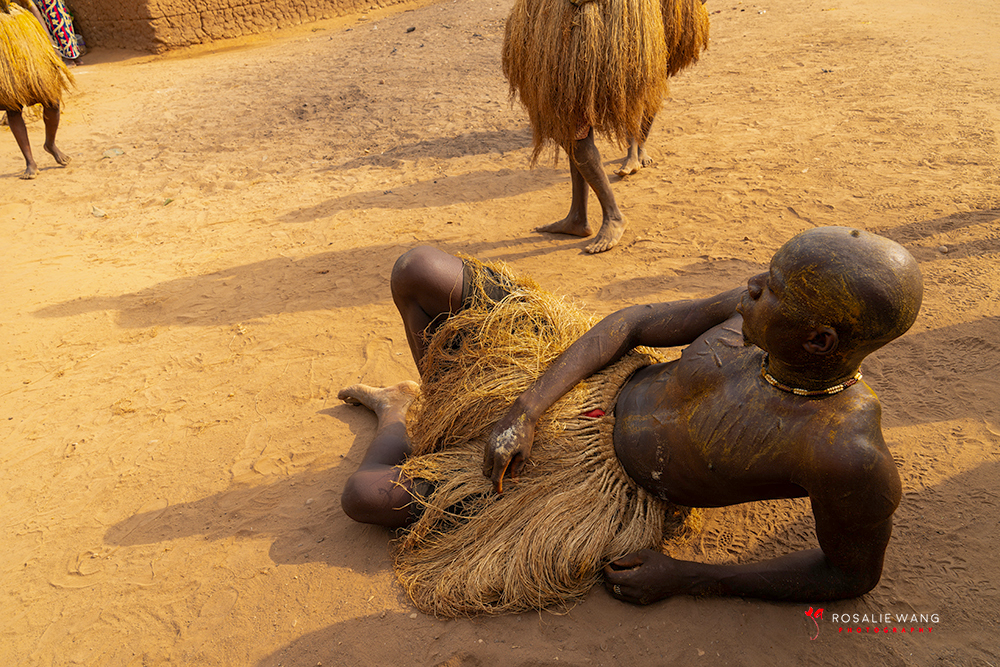
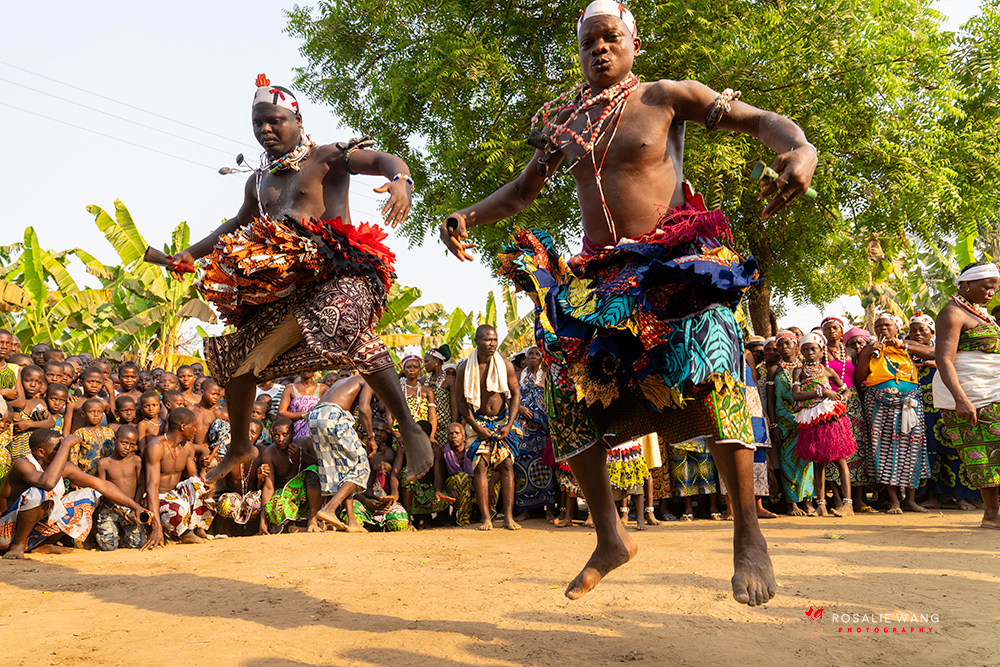
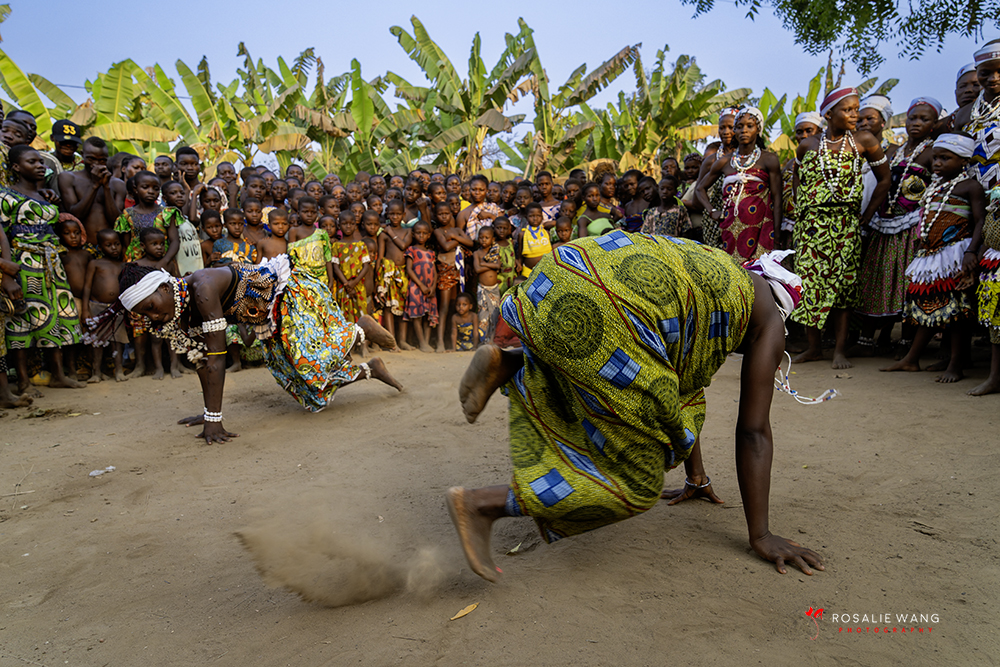
- Rituals include drumming, dance, trance possession, divination, and offerings, often involving animal sacrifice to honor and feed the spirits.
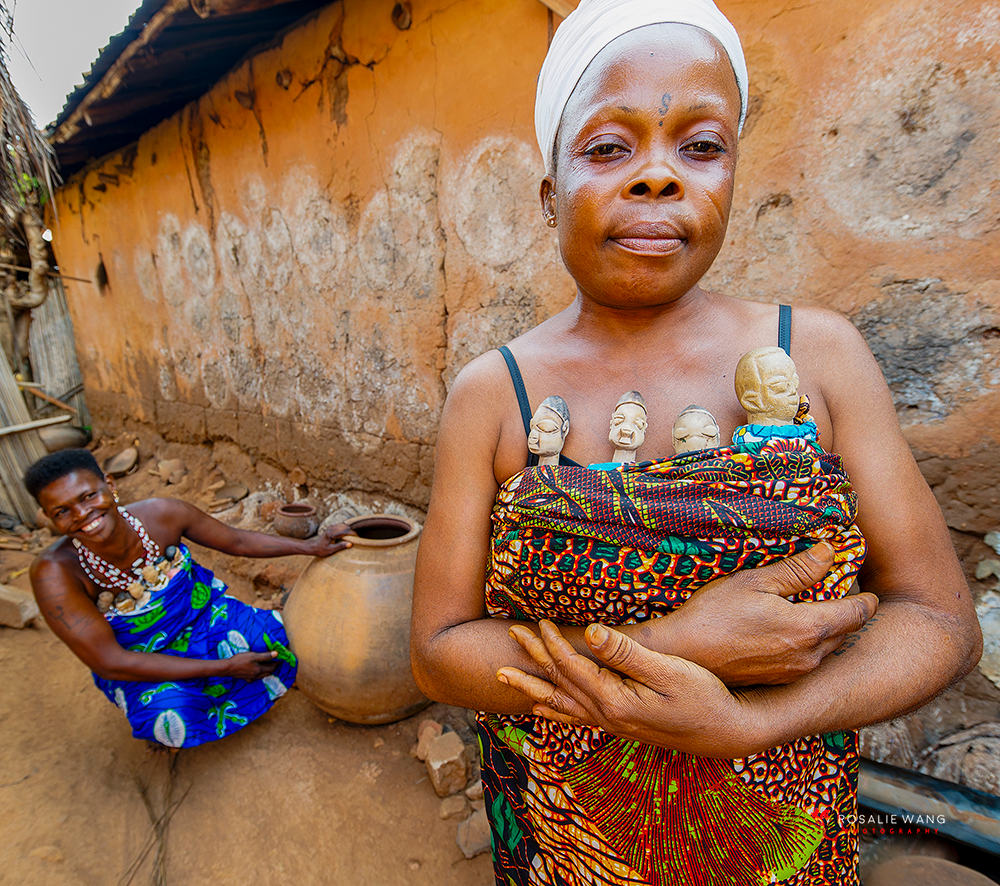
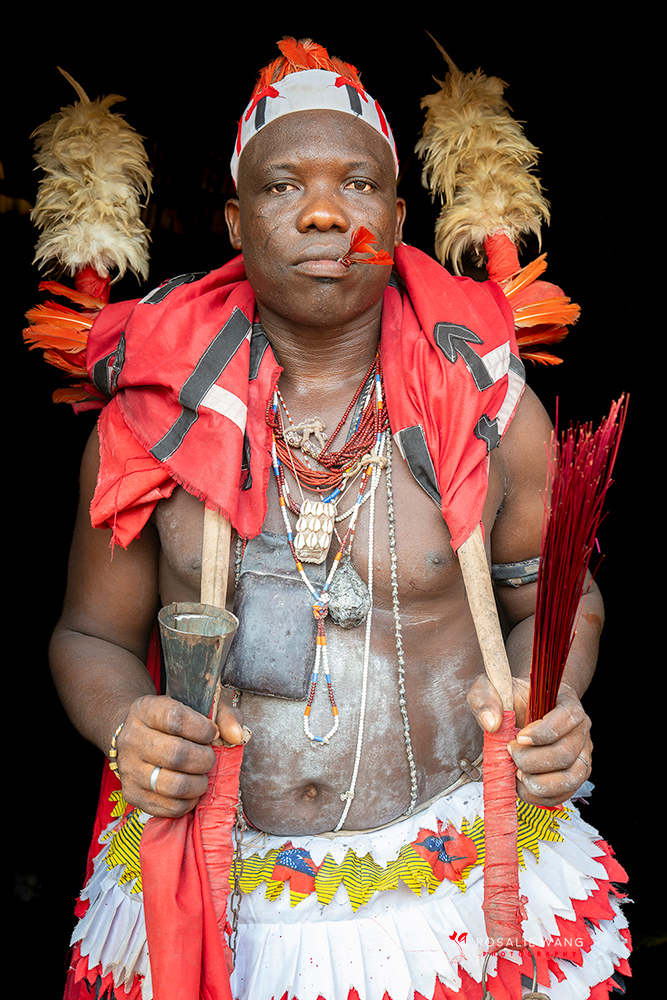
- Initiation rites and secret societies (e.g., Oró and Egúngún) play a key role in spiritual training and community leadership.
🏛️ Social and Political Role
- Vodun is officially recognized by the Beninese government, with January 10 celebrated as National Vodun Day, drawing thousands of participants and tourists.
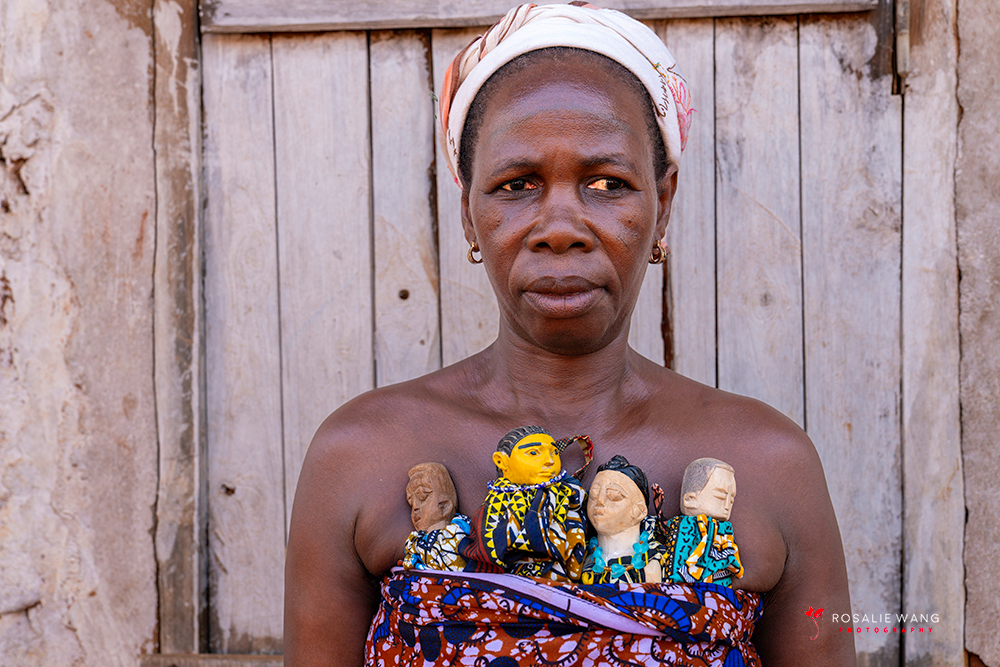
- It influences art, music, healing practices, and moral codes, and is often consulted for personal and communal decisions.
🌀 Categories of Vodun Ceremonies
🪷 Initiation Ceremonies (Kpodji Vodun)
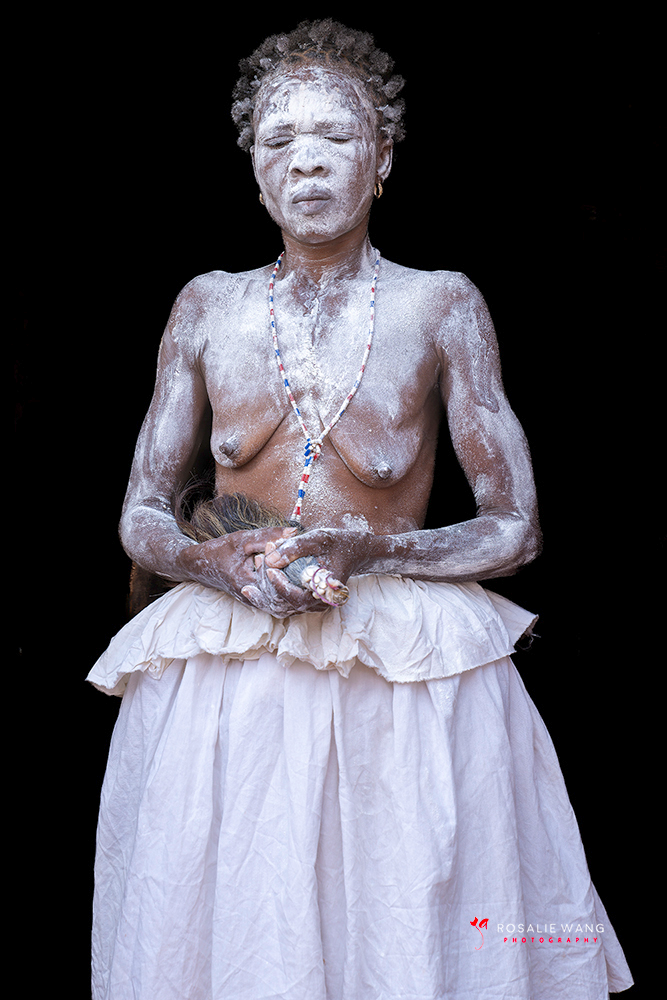
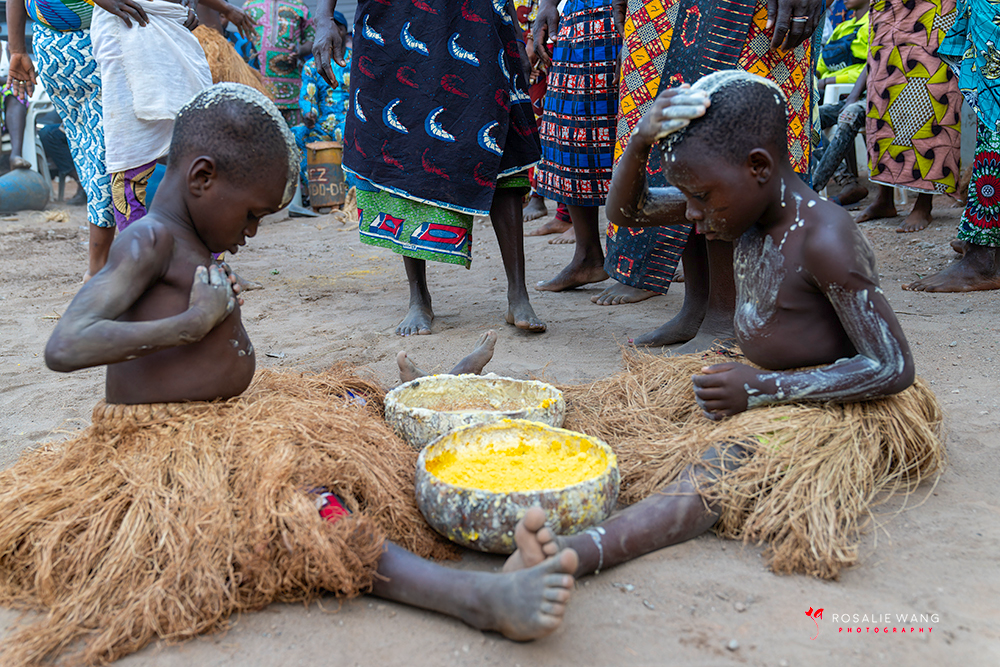
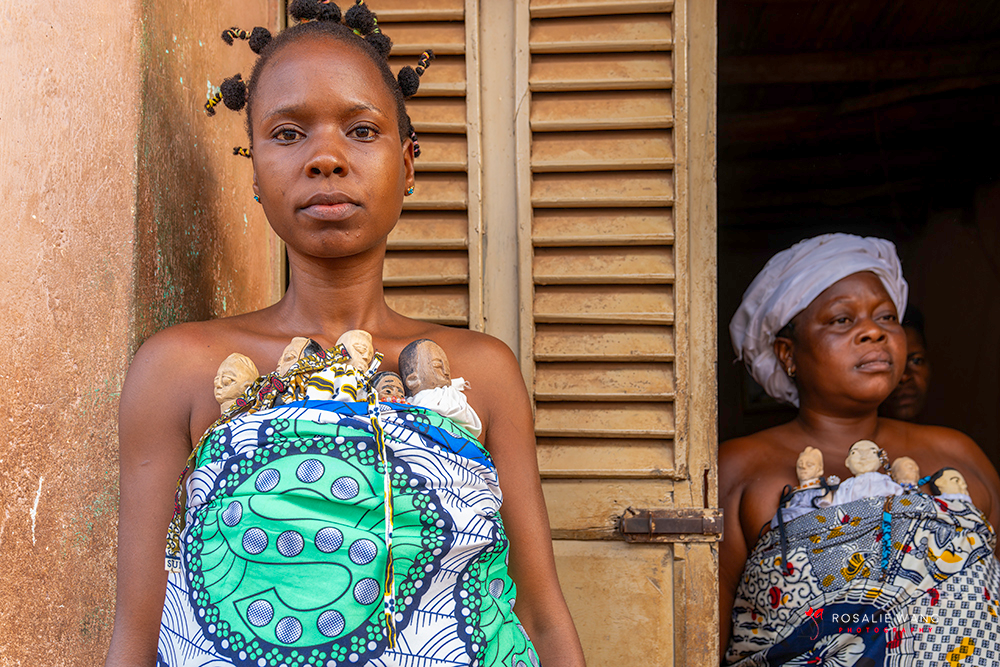
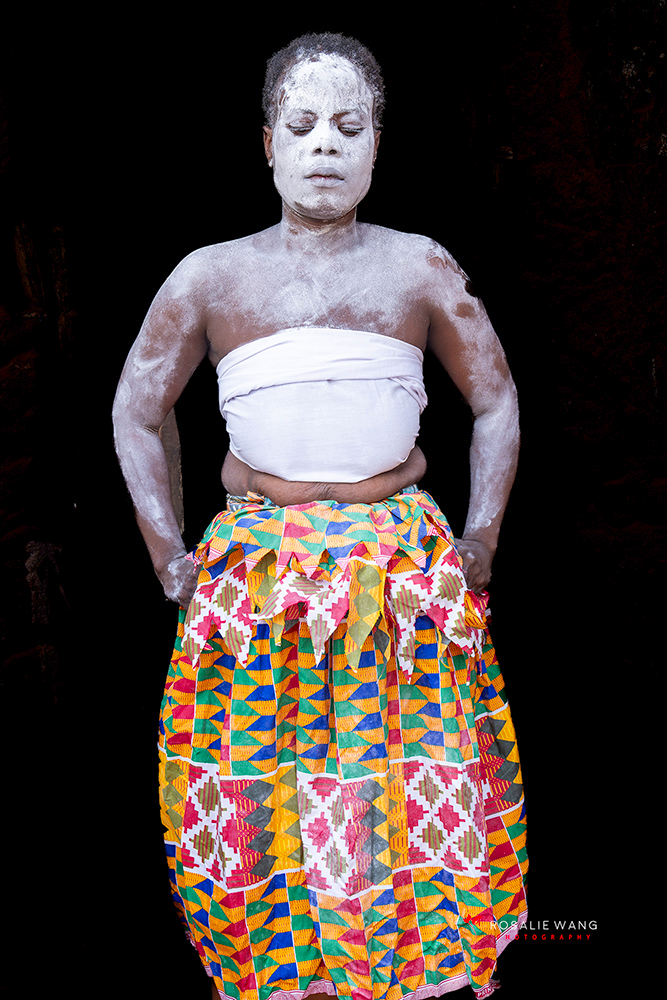
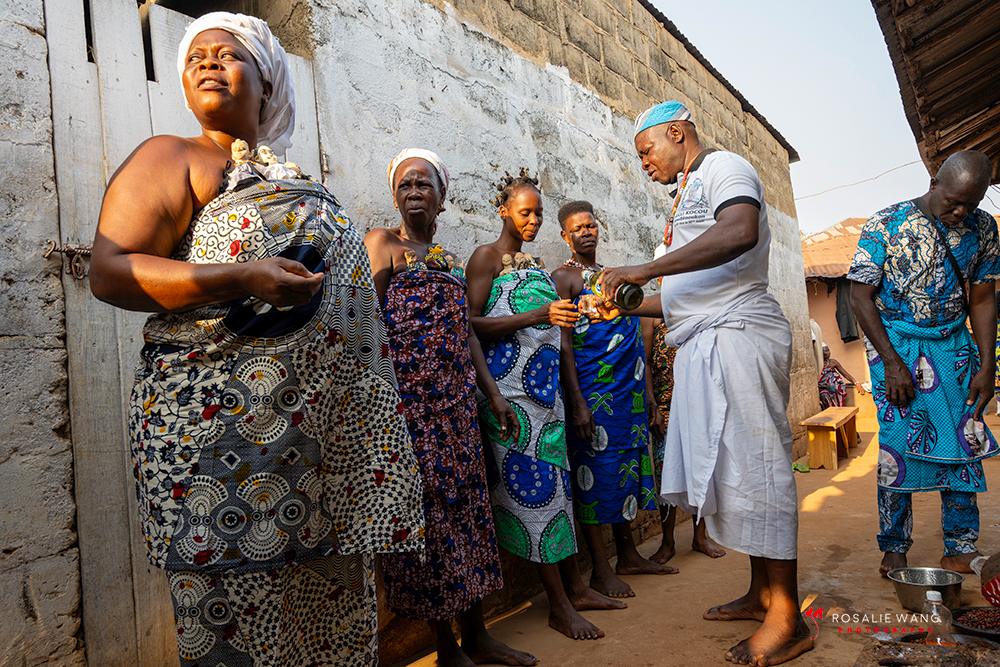
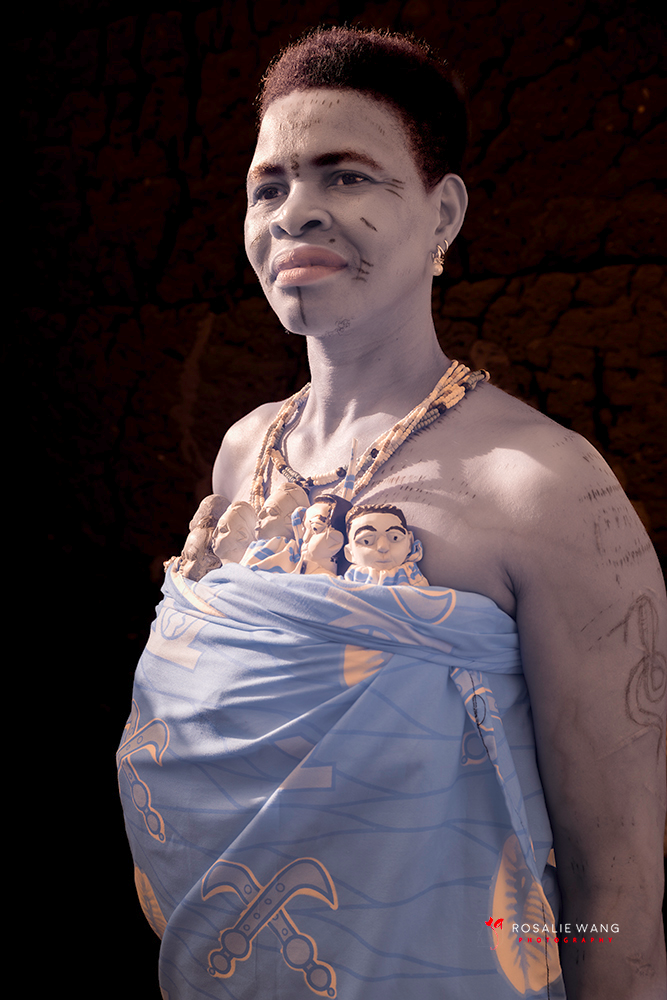
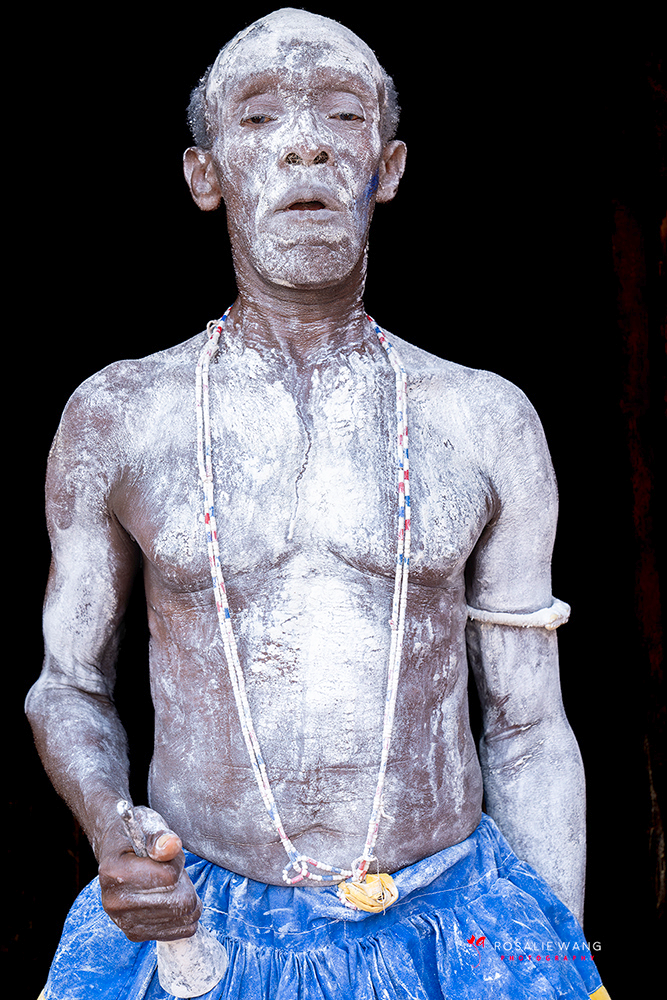
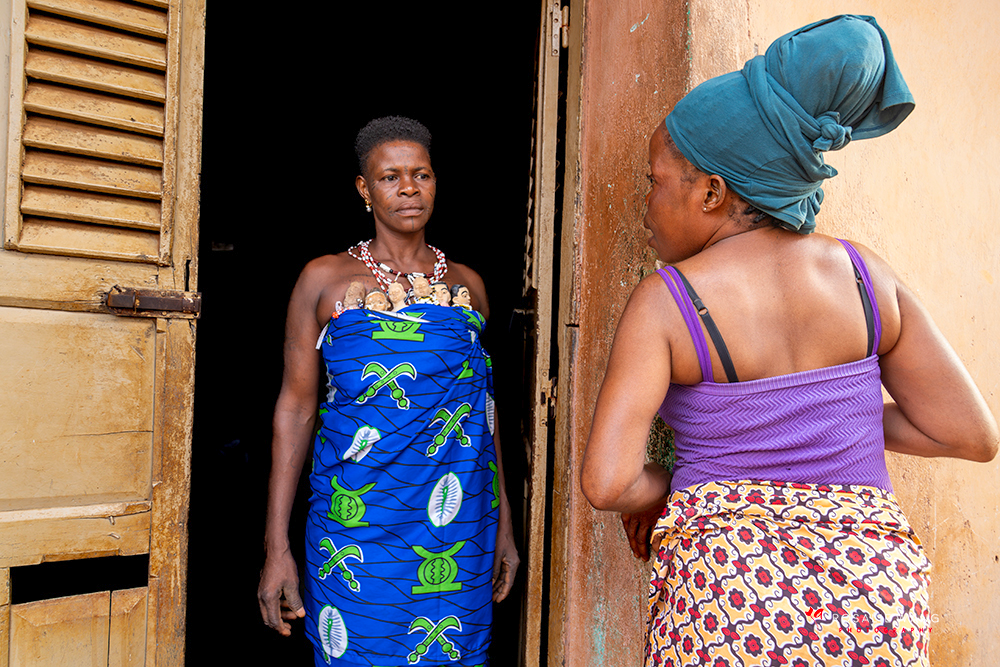
A sacred forest shrine with a female initiate in white, guided by a priest. Ritual items like calabashes and white cloth evoke rebirth and spiritual transformation.
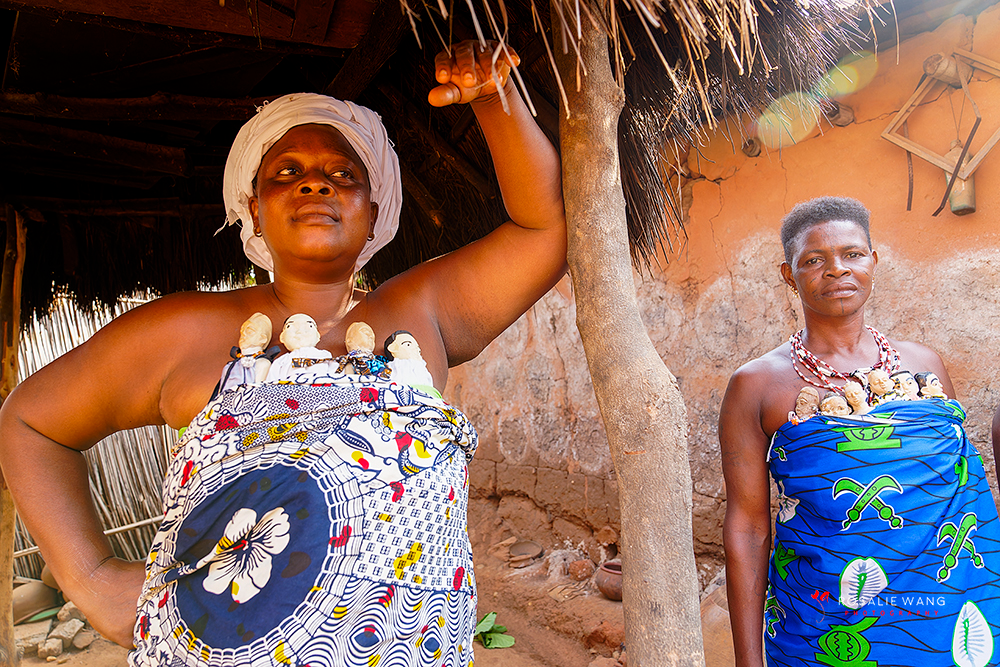
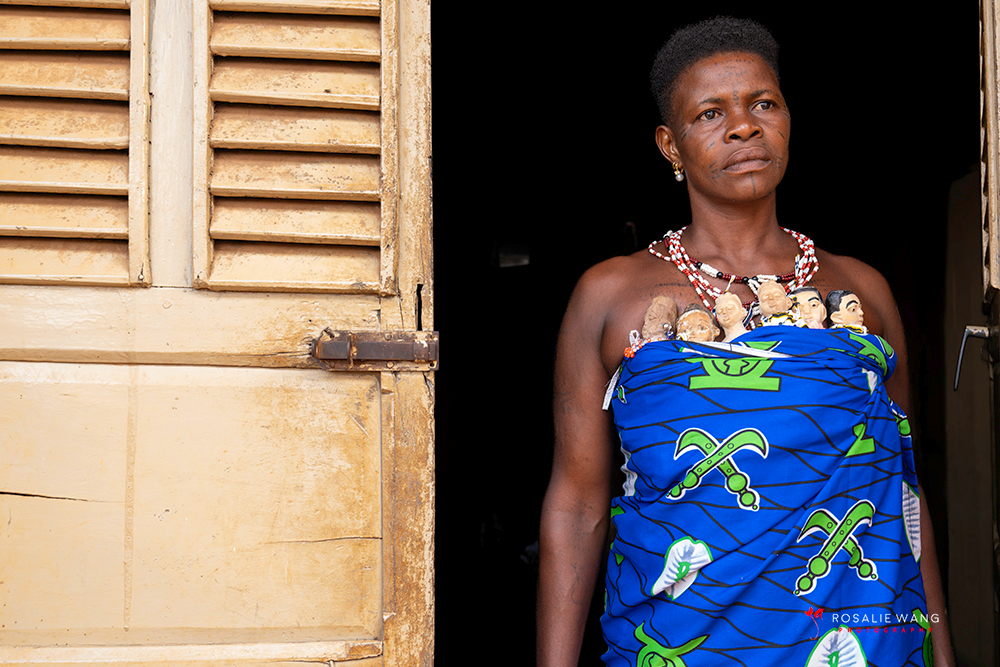
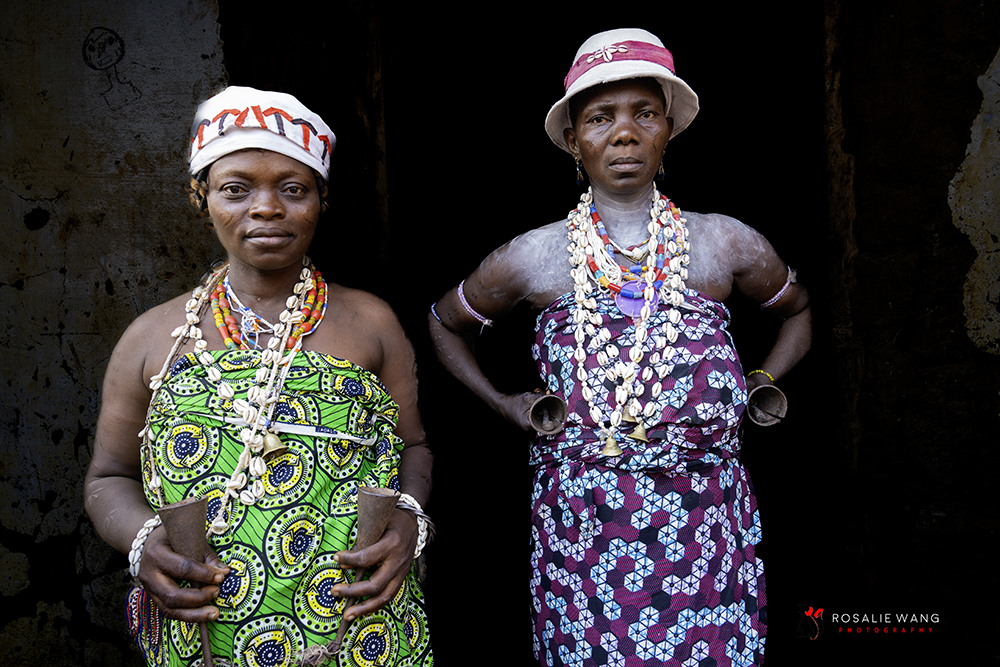
- Mark the spiritual induction of individuals into Vodun priesthood or secret societies.
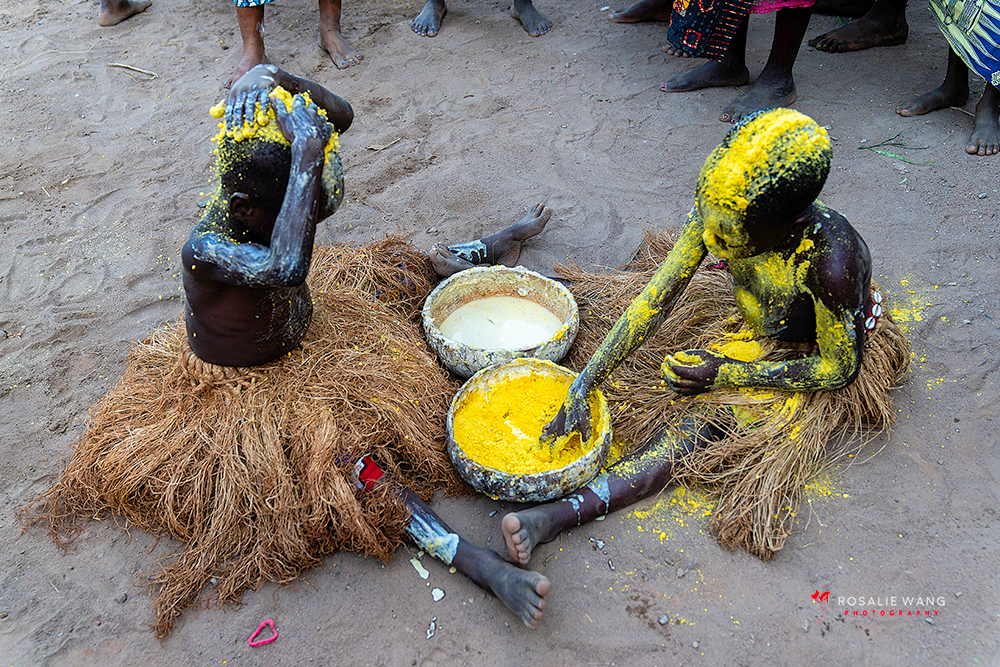
- Often involve seclusion, ritual bathing, symbolic rebirth, and receiving spiritual names.
- Example: Vodunsi initiation for women entering priestess roles.
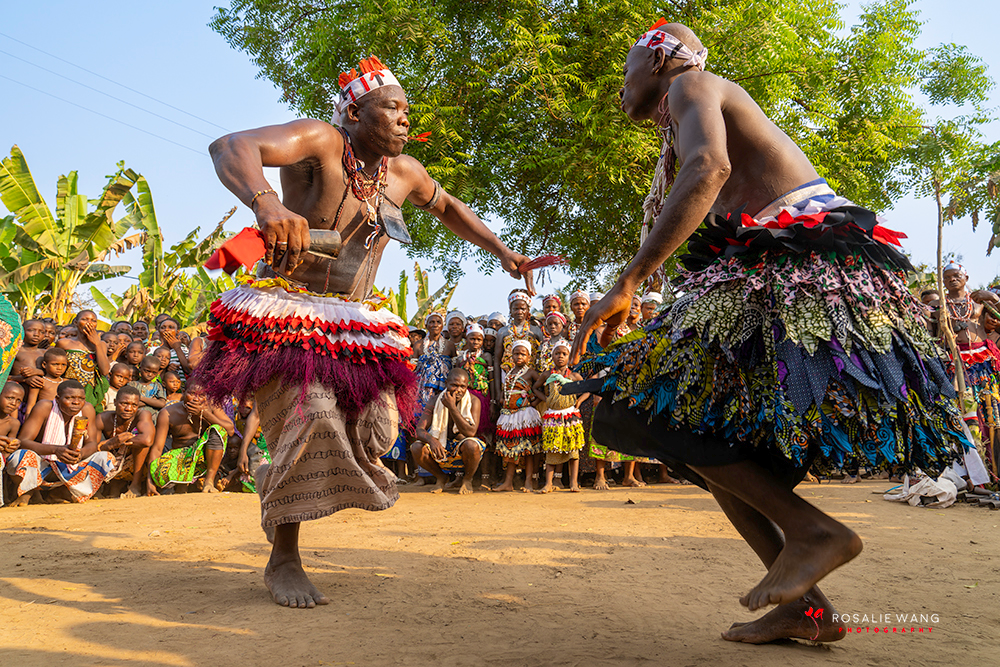
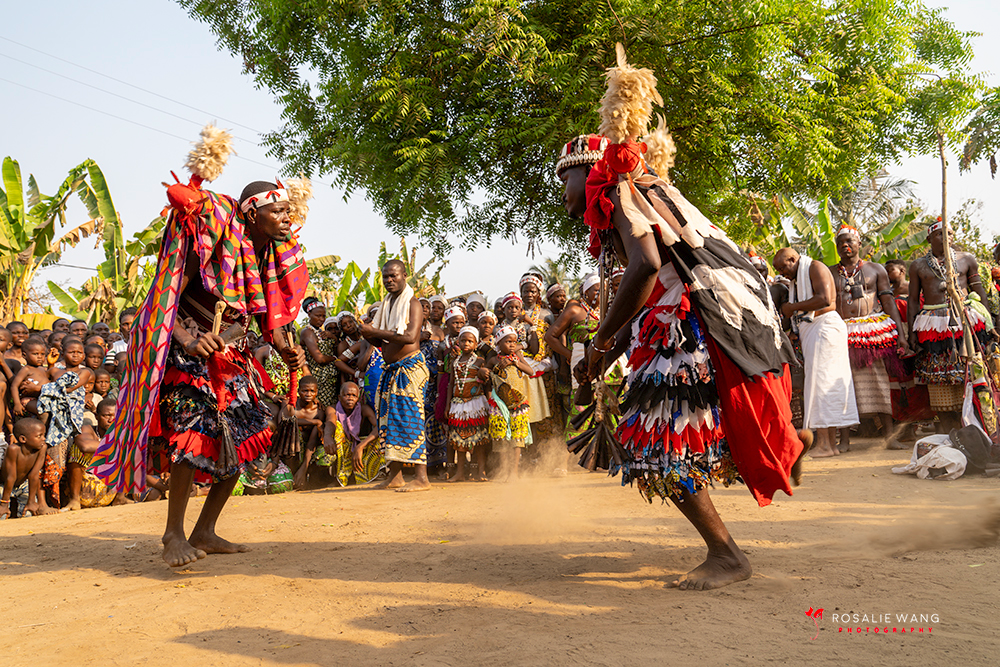
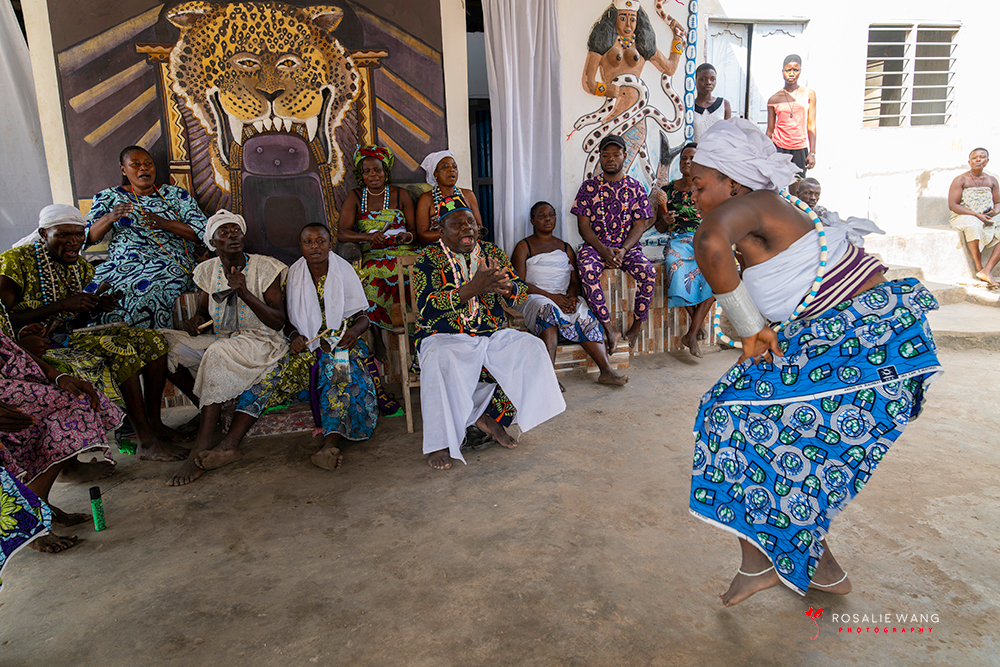
🔥 Possession & Trance Ceremonies
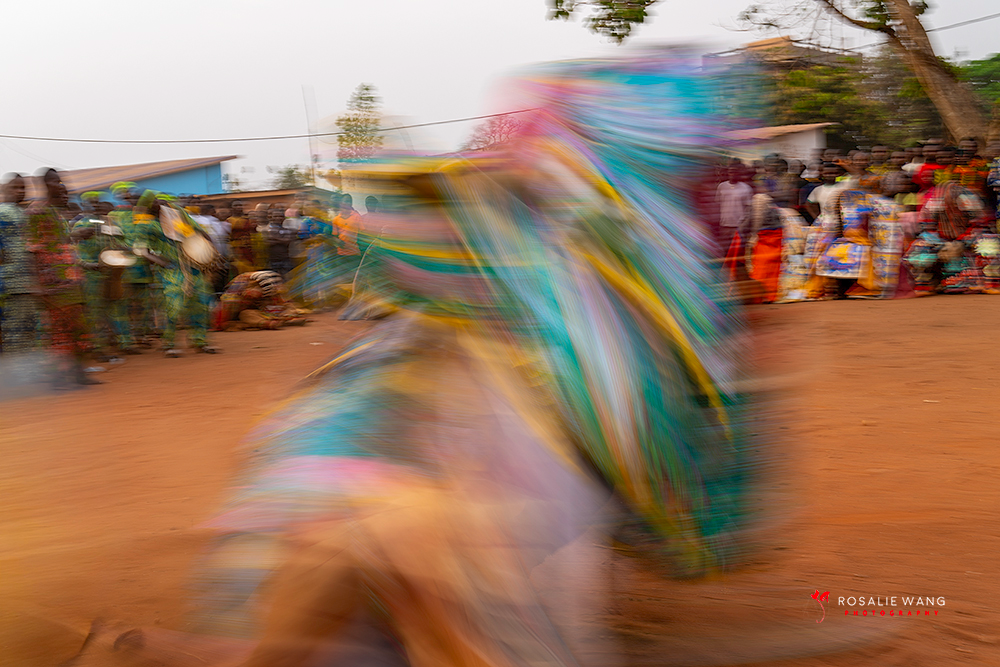
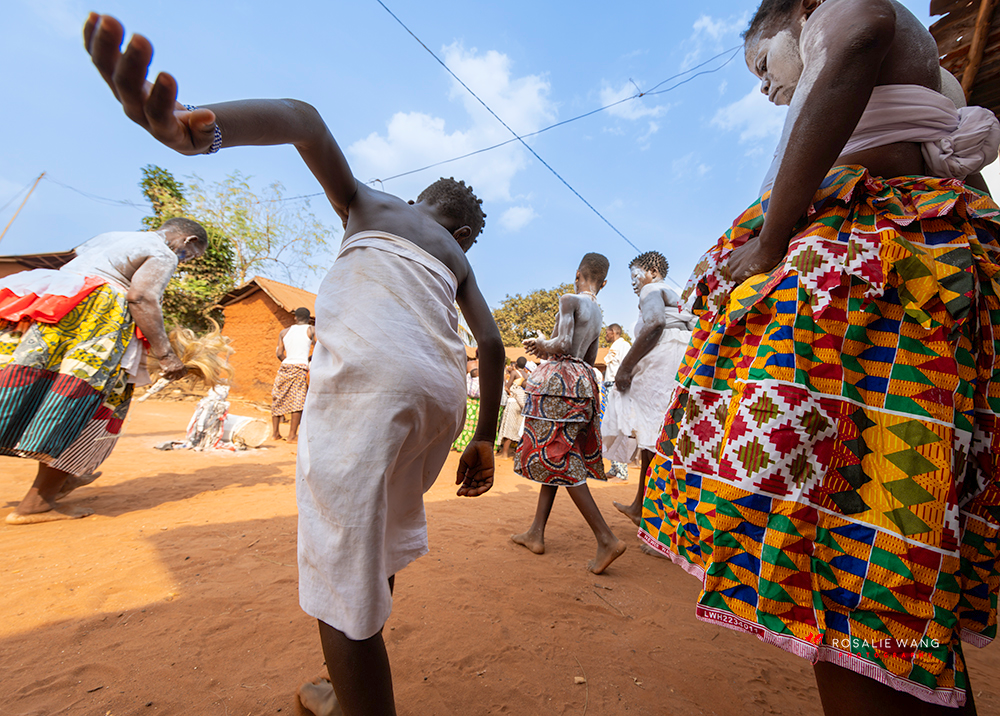
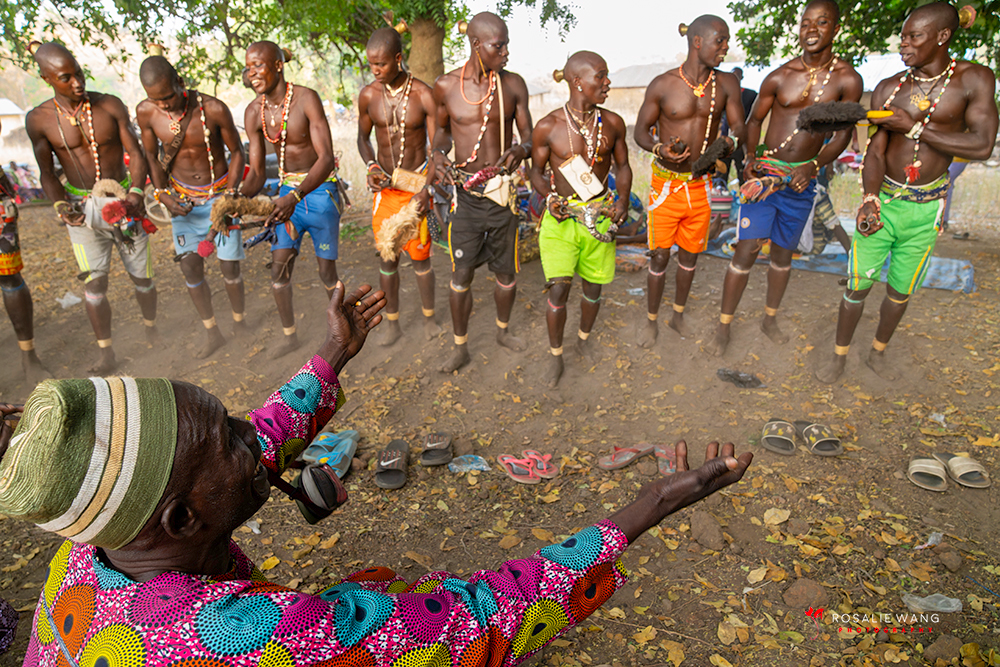
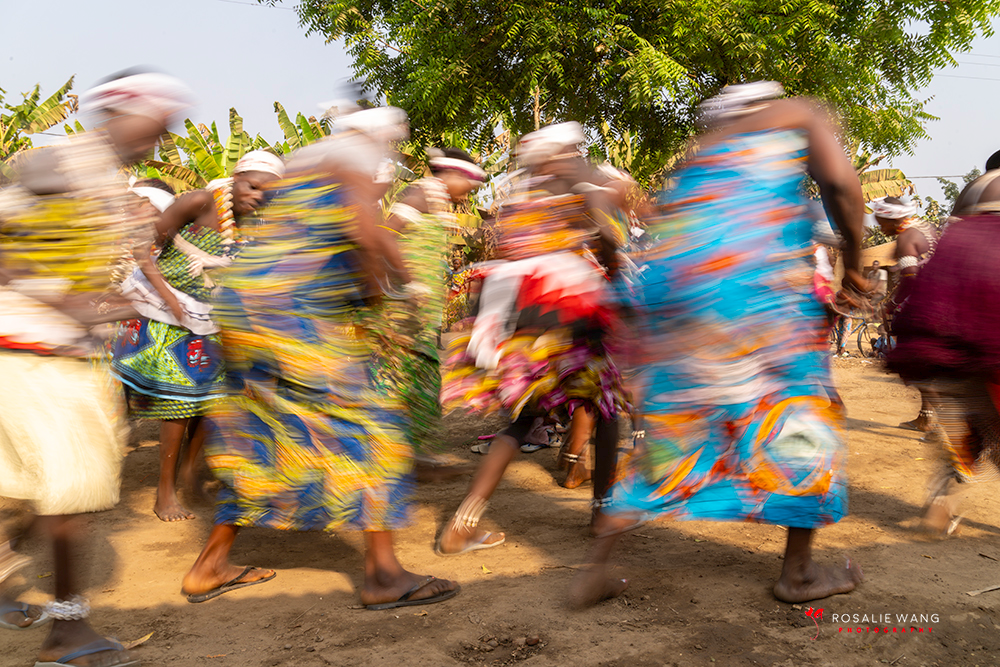
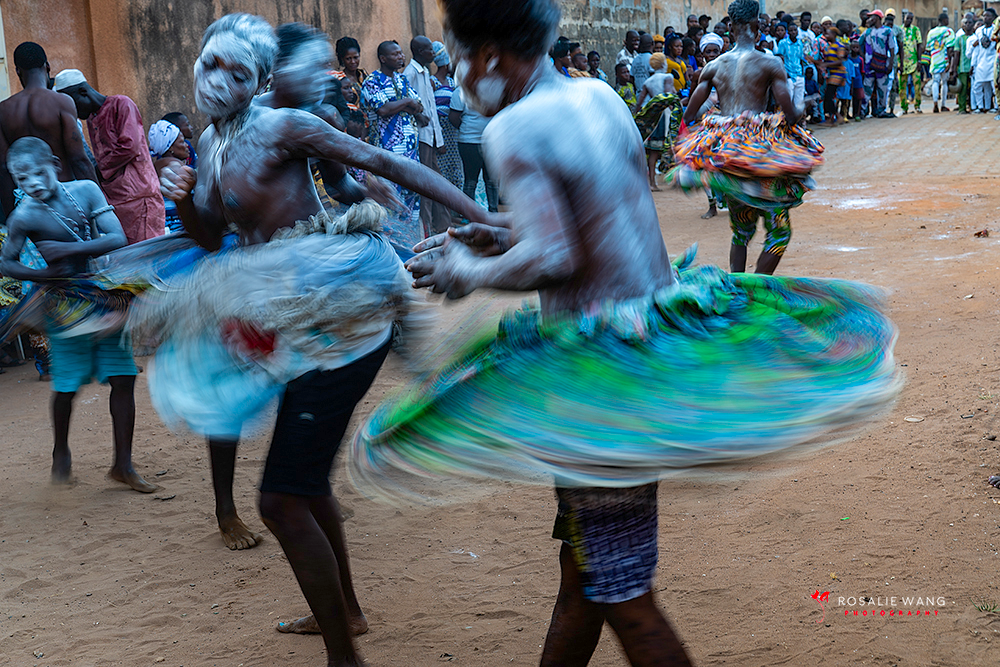
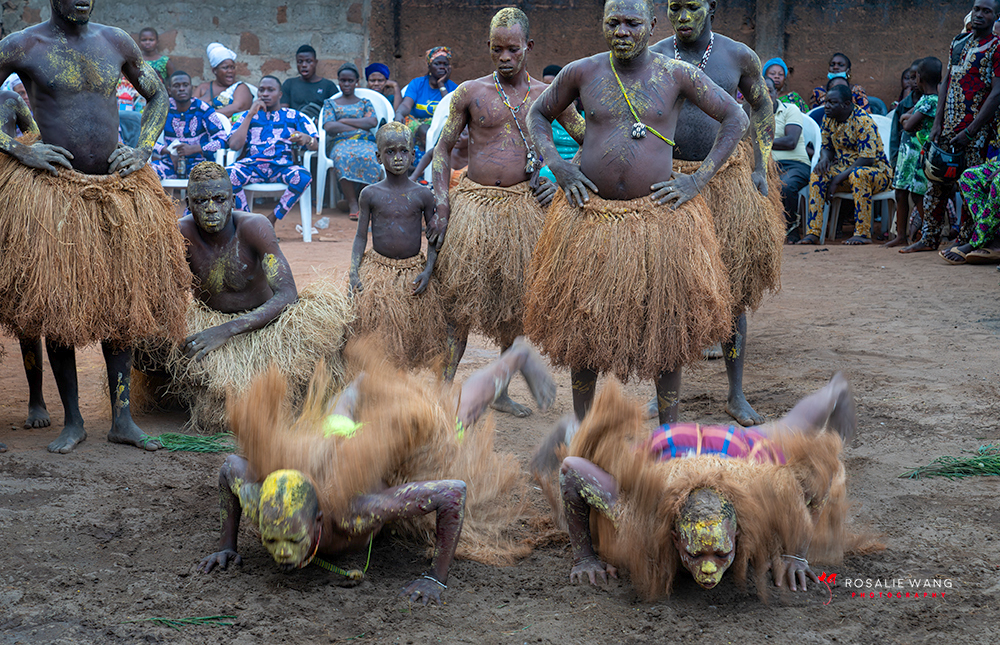
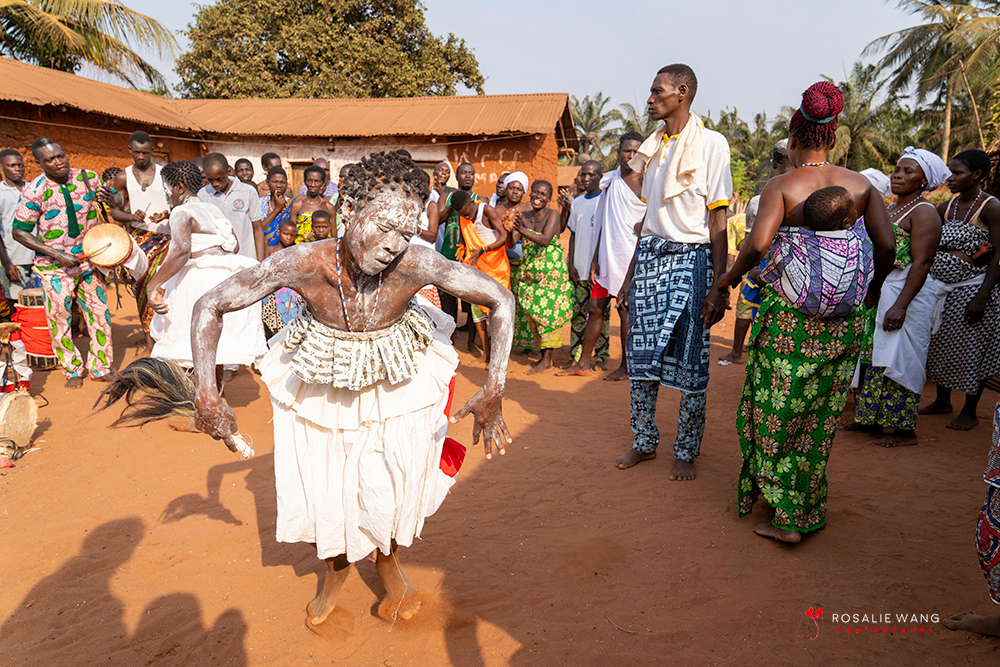
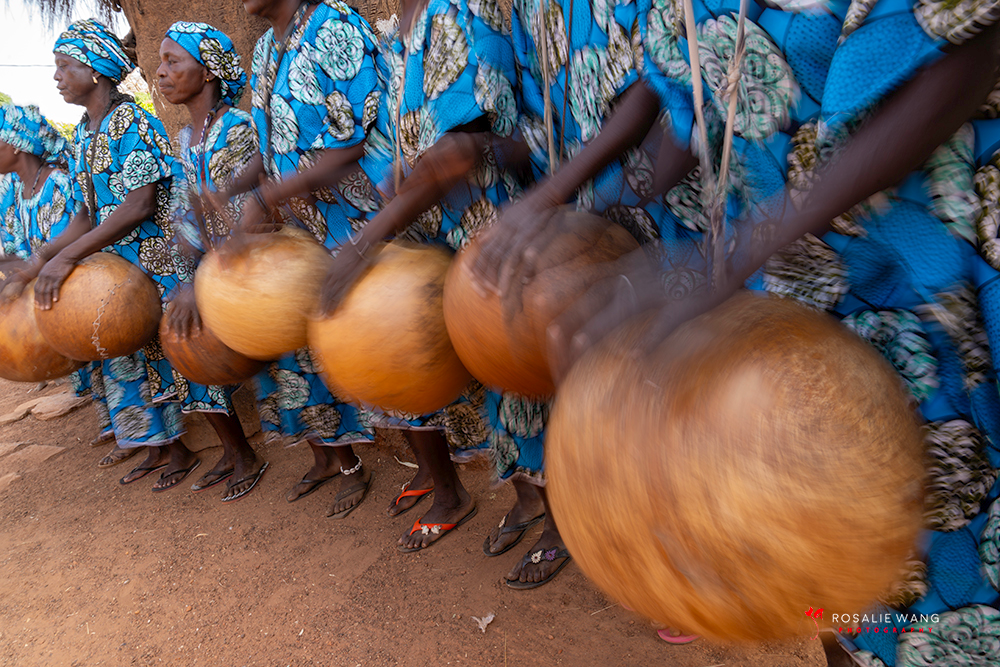
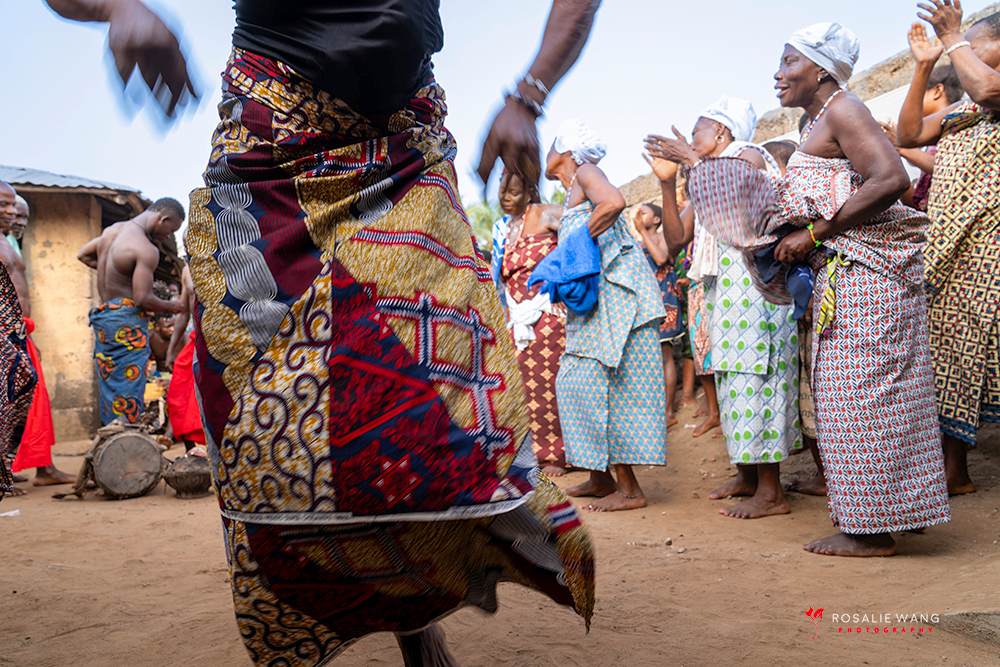
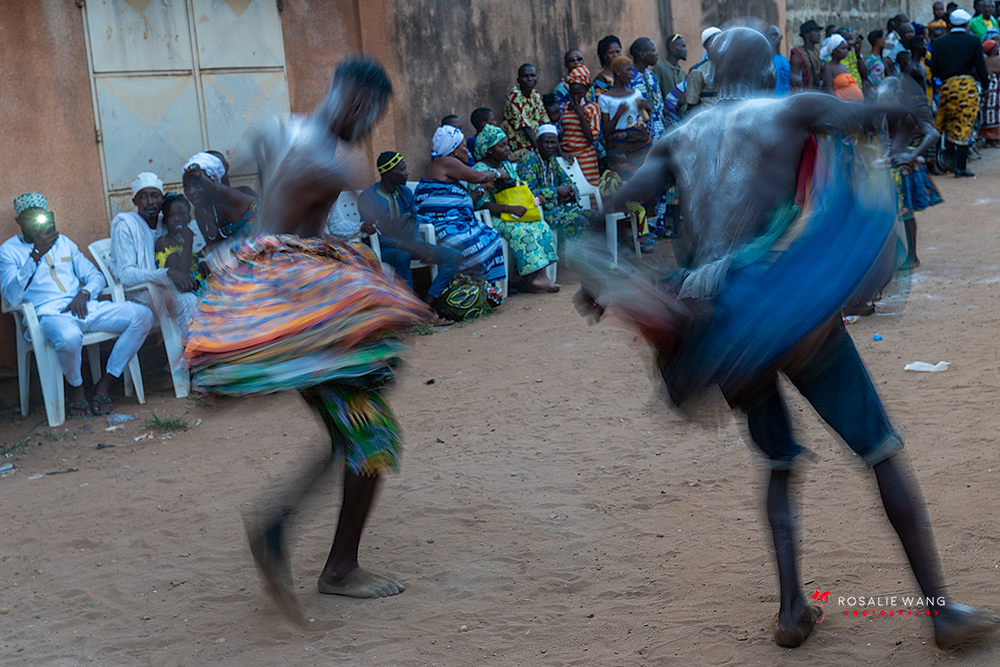
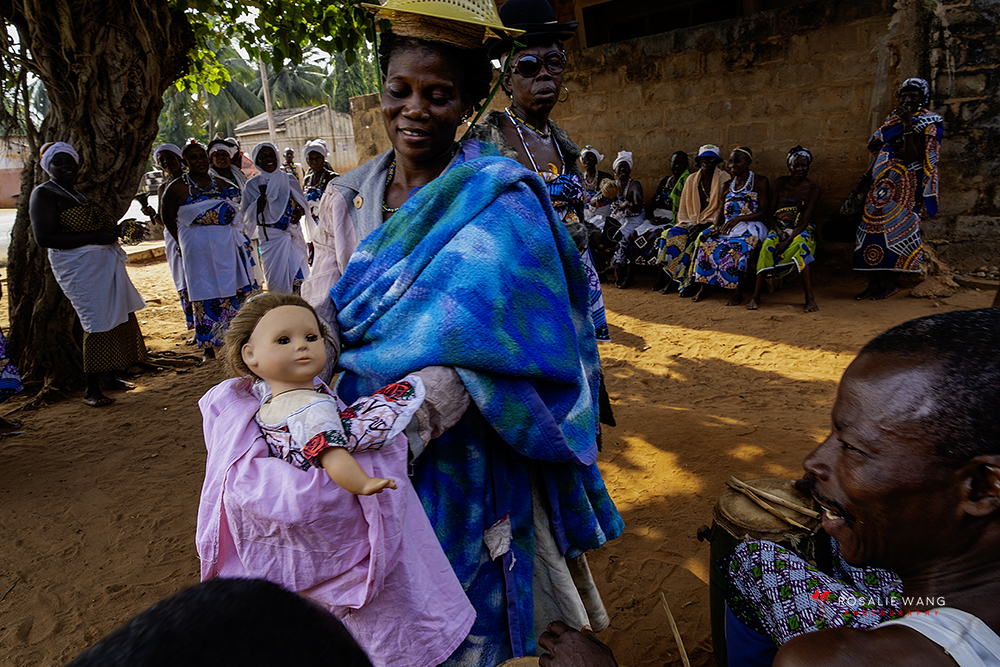
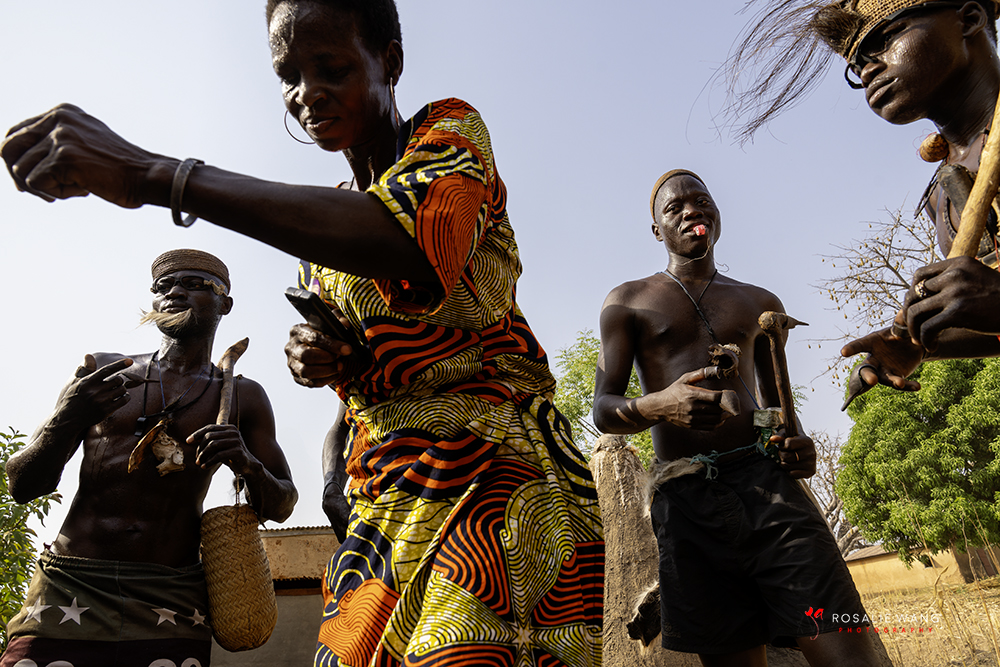
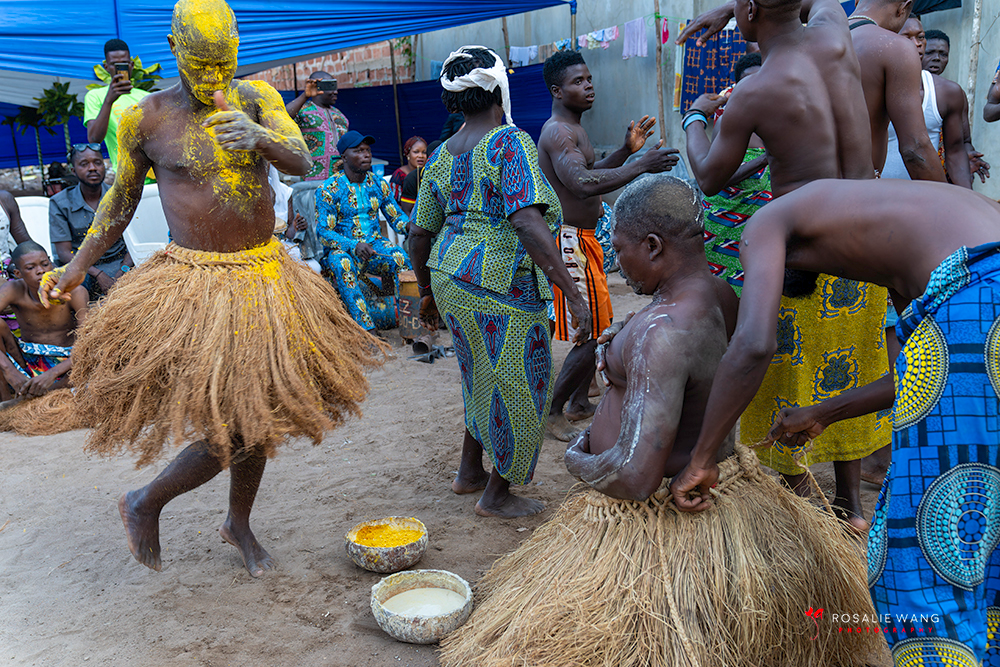
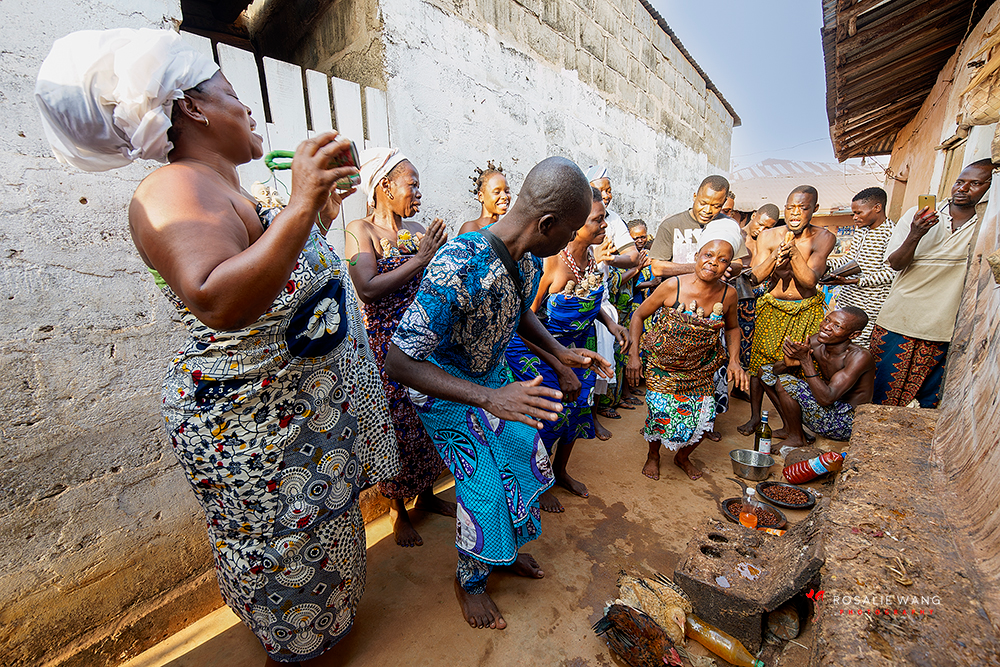
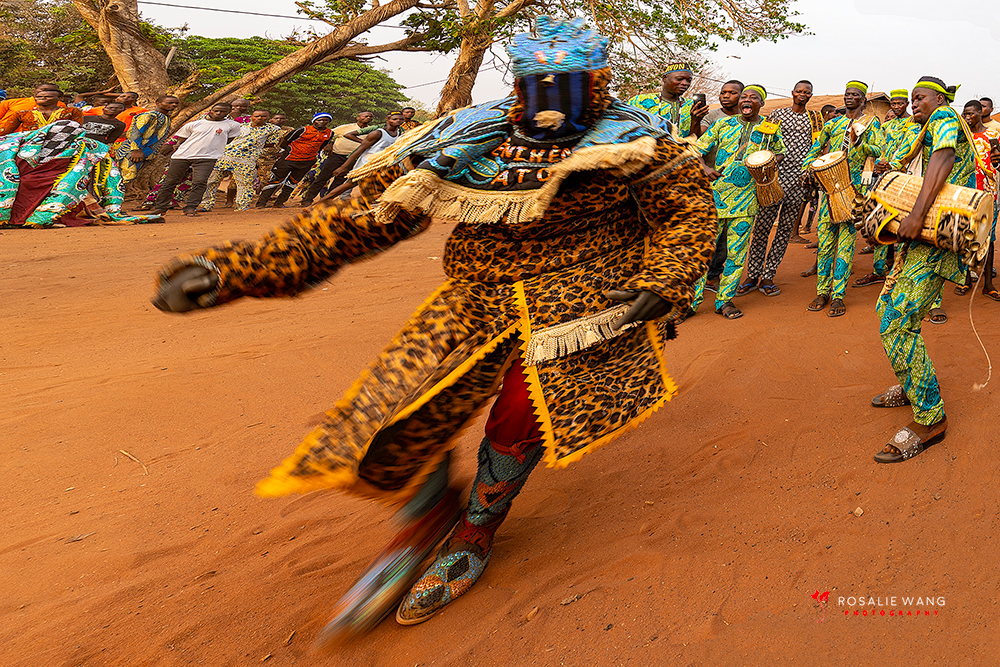
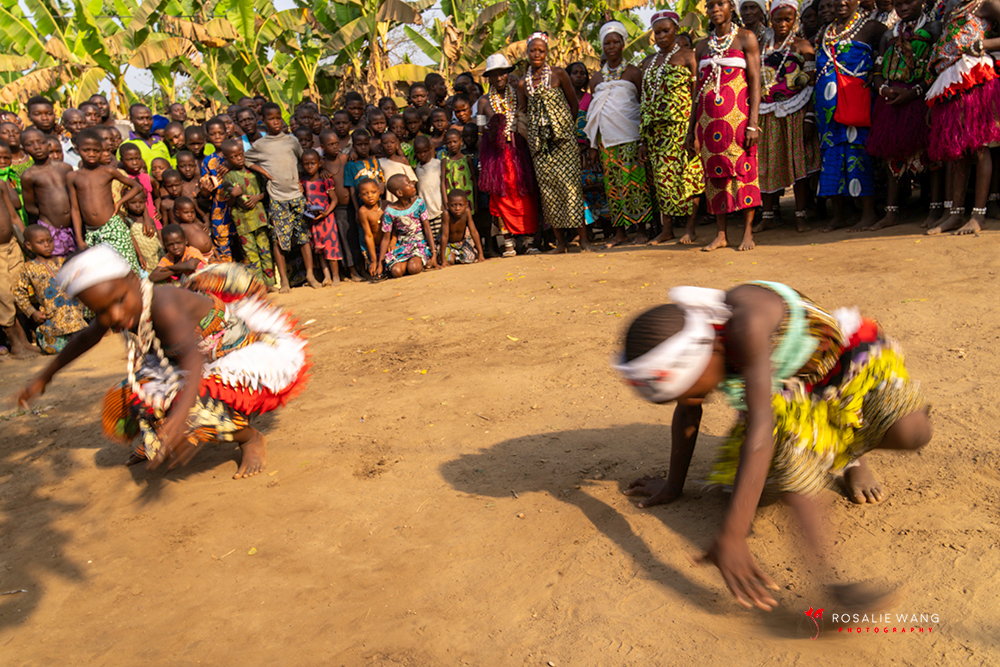
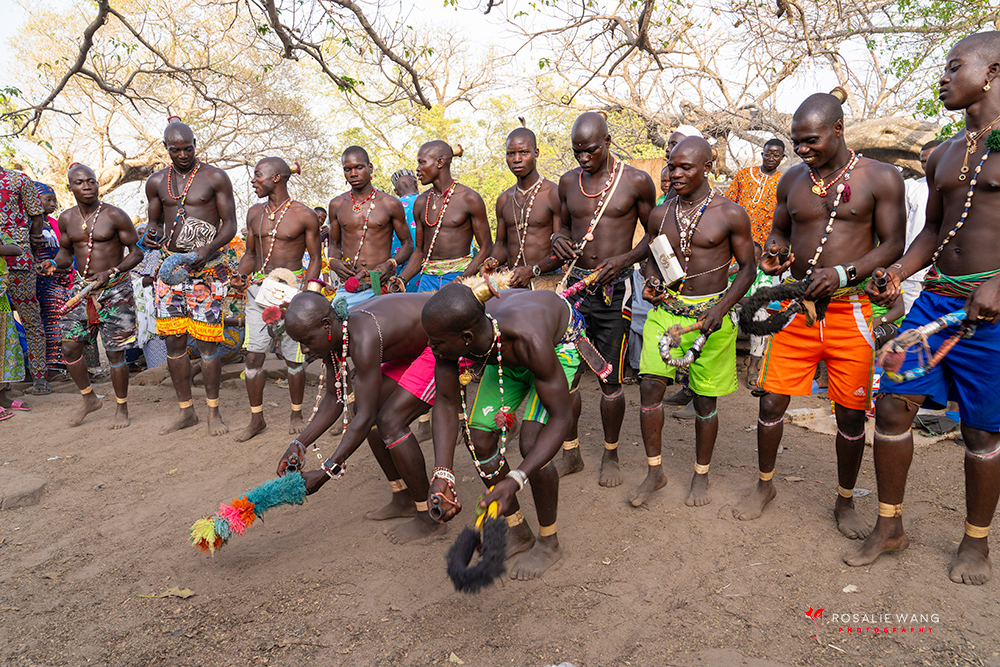
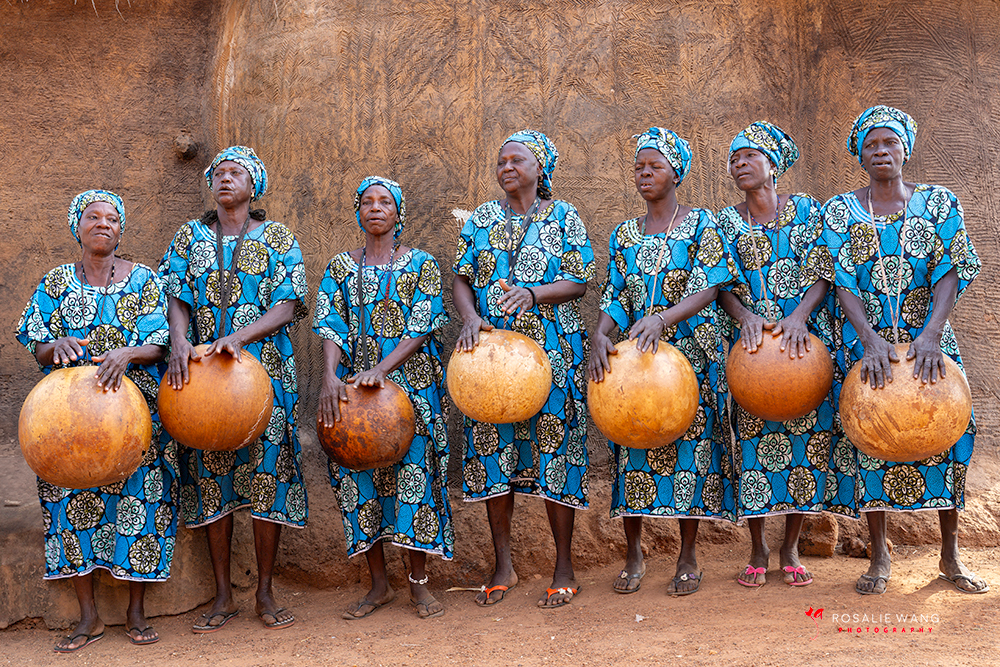
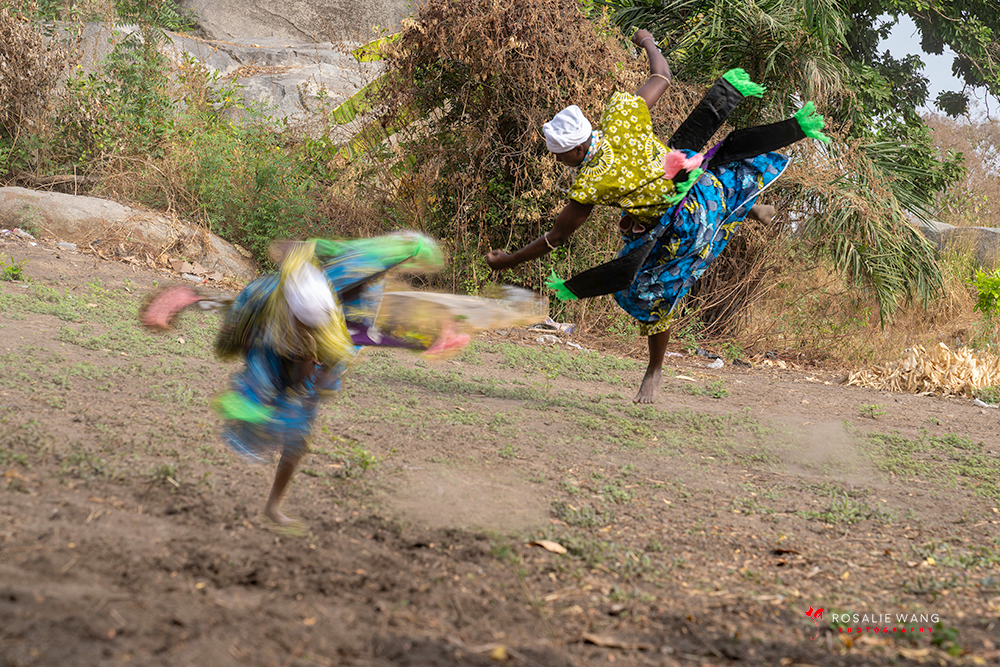
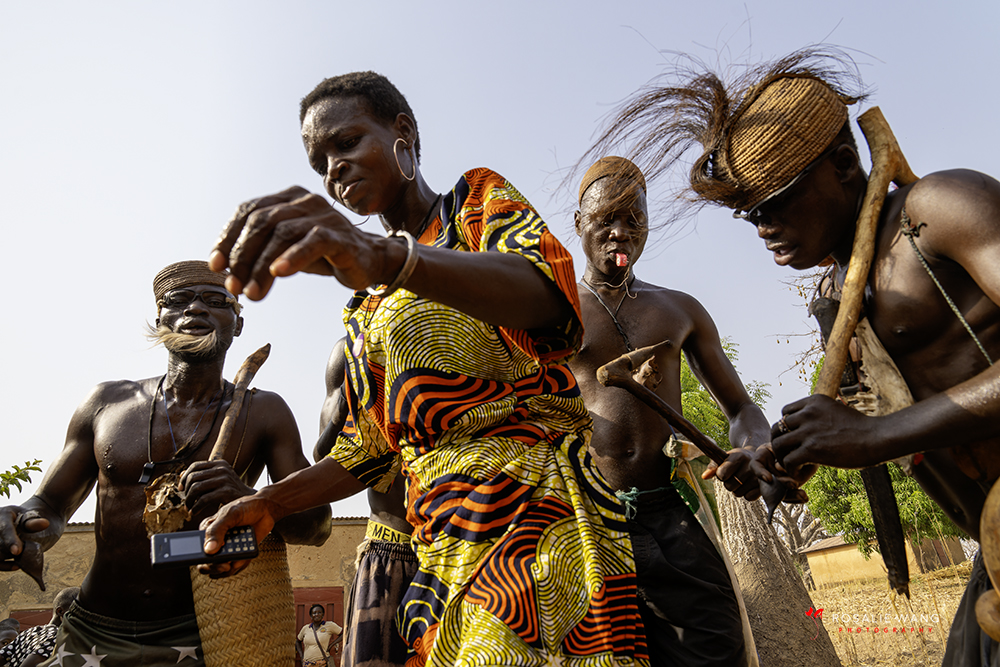
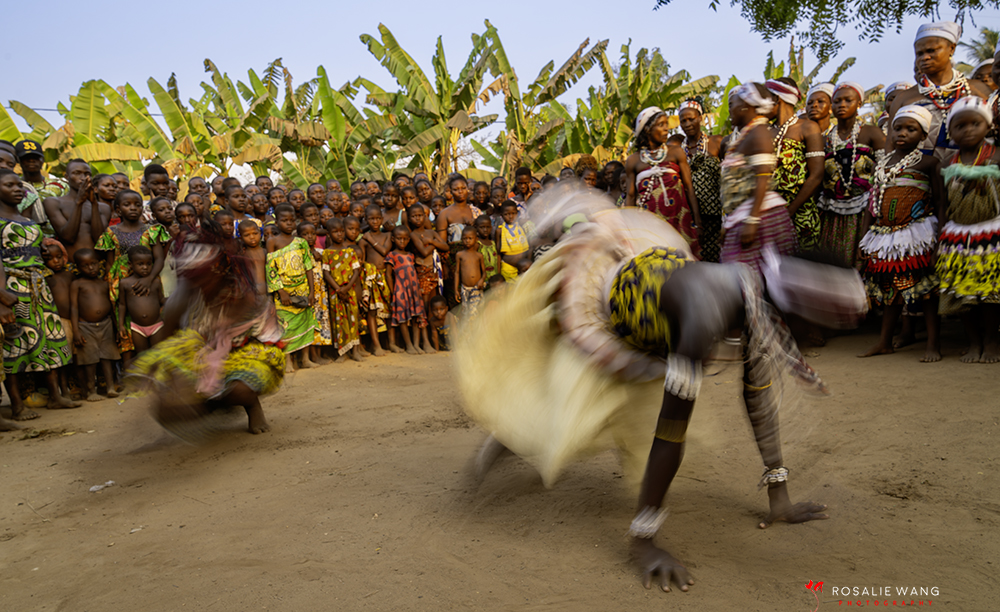
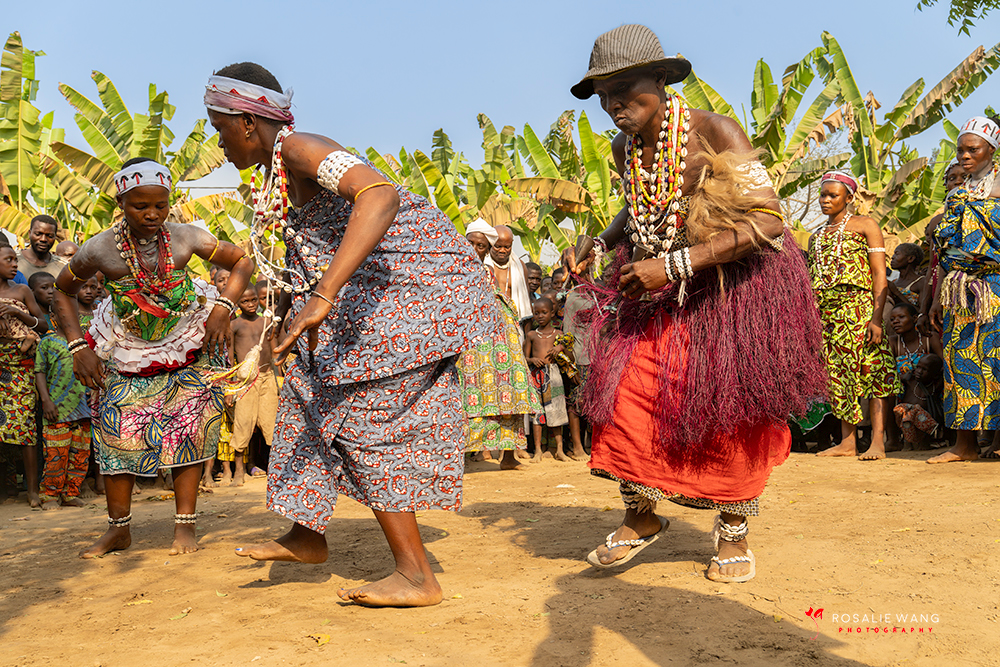
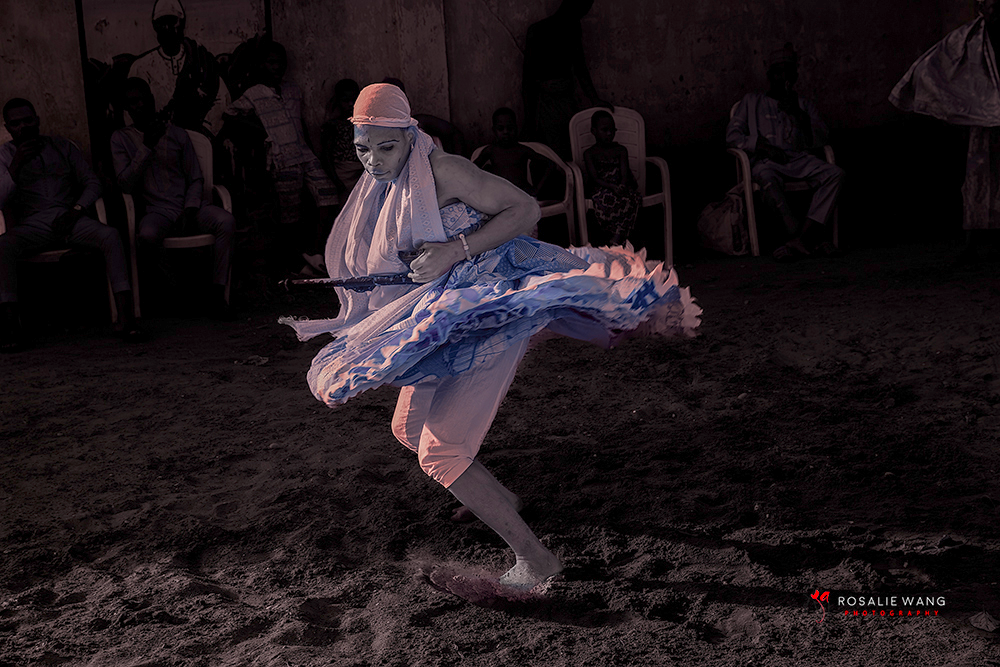
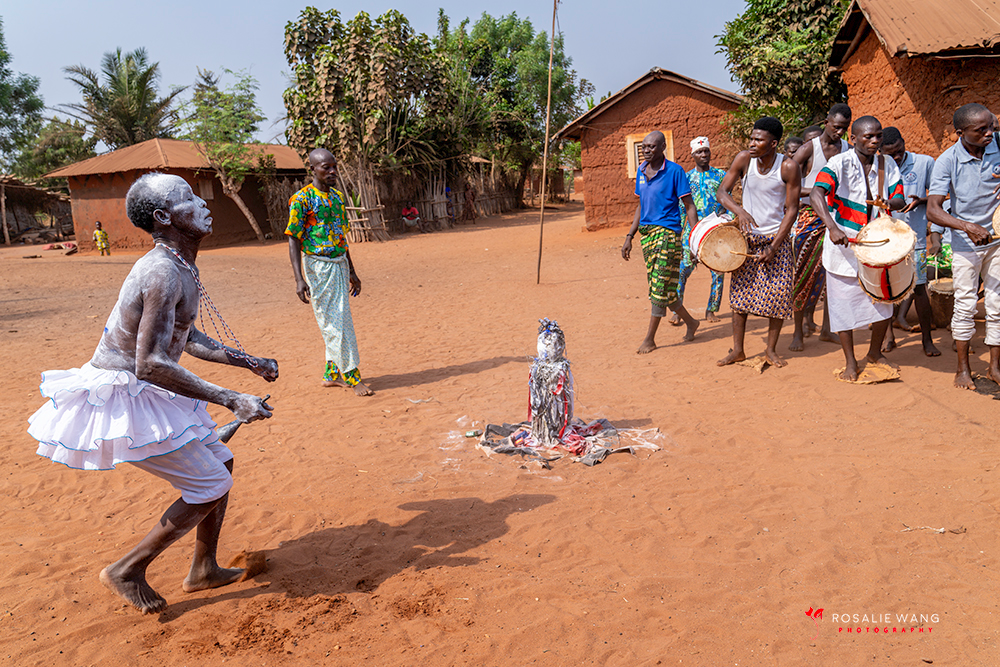
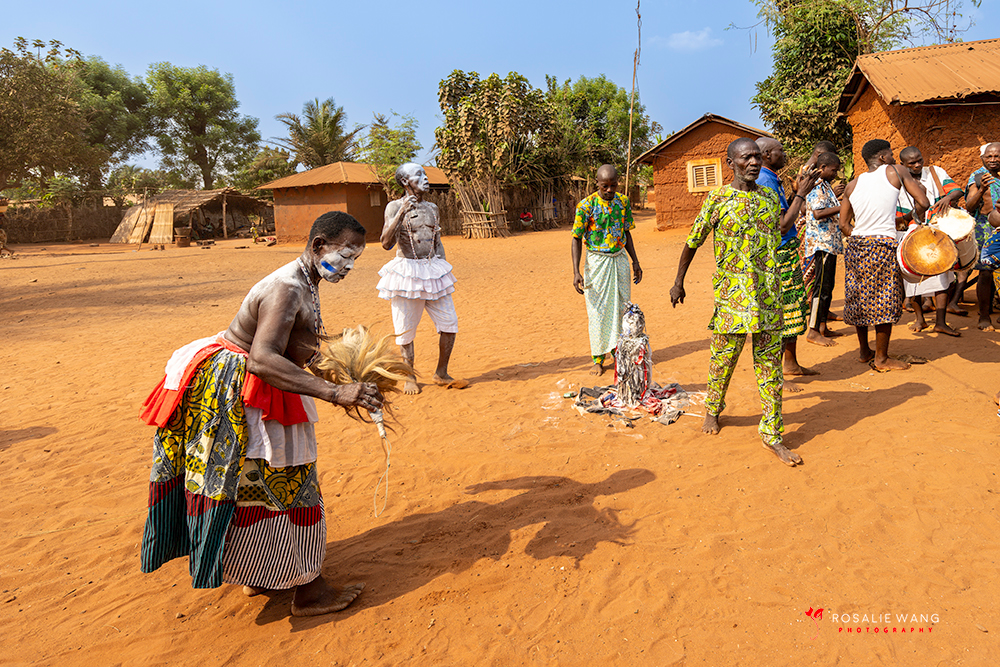
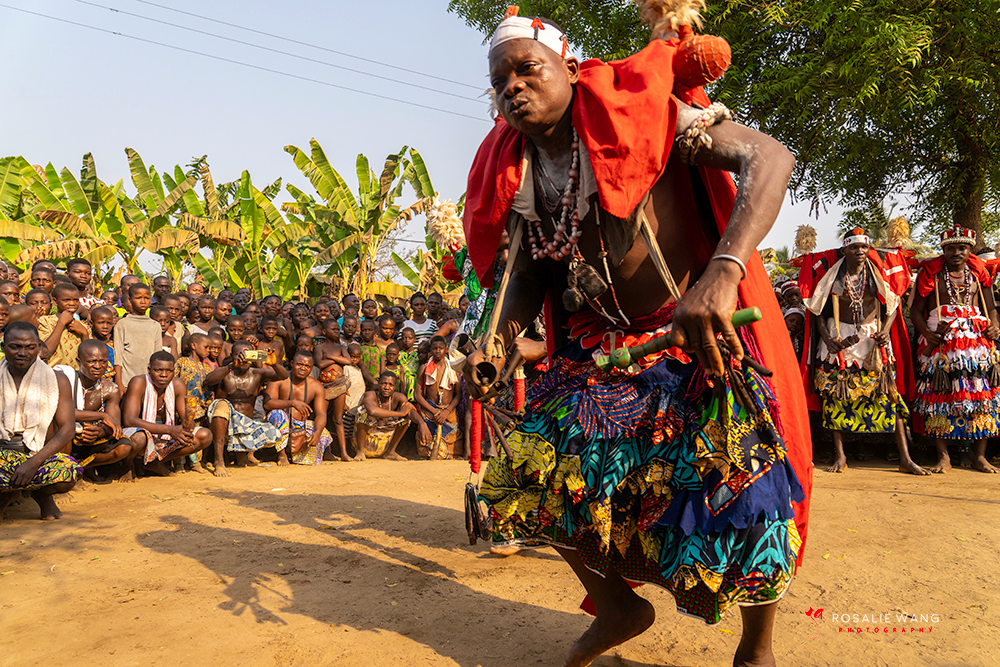
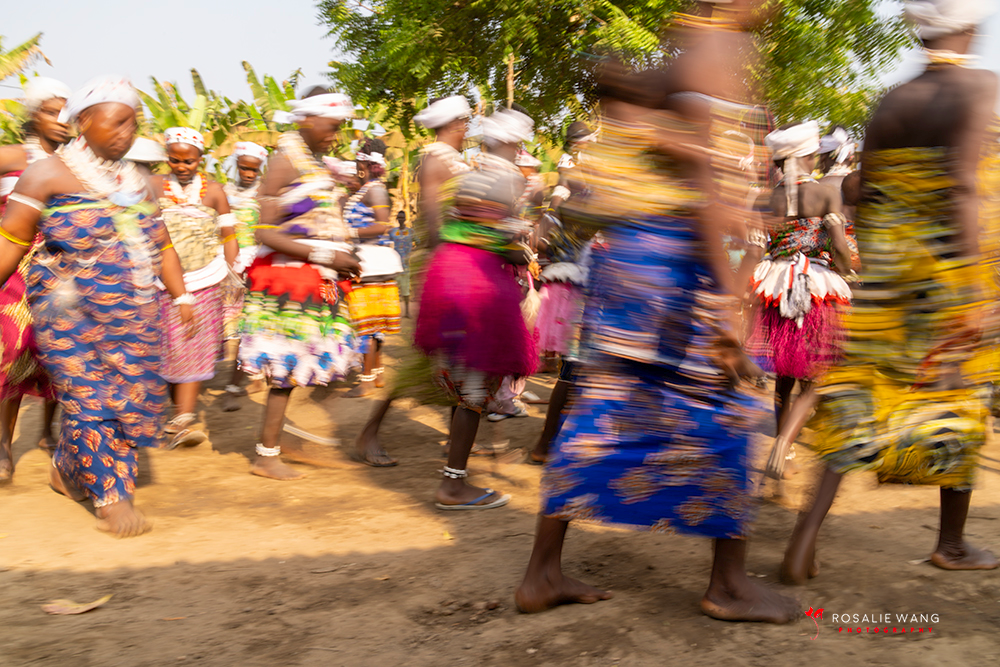
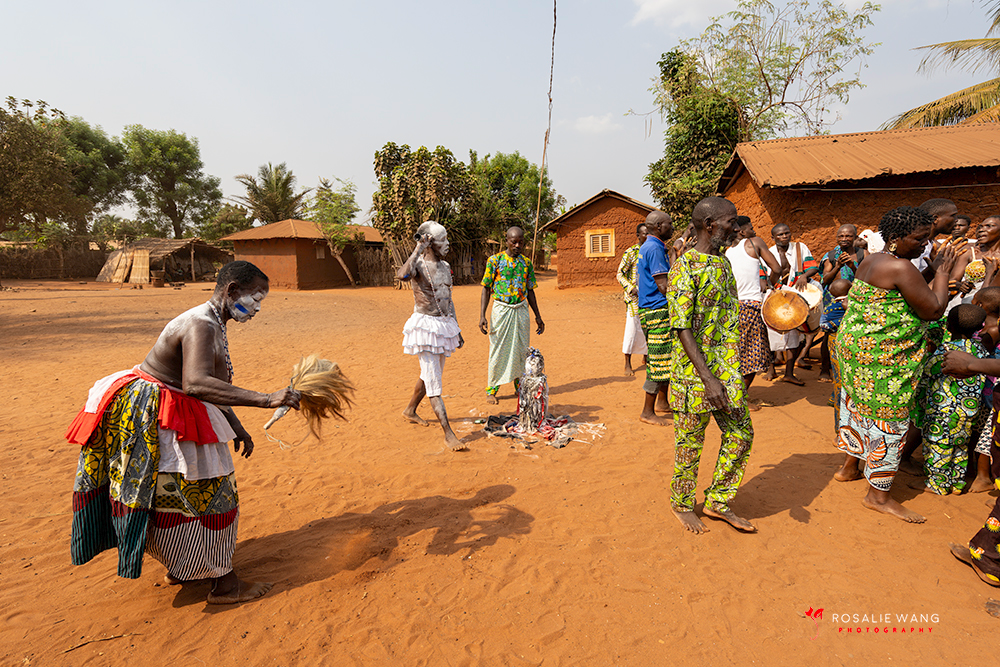
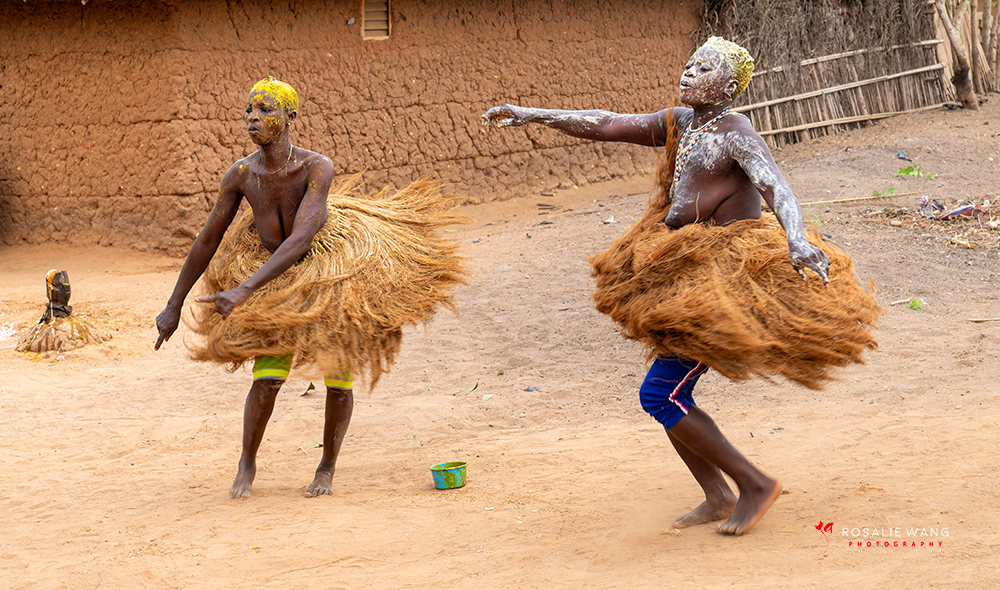
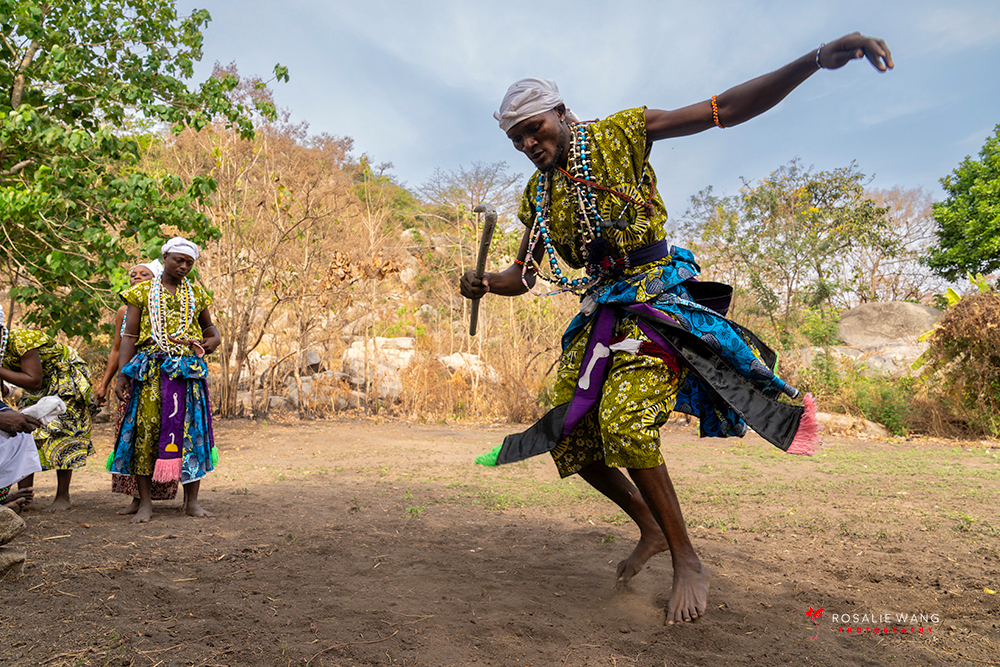
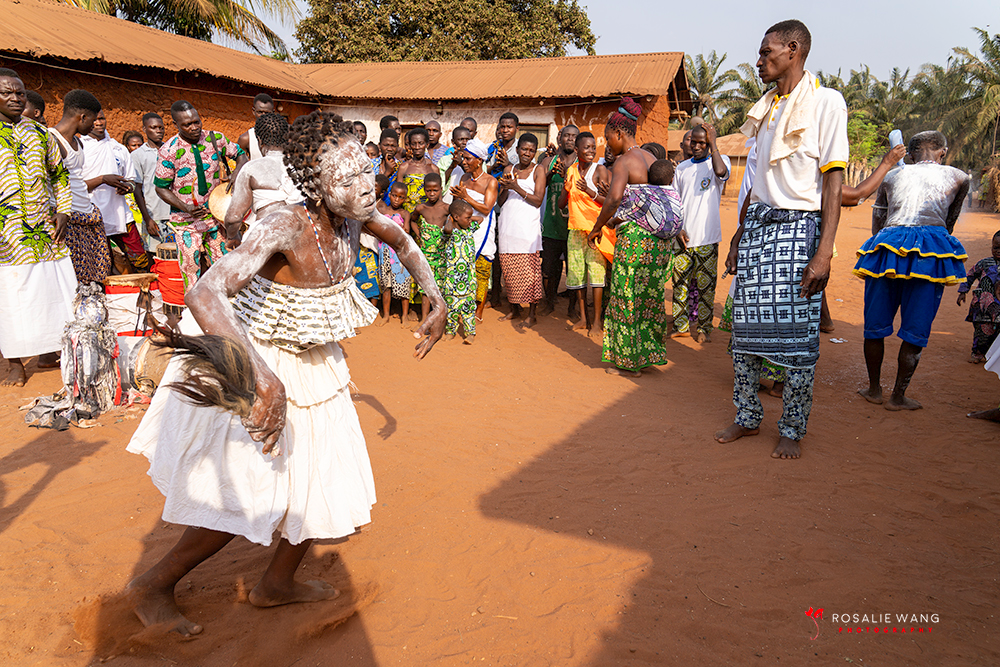
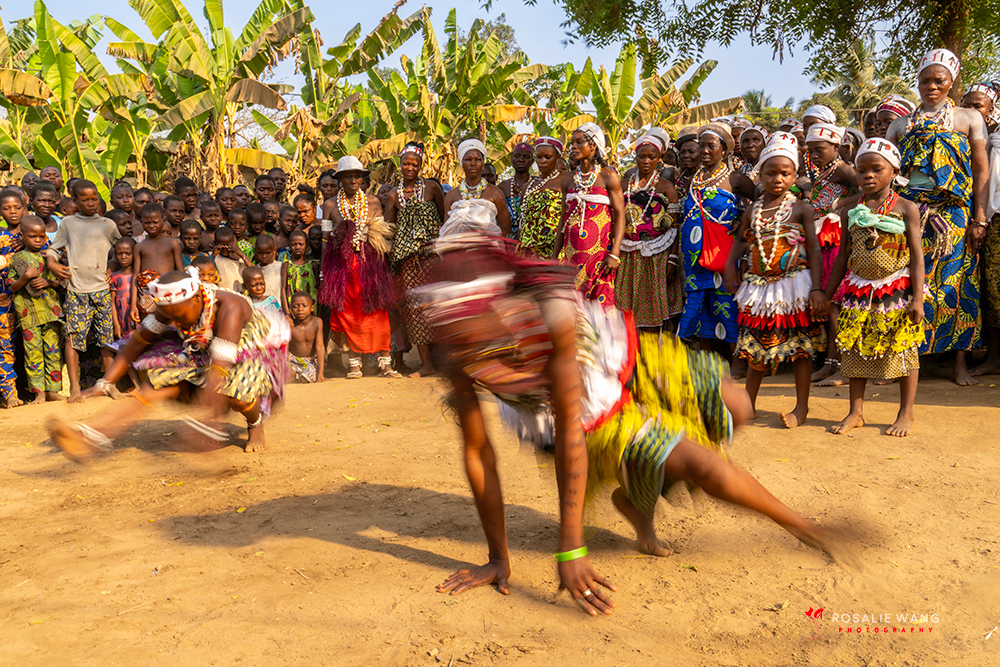
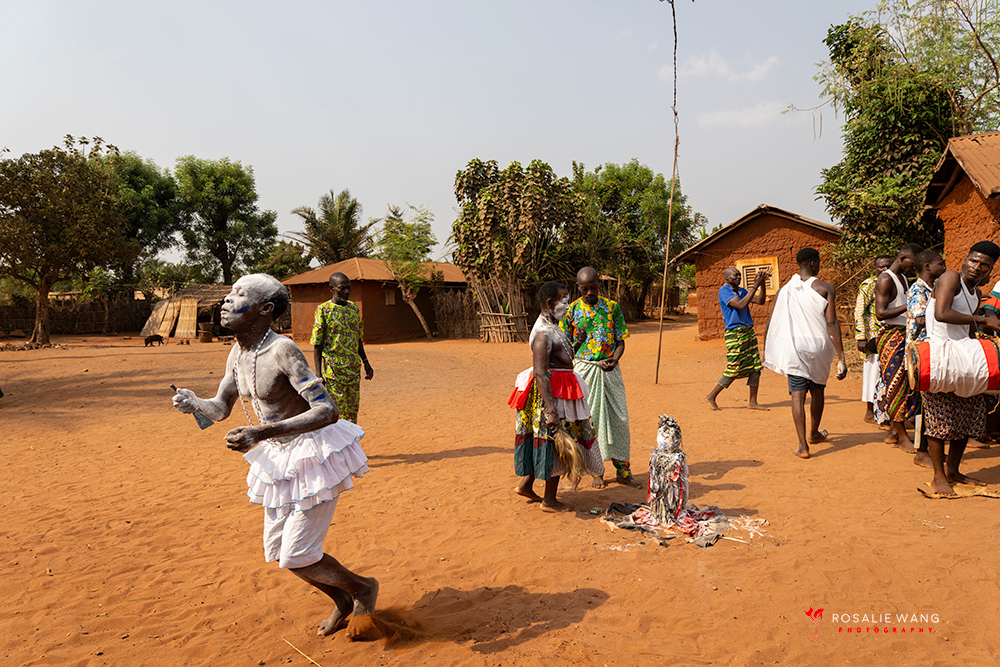
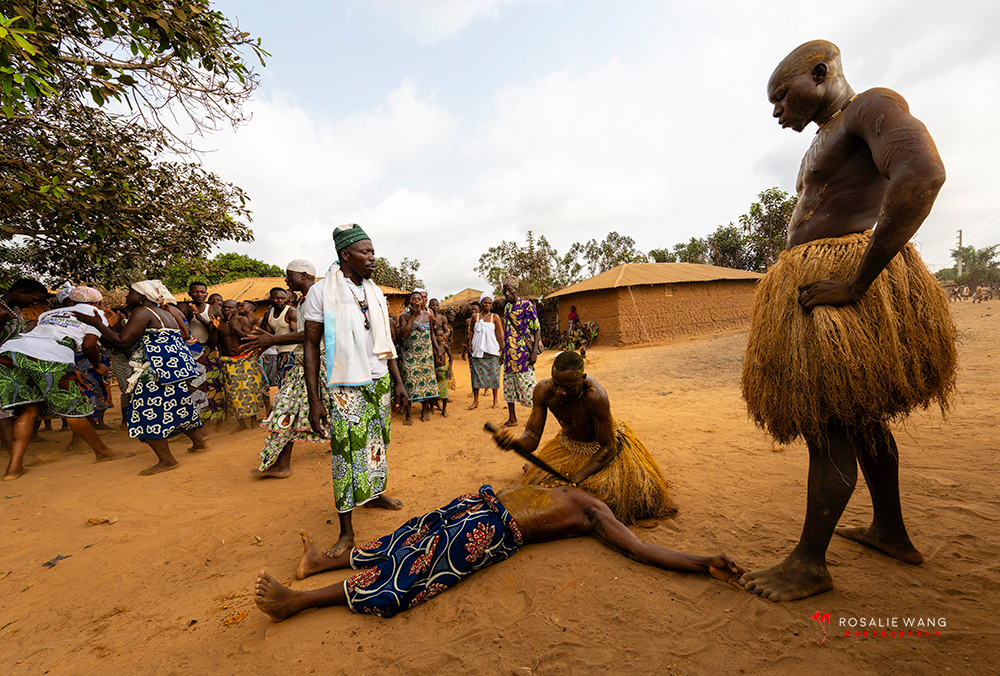
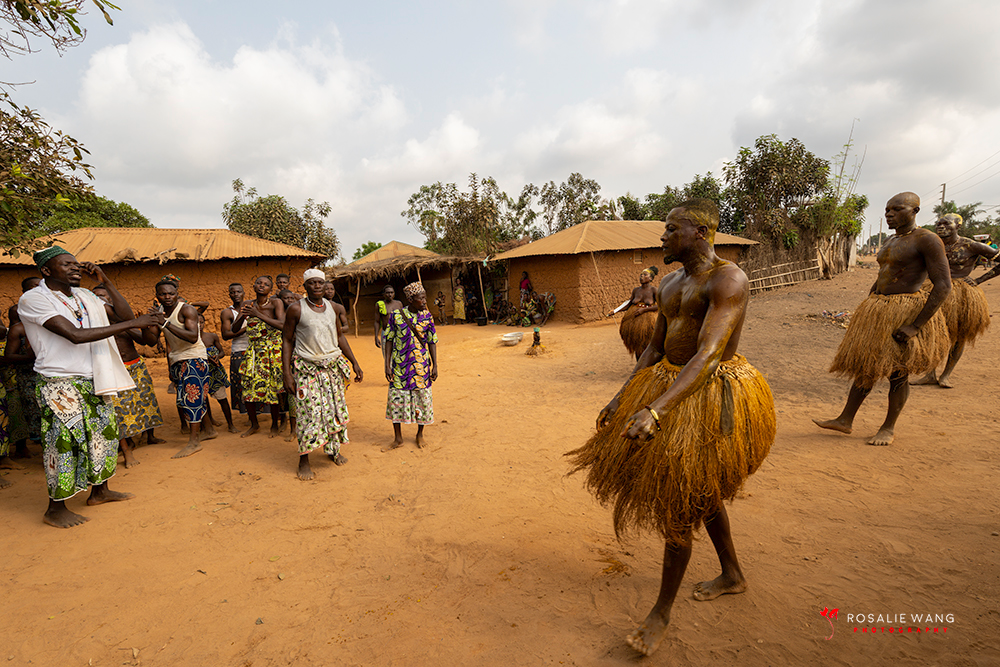
A vibrant ritual scene with drummers, dancers, and a devotee in trance. The energy is ecstatic, with sacred cloth, gourds, and candles surrounding the space.
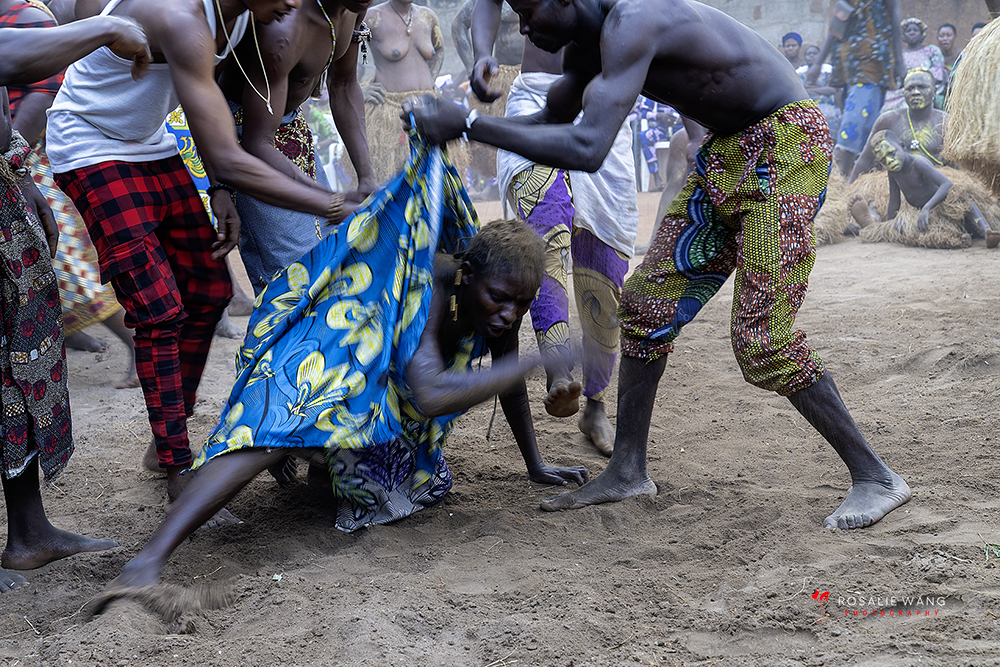
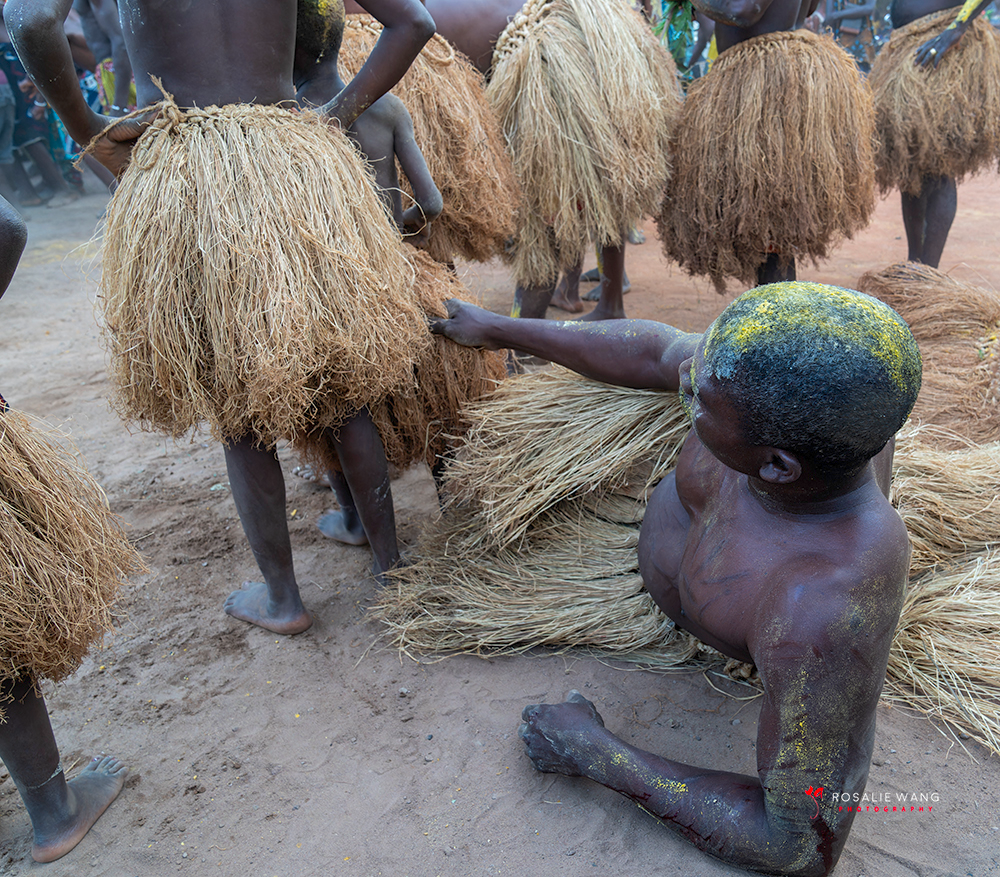
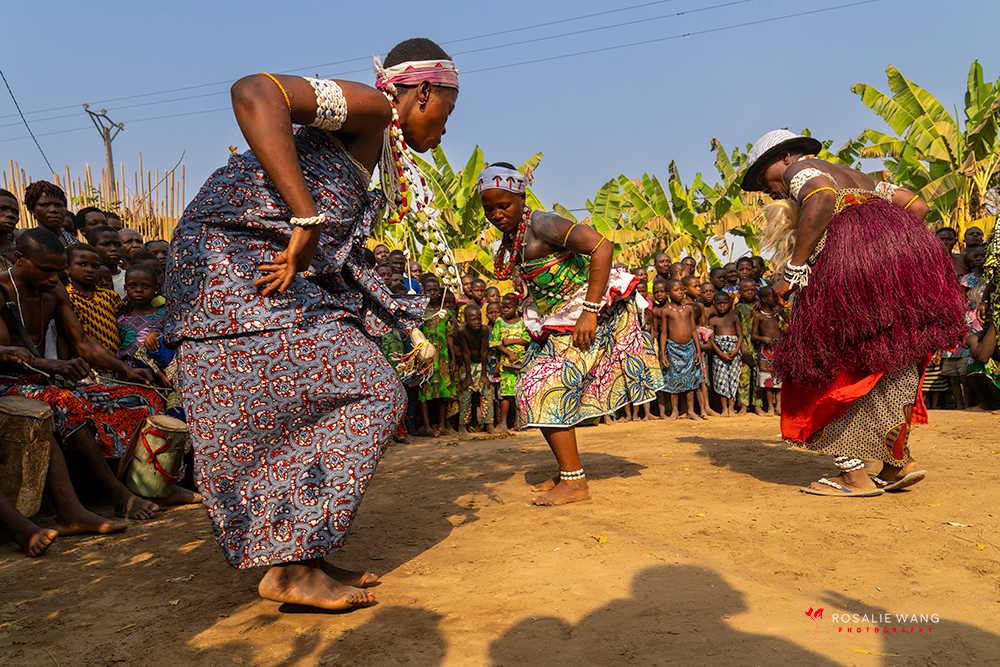
- Central to Vodun practice, where devotees become vessels for deities (vodúns).
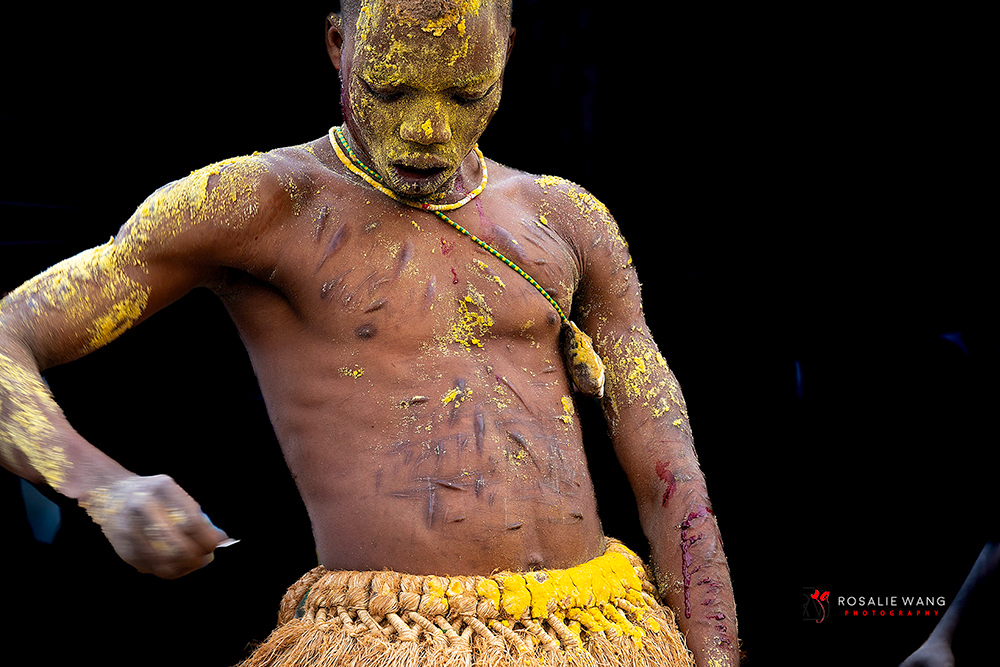
- Include drumming, chanting, and dance to invoke spirits like Sakpata (earth), Hevioso (thunder), or Mami Wata (water).
- Possession is seen as a form of divine communication and healing.
🌿 Healing & Protection Rituals
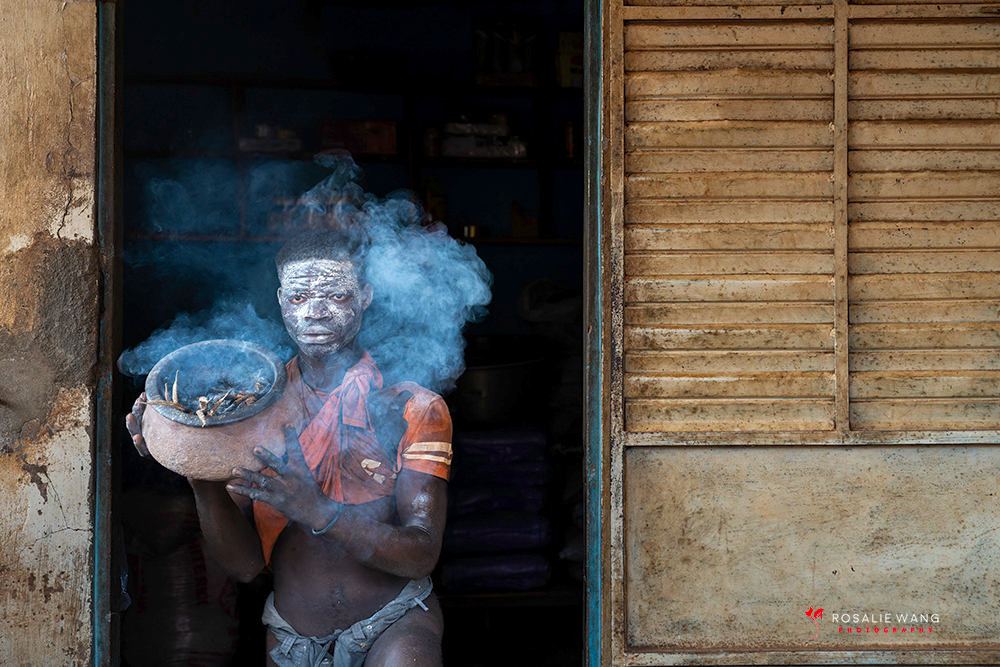
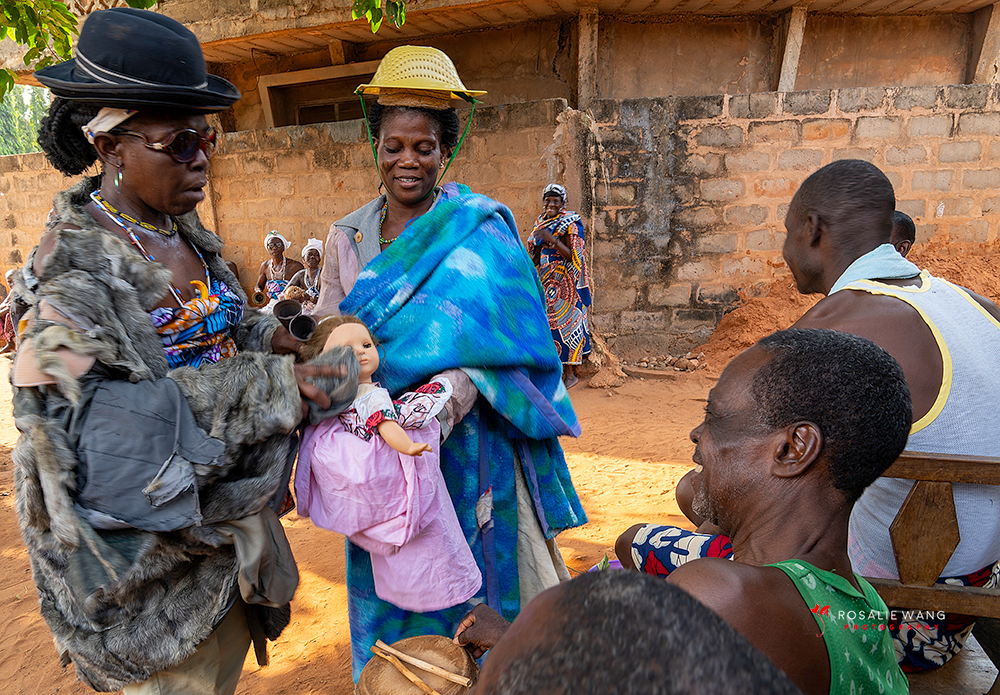
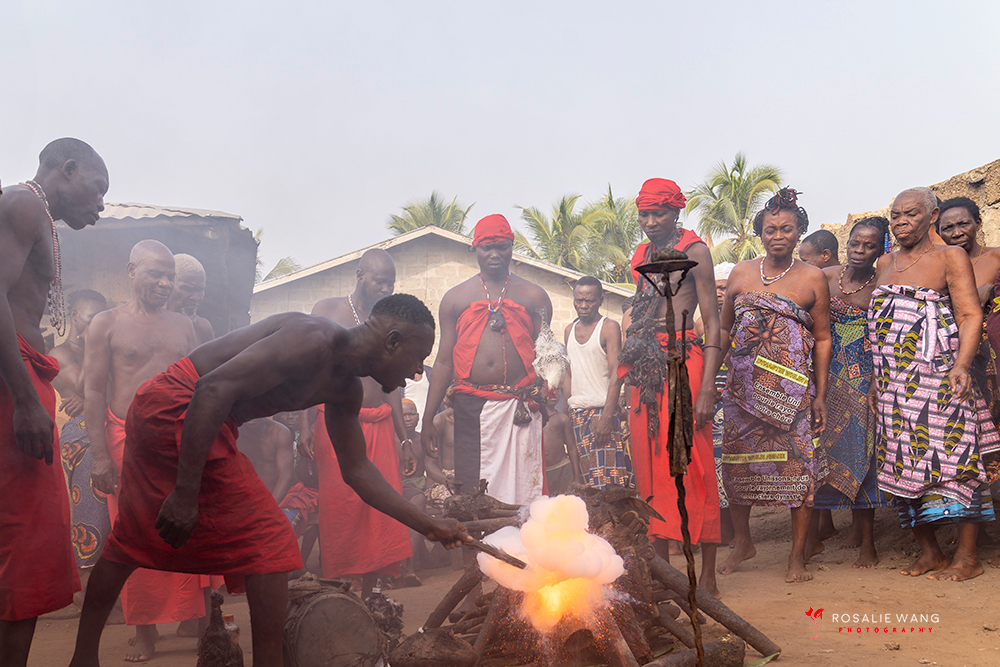
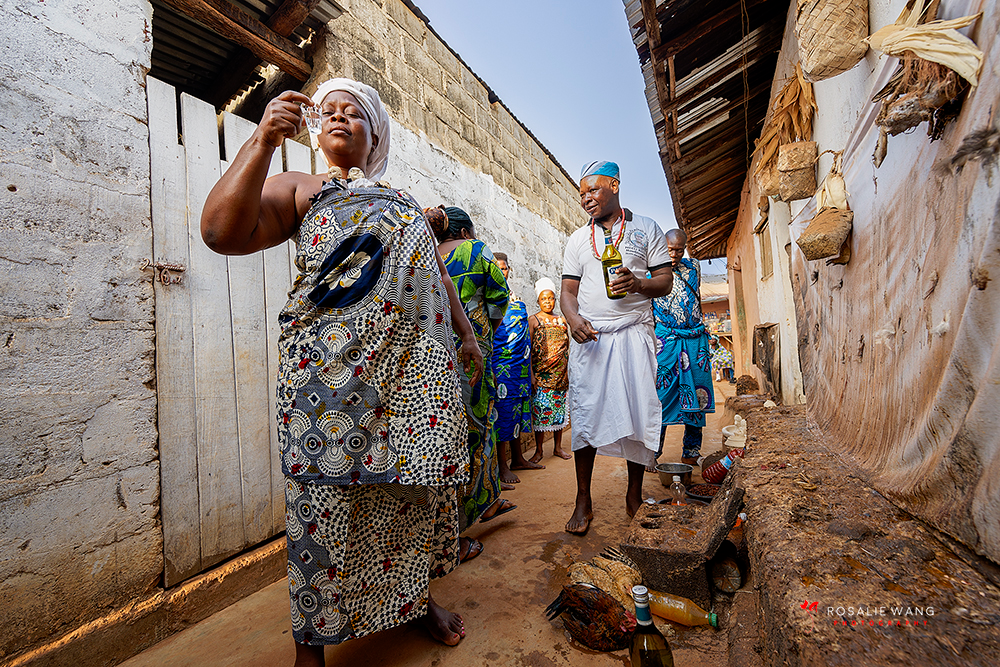
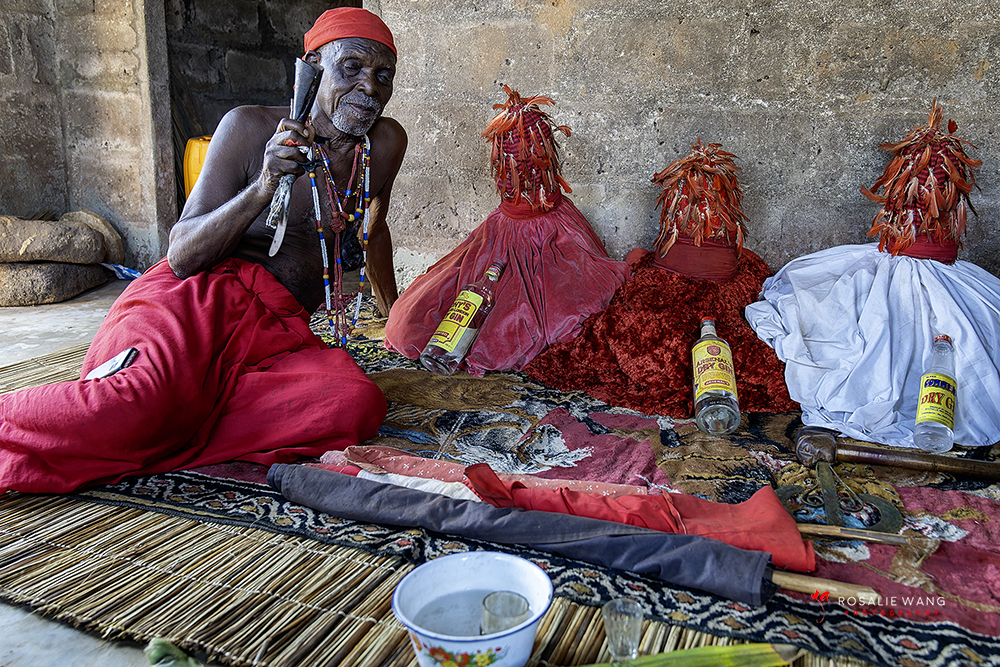
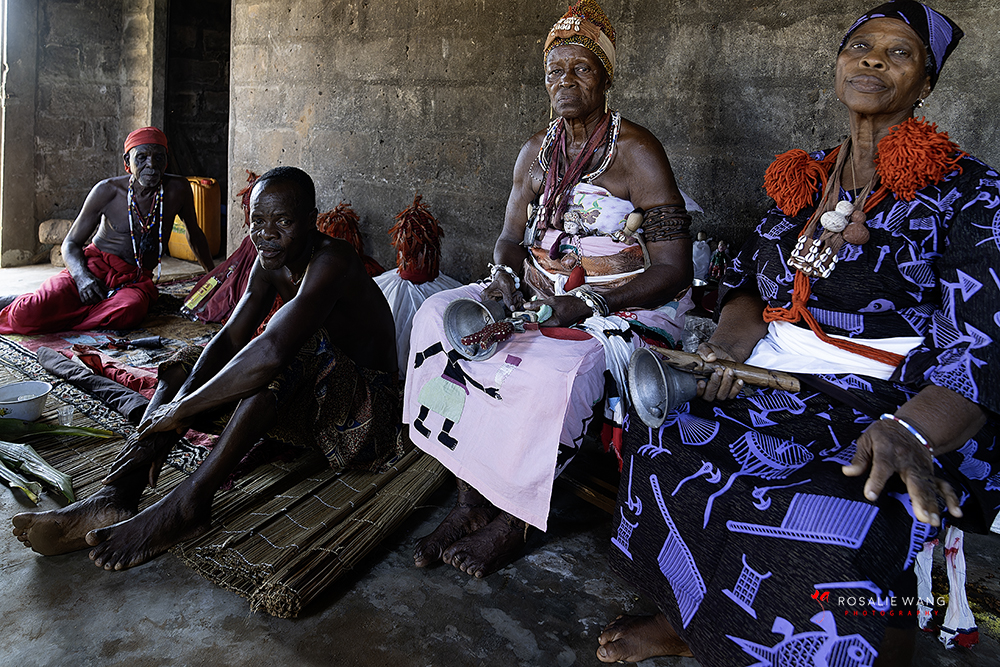
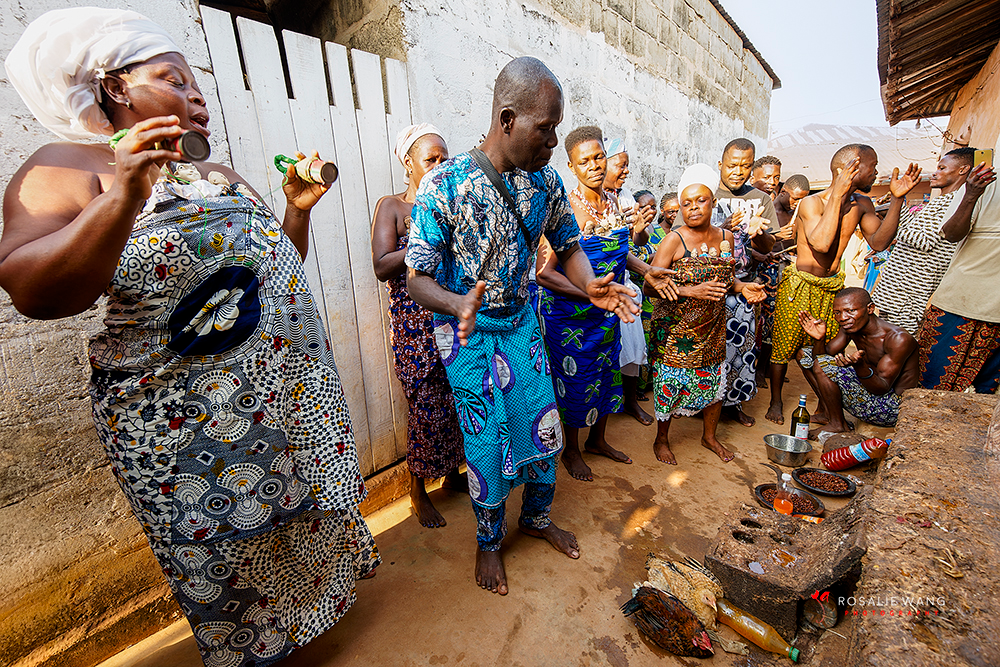
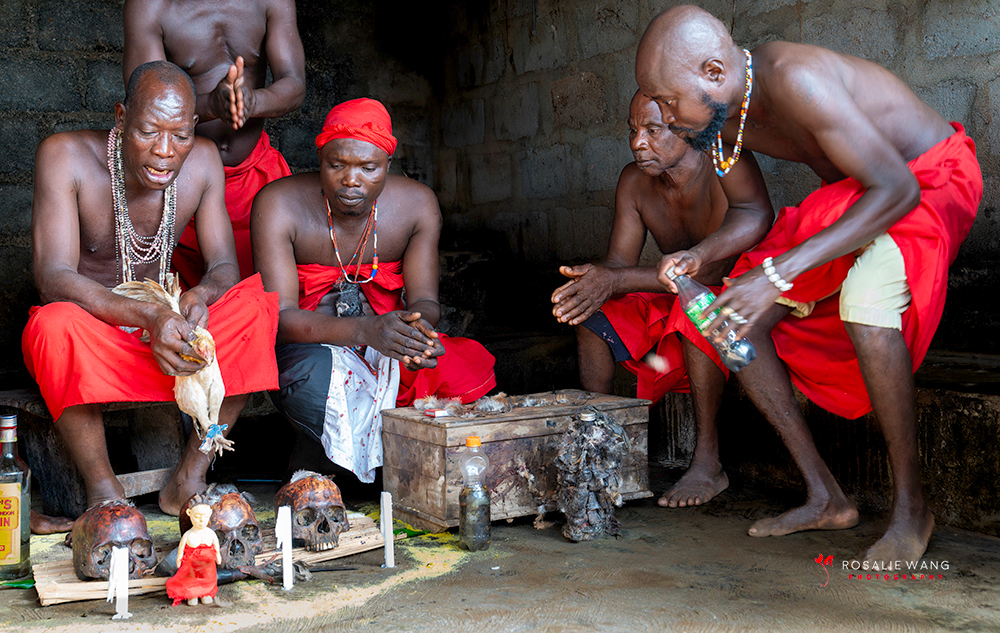
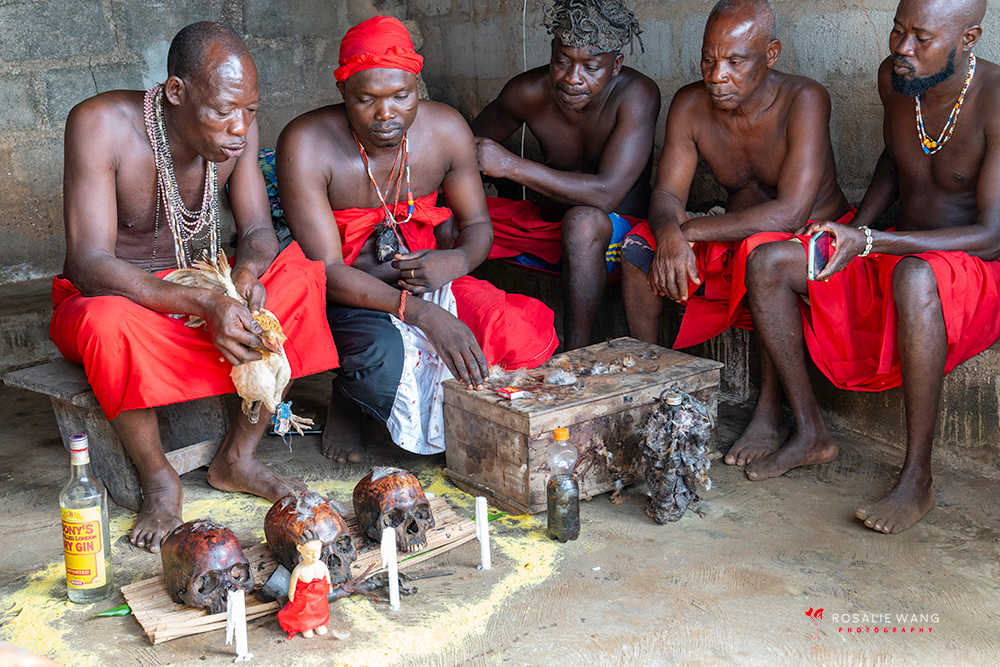
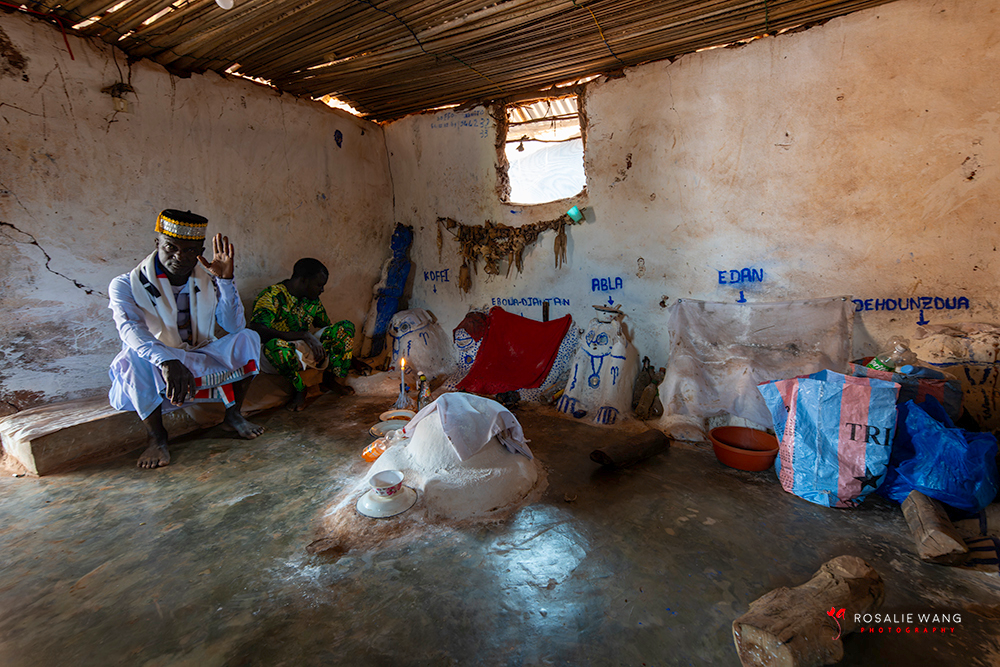
A focused, reverent setting with a Vodun priest performing divination using cowrie shells. Herbal bundles and animal offerings are arranged around a sacred mat.
- Performed to cure illness, ward off misfortune, or cleanse spiritual impurities.
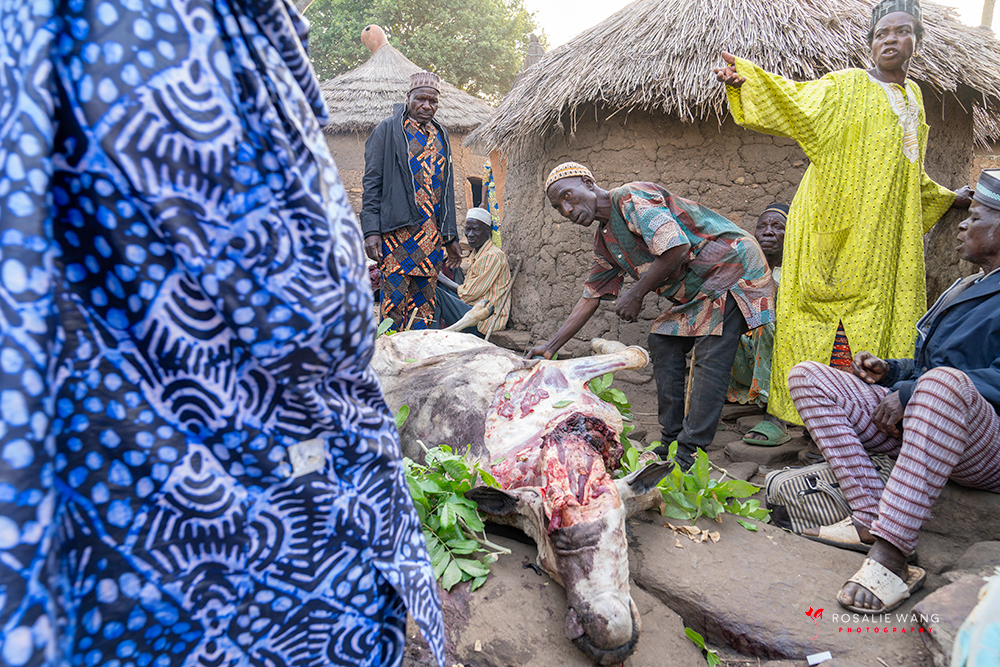
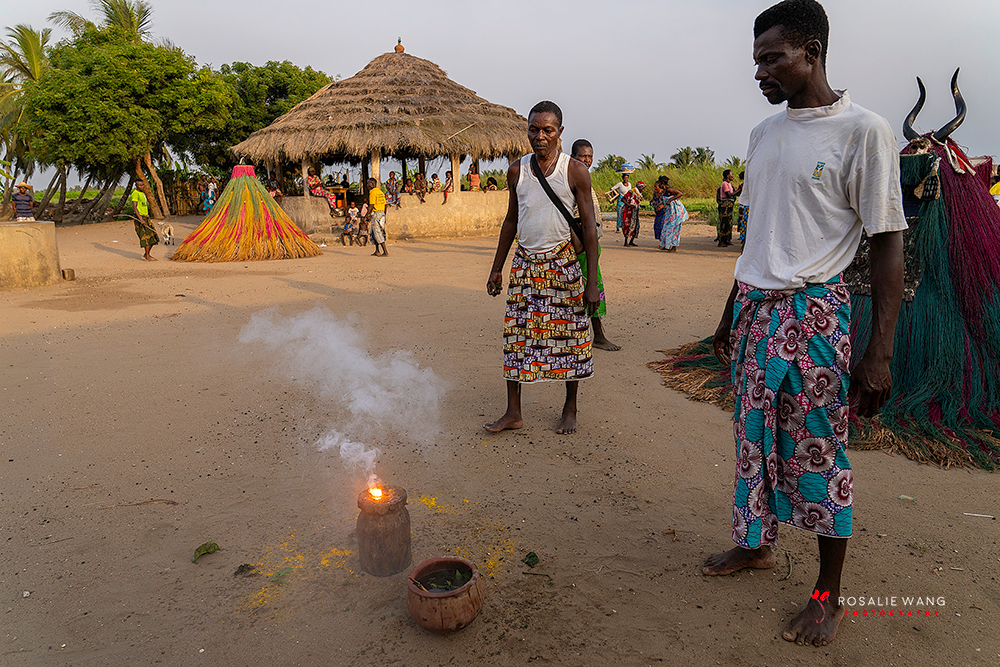
- May involve herbal medicine, animal sacrifice, and invocation of protective spirits.
- Example: Fá divination (similar to Ifá in Yoruba tradition) guides diagnosis and treatment.
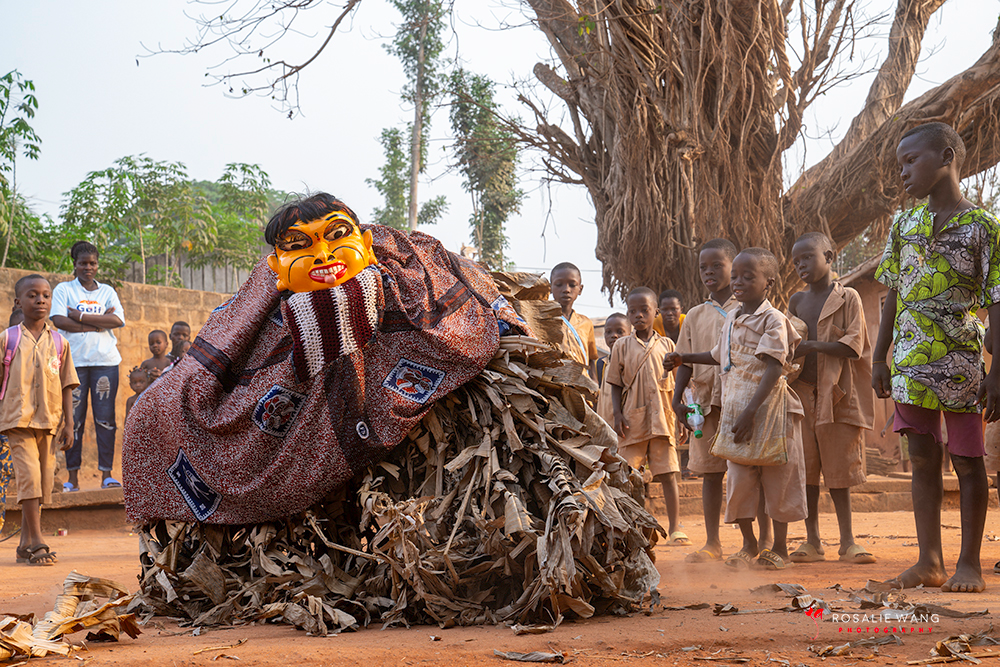
🎭 Annual Festivals & Public Ceremonies
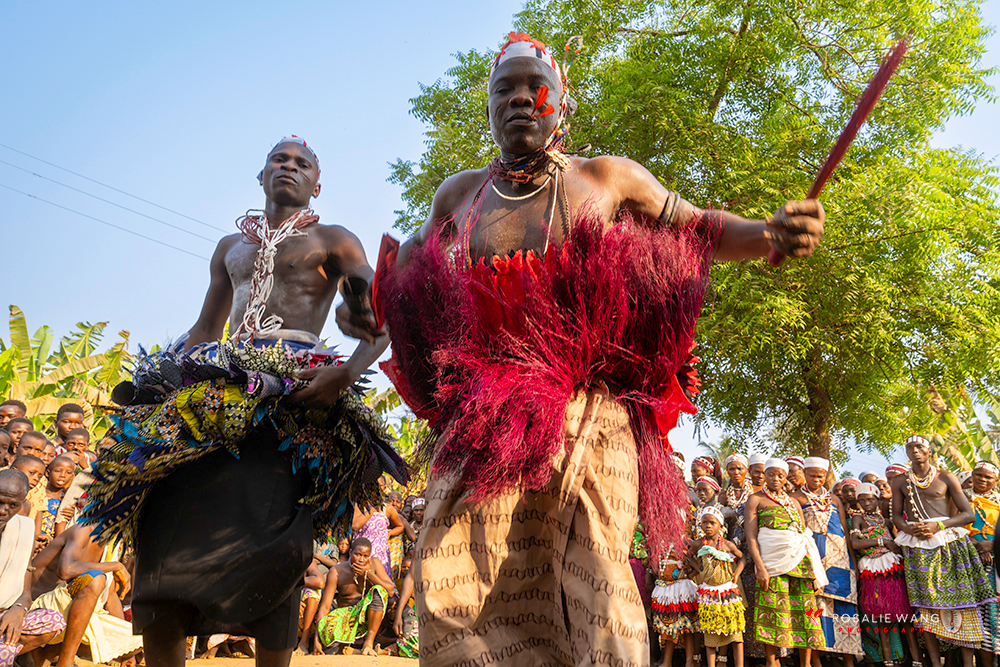
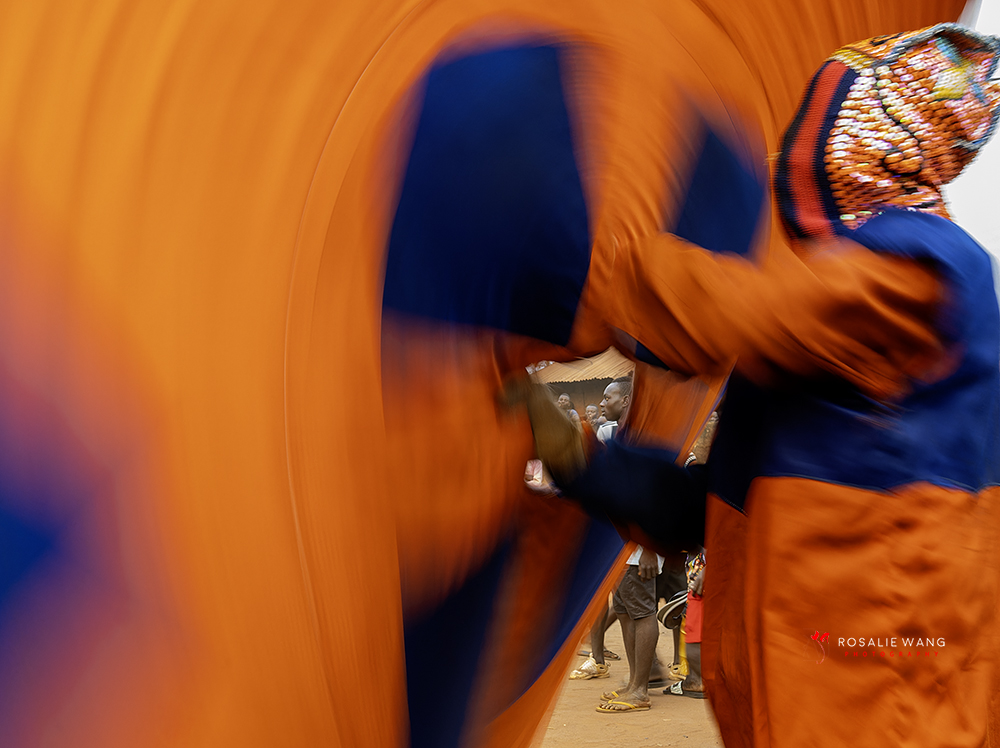
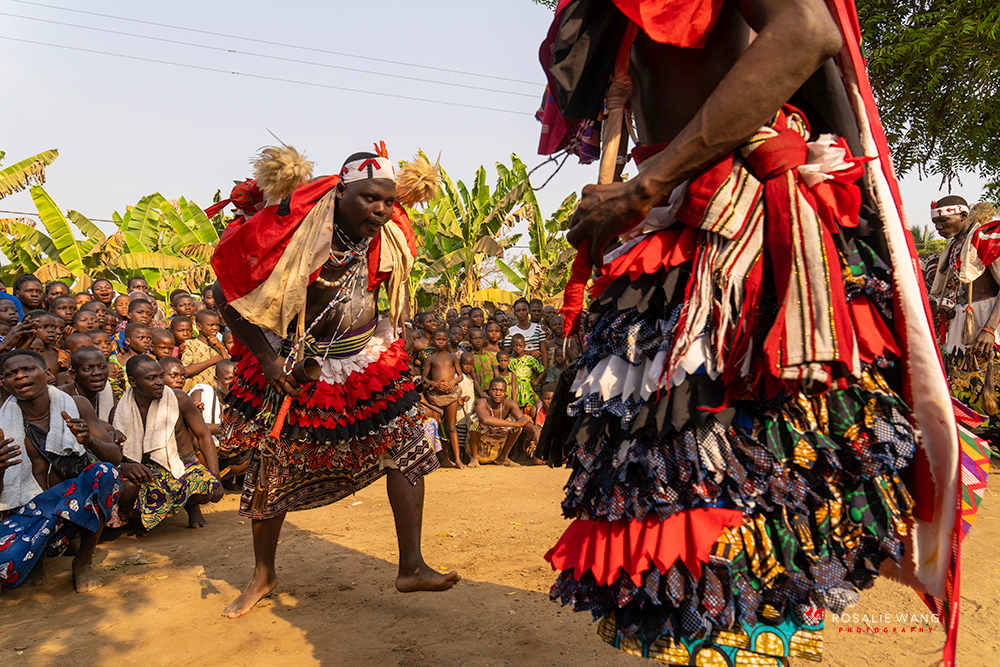
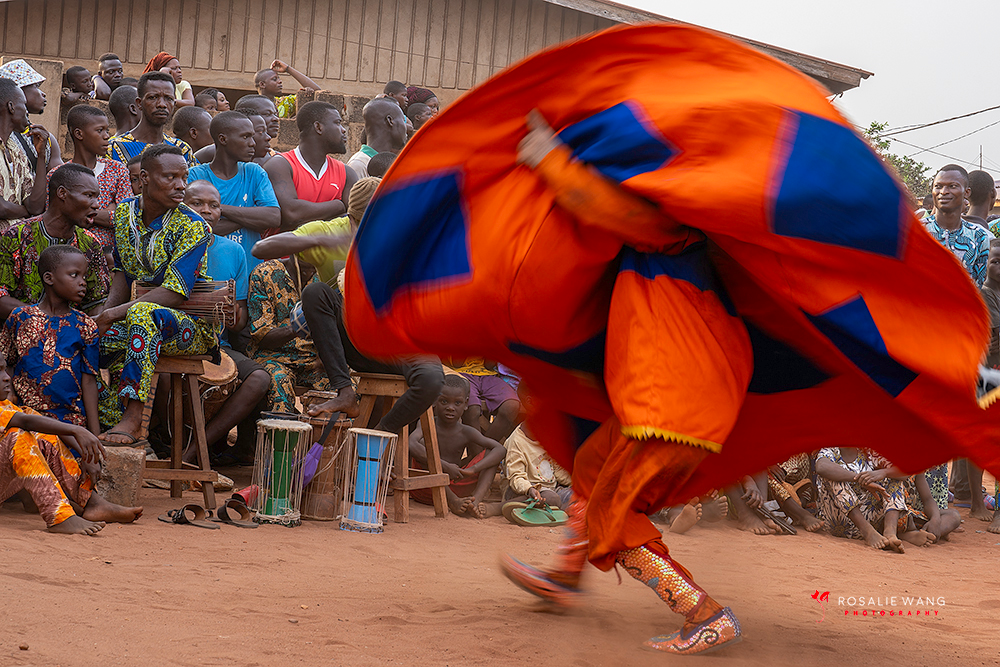
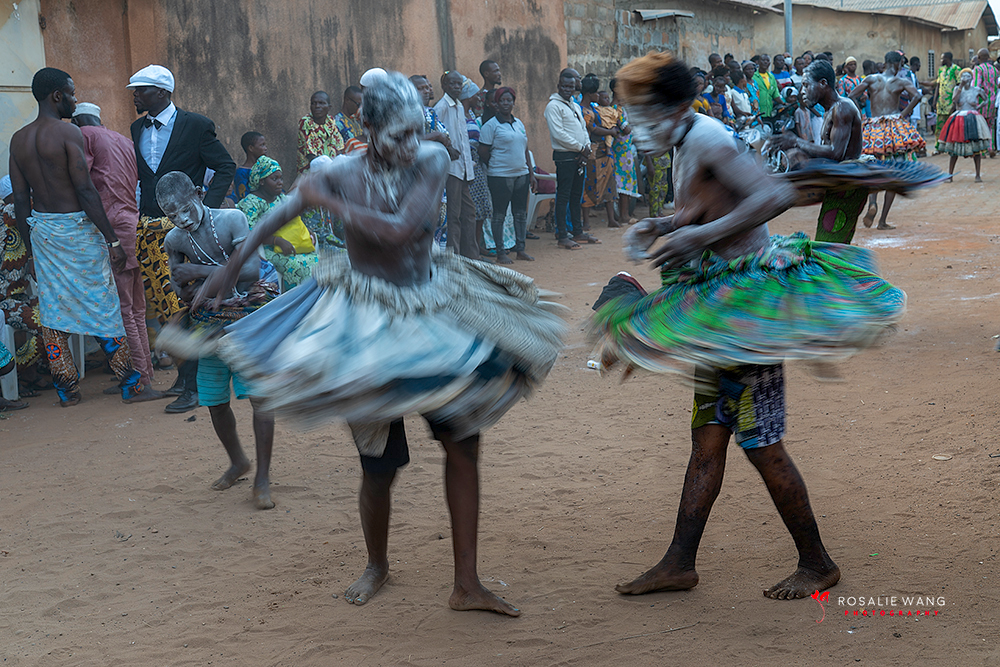
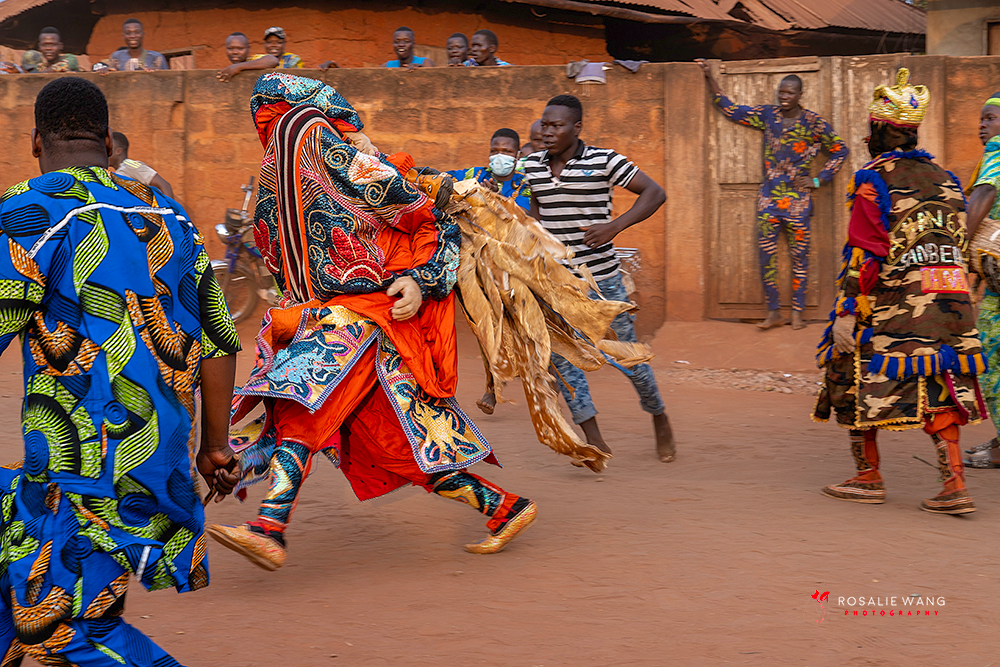
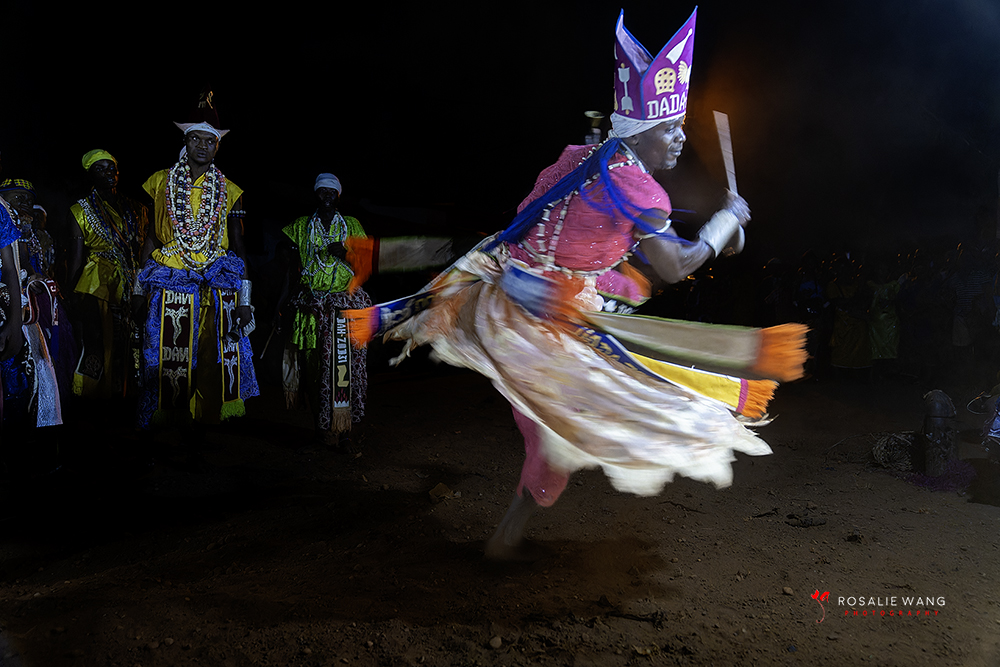
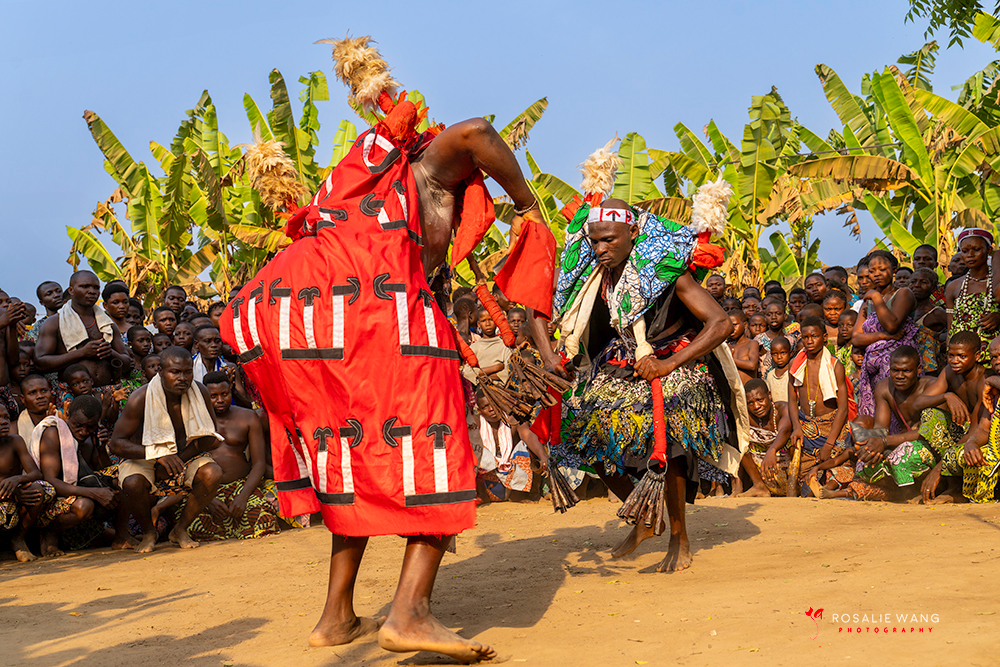
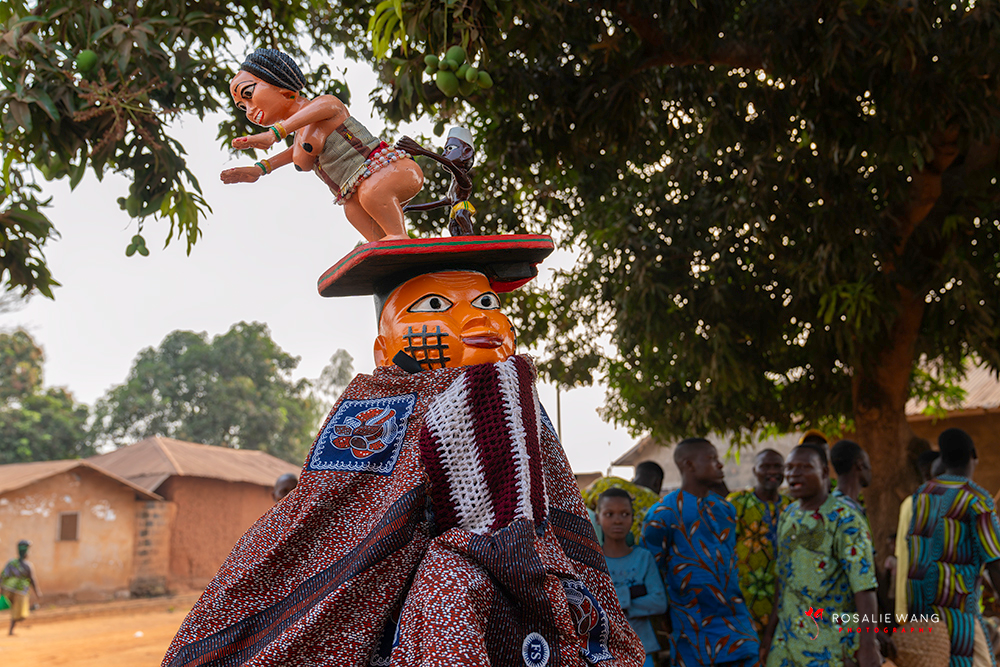
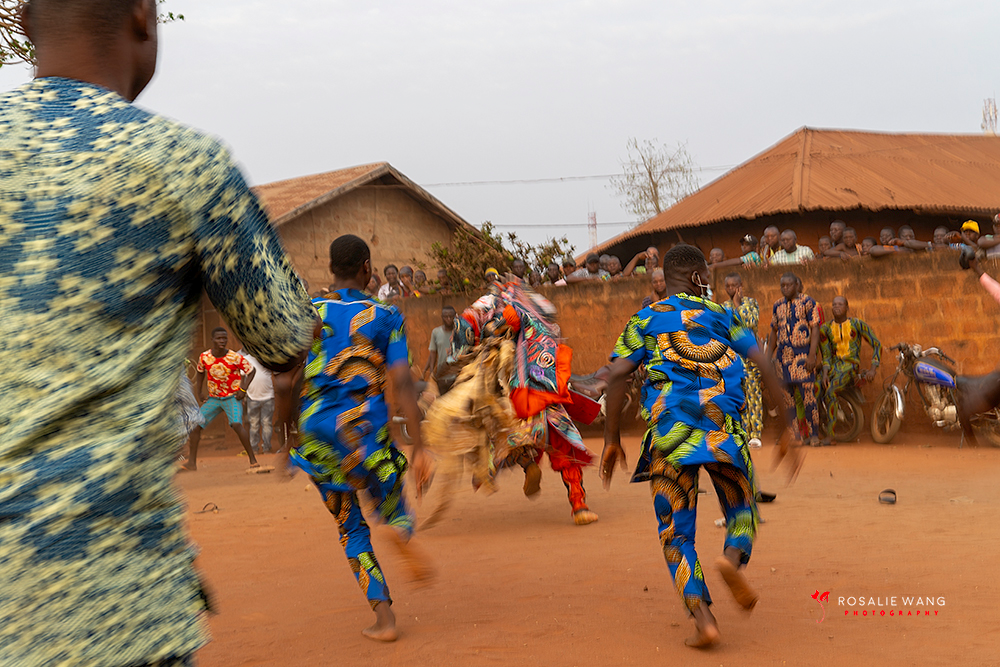
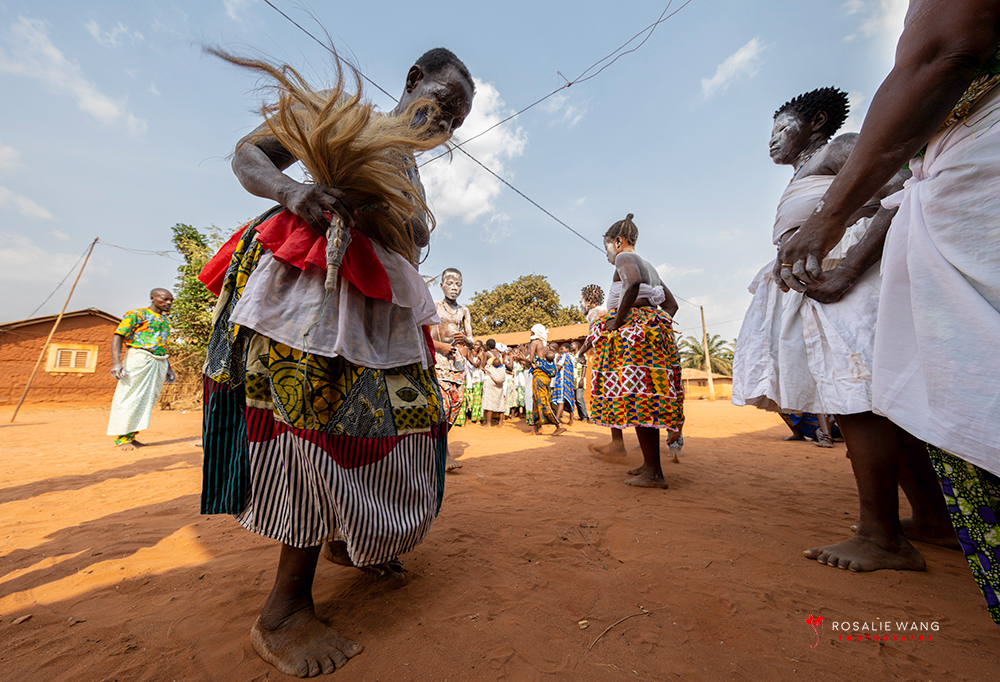
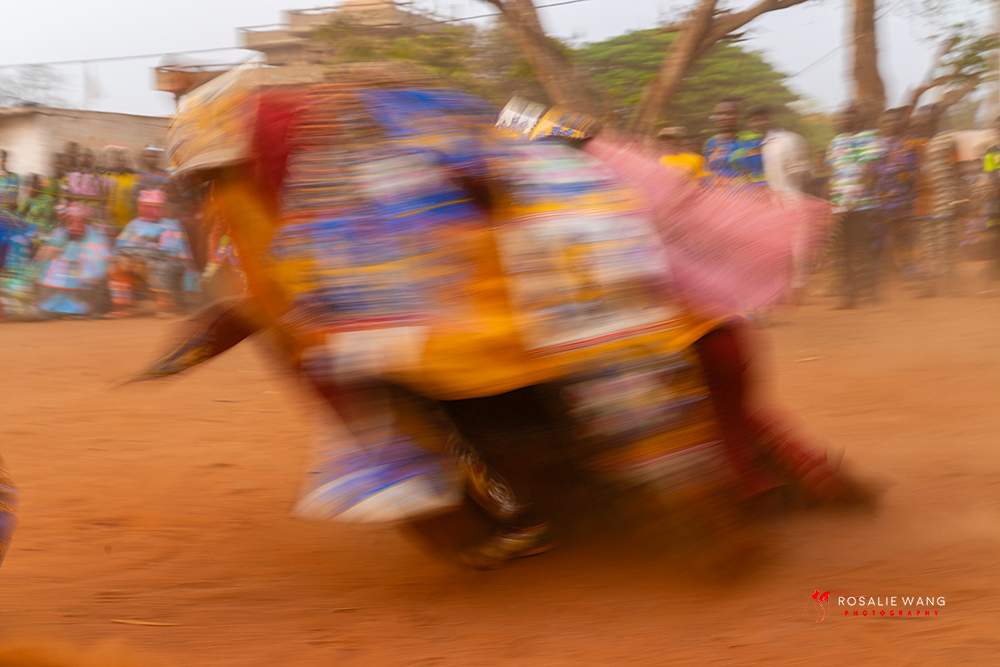
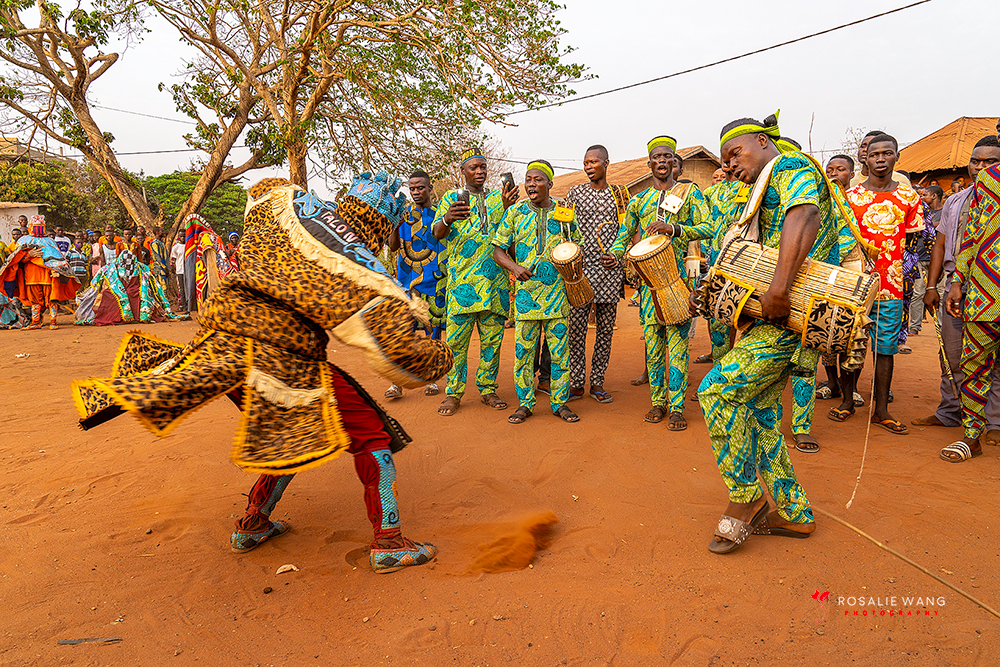
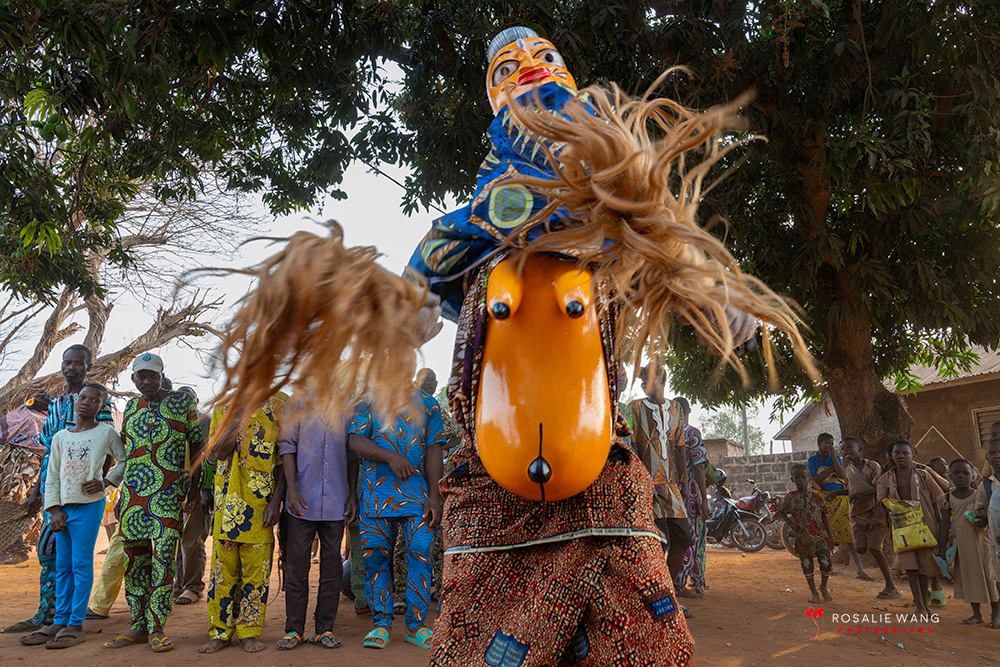
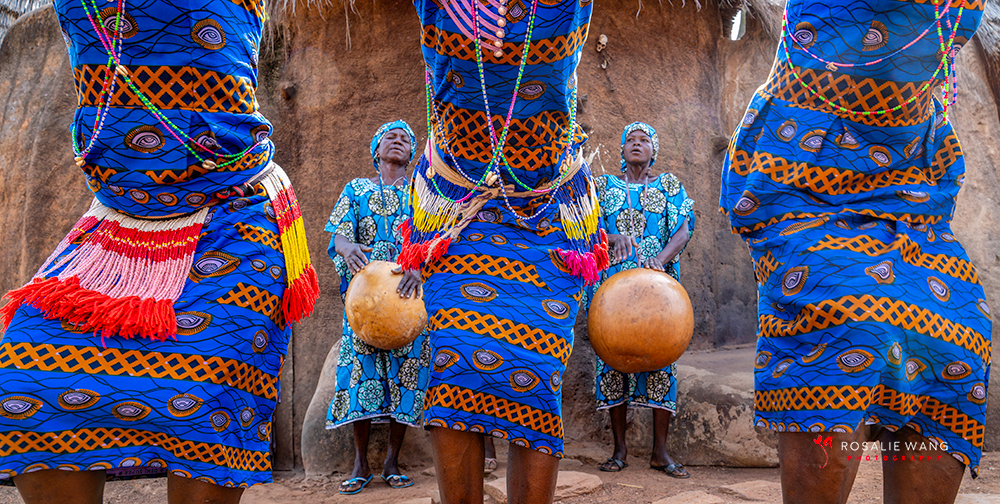
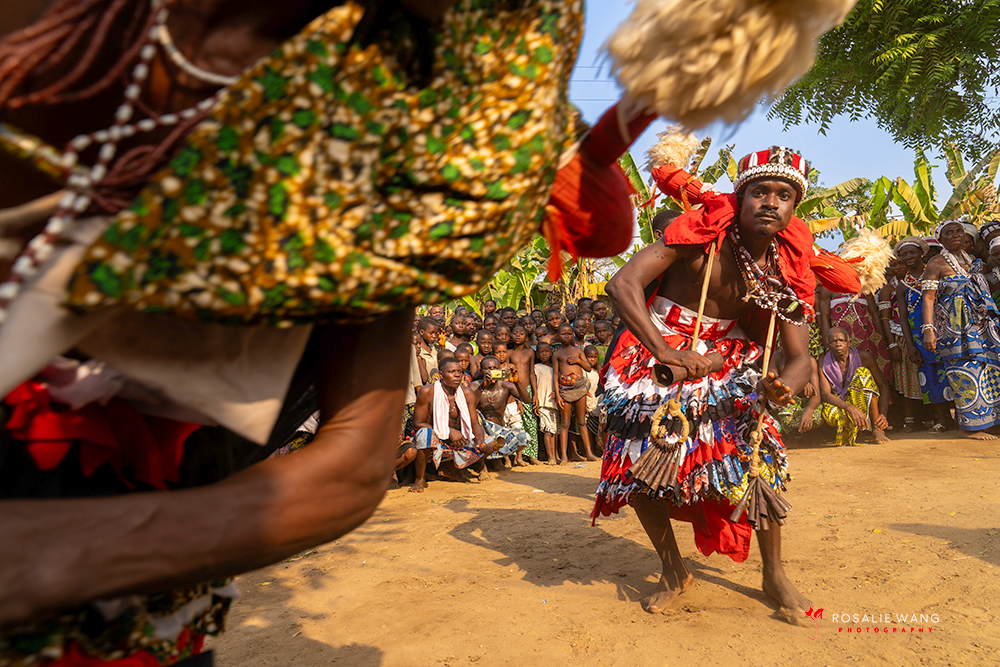
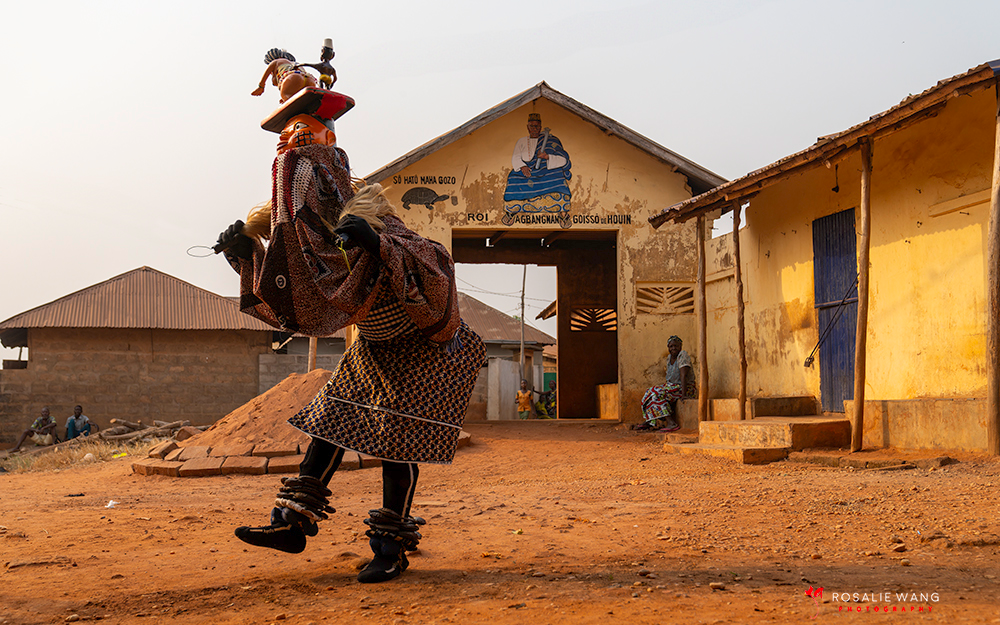
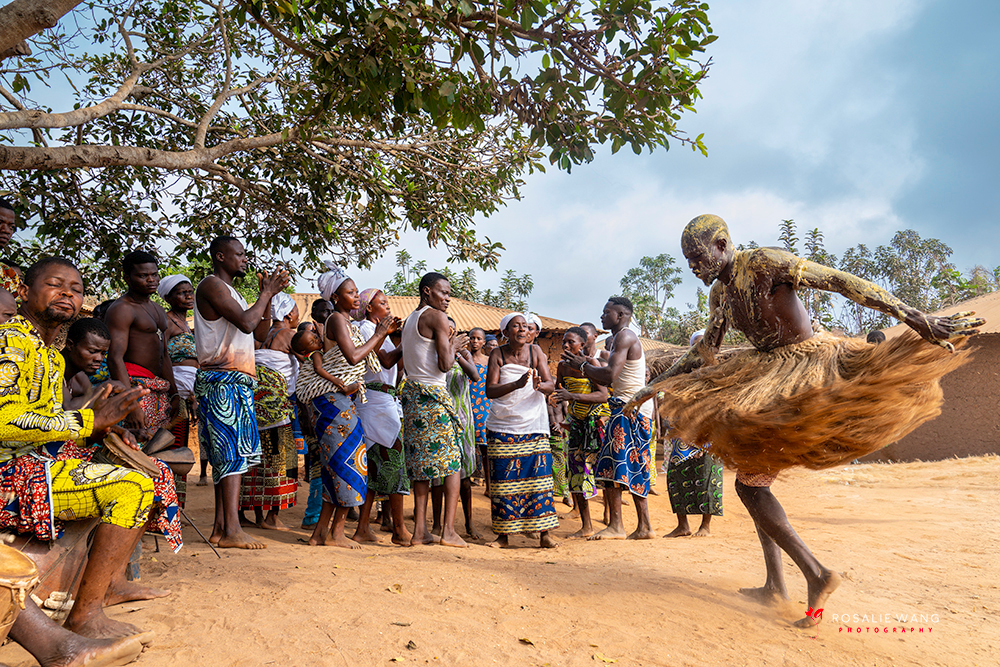
A festive public square with masked dancers, musicians, and colorful banners honoring Dan, Legba, and Mami Wata. Offerings and joyous crowds fill the scene.
- Celebrated to honor specific deities or mark seasonal transitions.
- Most famous: Vodun Days (January 10), a national holiday with rituals, dances, and offerings in Ouidah.
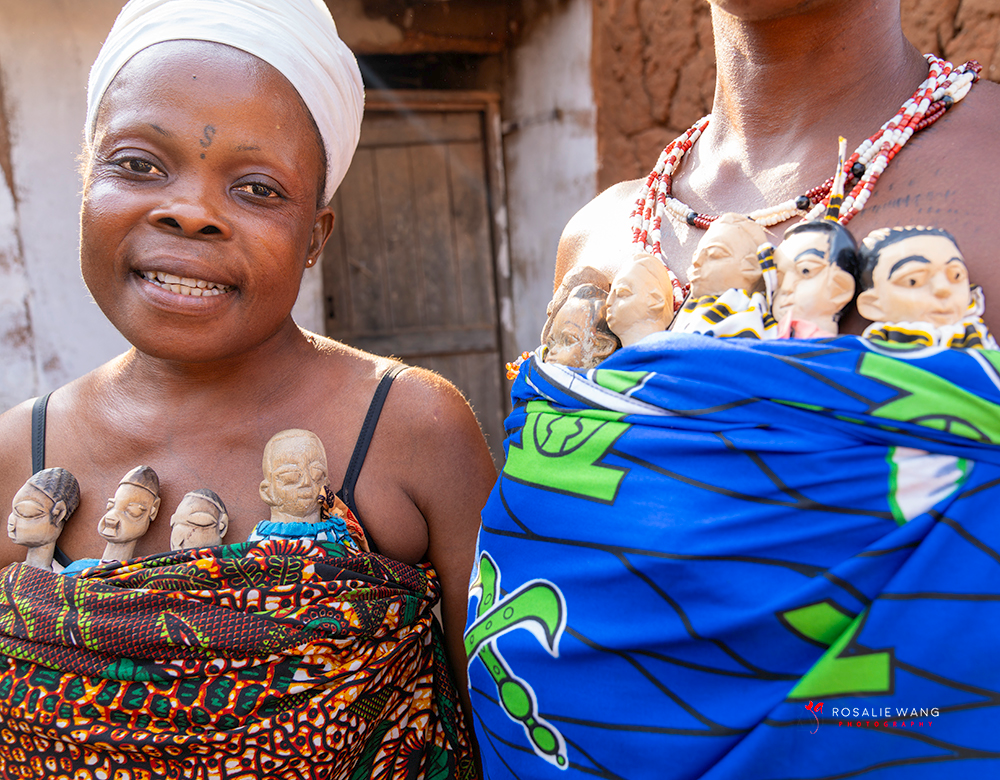
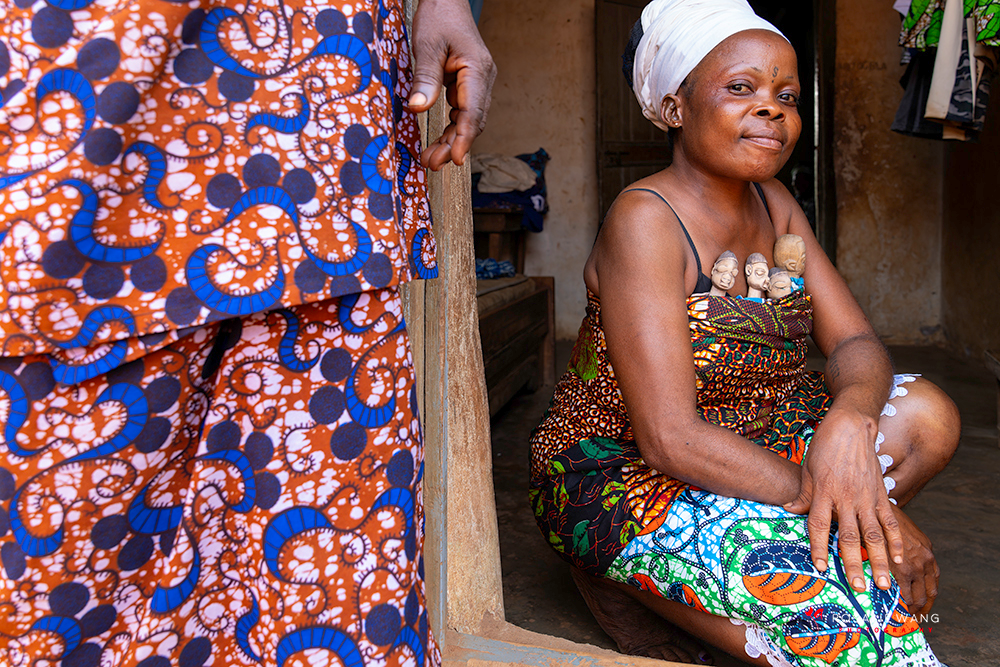
- Other festivals honor deities like Dan (serpent), Legba (gatekeeper), and twins (venavi).
🕯️ Funerary & Ancestor Veneration Rites
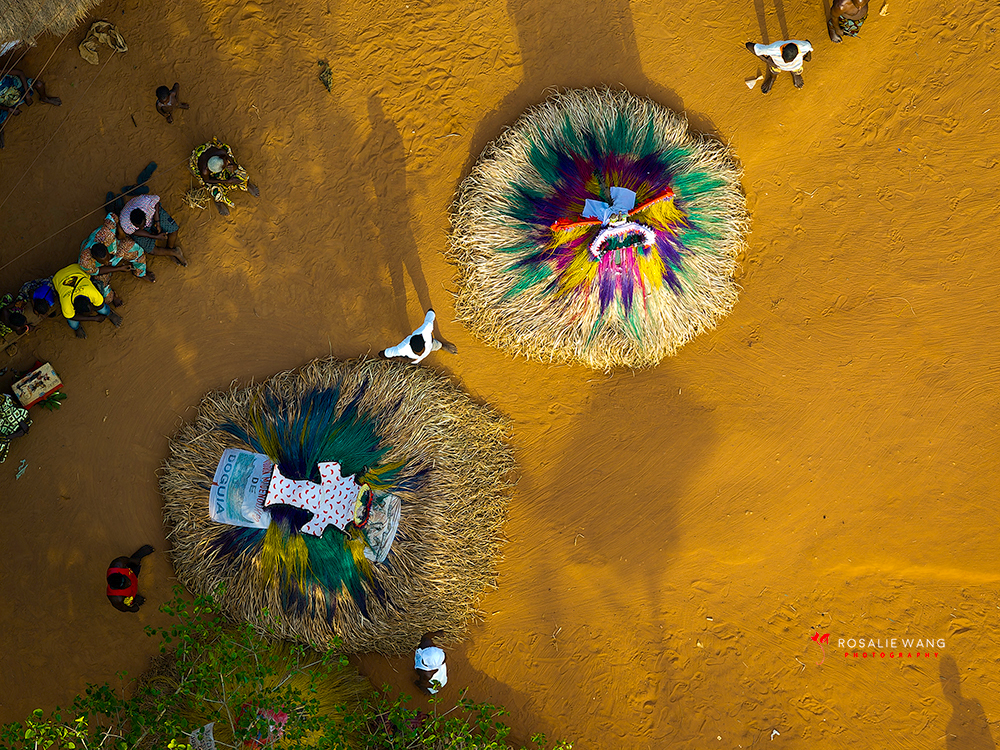
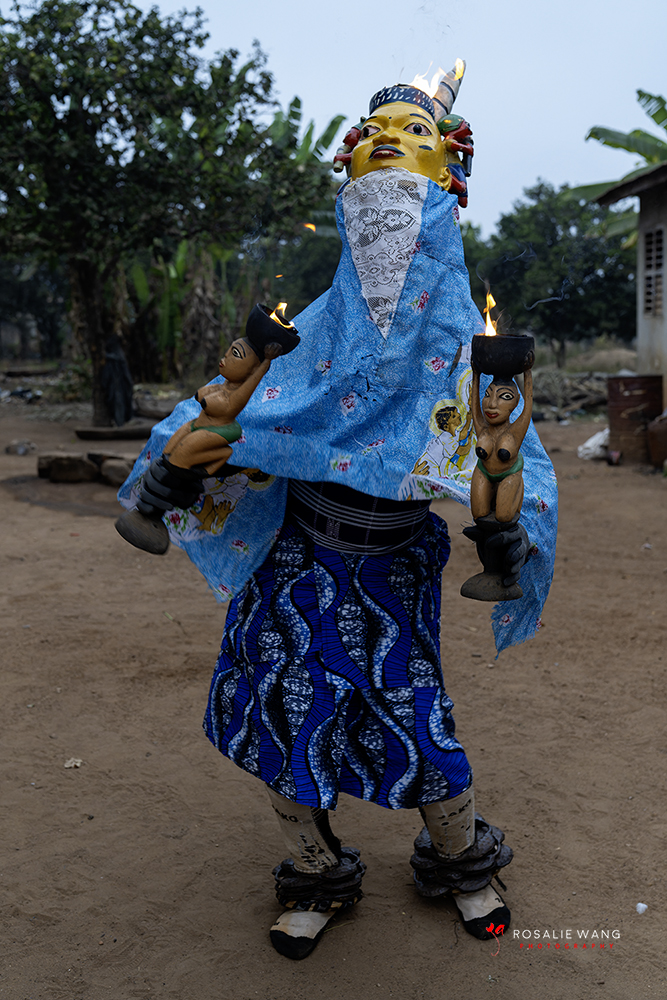
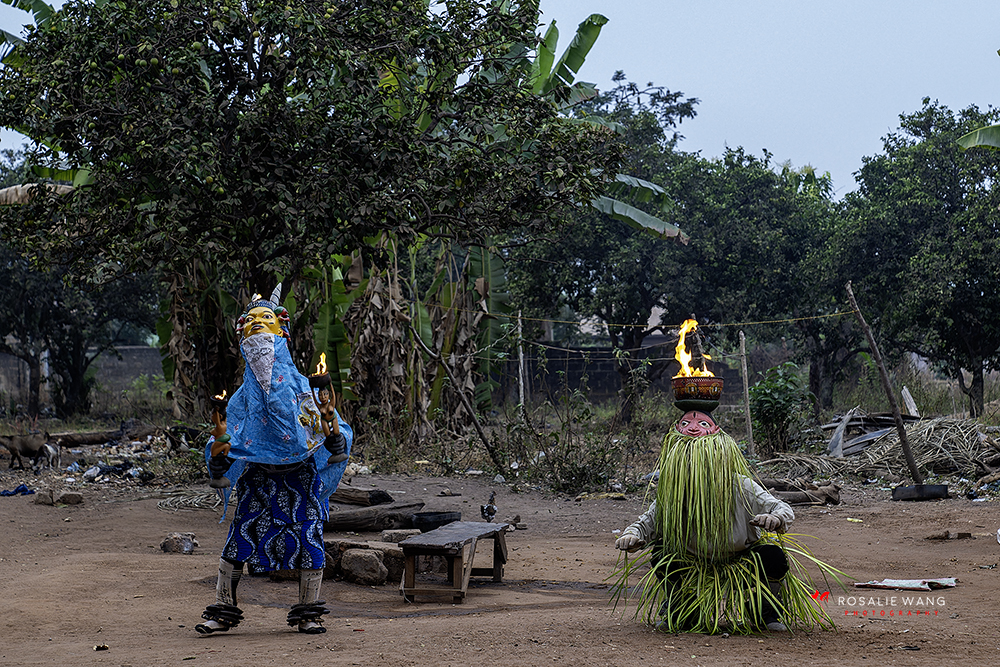
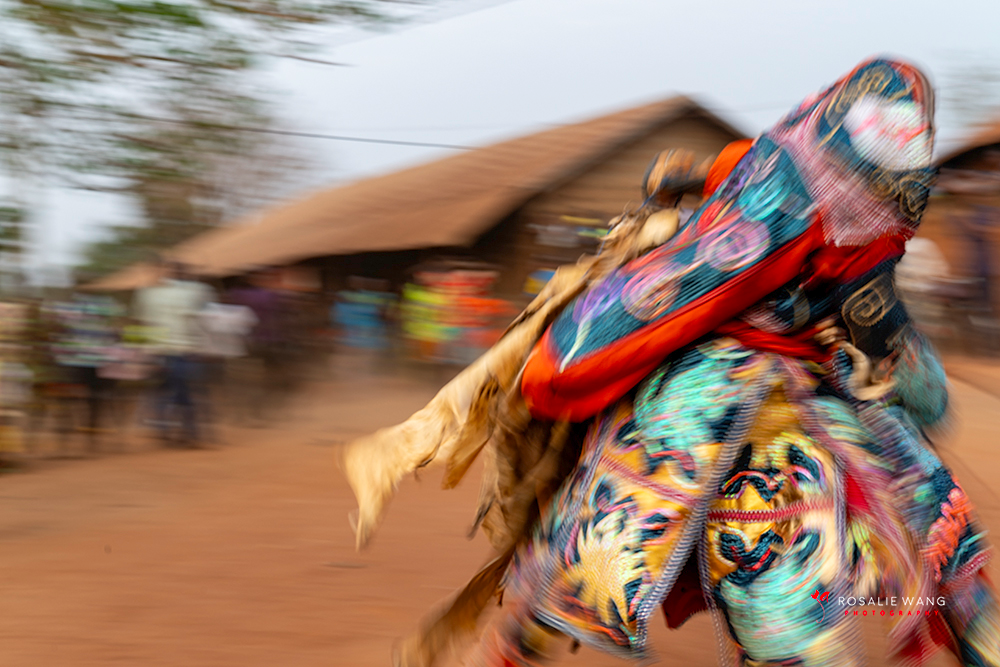
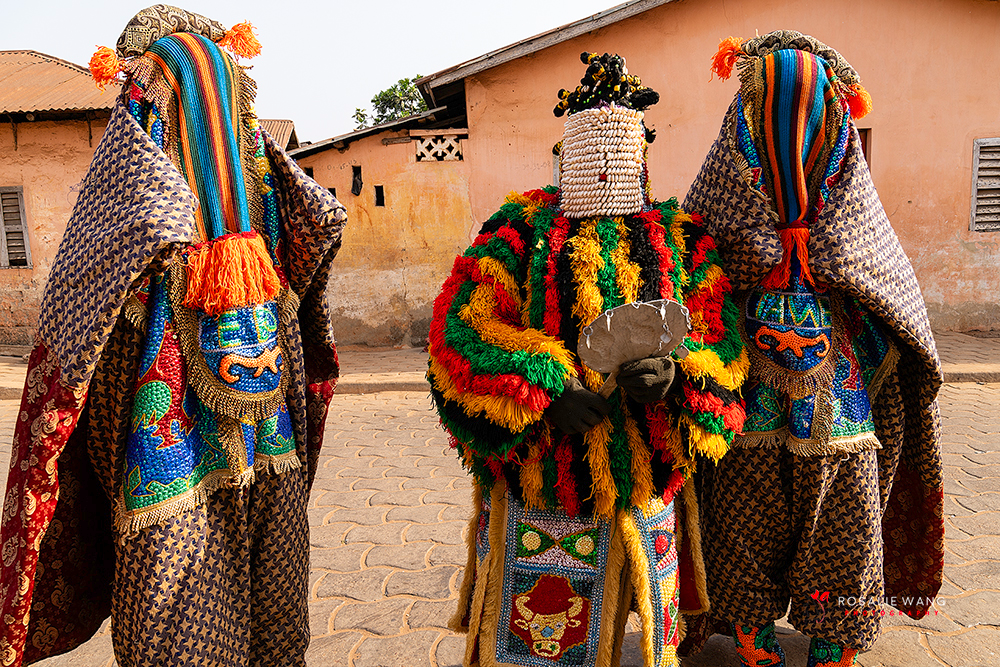
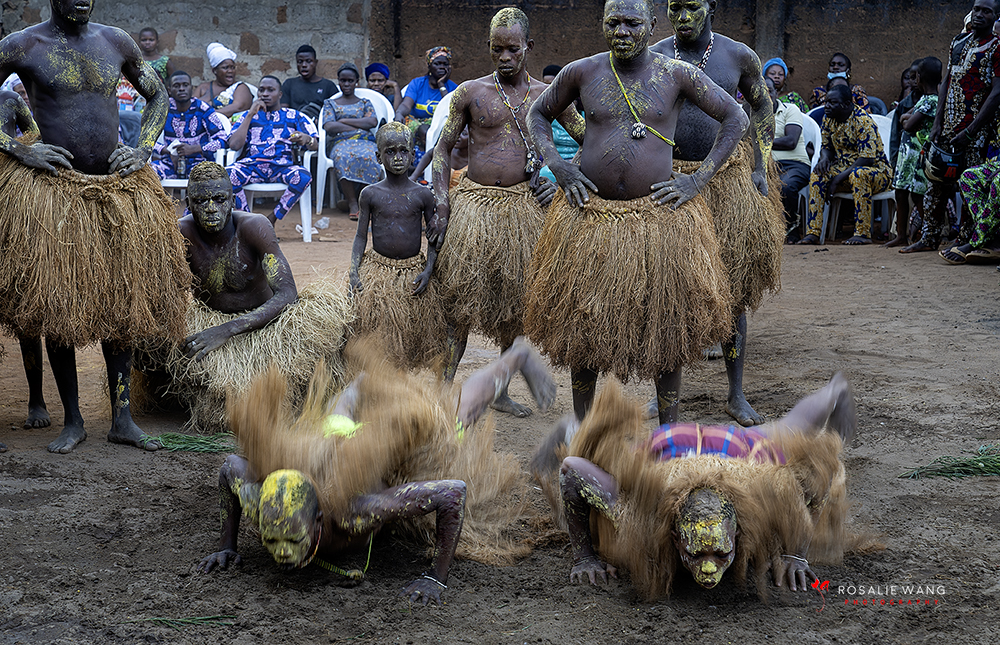
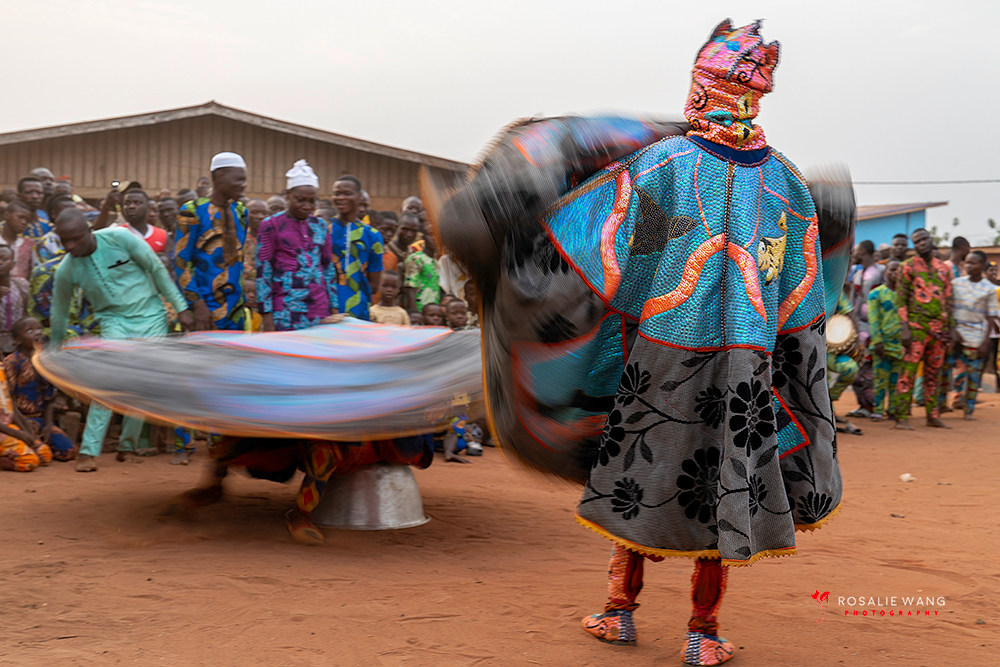
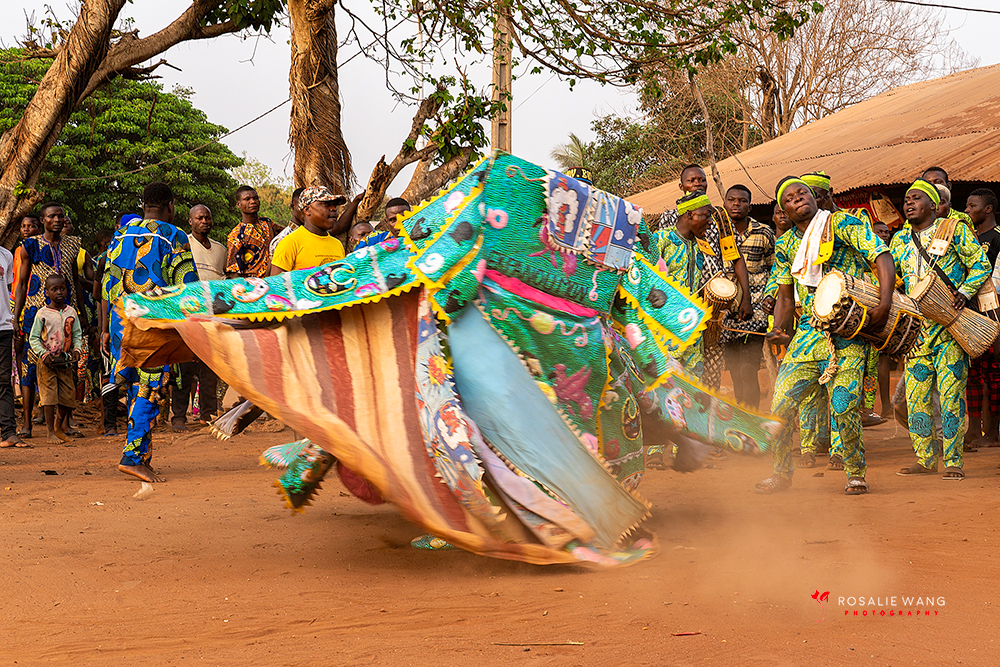
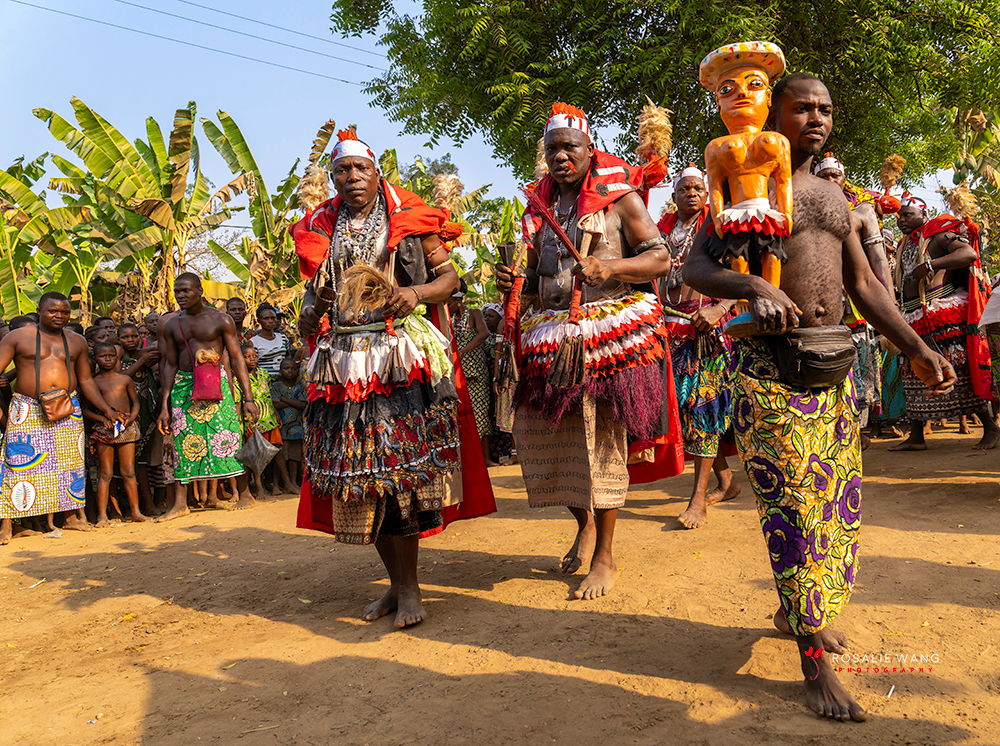
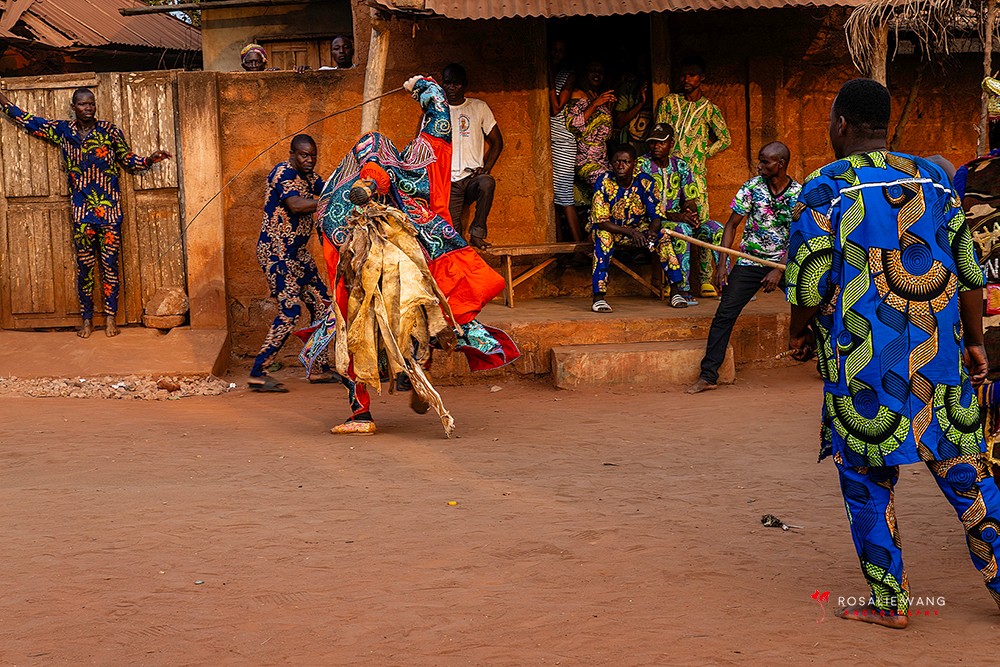
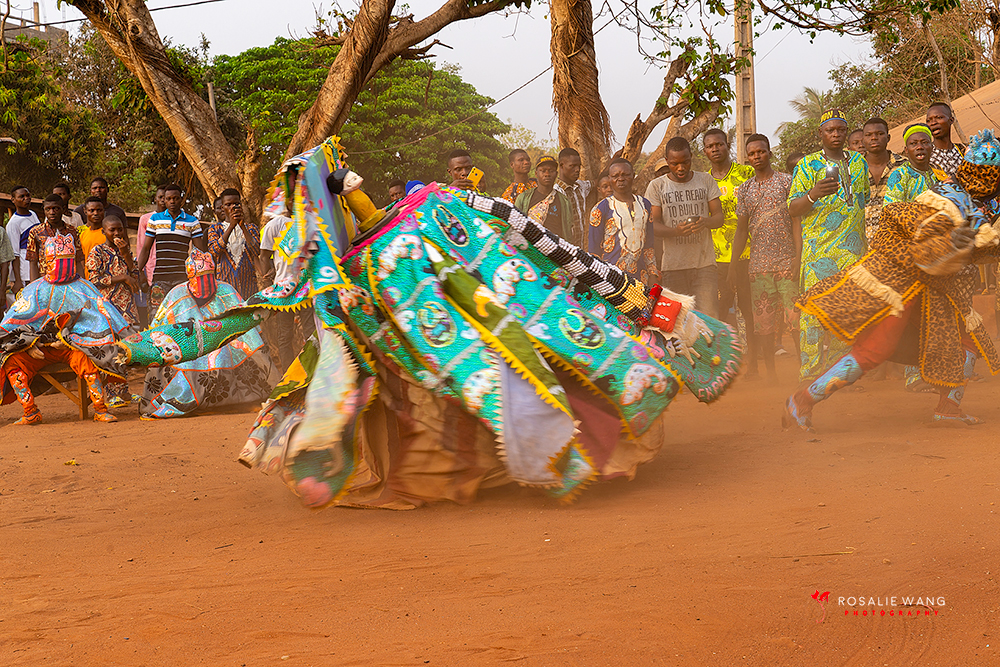
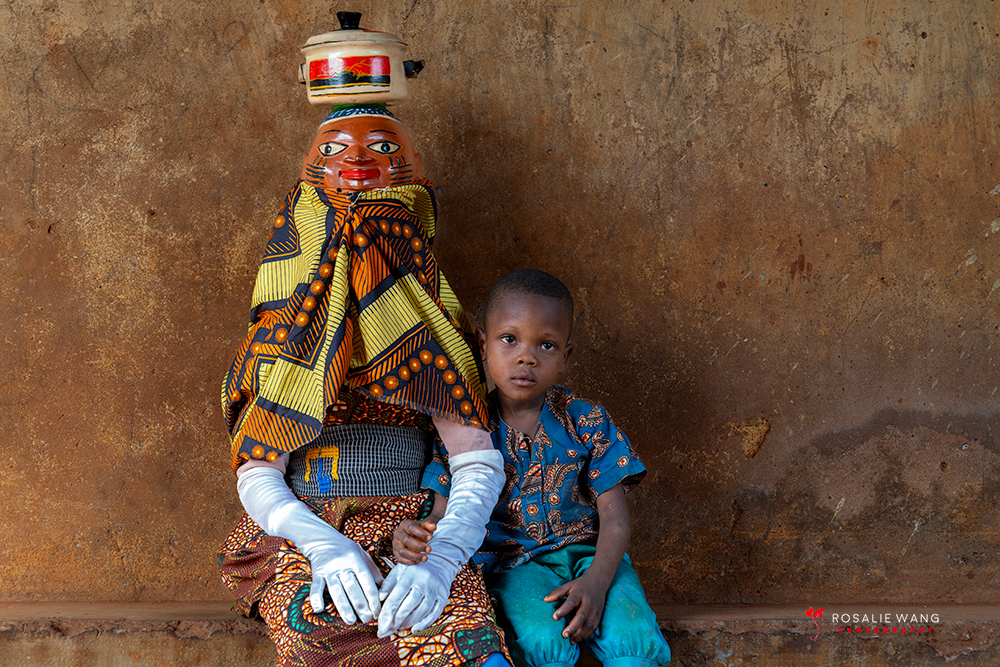
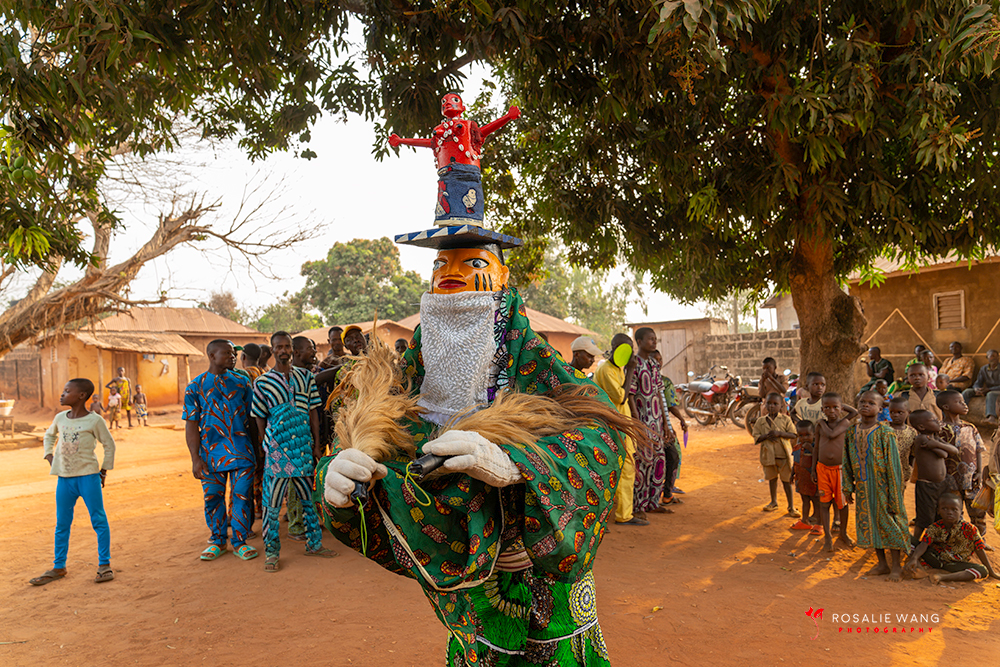
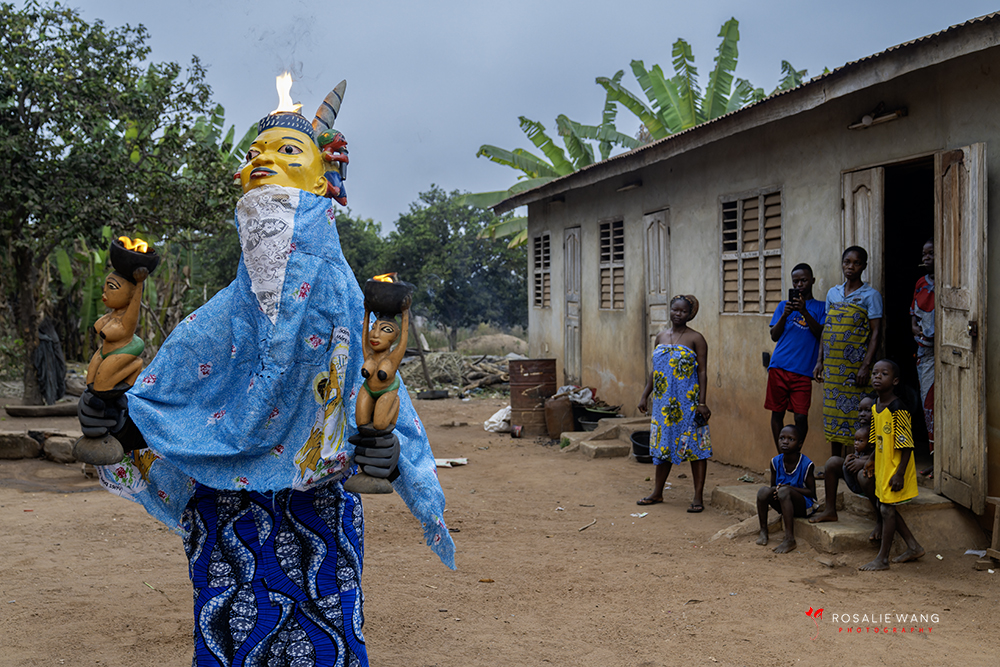
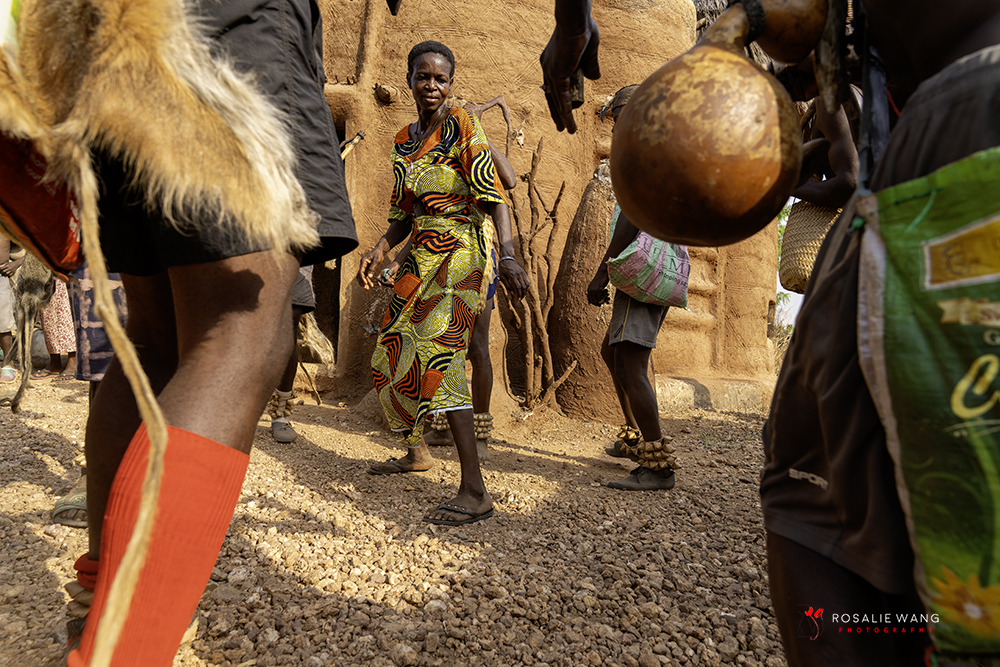
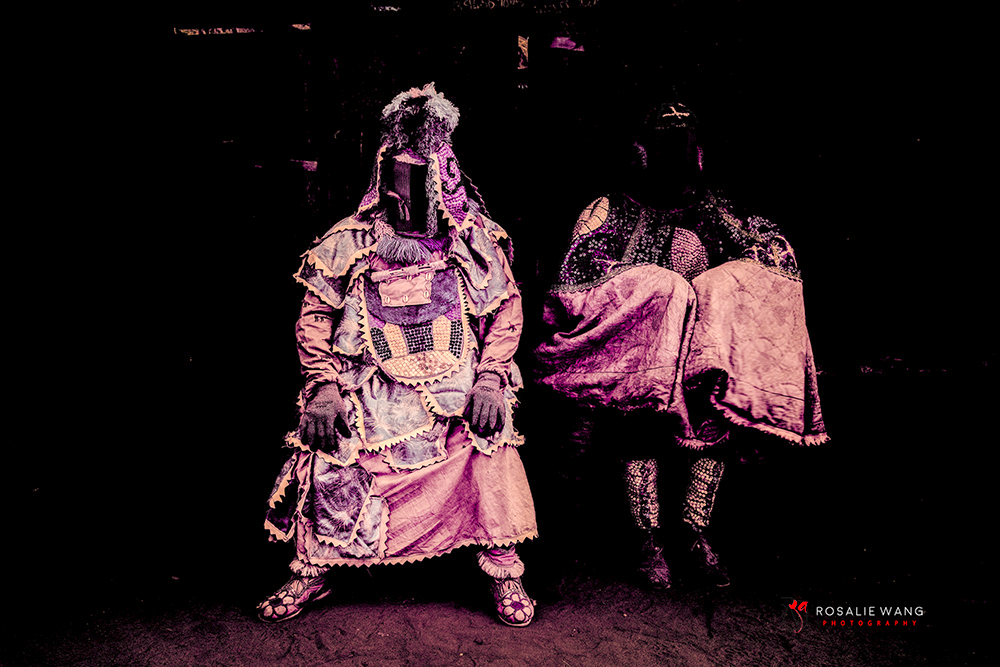
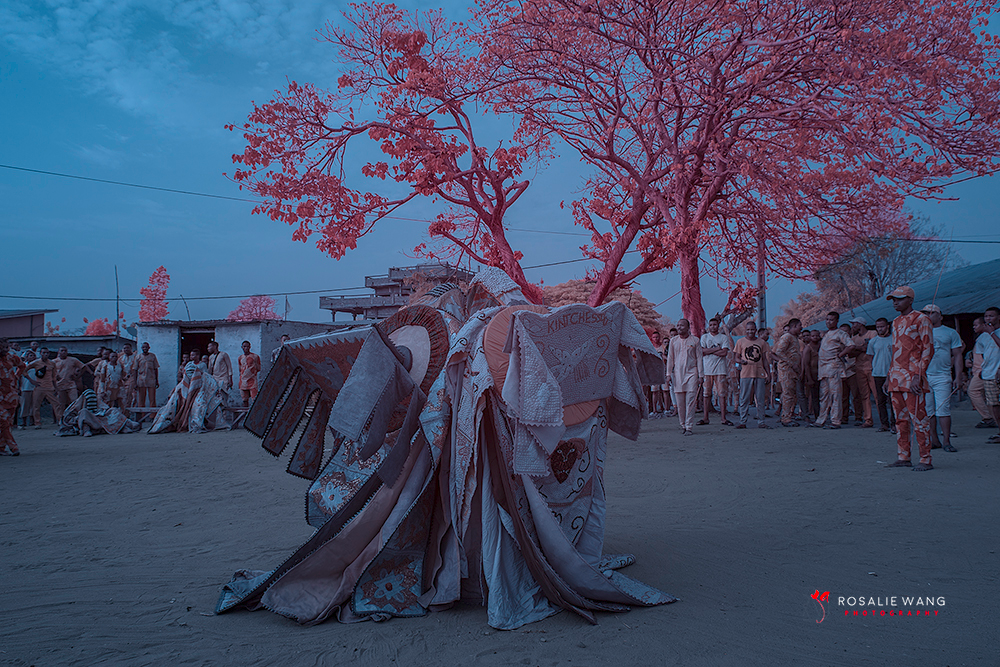
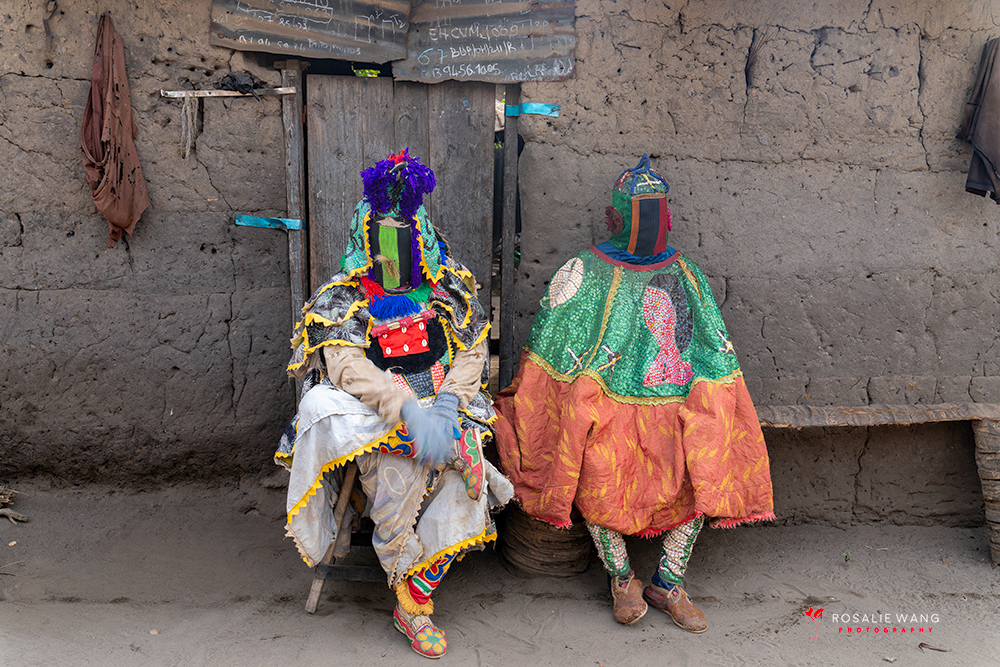
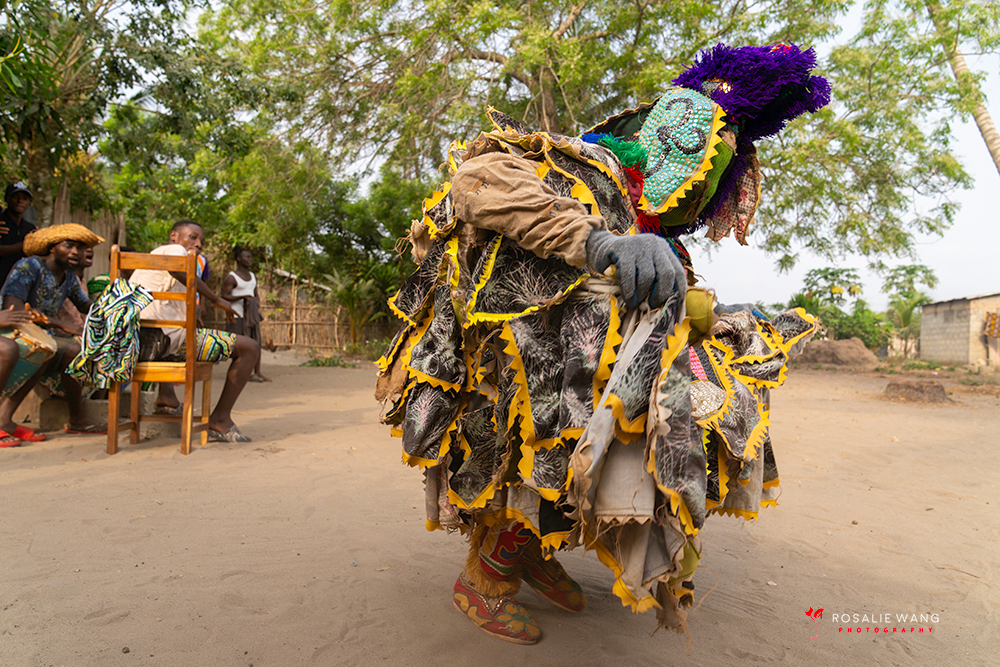
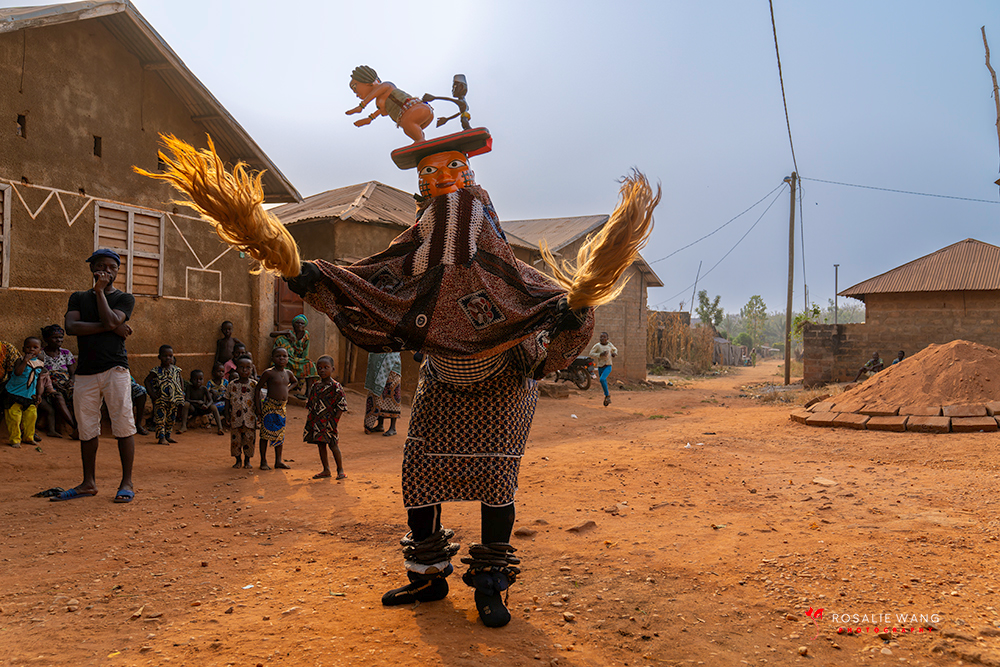
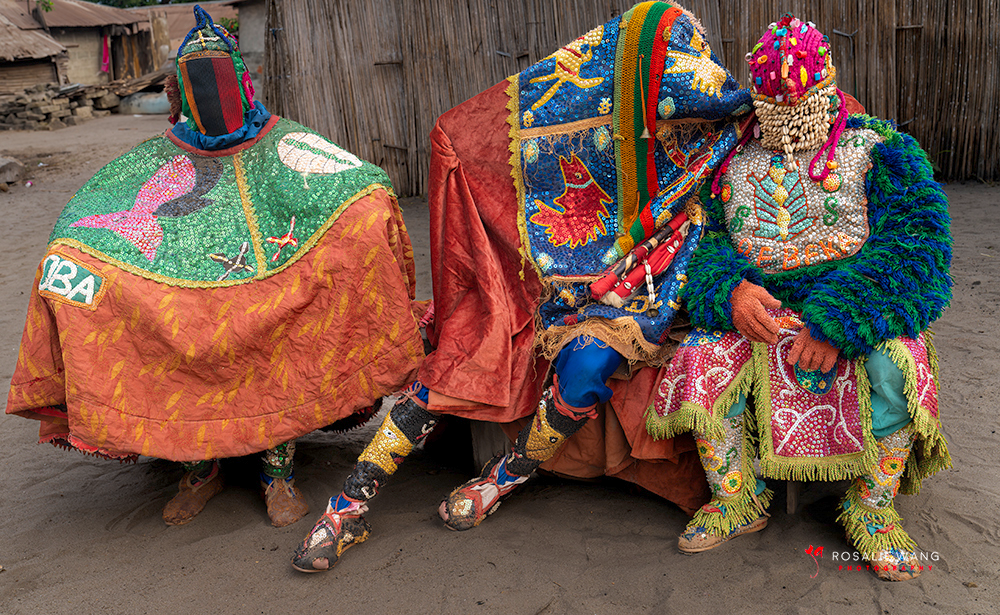
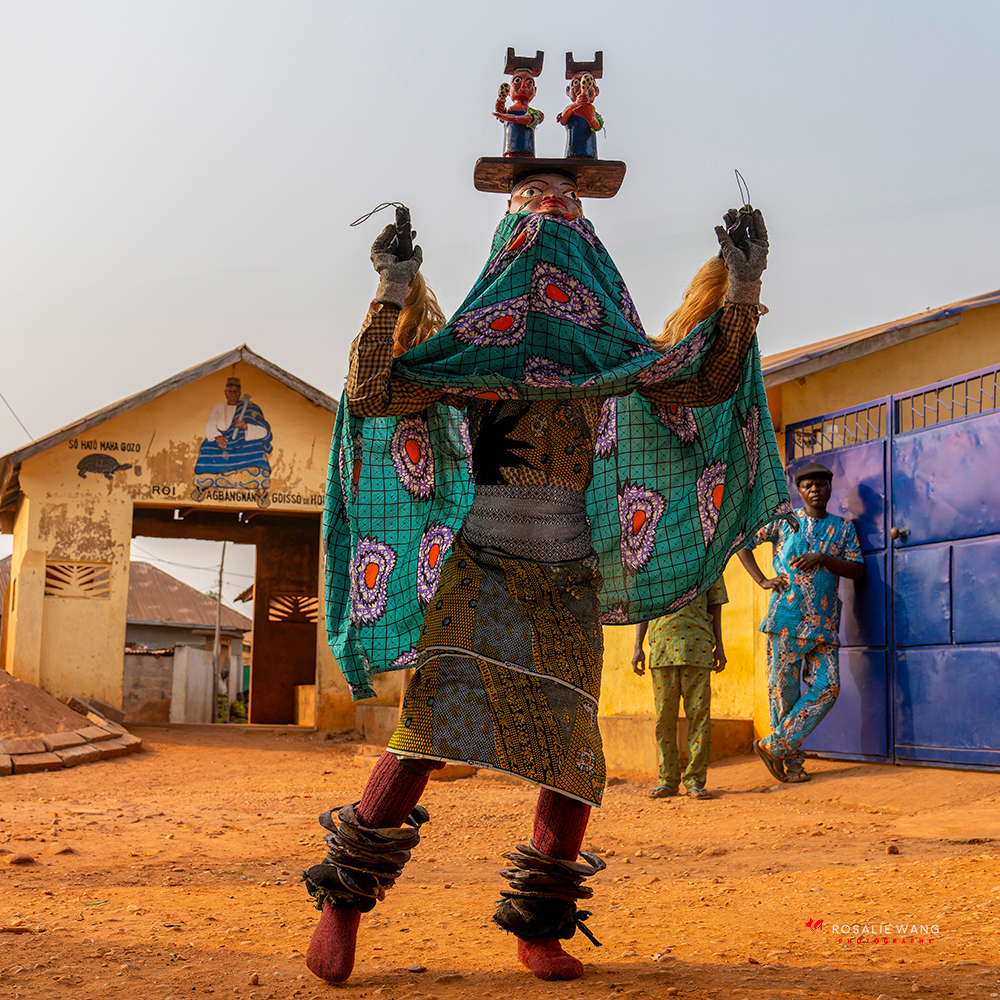
A twilight ritual with Egungun dancers in flowing masks, family members pouring libations, and ancestral staffs arranged near ritual drums. The mood is solemn and reverent.
- Honor the dead and ensure their peaceful transition to the spirit world.
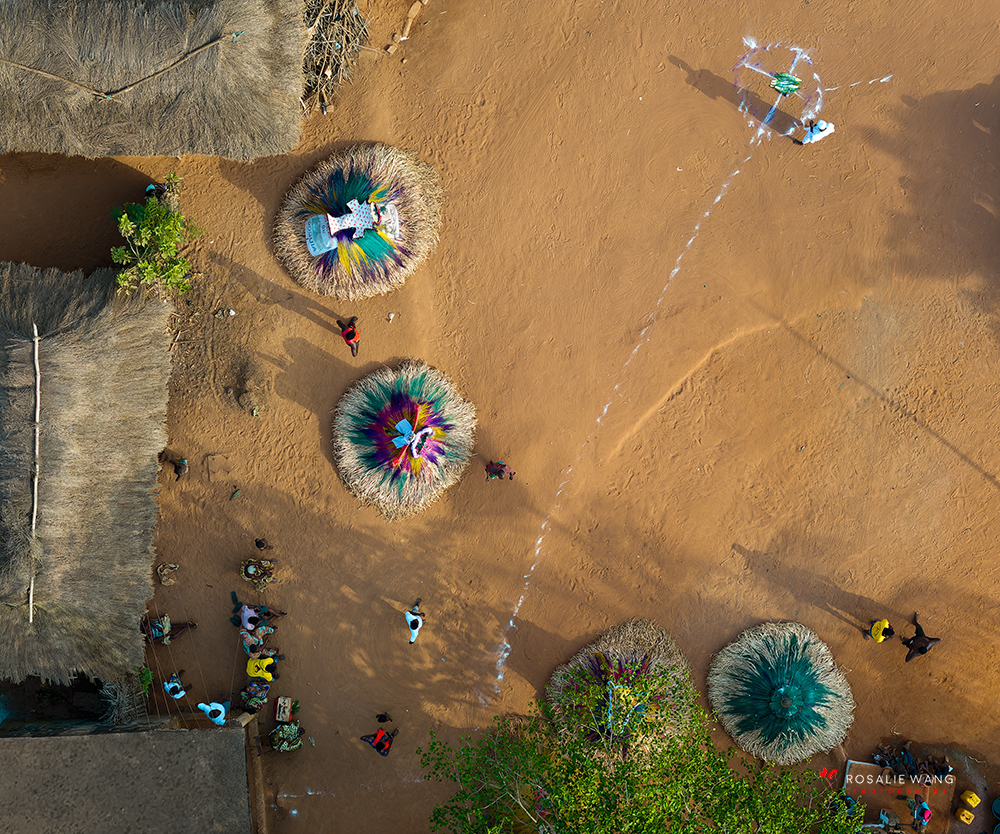
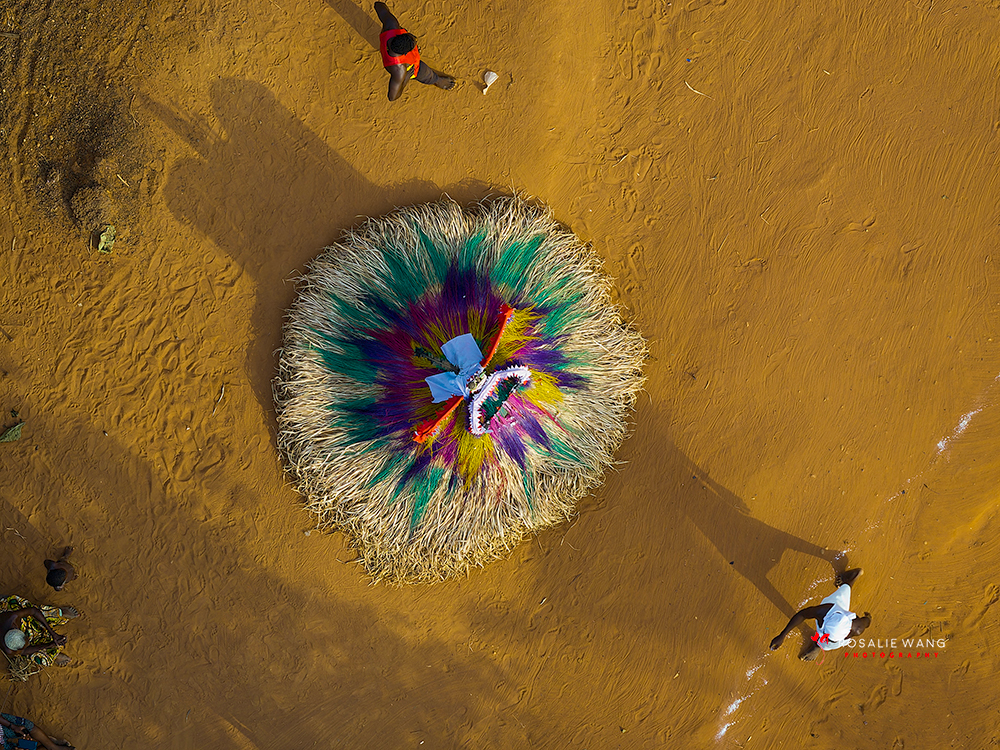
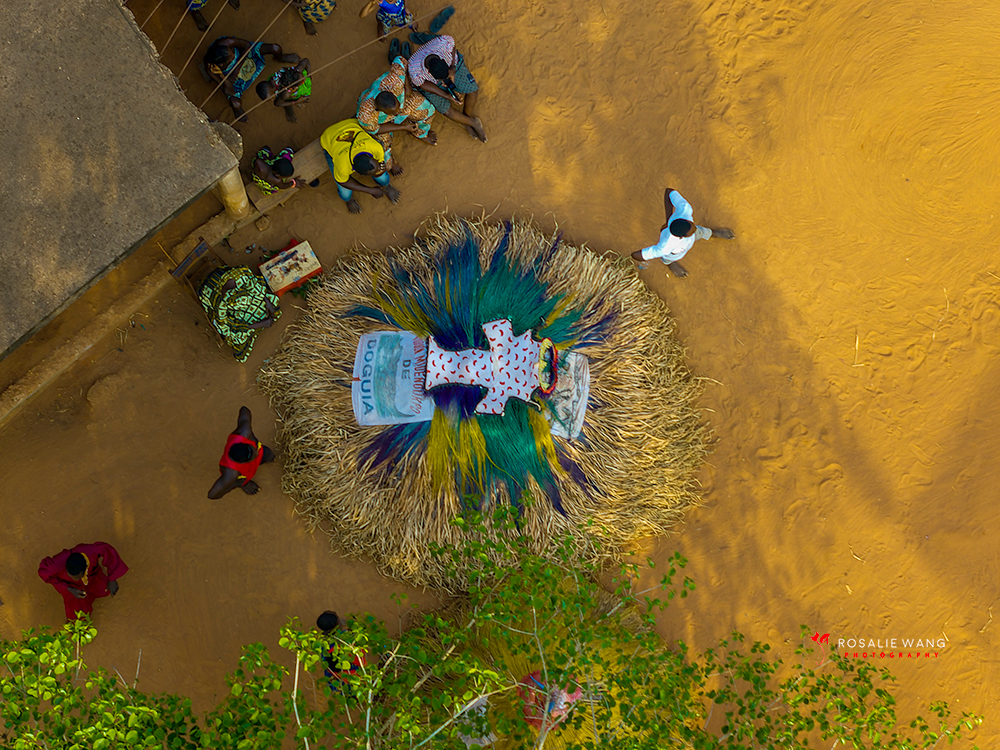
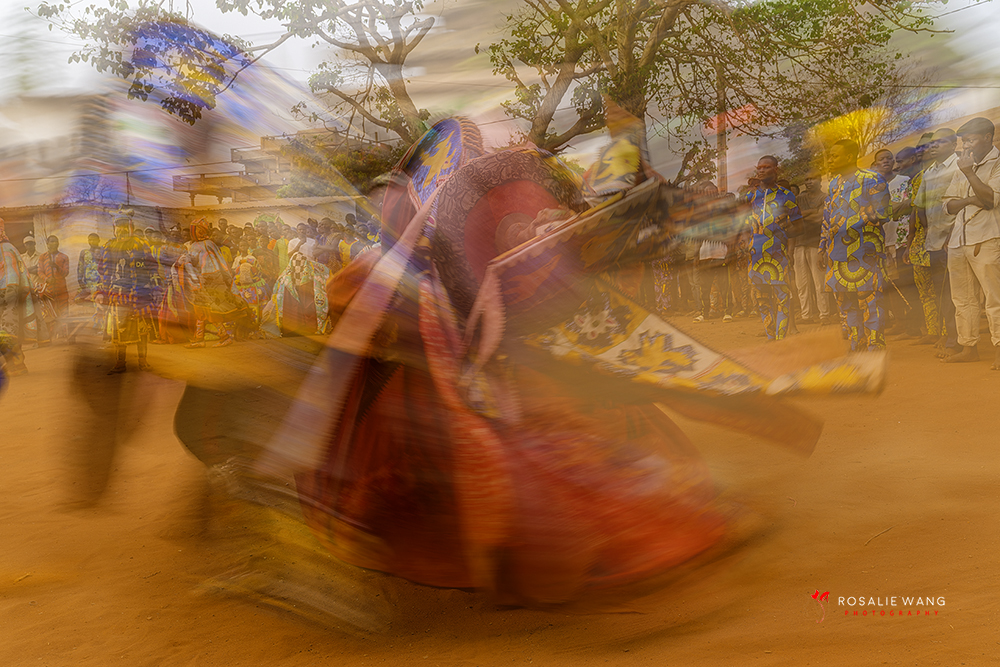
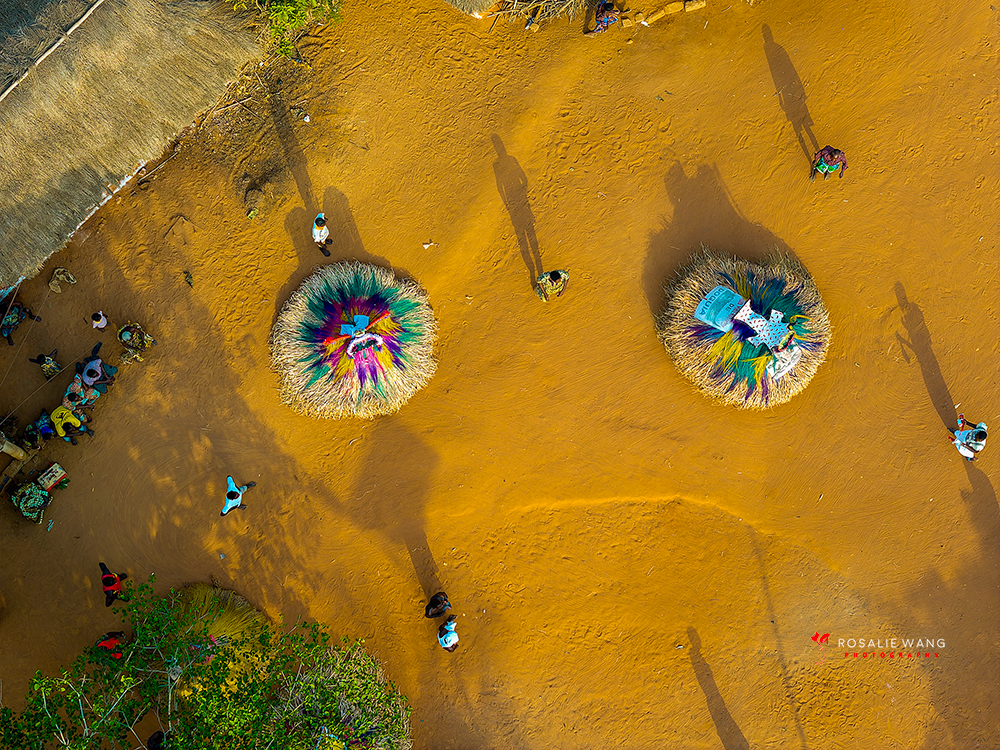
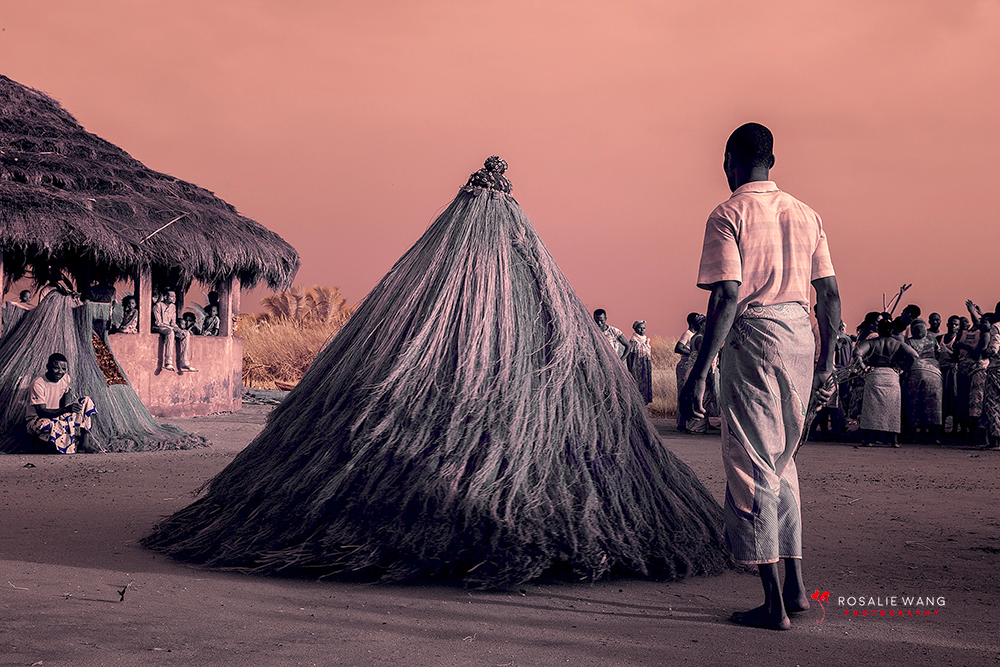
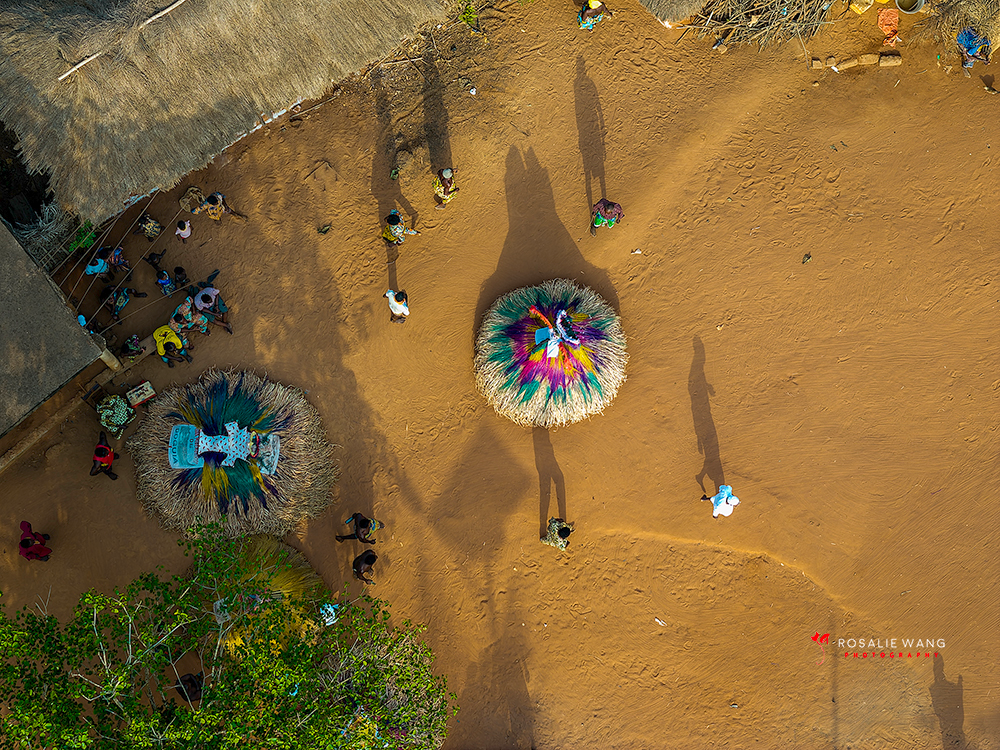
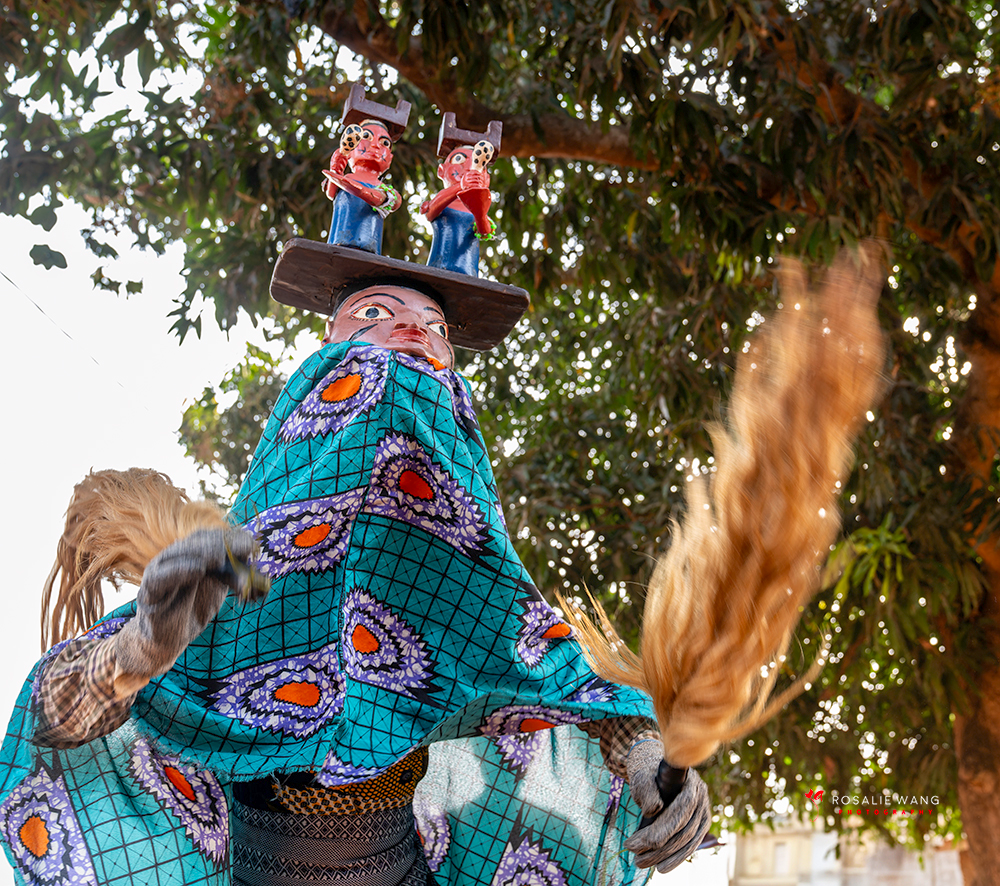
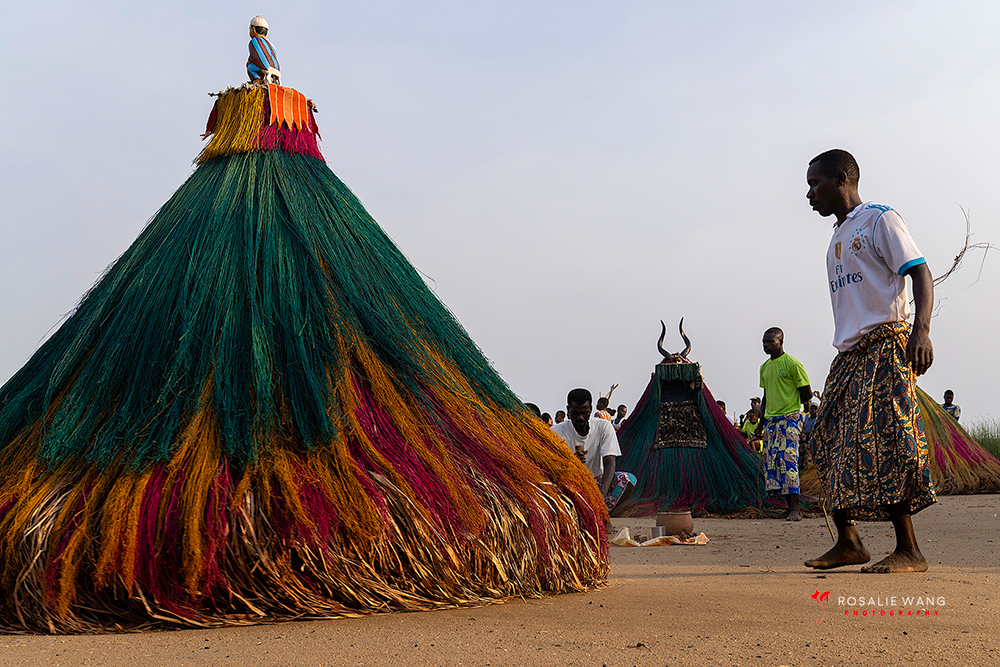
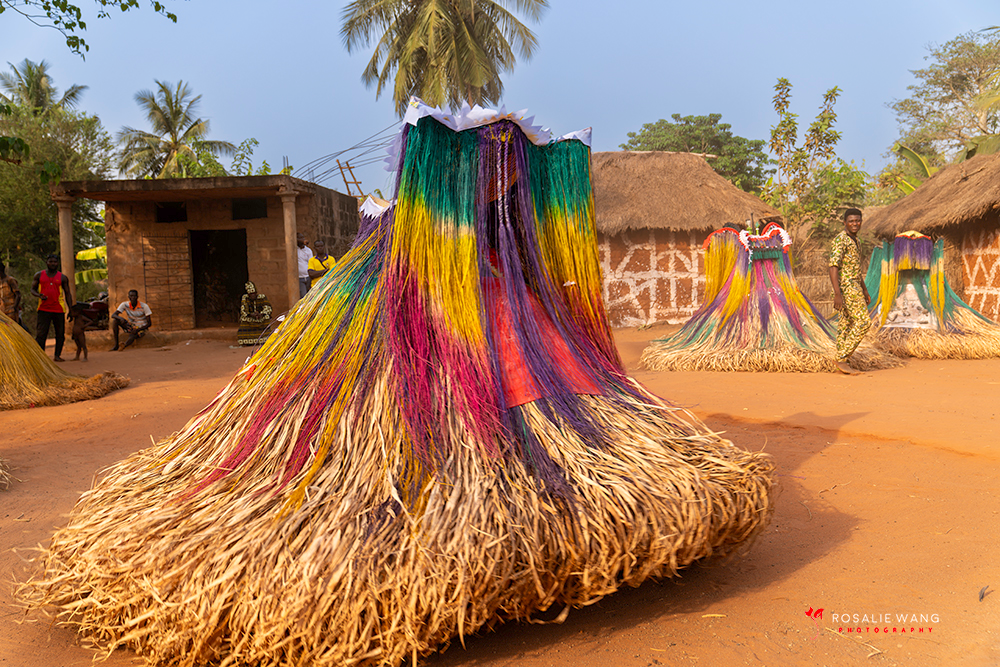
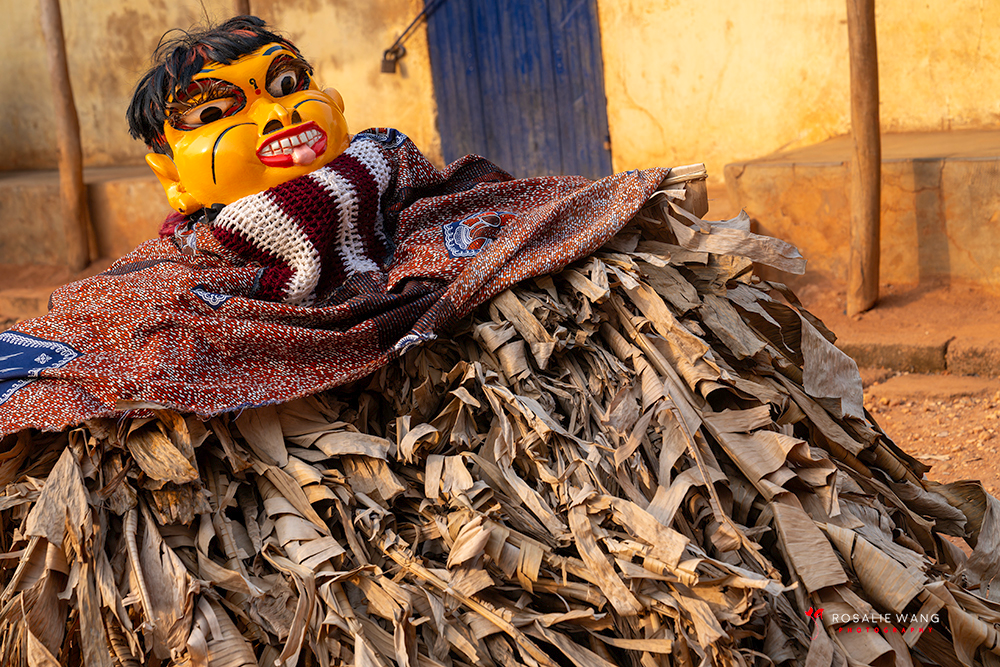
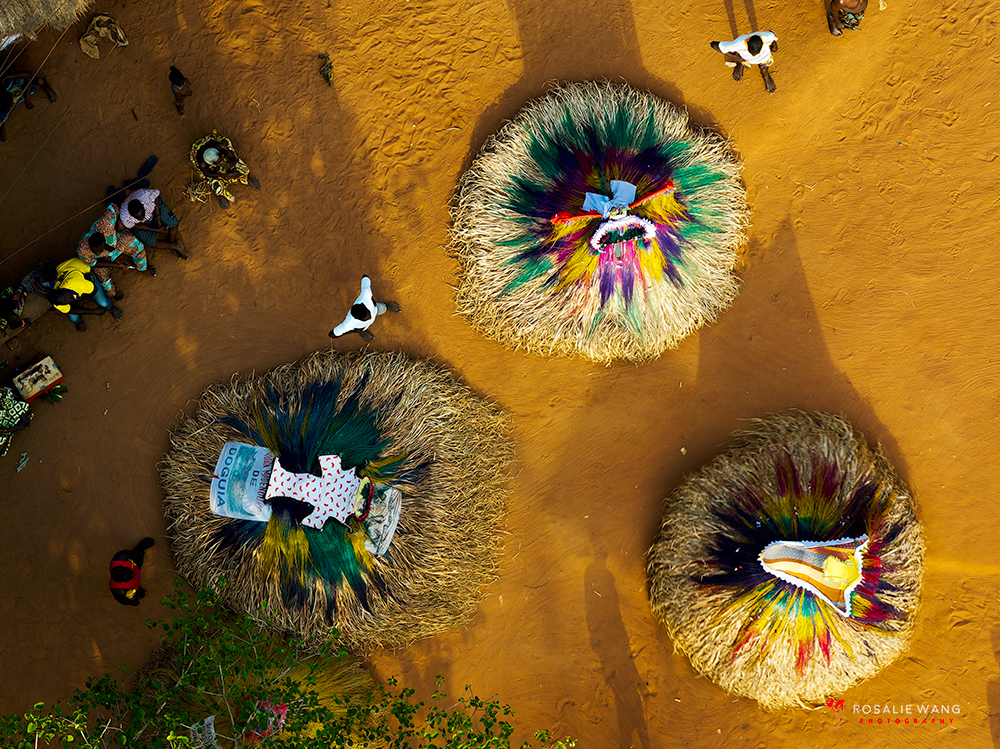
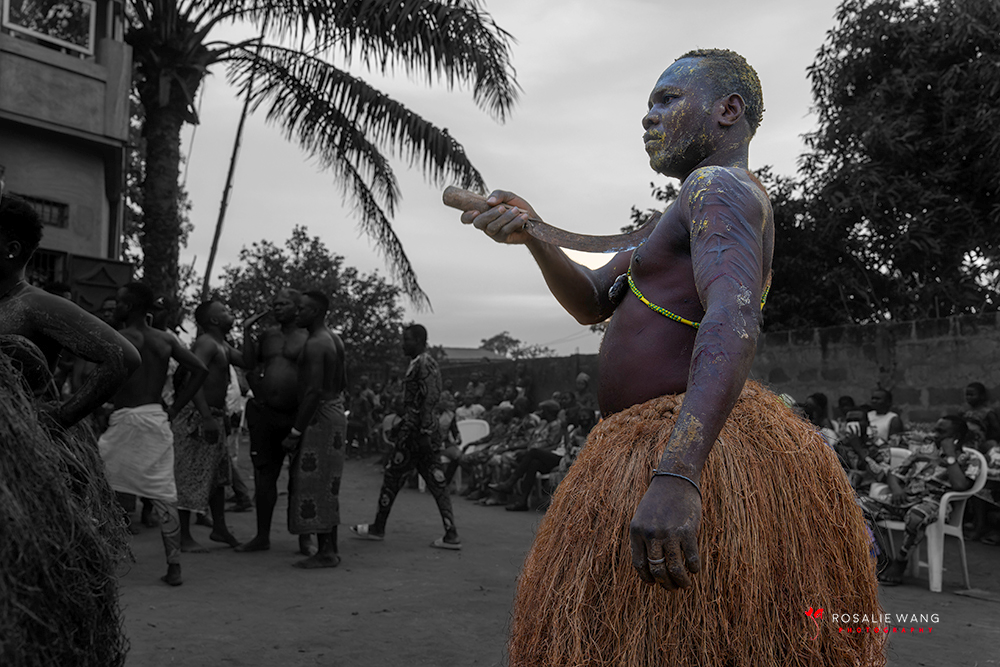
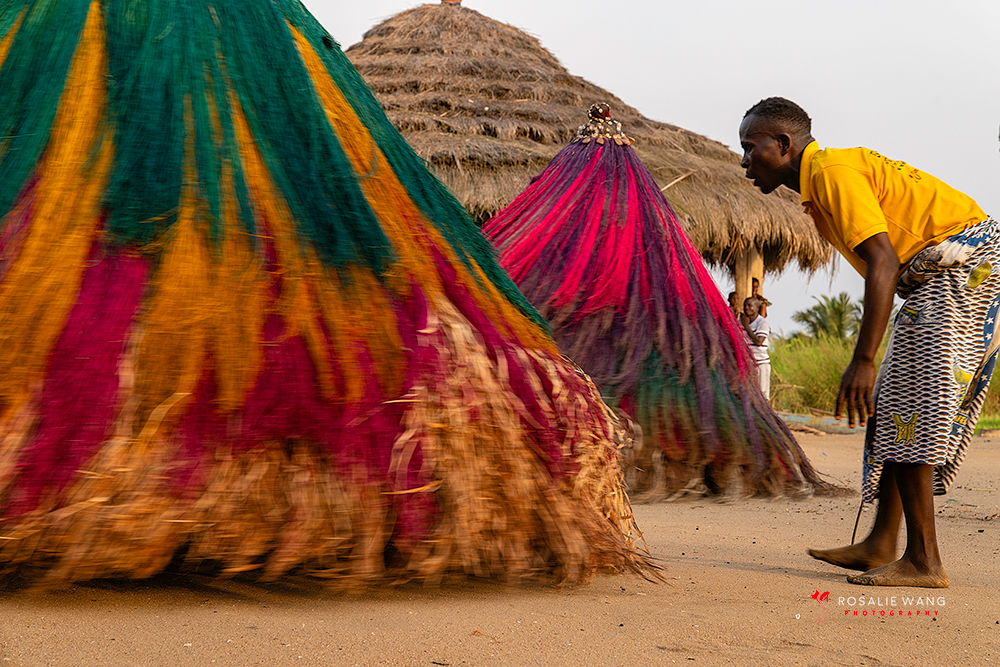
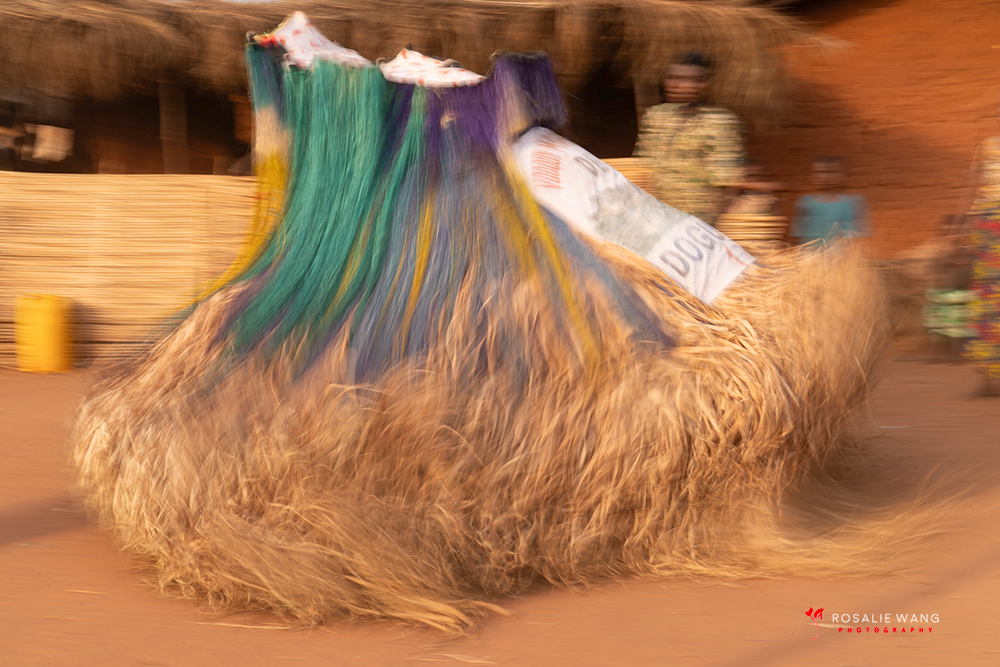
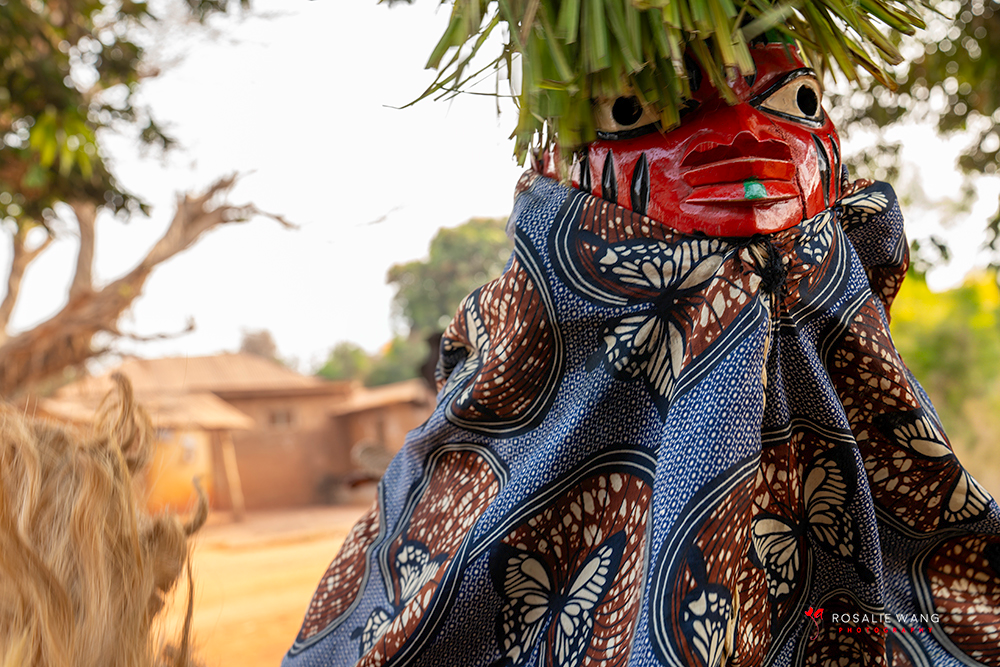
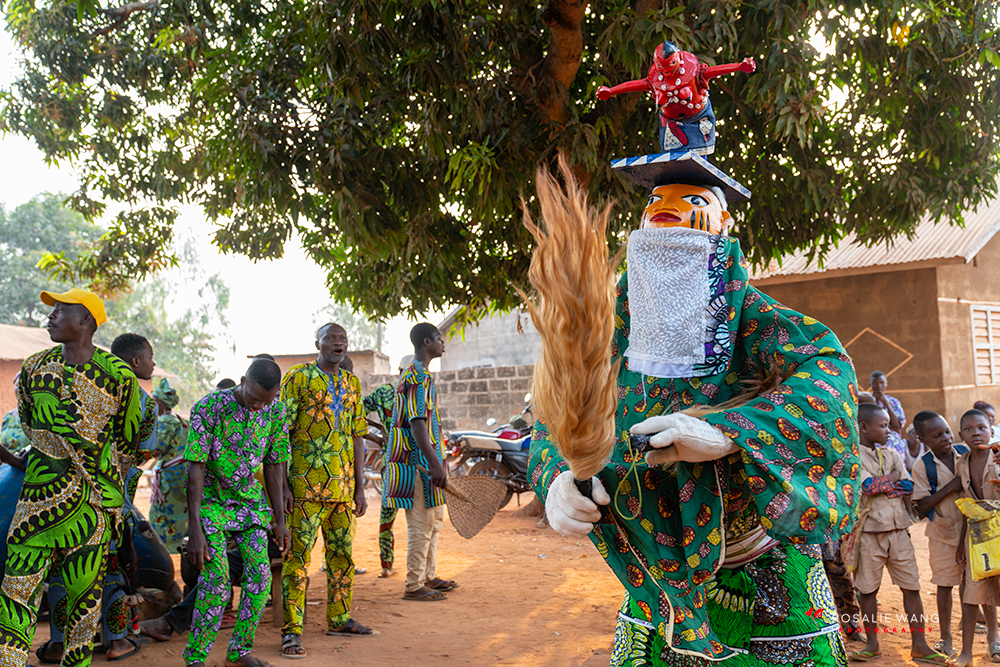
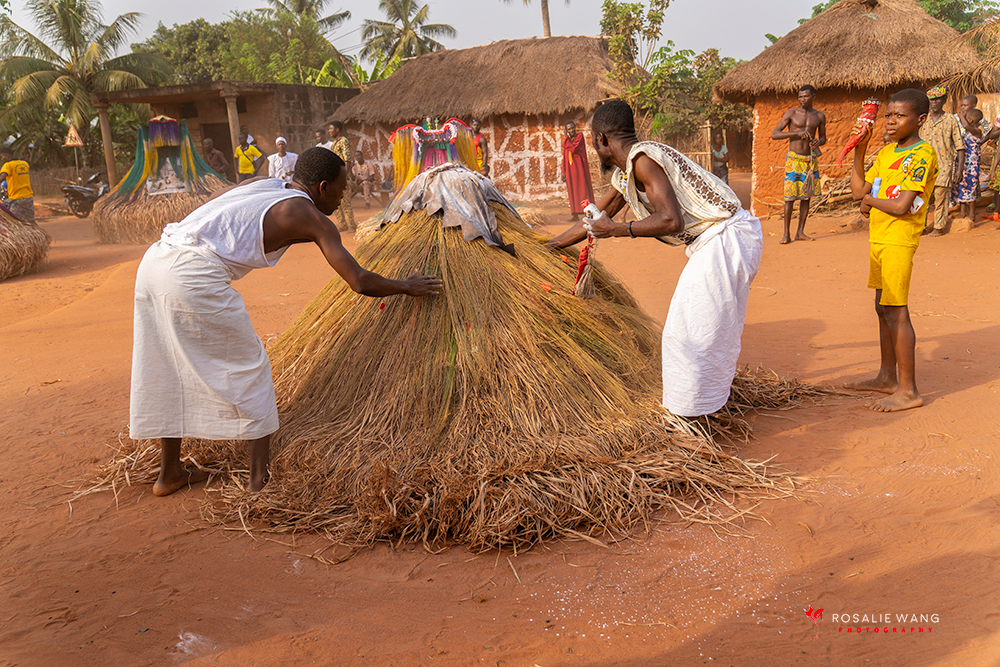
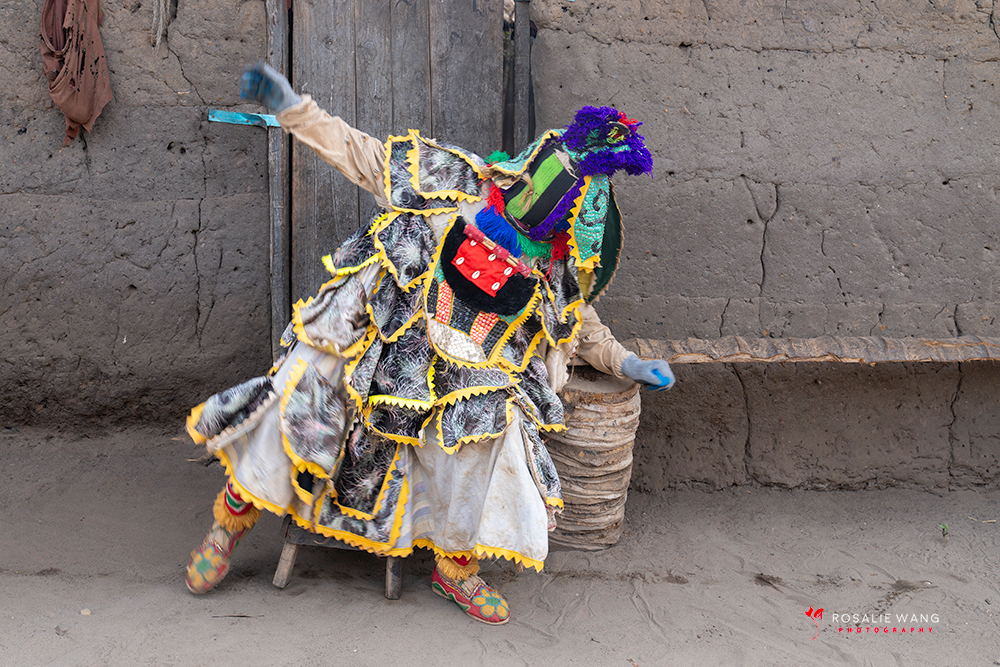
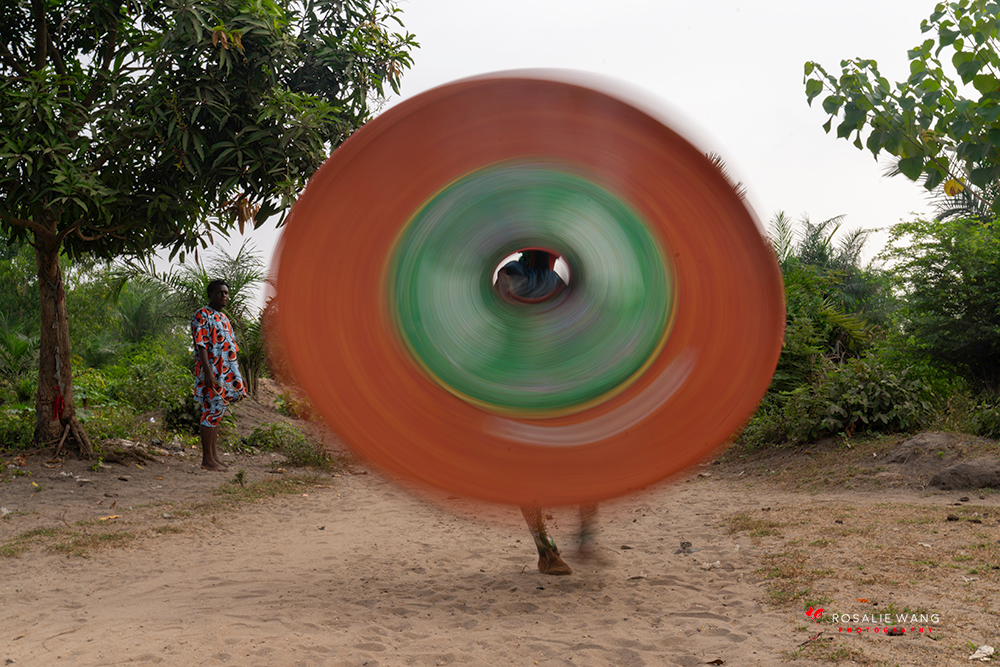
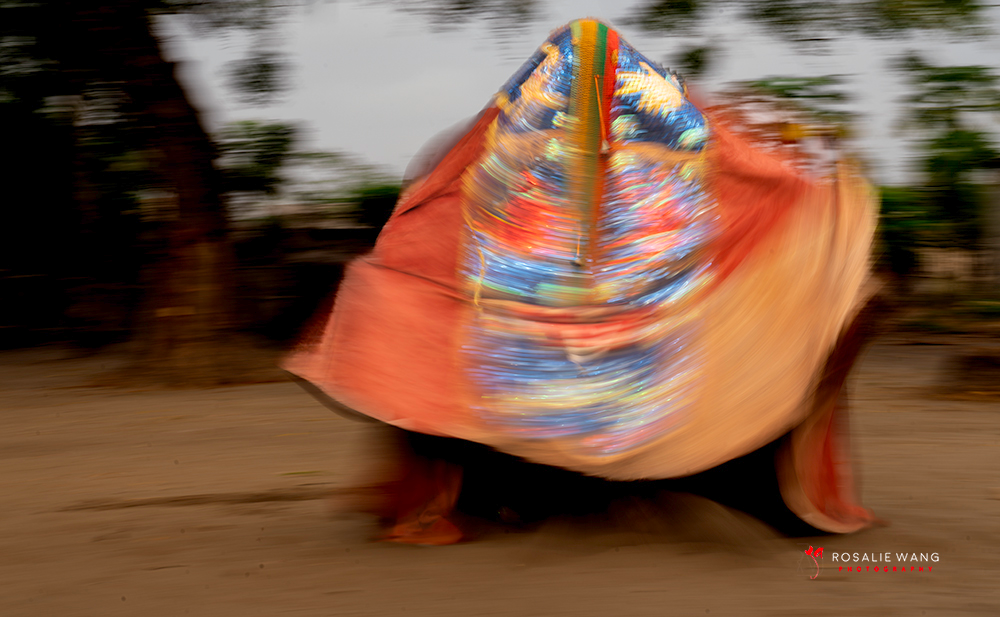
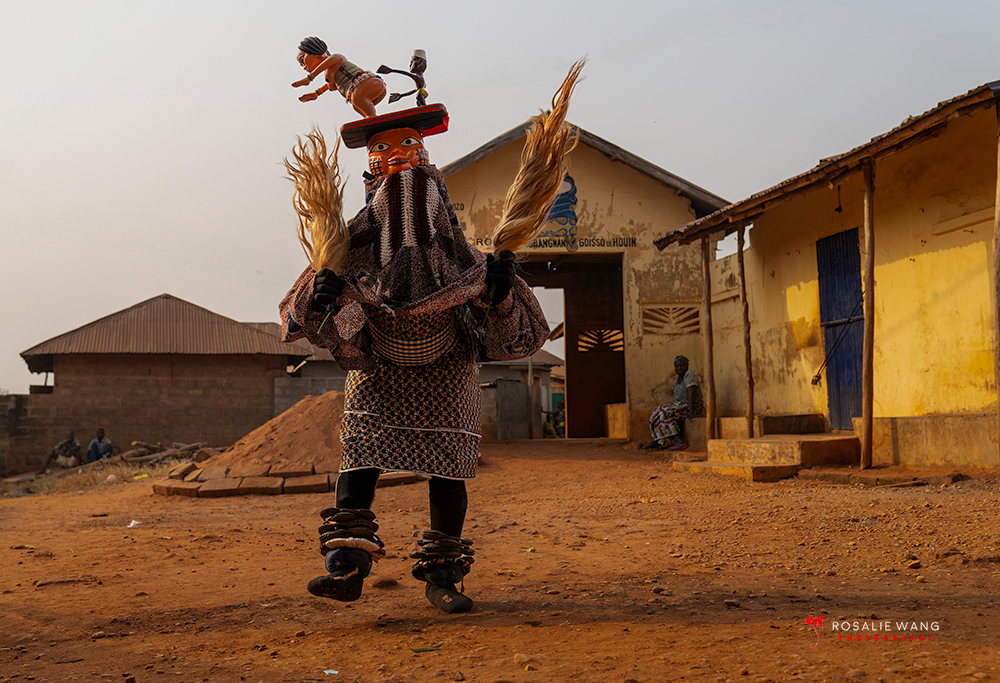
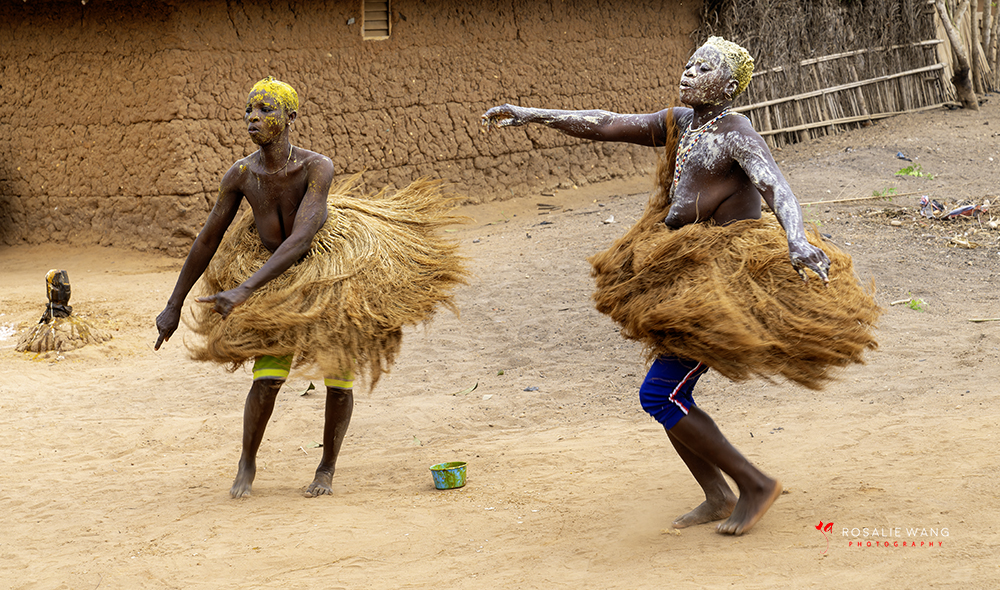
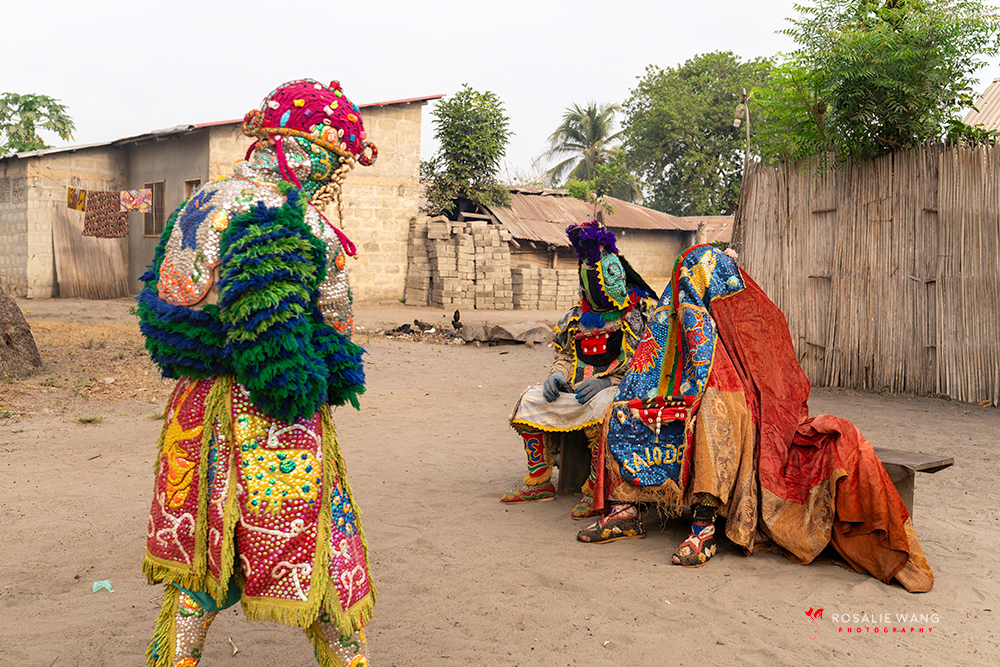
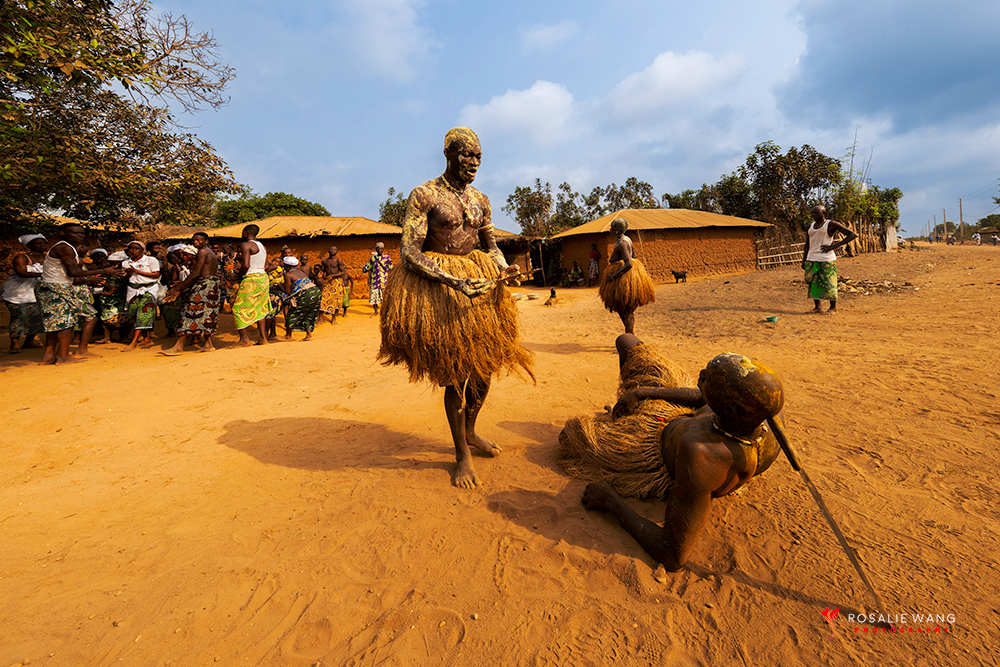
- Include libations, songs, and masked dances (e.g., Egungun or Zangbeto).
- Ancestors are considered active spiritual forces in daily life.
🌾 Agricultural & Environmental Ceremonies
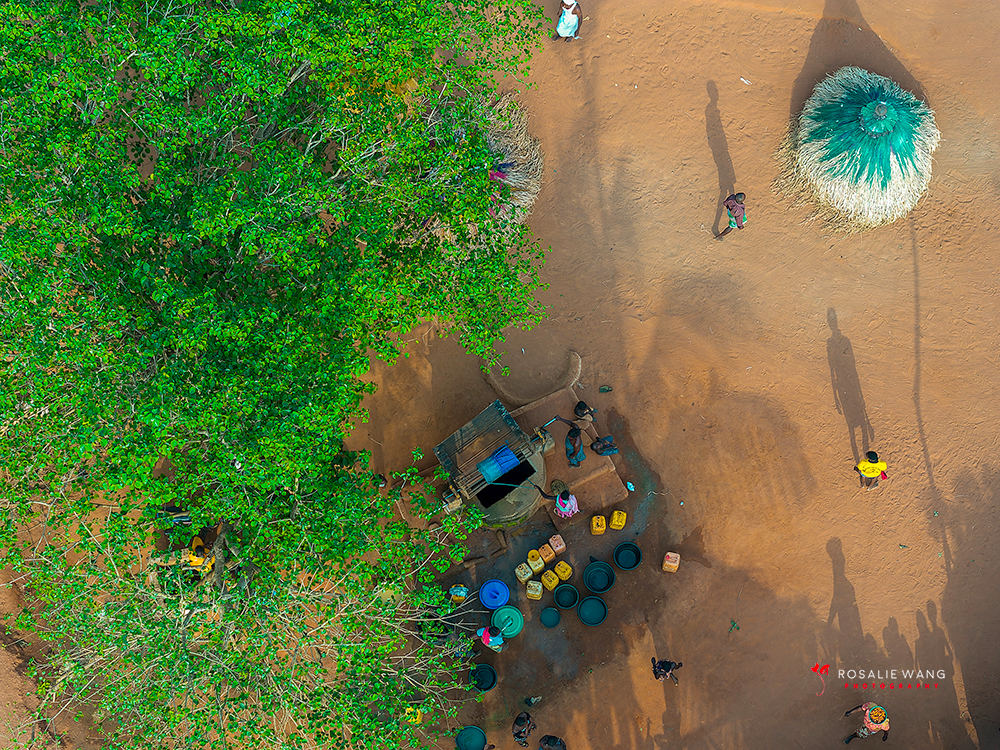
A rural field where farmers offer food and libations to Sakpata, Tohossou, and Avlekete. Symbols of fertility and rain are present, with a hopeful, grounded atmosphere.
- Appease spirits tied to land, rivers, and fertility.
- Performed before planting or harvesting seasons.
- Example: ceremonies for Sakpata, the earth deity, to ensure soil health and crop success.
🔍 Notes on Variation
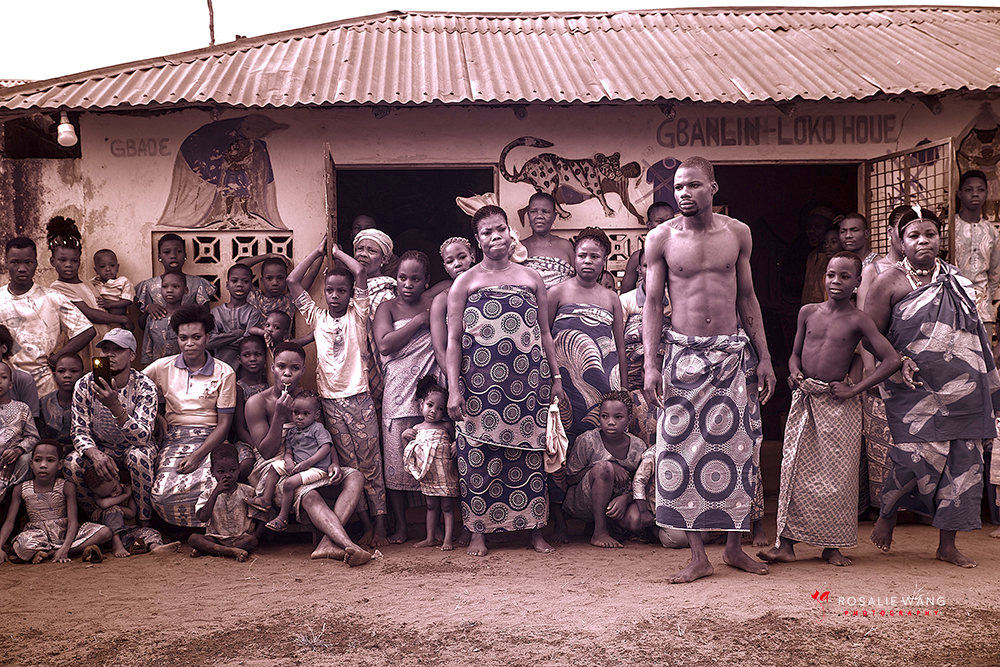
- Ceremonies vary by region, ethnic group, and lineage—Fon, Ewe, and Aja traditions each have unique expressions.
- Some rituals are secret and restricted, while others are public and celebratory.
- Vodun is dynamic and adaptive, with new ceremonies emerging and old ones evolving.
📇 References
- Soul of Africa Magical Rites and Traditions by Klaus E. Muller & Henning Christoph, published by Konemann, January 1,2000, ISBN 978-3829027168
- Voodoo Rainbow by Henning Christoph & Philipp Schiemann, published by Konemann, June 1,2020, ISBN 978-3741924781
- Spiritualités Africaines by Henning Christoph, Markus Matzel, & Philipp Schiemann, published by PLACE VICTOIRES, September 3,2020, ISBN 978-2809917437