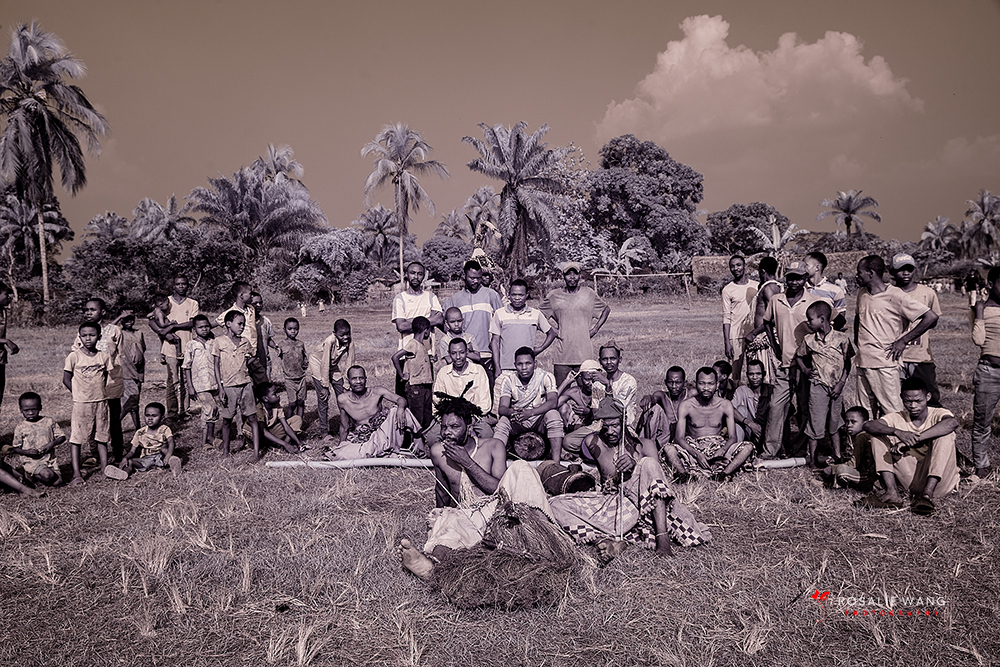
👑 KUBA: Royal Masquerades
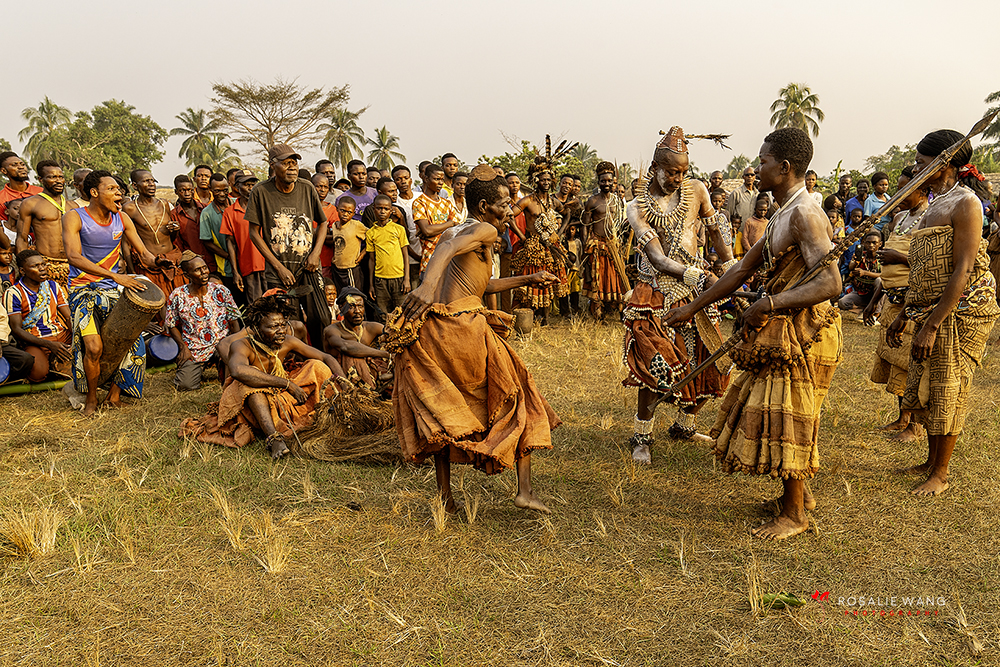
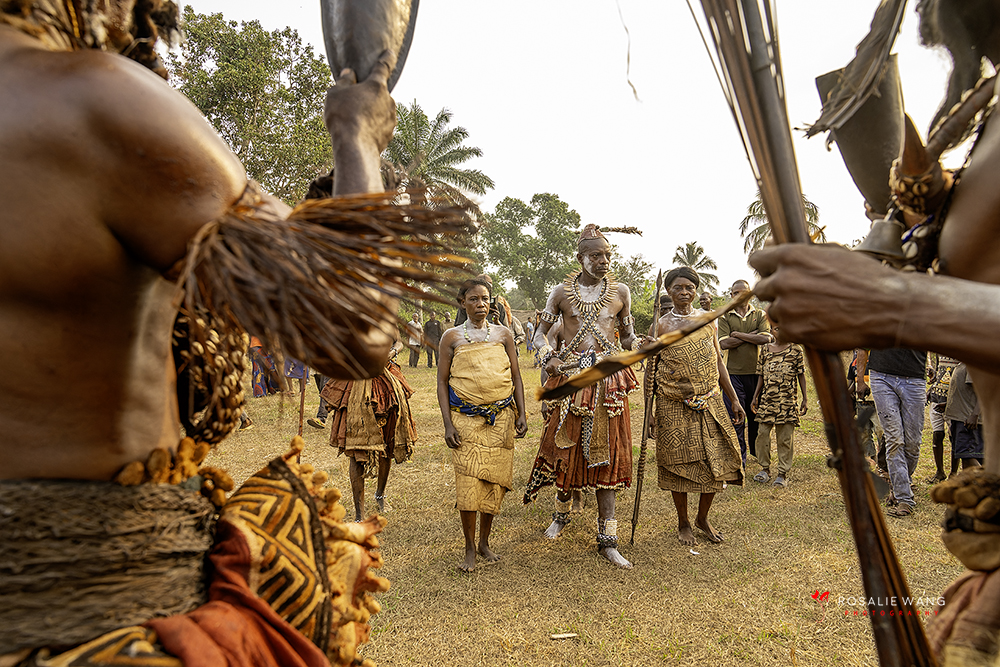
Kuba ceremonies center on royal power, ancestral spirits, and initiation, expressed through one of Africa’s most sophisticated masquerade systems. They combine political authority, moral education, and cosmology into tightly choreographed ritual events.
CEREMONIAL FOCUS
👑 ROYAL CEREMONIES
Function: Legitimize kingship, renew ancestral power, display political order. Core Setting: Mushenge royal capital.
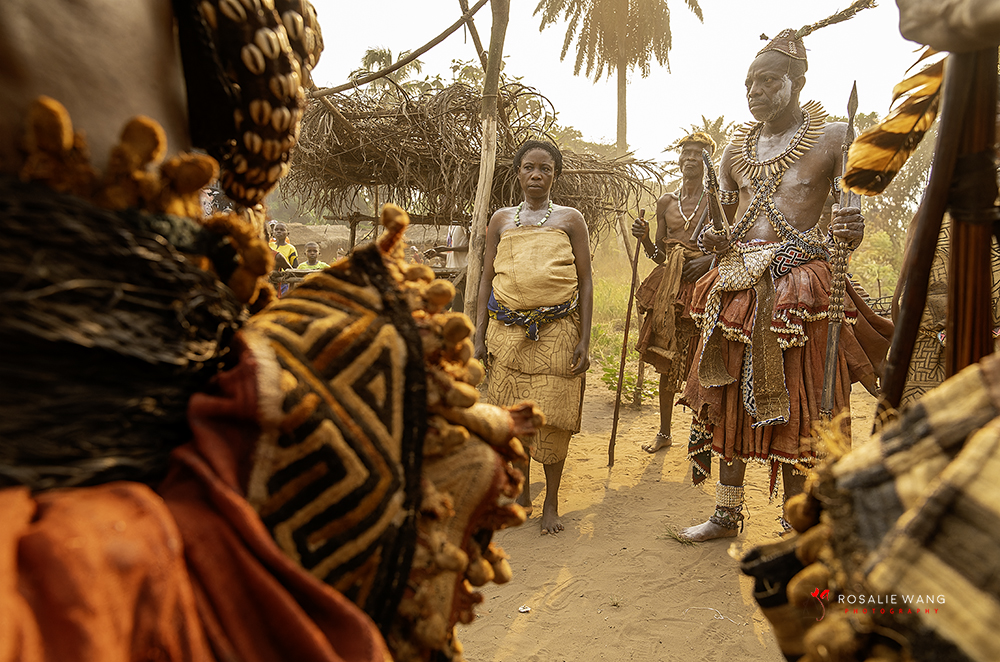
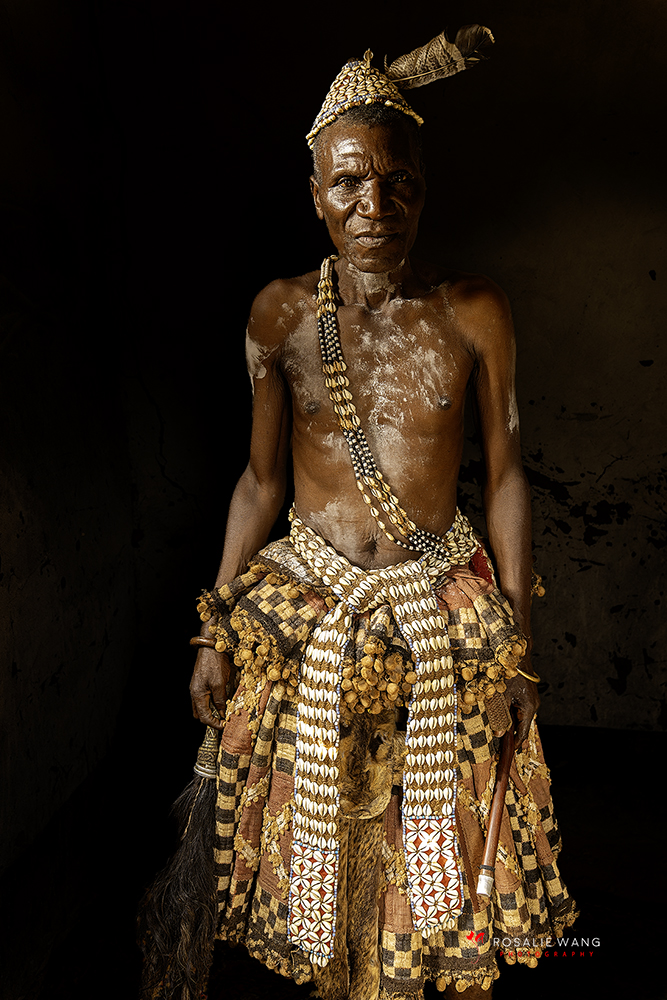
- Investiture of the Nyim — purification, oath-taking, presentation of regalia (drum, leopard skins, beaded crown).
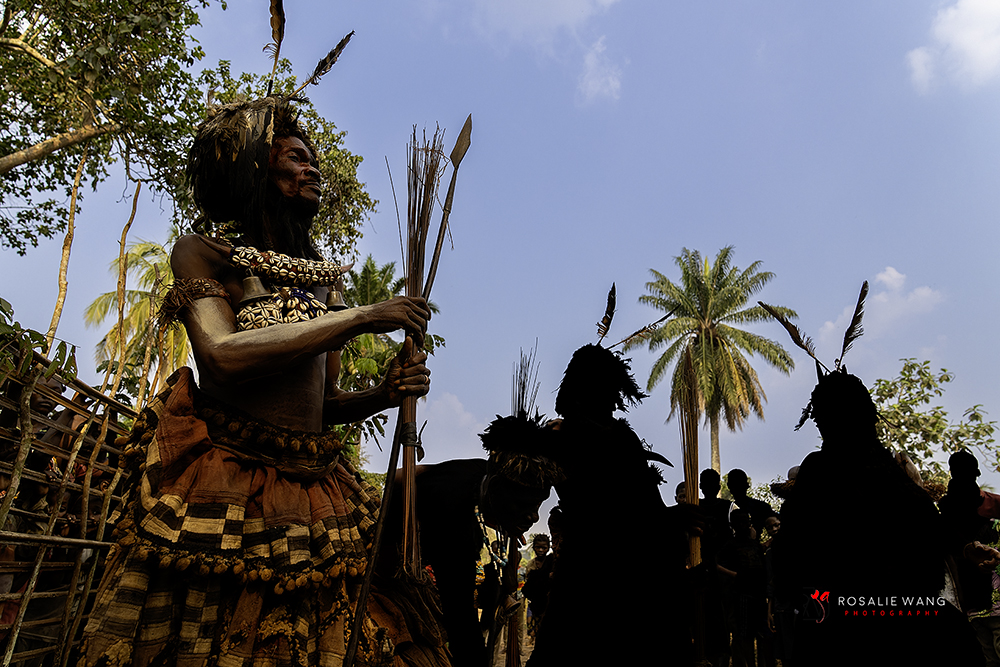
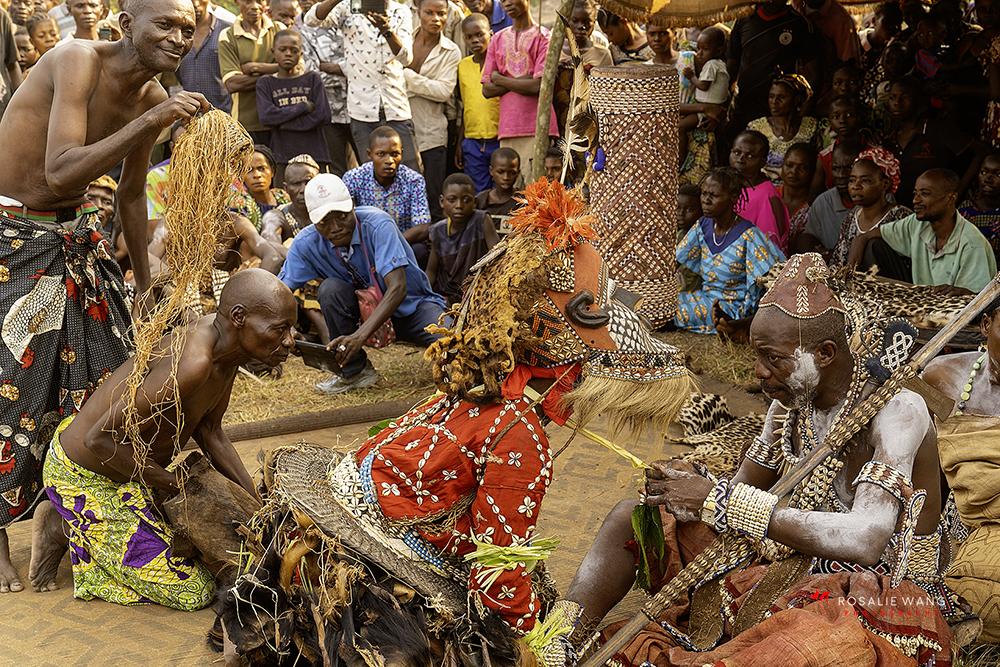
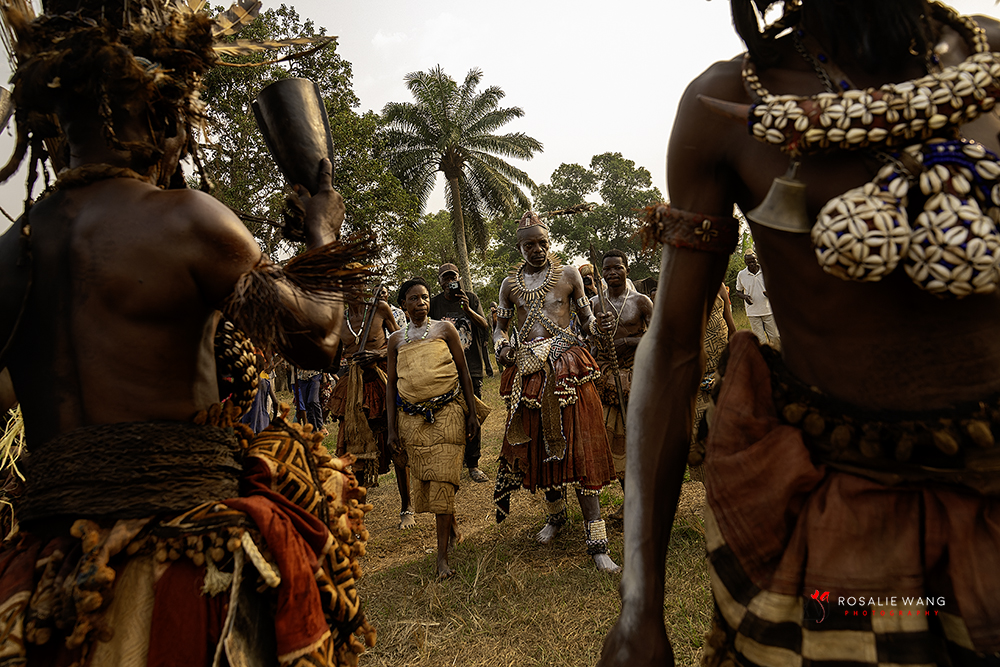
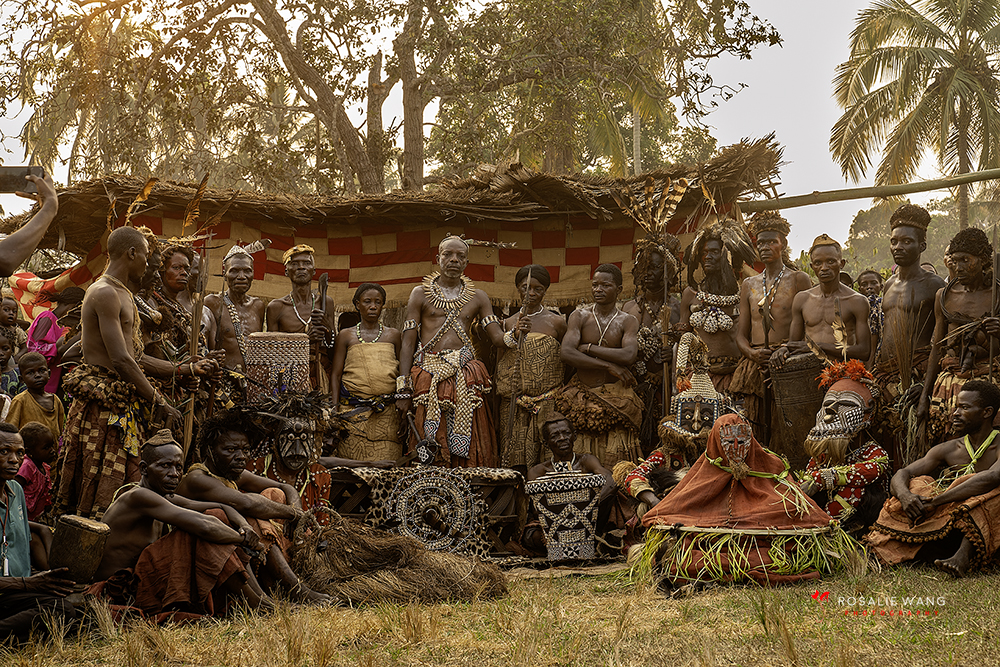
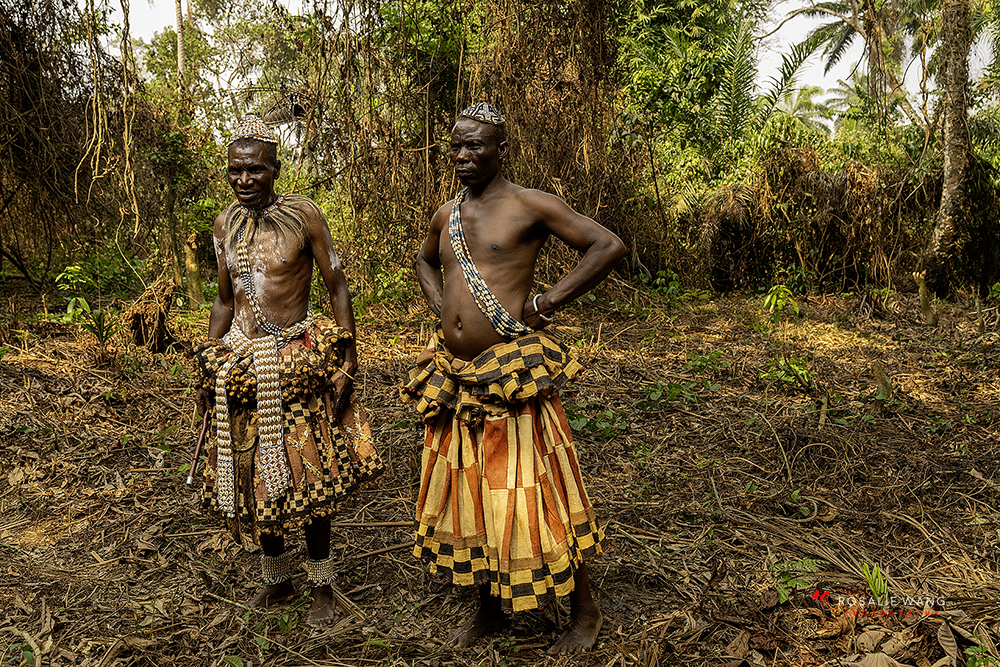
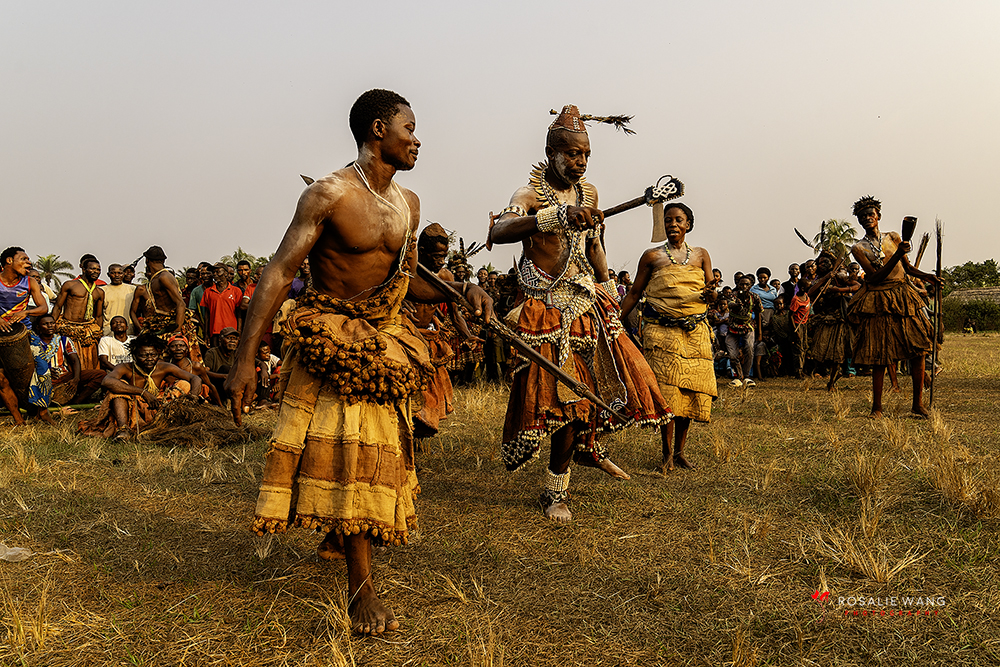
- Court Rituals — praise-singers, iron gongs, raffia textiles, geometric regalia signaling lineage and rank.
- Royal Masquerade Cycle:
- Mwaash aMbooy — kingship, origin of rule
- Ngaady aMwaash — queen, matrilineal descent
- Bwoom — outsider, tension, social critique These three enact the Kuba origin drama and reaffirm the legitimacy of the king’s authority.
🎭 MASQUERADE CEREMONIES
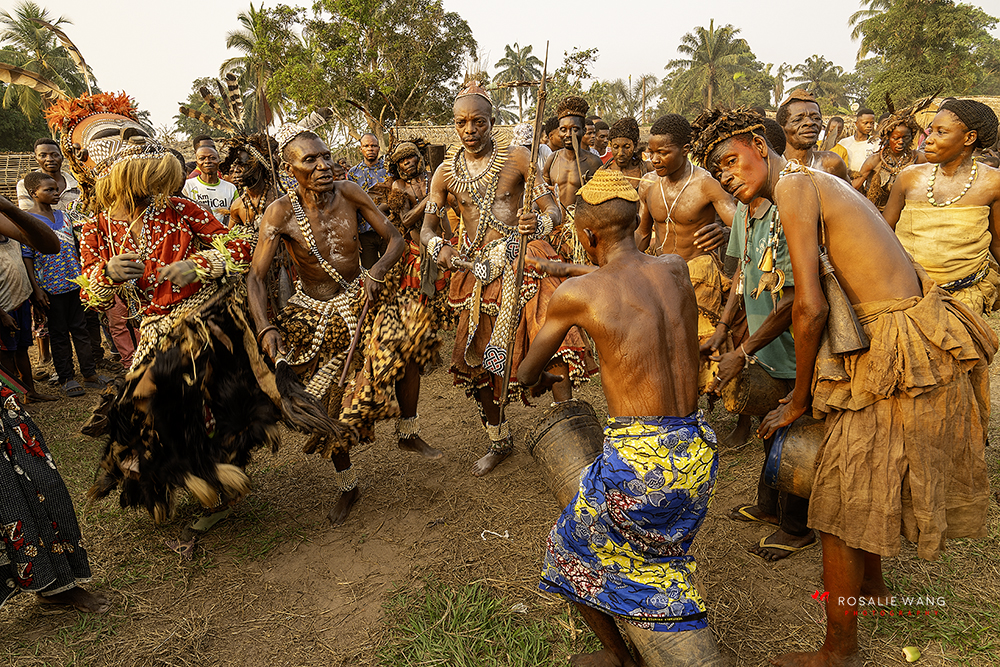
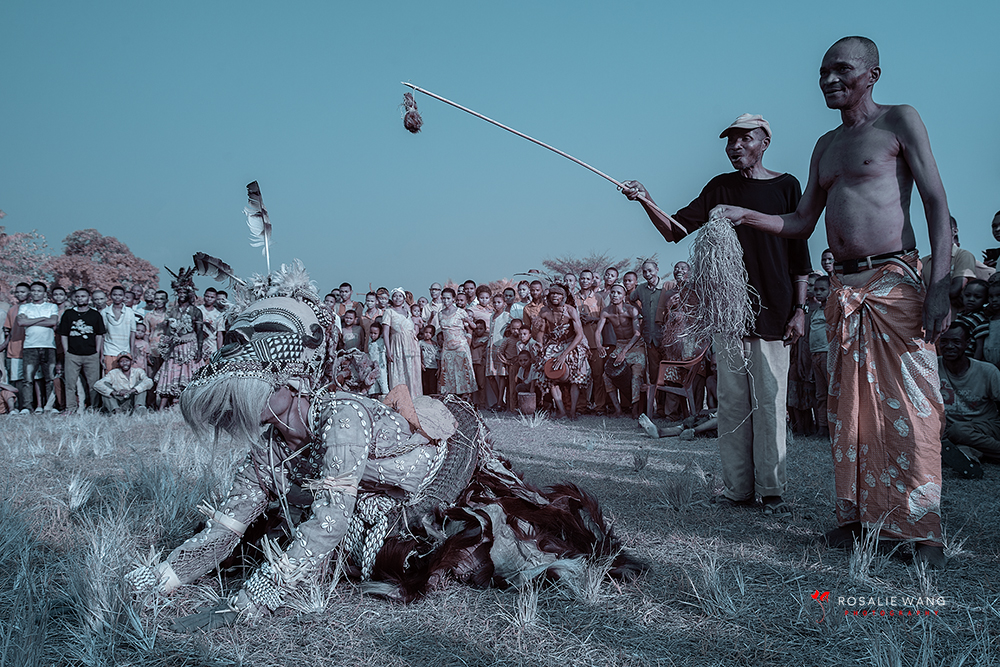
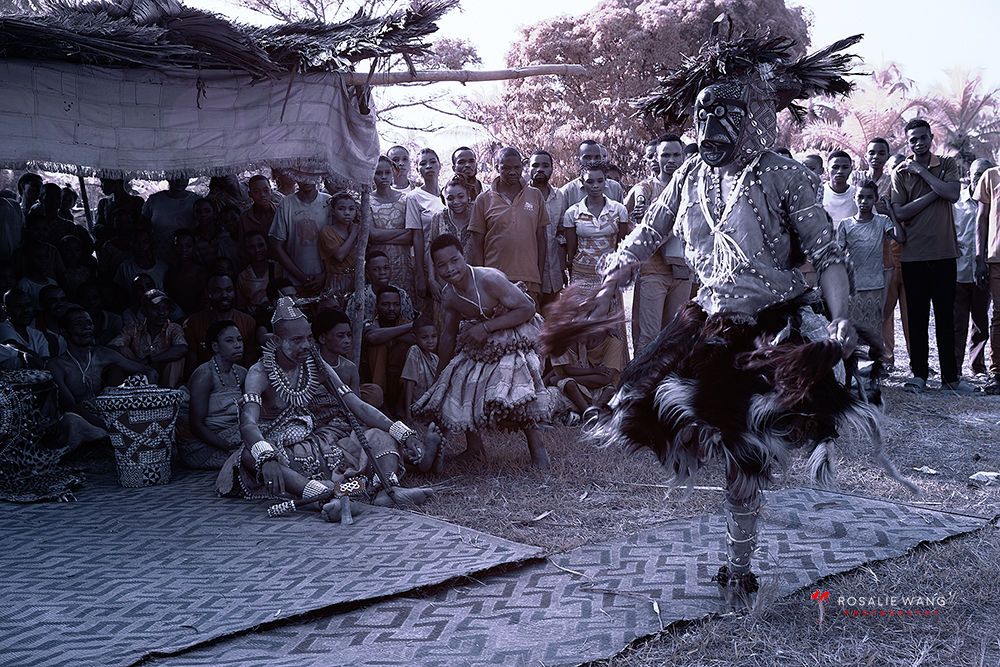
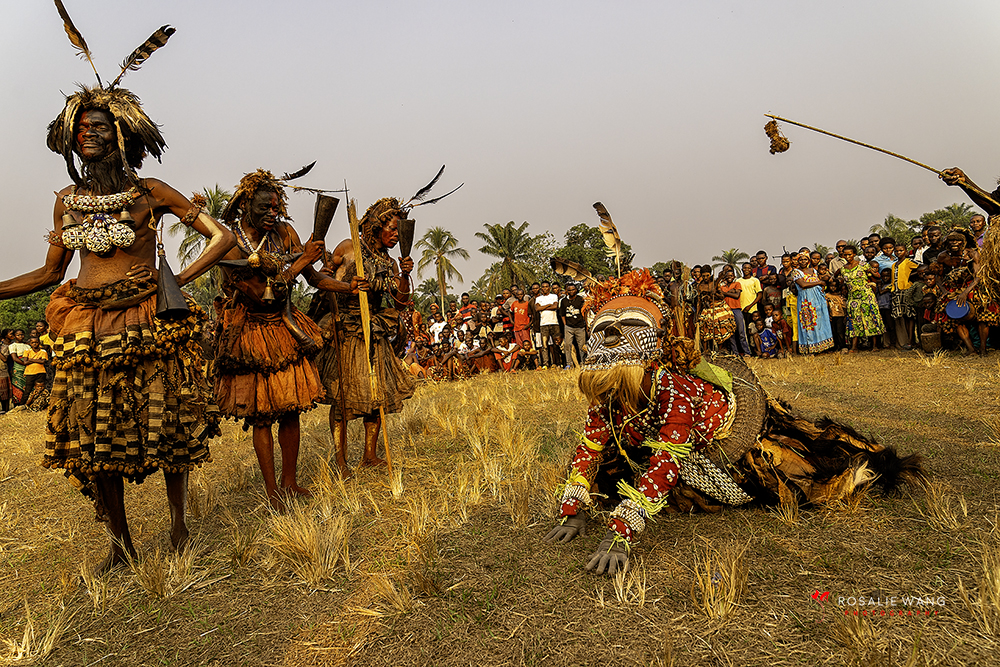
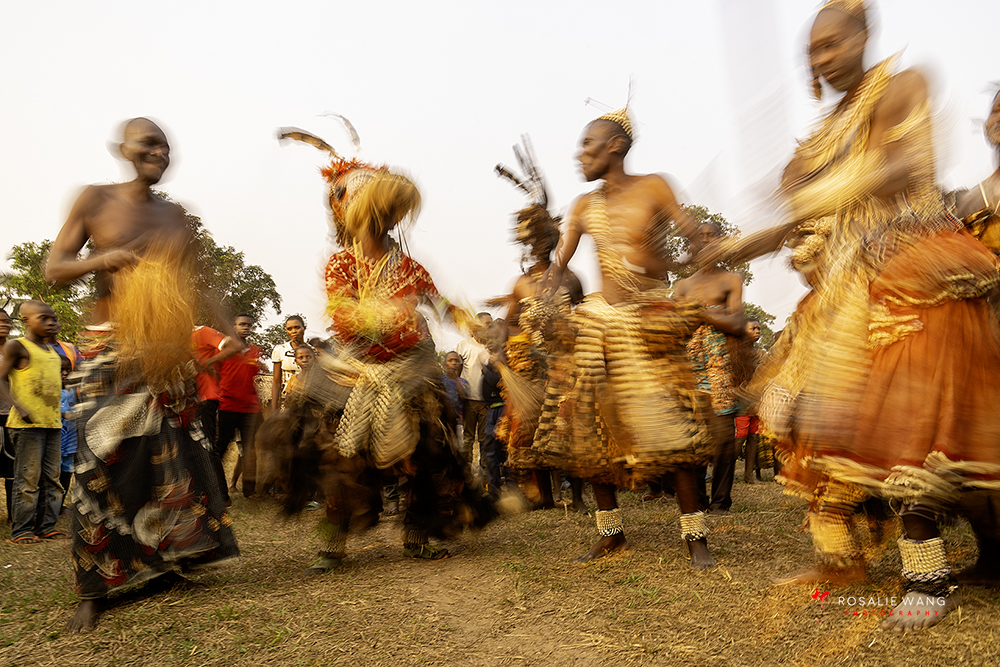
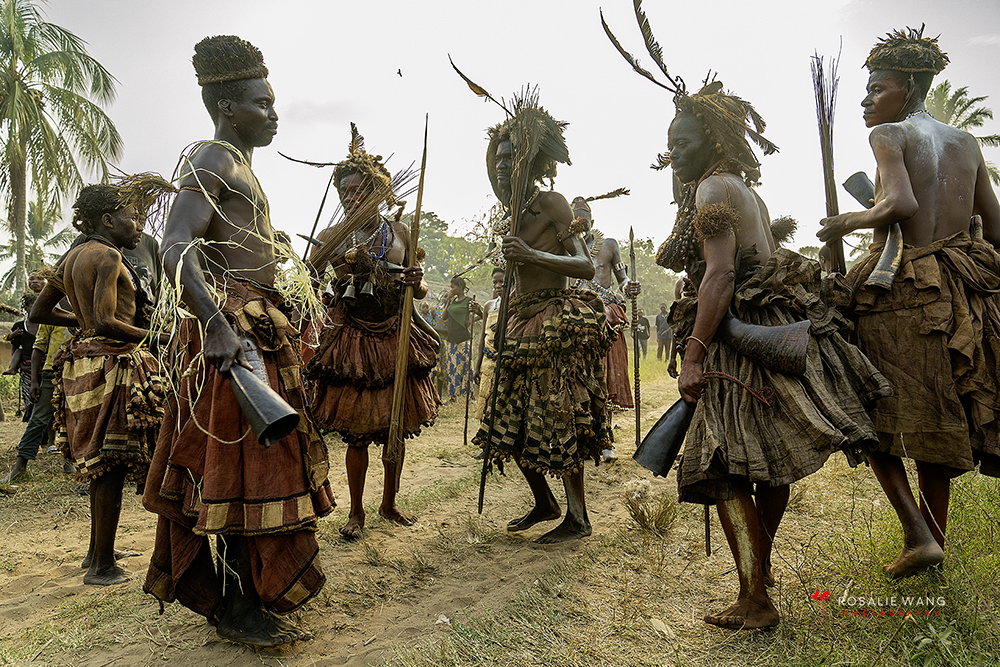
Function: Teach ethics, dramatize myths, maintain social harmony. Participants: Initiated men (dancers), women (song, costume preparation).
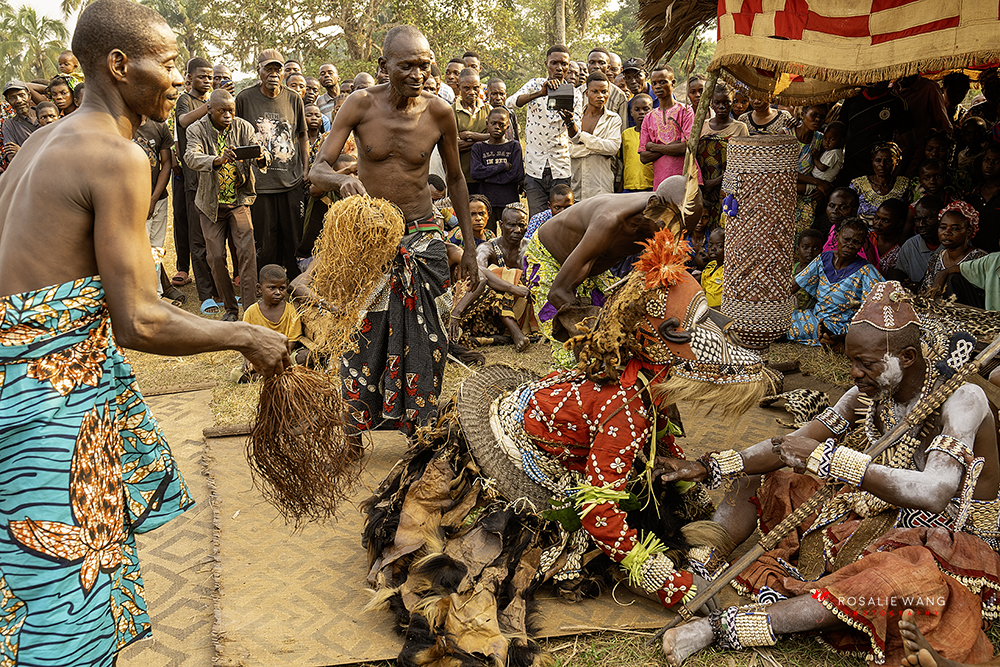
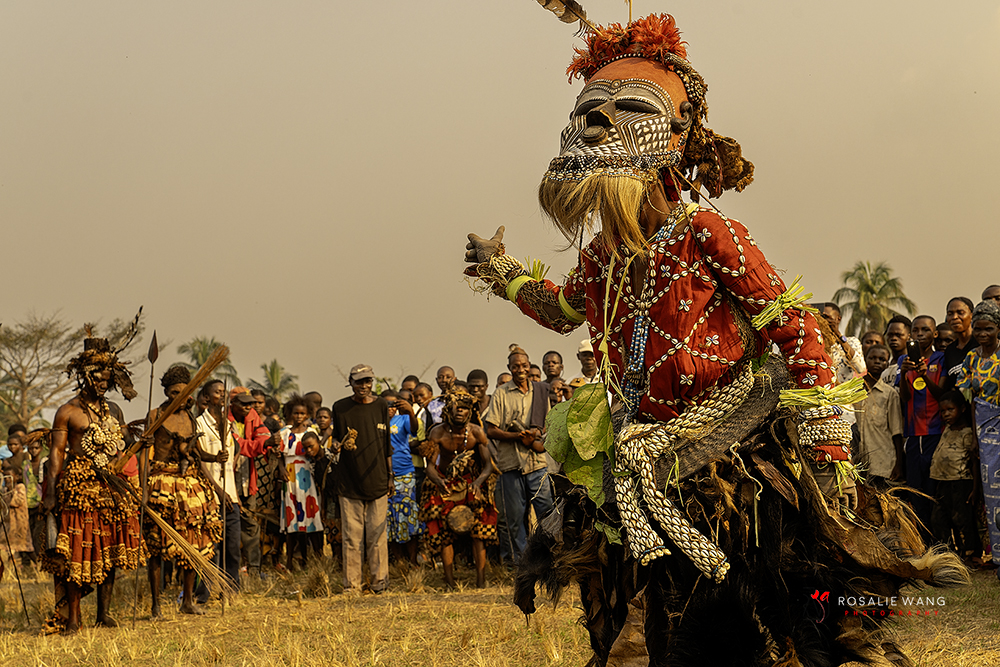
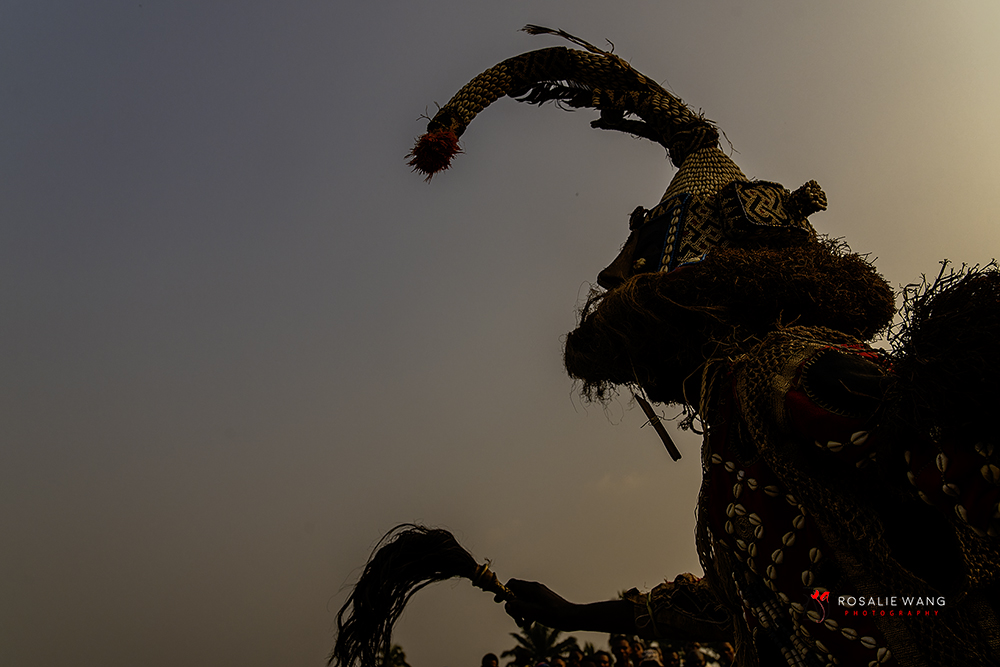
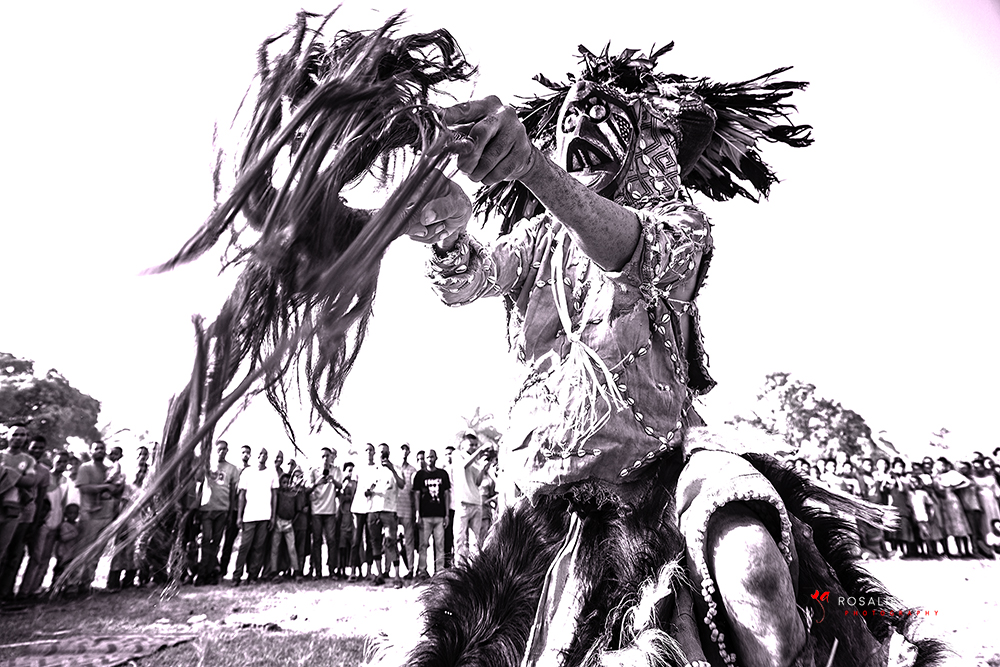
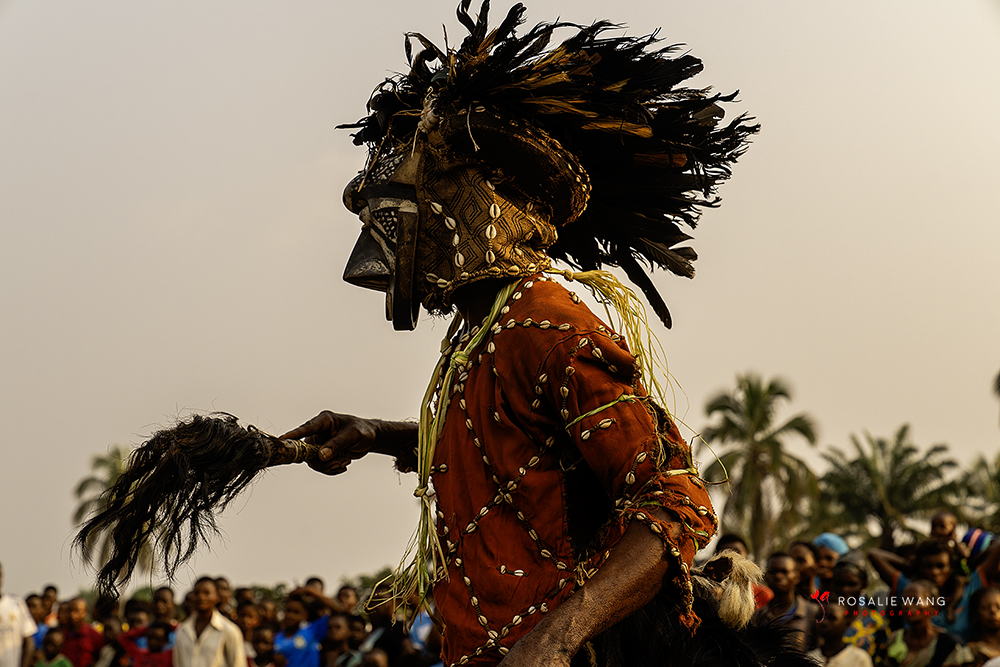
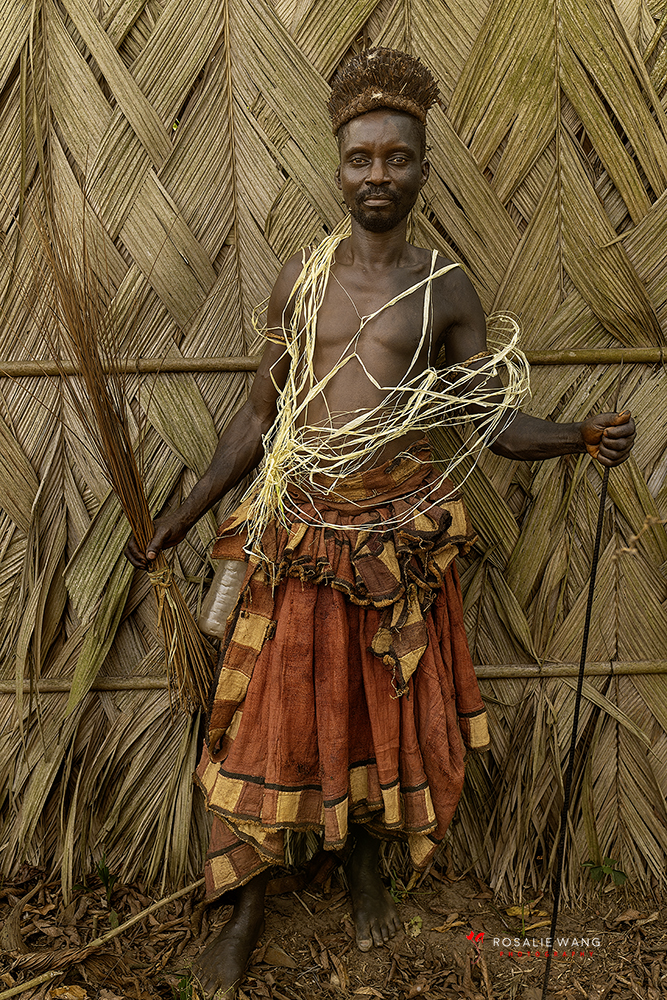
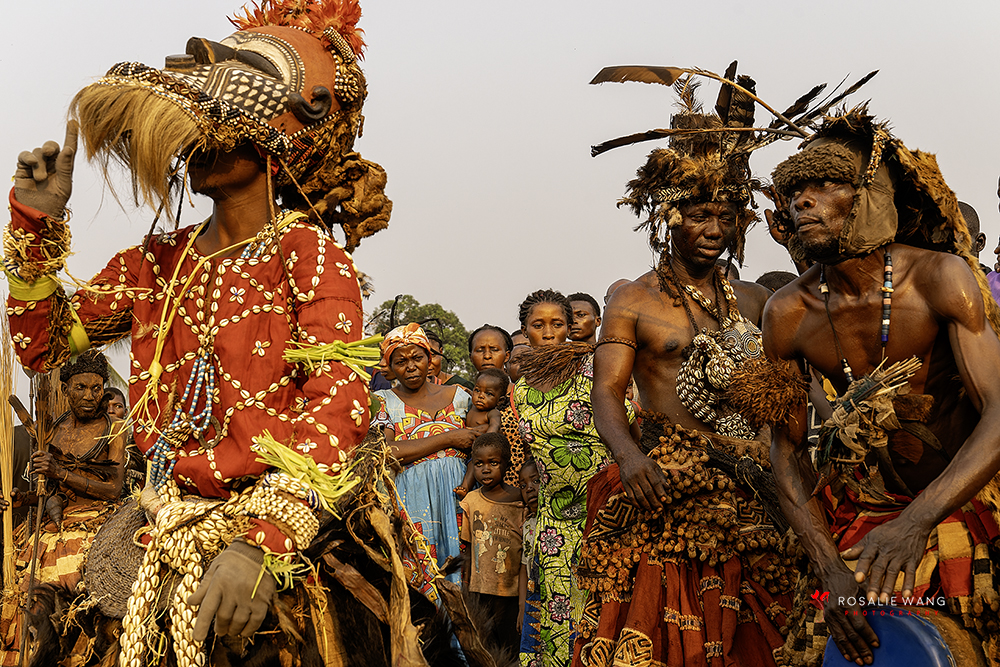
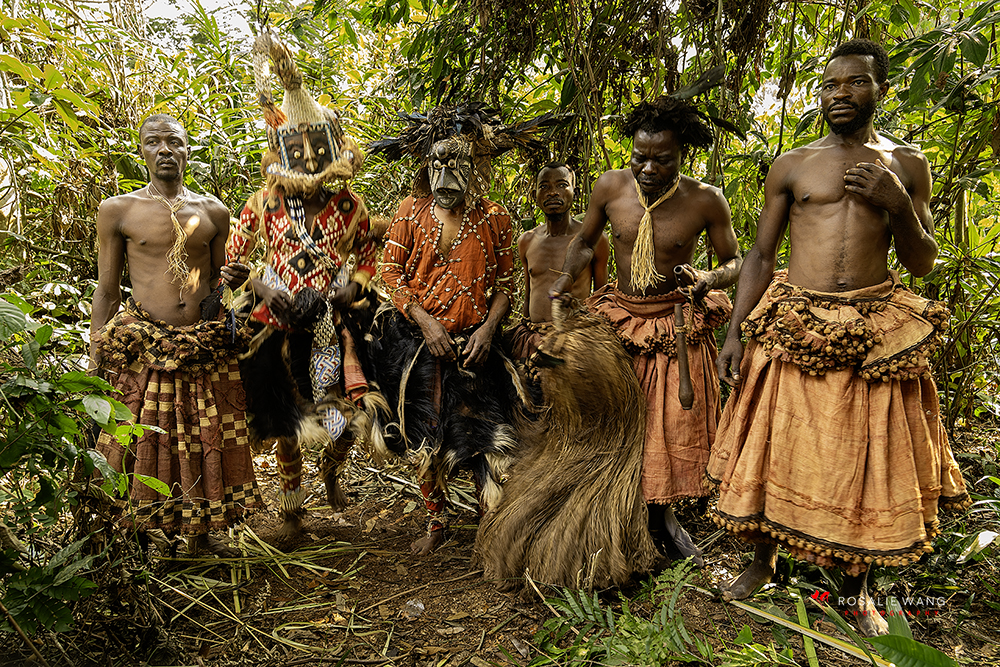
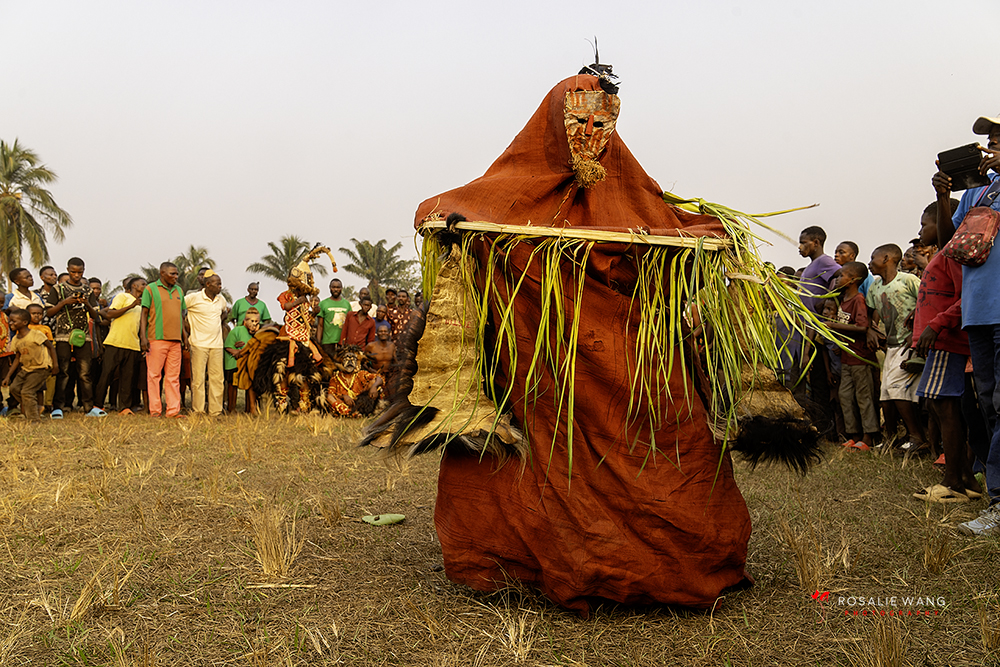
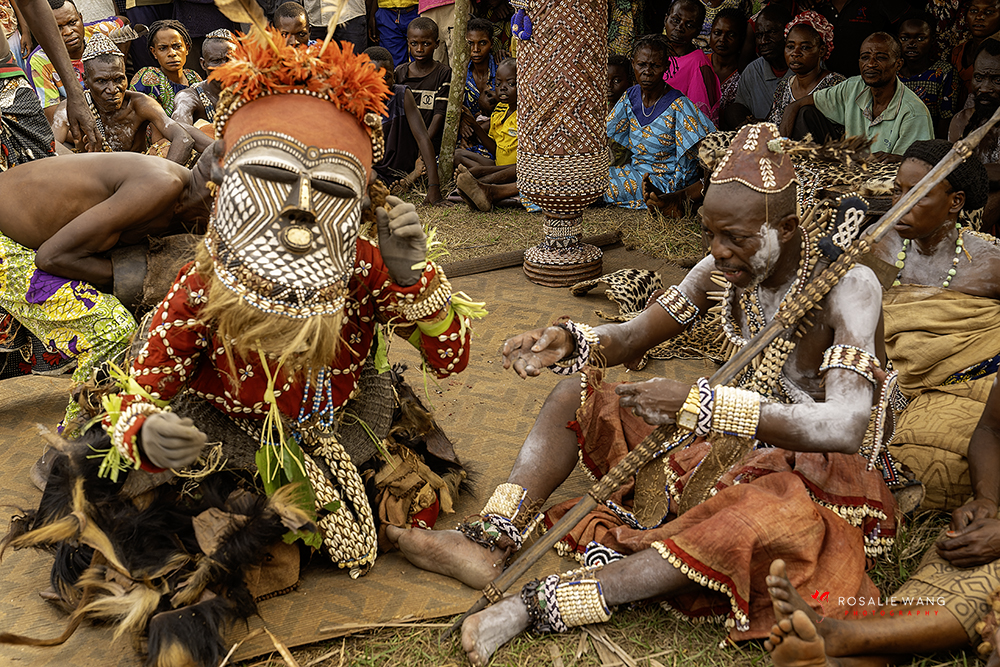
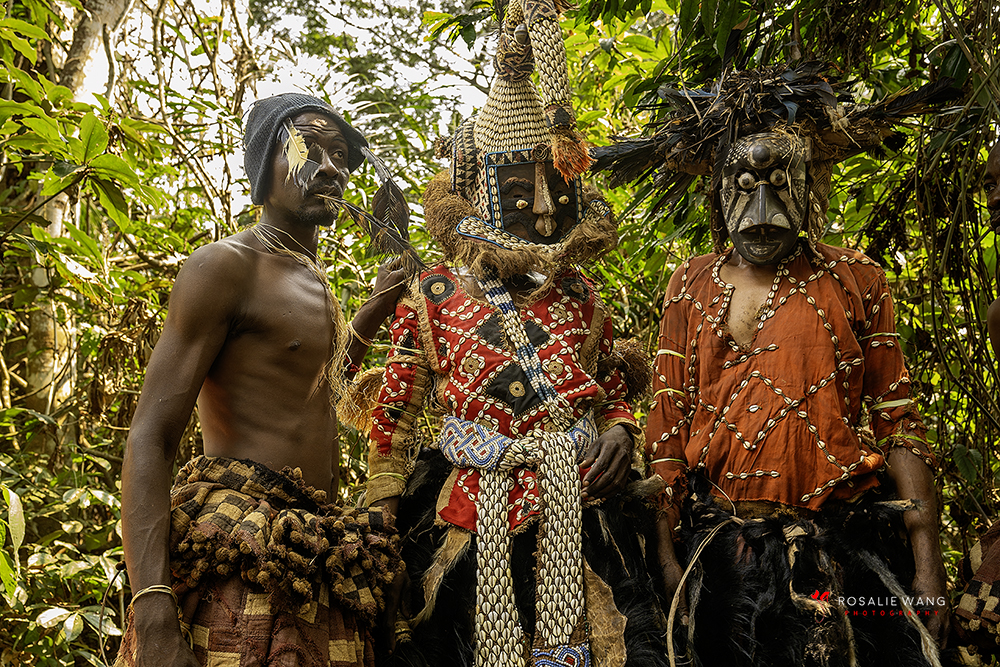
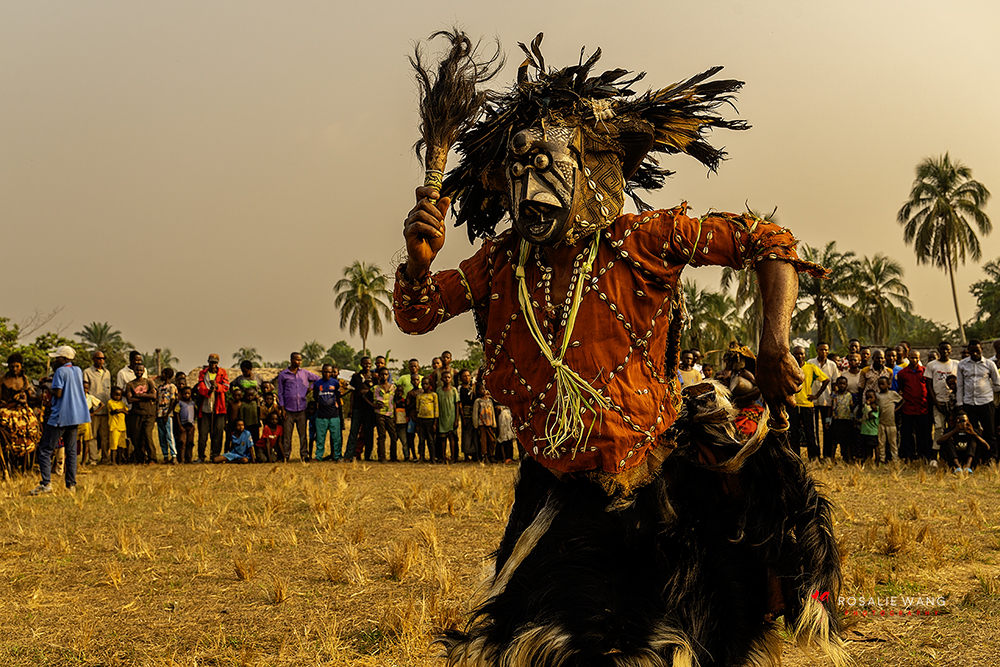
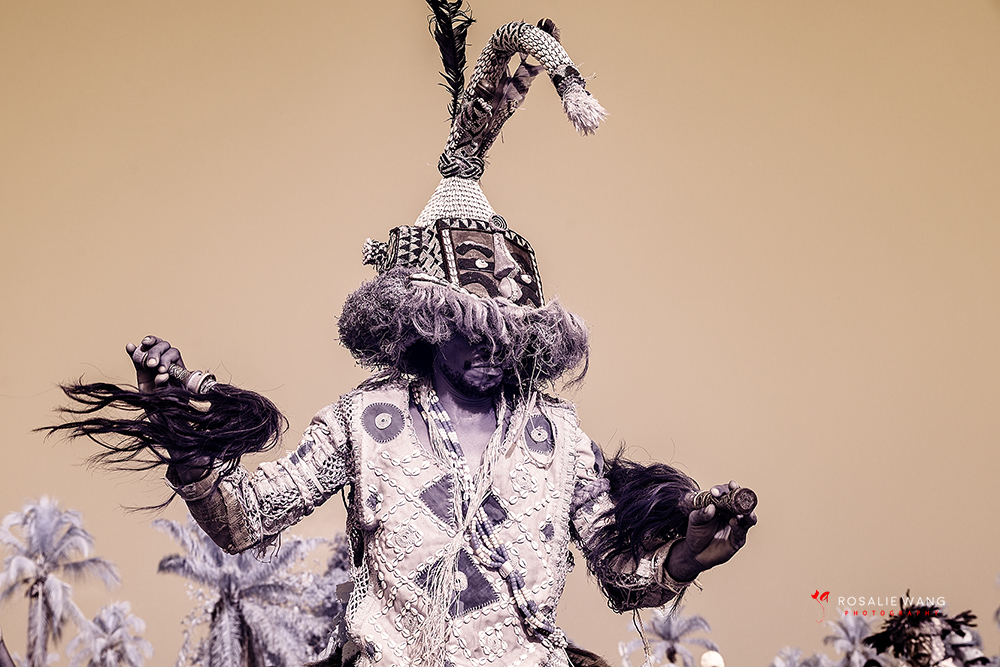
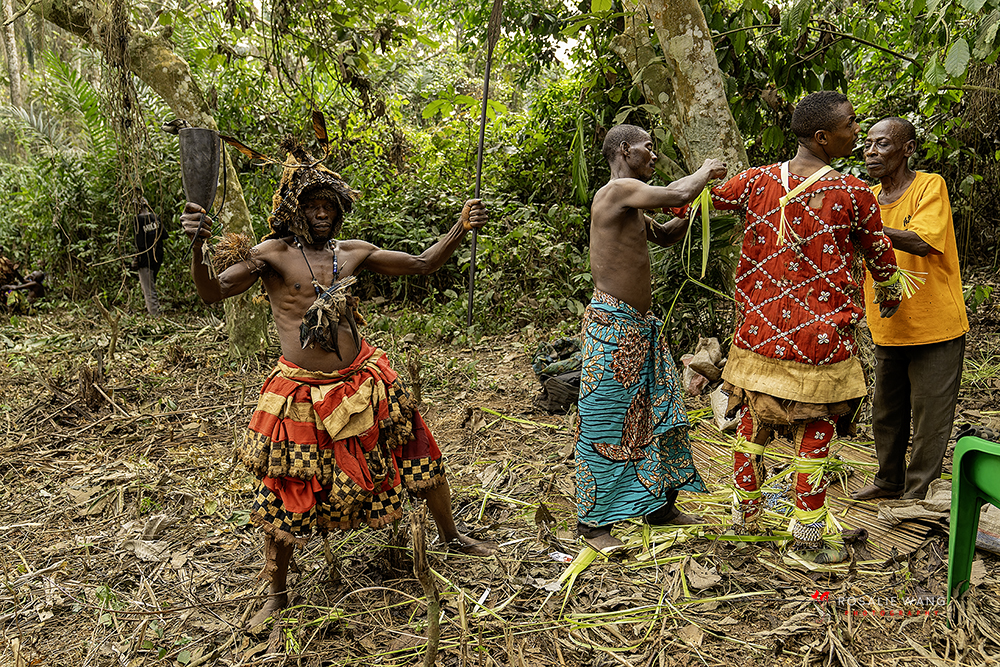
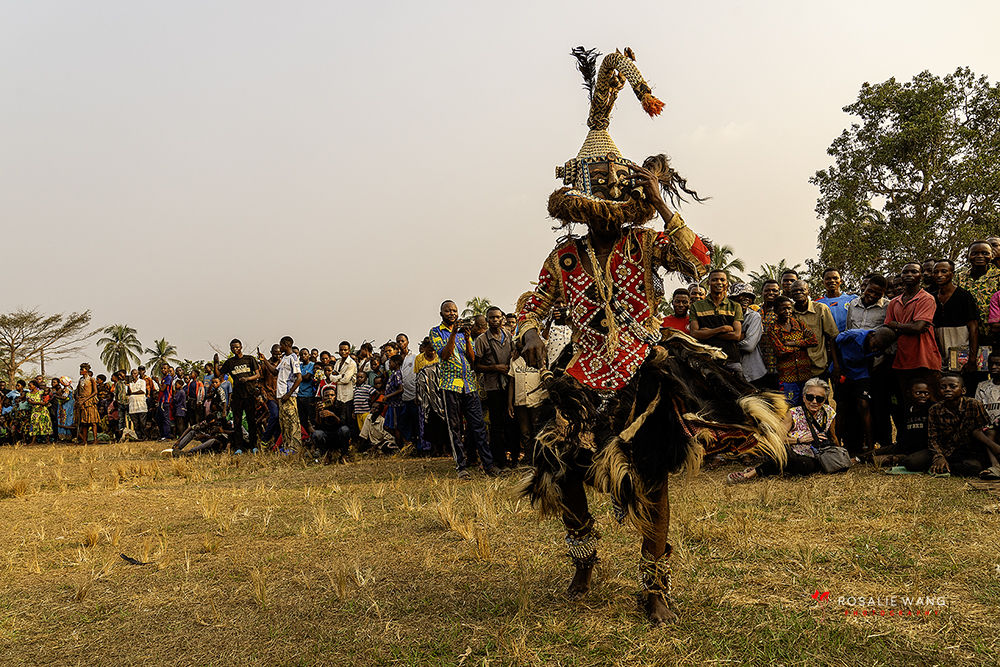
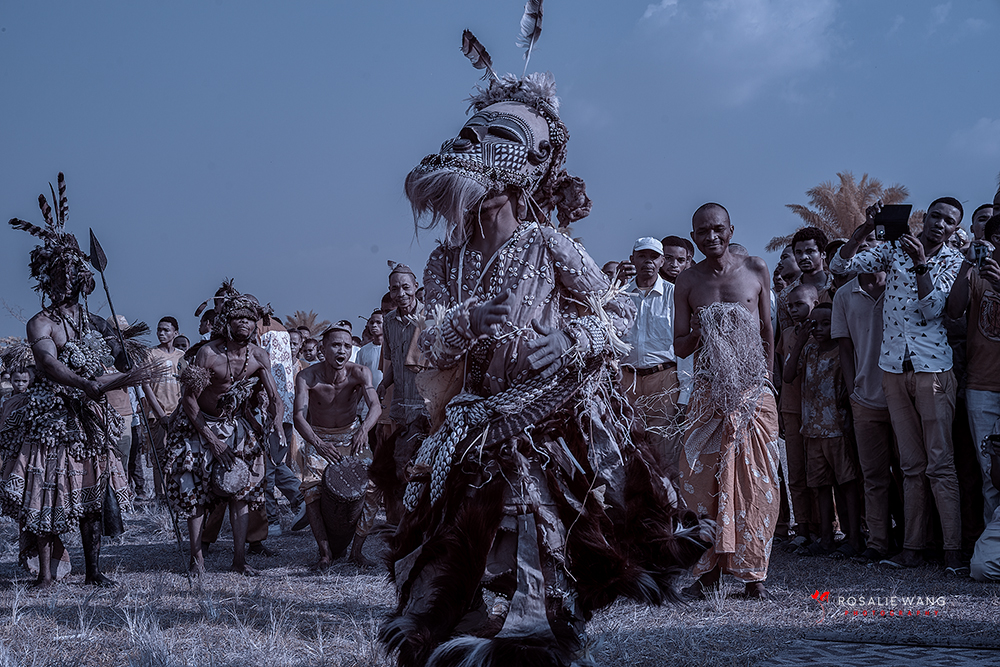
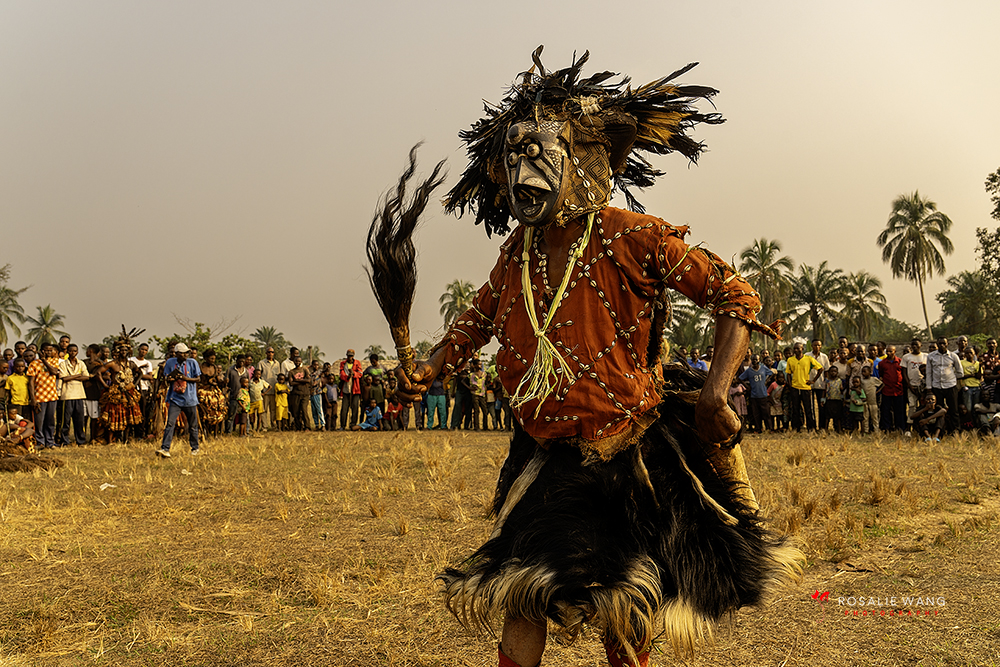
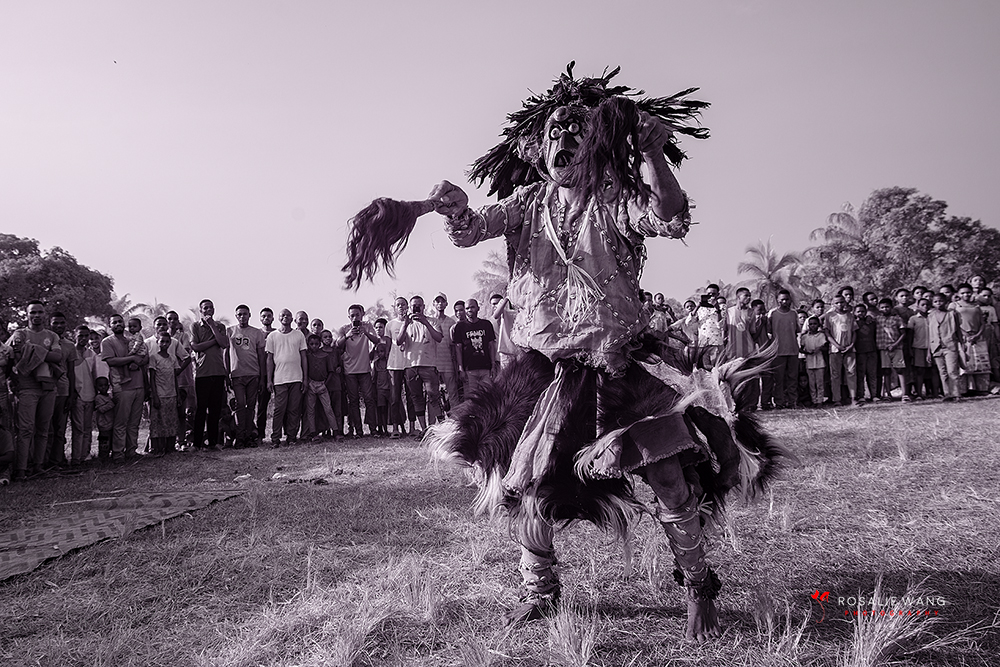
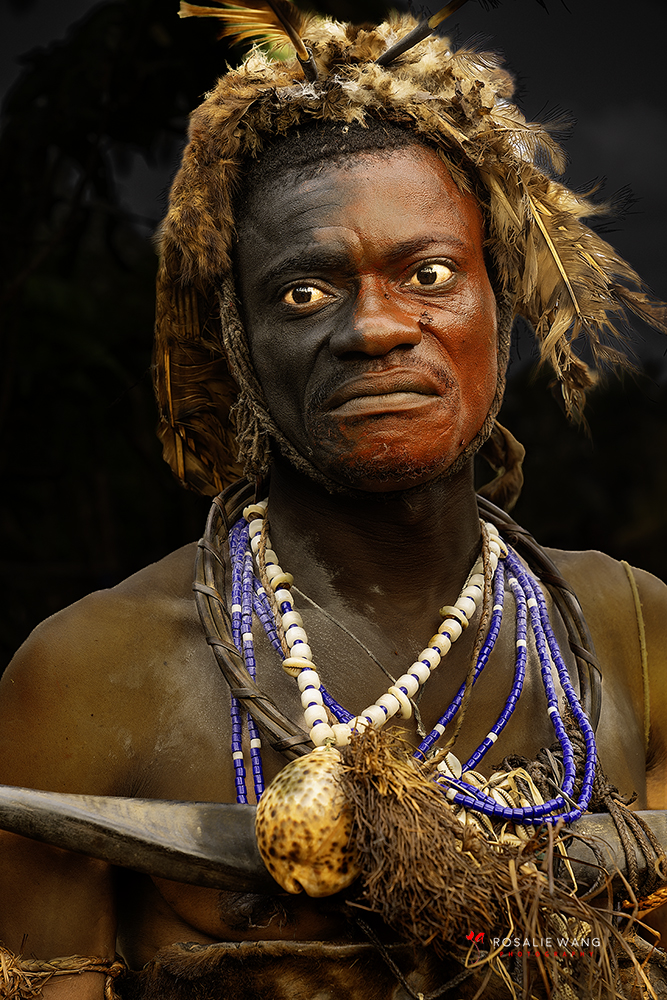
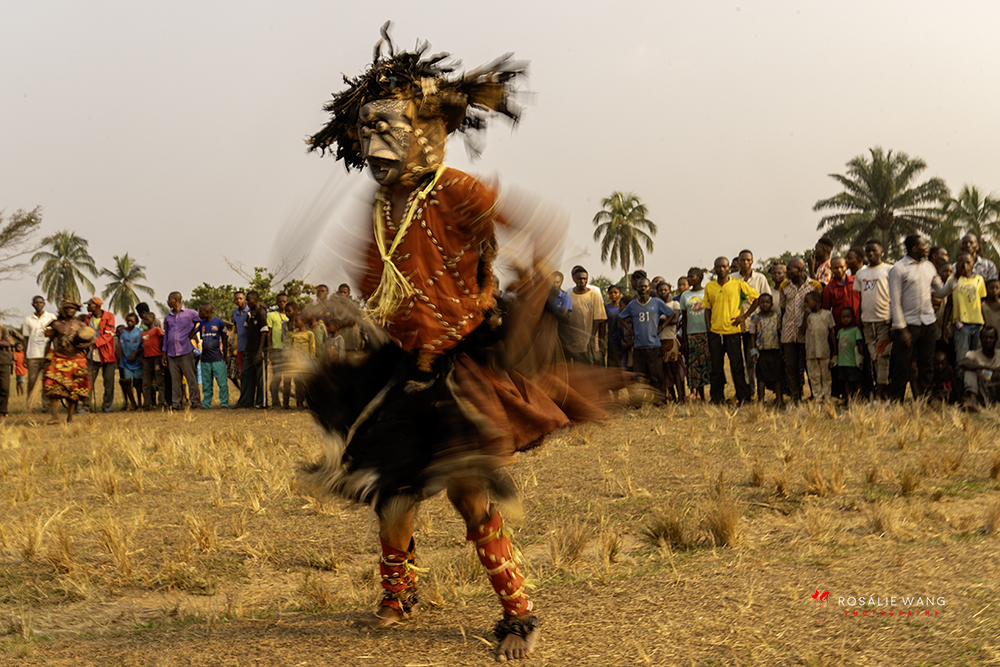
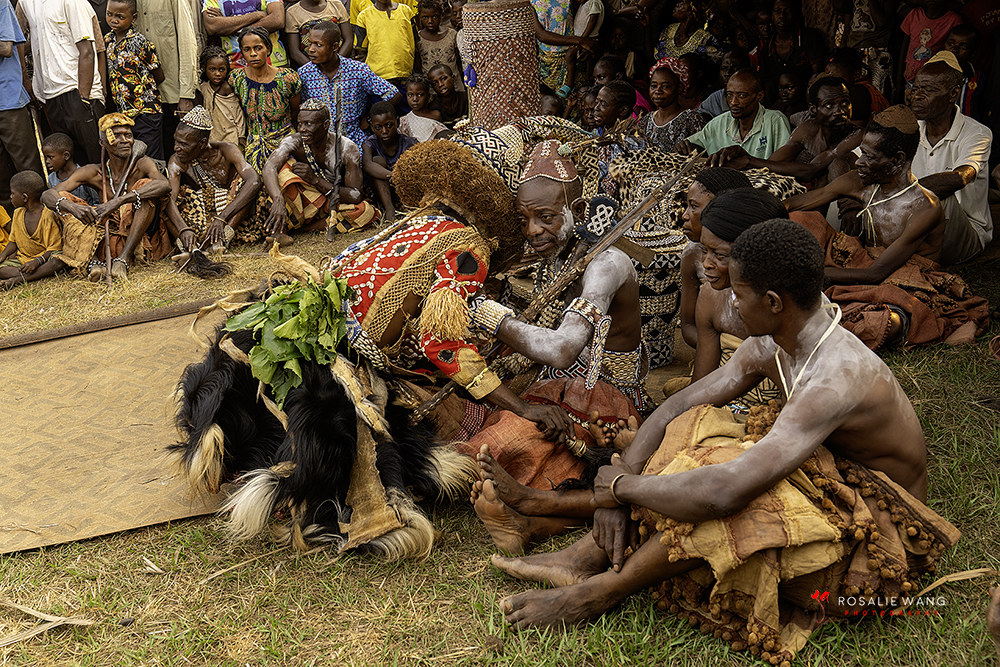
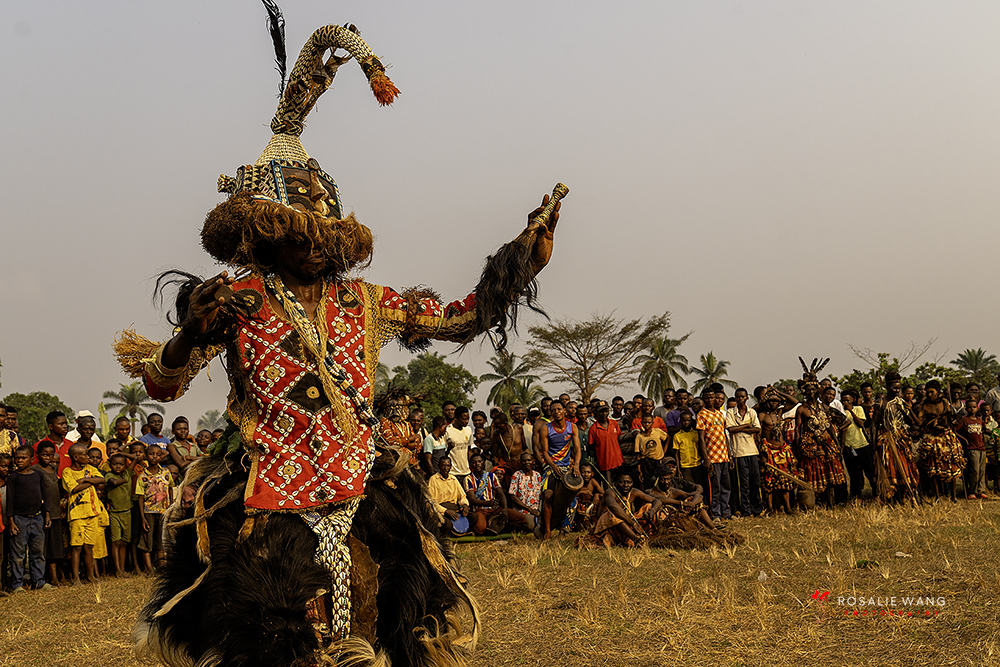
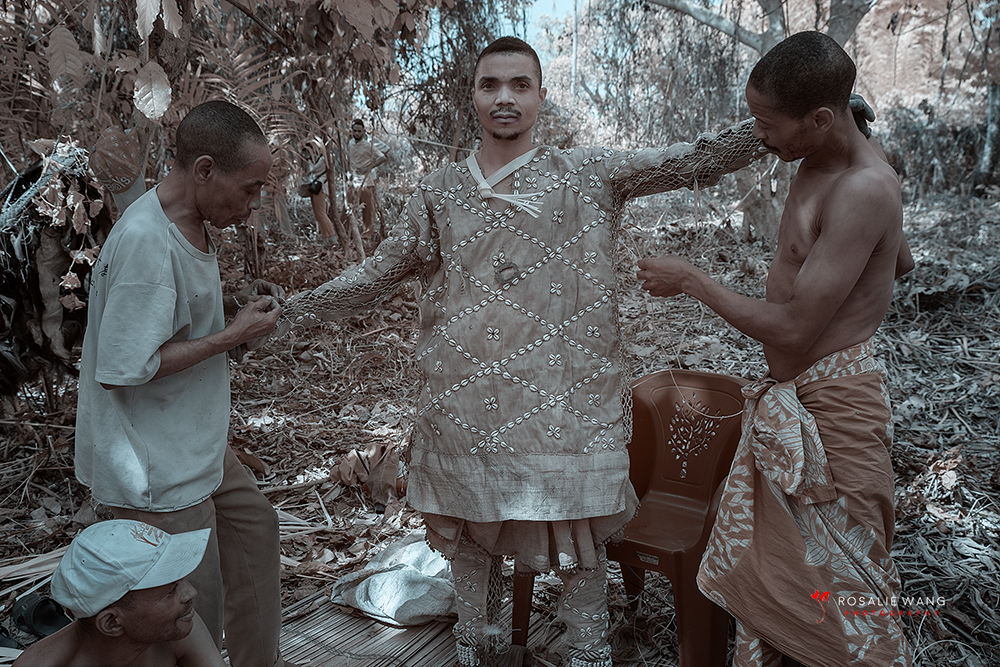
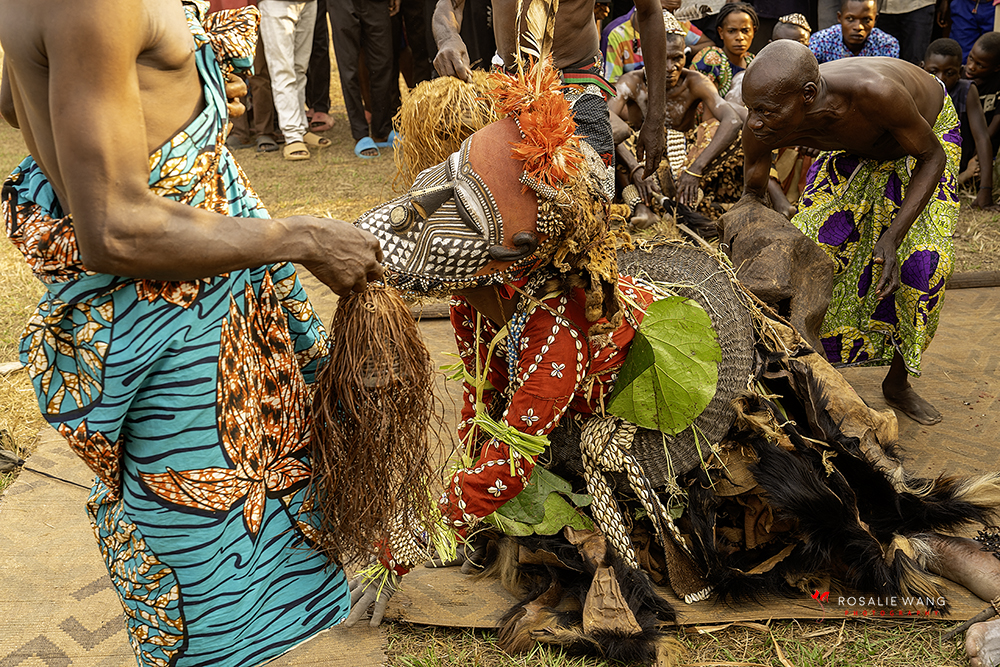
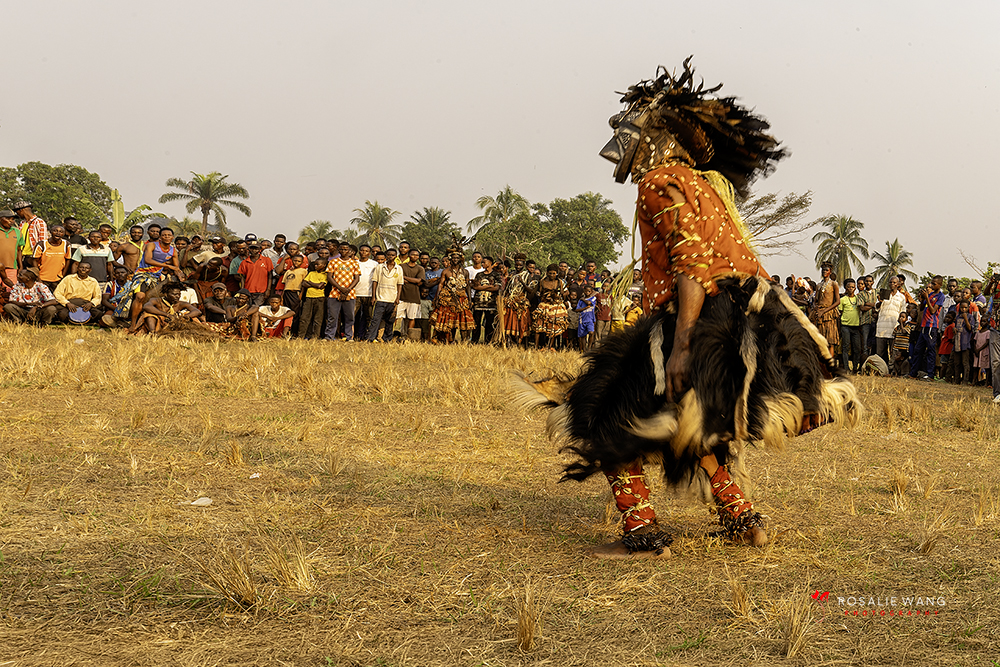
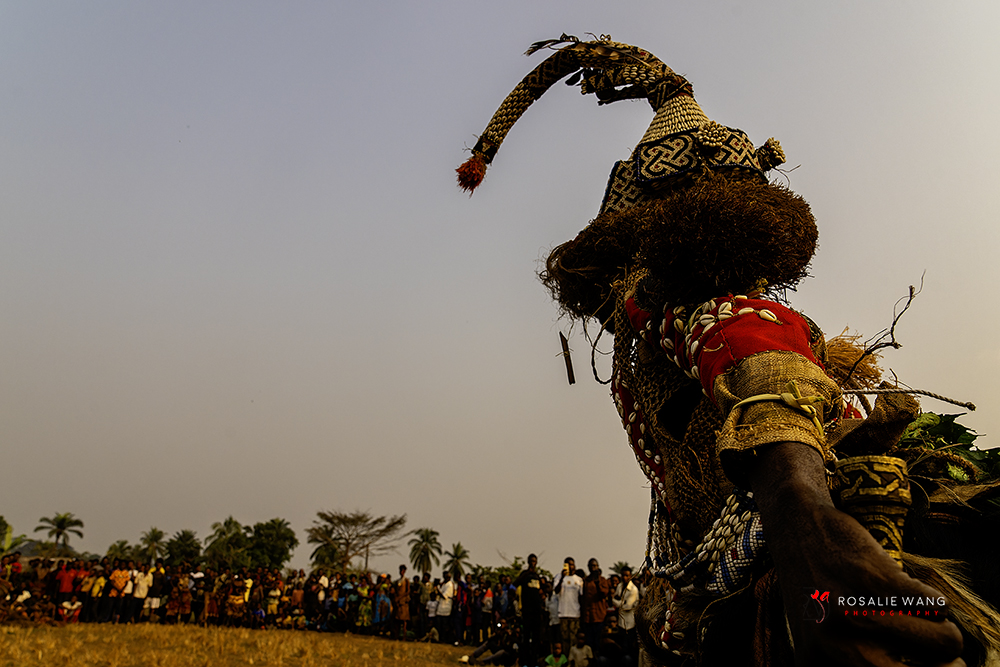
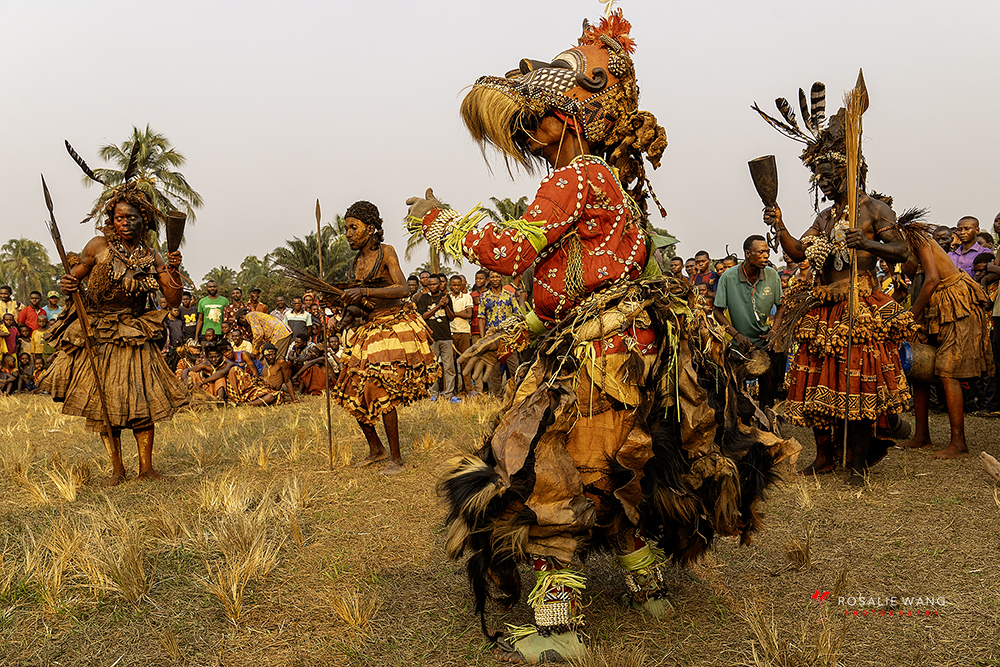
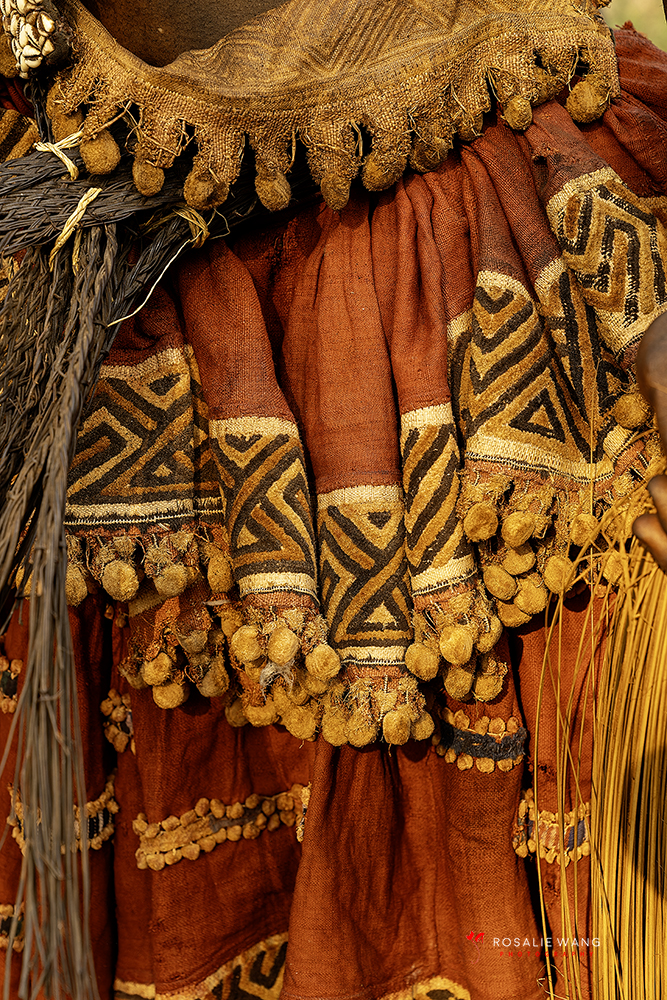
- Mask Bodies: Full raffia, cowries, beads, feathers; identity concealed so spirits can “descend.”
- Key Masks:
- Pwoom Itok — “all-seeing,” used to teach justice and discipline
- Ishyeen masks — clan-specific spirits
- Themes: Creation myths, incest taboos, conflict resolution, ancestral presence.
AESTHETIC SIGNATURES
- Dense geometric patterning (diamonds, interlace, stepped motifs)
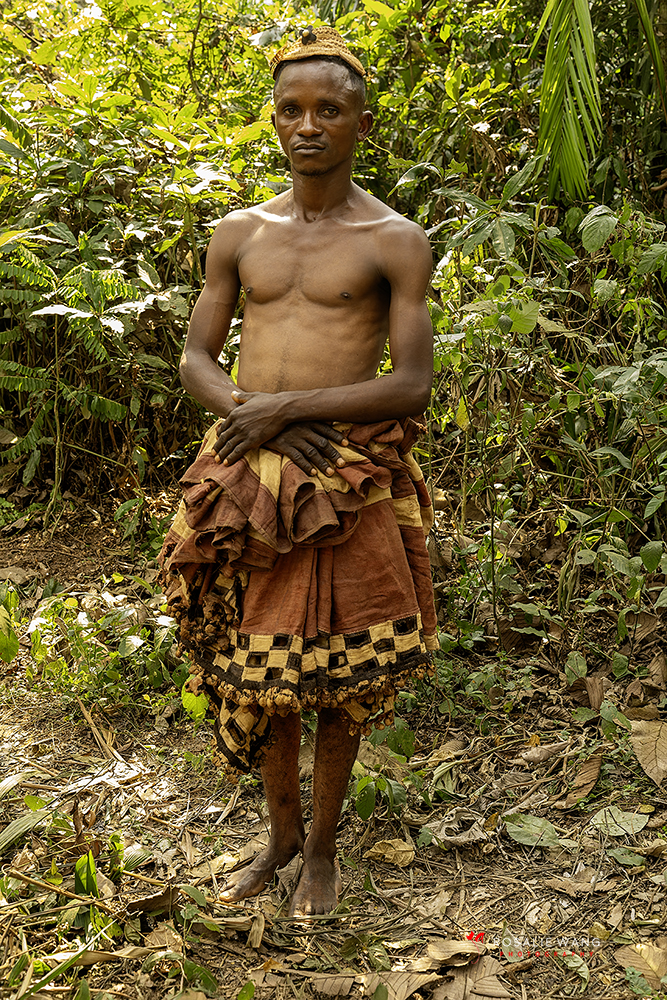
- Raffia fiber bodies and skirts
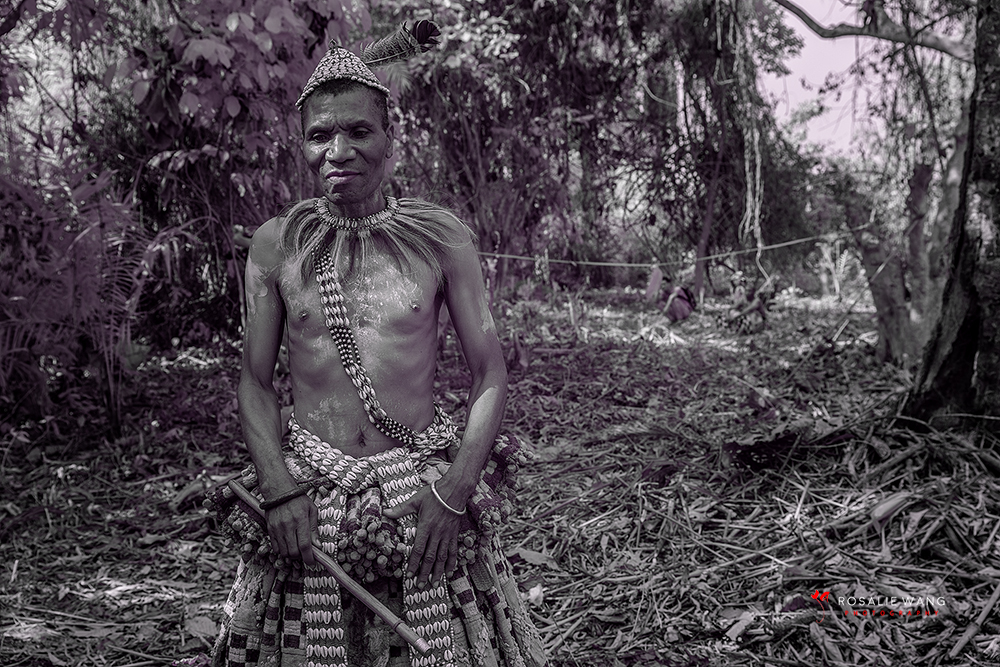
- Cowrie shells signify wealth and fertility
- Beads represent rank or prestige
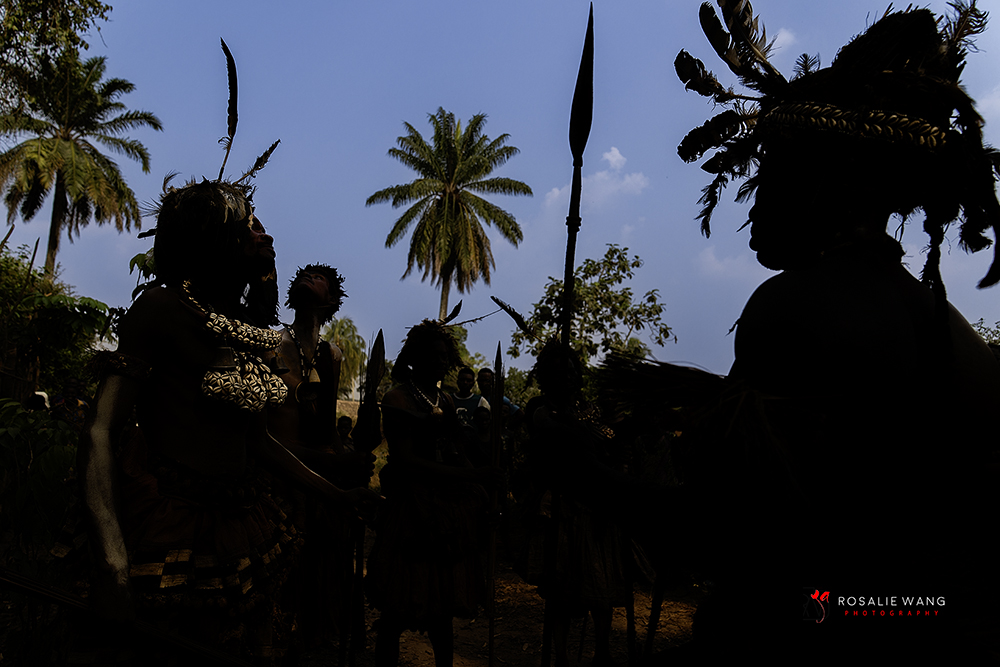
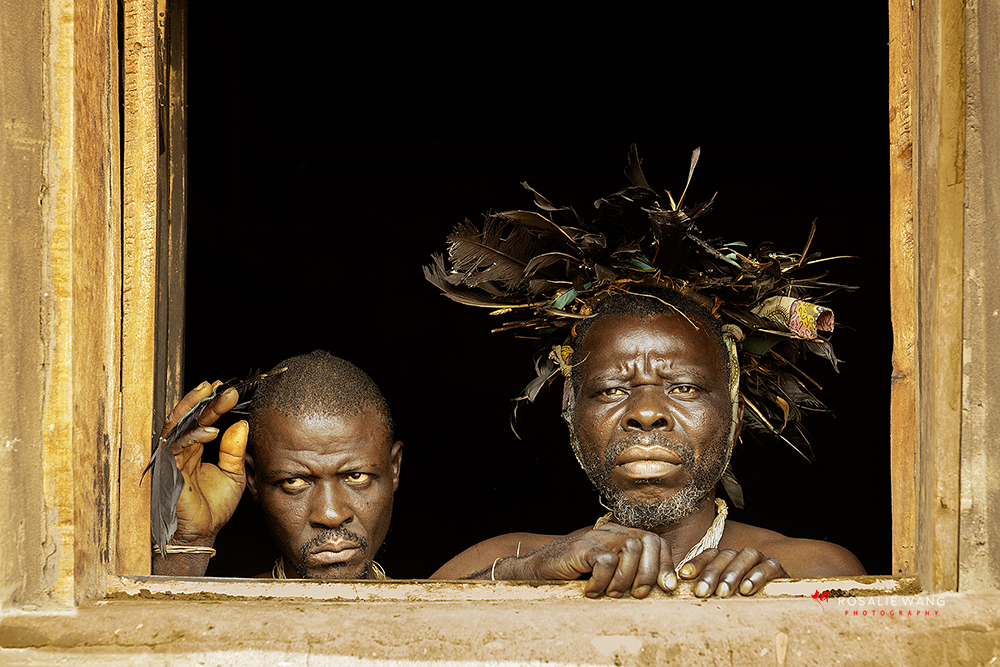
- Feathers indicate spiritual elevation
- Masks embody mythic figures and origin stories