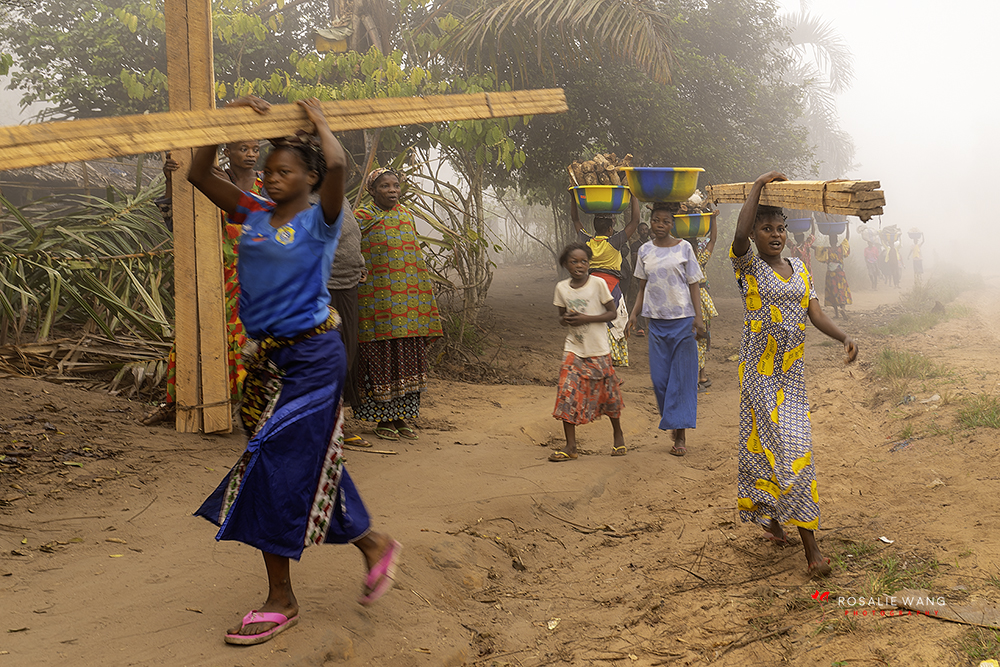
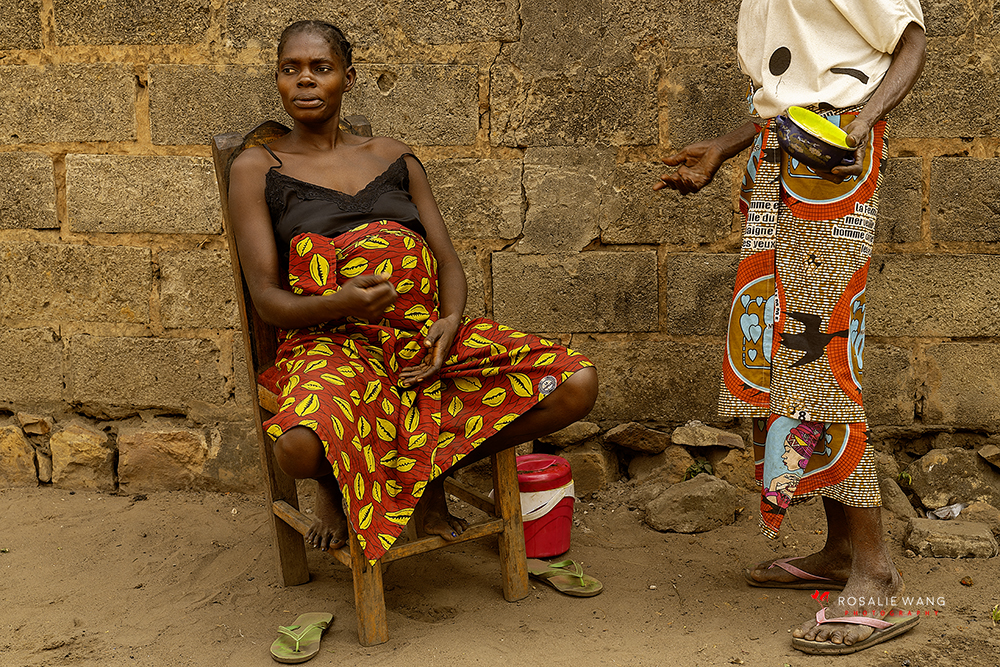
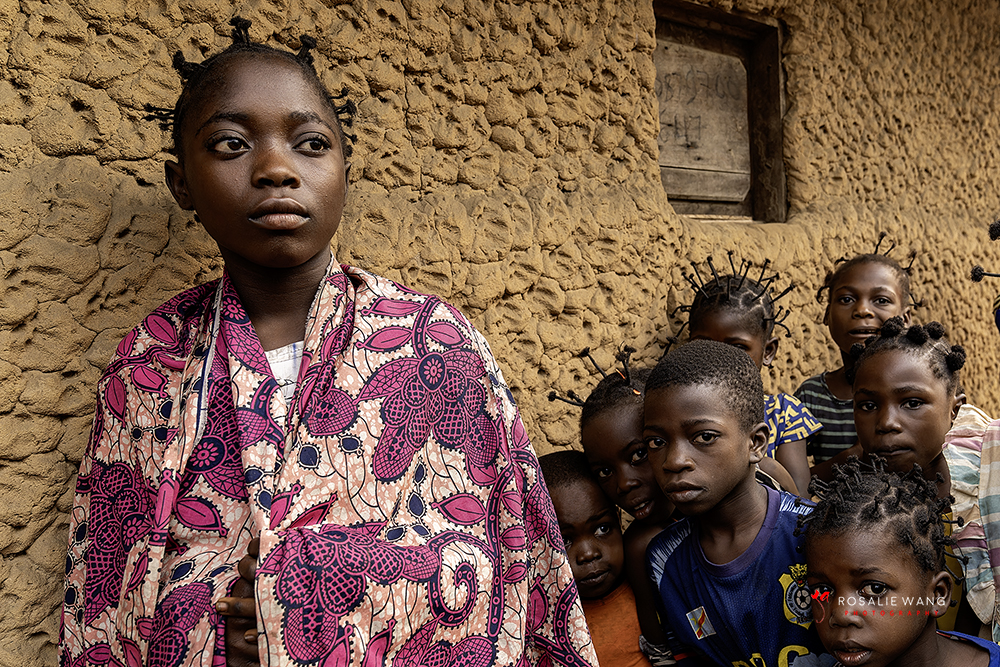
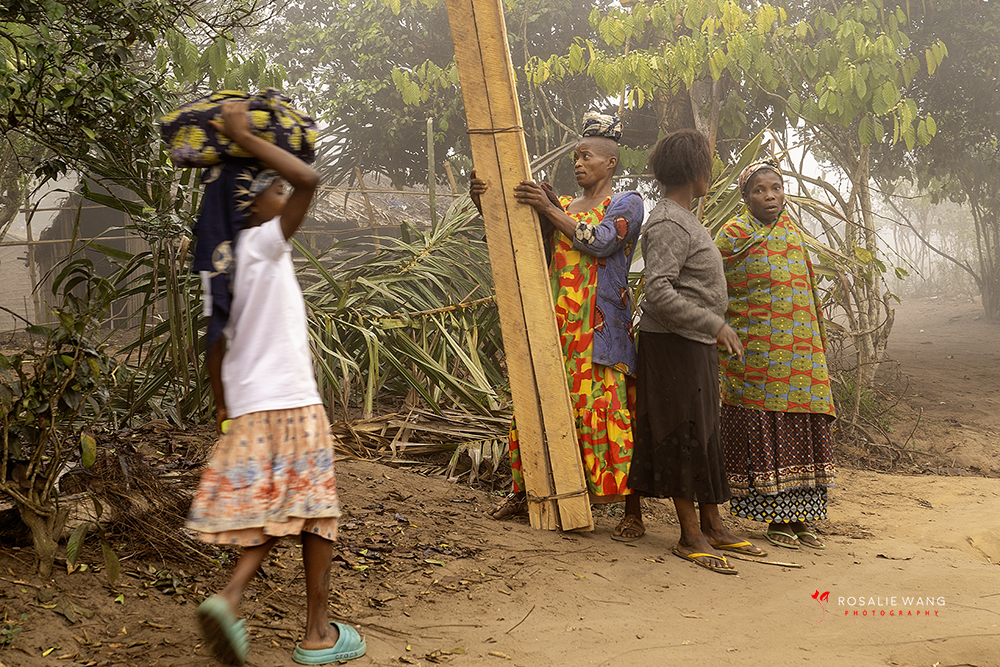
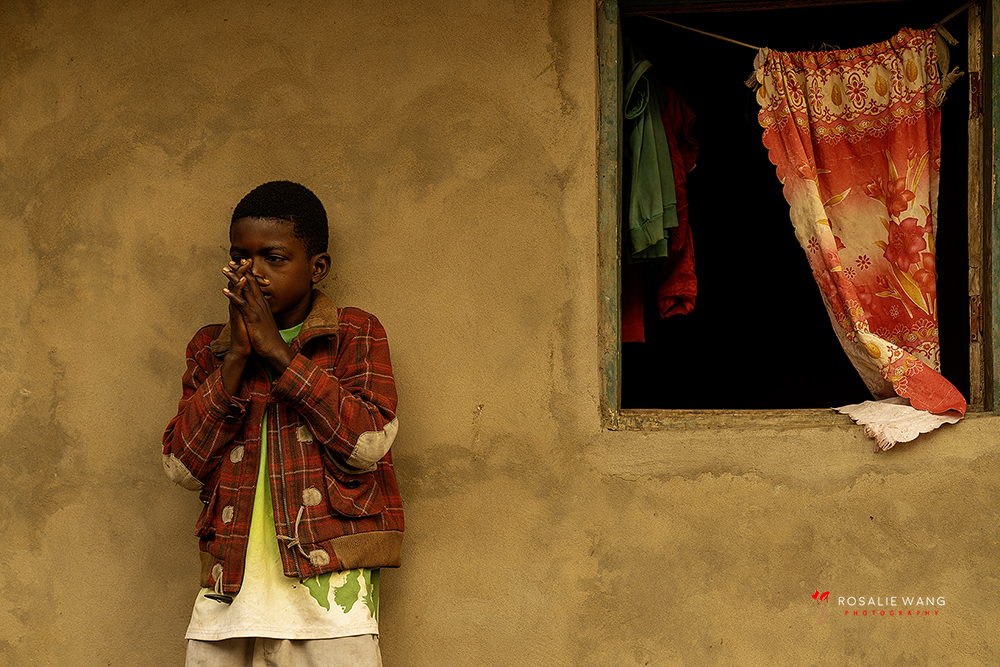
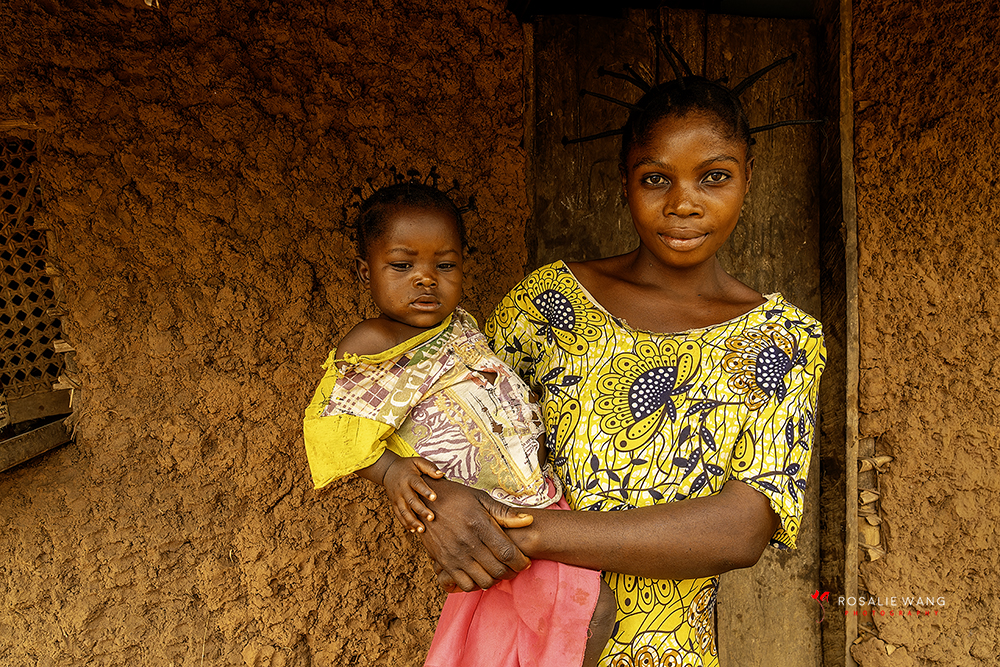
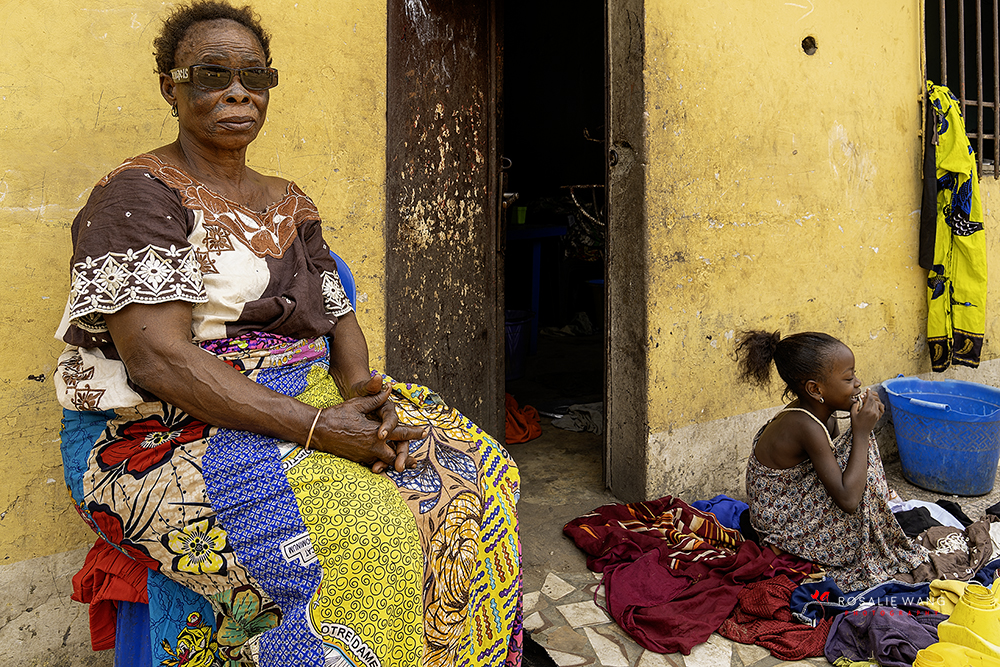
Local Life
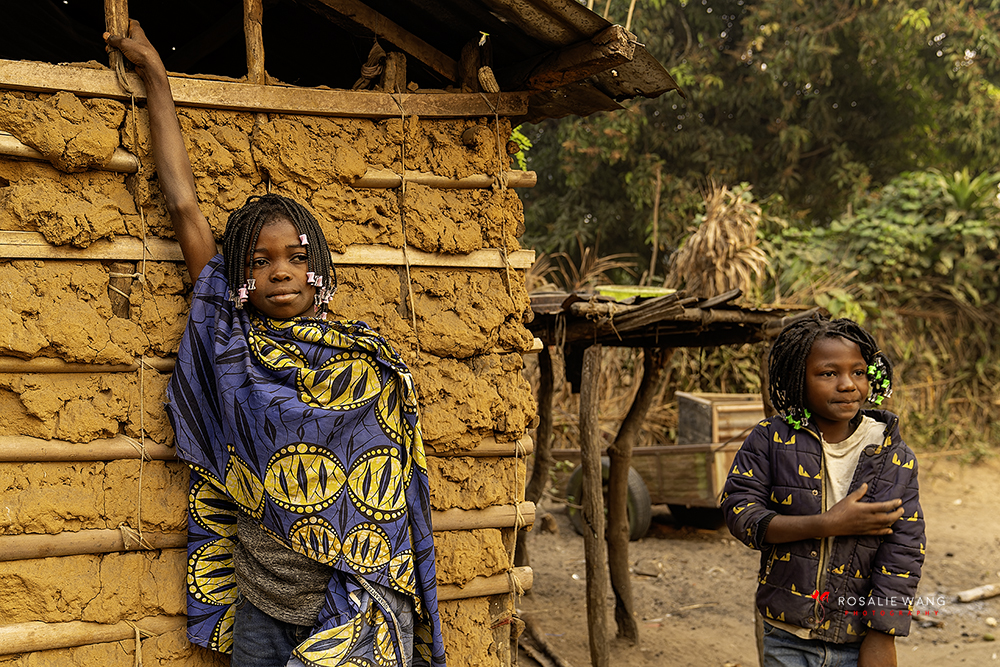
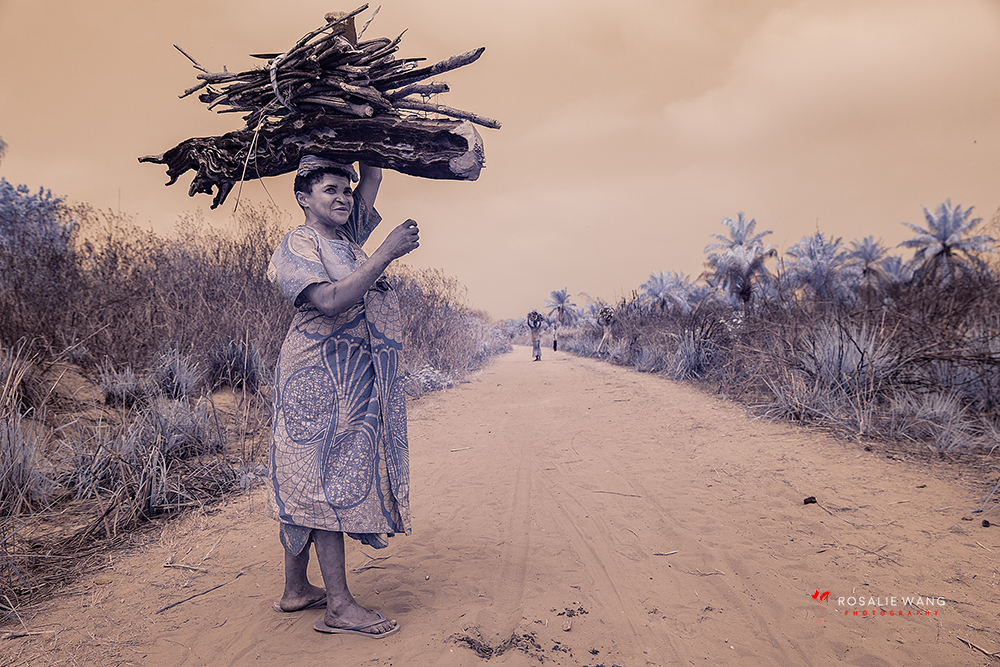
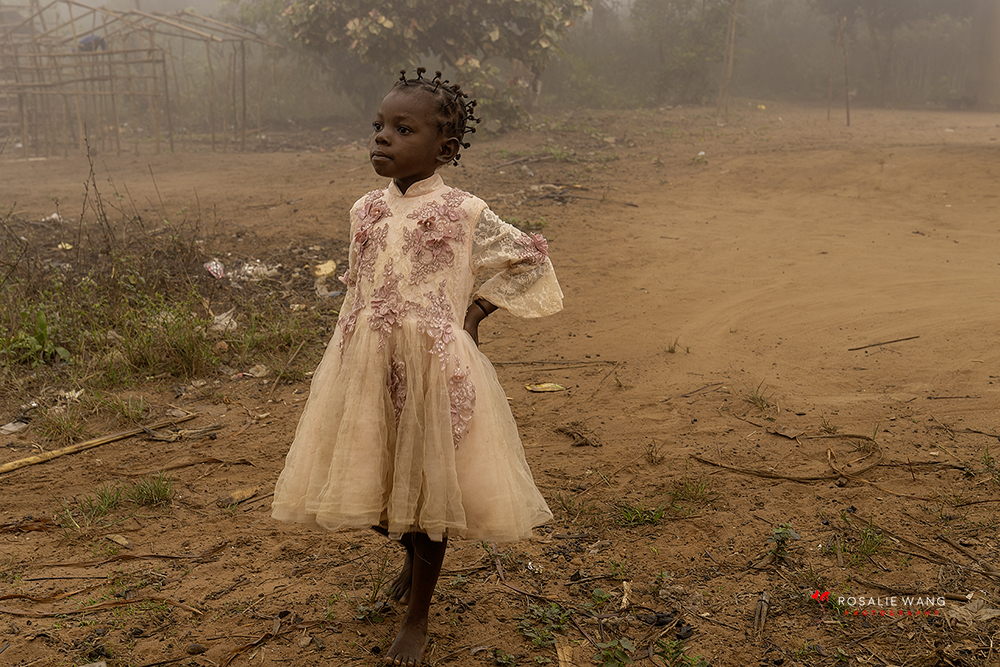
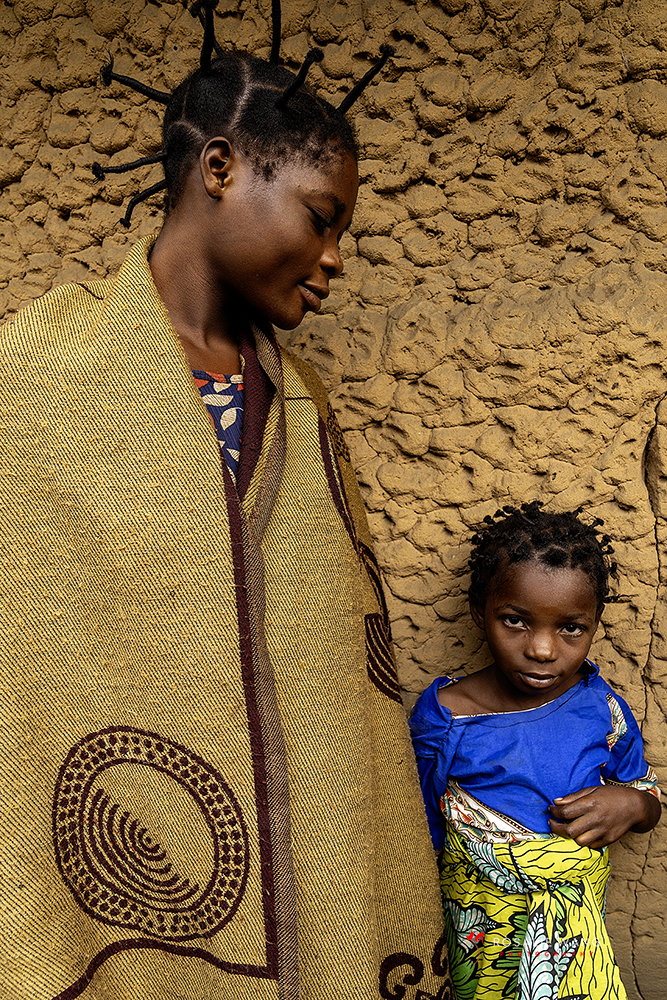
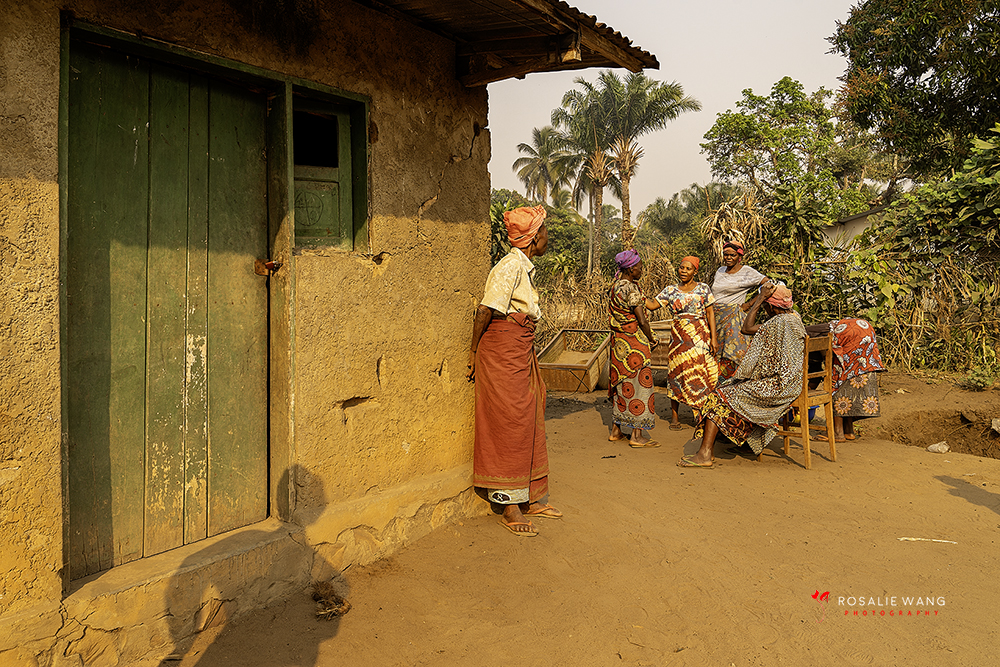
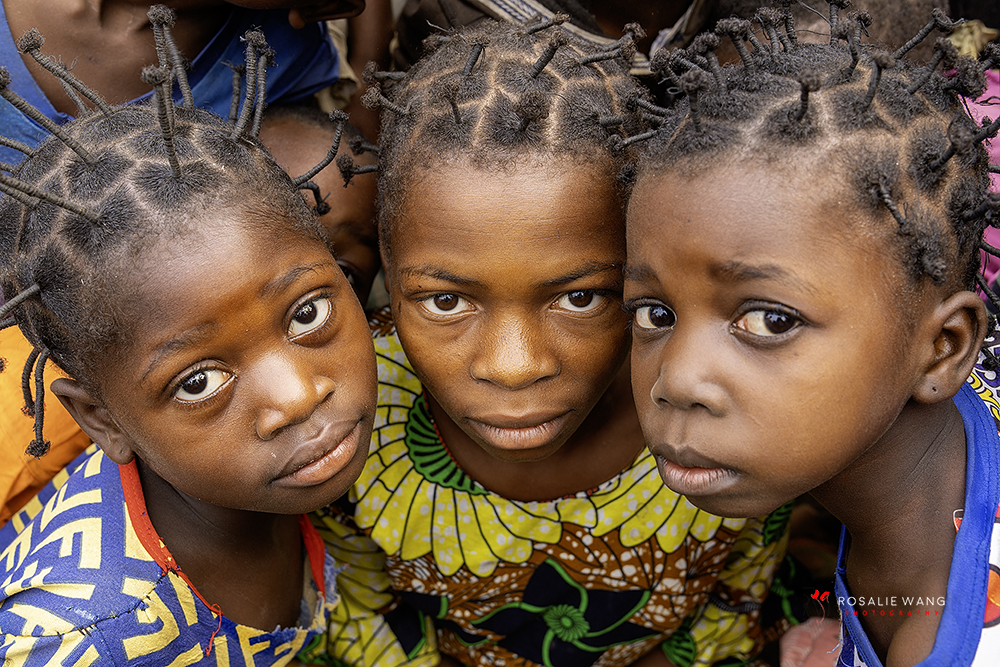
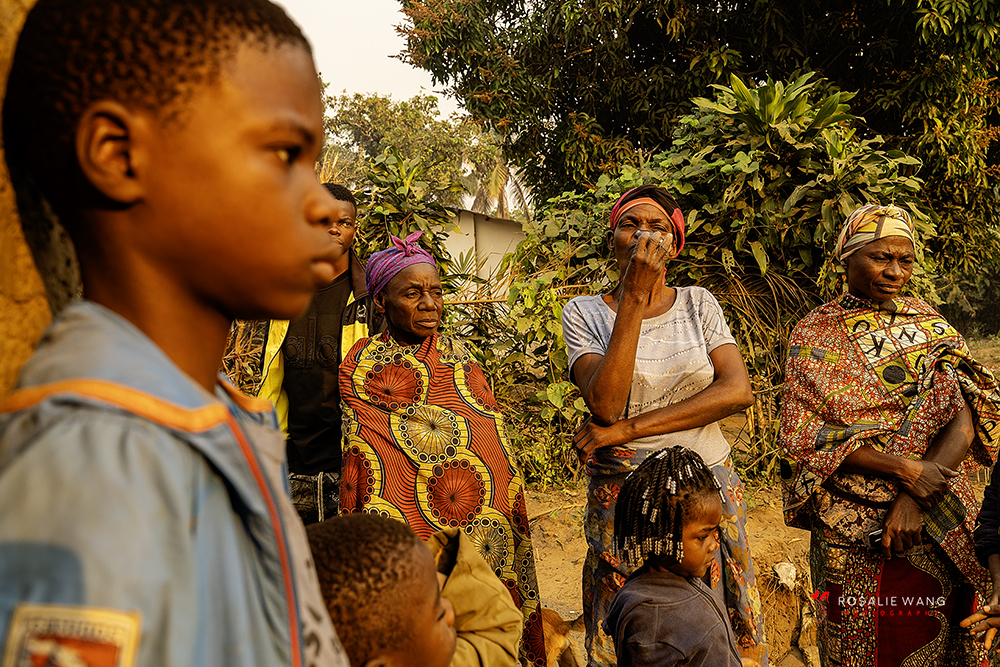
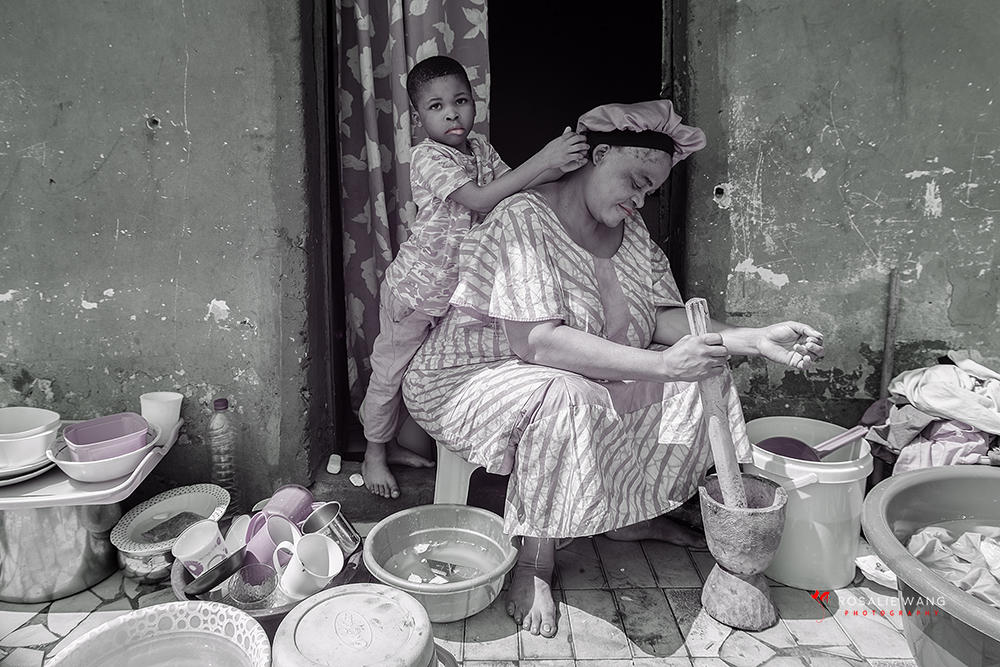
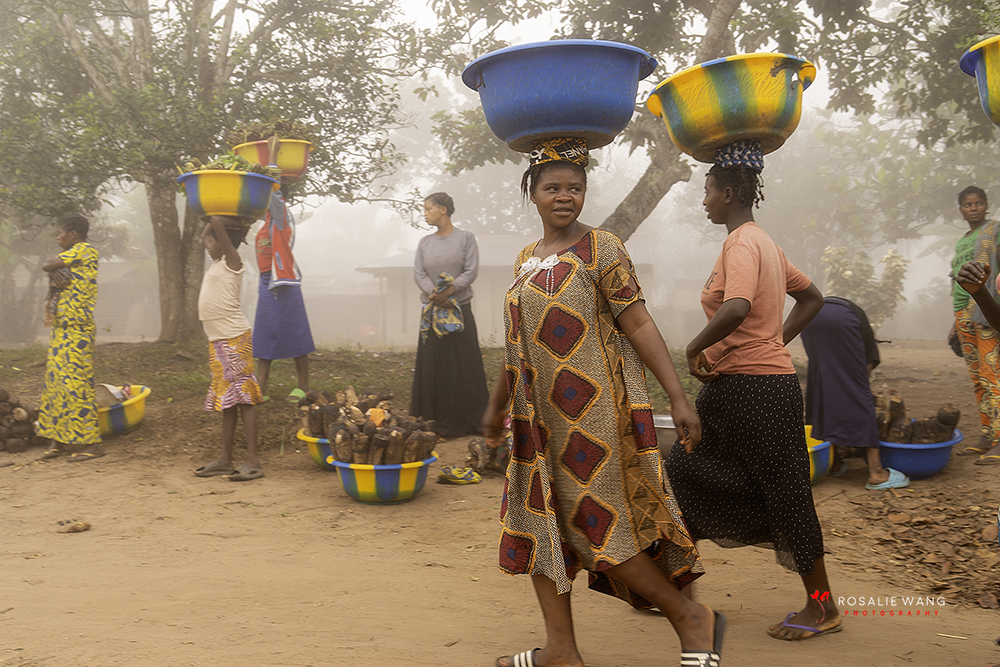
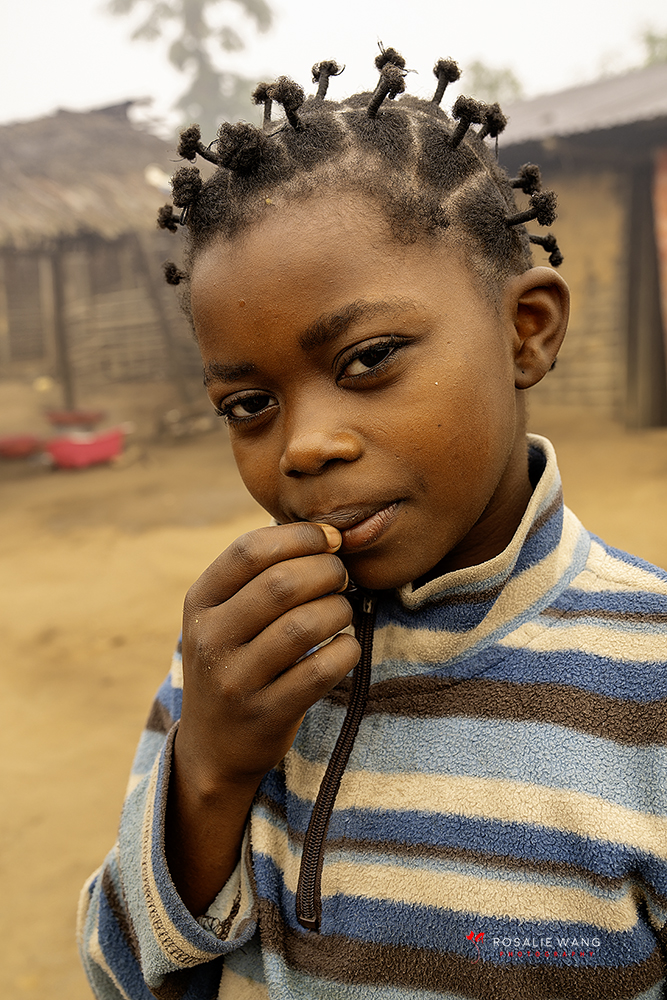
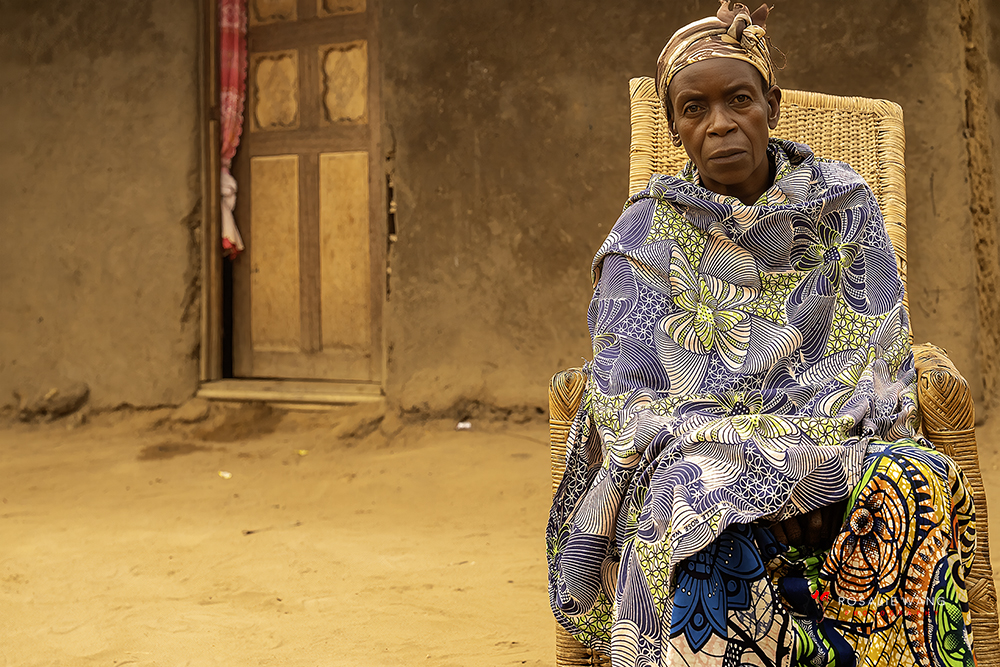
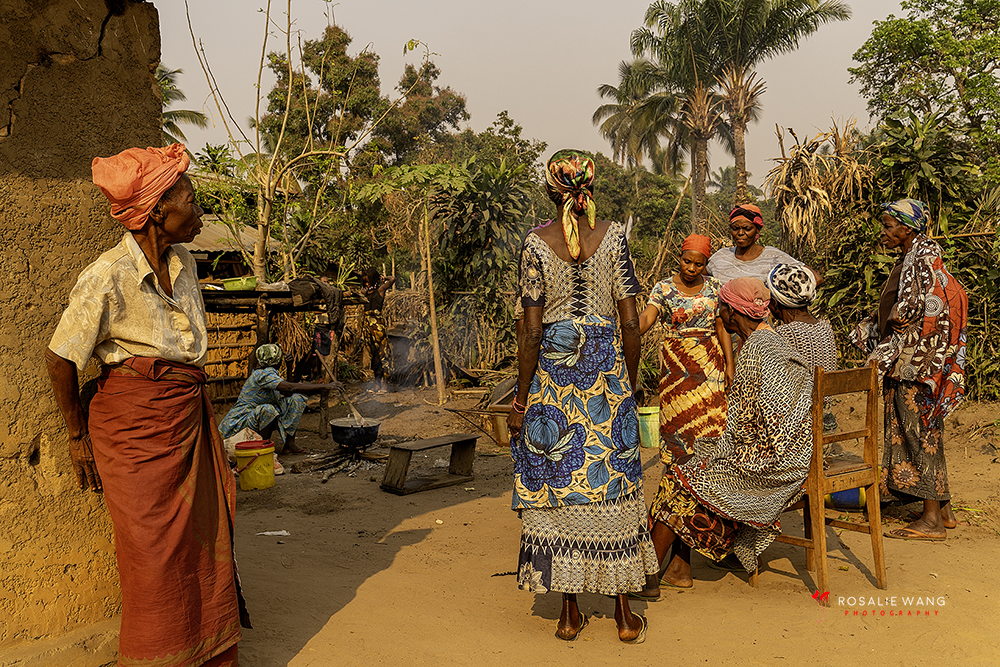
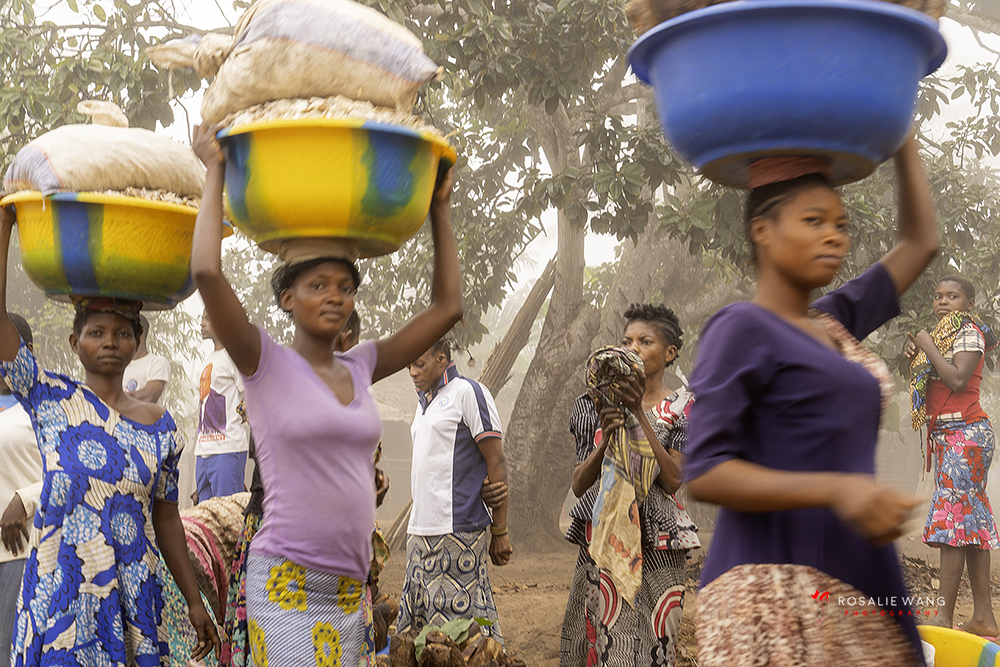
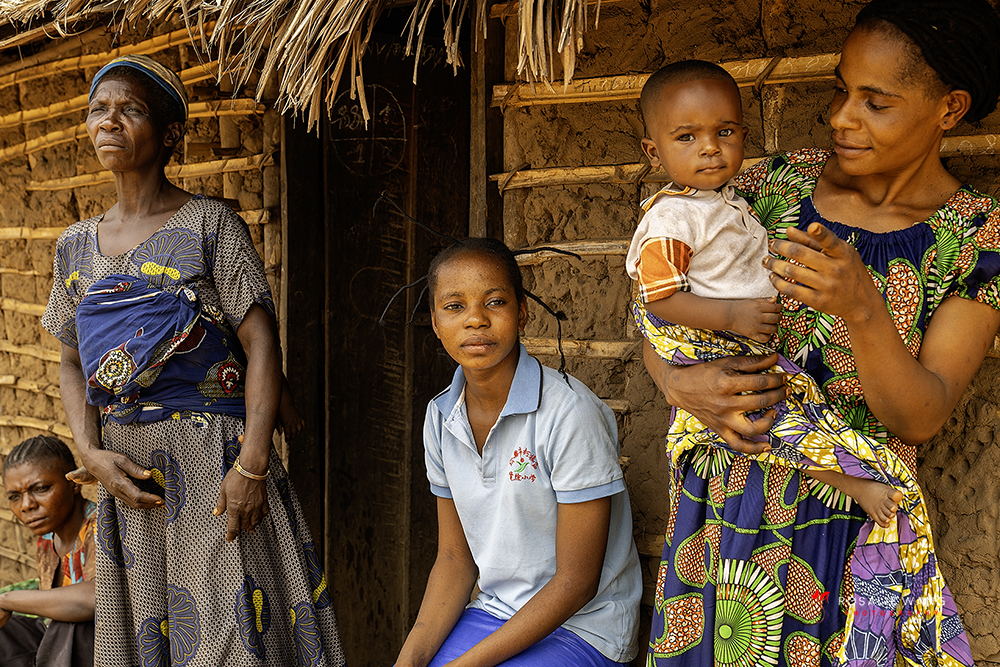
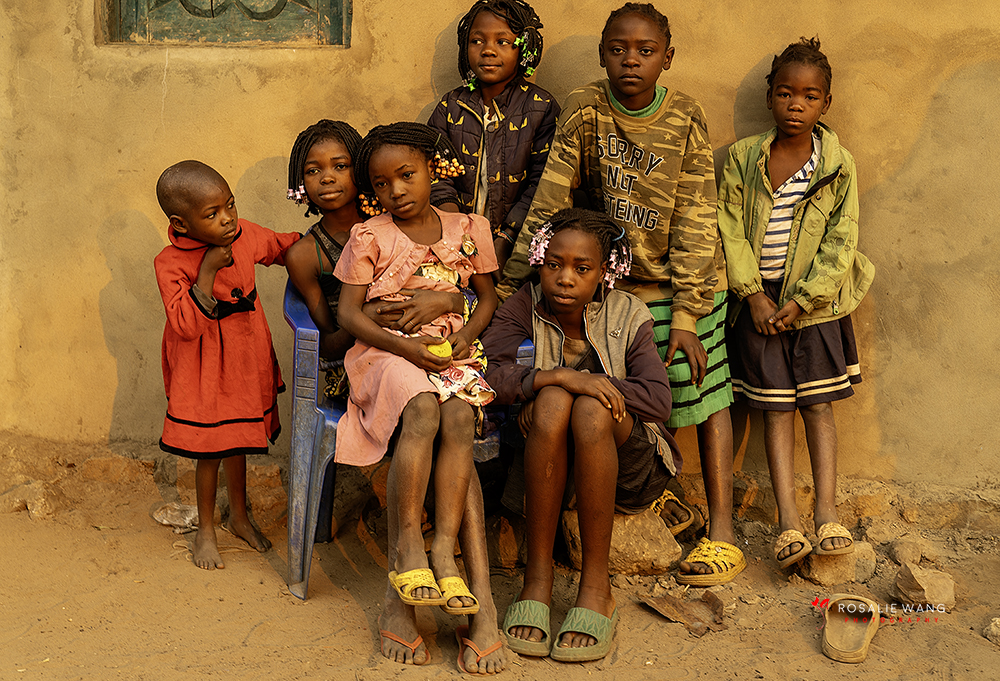
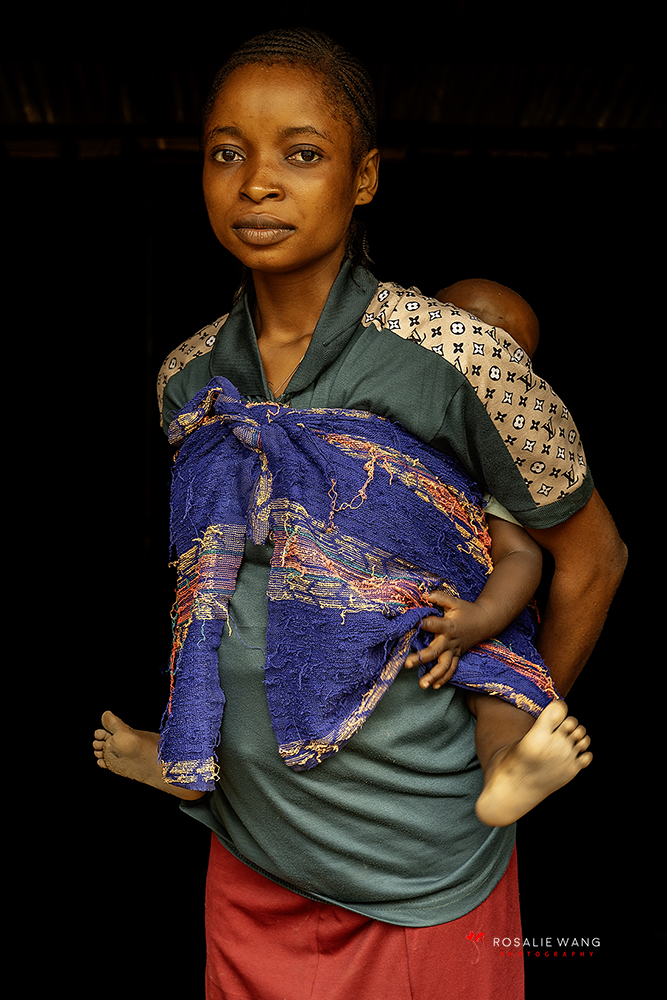
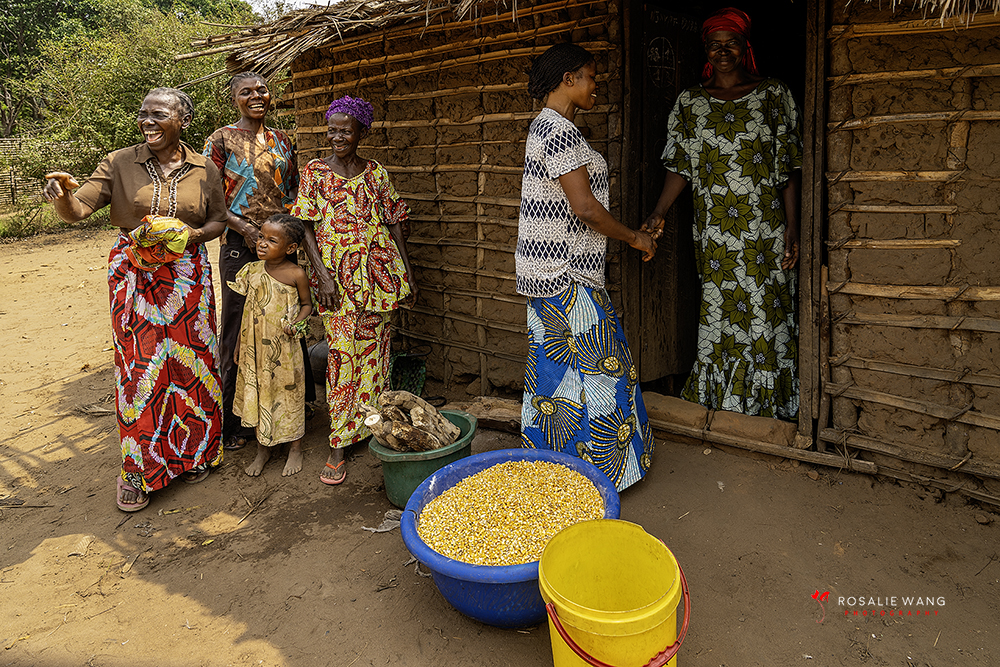
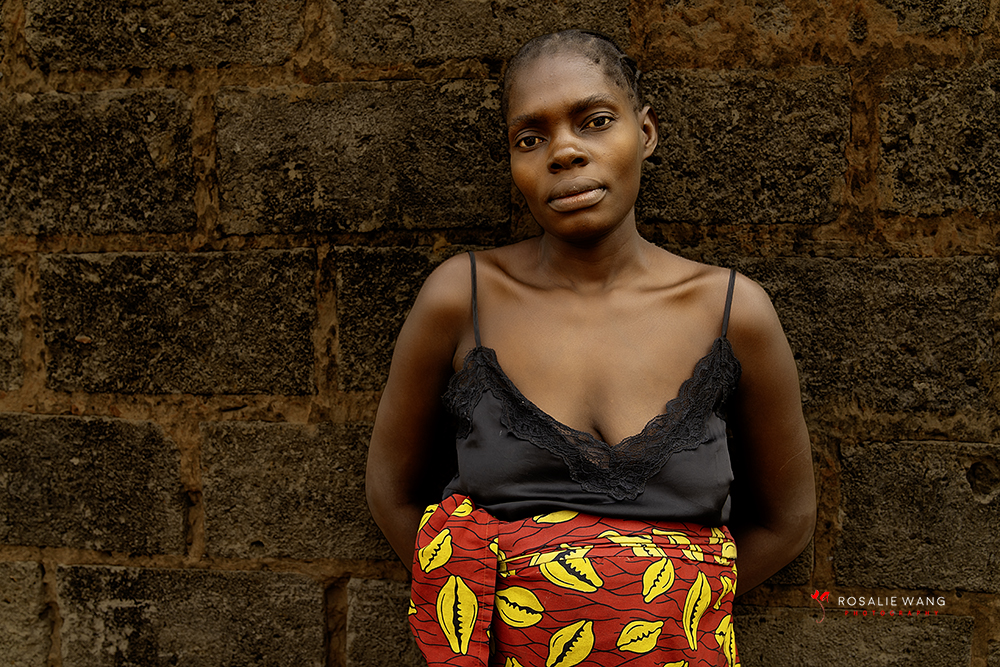
The Major Ethnic Groups
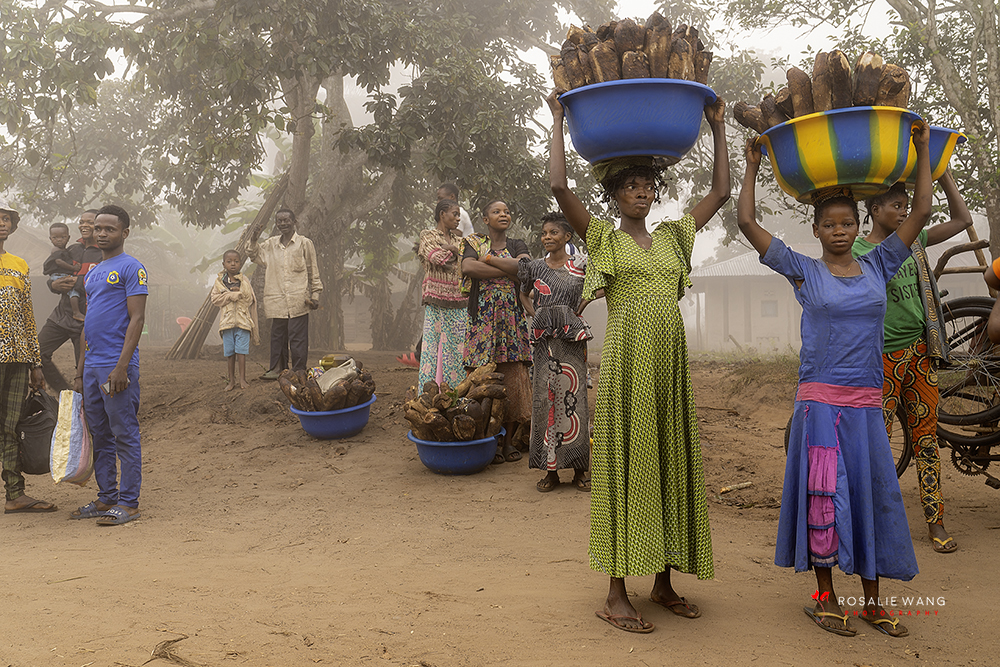
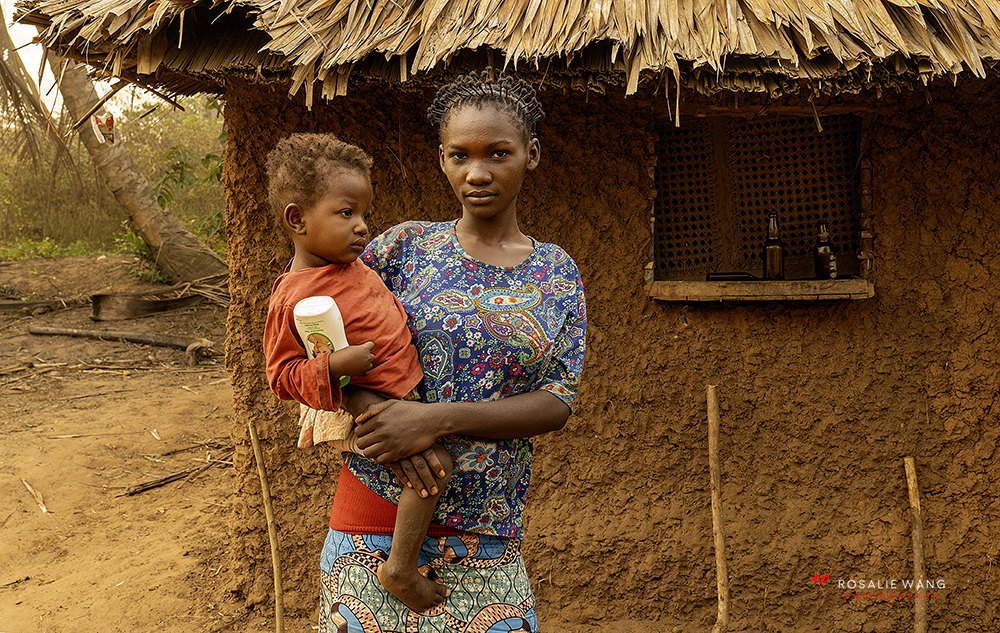
Together, four major ethnic clusters—the Kongo, Luba, Mongo, and Mangbetu-Azande—account for approximately 45% of the national population:
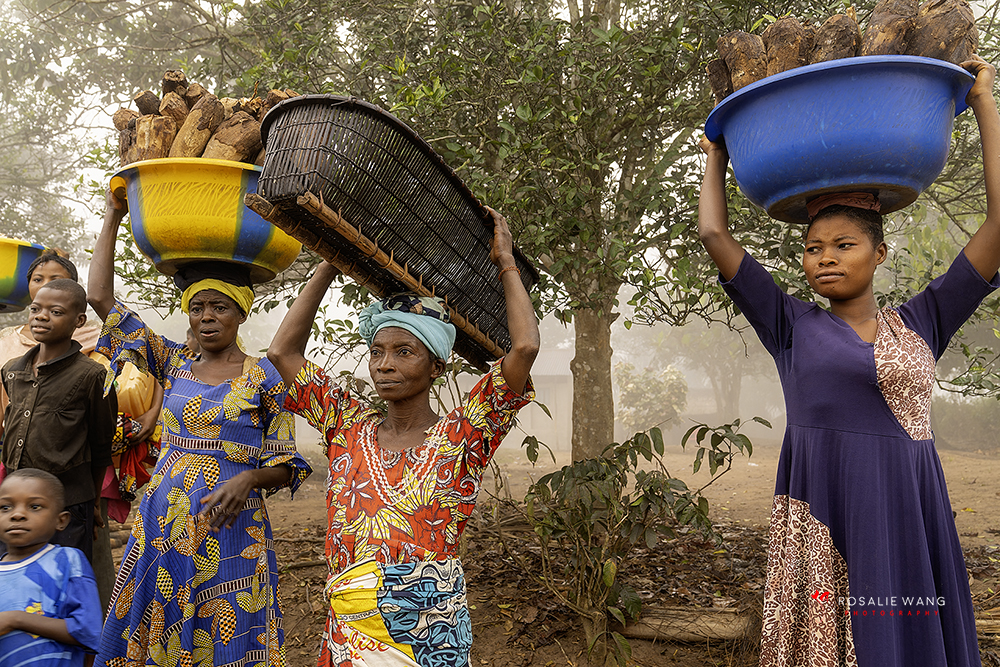
- The Kongo (Bakongo): Inhabiting the western coastal provinces and the capital, Kinshasa, the Kongo people trace their heritage to the historic Kingdom of Kongo. Historically sophisticated traders and diplomats, their cultural legacy continues to influence western regional politics and religious movements.
- The Luba (Baluba): Concentrated in the southern-central savannas of Kasai and Katanga, the Luba established one of Central Africa’s most expansive pre-colonial empires. Renowned for their oral histories and political organization, they remain a major demographic force in the country’s urban centers.
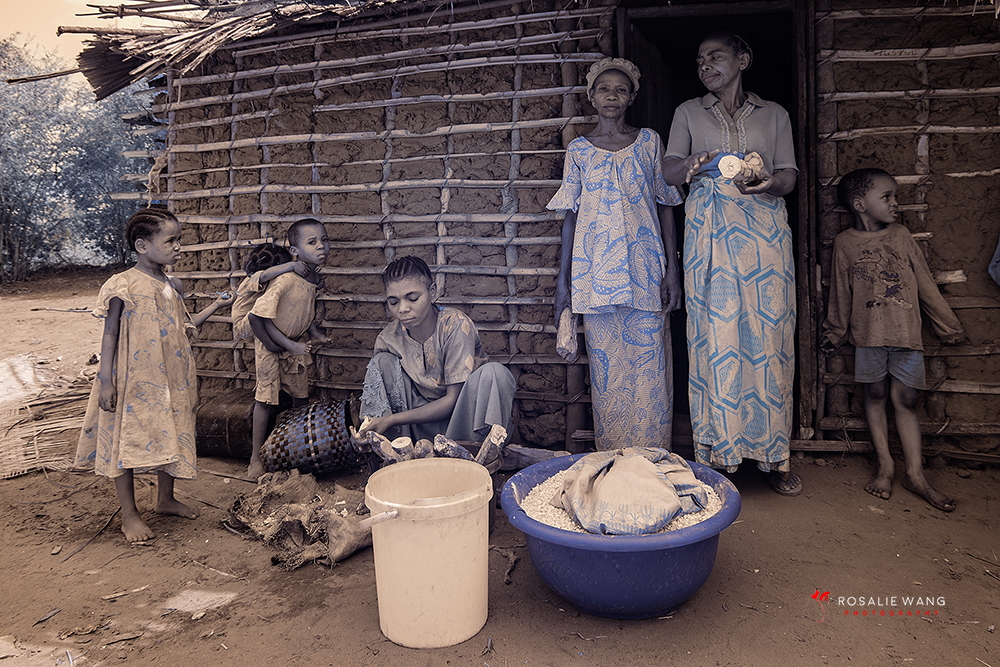
- The Mongo: Occupying the dense rainforests of the central Congo Basin, the Mongo comprise numerous sub-groups (such as the Ekonda, Boyela, and Tetela). Their cultural practices are deeply tied to forest ecology, agriculture, and complex riverine trading systems.
- The Mangbetu and Azande: Situated in the northeastern provinces, these Central Sudanic peoples migrated from north-central Africa. They are historically celebrated for their centralized chiefdoms, distinctive court music, and unique courtly art styles.
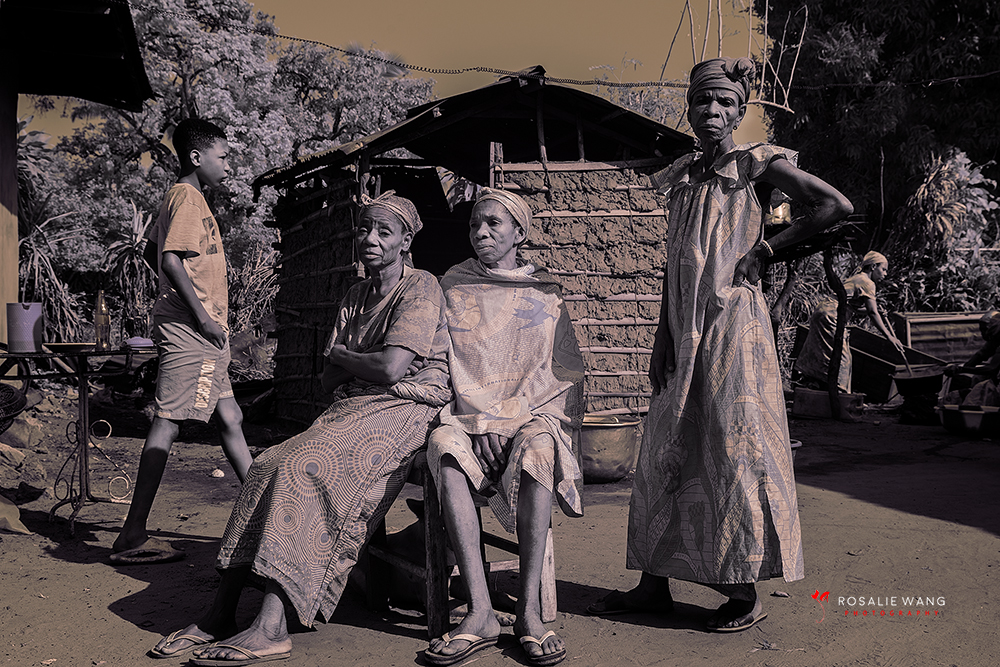
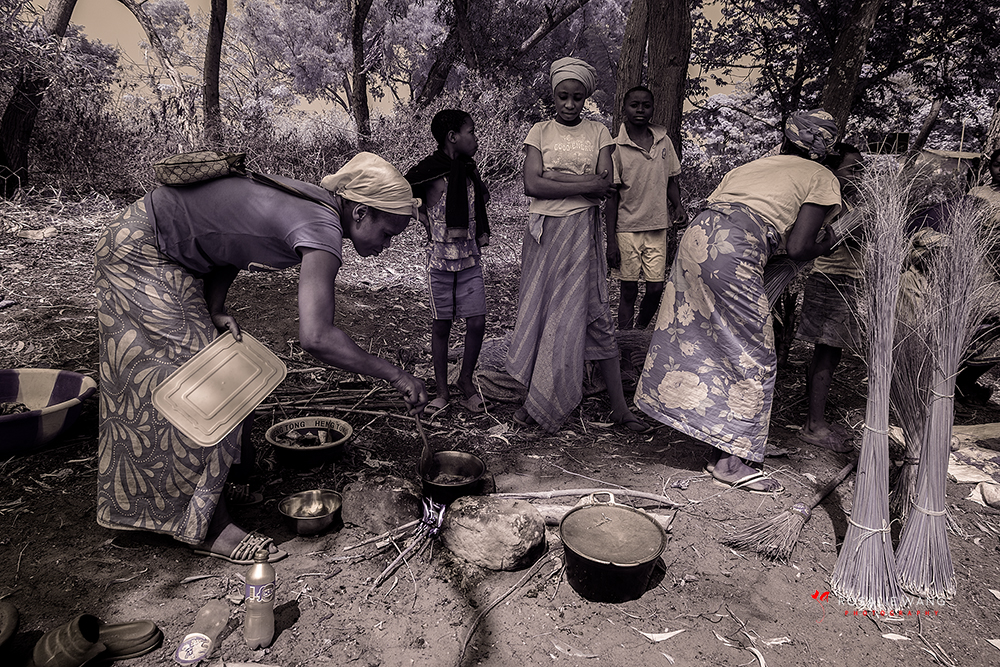
- Indigenous Forest Communities (Batwa, Mbuti, Efe): Often collectively called Pygmy peoples, these aboriginal hunter-gatherer communities live predominantly in the Ituri and equatorial rainforests. They possess unrivaled botanical and ecological knowledge, maintaining spiritual and subsistence practices centered entirely on the forest ecosystem.
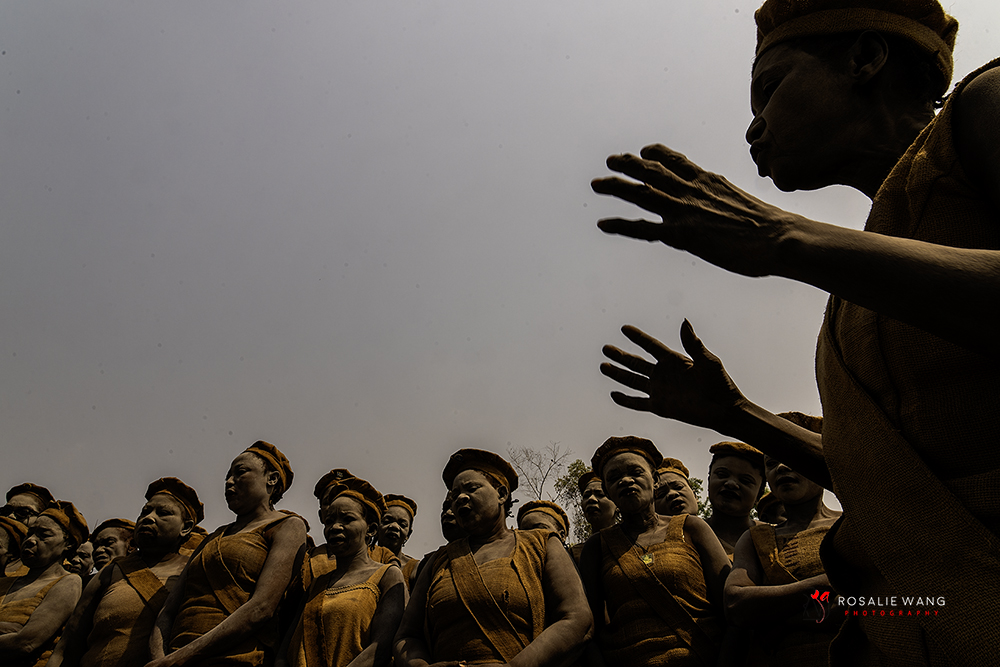
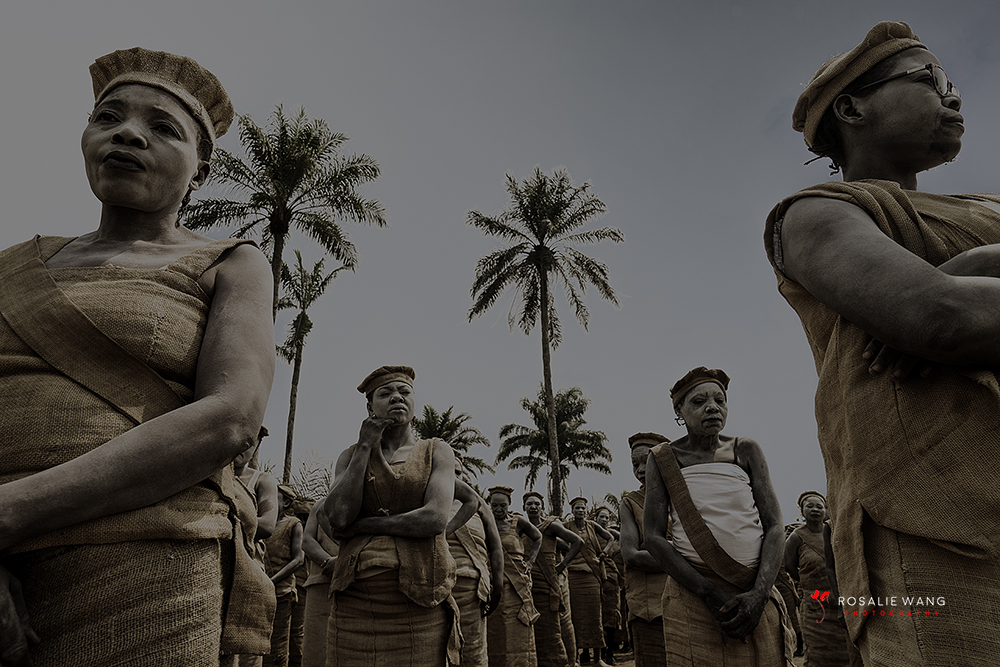
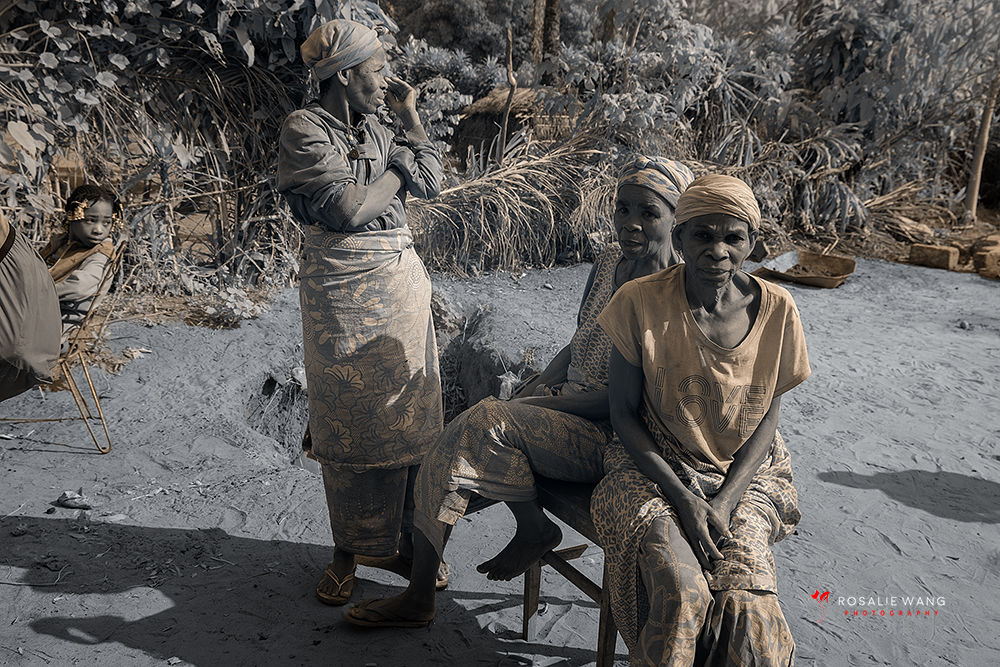
🔥 Tata Gonda Sect — Ash‑Clad Penitents
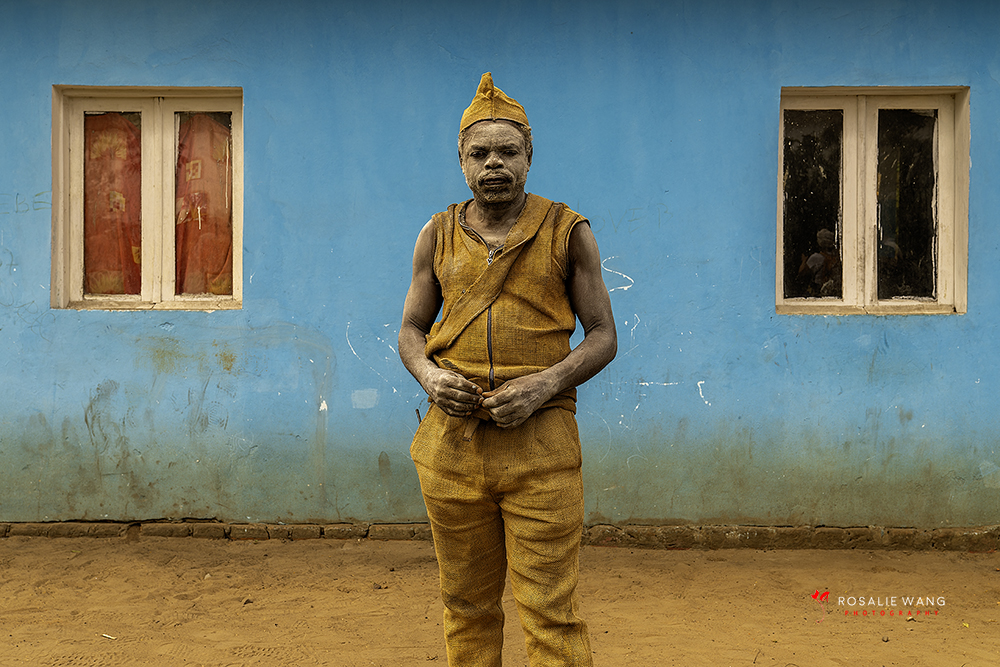
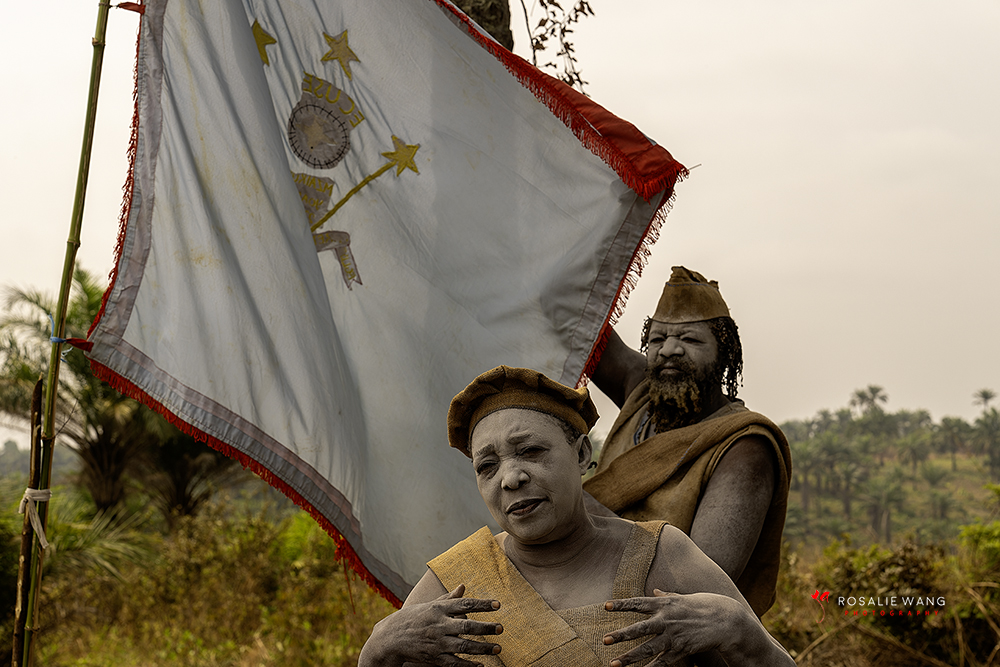
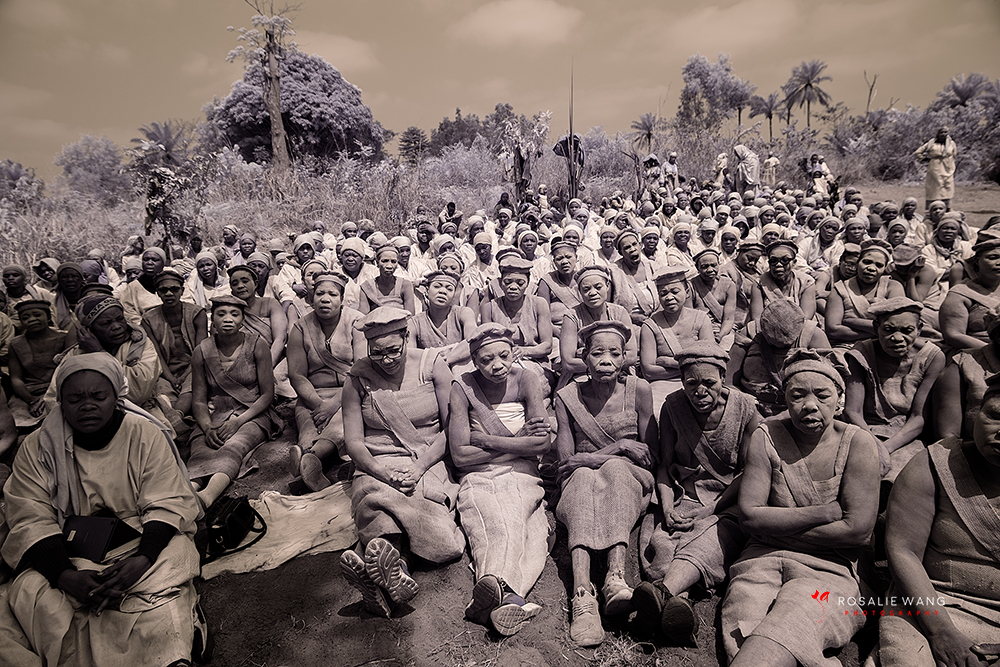
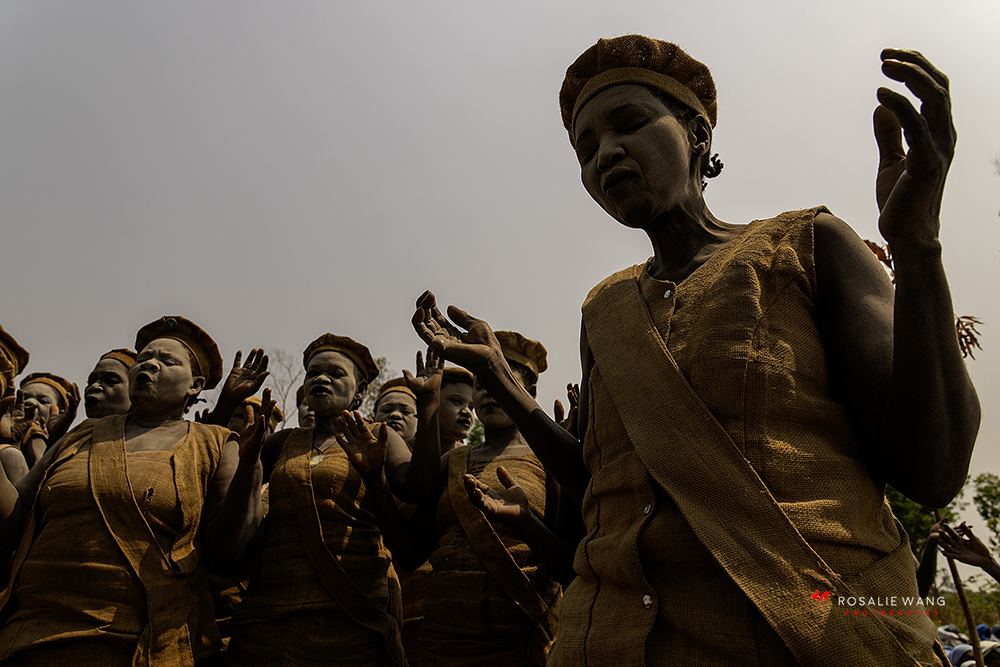
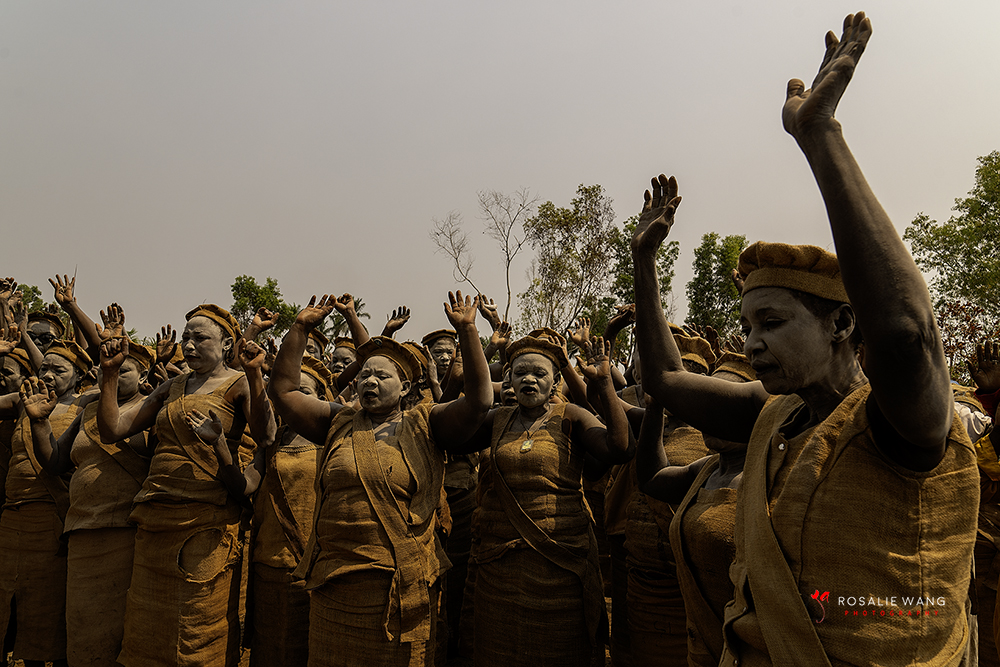
Tata Gonda refers to a syncretic religious movement and ascetic spiritual community based in the Kongo Central province of the Democratic Republic of the Congo. Often referred to as the “Celestial Army,” it represents a unique offshoot of Congolese spiritual traditions.
The Tata Gonda Sect is a strict spiritual community founded in 1989 by the prophet Tata Gonda Wasilua, who preached radical humility and purification.
- Identity: A monastic‑like group living in seclusion at Mbanza Nzambi, south of Kinshasa.
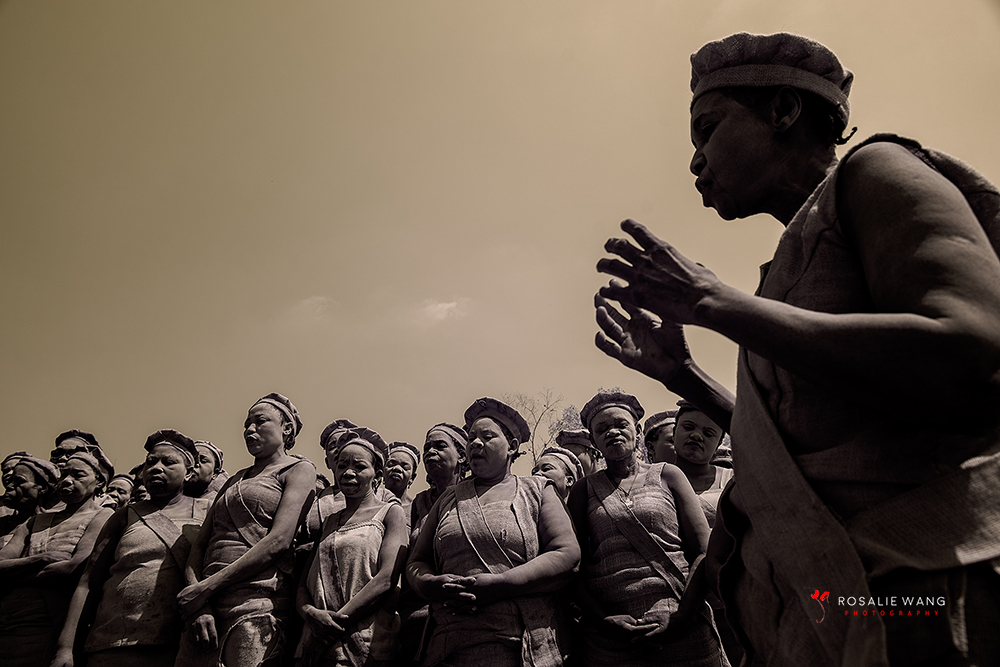
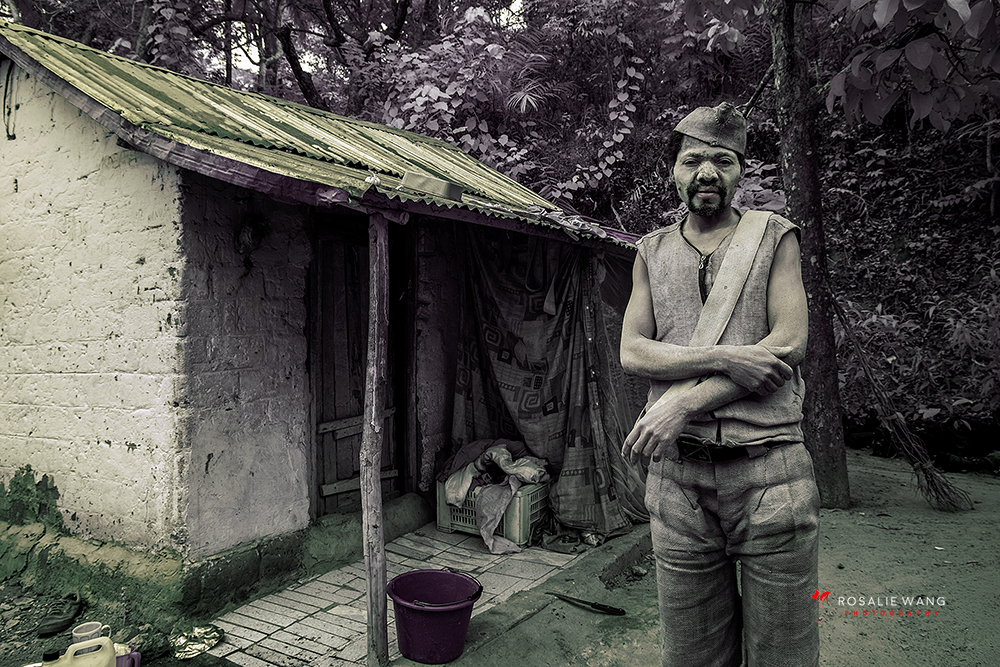
- Appearance: Members wear sackcloth robes and cover their bodies daily with ashes of burnt palm leaves, rejecting modern clothing and vanity.
- Discipline: No bathing with water, no alcohol, no smoking, no luxury — life is prayer, farming, and communal labor.
- Belief: The world is spiritually corrupted; salvation comes through penitence, simplicity, and constant purification.
- Atmosphere: Peaceful, austere, and deeply symbolic — a living fusion of Christian penitence and Kongo ancestral spirituality.