🇨🇳 GUIZHOU: A Cultural Heartland of Southwest China
Nestled in the mountainous southwest of Guizhou, China, Guizhou is one of the country’s most culturally diverse regions. Known for its dramatic karst landscapes and remote villages, the province is especially celebrated for its rich tapestry of ethnic minority groups, many of whom have preserved traditions that date back centuries.
🎨A Mosaic of Ethnic Groups
Guizhou is home to dozens of officially recognized ethnic minorities, making it one of China’s most diverse provinces. Among the largest groups are the Miao people, Dong people, Buyi people, Yi people, and Shui people. Each group has its own language (often unwritten or orally transmitted), clothing styles, architecture, and customs, contributing to a vibrant cultural patchwork.
🎉Living Traditions and Festivals
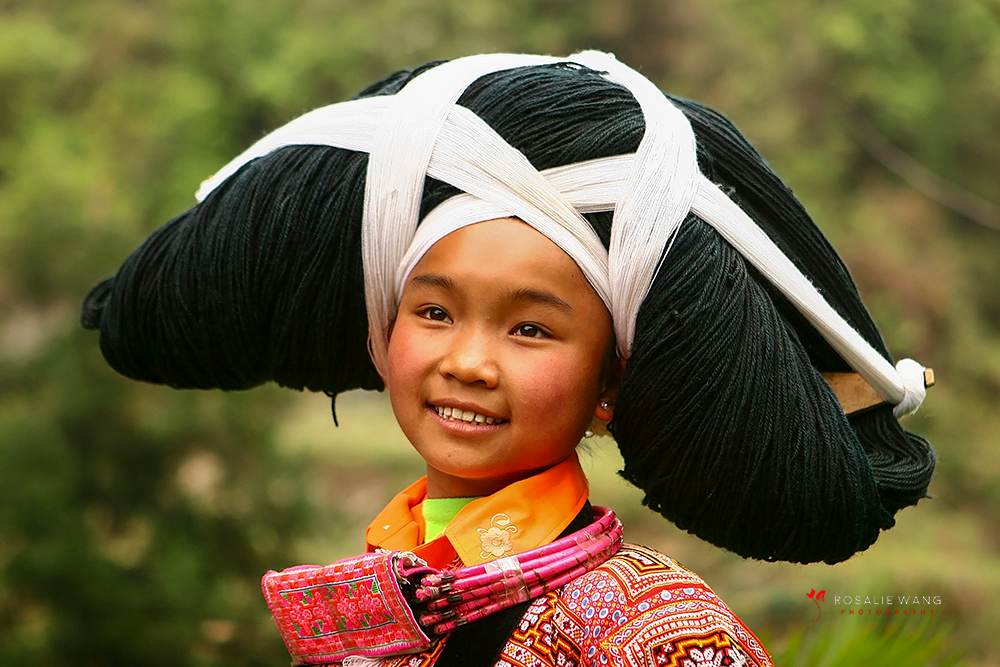
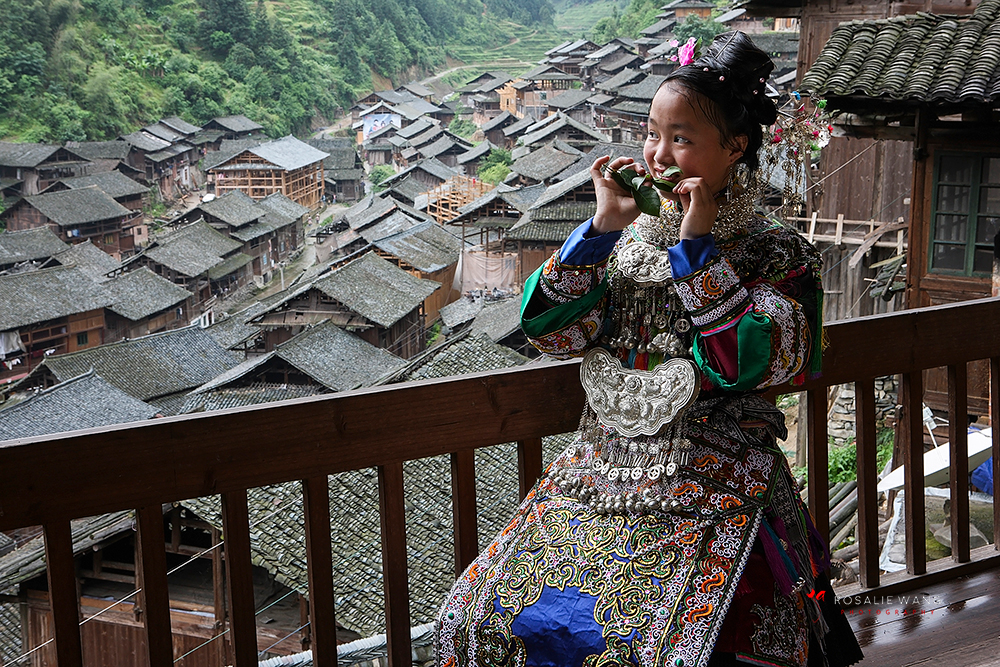
Ethnic culture in Guizhou is deeply tied to seasonal festivals, music, and community rituals. The Miao are famous for their elaborate silver headdresses and the lively Miao New Year, marked by dancing, lusheng (a traditional reed instrument) music, and bullfighting. The Dong people are known for their polyphonic singing traditions, often performed in drum towers—unique wooden communal structures found in their villages.
Other festivals, such as the Sisters’ Meal Festival (sometimes called the “oldest Valentine’s Day”), highlight courtship traditions and communal bonding, where young women prepare colorful rice dishes as symbolic gifts.
🏠Architecture and Village Life
Traditional villages in Guizhou are often tucked into valleys or perched along hillsides. The Dong are renowned for their wind-and-rain bridges and drum towers, built without nails and serving as social hubs. The Miao and Buyi construct wooden stilt houses that adapt to the mountainous terrain and humid climate.
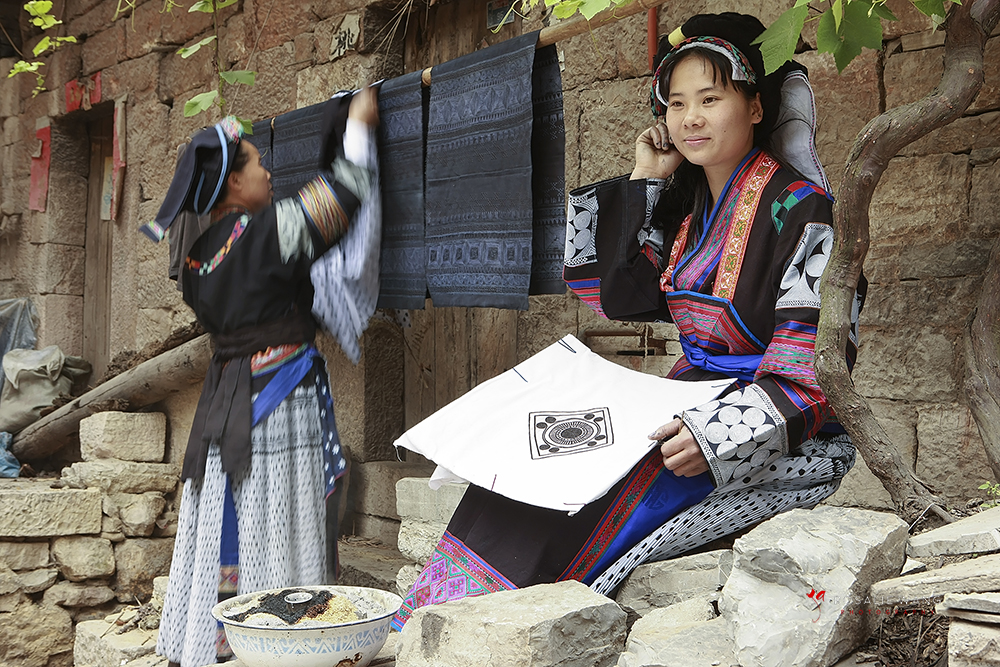
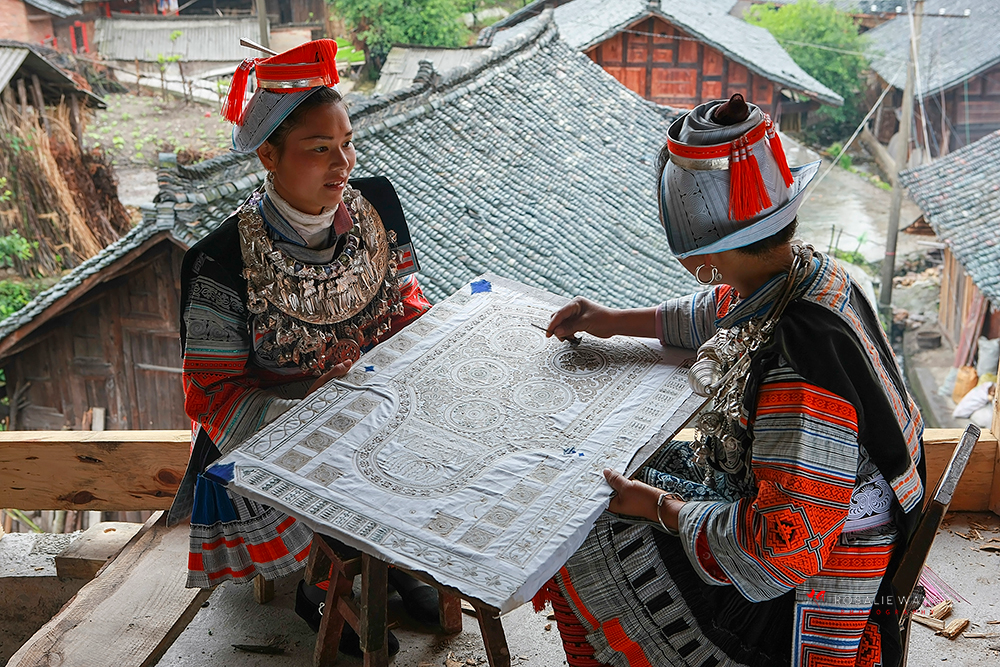
Life in these villages revolves around agriculture, craftsmanship, and community. Handicrafts such as embroidery, batik, and silverwork are not only artistic expressions but also carriers of cultural identity, often passed down through generations.
🎊Cultural Preservation
Because of its relative geographic isolation, Guizhou has retained many traditions that have faded elsewhere in China. Today, both local communities and cultural initiatives work to preserve languages, festivals, and crafts, even as tourism and modernization gradually reshape the region.